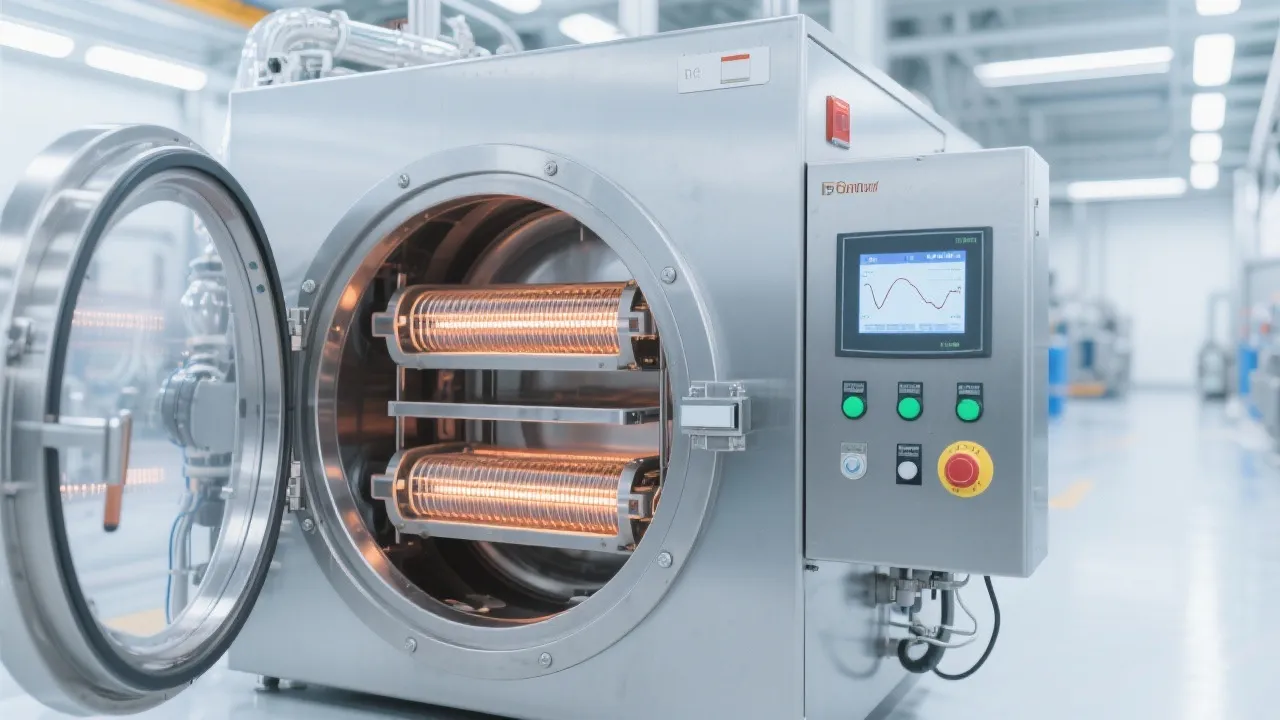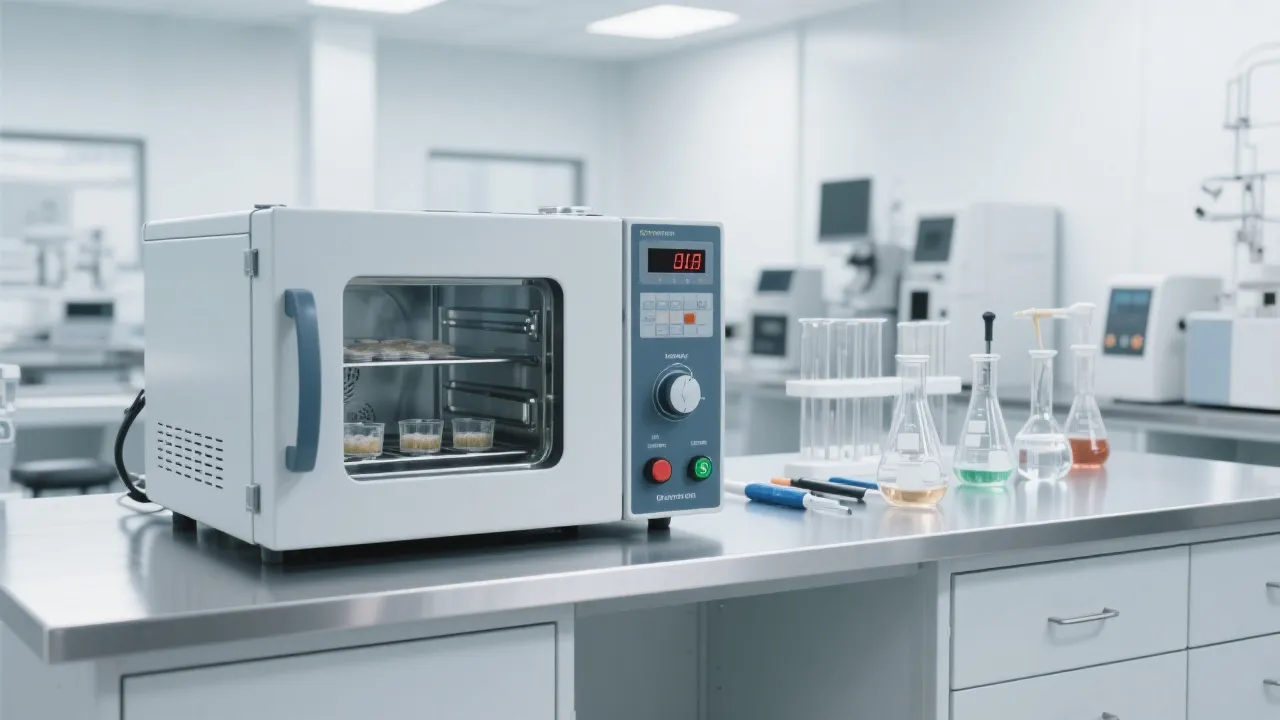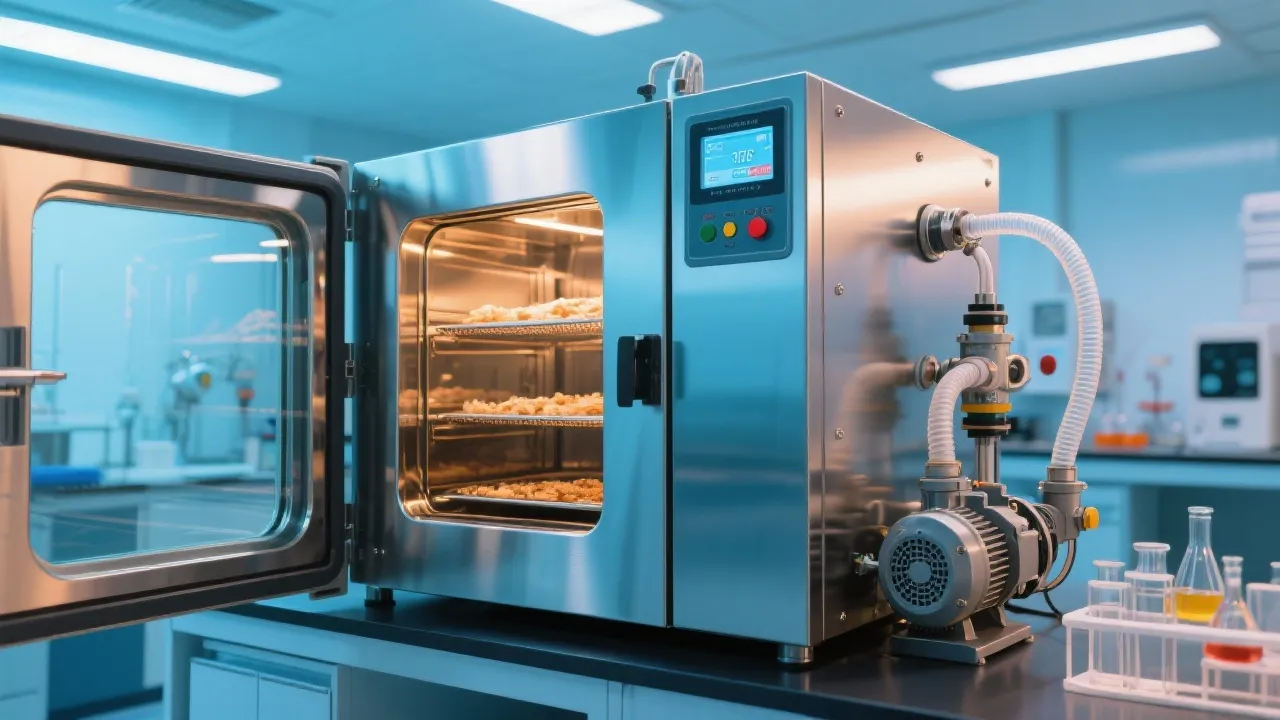
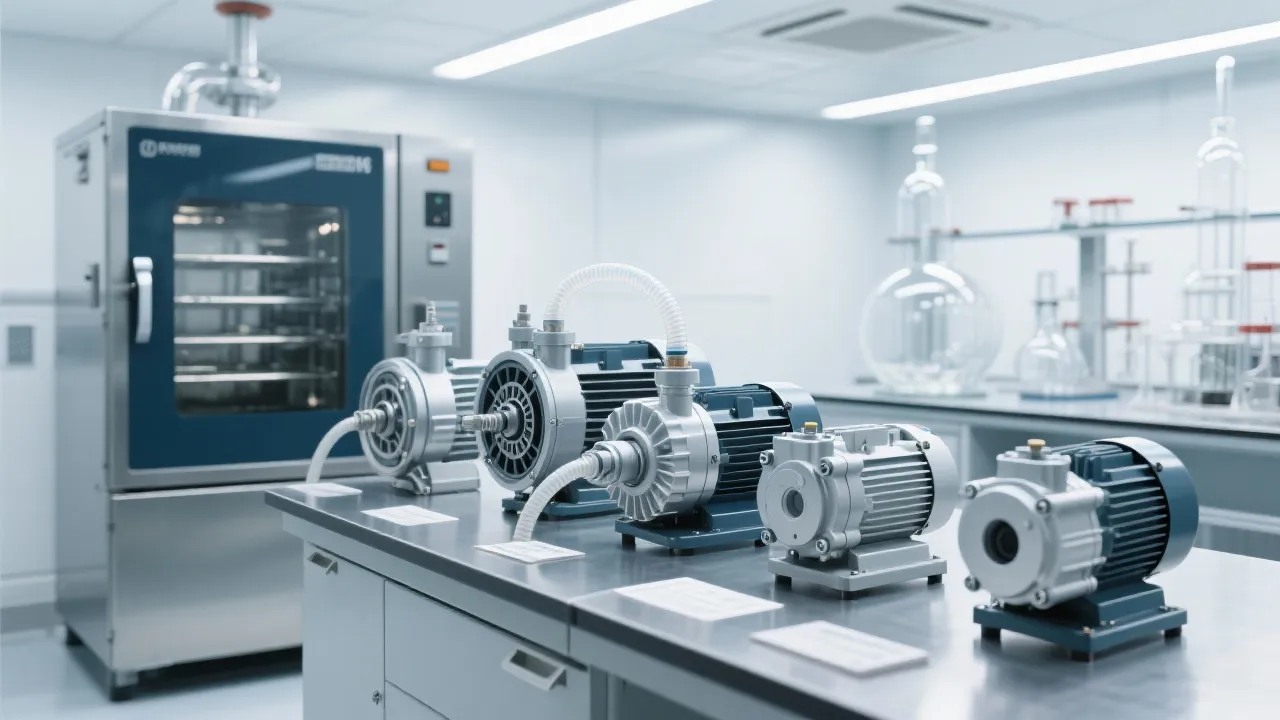
In the field of materials science, vacuum drying technology plays a crucial role in enhancing the purity and performance of samples. Vacuum drying creates a unique environment that significantly impacts the structure and properties of materials. The low - pressure environment in a vacuum drying process can prevent oxidation and other chemical reactions that might occur under normal atmospheric conditions, thus preserving the integrity of the material's structure.
Let's take a closer look at how different materials respond to vacuum drying. For example, polymers often require a specific temperature - time - vacuum profile to achieve optimal drying. A temperature that is too high can cause the polymer to degrade, while insufficient vacuum levels may leave residual solvents. The ideal vacuum degree for drying polymers is usually below 133 Pa, which helps to efficiently remove volatile organic compounds without compromising the polymer's molecular structure. On the other hand, ceramic powders benefit from vacuum drying through improved particle dispersion and reduced agglomeration. By carefully controlling the drying conditions, the ceramic powder can maintain its high - surface area and reactivity.
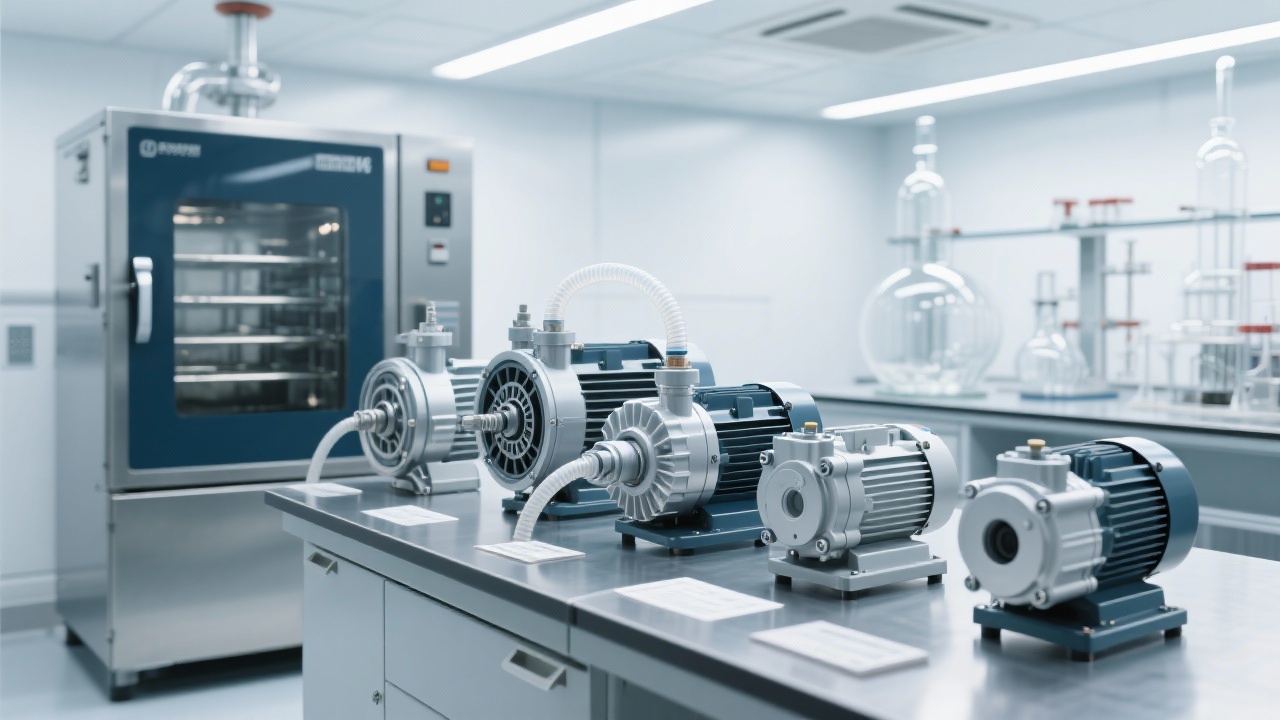
When comparing vacuum drying with traditional drying methods such as air - drying or oven - drying, the advantages become evident. Traditional methods often rely on high temperatures and long drying times, which can be time - consuming and may lead to thermal damage to the materials. In contrast, vacuum drying can operate at lower temperatures due to the reduced boiling point of solvents in a vacuum environment. This results in faster drying times, sometimes reducing the drying duration by up to 50%. Moreover, vacuum drying is much safer as it minimizes the risk of fire or explosion that could occur when dealing with flammable solvents in traditional drying processes.
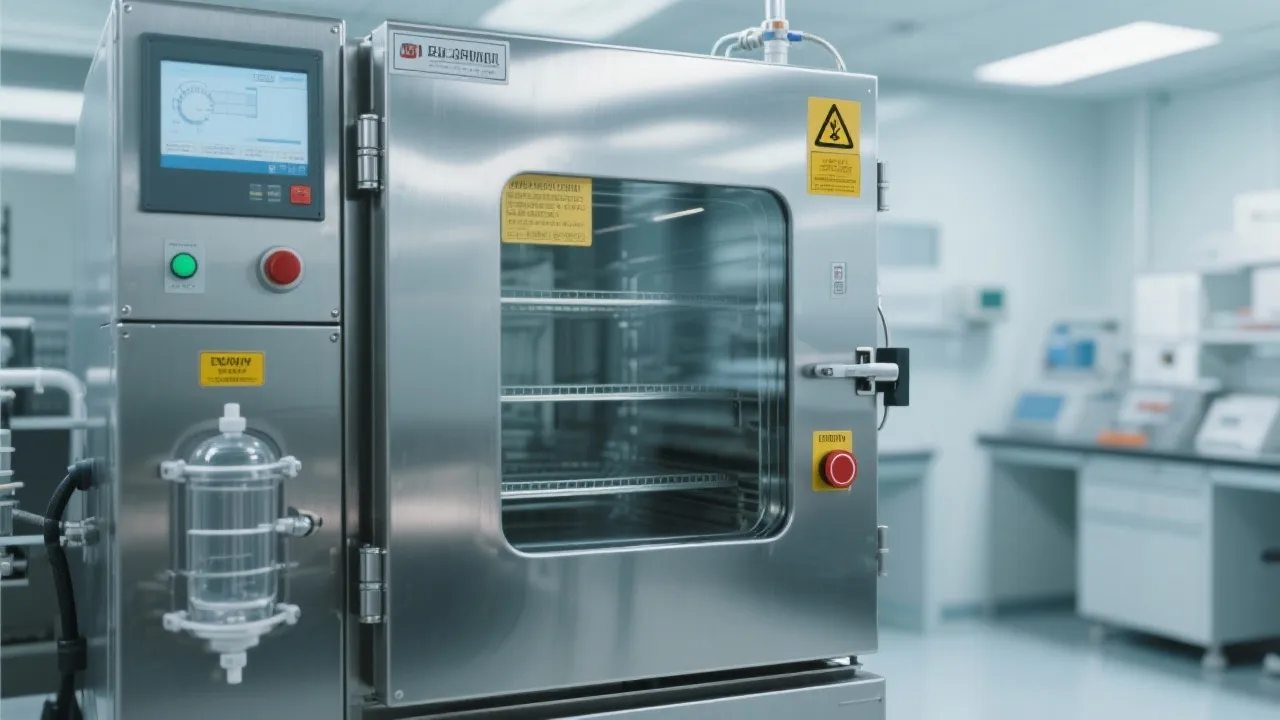
The DZ - 3BCII Digital Vacuum Drying Oven from Zhengzhou Keda is an outstanding choice for both laboratory and industrial applications. With a chamber size of 450×450×450 mm, it provides sufficient space for a variety of sample sizes. The oven can achieve a vacuum degree of less than 133 Pa, ensuring efficient removal of moisture and other volatile substances. Its temperature control accuracy is ±1℃, which is crucial for precise drying processes. Additionally, the four - wall uniform heating design ensures that all parts of the sample are evenly dried.
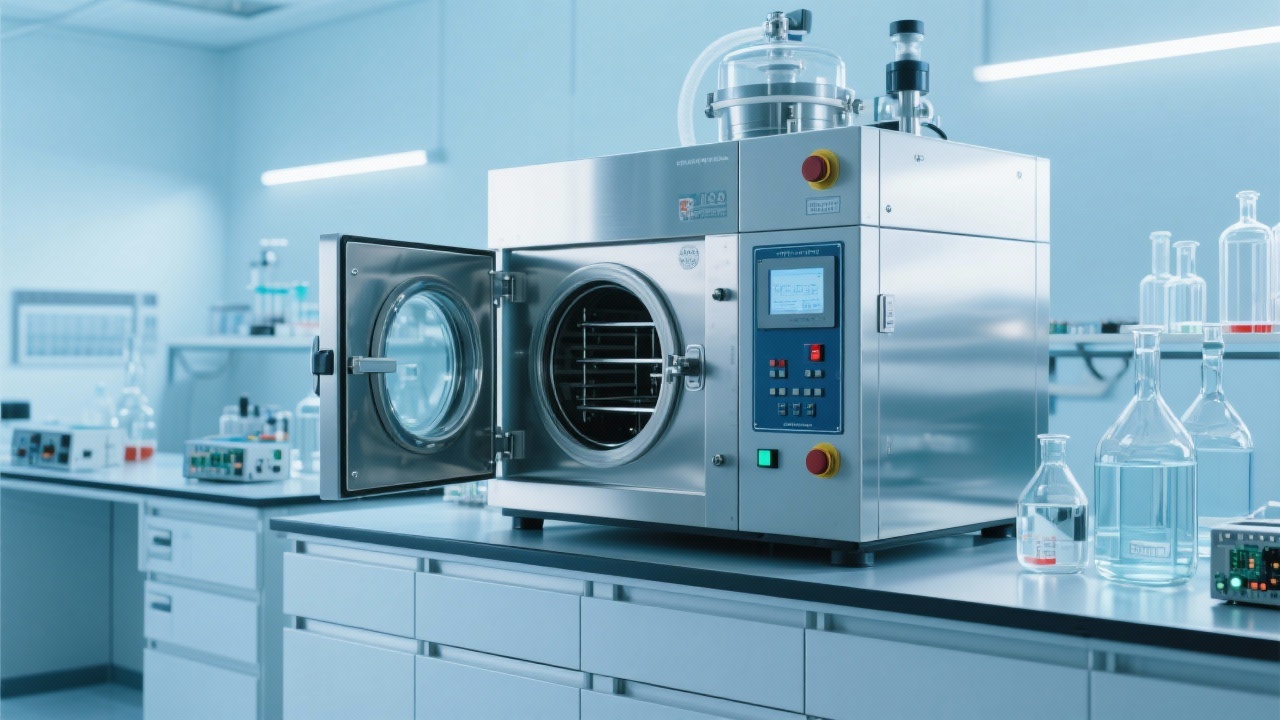
In the processing of lithium - battery electrode materials, the DZ - 3BCII can effectively remove moisture and organic solvents. It helps to improve the electrical conductivity and stability of the electrode materials, which is essential for the performance of lithium batteries. In the dehydration of nanocomposites, the precise temperature and vacuum control of the DZ - 3BCII ensure that the nanostructure of the composites is maintained during the drying process. For example, in a research project on nanocomposite - based sensors, using the DZ - 3BCII led to a 30% improvement in the sensor's sensitivity due to better preservation of the nanoscale structure.
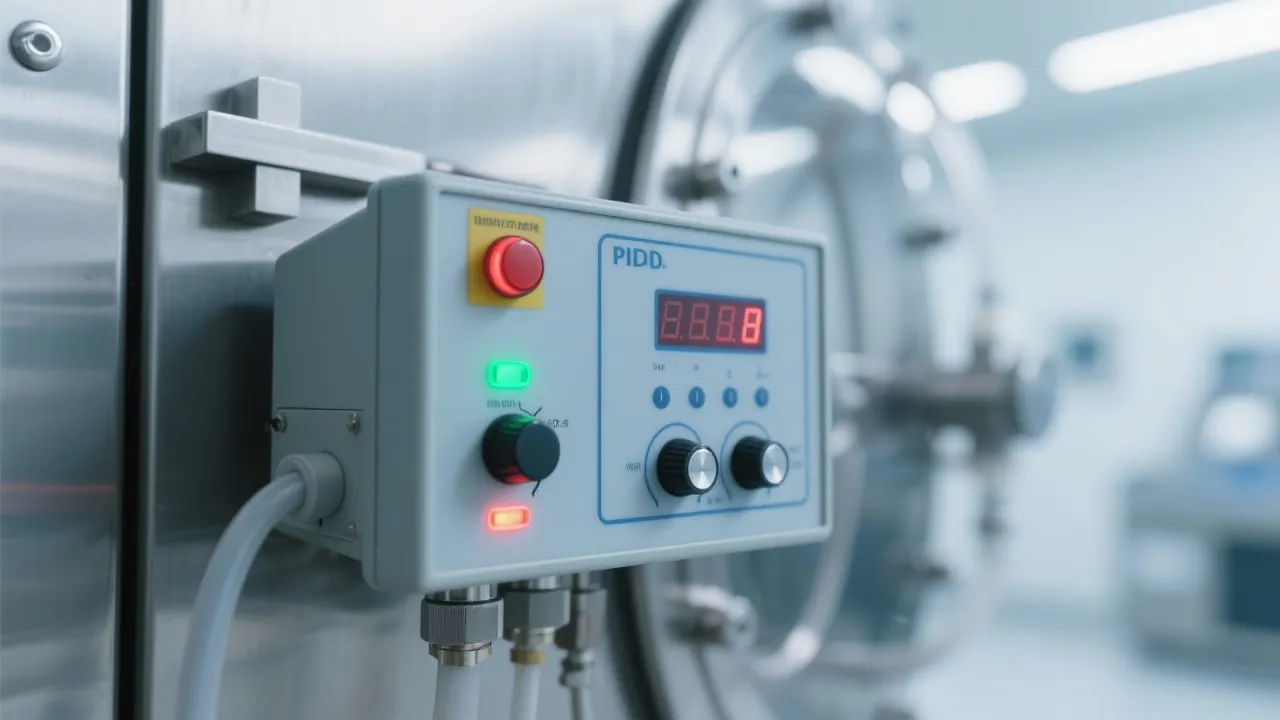
The intelligent PID temperature control system in the DZ - 3BCII is a key feature for ensuring batch - to - batch consistency and repeatability. This system can automatically adjust the heating power based on the set temperature and the actual temperature of the chamber. As a result, it can maintain a stable temperature throughout the drying process, which is vital for obtaining consistent product quality, especially in large - scale industrial production.
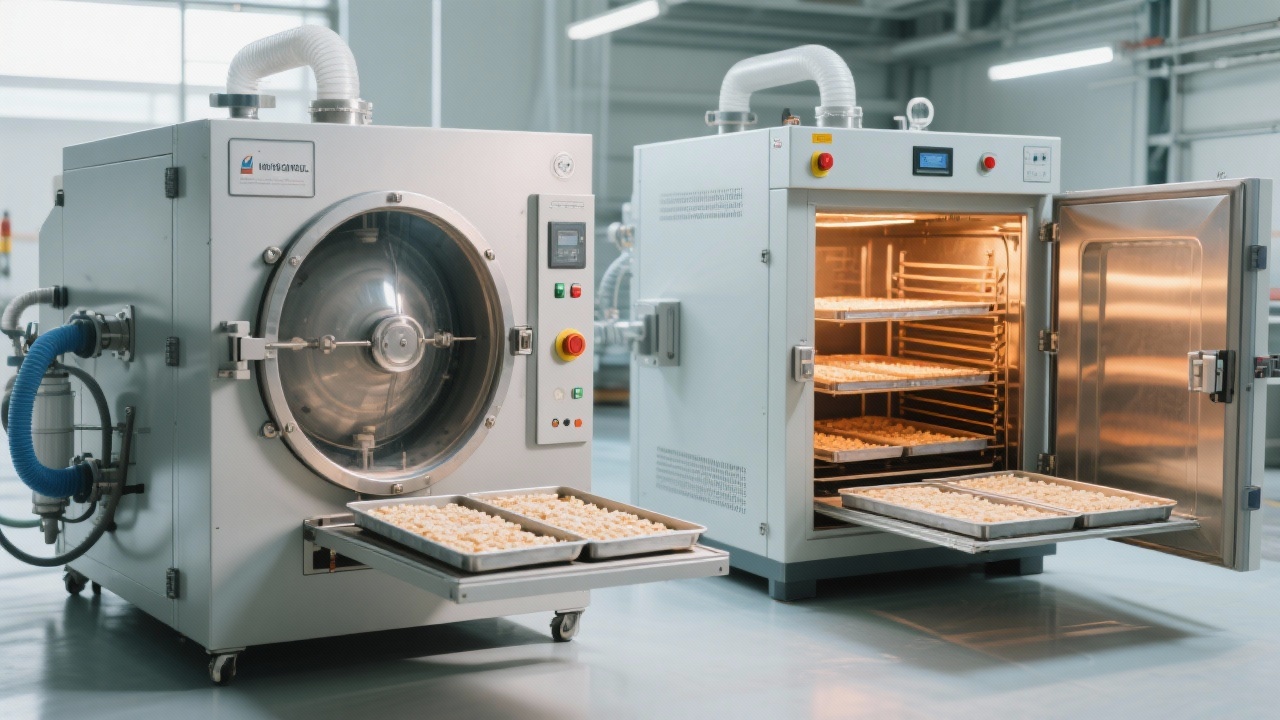
When operating the DZ - 3BCII, it is important to pre - evacuate the chamber to remove air before starting the heating process. This helps to achieve a more stable vacuum environment. A common mistake is to overload the chamber, which can lead to uneven drying and inaccurate temperature control. It is recommended to leave enough space between samples for proper air circulation.
If you want to enhance your research quality with high - precision vacuum drying solutions, click here to learn more about the DZ - 3BCII Vacuum Drying Oven. Have questions? Feel free to enter the Q&A section at the bottom to get the answers you need!