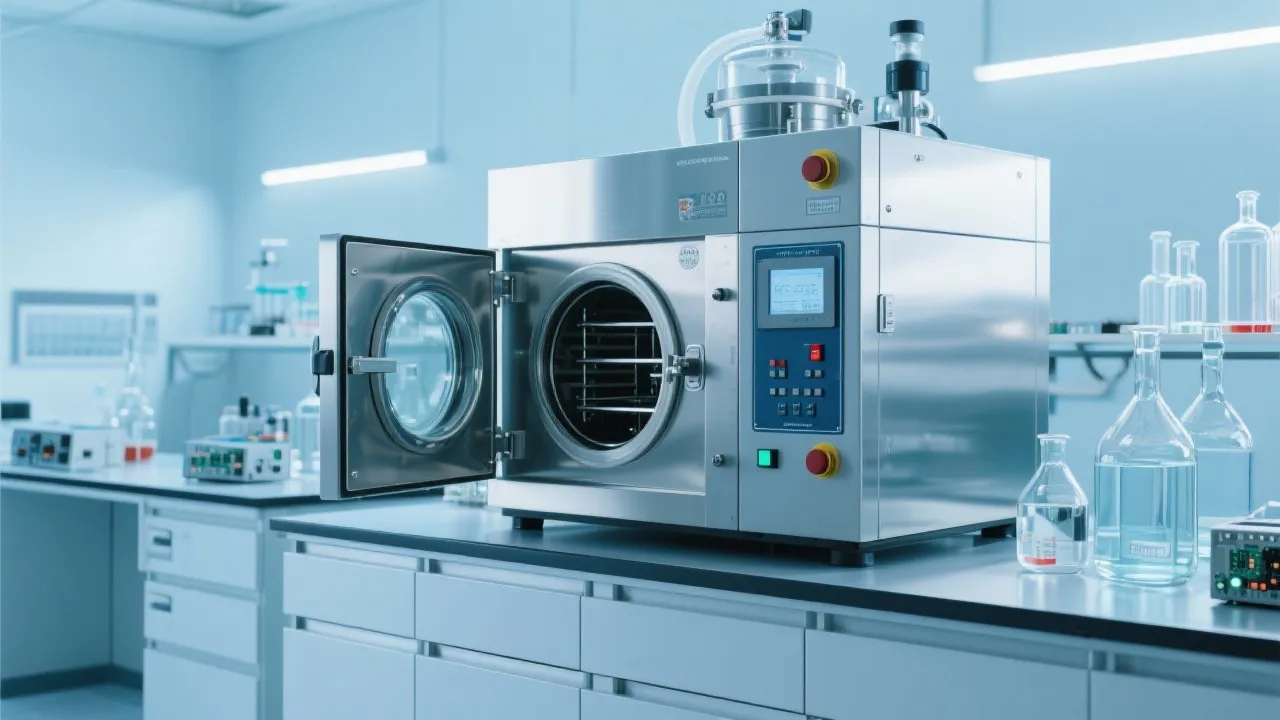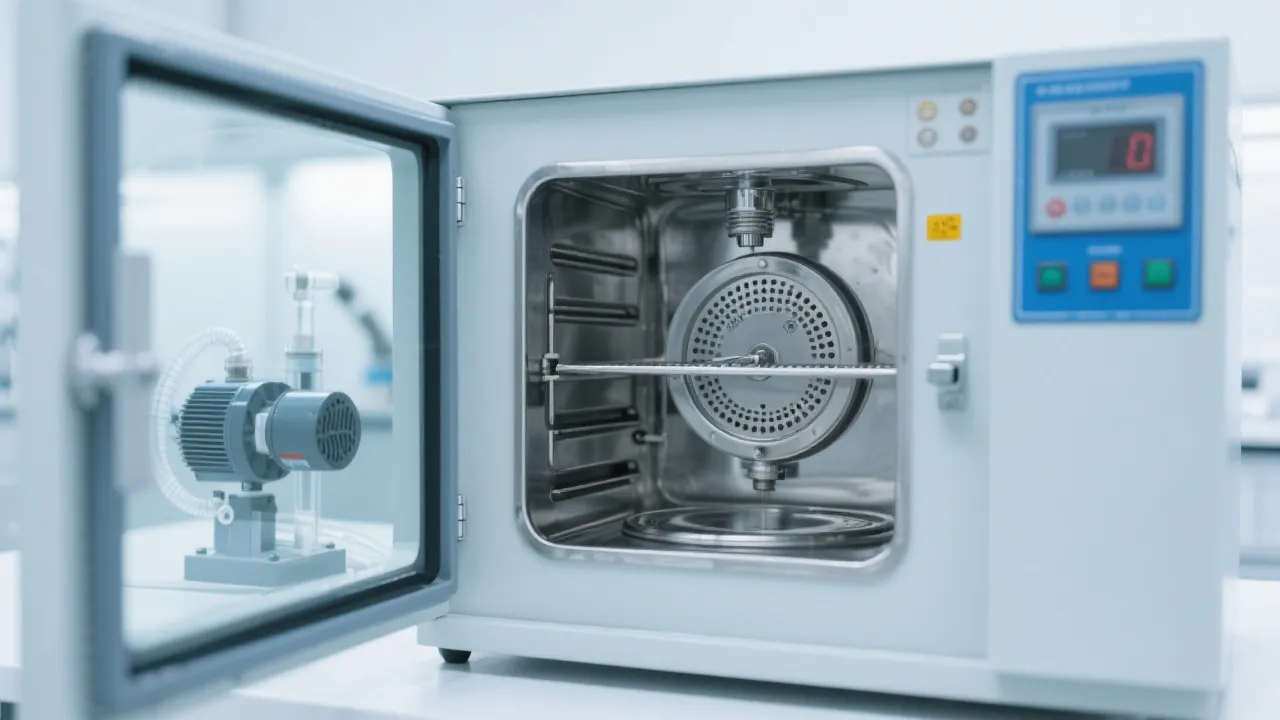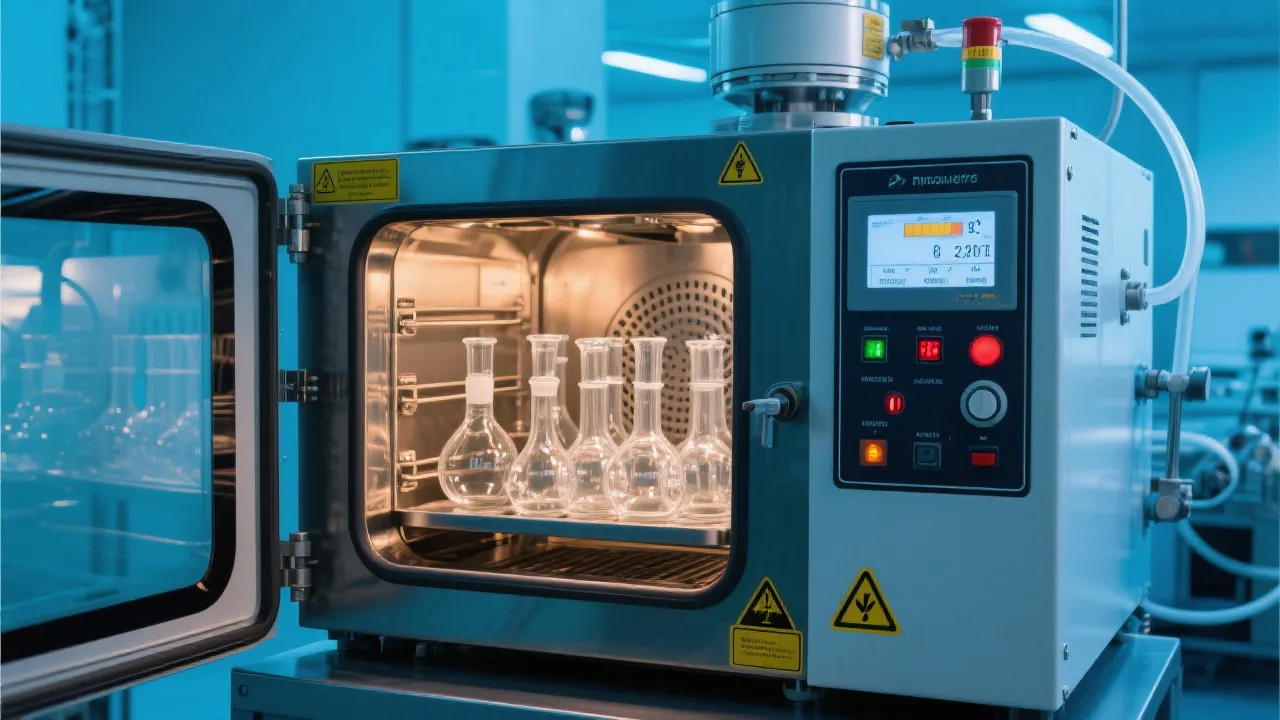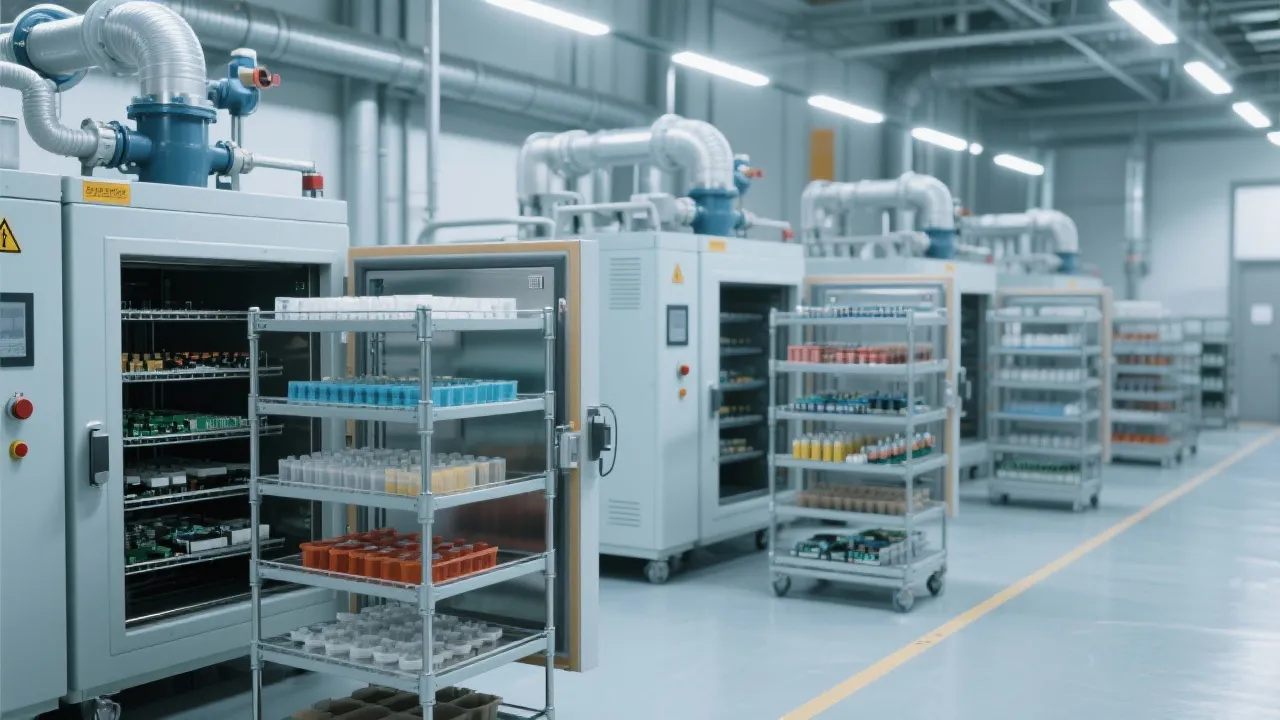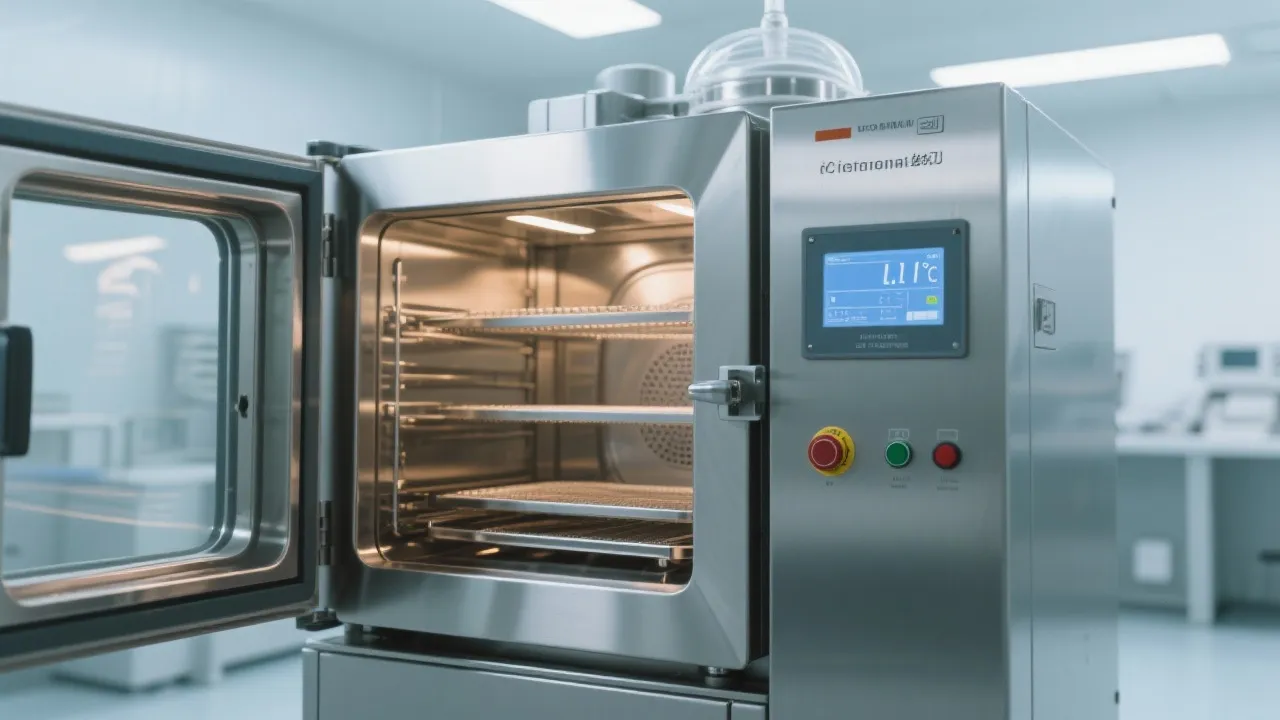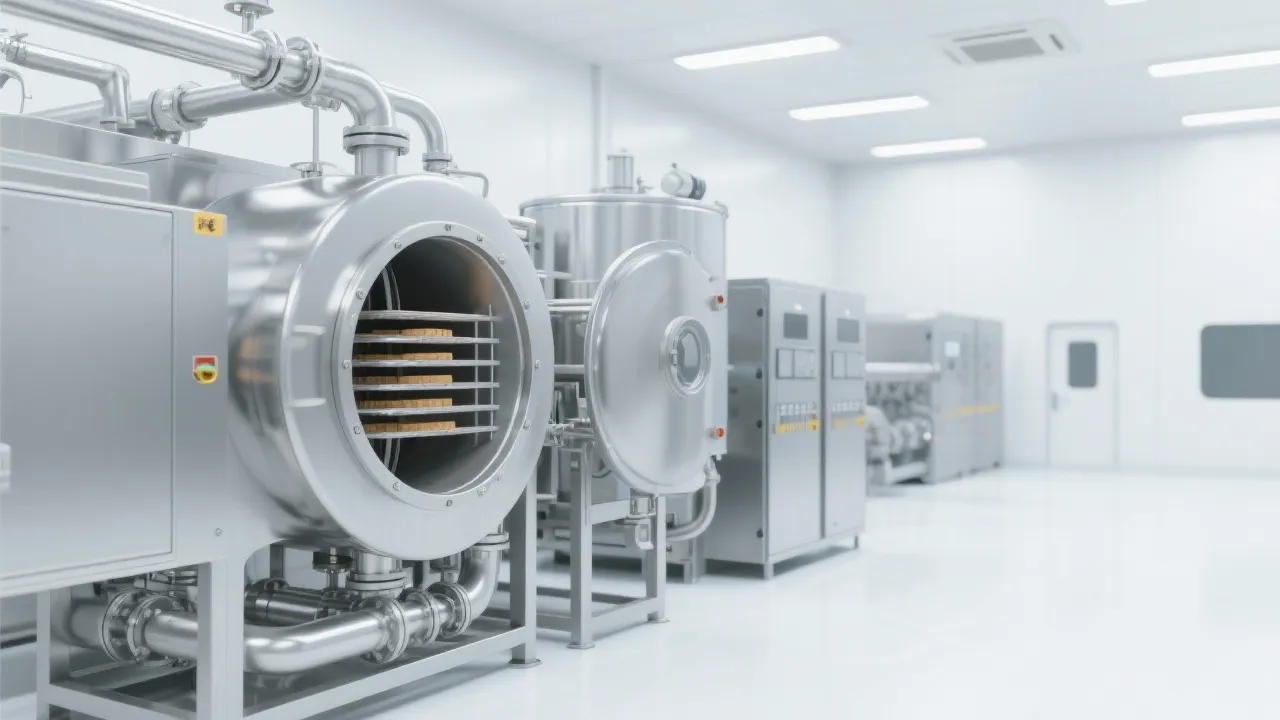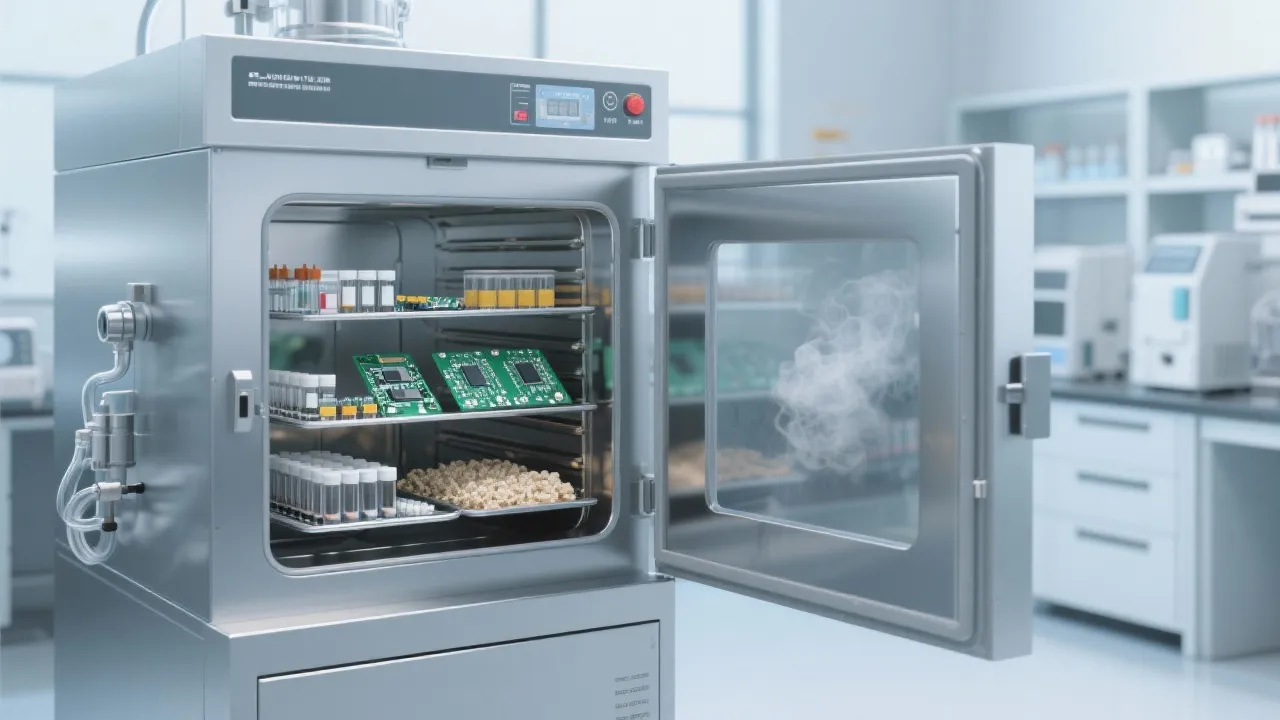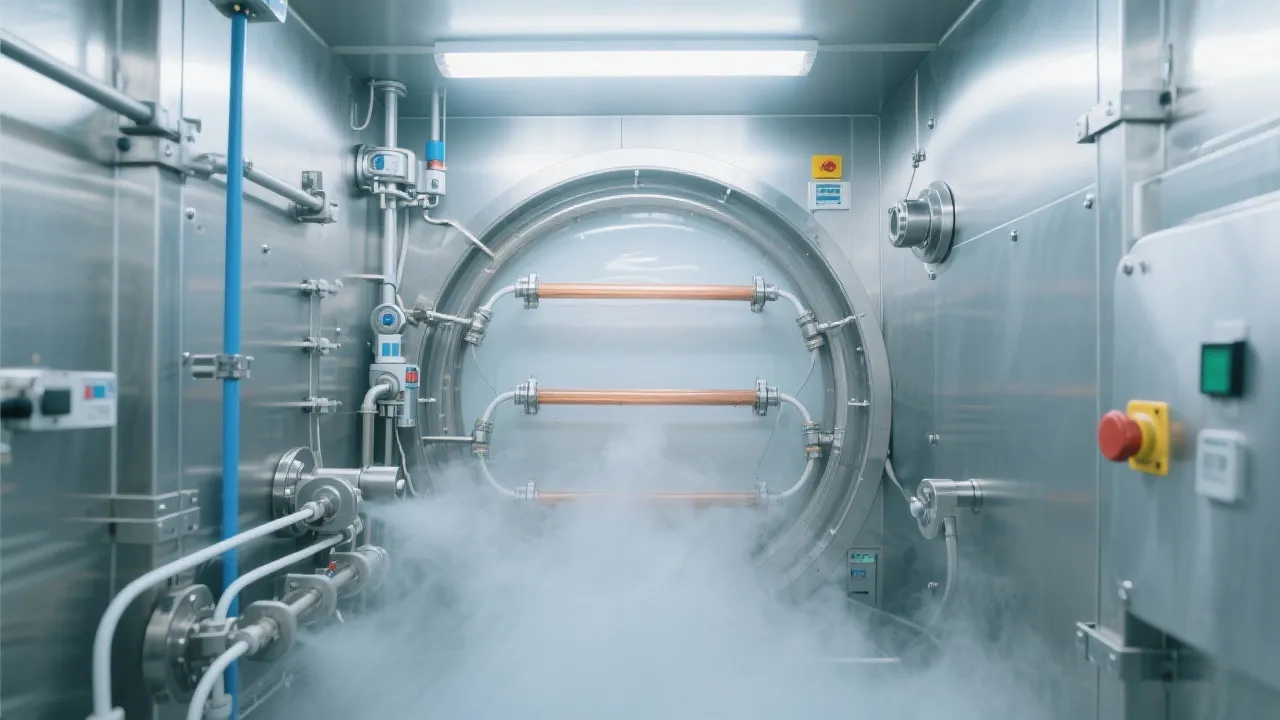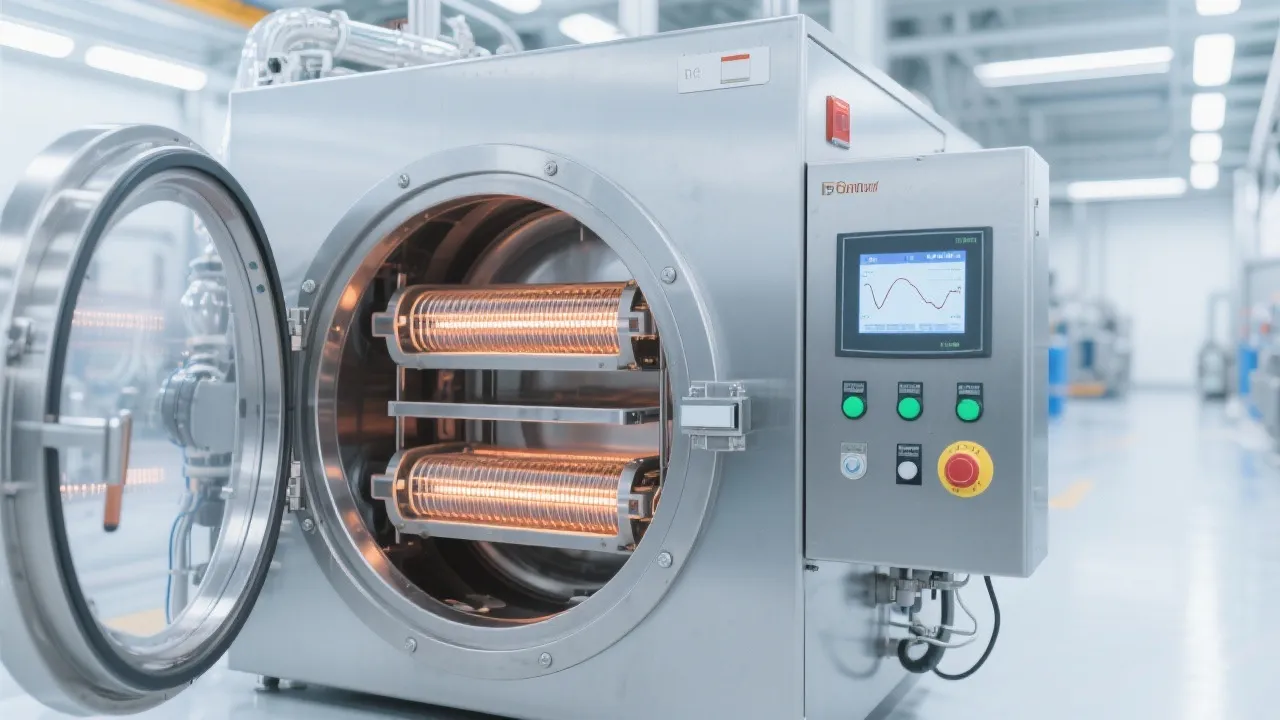
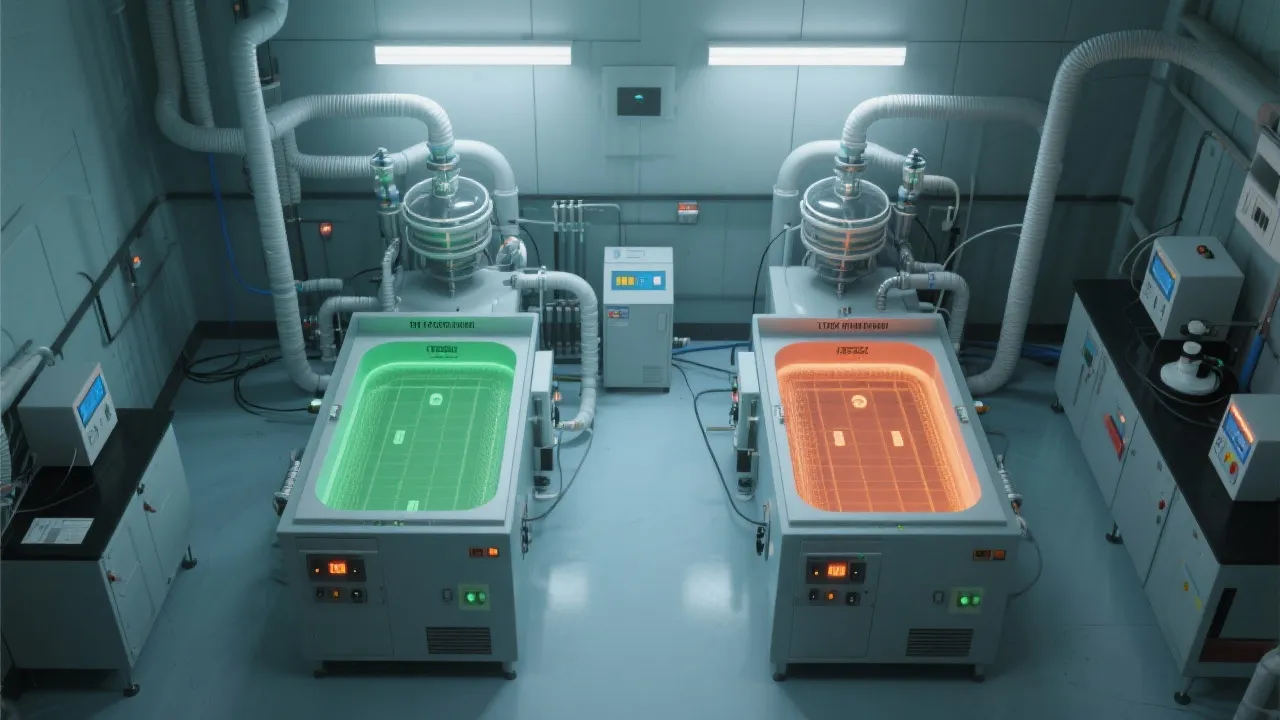
As research demands continue to grow, smart PID temperature control devices with programmable timing functions have become an ideal choice for laboratory drying and heat treatment. Before we delve into the advantages, it's crucial to understand the working principles of the PID control system.
The PID (Proportional - Integral - Derivative) control system is a fundamental feedback control mechanism used widely in temperature regulation. The proportional term provides an output proportional to the current temperature error, giving a quick response. The integral term accumulates the past errors, eliminating the steady - state error. The derivative term predicts future errors based on the rate of change, enhancing system stability.
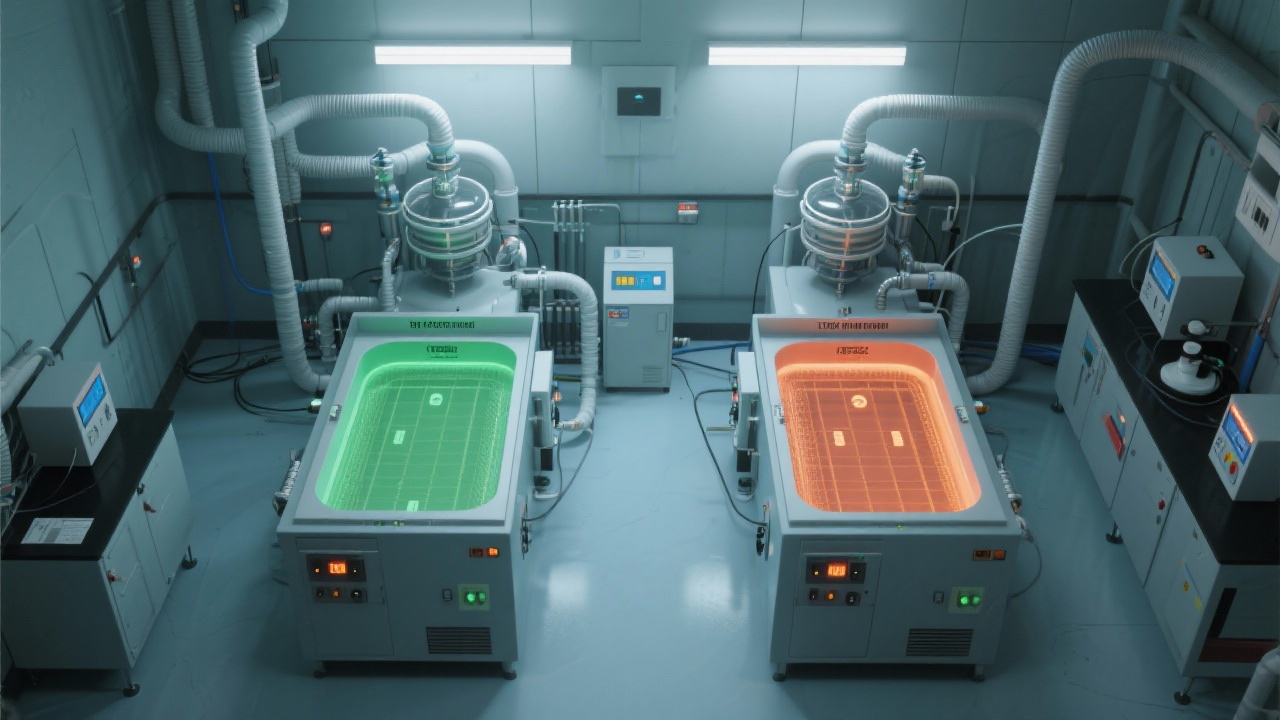
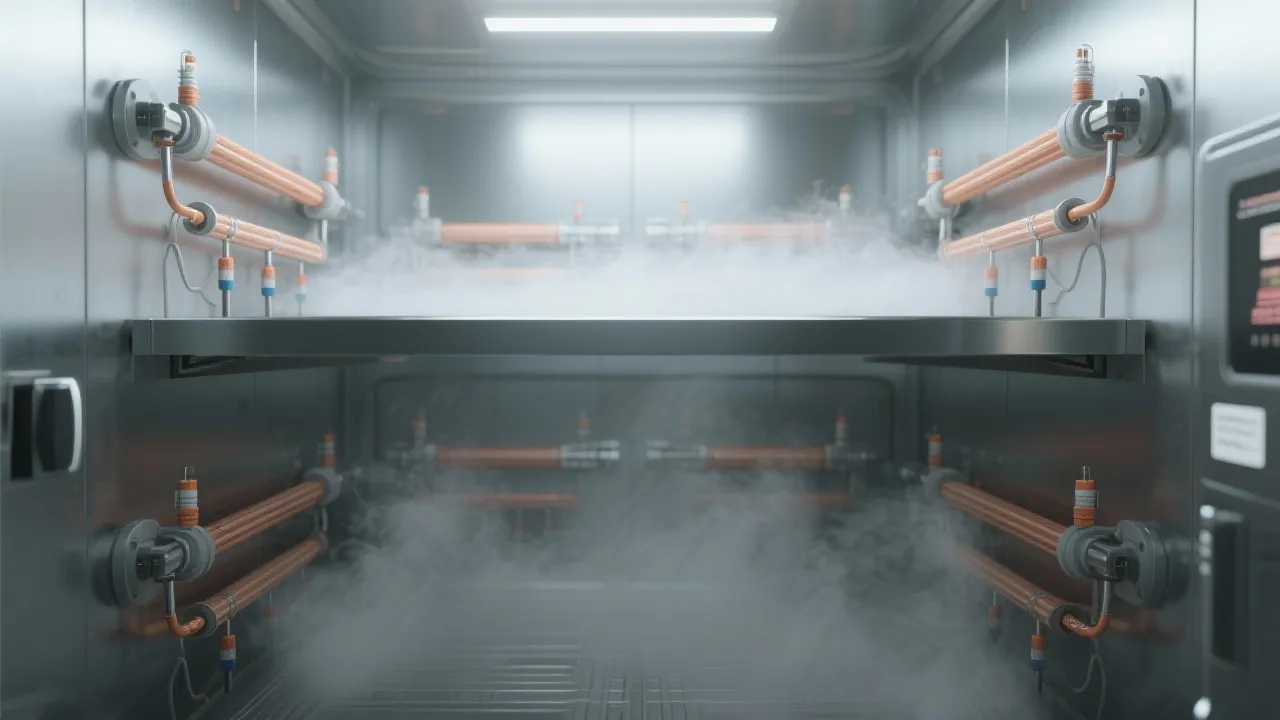
This combination allows for precise temperature control, ensuring a temperature fluctuation within ±1°C. With advanced four - wall uniform heating technology, the temperature distribution inside the laboratory drying equipment can be effectively balanced, providing a stable environment for experiments.
The smart temperature control system, combined with the programmable timing function, significantly enhances the flexibility of experiments. In different scientific research fields, such as materials science, chemistry, and biology, experiments have diverse requirements for temperature and time.
In materials science, heat treatment is a crucial step in altering the properties of materials. For example, when annealing metal samples, a programmable timing function allows researchers to set a specific temperature - time curve, precisely controlling the heating and cooling rates. This can improve the hardness, ductility, and other properties of the material, ensuring the reproducibility of experimental results.
In chemical experiments, reactions often require specific temperature conditions and durations. For instance, in a synthesis reaction, maintaining a constant temperature for a set period can increase the reaction yield. With the programmable timing function, researchers can automate these processes, reducing human error and improving the efficiency of chemical reactions.
In biological laboratories, the preservation of samples and the cultivation of cells also need strict temperature control. The programmable timing function enables automated temperature adjustment according to the growth cycle of cells or the preservation requirements of samples, ensuring their viability and stability.
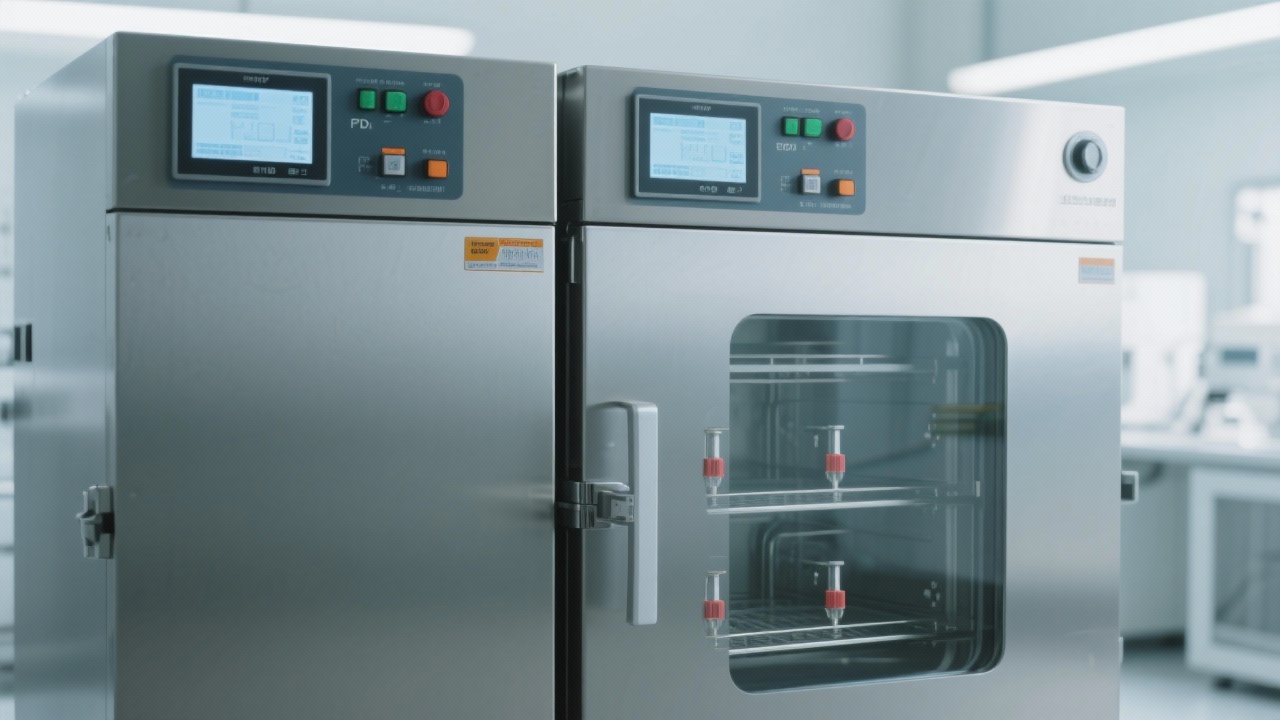
Overall, the combination of the smart temperature control system and the programmable timing function enhances the stability and reproducibility of experimental results, providing a reliable guarantee for scientific research.
To achieve the best results in different research scenarios, proper parameter debugging of the temperature control system is essential. For instance, in high - precision experiments, the response time of the temperature control system should be shortened, and the stability accuracy should be increased. The following is a general guideline for parameter setting:
Specific parameters need to be adjusted according to the actual situation and experimental requirements of the equipment.
Let's look at some real - world application cases to better understand the performance of these smart temperature control devices.
In a materials research institute, a smart temperature control device with programmable timing function was used for a material aging experiment. The experiment required the sample to be heated at 120°C for 24 hours and then cooled to room temperature. Through precise temperature control and timing function, the aging process of the material was accurately simulated, and a large amount of reliable experimental data was obtained.
A chemical laboratory used the equipment to carry out a multi - step catalysis reaction. By setting different temperature - time programs, the reaction efficiency was significantly improved, and the reaction yield increased by 15% compared with the traditional method.
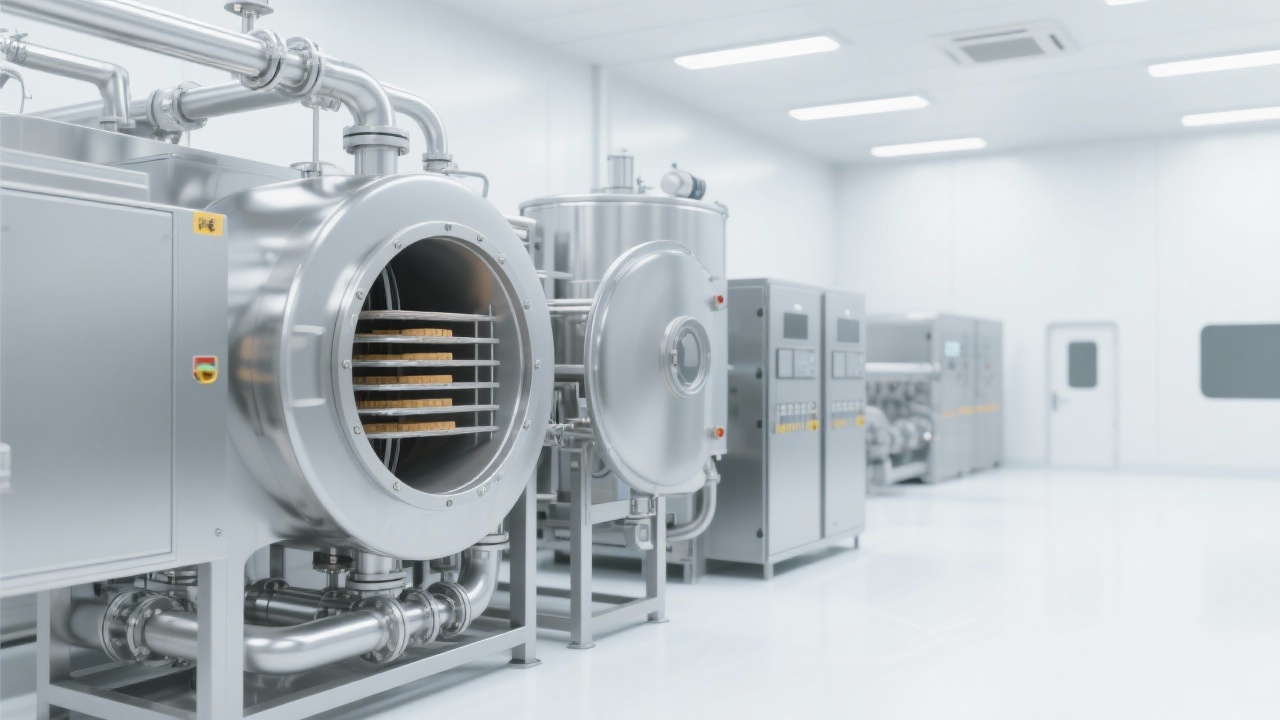
When purchasing smart temperature control equipment, decision - makers should pay attention to several key technical indicators:
Are you looking to upgrade your laboratory's temperature control equipment? Our smart PID temperature control devices with programmable timing functions can meet your various experimental needs. Click here to learn more and start experiencing the benefits of high - precision temperature control!
Leave your comments below if you have any questions or insights about smart temperature control systems!
Q: Can the equipment be used for long - term continuous experiments? A: Yes, our equipment is designed for long - term stable operation, ensuring reliable performance during continuous experiments.
Q: Is it difficult to operate the programmable timing function? A: Not at all. The user - friendly interface makes it easy to set and adjust the timing program.