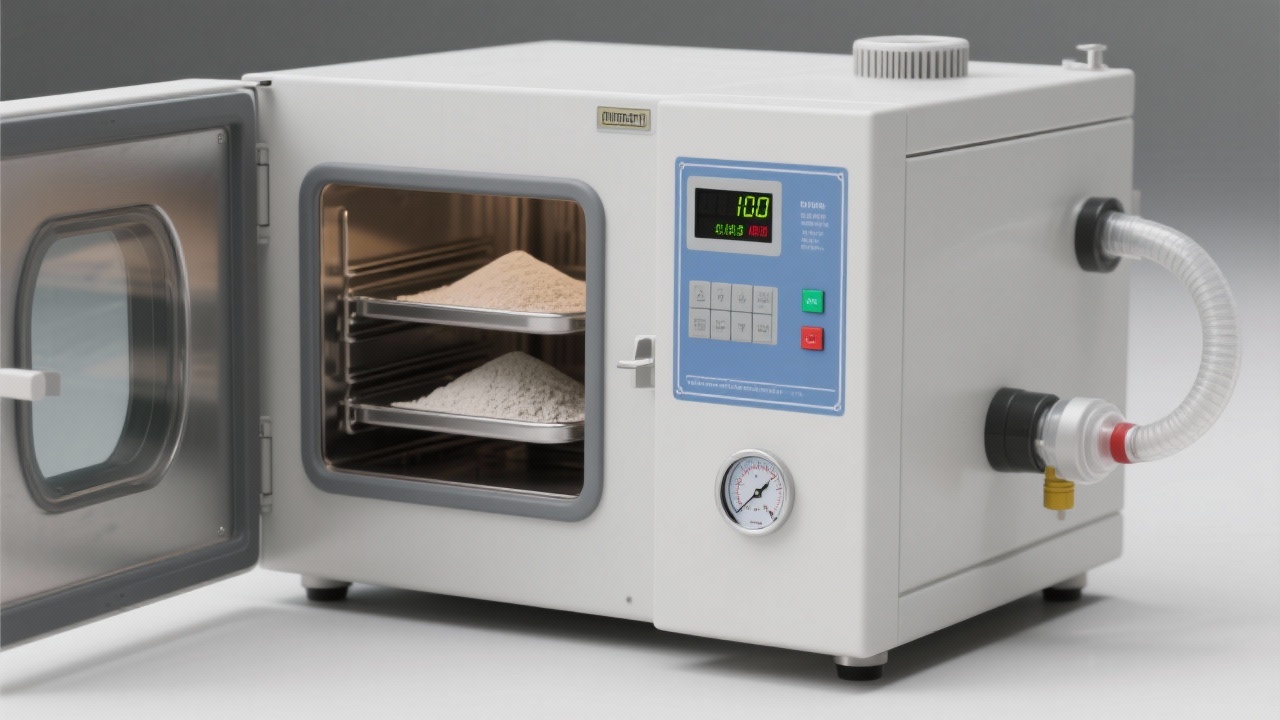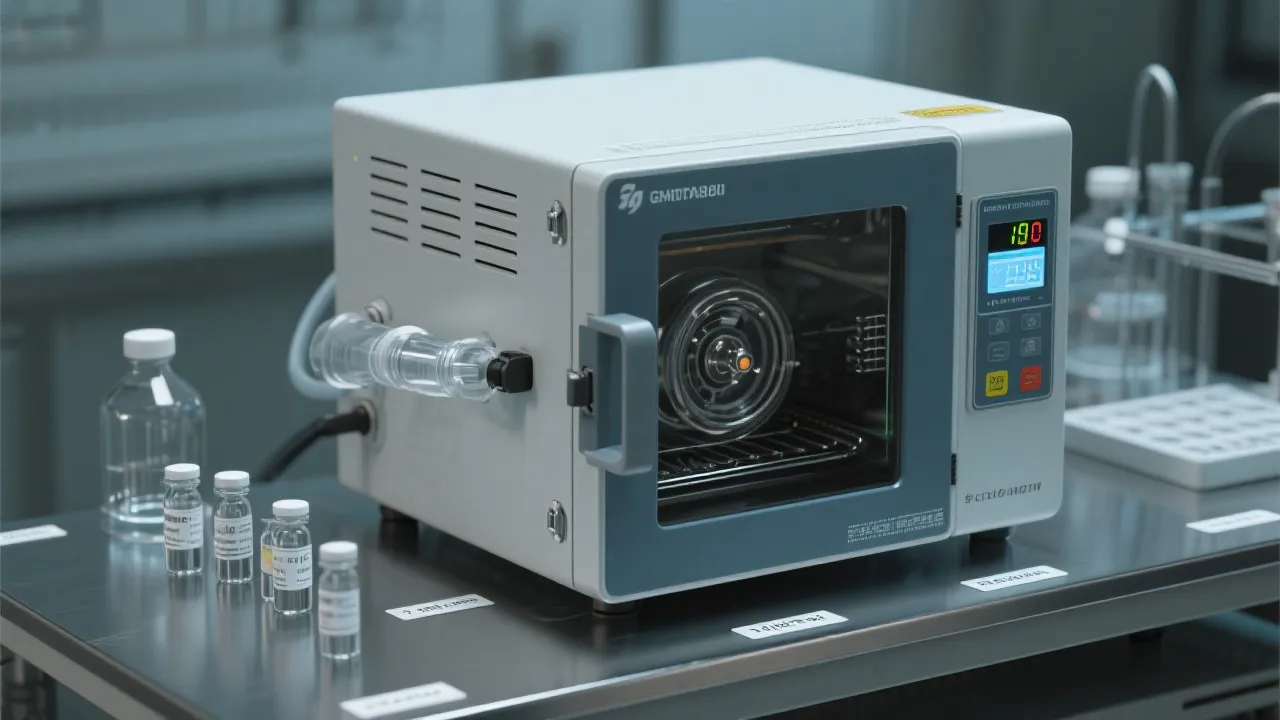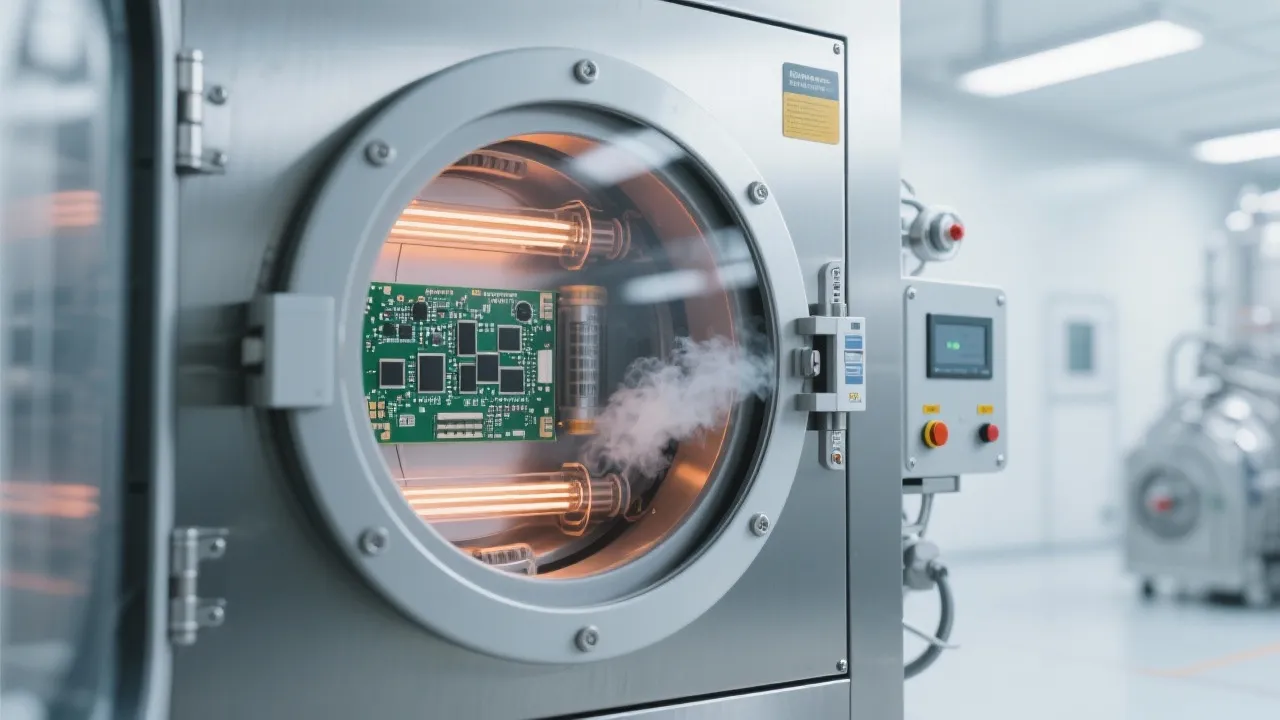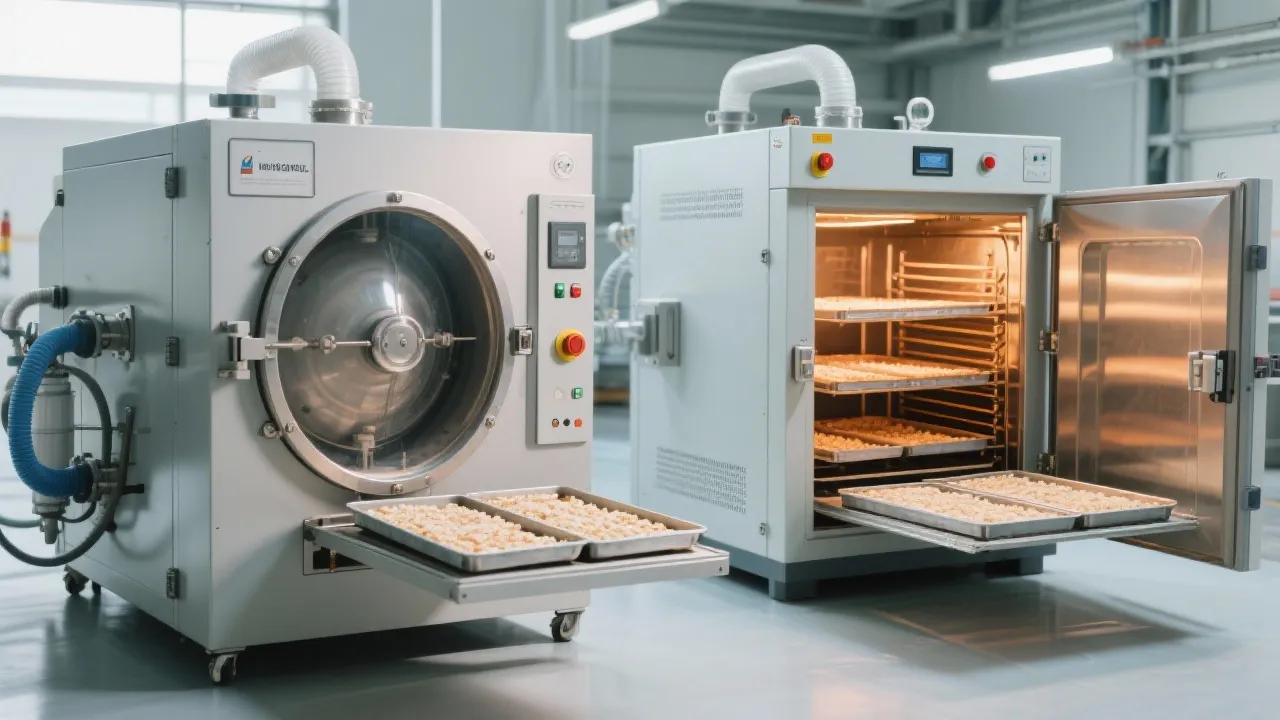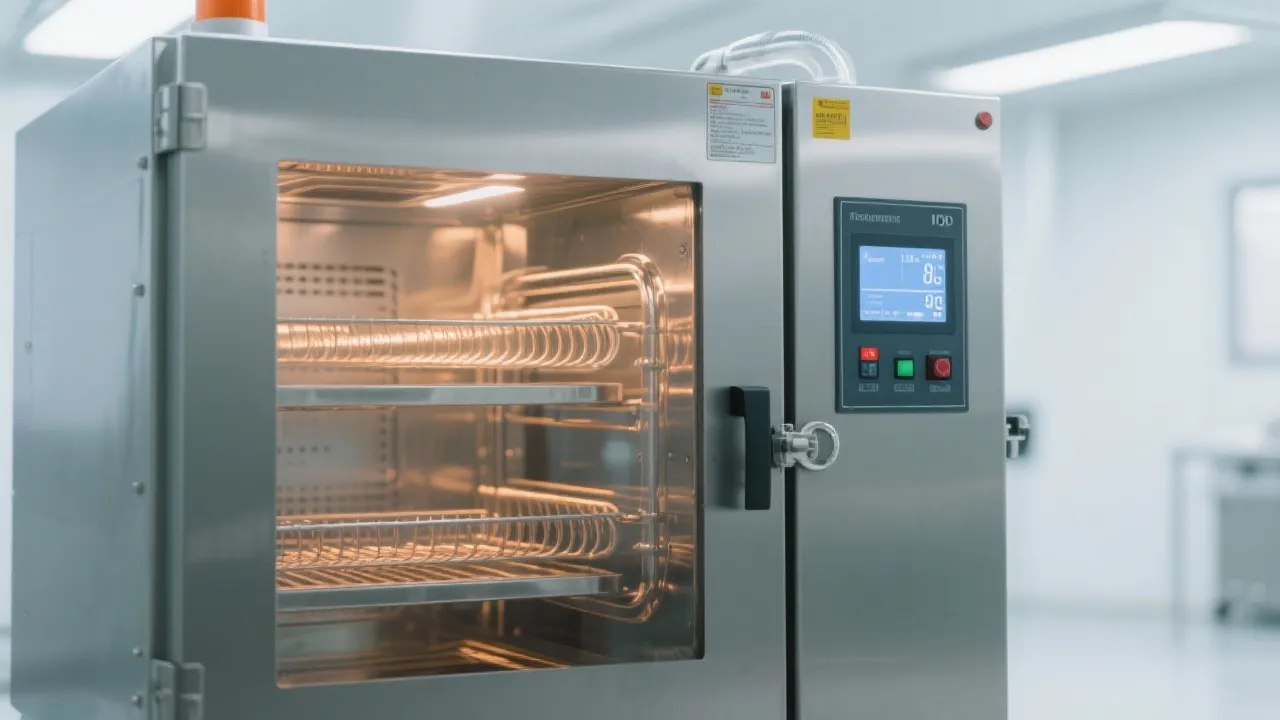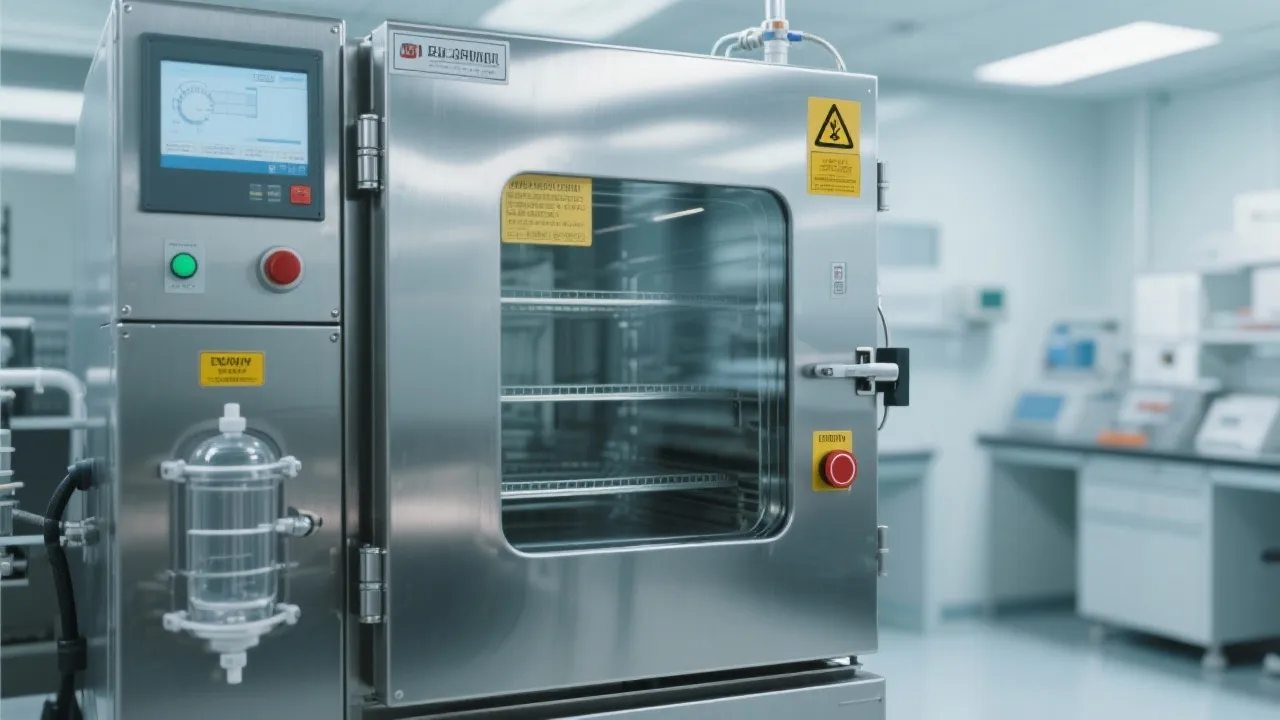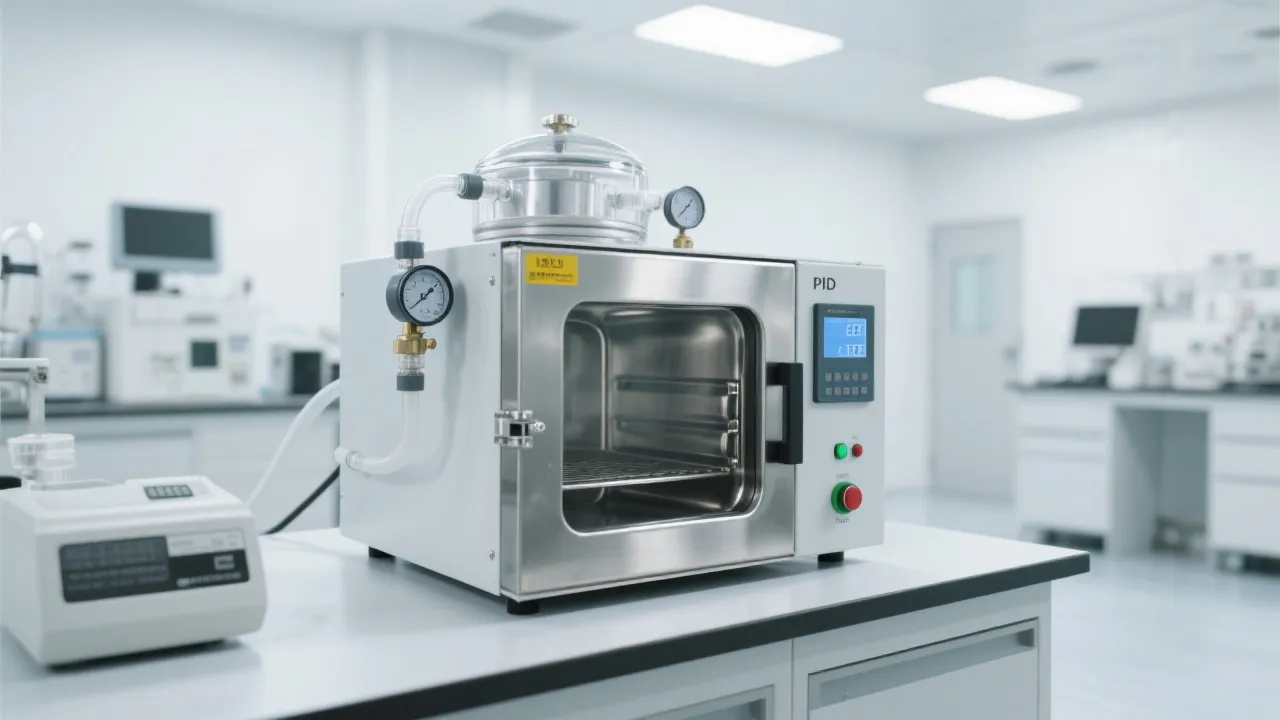
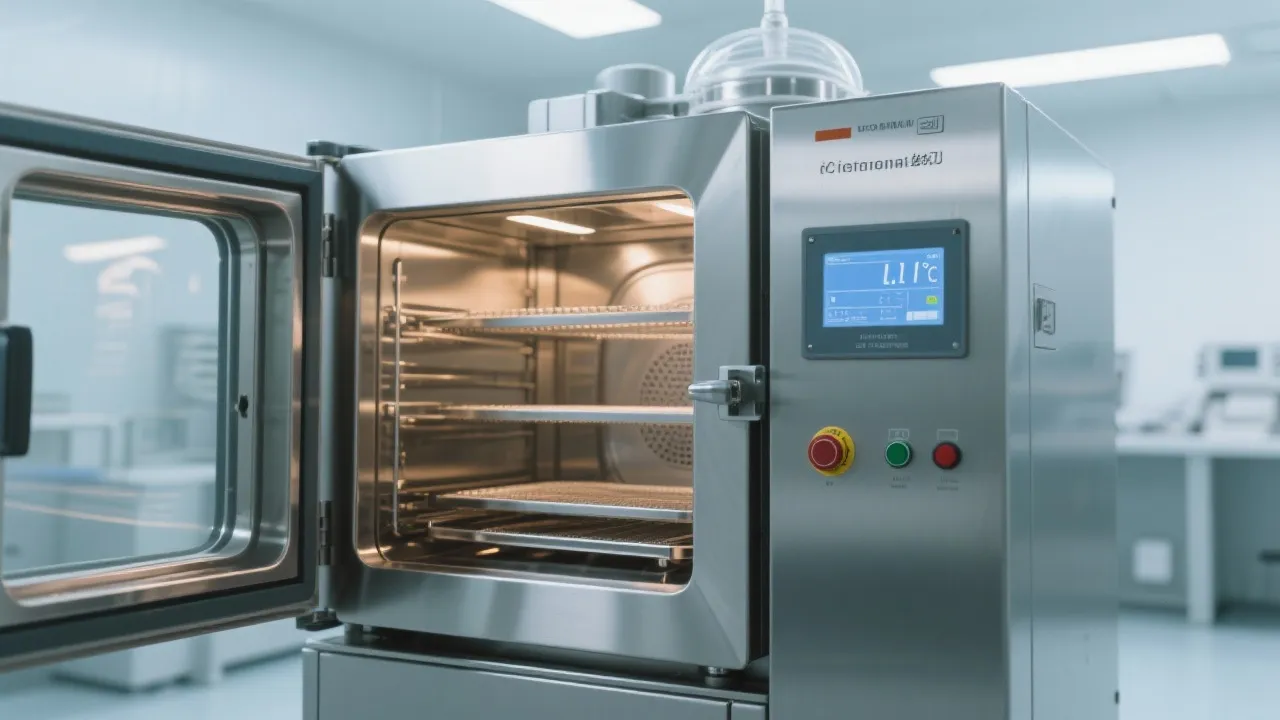
Industrial vacuum drying cabinets create a controlled low-pressure environment that significantly accelerates the evaporation of moisture by lowering the boiling point of water. This process is crucial in sensitive applications such as material degassing, electronic component curing, and chemical sample drying, where thermal and oxidative damage must be minimized.
Unlike conventional atmospheric drying, vacuum drying reduces drying temperatures by up to 40-60%, cutting energy consumption by approximately 20-30% while enhancing product quality through uniform dehydration. Temperature regulation within the chamber is essential—precision control mitigates risks of overheating and ensures consistent drying performance.
| Feature | Atmospheric Drying | Vacuum Drying | |---------------------------|---------------------------|----------------------------| | Operating Pressure | ~101 kPa (sea level) | Typically 1-10 Pa | | Drying Temperature Range | 80-150°C | 40-90°C | | Energy Efficiency | Moderate | High (20-30% reduction) | | Drying Time | Longer | 30-50% shorter | | Product Quality | Potential for oxidation | Enhanced preservation |
Vacuum drying’s reduced pressure not only decreases drying time but also preserves the physical and chemical integrity of sensitive substances—a decisive factor in high-precision industrial and research applications.
1. Material Degassing: Vacuum environments facilitate the removal of dissolved gases in polymers and composites, preventing defects like bubbles or voids during curing. This is critical for achieving uniform material density and strength.
2. Electronic Component Curing: Moisture-sensitive components require gentle drying to avoid thermal stress and oxidation. Vacuum drying minimizes temperature exposure, enhancing long-term reliability and performance.
3. Chemical Sample Drying: Laboratory and industrial chemical samples benefit from controlled drying under vacuum to prevent decomposition and preserve reactive species, optimizing analytic accuracy and product stability.
The vacuum pump is the heart of any vacuum drying system. Selection between rotary vane pumps and molecular pumps affects overall drying efficiency, achievable vacuum level, and operational stability.
Working Principle: Rotary vane pumps use a rotating rotor with sliding vanes to compress and expel gas molecules, producing vacuums typically around 10-1 to 10-3 Torr.
Advantages: Durable, cost-effective, and suitable for initial rough vacuum stages. They are efficient for processes that do not require ultra-high vacuum.
Limitations: Unable to produce high vacuum levels needed for advanced drying; oil contamination risk requires maintenance and filtration.
Working Principle: Molecular pumps operate by imparting momentum to gas molecules through high-speed rotating blades, achieving ultra-high vacuum levels in the range of 10-5 Torr and below.
Advantages: Enable finer vacuum states, ideal for delicate drying processes with strict atmospheric control requirements.
Limitations: Higher upfront cost, sensitive to particulates, requiring clean gas input and maintenance.
Vacuum Level Comparison Table
| Parameter | Rotary Vane Pump | Molecular Pump |
|---|---|---|
| Ultimate Vacuum | ~10-3 Torr | ~10-7 Torr |
| Maintenance Frequency | Monthly to Quarterly | Semi-Annual |
| Operational Noise | Moderate (60-70 dB) | Low (50-60 dB) |
| Typical Use Case | General industrial vacuum drying | High-precision, ultra-clean drying |
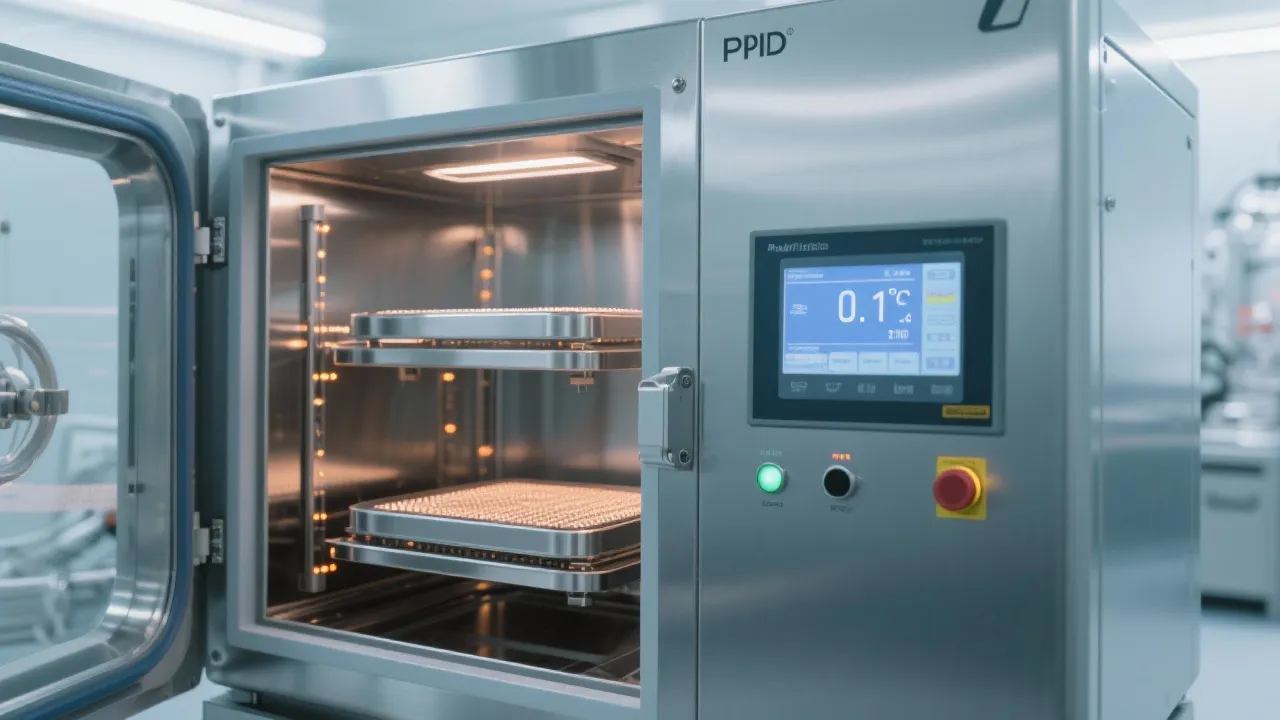
Precision temperature management is achieved by integrating advanced dual-zone PID (Proportional-Integral-Derivative) control systems. This technology enables independent regulation of different zones within the drying cabinet, maintaining tight temperature tolerances within ±0.5°C. The result is a uniform drying environment that mitigates gradients and hotspots, which are frequent causes of product degradation.
Safety features such as power failure memory and over-temperature alarms further enhance process reliability. These measures ensure that drying cycles can resume accurately post-interruption and protect sensitive materials from thermal damage, maintaining product consistency and reducing downtime.
Selecting the appropriate vacuum pump combination enhances system versatility and efficiency. For example, pairing a rotary vane pump with a molecular pump in a cascade configuration allows initial rough pumping and subsequent high-vacuum generation, optimizing drying processes for complex materials.
Understanding operational limits, such as permissible gas loads, chemical resistance, and maintenance access, is critical. Customized configurations tailored to application requirements prevent overinvestment and ensure scalable performance improvements.
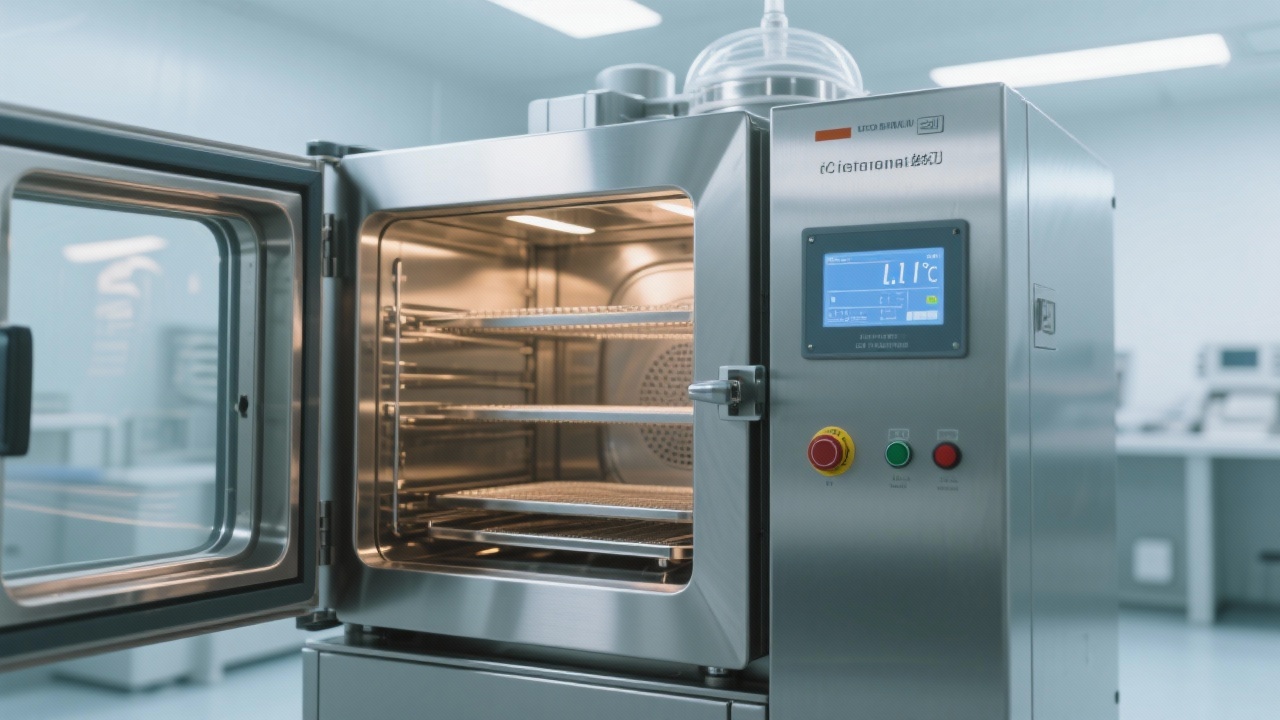
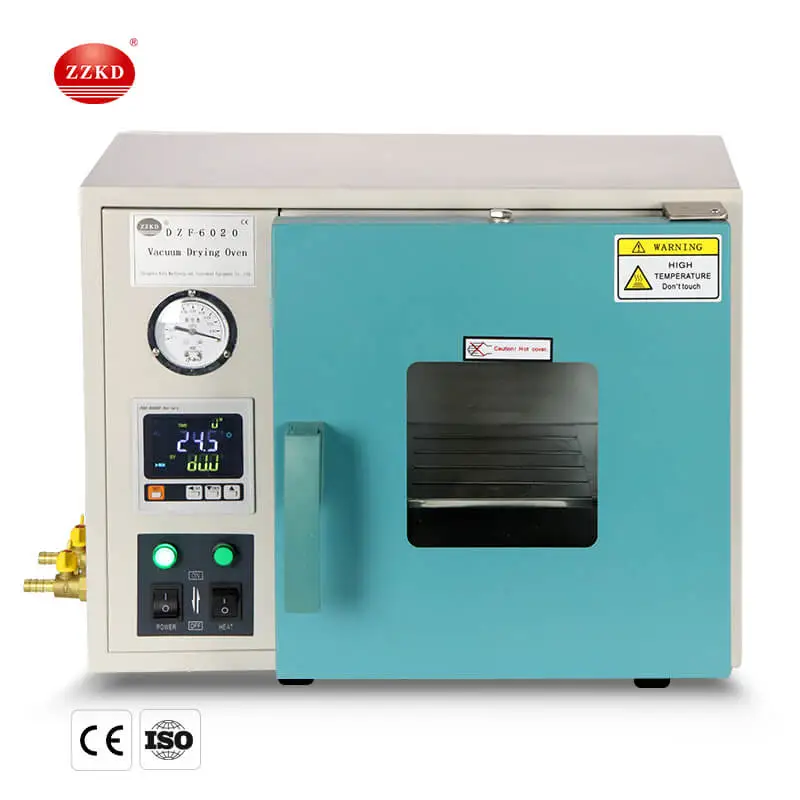
The DZ-2BCII model integrates robust rotary vane and molecular pumps with an advanced dual-zone PID temperature controller, featuring intelligent safety protocols including power failure memory and over-temperature alarms. This combination delivers stable vacuum levels down to 10-5 Torr and precise temperature management, meeting stringent industrial quality standards.
Its modular vacuum pump compatibility enables flexible customization, empowering engineers to adjust configurations based on specific drying scenarios—maximizing throughput while safeguarding sensitive materials.
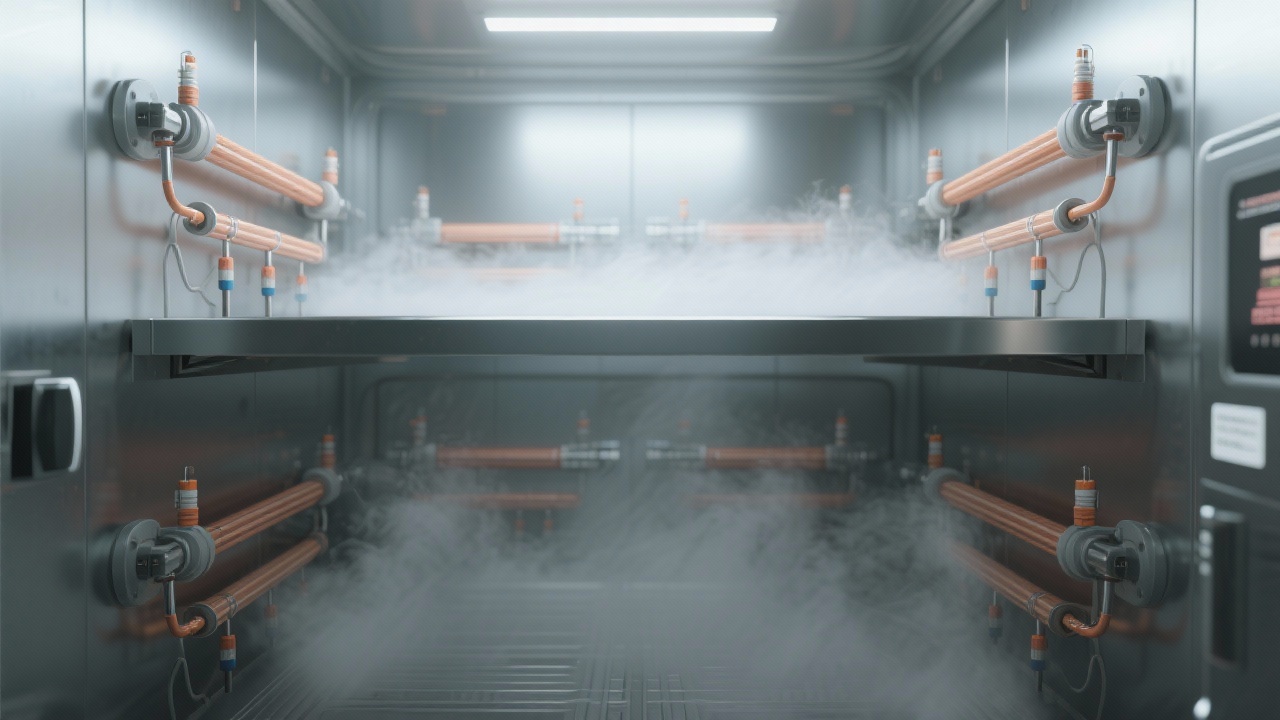
The accompanying infographic elucidates the comparative performance metrics of rotary vane and molecular pumps within vacuum drying environments. Additionally, flowcharts detail the dual-zone PID temperature regulation loop, highlighting sensor locations, controller inputs, and emergency shutdown triggers—tools invaluable for operational engineers and decision makers.