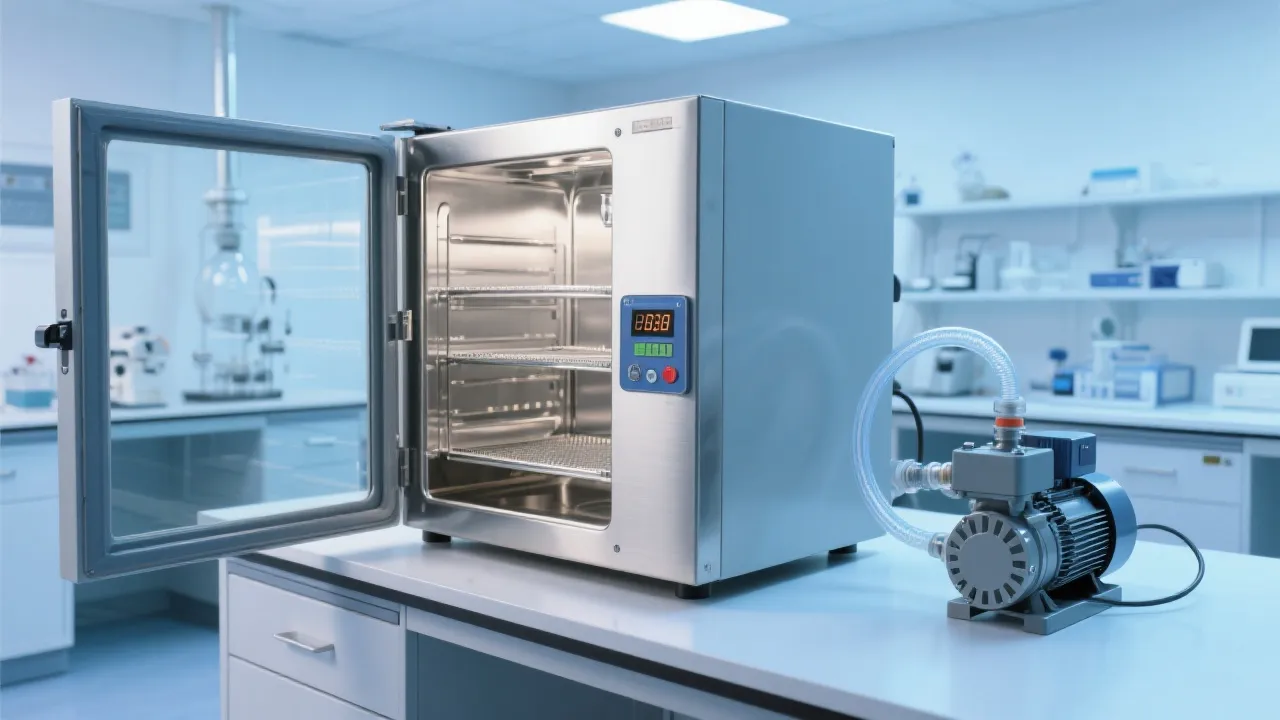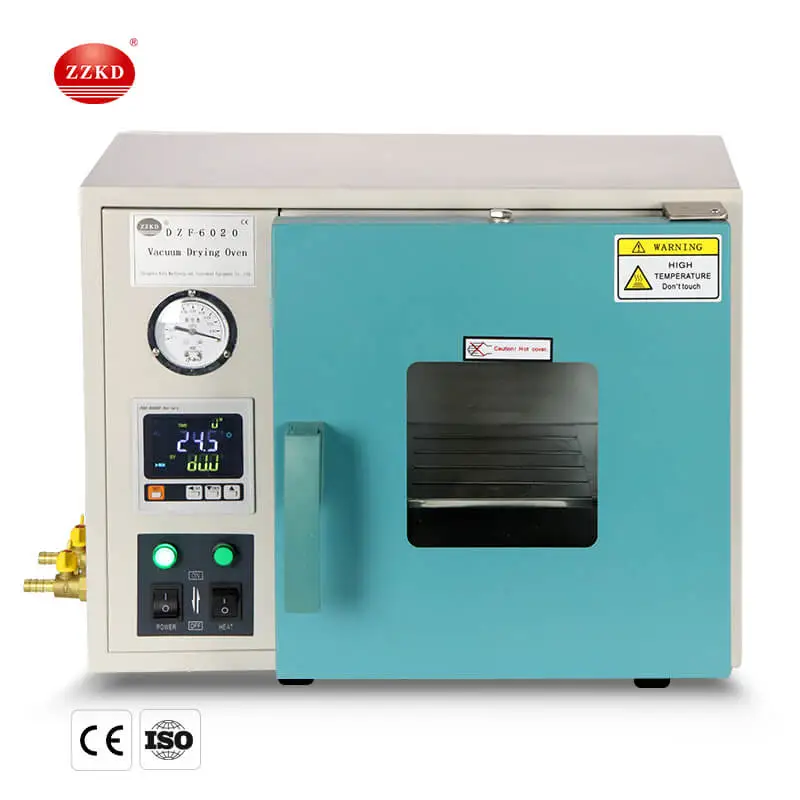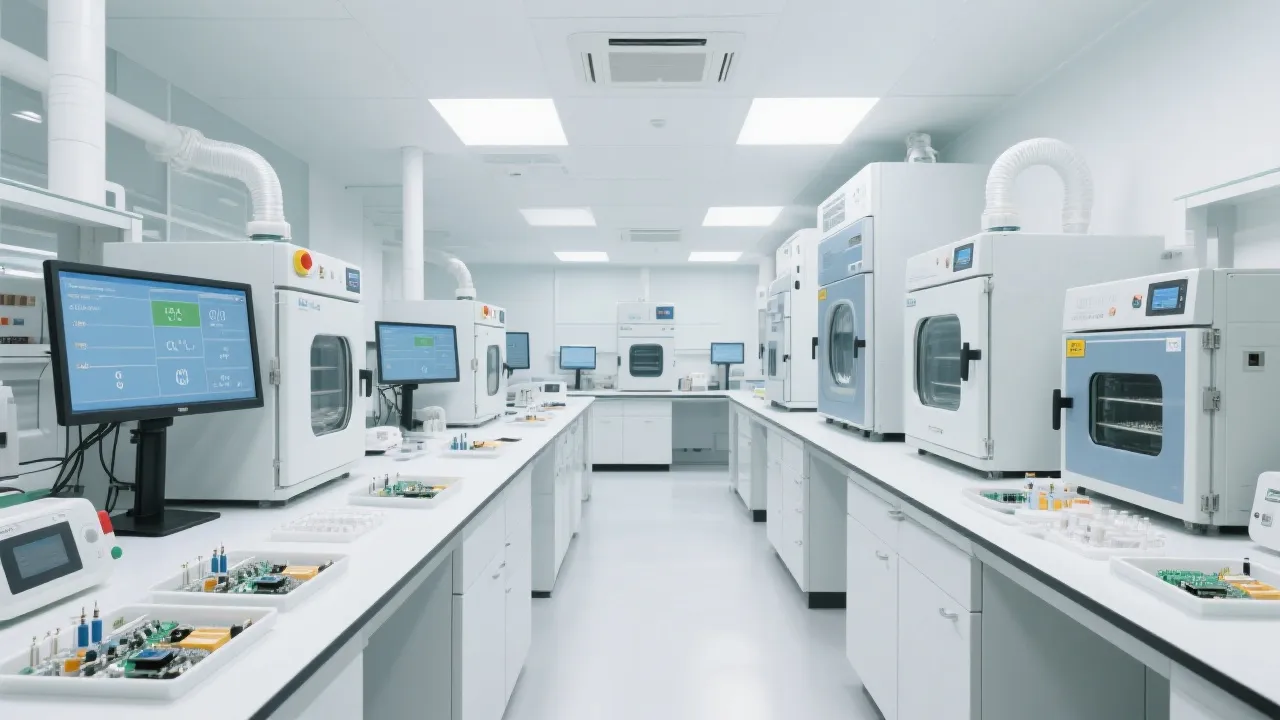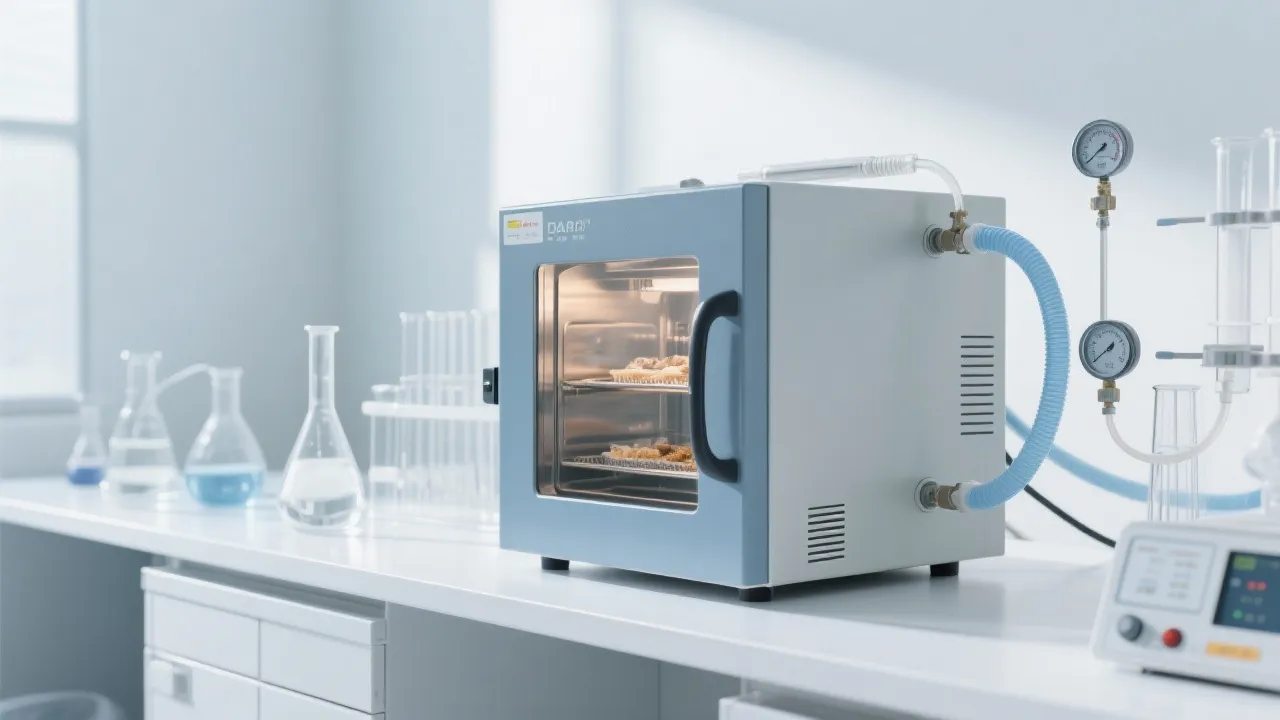
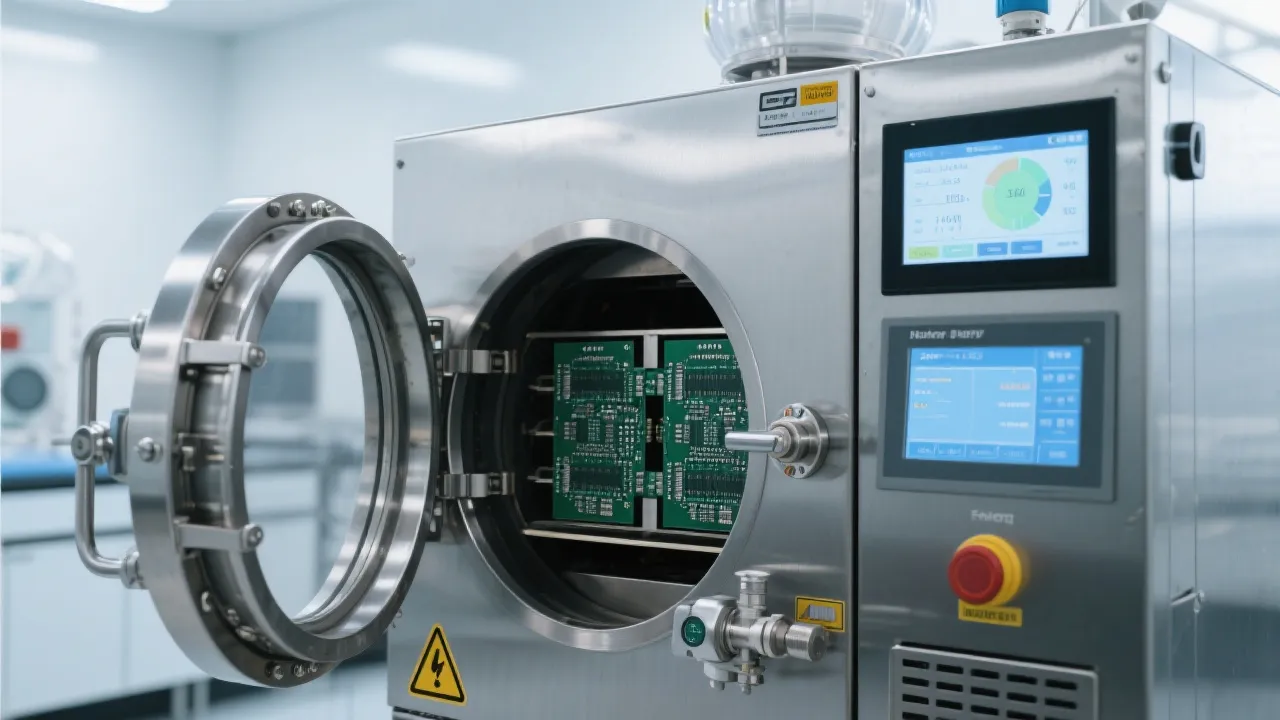
In pharmaceutical manufacturing and research, the challenge of achieving high-efficiency sterile drying while protecting thermally sensitive and oxidation-prone materials remains pivotal. The DZF-6020 laboratory-scale vacuum oven emerges as a technologically sophisticated solution that integrates vacuum technology, precise temperature control, and corrosion-resistant construction to meet these demands. This article delves into the technical principles underlying vacuum drying, explores the distinctive features of the DZF-6020, and highlights its application within pharmaceutical sterile drying processes.
Vacuum drying operates by significantly reducing the ambient pressure inside the chamber, which lowers the boiling point of the solvent or moisture present in materials. This principle is critical in pharmaceutical applications where heat-sensitive substances, such as enzymes, antibiotics, or biologics, risk degradation when exposed to elevated temperatures.
By reducing pressure to as low as 0.098 MPa below atmospheric level, the DZF-6020 vacuum oven enables moisture evaporation at temperatures often below 60°C—far less than conventional drying ovens require. This minimizes thermal stress, preserves chemical integrity, and prevents oxidative damage by limiting exposure to oxygen during the drying process.
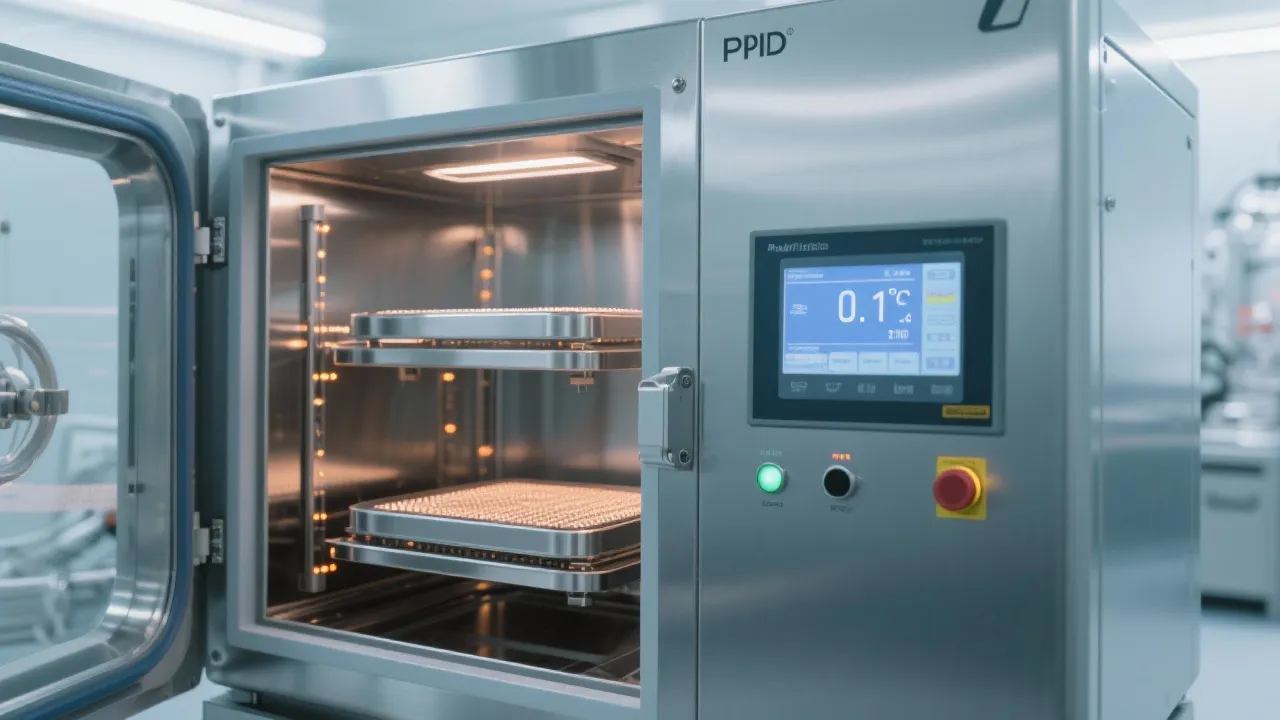
The DZF-6020 incorporates a high-precision PID (Proportional-Integral-Derivative) controller for temperature management, delivering ±1°C accuracy. This advanced control technology continuously adjusts heating elements to maintain target temperatures within tight tolerances.
Such stability ensures repeatable drying cycles, crucial when scaling laboratory findings to clinical or production environments. Real-time digital displays and monitoring interfaces allow operators to visualize process parameters, reducing human error and enhancing compliance with Good Manufacturing Practice (GMP) standards.
Constructed with 304-grade stainless steel, the oven chamber excels in corrosion resistance and cleanability. These properties are vital given the stringent hygiene and contamination control requirements in pharmaceutical processing.
The smooth surface finish minimizes microbial harborages and facilitates sterilization routines, while the robust material withstands harsh chemical cleaning agents commonly used in pharma labs.
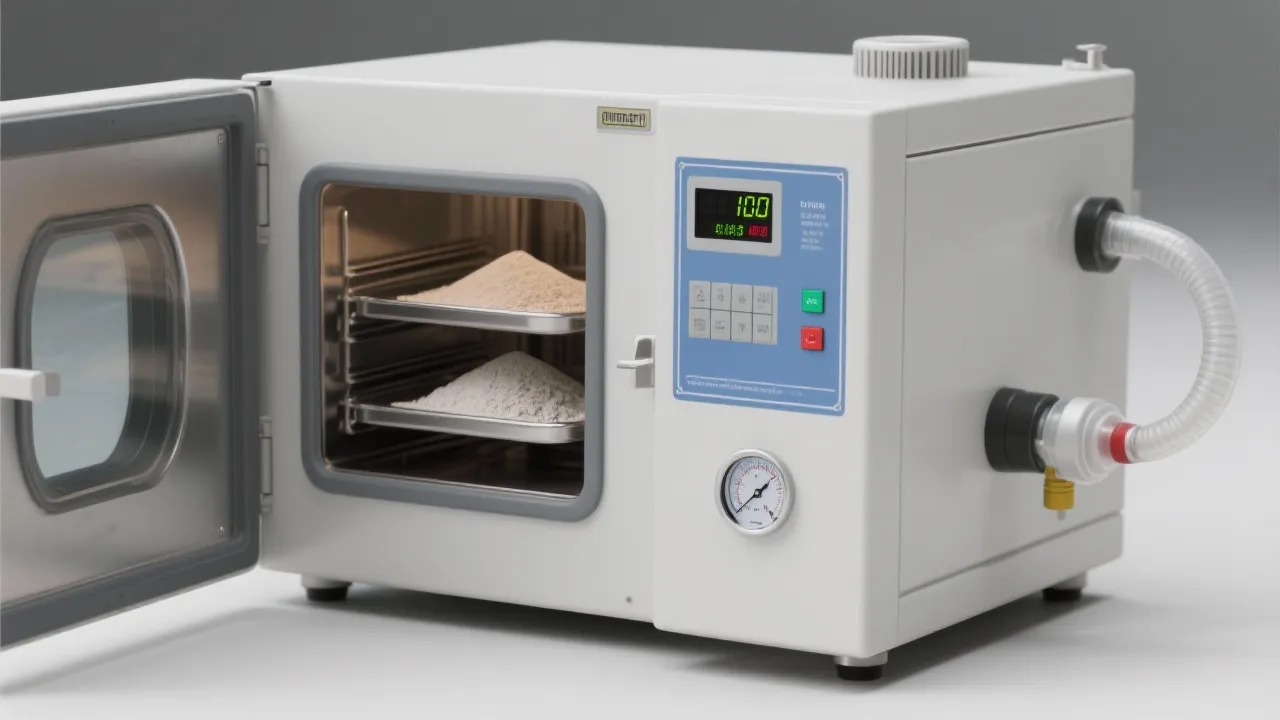
Case studies within pharmaceutical R&D and small-batch production illustrate how the DZF-6020 effectively addresses challenges such as moisture removal from injectable solutions and lyophilized powders.
Operators report up to 30% reduction in drying time compared to traditional ovens, translating into increased throughput and reduced energy consumption. The vacuum environment ensures the elimination of residual solvents, while the oven’s explosion-proof components significantly reduce safety risks during organic solvent drying.
The DZF-6020’s low power consumption design supports sustainability goals, requiring approximately 15-20% less energy than conventional drying ovens due to reduced heating demands under vacuum. Its explosion-proof chassis and electrical fittings comply with ISO and ASTM standards, ensuring safe operation even with flammable solvents.
This synergy of features makes the DZF-6020 vacuum oven an indispensable tool for laboratories and production facilities aiming for excellence in sterile drying and compliance with pharmaceutical industry benchmarks.
How do you currently tackle challenges related to sterile drying of sensitive pharmaceutical materials? What features are paramount when selecting vacuum drying equipment for your laboratory? Share your experiences or questions in the comments below; your insights can contribute to advancing best practices within our community.