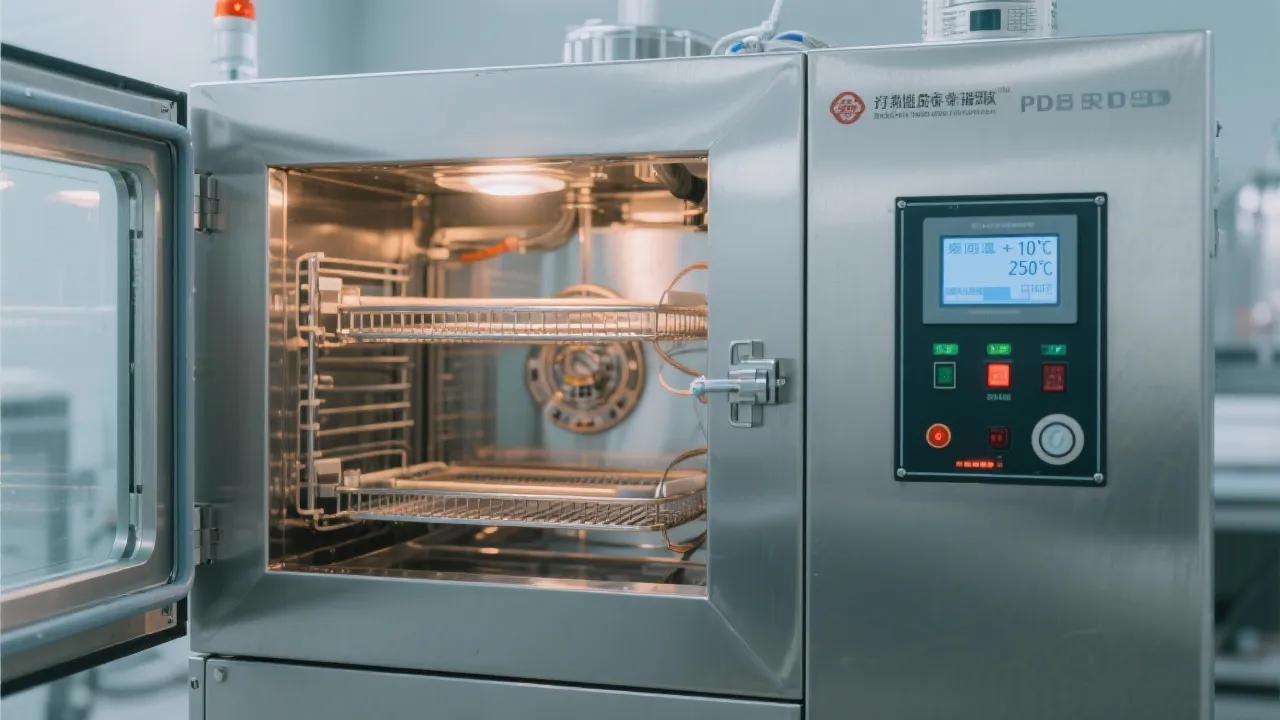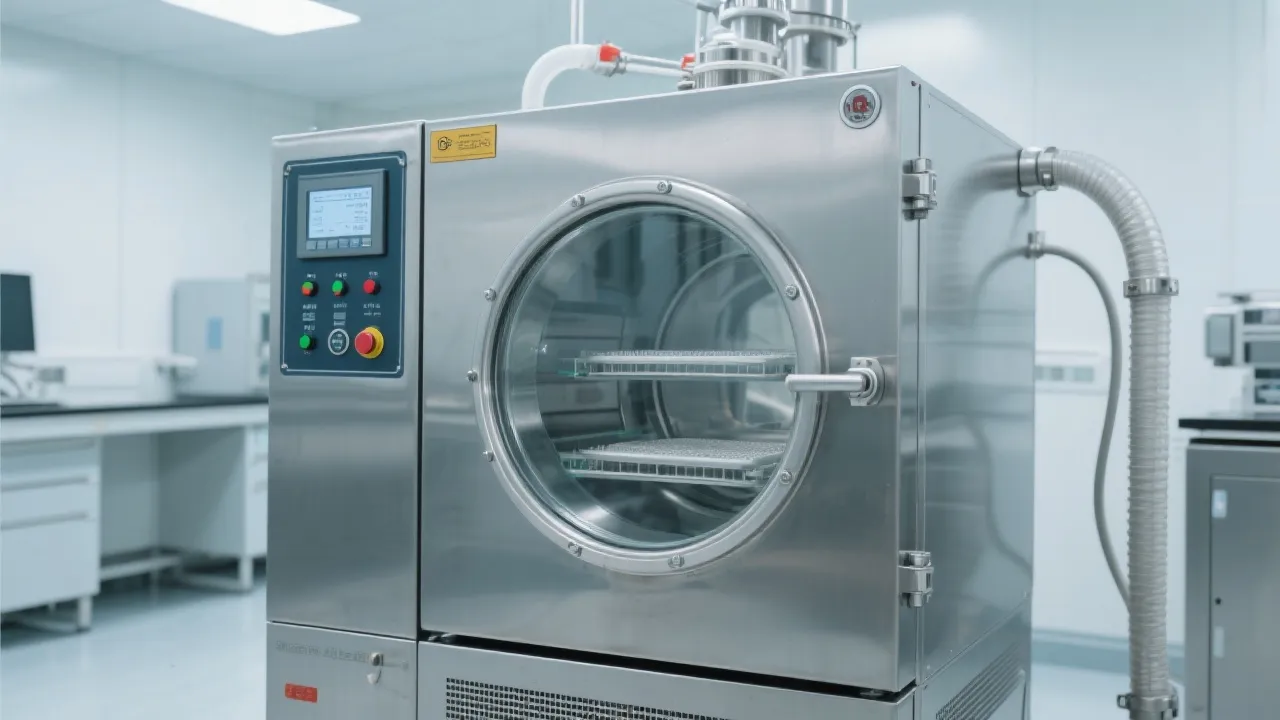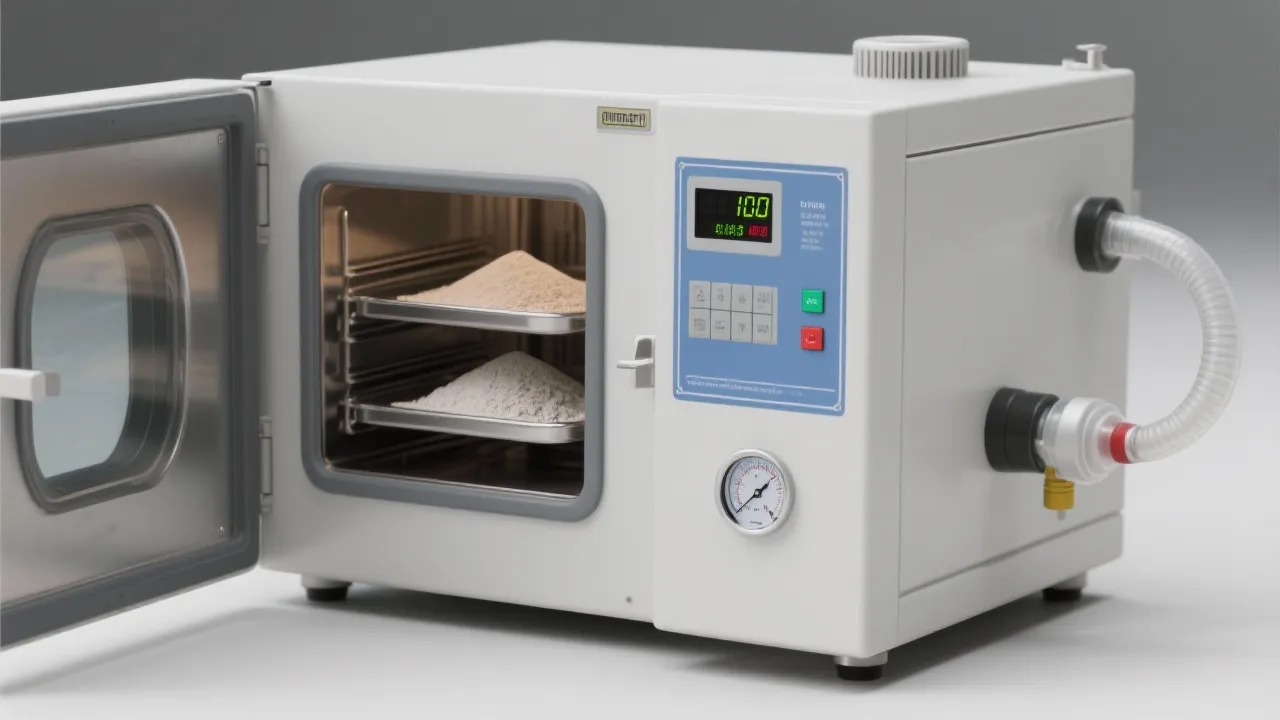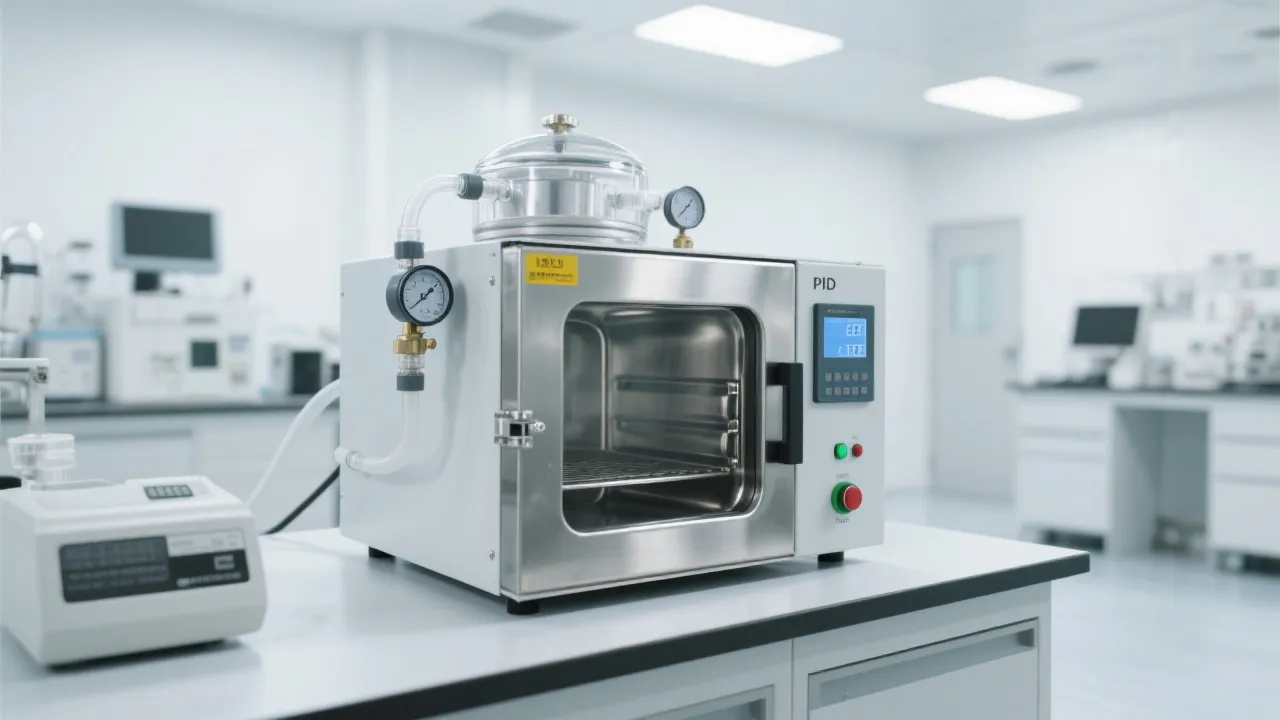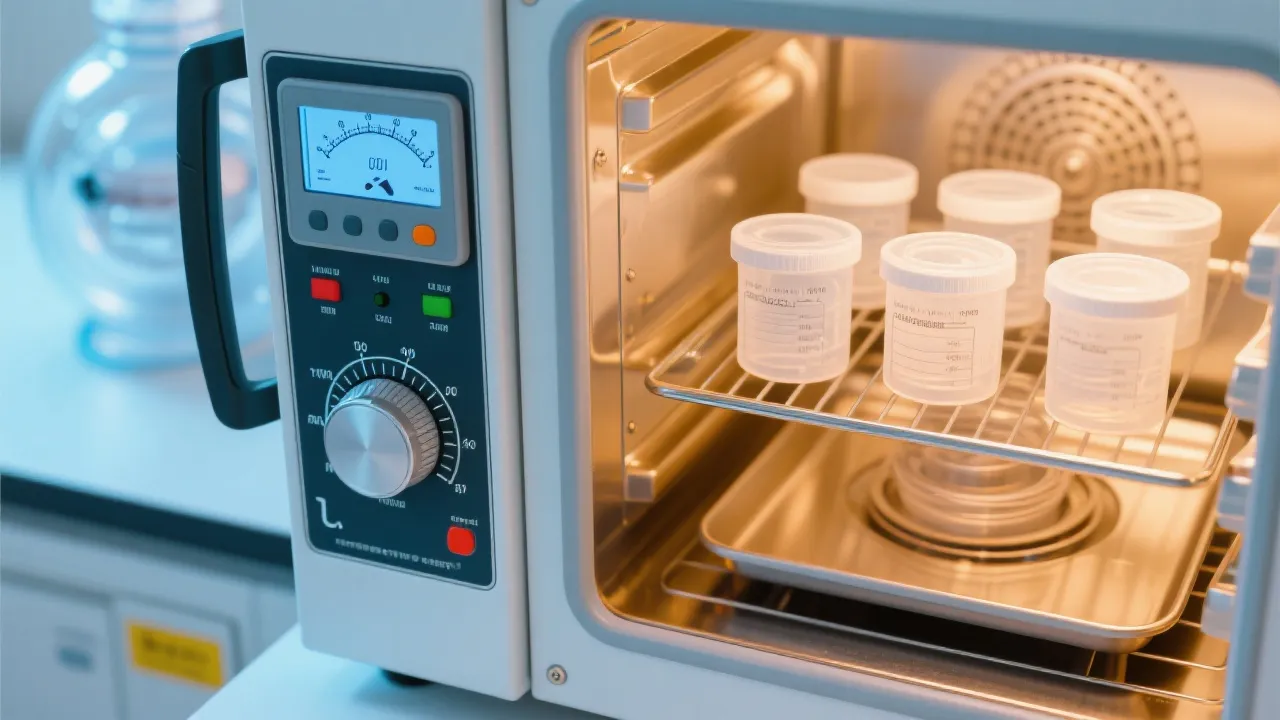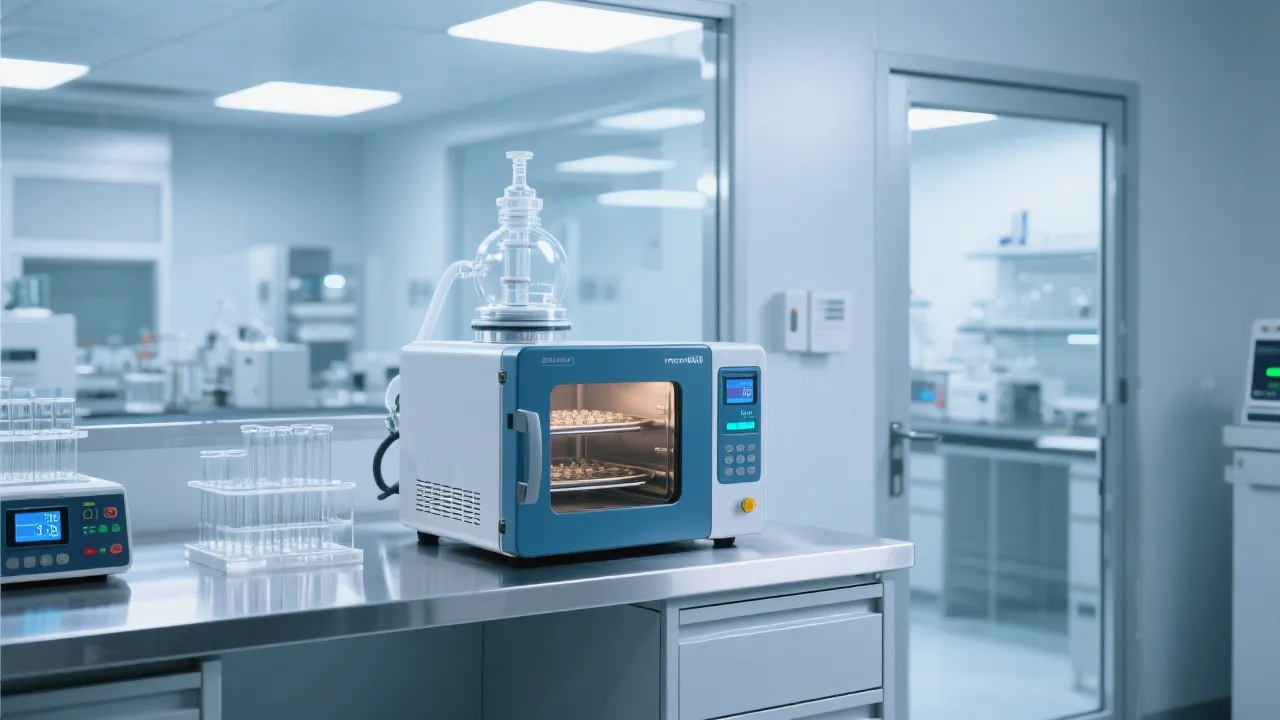
When selecting a vacuum drying oven for lab or production use, many buyers fall into the trap of comparing prices alone—without understanding what truly impacts performance, safety, and long-term ROI. For instance, a DZF-6010 model with an 8L capacity might seem small, but it’s ideal for benchtop applications where space is limited yet precision is critical.
Let’s break down essential specs:
| Parameter | Standard (DZF-6010) | Industry Benchmark |
|---|---|---|
| Max Vacuum | 0.098 MPa | 0.09–0.1 MPa |
| Inner Chamber Material | 304 Stainless Steel | 304 SS / Aluminum Alloy |
| Temp Range | RT + 10°C to 250°C | RT + 5°C to 250°C |
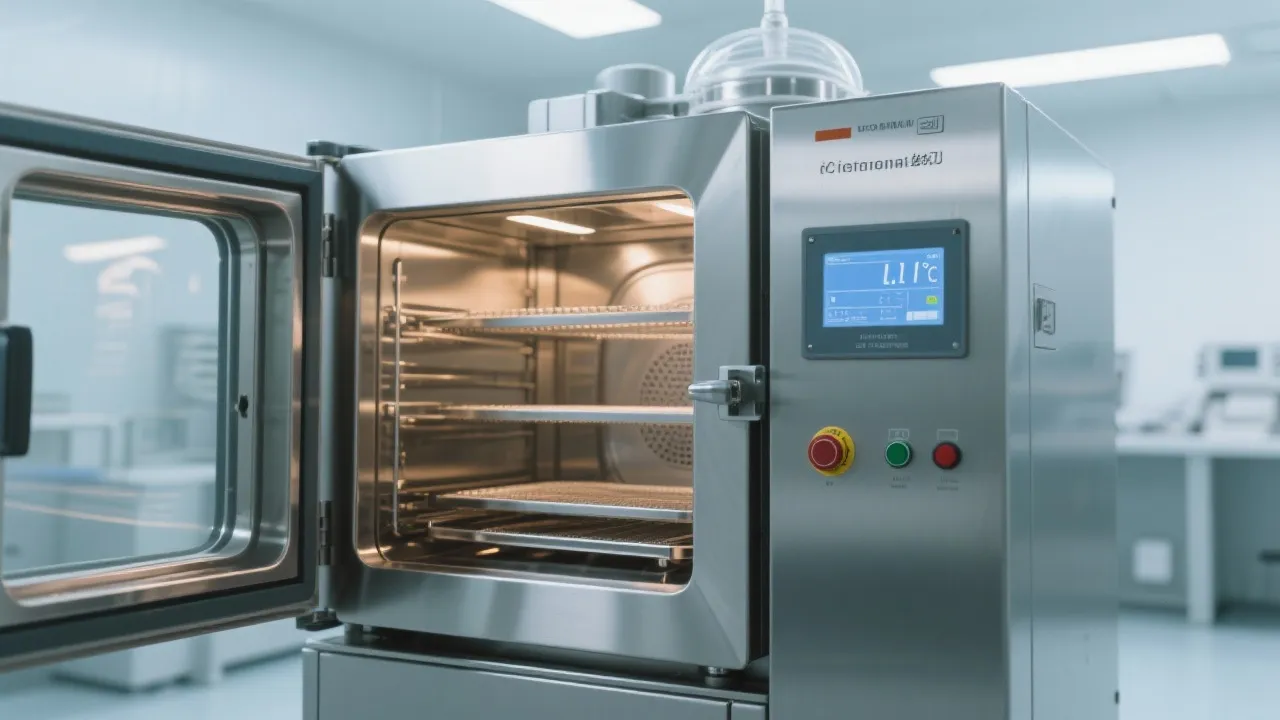
Unlike cheaper alternatives made of carbon steel or aluminum, 304 stainless steel resists corrosion from acids, solvents, and humidity—common in chemical synthesis or biotech workflows. It also ensures easy cleaning after handling reactive compounds, reducing contamination risk between runs.
💡 Tip: Always verify if your oven includes explosion-proof features when working with flammable solvents like ethanol or acetone—especially in industrial settings where fire hazards are real.
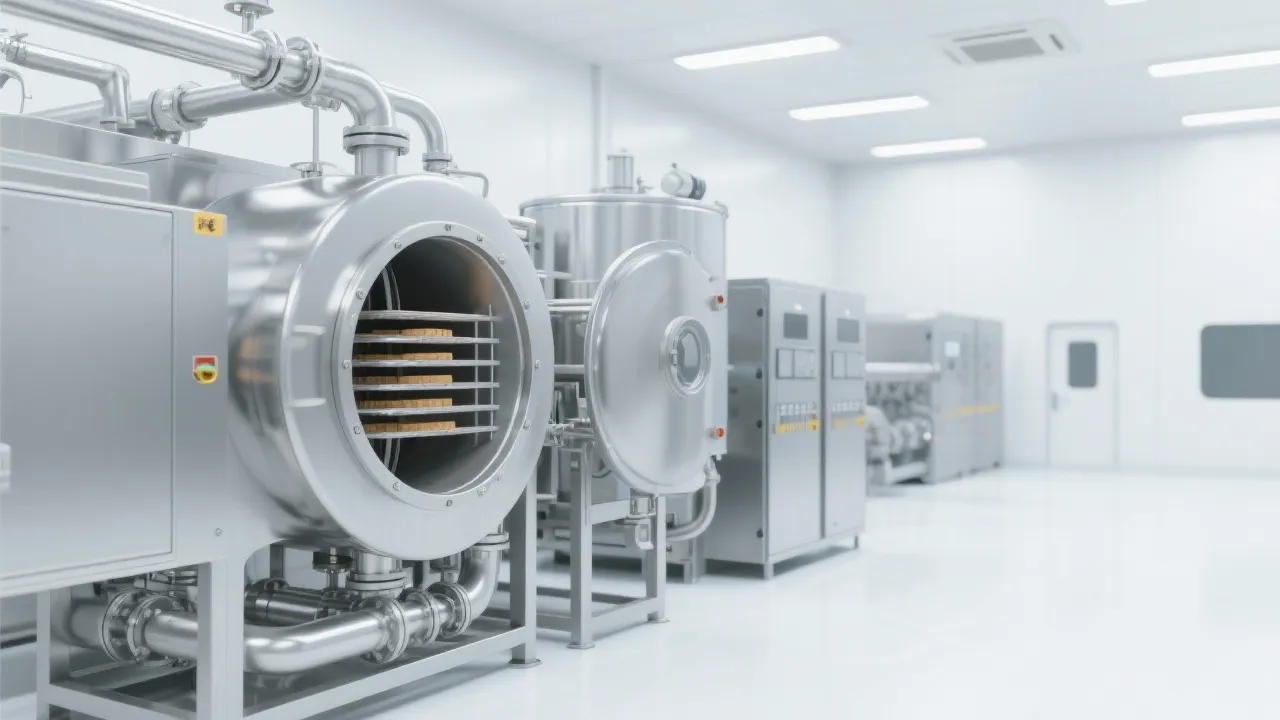
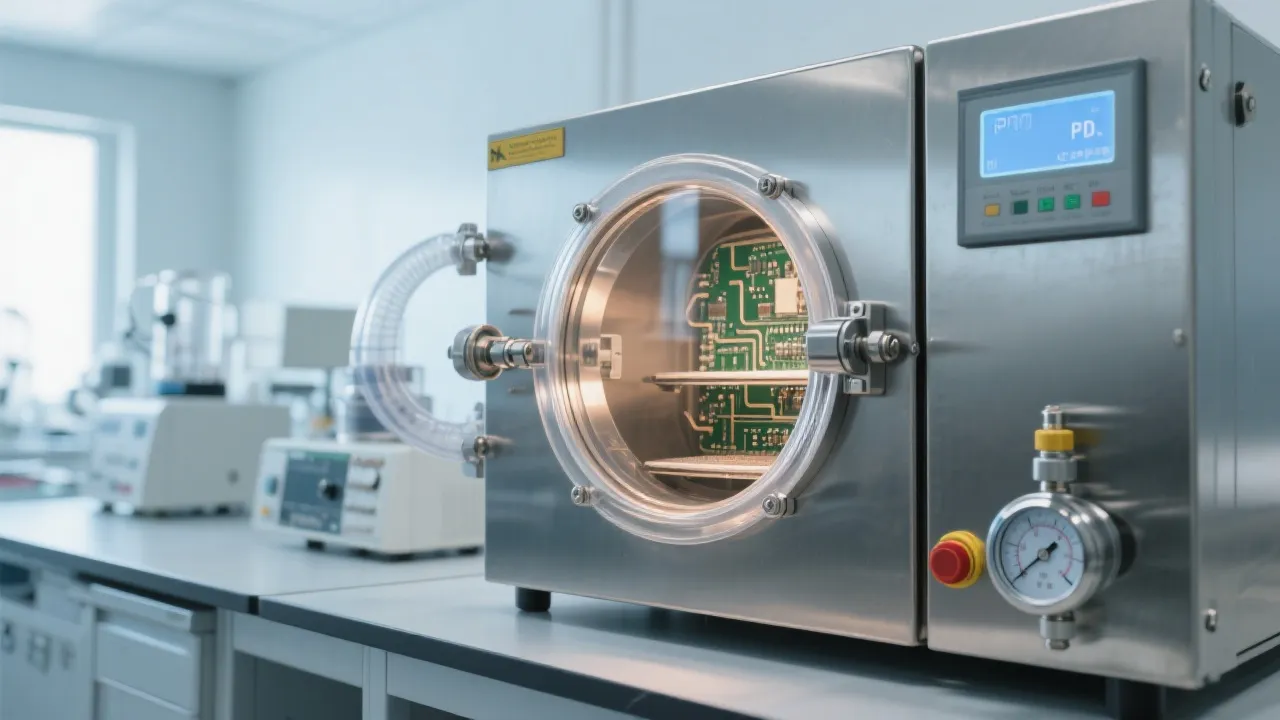
In materials science, researchers use the DZF-6010 to dry thin films without cracking them under high temperature. In pharmaceuticals, it helps remove residual solvents from tablets before packaging—ensuring compliance with ICH Q3C guidelines. And in electronics, engineers rely on its consistent vacuum environment to prepare PCB boards for soldering.
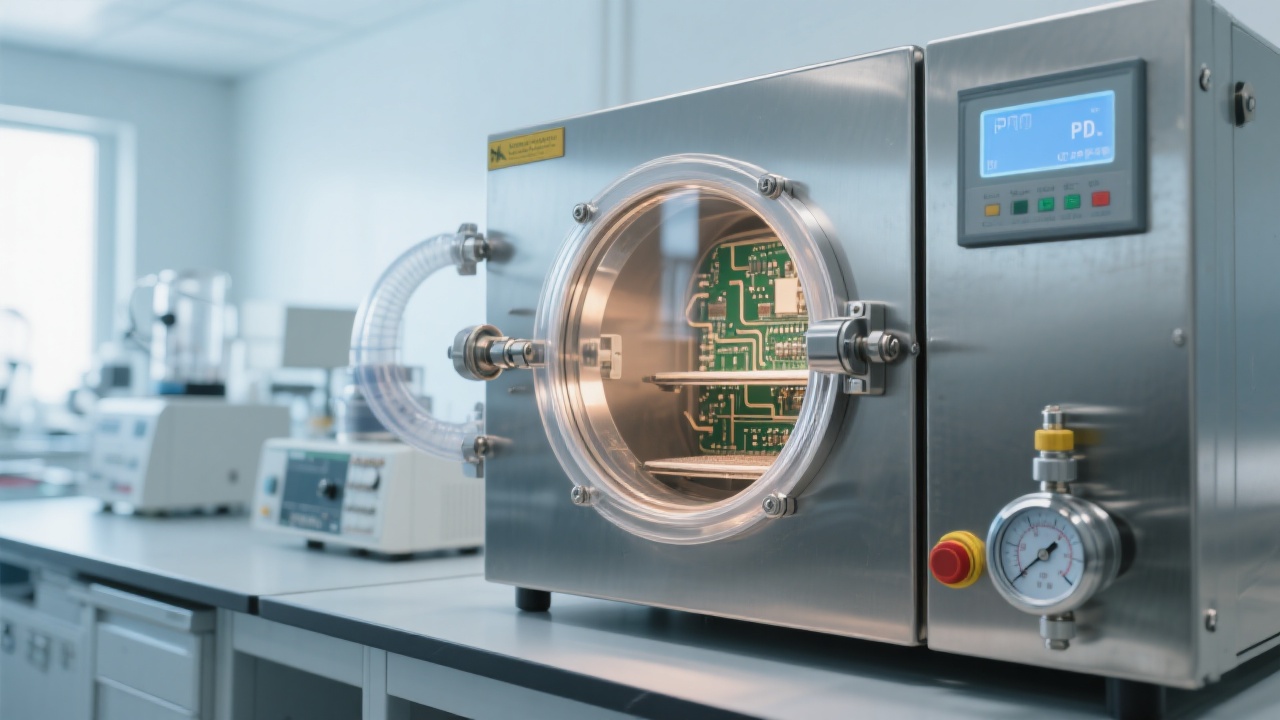
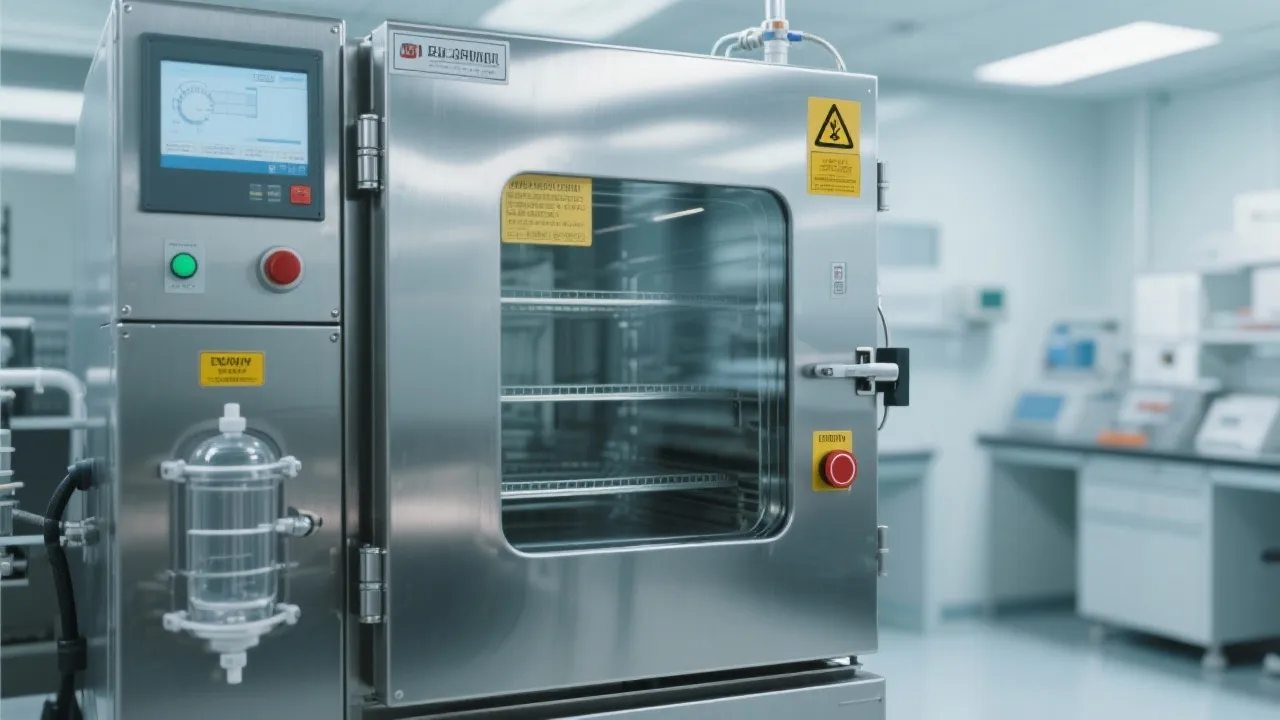
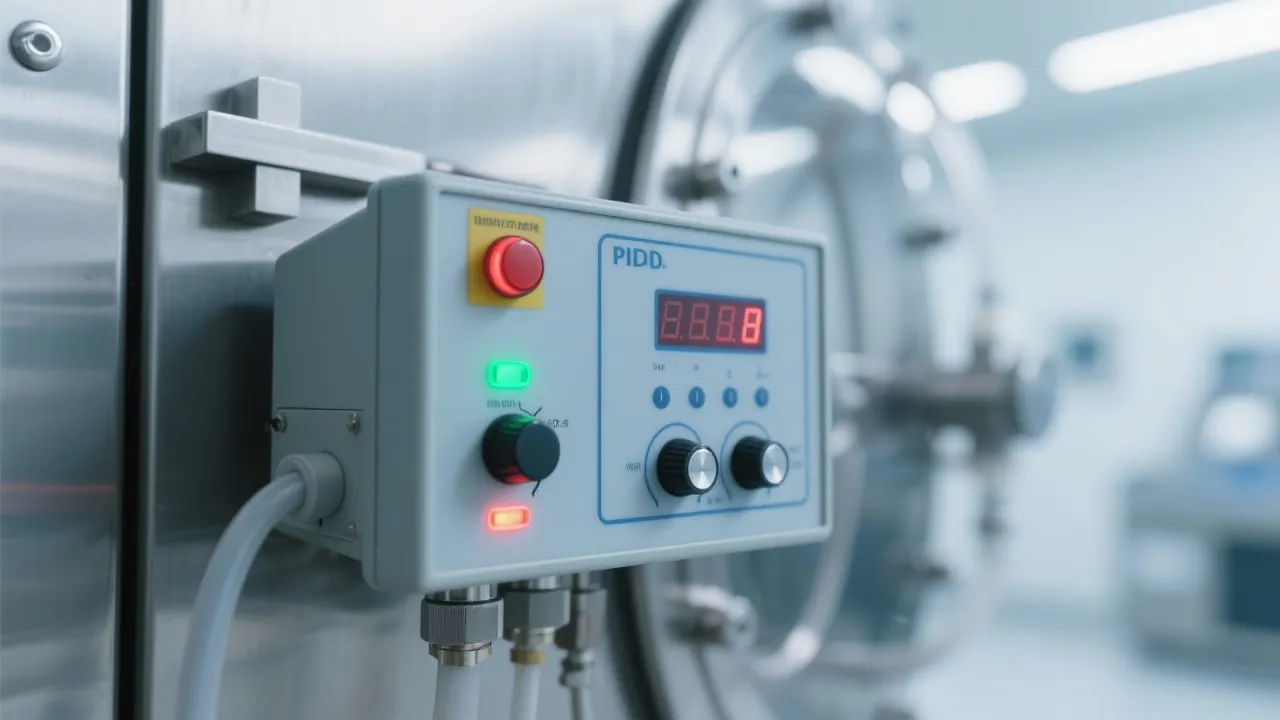
Whether you're scaling up from a university lab or optimizing a factory process, choosing the right vacuum oven isn’t just about specs—it’s about solving specific operational challenges. The DZF-6010 excels because it balances compact design, robust engineering, and user-friendly controls like touch panels and transparent viewing windows that enhance both efficiency and safety.
Have questions about how this model fits your workflow? Drop us a note below—we’ll help match your needs to the perfect solution.
Explore our full range of vacuum ovens tailored for global R&D teams and manufacturers.
Get Your Customized Quote Now →