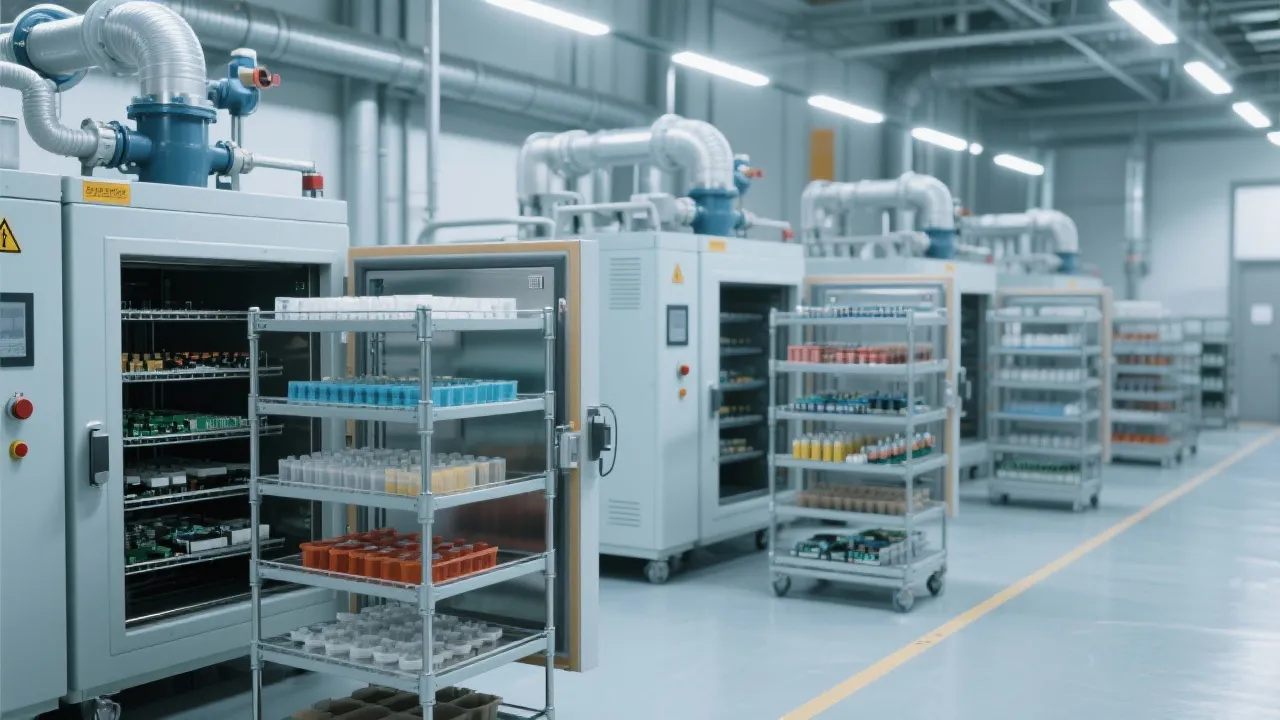
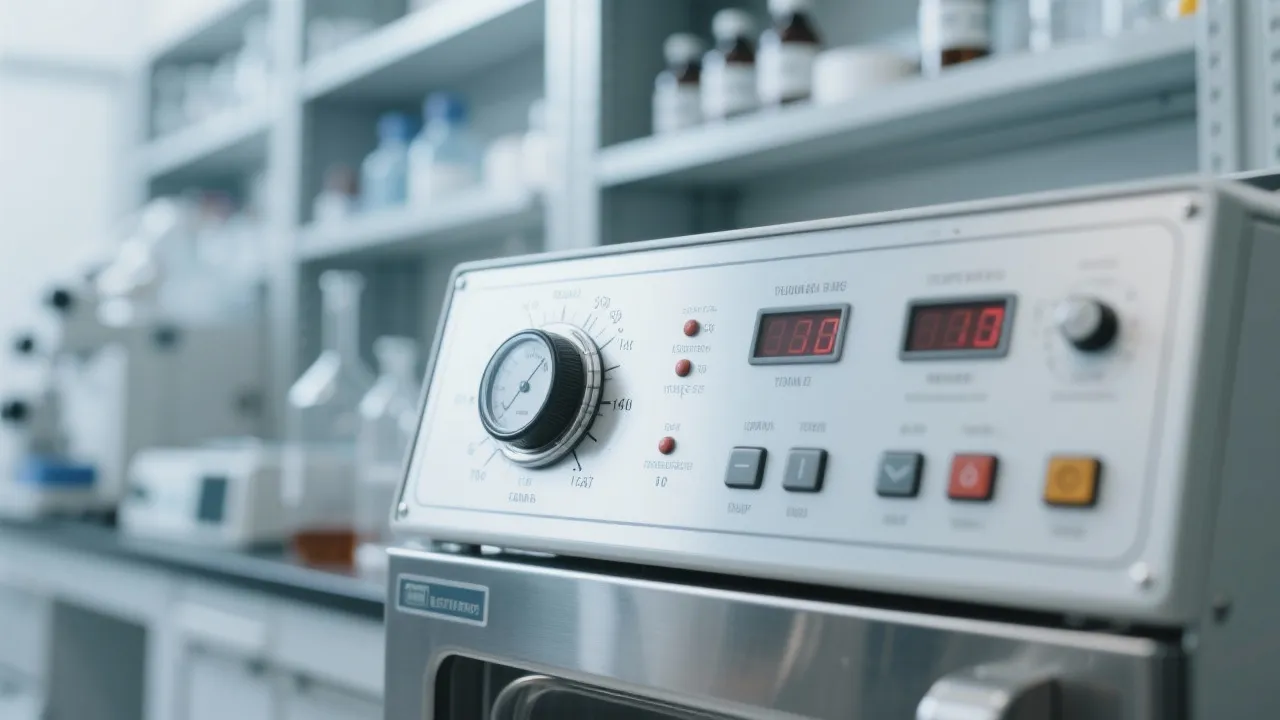
When handling heat-sensitive samples like pharmaceuticals, biological tissues, or delicate electronic components, traditional air-drying methods often lead to degradation, contamination, or inconsistent results. That’s where vacuum drying technology shines—offering precision, safety, and reproducibility that researchers demand.
According to a 2023 study by the Journal of Analytical Chemistry, vacuum drying reduces sample decomposition by up to 70% compared to oven drying at 80°C under atmospheric pressure. This is because vacuum environments lower the boiling point of solvents—allowing water or organic solvents to evaporate at temperatures as low as 30–40°C, preserving molecular integrity.
“In our lab, we’ve seen a 40% improvement in recovery rates for lyophilized proteins after switching to controlled vacuum drying,” says Dr. Lena Müller, Senior Research Scientist at ETH Zurich. “It’s not just about speed—it’s about quality.”
Different materials behave uniquely under vacuum:
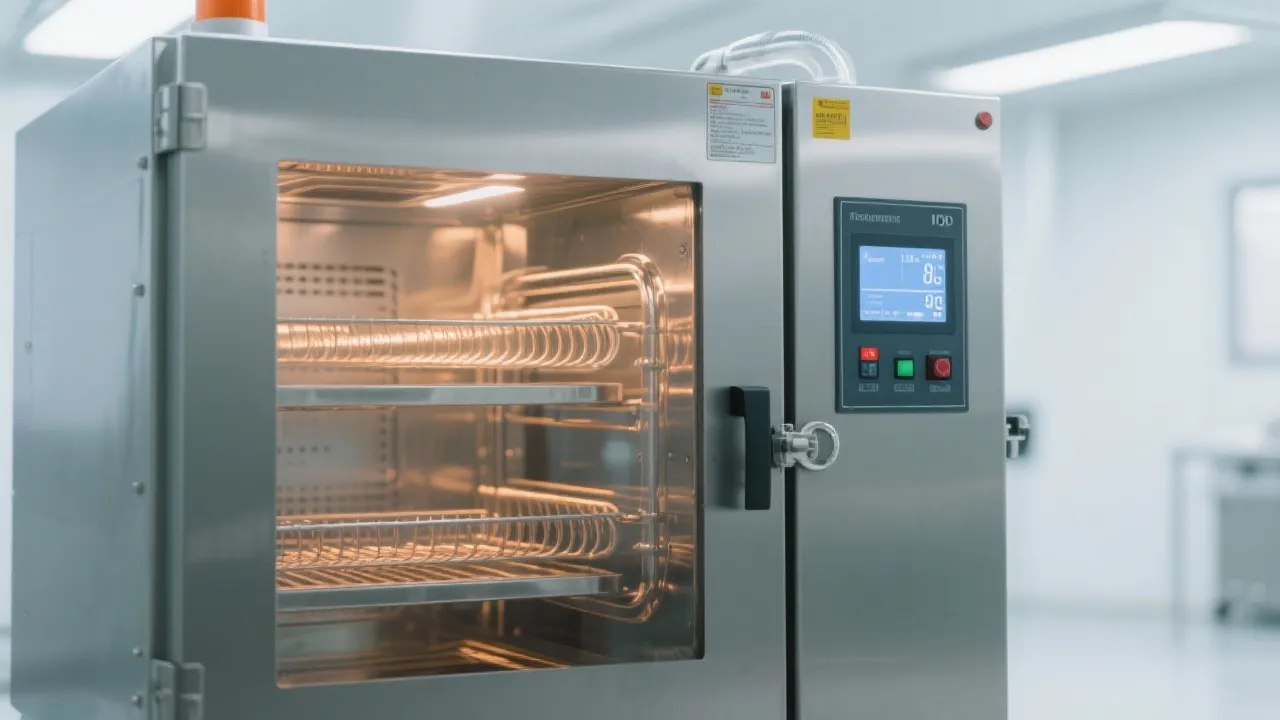
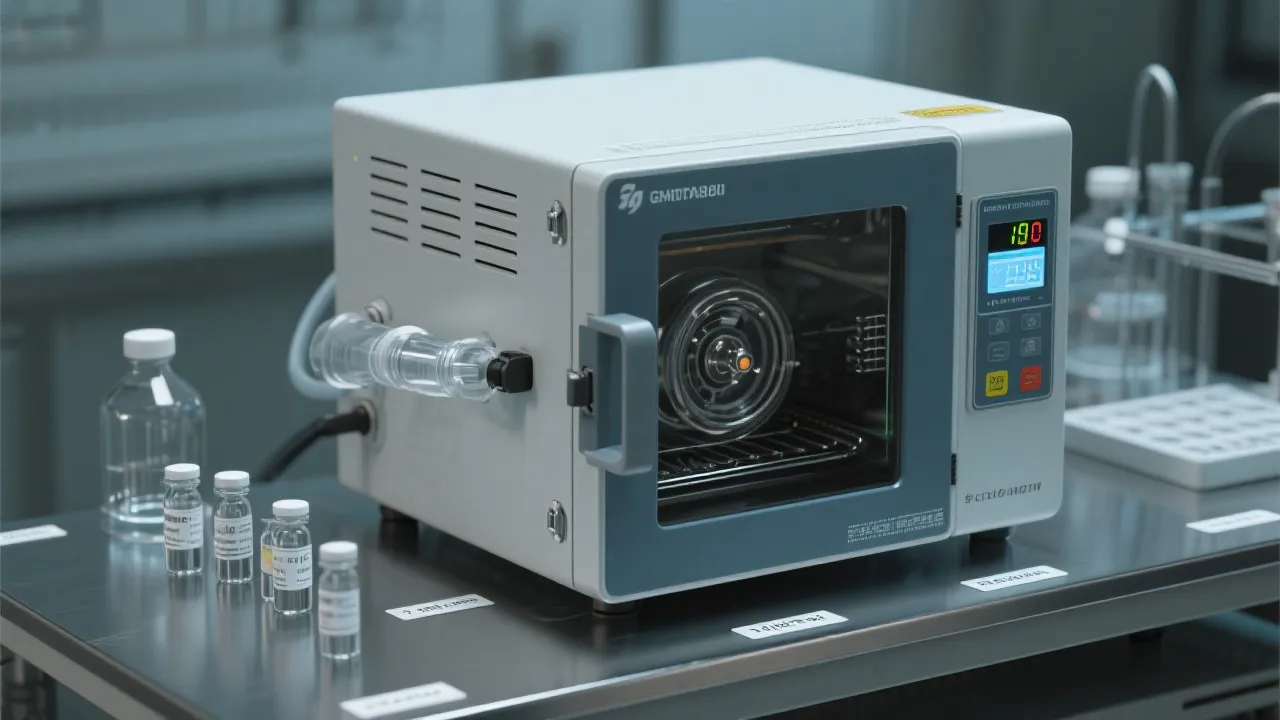
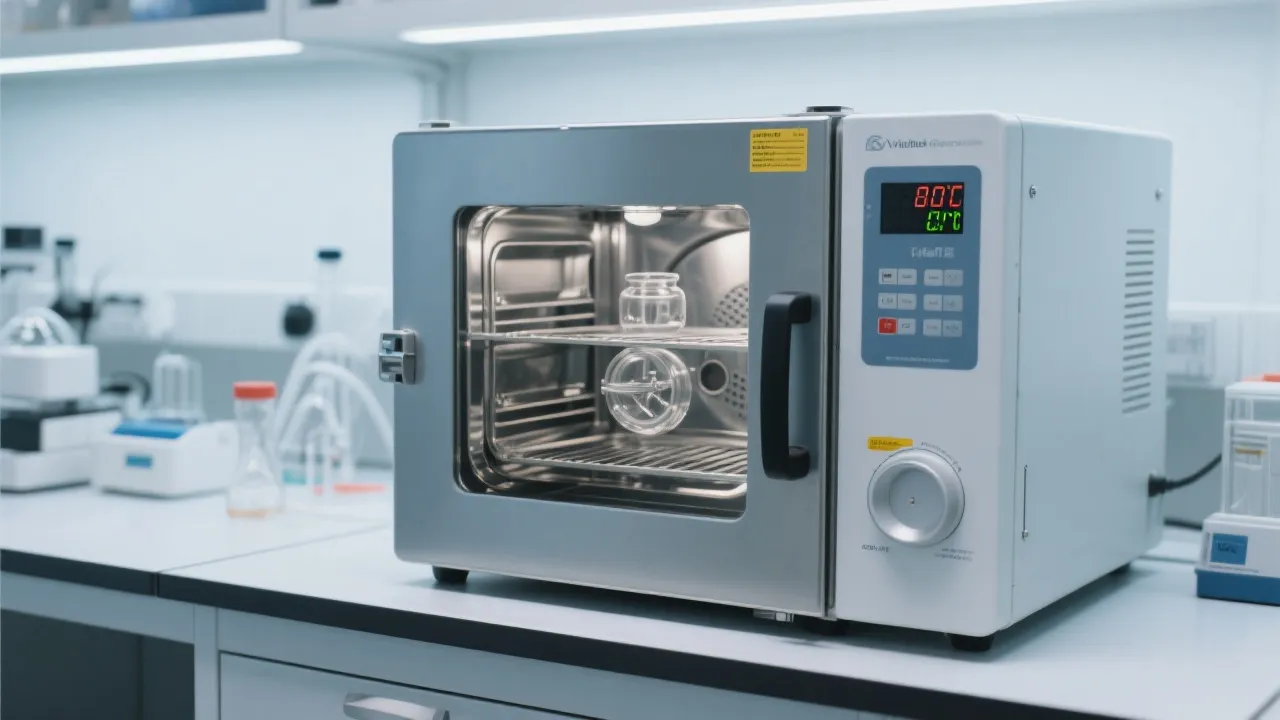
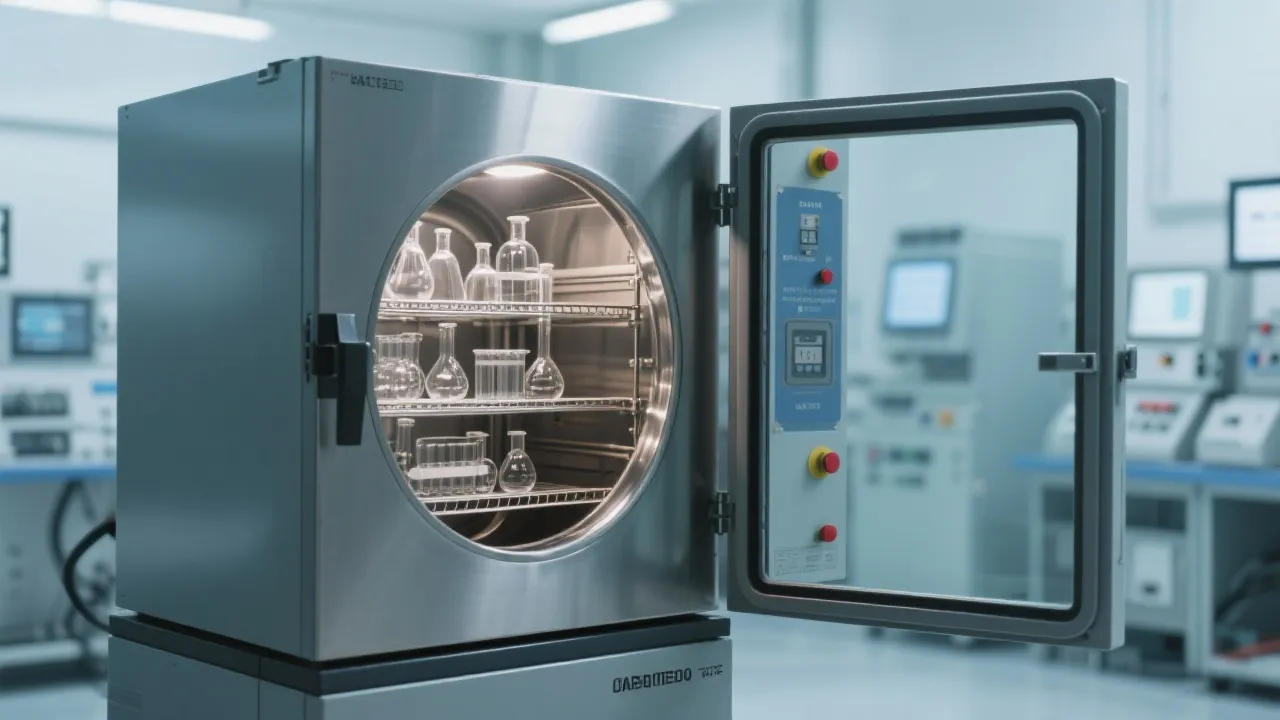
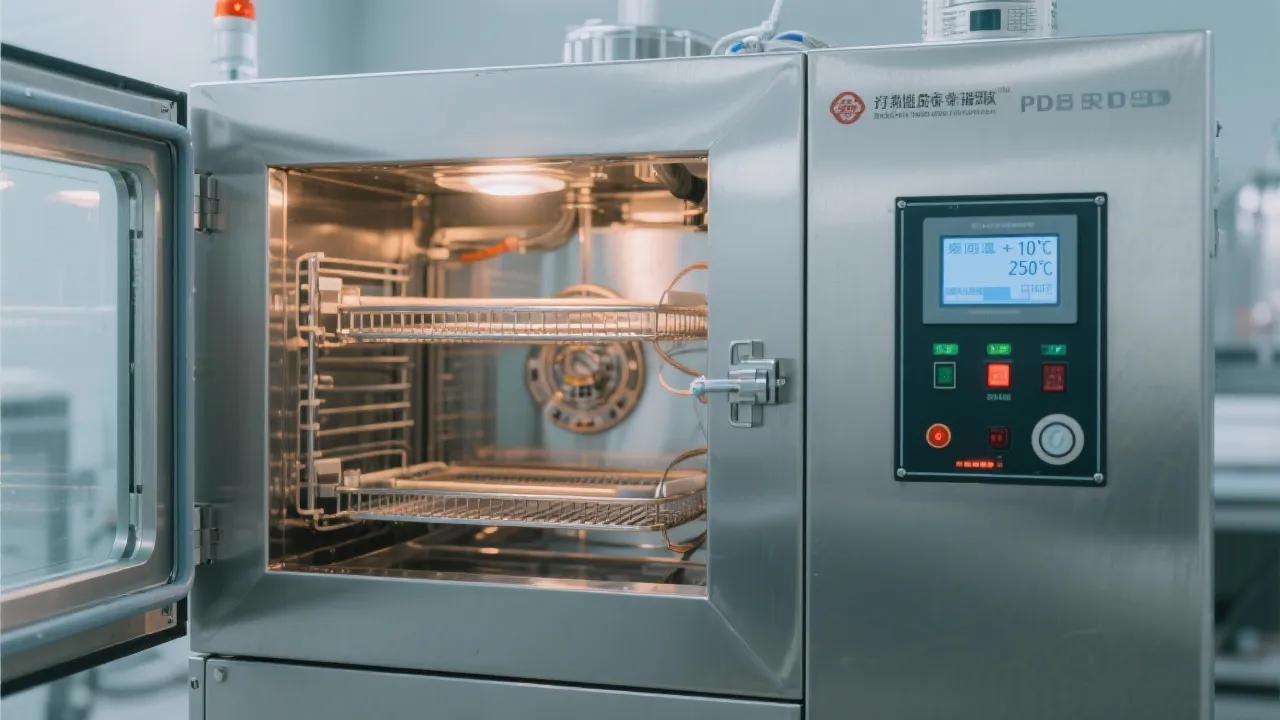
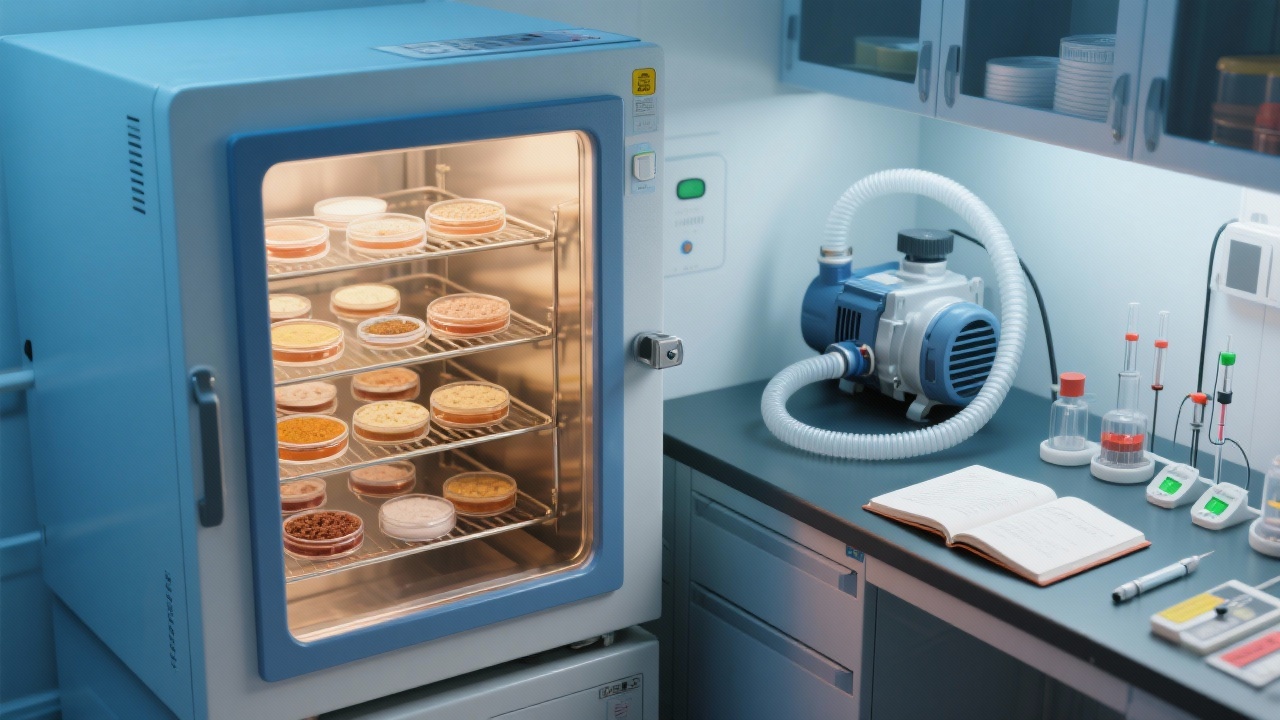
The DZF-6010 vacuum oven, equipped with an intelligent PID control system and 304 stainless steel chamber, delivers consistent performance across these varied applications—from drug stability testing to polymer dehydration—ensuring repeatability within ±0.5°C over 24-hour runs.
A major biopharma company in Singapore reported a 25% reduction in batch failure rates after adopting the DZF-6010 for vaccine formulation drying. By maintaining stable vacuum levels (0.05–0.1 mbar) and using automatic pressure monitoring, they eliminated moisture-related inconsistencies that previously caused costly rework.
“What sets this unit apart isn’t just its specs—it’s how it integrates into daily workflows without disrupting productivity,” notes Alex Chen, QA Manager at BioNova Labs. “We now run 3x more batches per week with higher confidence in each result.”
Even experienced users face issues like vacuum leaks or uneven drying. Here are key takeaways:
Whether you're optimizing drug formulations, preparing tissue samples, or processing nanomaterials, understanding vacuum dynamics is no longer optional—it's essential for modern lab efficiency.
Explore the full technical specifications of the DZF-6010 Vacuum Oven—engineered for reliability, safety, and seamless integration into your research workflow.
See Product Details →Have you encountered any tricky drying challenges in your lab? Share your story below—we read every comment!