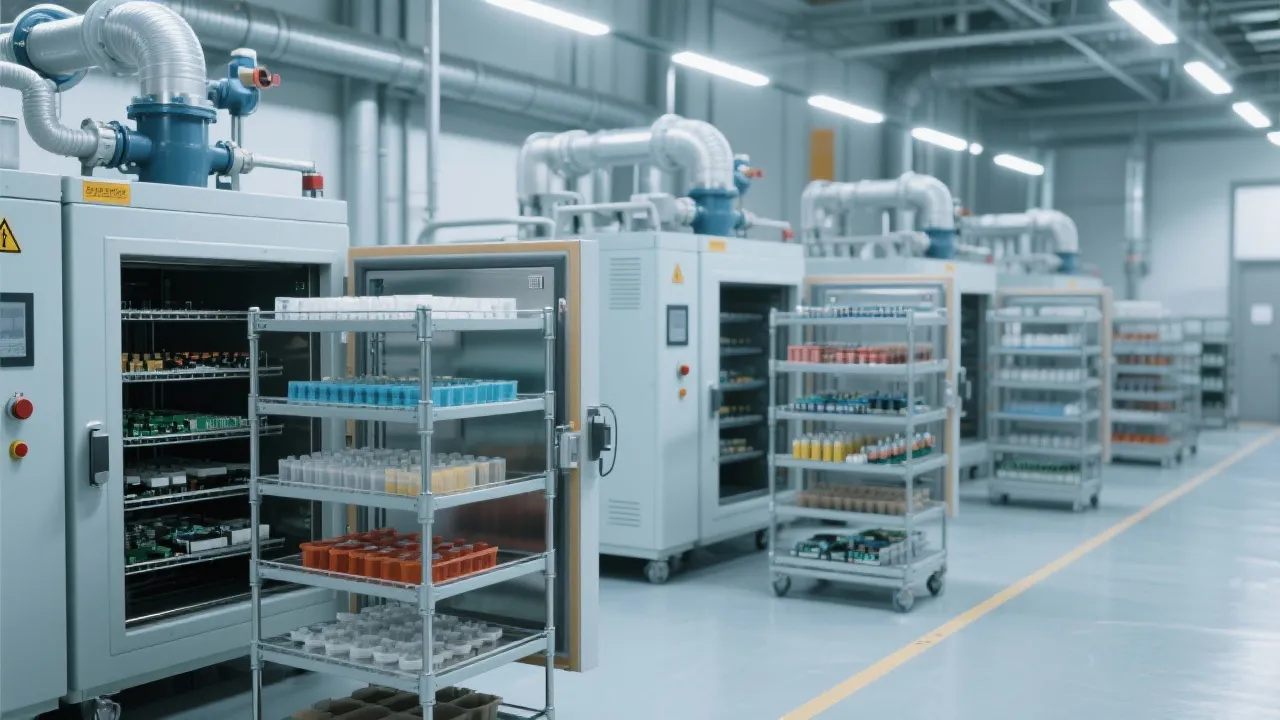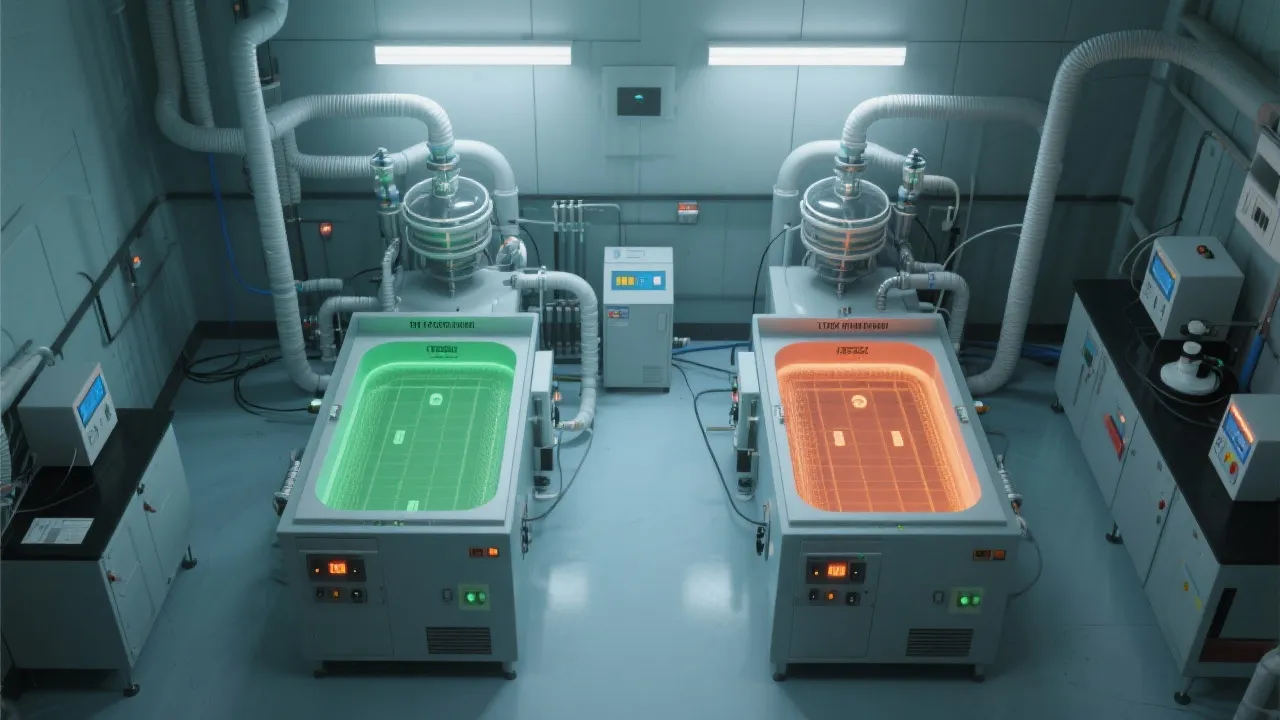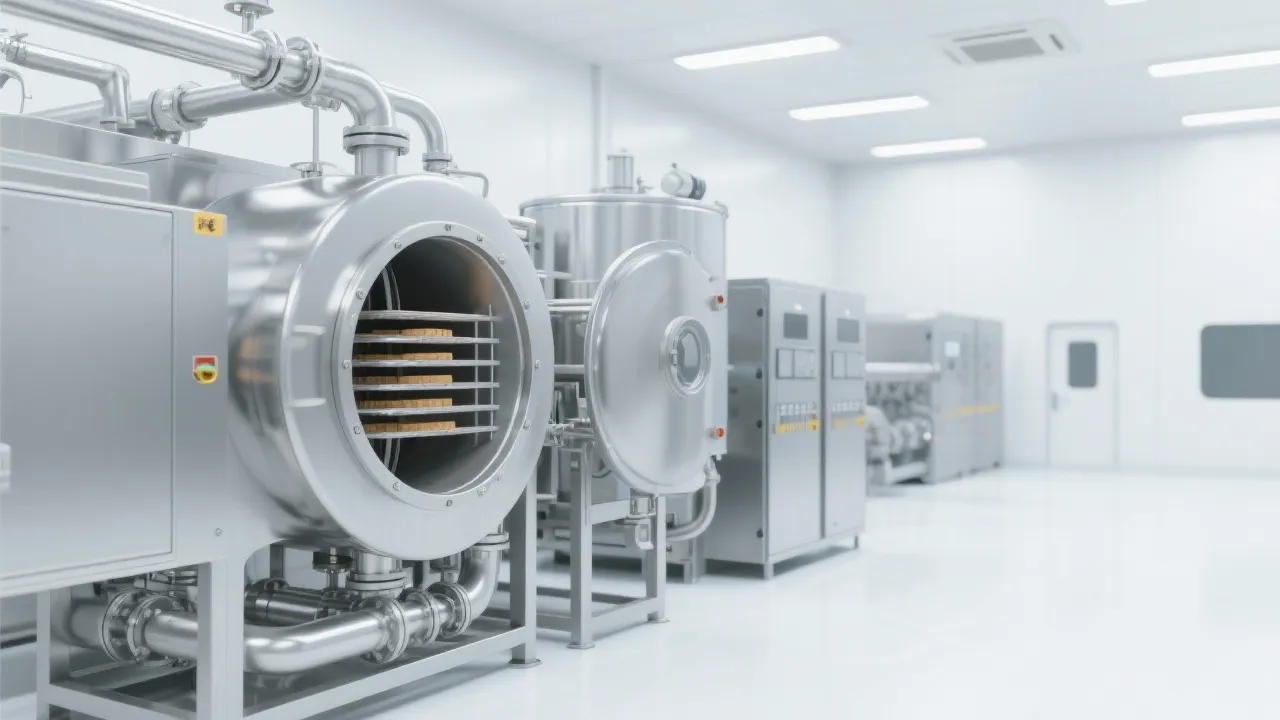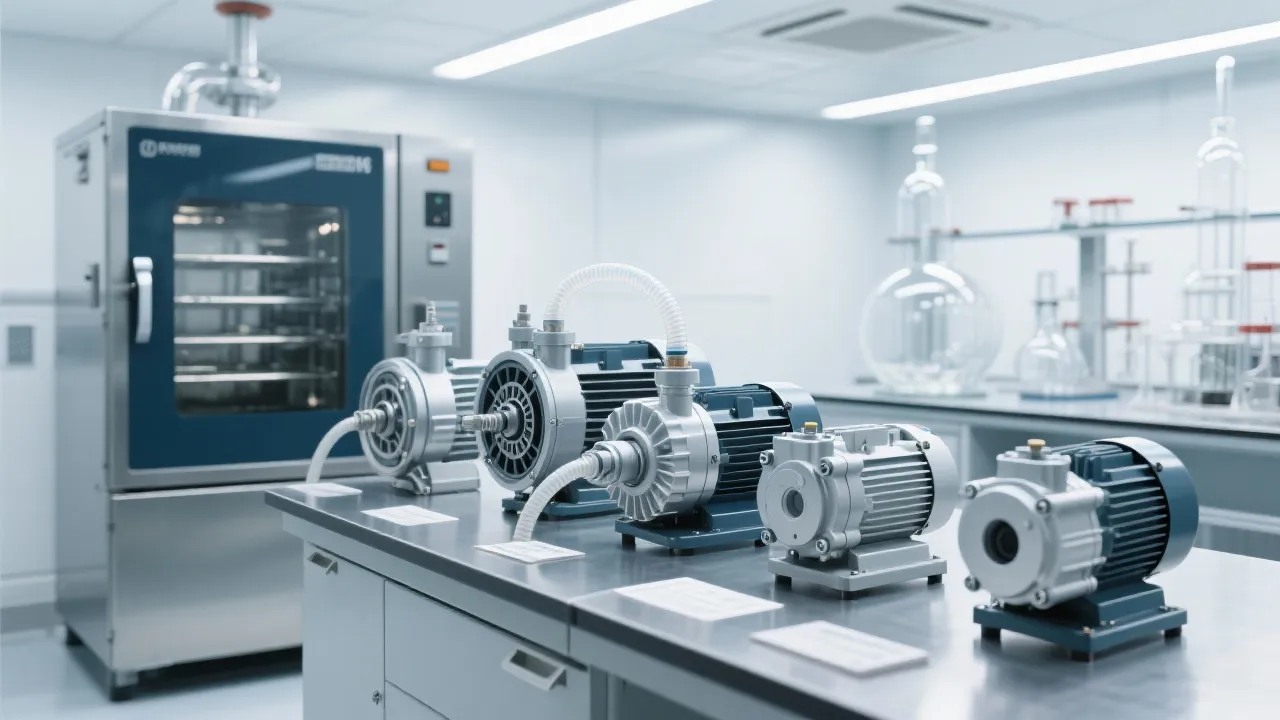
Electronic materials—whether used in semiconductors, PCBs, or advanced packaging—are highly sensitive to residual moisture and trapped gases. Even trace amounts can cause delamination, poor adhesion, or inconsistent electrical performance during manufacturing. This is where vacuum drying technology becomes indispensable.
In a standard atmospheric environment, water boils at 100°C. However, under vacuum conditions (typically 1–10 mbar), the boiling point drops dramatically—down to around 30–40°C. This means that moisture can be removed from delicate electronic components without overheating or damaging them. According to a 2022 study by the IEEE Electronics Packaging Society, this method reduces thermal stress on substrates by up to 60% compared to conventional ovens.
This principle isn't just theoretical—it's proven in real-world labs. For example, one leading semiconductor manufacturer reported a 27% improvement in dielectric strength after implementing vacuum drying in their pre-assembly process, directly linking reduced moisture content to enhanced product reliability.
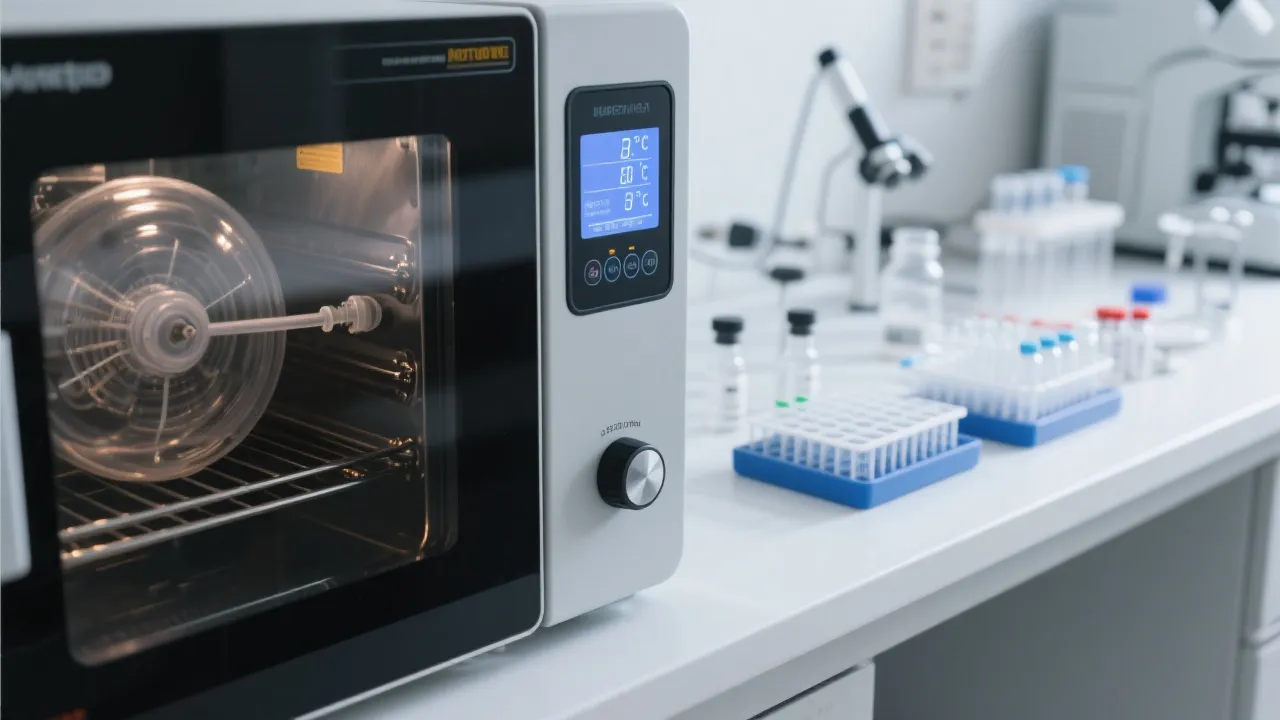
Even with proper vacuum levels, temperature control remains critical. A poorly regulated oven can lead to uneven drying or over-drying, both of which degrade material integrity. Modern vacuum ovens now integrate PID (Proportional-Integral-Derivative) controllers that adjust heating output in real time based on feedback loops.
With a typical ±0.5°C accuracy range, these systems ensure that every batch—from small R&D samples to production-scale runs—is processed uniformly. In fact, users report a 95% reduction in variability between batches when switching from manual to PID-controlled drying cycles.
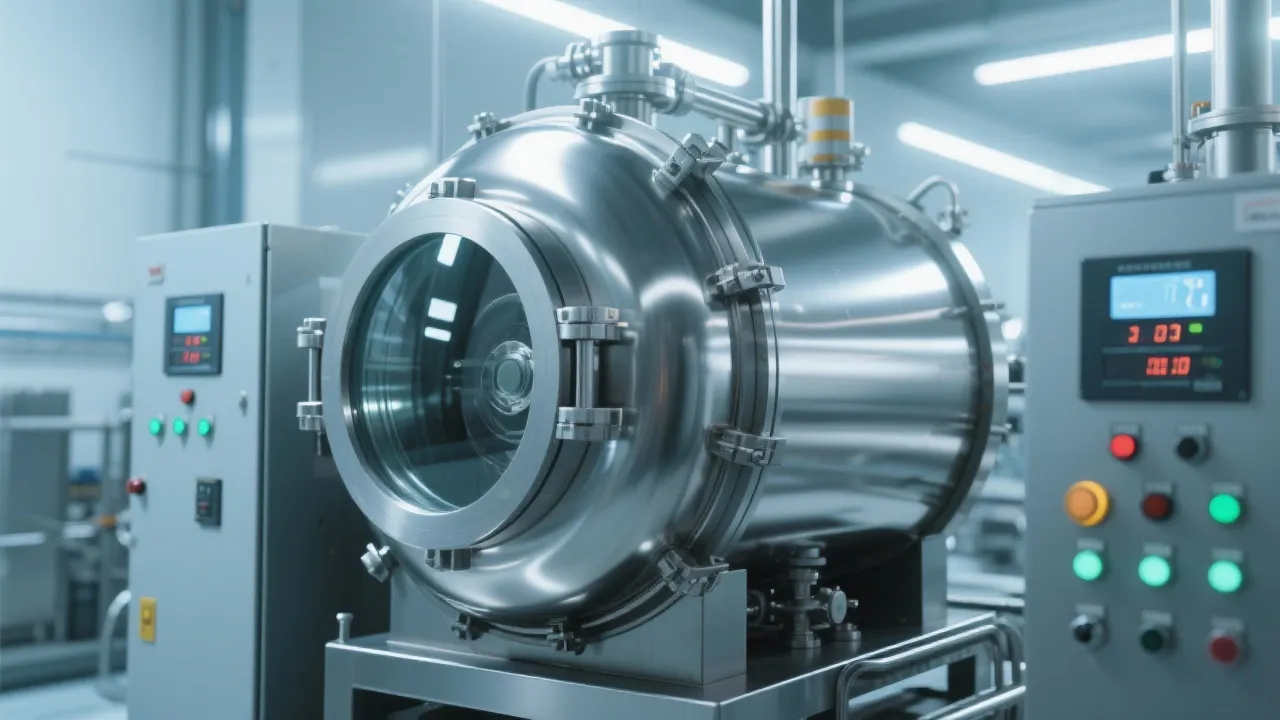
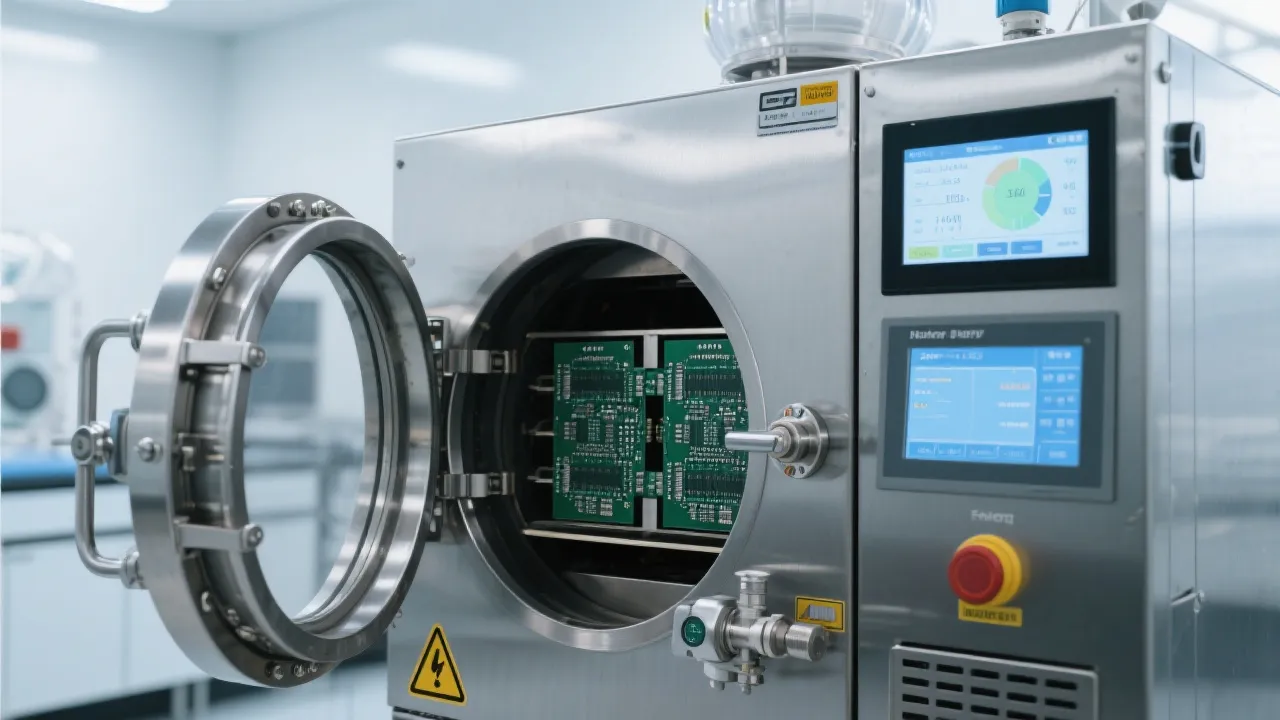
The internal chamber must withstand repeated exposure to heat, humidity, and chemical residues. That’s why 304 stainless steel has become the preferred material for high-end vacuum ovens. Its corrosion resistance ensures long-term durability—even when handling solvents like acetone or isopropanol commonly used in cleaning processes.
Moreover, its smooth surface makes it easy to clean between runs, reducing cross-contamination risks. One lab manager noted a 40% decrease in maintenance downtime after switching to 304 SS chambers—a significant gain for facilities running multiple daily cycles.
When dealing with volatile solvents or flammable powders, safety cannot be compromised. Advanced vacuum ovens come equipped with explosion-proof motors, sealed electrical enclosures, and pressure relief valves that meet UL/CE standards. These features aren’t optional—they’re essential for compliance in ISO 14644-class cleanrooms.
Energy efficiency is another key benefit. Compared to traditional convection ovens, vacuum dryers consume up to 35% less power due to faster heat transfer and reduced air mass. Over a year, this translates into thousands of kWh saved per unit—especially valuable for large-scale operations.
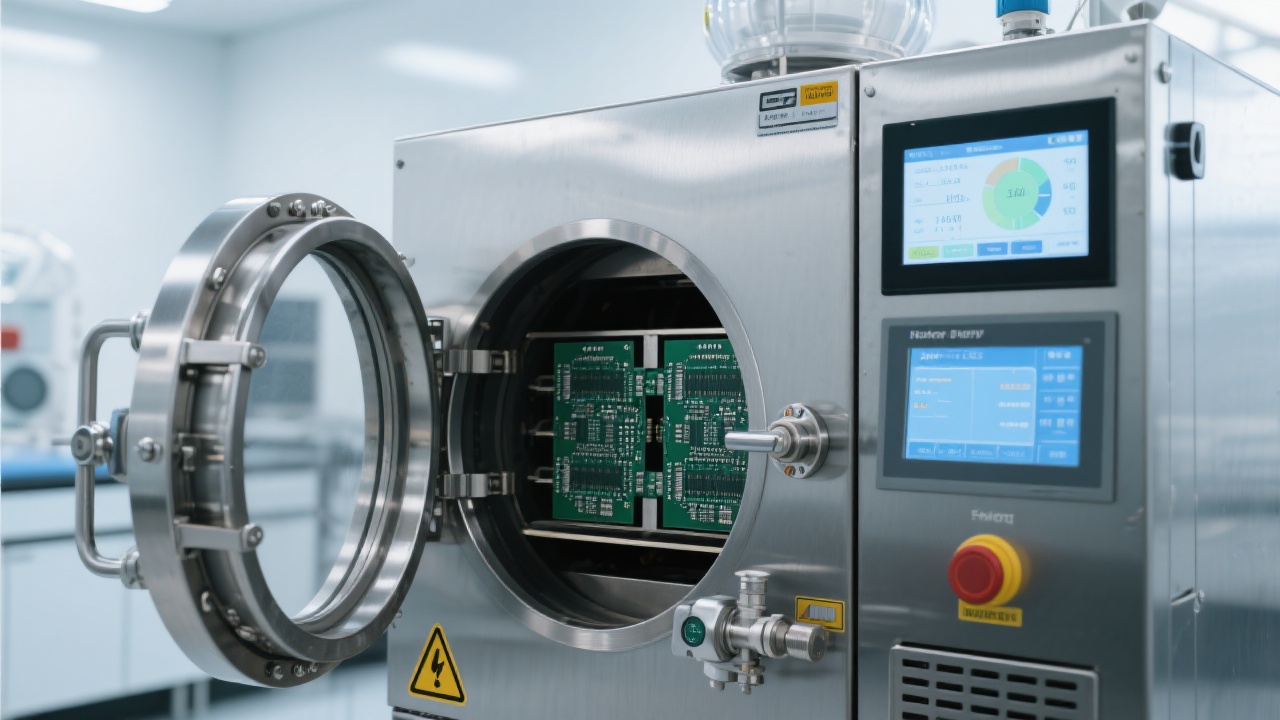
For engineers and procurement managers alike, understanding the technical nuances behind vacuum drying isn’t just academic—it’s a practical step toward improving yield, quality, and operational efficiency. Whether you're optimizing a lab workflow or scaling up production, investing in the right equipment pays dividends in consistency, safety, and long-term cost savings.
Explore our full range of industrial-grade vacuum ovens engineered for precision, safety, and performance in electronics manufacturing.
See Our Vacuum Oven Solutions →