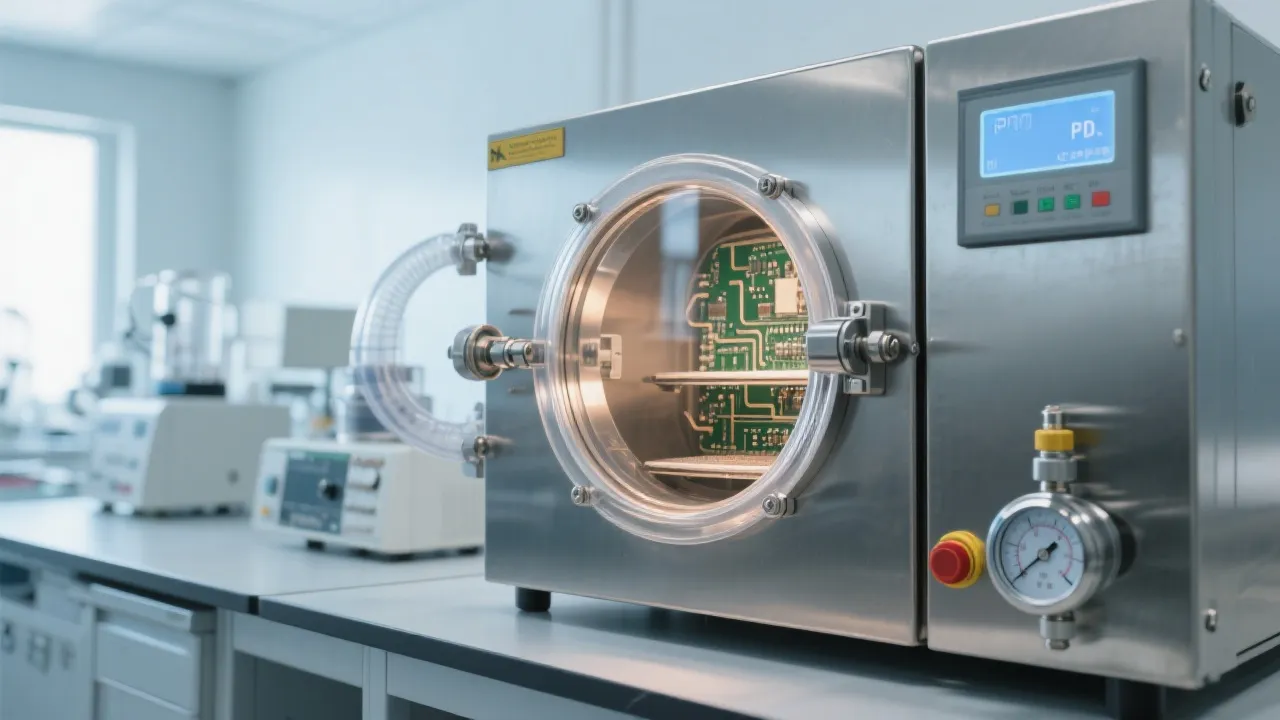
In materials science and semiconductor manufacturing, even trace moisture can compromise the electrical performance and long-term stability of electronic components. Studies show that residual water in printed circuit boards (PCBs) or encapsulated chips can lead to dielectric breakdowns during operation—especially under thermal stress. This is where precision-controlled vacuum drying becomes not just a best practice but a necessity.
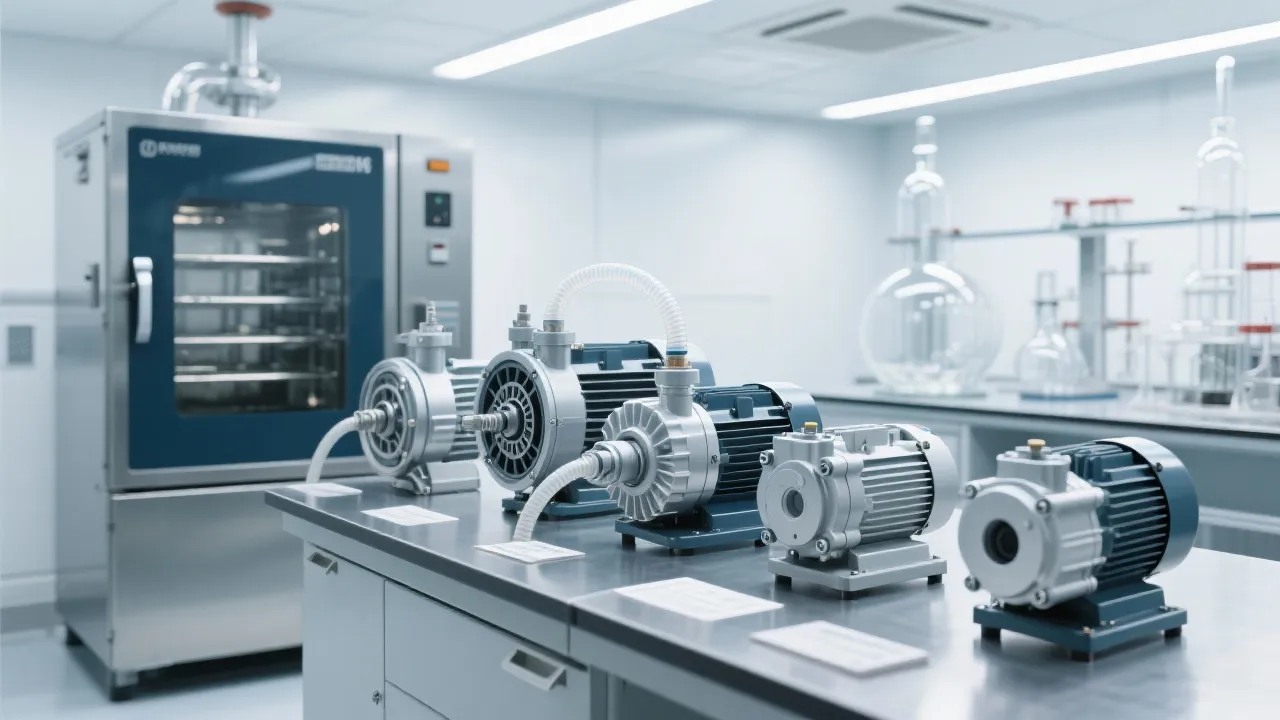
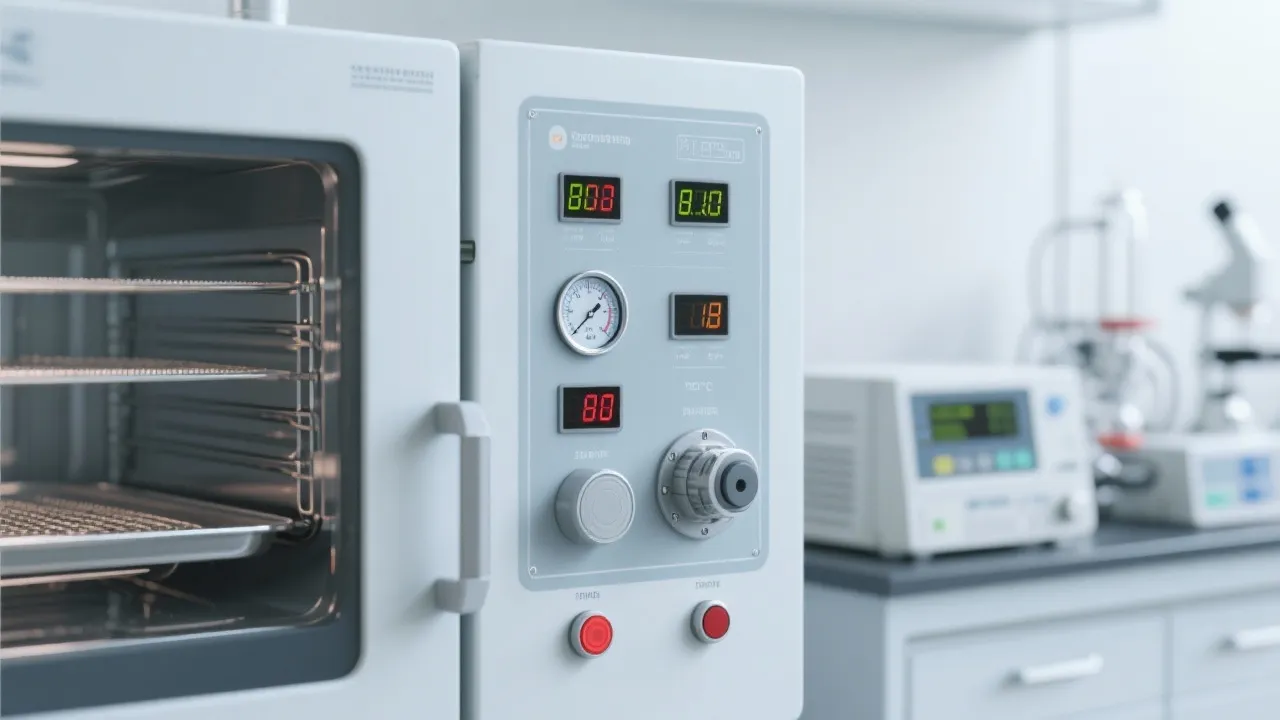
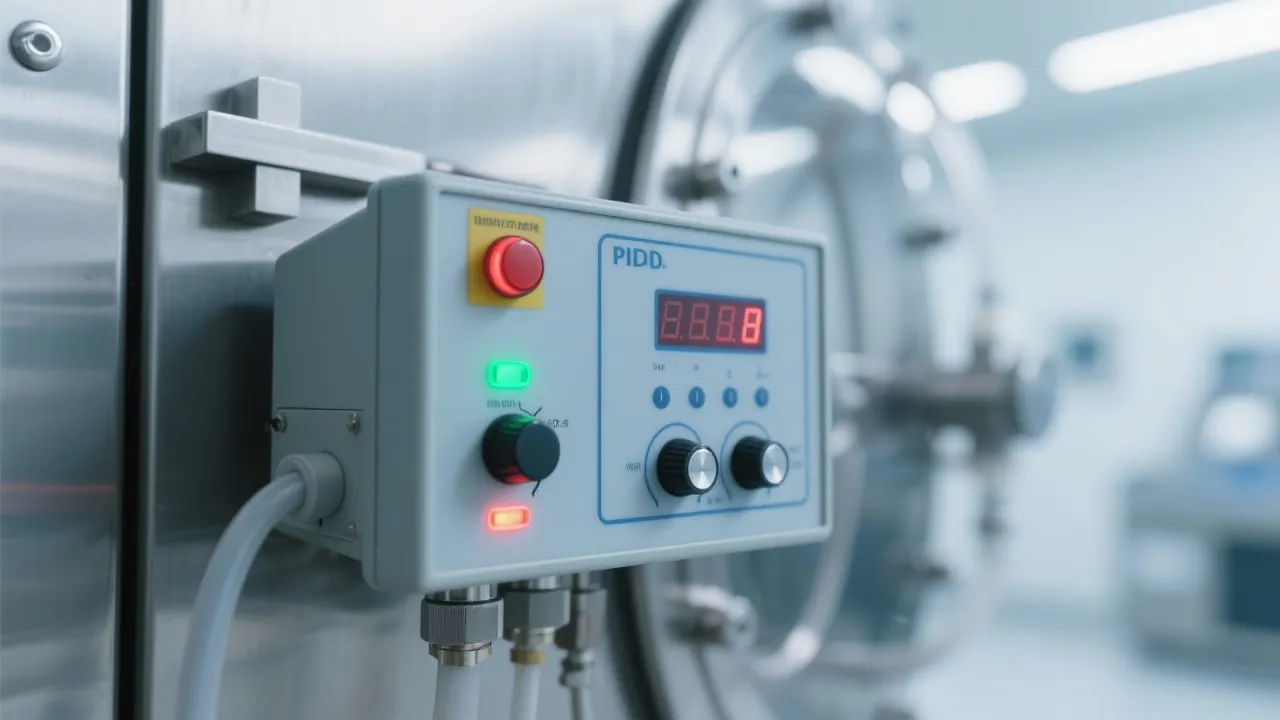
The DZF-6010 laboratory mini vacuum oven leverages a dual-system approach: precise PID temperature control (±1°C accuracy) combined with a high-efficiency vacuum pump that reaches up to 0.098 MPa. By reducing ambient pressure, the boiling point of water drops significantly—allowing moisture removal at temperatures as low as 40°C. This minimizes thermal degradation of heat-sensitive polymers, adhesives, and coatings commonly used in microelectronics.
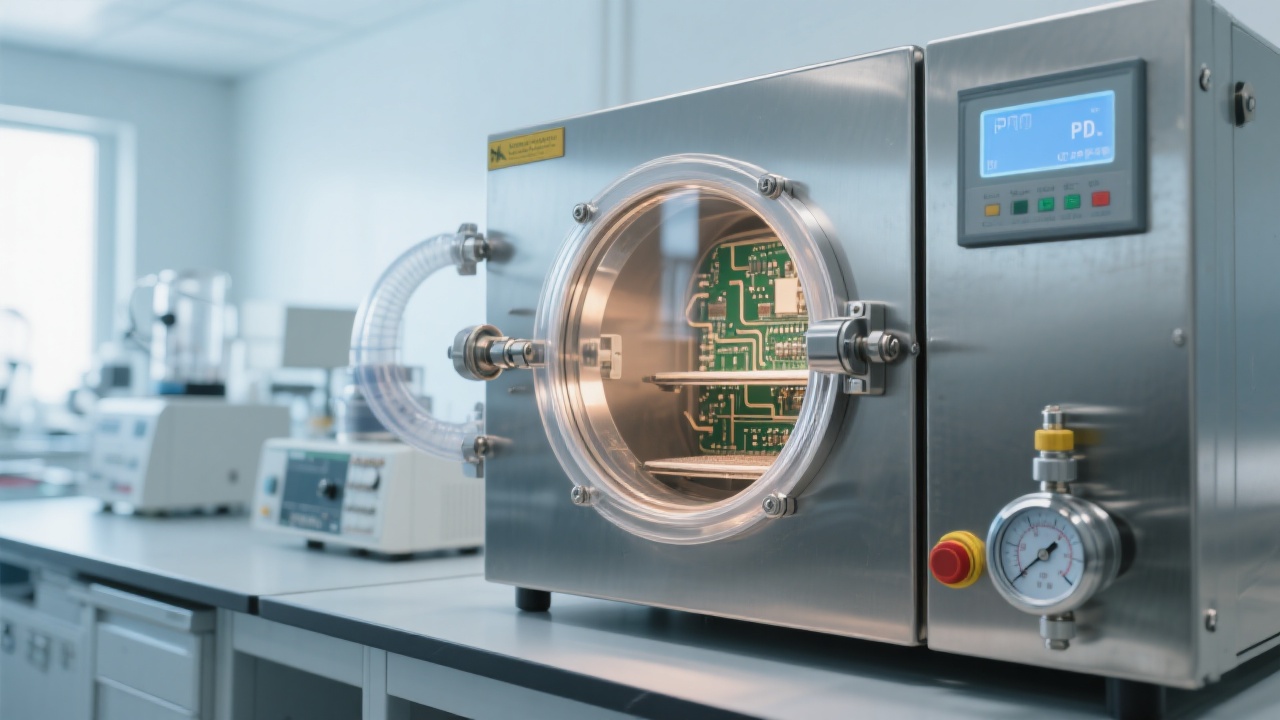
According to ASTM E1012, proper drying procedures must ensure uniform moisture extraction without inducing mechanical stress or chemical changes in substrates. The DZF-6010’s PID algorithm continuously adjusts heating elements based on real-time feedback—ensuring consistent results across multiple batches, which is essential for reproducibility in R&D labs and quality control workflows.
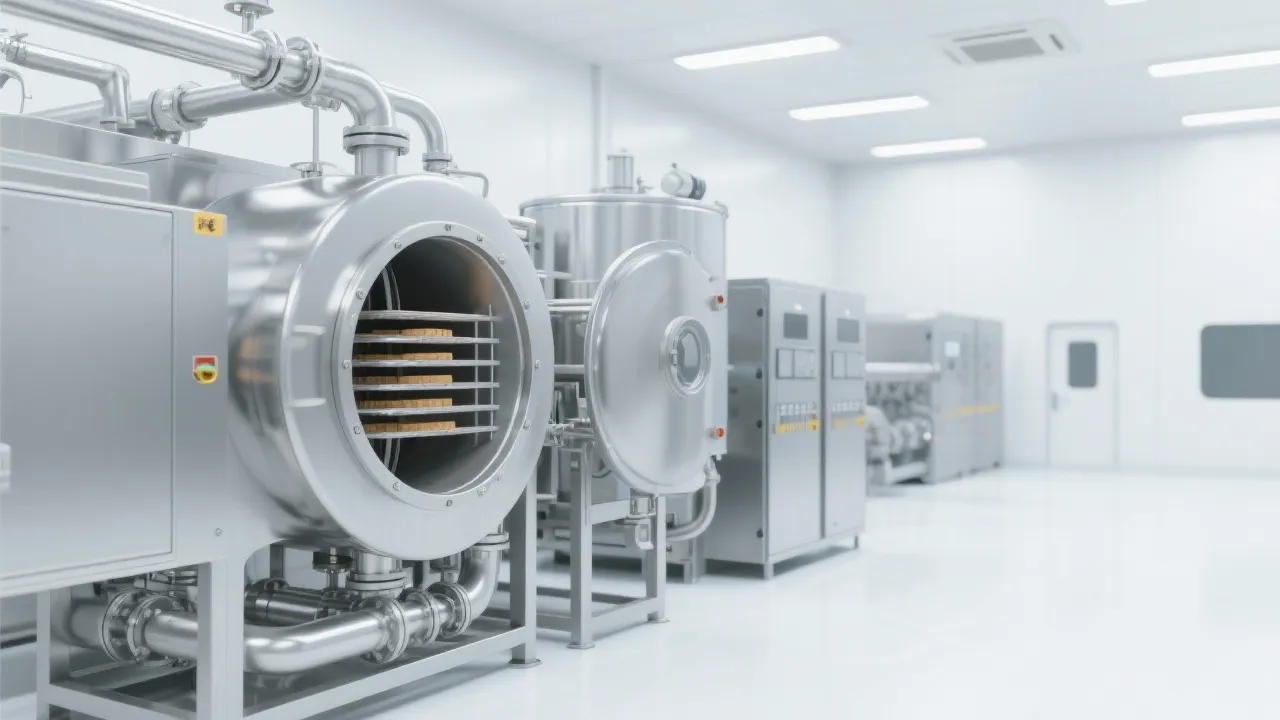
When processing solvents, lithium-ion battery components, or organic films, standard ovens pose serious fire hazards due to elevated temperatures and oxygen presence. The DZF-6010 includes an optional explosion-proof configuration compliant with IEC 60079-0 standards. Its sealed chamber, spark-free internal wiring, and automatic shutdown feature prevent ignition risks—even when handling volatile materials like acetone or ethanol-based suspensions.
A recent survey by the Society of Manufacturing Engineers (SME) found that over 60% of lab accidents involving drying processes were linked to improper equipment selection. Using a dedicated vacuum system reduces both safety incidents and sample loss—a critical factor for time-sensitive research projects.
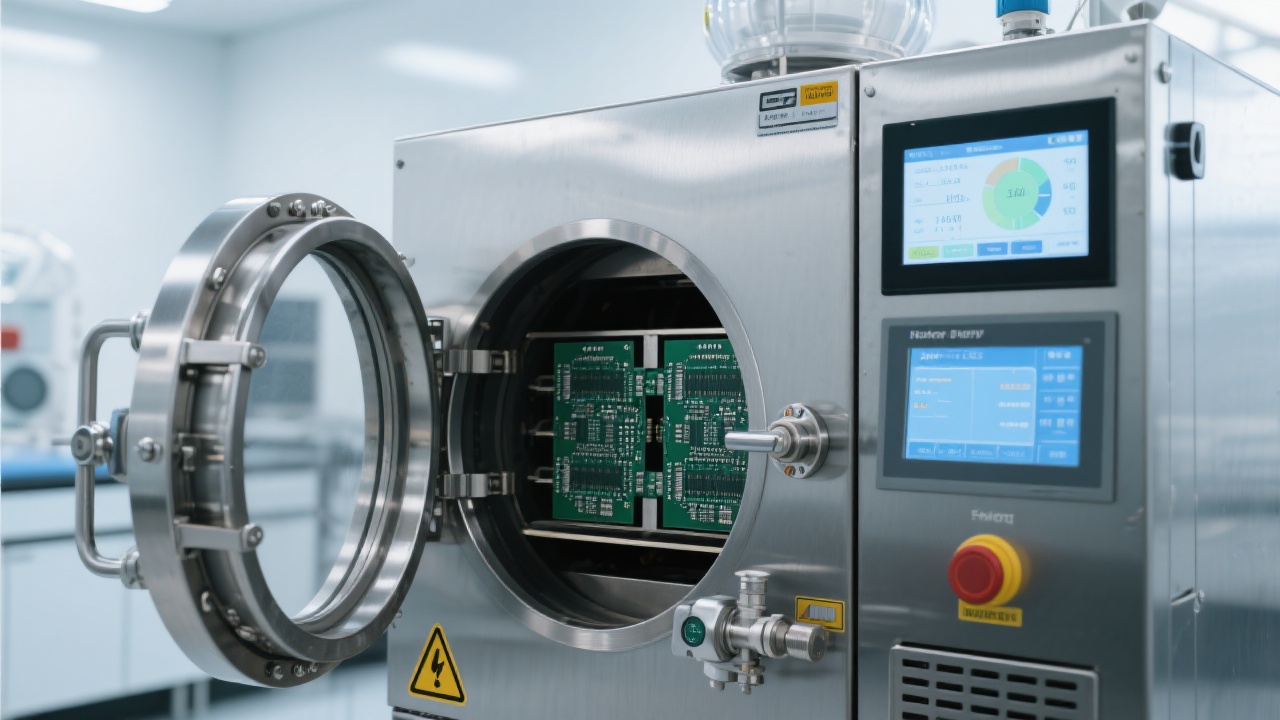
Researchers at Fraunhofer Institute have successfully integrated the DZF-6010 into their pre-packaging workflow for MEMS devices. They report a 35% improvement in bond strength consistency after implementing vacuum drying compared to conventional convection methods. Similarly, polymer scientists use it for pre-drying resin systems before injection molding—eliminating bubbles and improving surface finish.
For labs working with hygroscopic materials such as PTFE, Kapton, or ceramic powders, this level of control ensures process repeatability—an often-overlooked yet vital metric in scaling from benchtop to pilot production.
Discover how the DZF-6010 delivers unmatched reliability for sensitive material processing — backed by real-world data, industry compliance, and engineering excellence.
Explore the DZF-6010 Specifications