
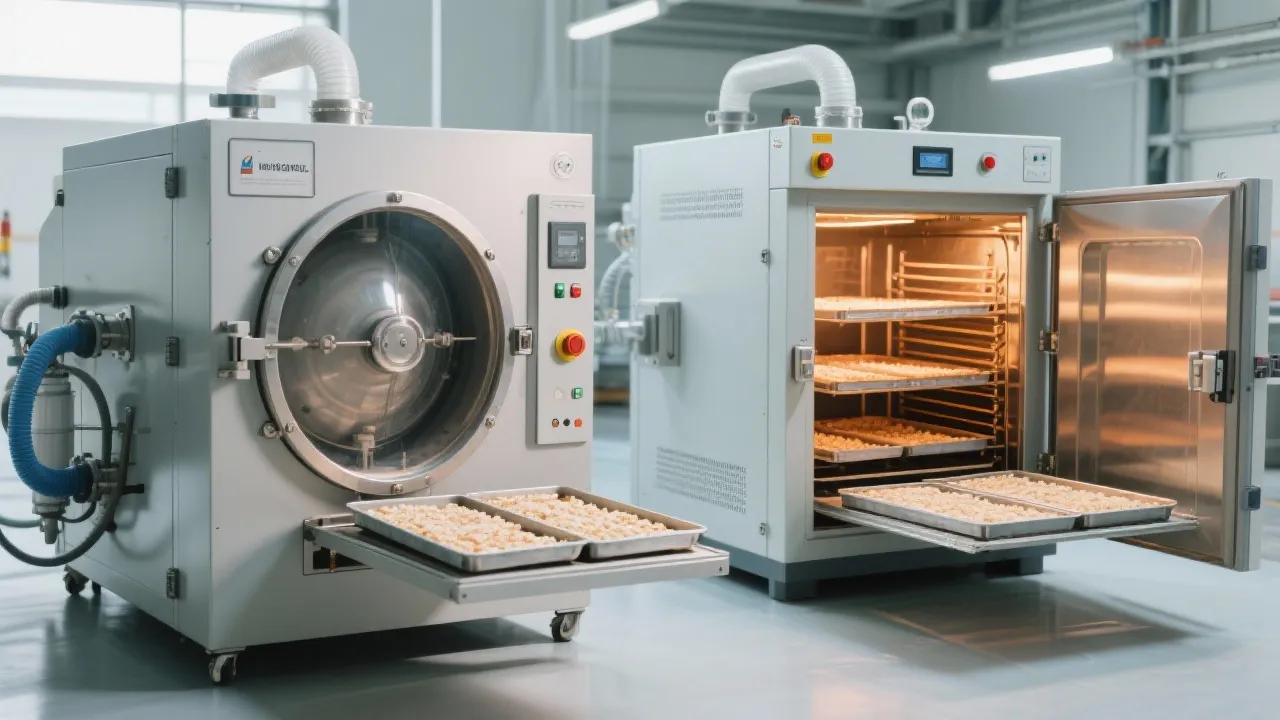
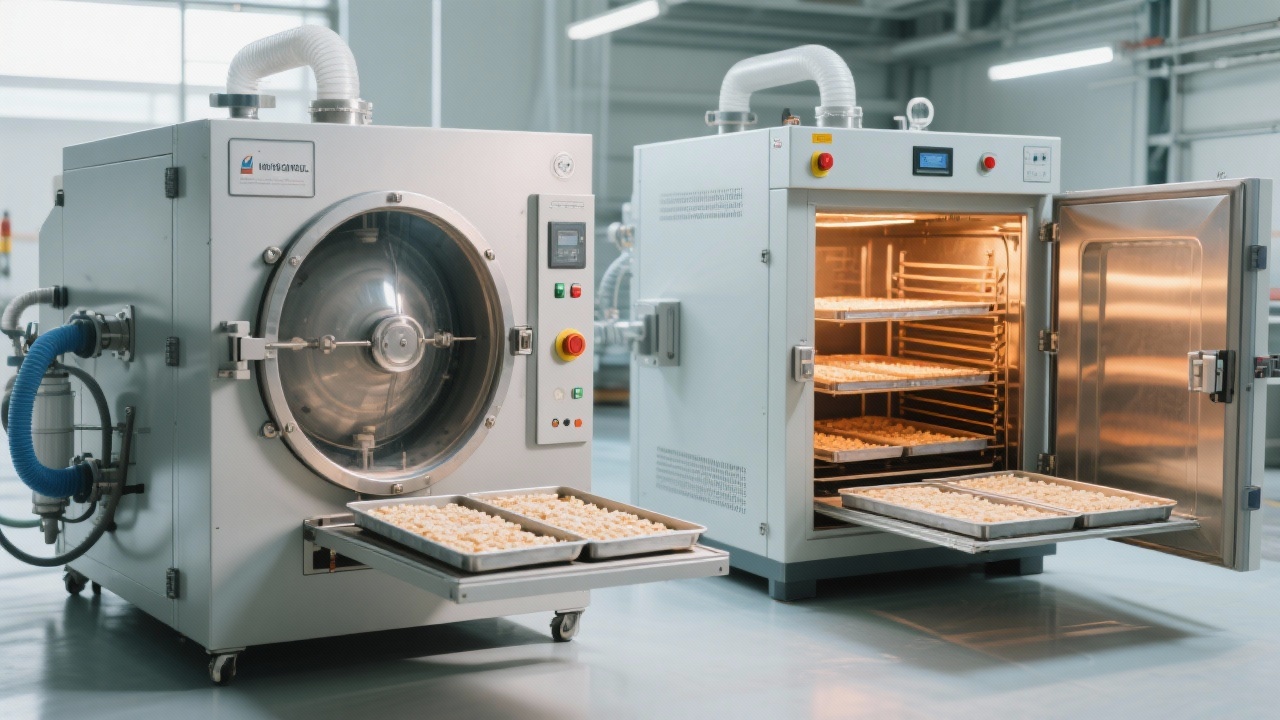
In industrial drying processes, especially in electronics manufacturing, chemical sample preparation, and advanced materials processing, precise control of temperature and vacuum levels isn’t just a technical detail—it’s the difference between high-quality output and costly failures.
Under standard atmospheric pressure, water boils at 100°C—but in a vacuum chamber, it can evaporate below 50°C. This is due to reduced vapor pressure, allowing moisture removal without thermal degradation. According to ISO 17888-1 standards for vacuum equipment performance, maintaining consistent vacuum levels (typically 1–10 mbar) and temperature gradients within ±1°C ensures optimal drying efficiency while minimizing energy use.
For example, in semiconductor packaging, improper vacuum control can lead to trapped moisture causing delamination or short circuits—a failure that may not appear until months later in the field. A study by the IEEE found that 68% of early-stage electronic failures were linked to inadequate drying protocols during production.
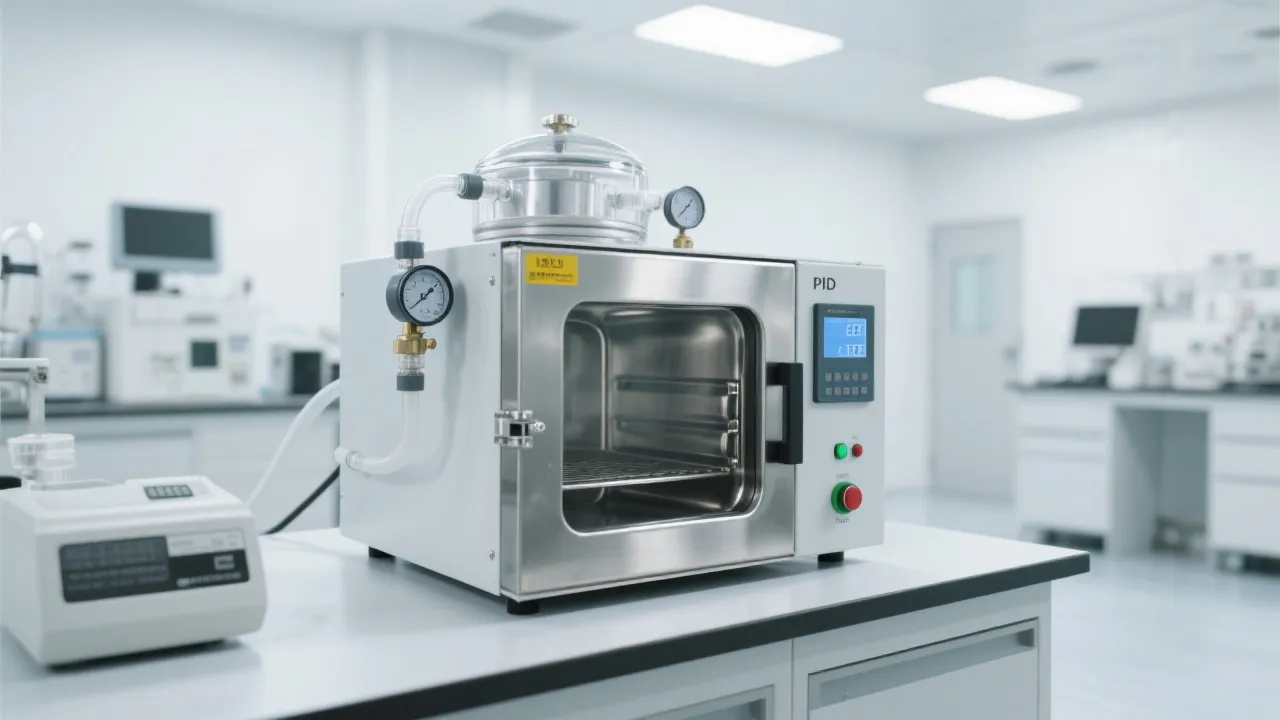
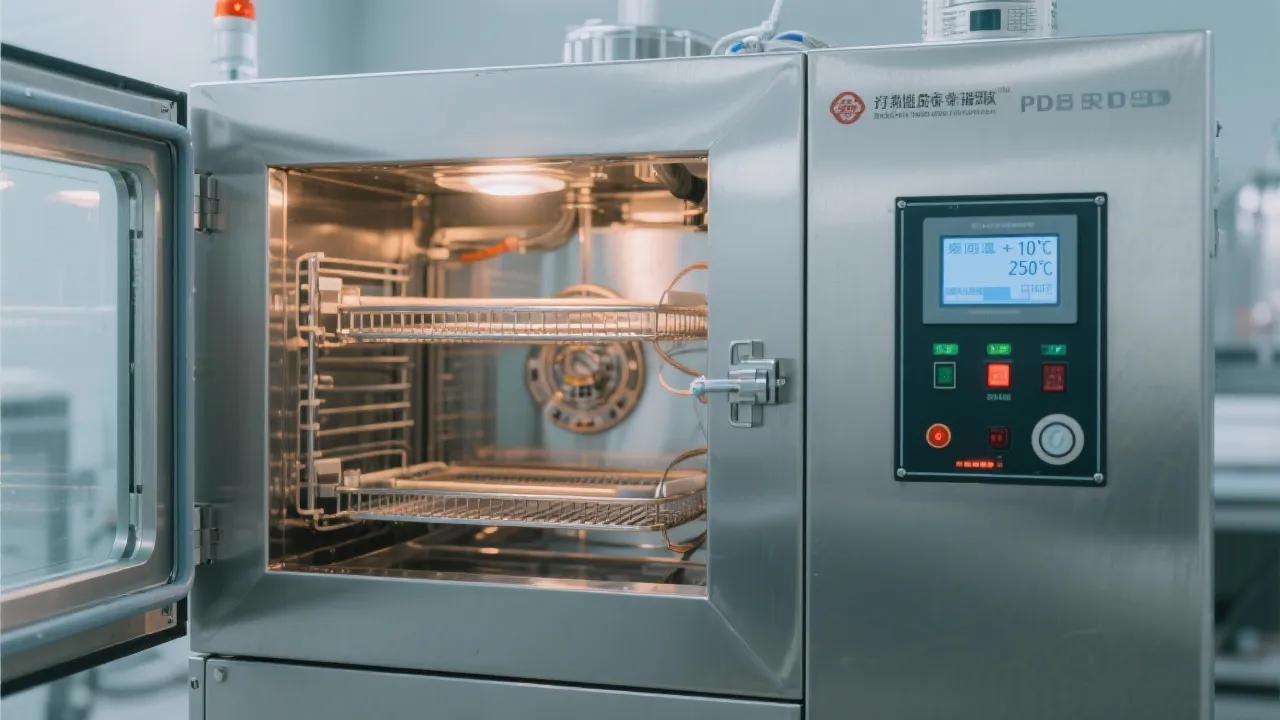
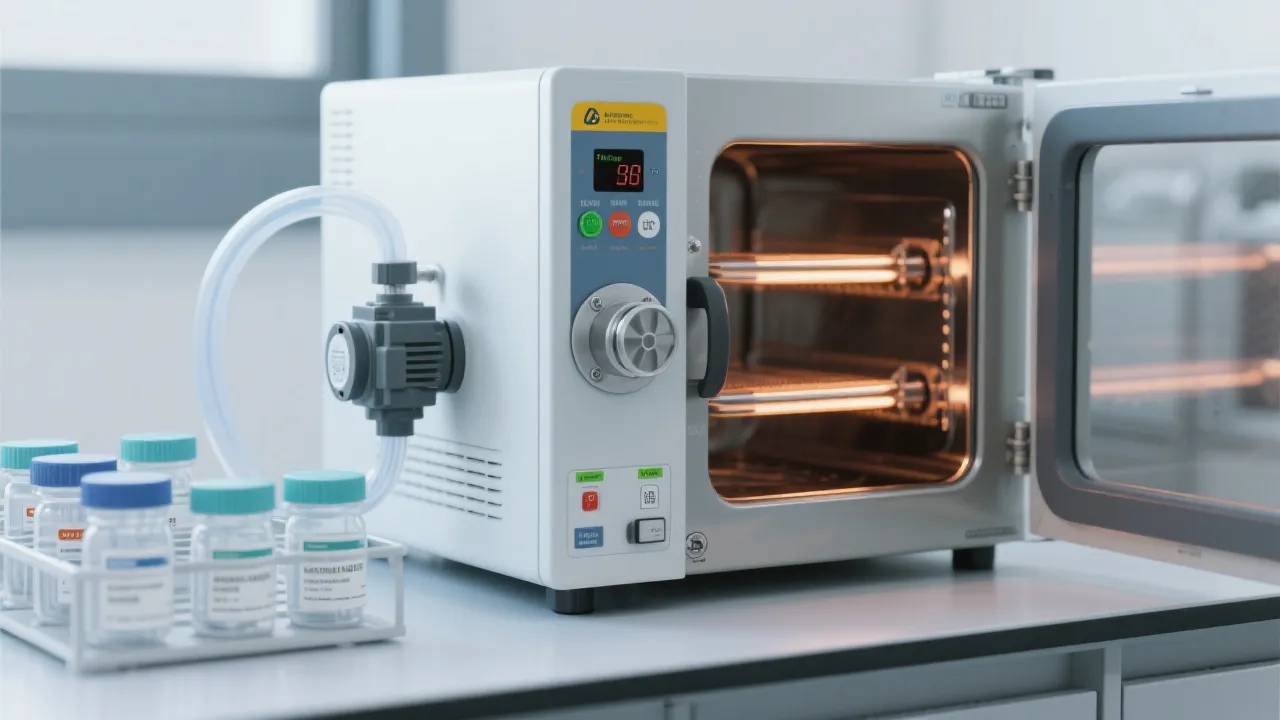
Modern vacuum dryers like the Zhengzhou Keda DZ-2BCII integrate dual-zone PID temperature control systems—ensuring uniform heat distribution across the chamber. These systems automatically adjust heating power based on real-time feedback, reducing cycle times by up to 25% compared to manual adjustment methods.
Additional features such as automatic power loss memory restore prevent process interruption after unexpected outages—a critical advantage for continuous batch operations. With built-in over-temperature alarms and sealed door mechanisms, these units meet CE and UL safety certifications, making them ideal for labs and production lines alike.
In a case study from a leading battery material manufacturer in Germany, switching to a precision-controlled vacuum dryer improved solvent removal efficiency by 30%, reducing drying time from 8 hours to 5.5 hours per batch. Similarly, a pharmaceutical lab in Singapore reported fewer contamination risks when using vacuum drying instead of air-based methods for sensitive compounds.
These results are not isolated—they reflect a growing trend where industries prioritize controlled environments over brute-force drying techniques. Whether you're dehydrating ceramics, preserving biological samples, or preparing PCBs for encapsulation, the right setup matters.

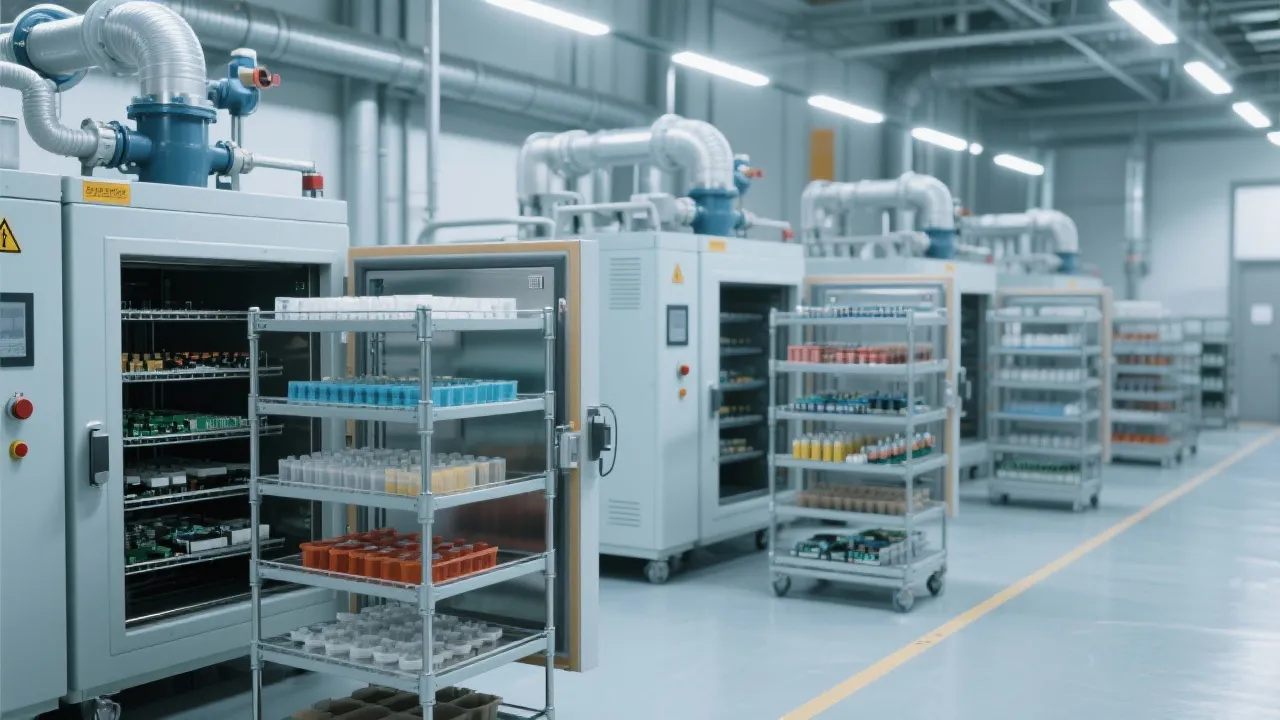
If your current drying process lacks consistency—or if you’re exploring more efficient alternatives—now is the time to evaluate your options. The DZ-2BCII series offers customizable configurations tailored to your specific needs, whether it’s a compact benchtop unit or an automated system for high-throughput applications.
Don’t wait for a quality issue to surface. Start with smarter controls, better data, and proven outcomes.
Explore the Zhengzhou Keda DZ-2BCII vacuum dryer—engineered for precision, reliability, and customization.
Get Your Custom Solution Today




 <#else>