
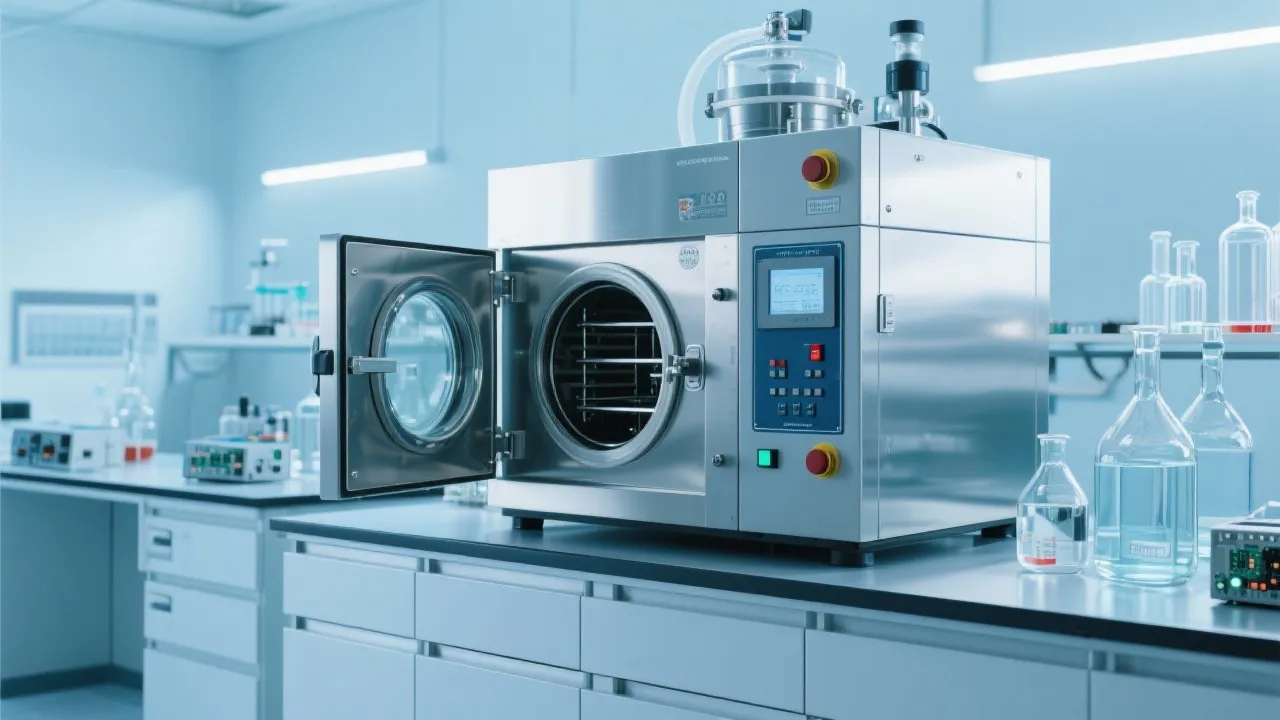
In industrial processing, drying is more than just removing water—it’s about preserving material integrity, ensuring product consistency, and meeting strict quality standards. Traditional atmospheric drying often leads to overheating, oxidation, or structural damage, especially for sensitive materials like electronics, pharmaceuticals, and high-purity chemicals.
That's where vacuum drying shines. By reducing pressure inside the chamber, water boils at lower temperatures—typically between 30°C to 70°C, depending on the vacuum level—allowing gentle yet efficient moisture removal without thermal degradation. According to a study published in Journal of Materials Processing Technology, vacuum drying can reduce energy consumption by up to 40% compared to conventional methods while improving drying uniformity by over 25%.
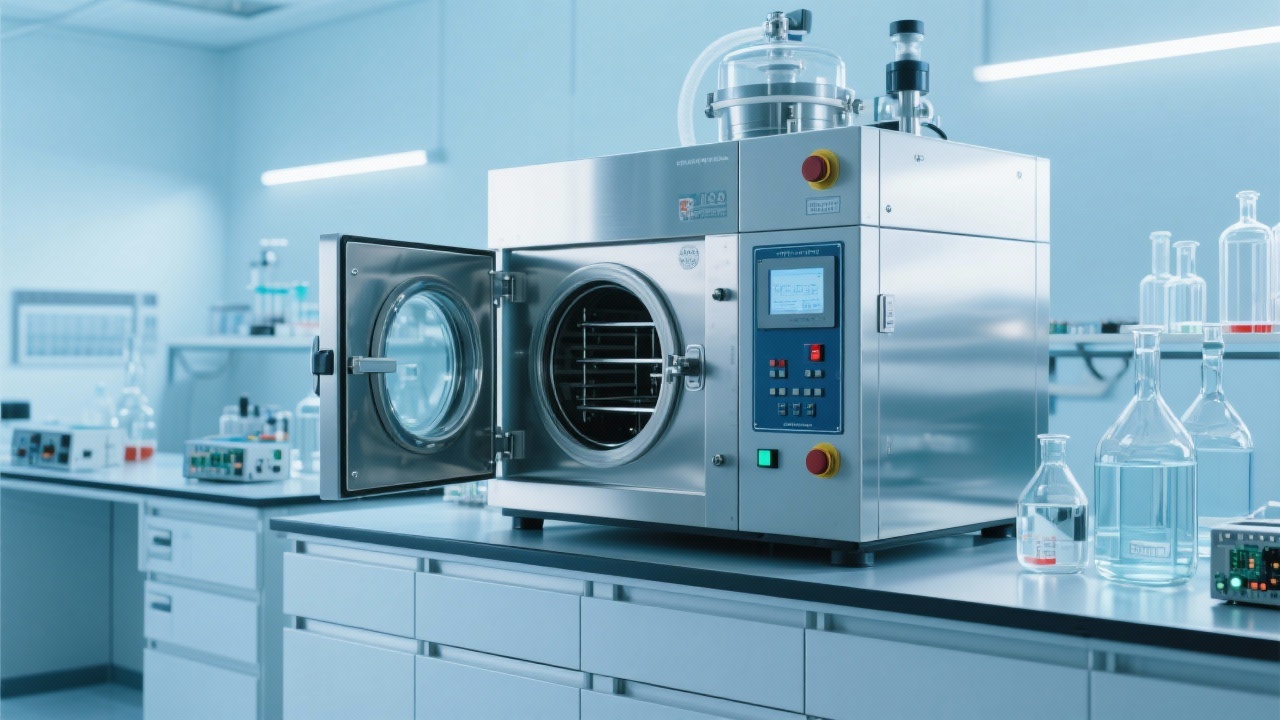
Under normal atmospheric pressure (101.3 kPa), water boils at 100°C. But in a vacuum environment—say, at 10 kPa—the boiling point drops to around 45°C. This means even heat-sensitive components such as PCBs, polymers, or catalysts can be dried safely without warping, cracking, or chemical decomposition.
Moreover, the diffusion rate of vapor molecules increases significantly under vacuum, accelerating the drying process. For instance, a typical batch of ceramic powders might take 8 hours in ambient air but only 3–4 hours under controlled vacuum conditions—a gain that directly impacts throughput and production scheduling.
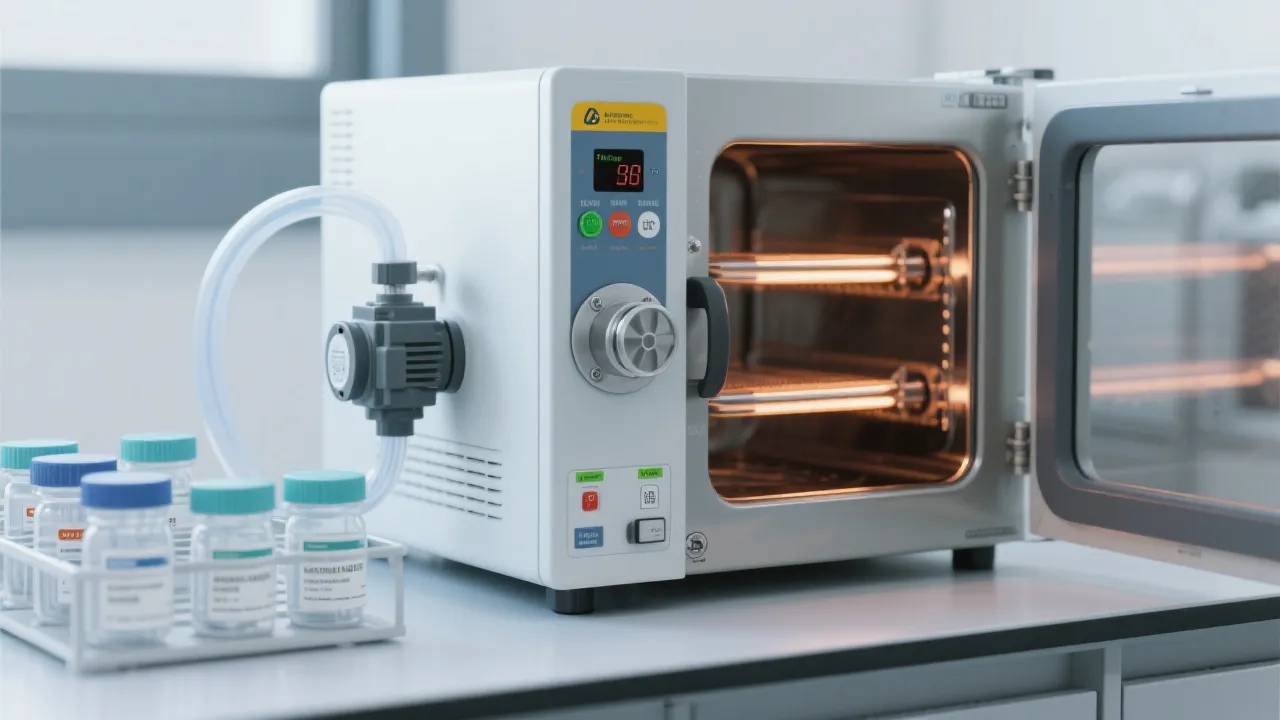
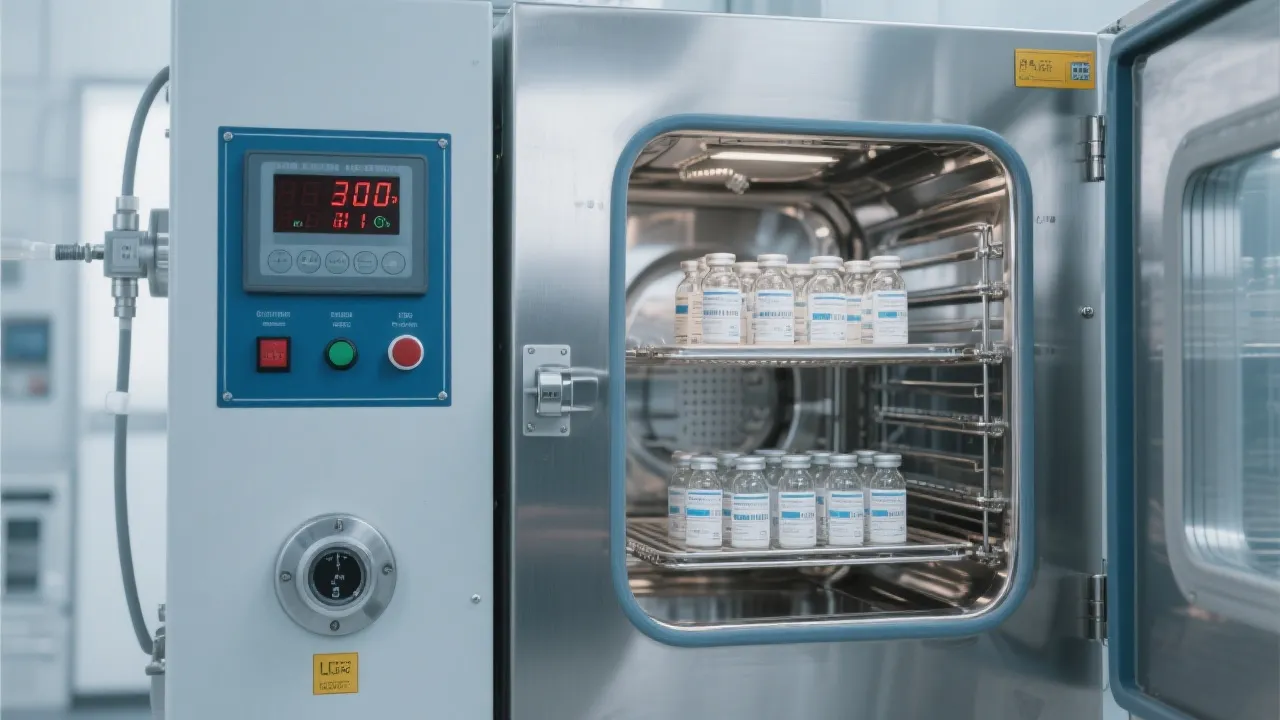
Modern vacuum dryers like the DZ-2BCII integrate advanced temperature control (±0.1°C accuracy) and dynamic vacuum regulation to ensure consistent results across batches. These features are critical for applications requiring repeatability—such as semiconductor manufacturing or lab-grade sample preparation.
Why does this matter? Because inconsistent drying can lead to residual moisture, which compromises adhesion, conductivity, or shelf life. In one real-world case, a European medical device manufacturer reported a 60% reduction in post-drying defects after switching from hot-air ovens to vacuum drying with precise control systems.
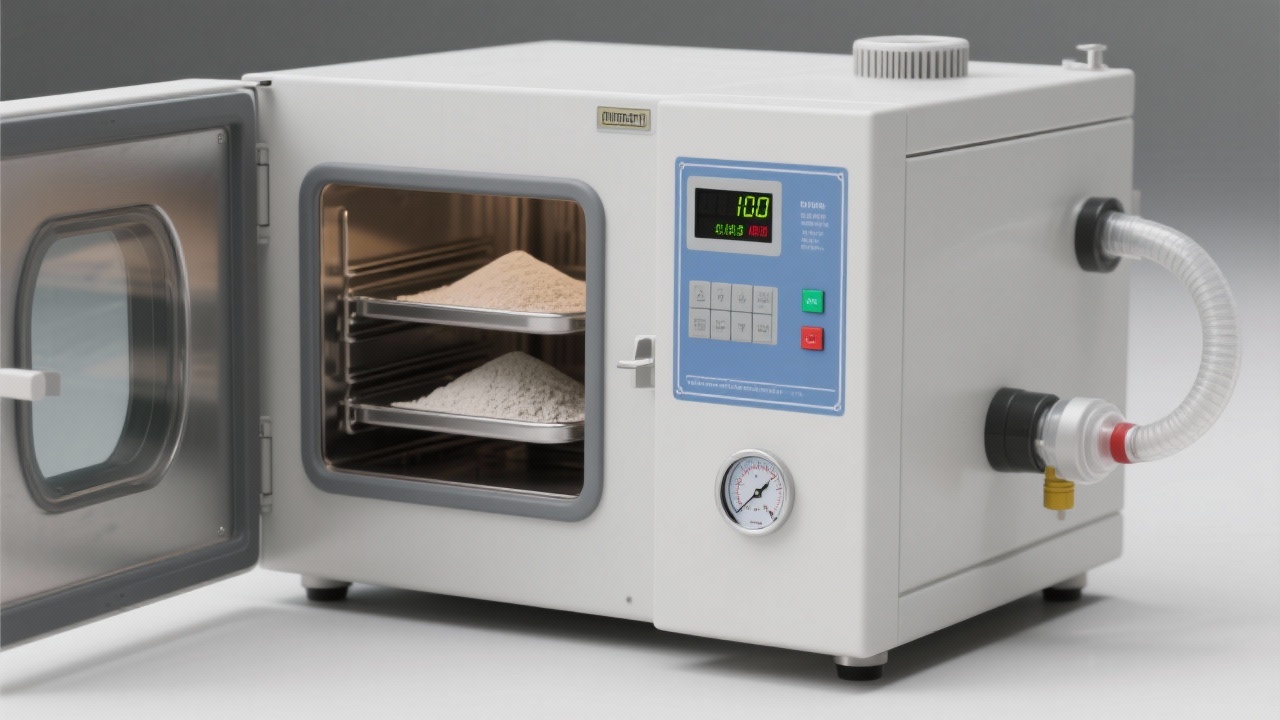
Vacuum drying isn’t just about performance—it’s also about safety. The DZ-2BCII includes multiple safeguards: automatic door locking, over-temperature alarms, and memory recall for power interruptions. These aren’t just “nice-to-have” features—they’re essential for compliance with ISO 14644 cleanroom standards and OSHA workplace regulations.
One client in Dubai shared that their facility avoided a potential fire incident due to the built-in thermal cutoff system during a sudden power surge—an event they say would have cost them weeks of downtime if not for the equipment’s intelligent design.
Pro Tip: When evaluating vacuum dryers, don’t just look at specs—ask for case studies from industries similar to yours. Real-world data beats theoretical claims every time.
Discover how the DZ-2BCII delivers precision, safety, and efficiency in demanding environments—from R&D labs to full-scale production lines.
Download the DZ-2BCII Technical White Paper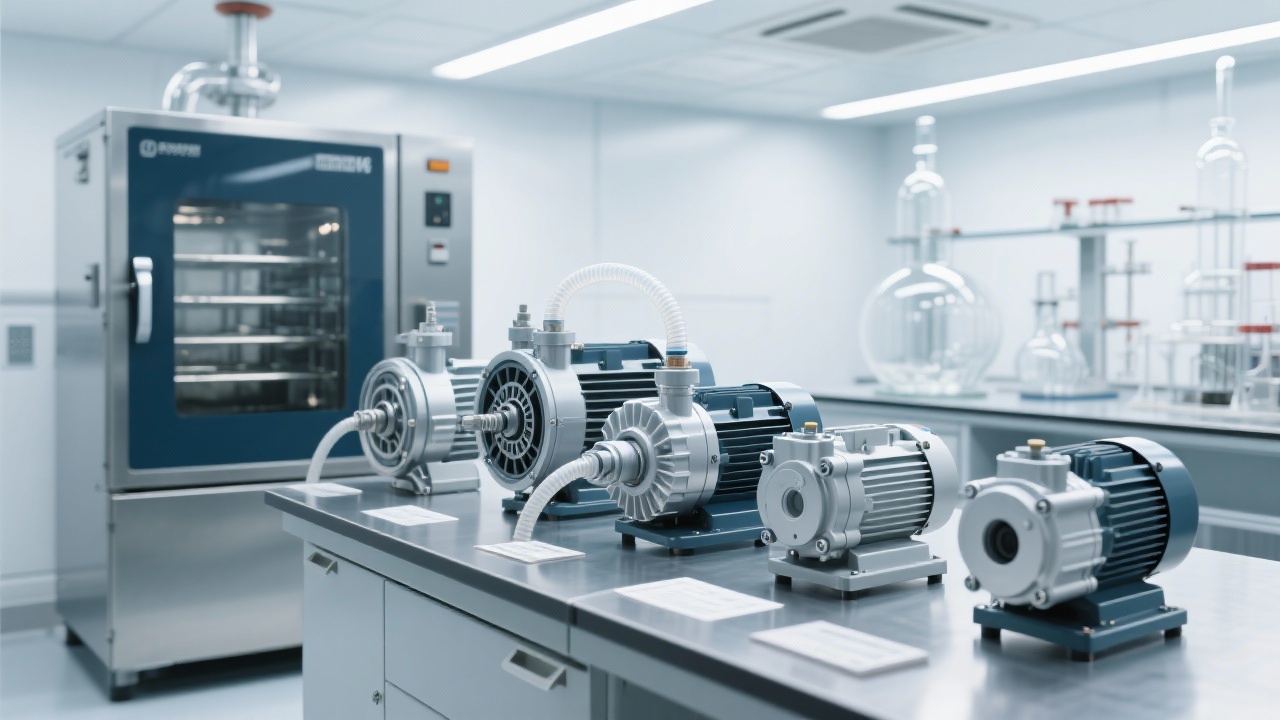
The future of industrial drying is smart, safe, and sustainable—and vacuum technology is leading the way. Whether you're working with nanomaterials, food ingredients, or aerospace-grade composites, understanding the principles behind vacuum drying is the first step toward smarter production decisions.





 <#else>