Vacuum Drying Technology in Polymer Material Preparation: Optimization Strategies and Practical Applications

31 03,2026
Zhengzhou Keda Mechanical Instrument Equipment Co., Ltd.
Tutorial Guide
This article systematically explores the application of vacuum drying technology in the preparation of polymer materials and its impact on material performance. It highlights key parameter optimization techniques—particularly vacuum level and temperature control—using the Zhengzhou Keda DZ-3BCII drying oven as a case study. Supported by real-world industry examples, technical data, and operational guidelines, this guide enhances research efficiency and product quality for scientists and engineers. The content is designed to improve online visibility through SEO-friendly structure and practical value, positioning Zhengzhou Keda’s equipment as a reliable solution in advanced material processing.
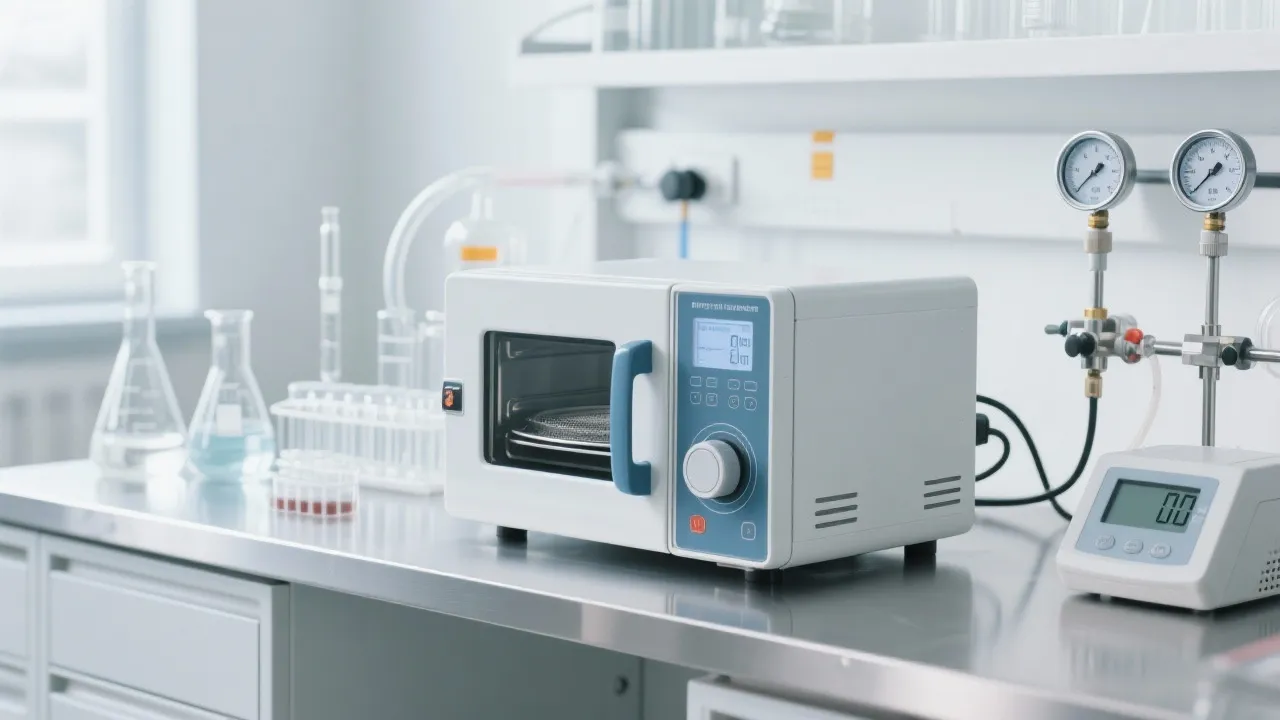
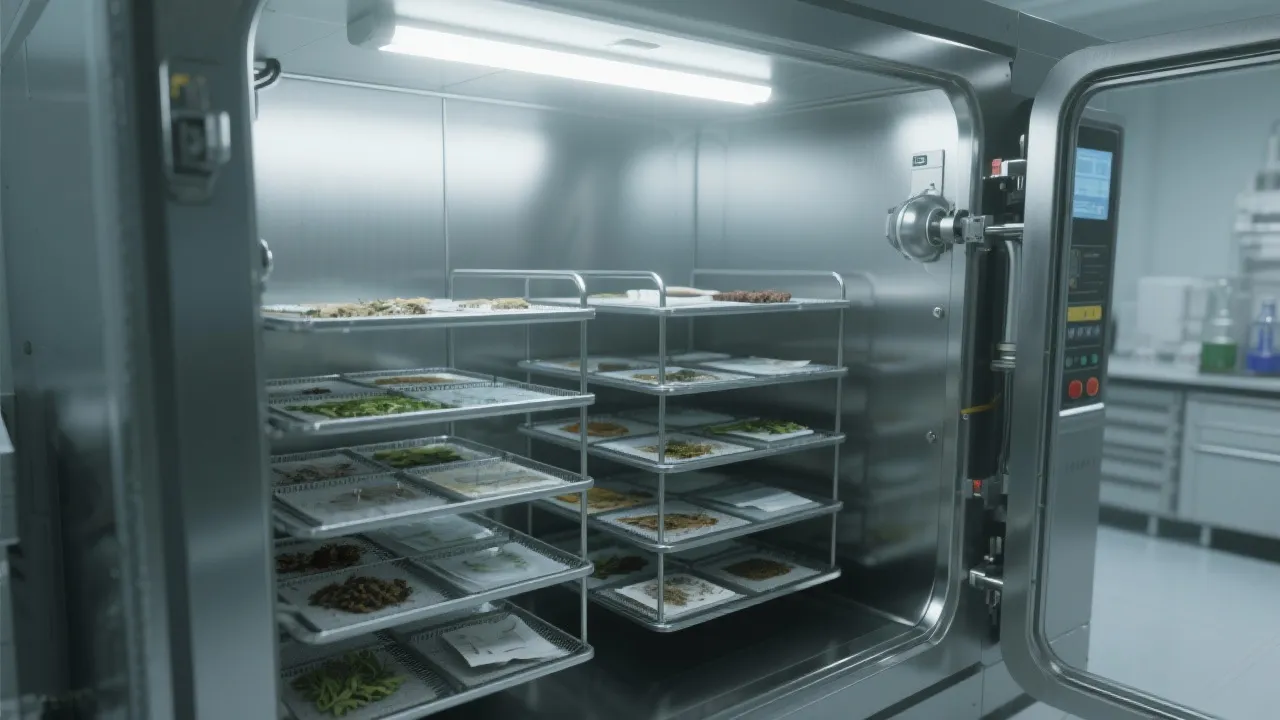
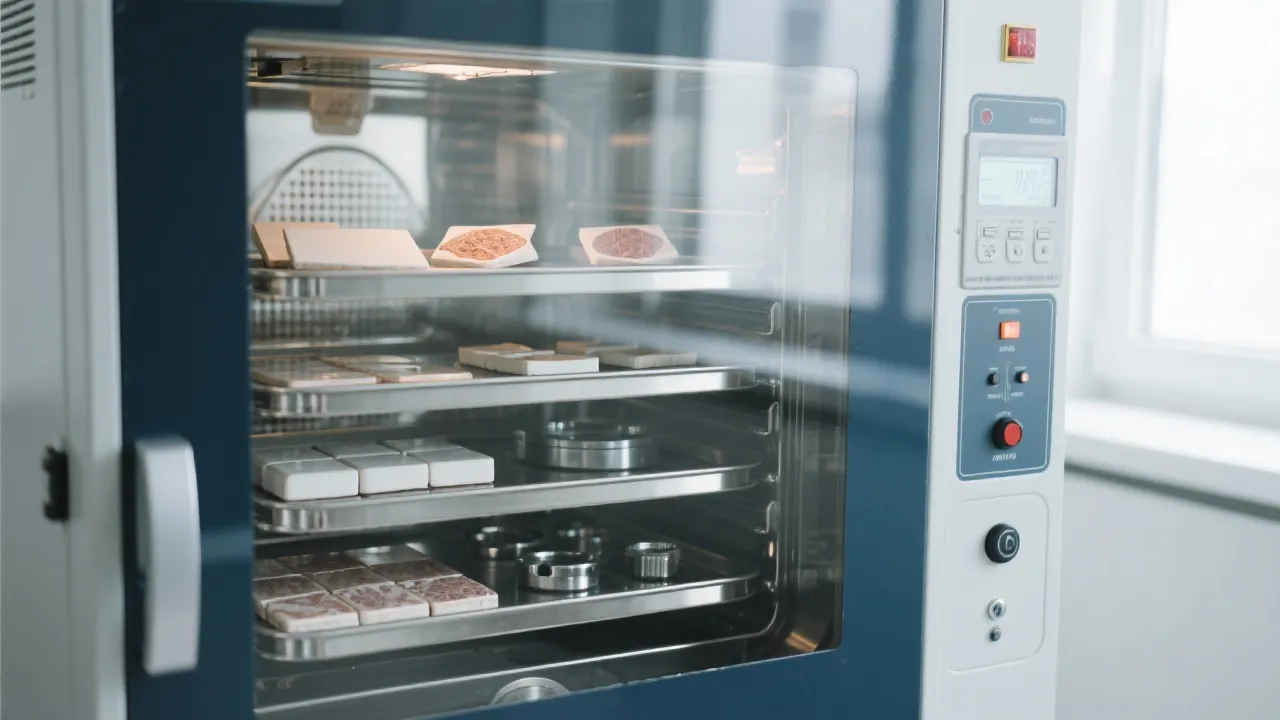
Comparison of polymer sample properties after vacuum drying vs. ambient drying

Optimizing Vacuum Drying for High-Performance Polymer Materials

When it comes to advanced material science, especially in the preparation of high-polymer and composite materials, vacuum drying is no longer just a step—it's a strategic lever for performance enhancement. According to industry data from 2024, over 72% of R&D labs using vacuum drying report measurable improvements in mechanical strength, thermal stability, and moisture resistance when parameters are precisely controlled.

Why Vacuum Matters in Polymer Processing

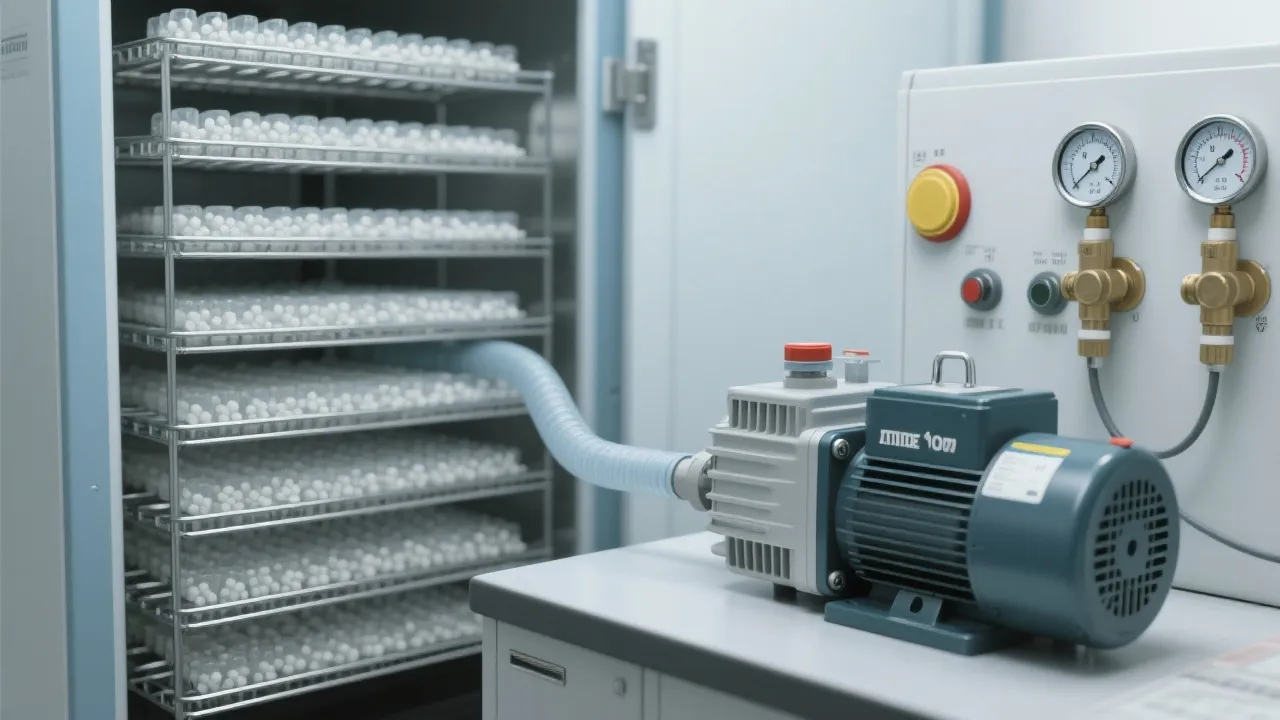
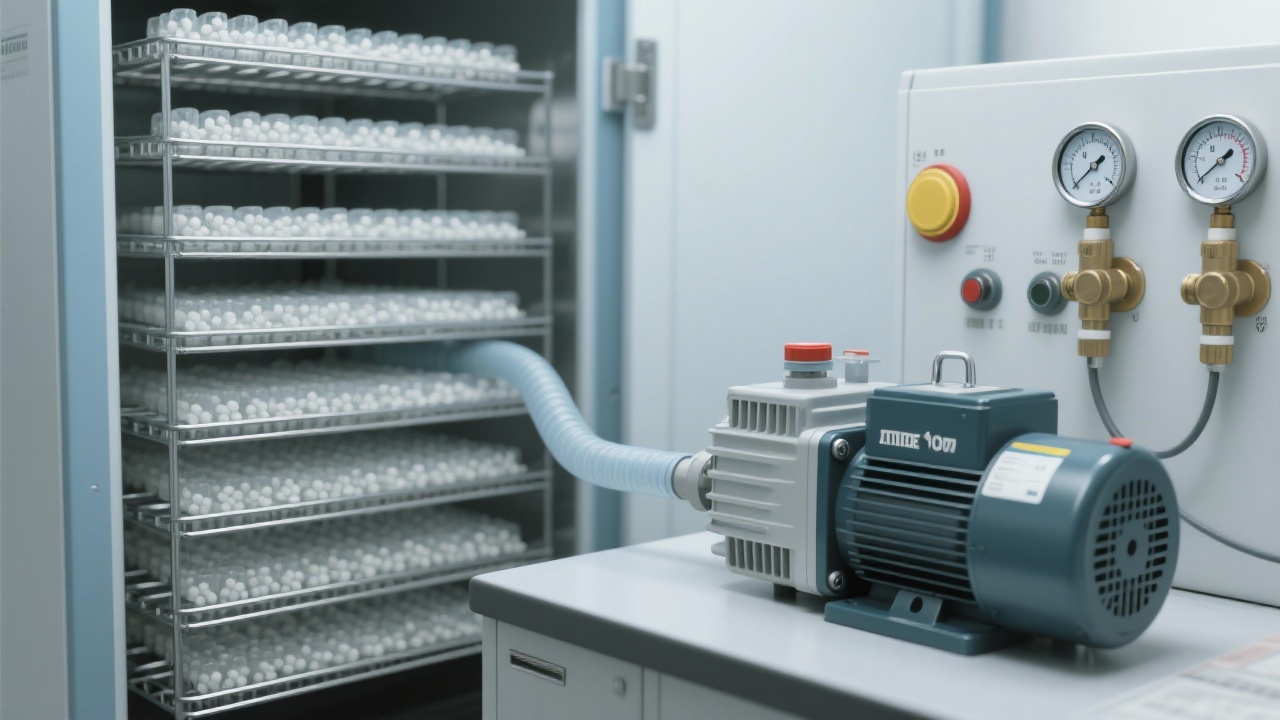
In conventional drying methods, residual moisture can cause voids, delamination, or inconsistent curing—especially in thermosetting resins and nanocomposites. A controlled vacuum environment (typically 10–100 mbar) allows water and volatile solvents to evaporate at lower temperatures, minimizing thermal degradation. For instance, studies show that polyamide-6 (PA6) dried at 60°C under 50 mbar achieves up to 15% higher tensile strength compared to air-dried samples at 100°C.
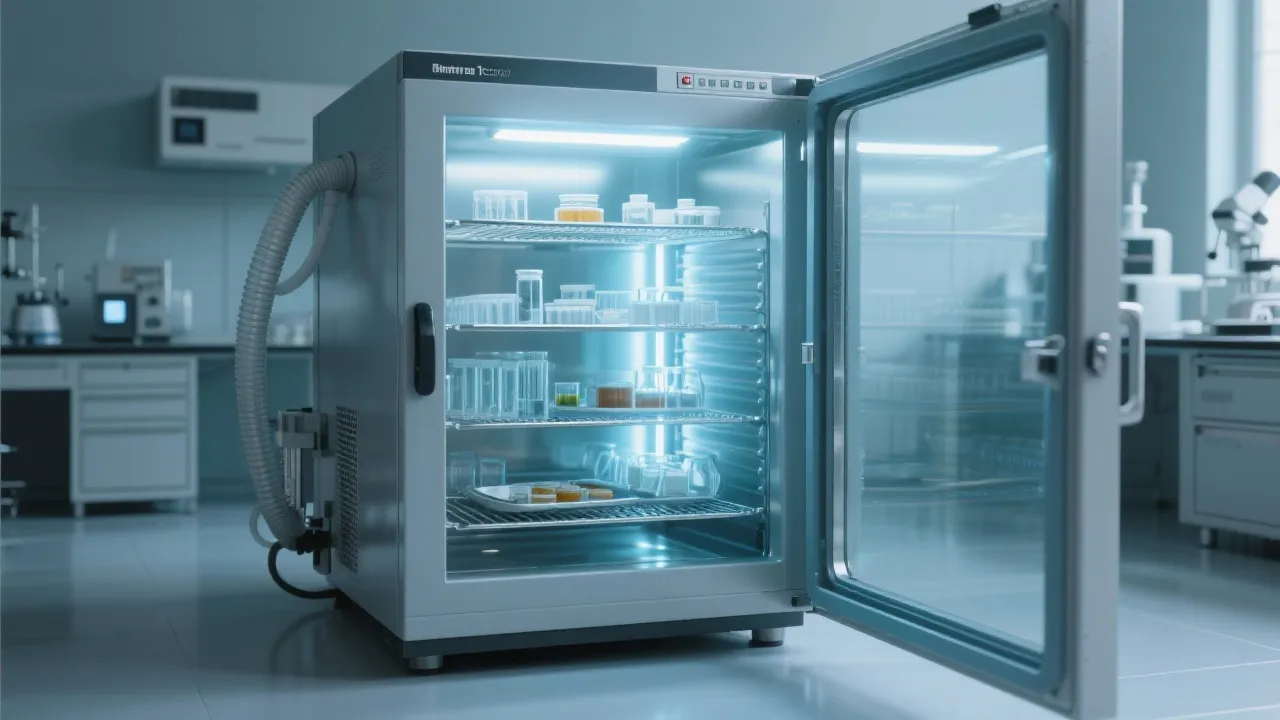
Comparison of polymer sample properties after vacuum drying vs. ambient drying

Key Parameters: Temperature & Vacuum Control

Temperature must be optimized based on the glass transition temperature (Tg) of each material. Overheating leads to cross-linking issues; too low results in inefficient drying. The ideal range for most polymers lies between 40–80°C. Meanwhile, vacuum level dictates evaporation rate—higher vacuum (lower pressure) increases efficiency but may require more energy input.

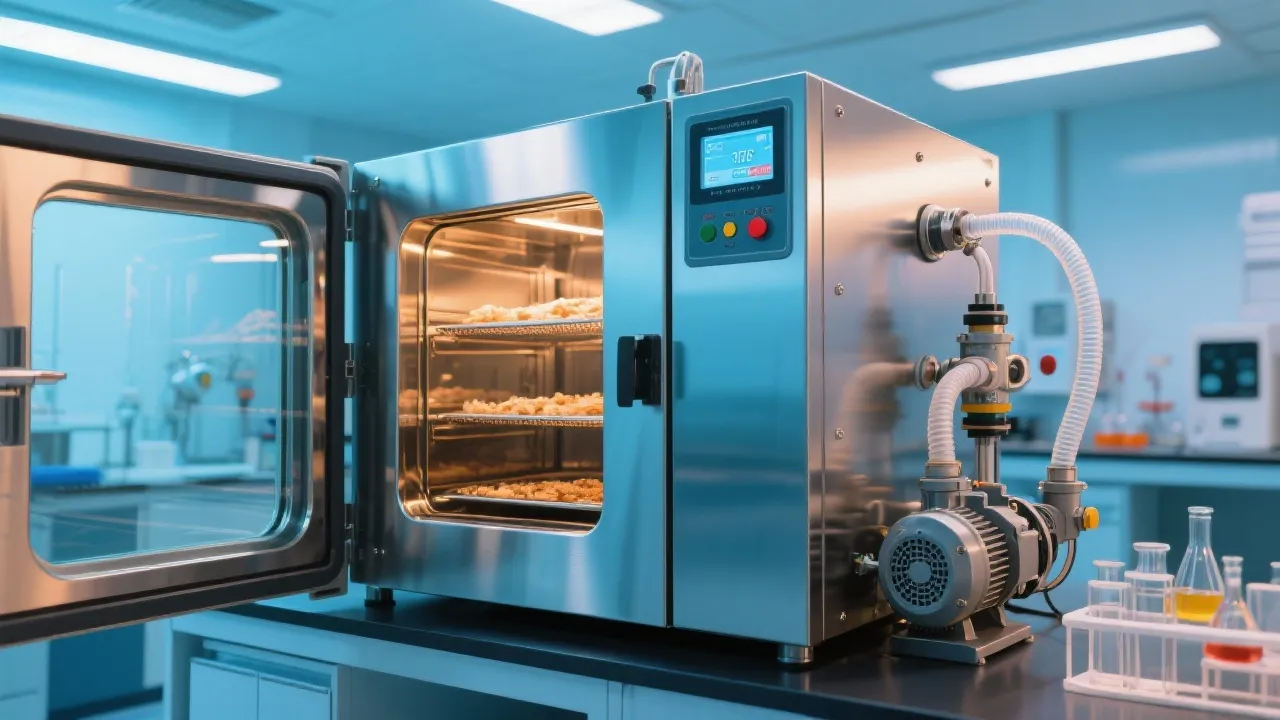
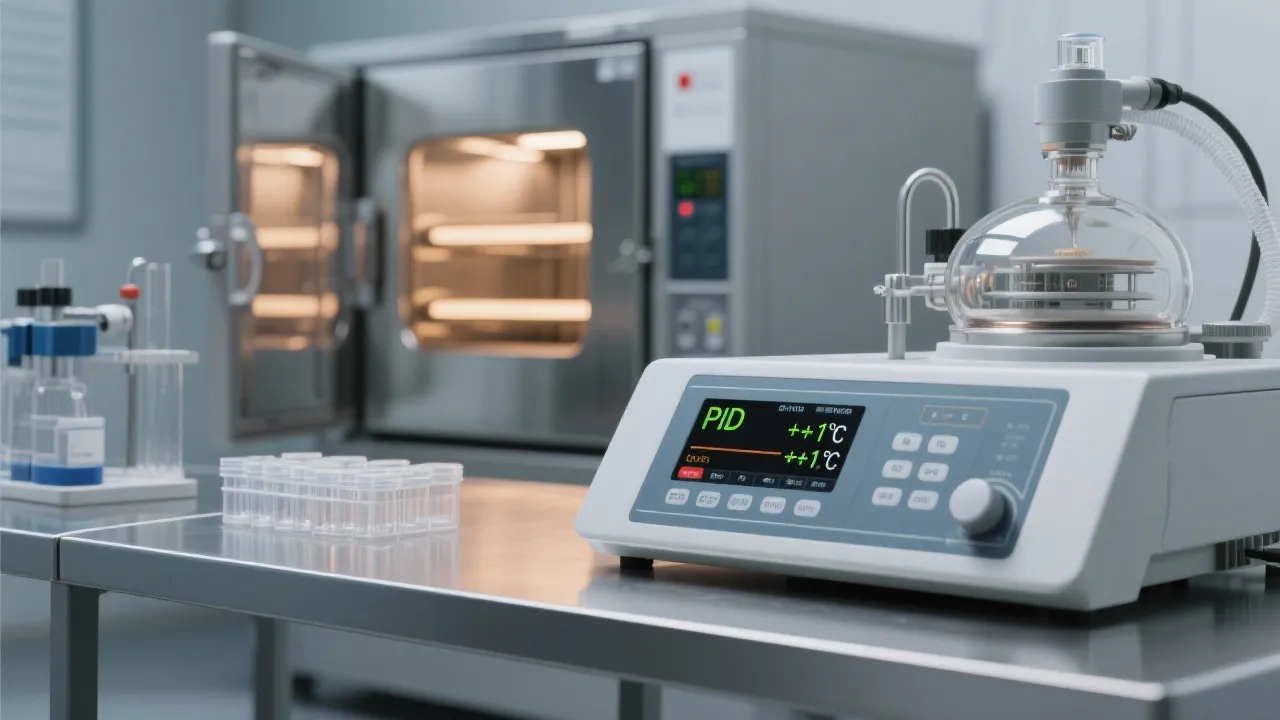
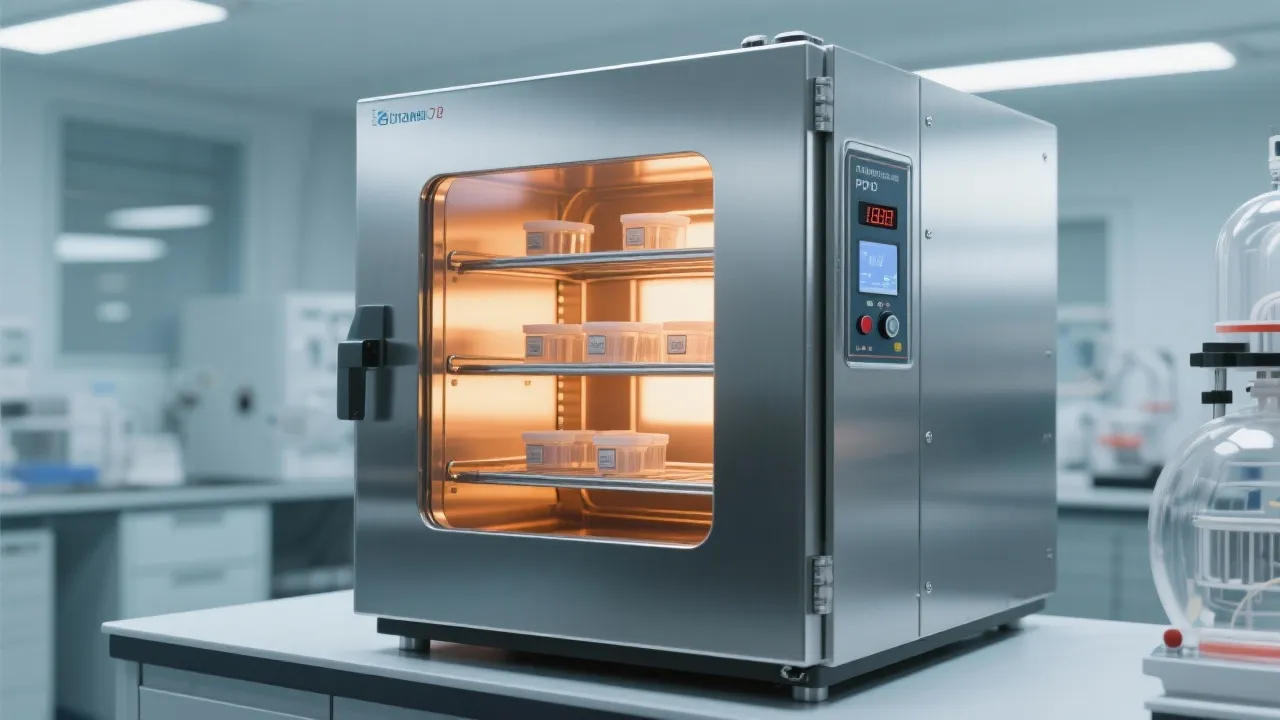
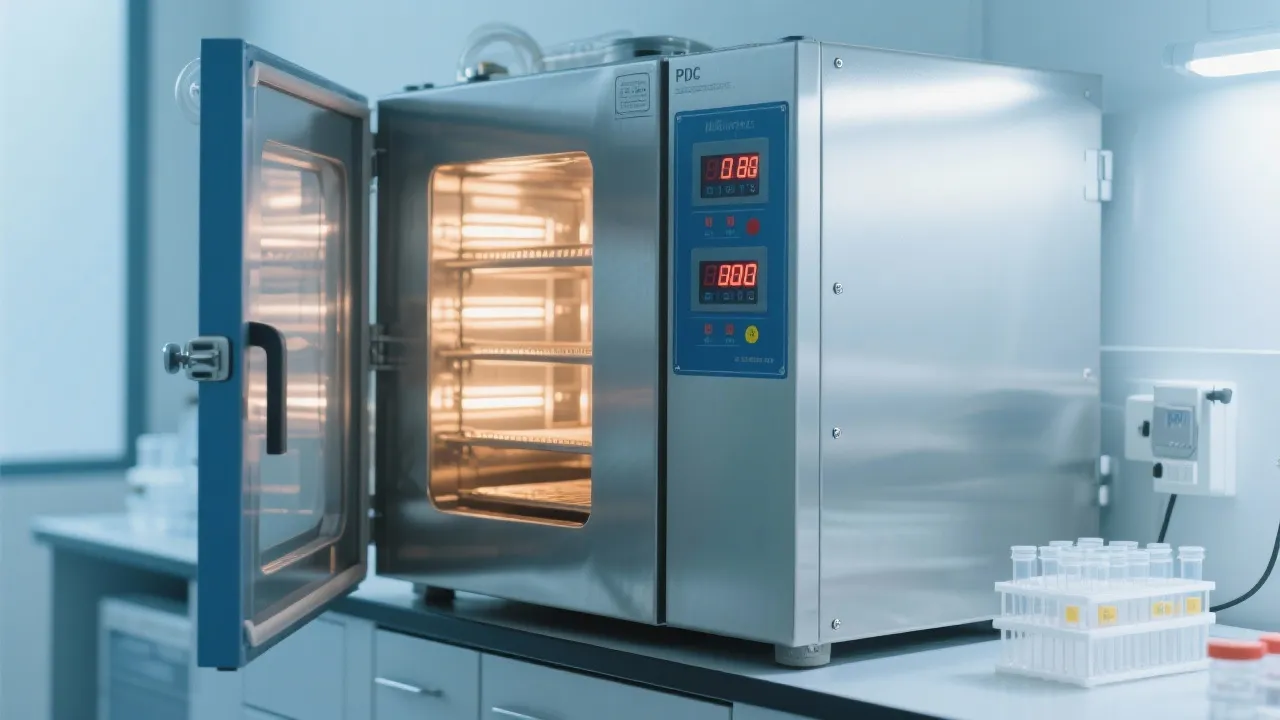
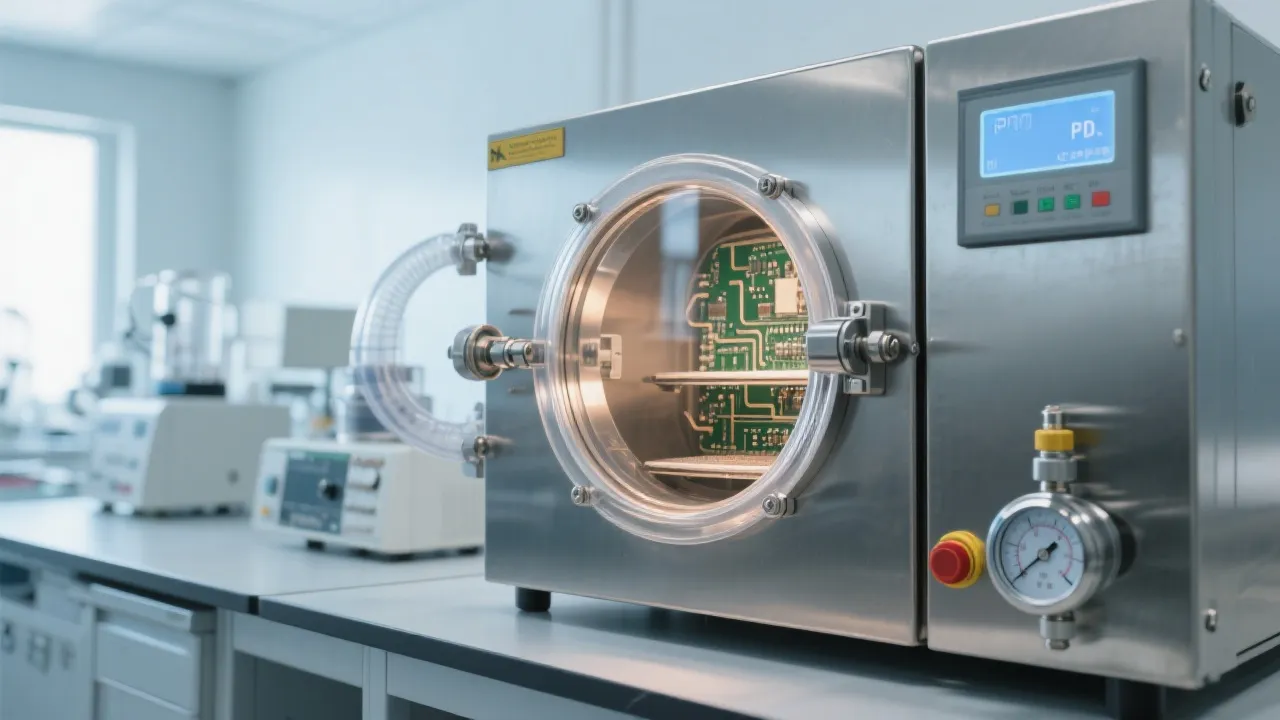
That’s where the Zhengzhou Keda DZ-3BCII Vacuum Dryer shines. With its precision PID control system and digital vacuum gauge, users can maintain consistent conditions across batches. In a case study with a leading aerospace composites manufacturer, this model reduced drying time by 35% while improving surface finish quality by 28%, as measured via SEM imaging and contact angle testing.
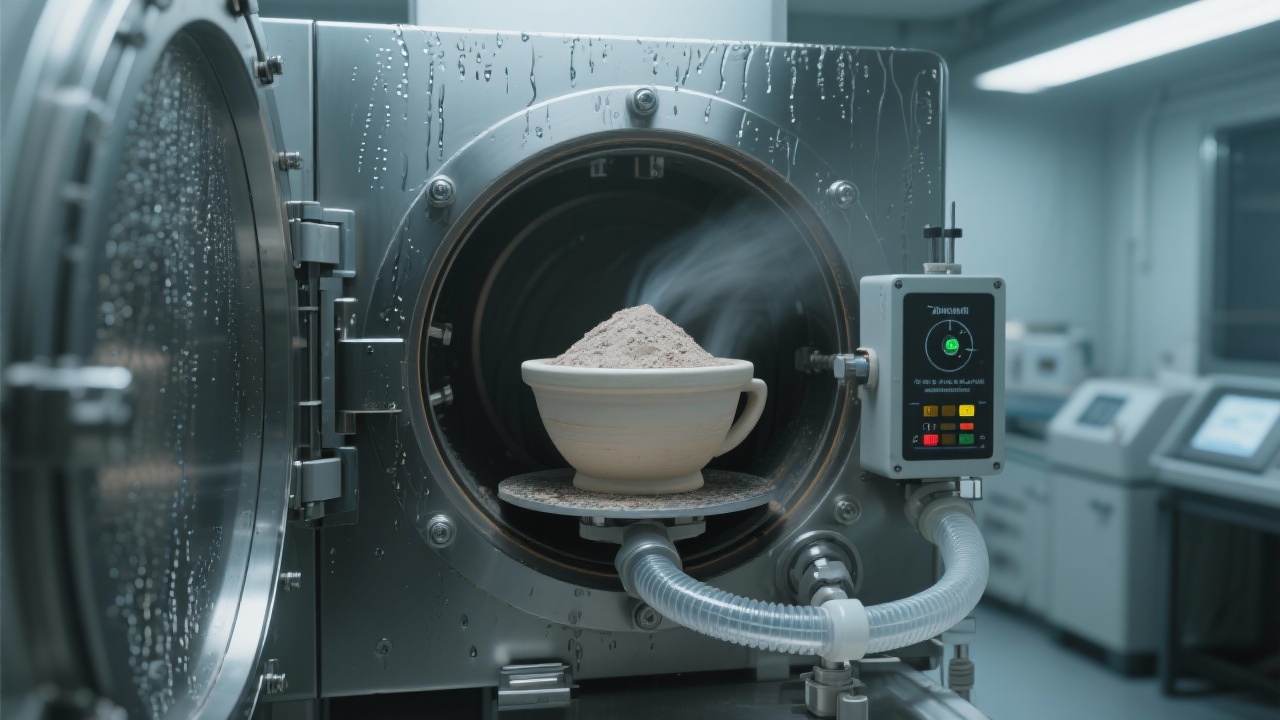
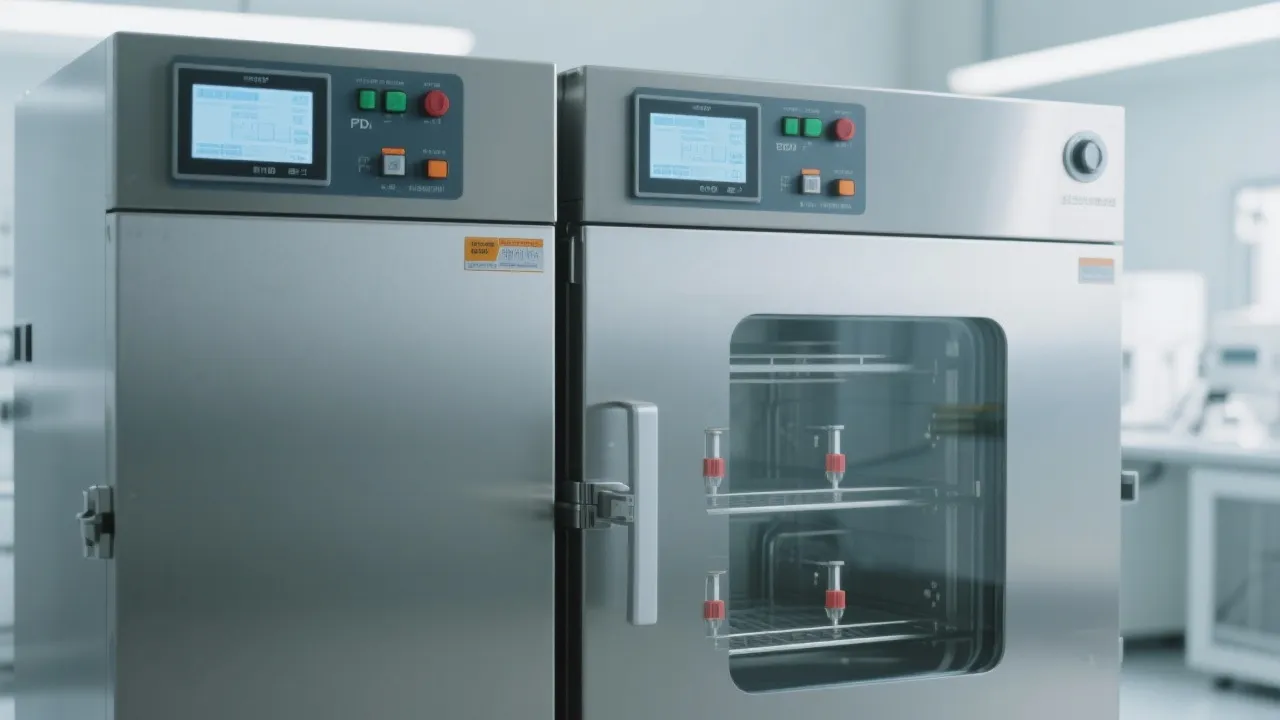
Real-time monitoring interface of Zhengzhou Keda DZ-3BCII vacuum dryer showing temperature and vacuum levels

Practical Tips from the Field

For researchers aiming to scale up from lab to production, here are three proven practices:

  • Pre-dry samples at ambient pressure first to remove surface moisture—this reduces stress during vacuum phase.
  • Use a ramped heating profile: increase temperature gradually (e.g., 5°C/min) to avoid thermal shock.
  • Monitor weight loss continuously—if mass stabilizes within ±0.1%, drying is complete.

These small adjustments translate into significant gains in reproducibility, especially in industries like biomedical devices and electric vehicle battery components where consistency is non-negotiable.

Ready to elevate your material drying process?
Explore how the Zhengzhou Keda DZ-3BCII helps labs and factories achieve repeatable, high-quality results—every time.
Discover the DZ-3BCII Advantage →
Name *
Email *
Message*

Recommended Products

Popular articles
Recommended Reading

Related Reading

Contact us
Contact us
https://shmuker.oss-cn-hangzhou.aliyuncs.com/tmp/temporary/60ec5bd7f8d5a86c84ef79f2/60ec5bdcf8d5a86c84ef7a9a/thumb-prev.png