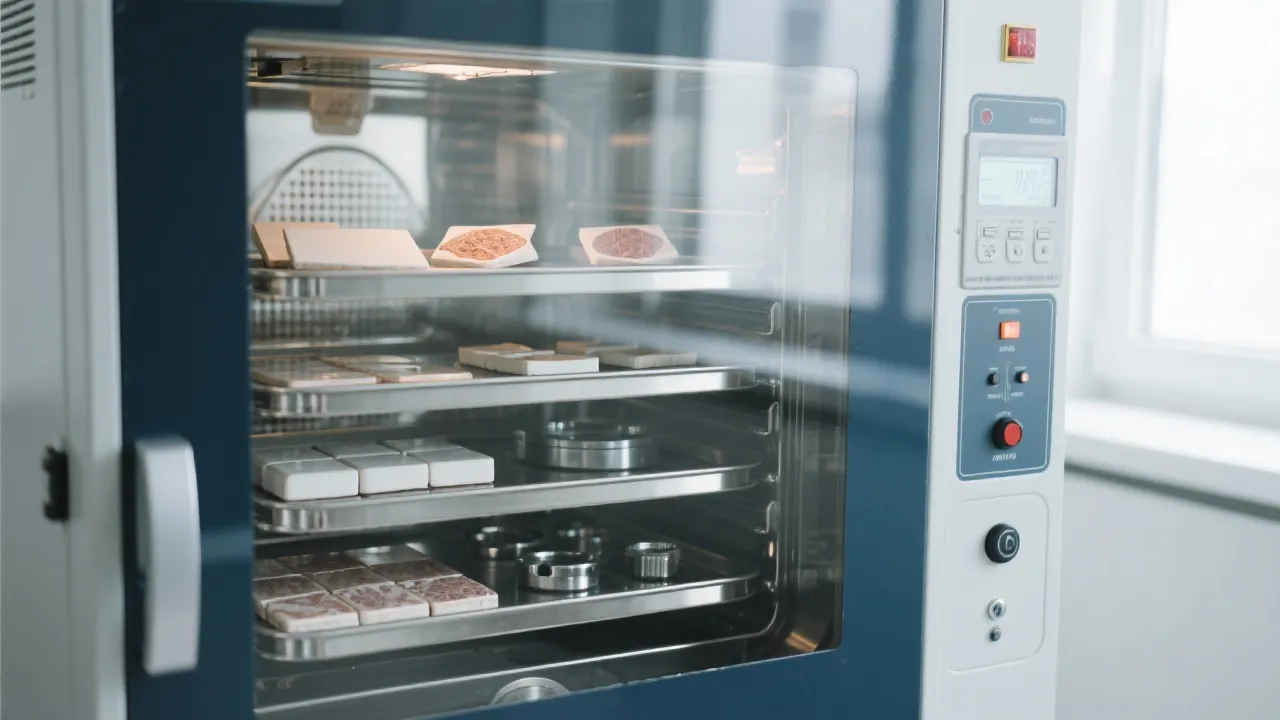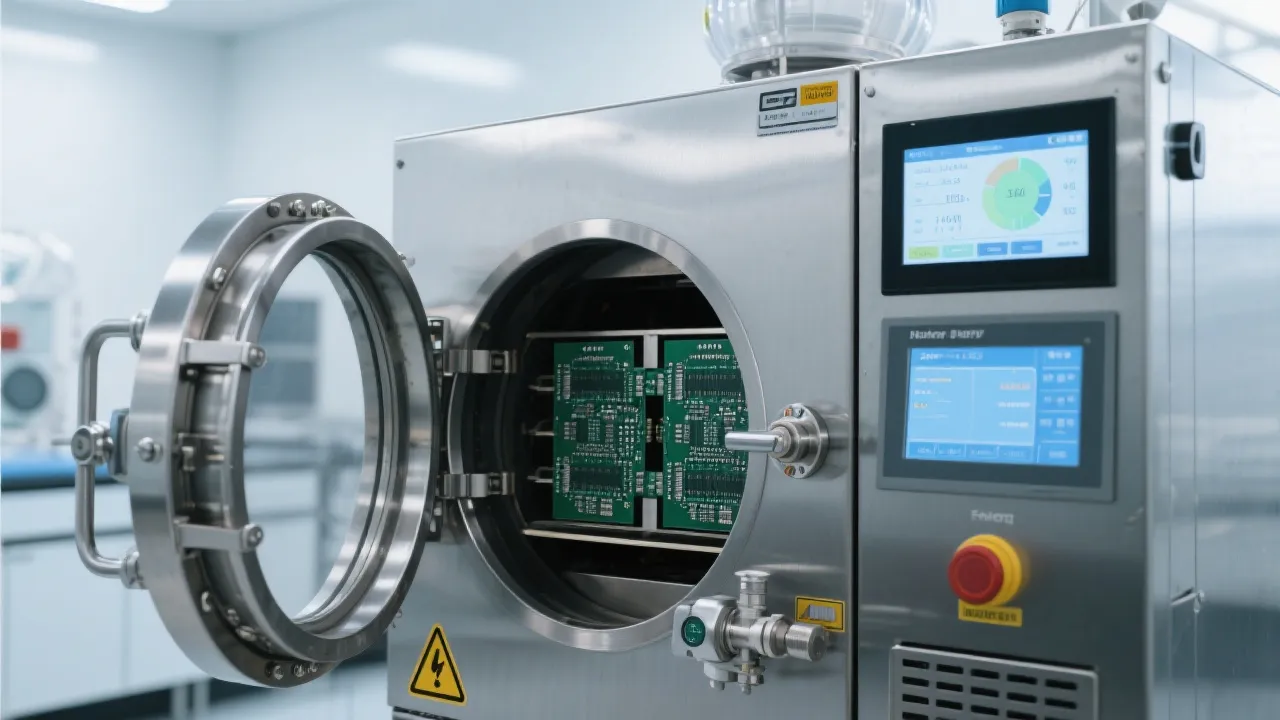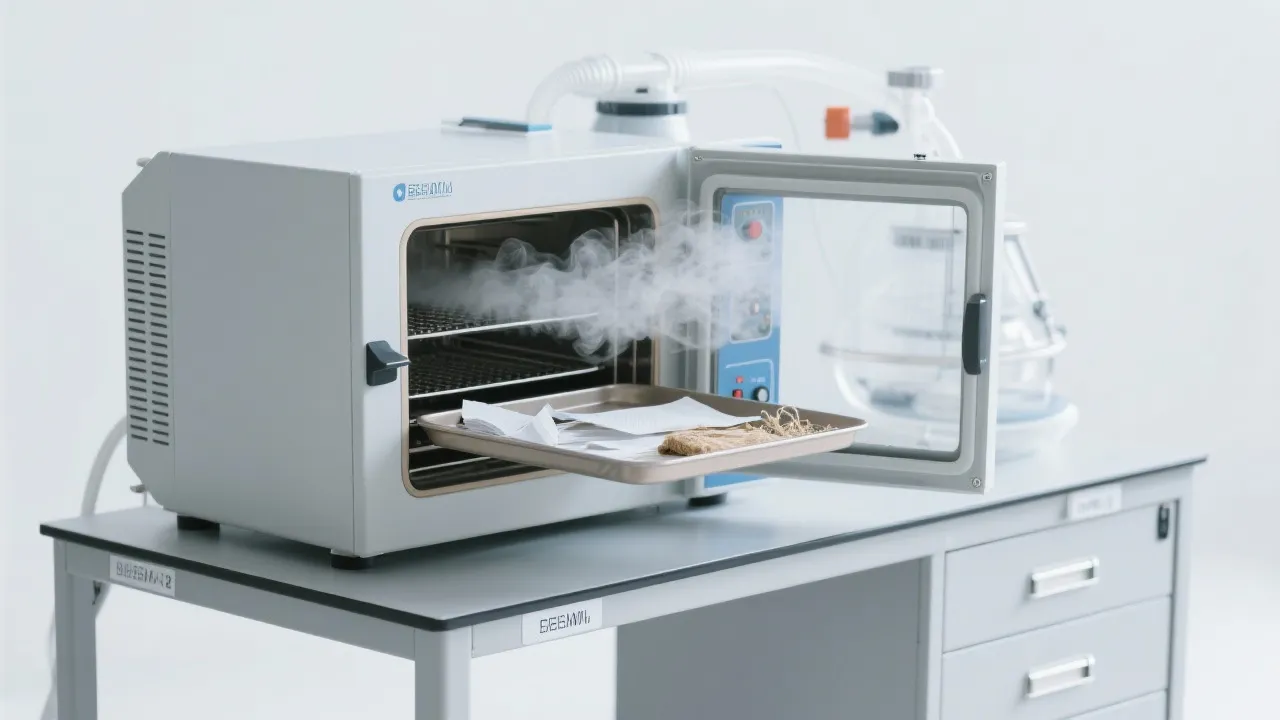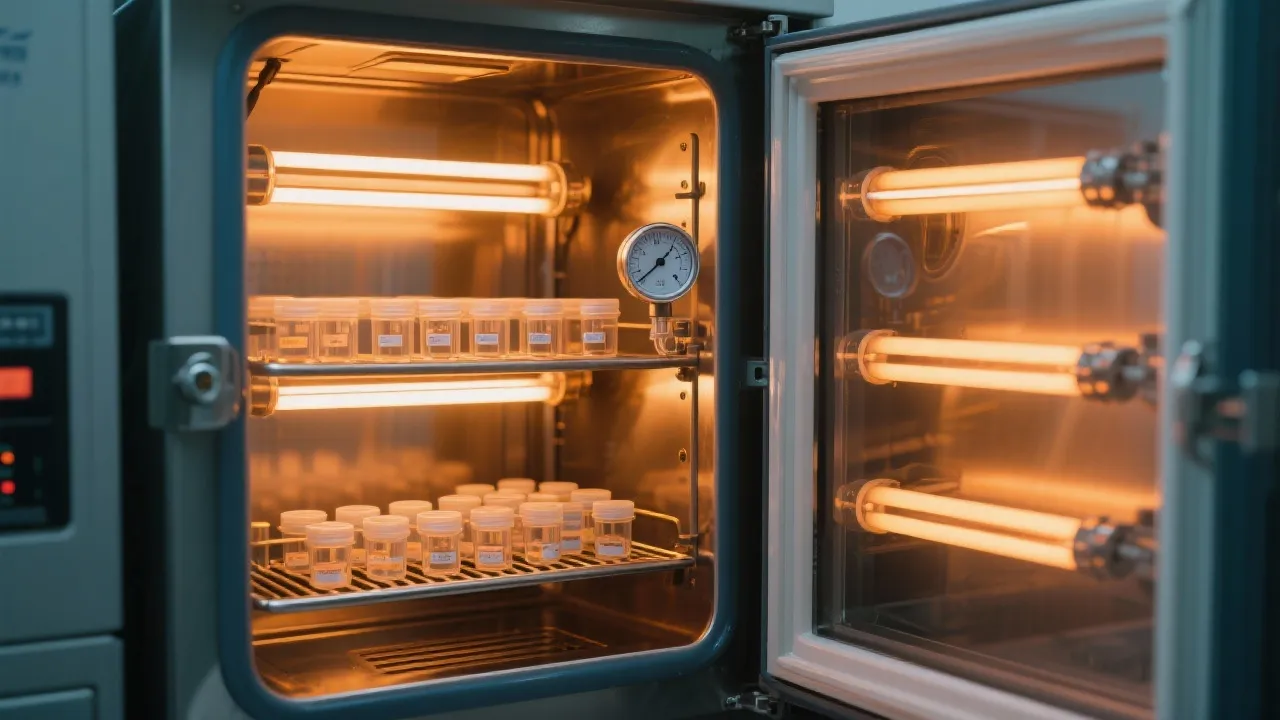

In materials science, precision isn’t just preferred—it’s essential. Whether you're synthesizing advanced composites or processing high-purity polymers, the drying phase can make or break your final product. That’s where vacuum drying shines—not as a mere step, but as a performance enabler.
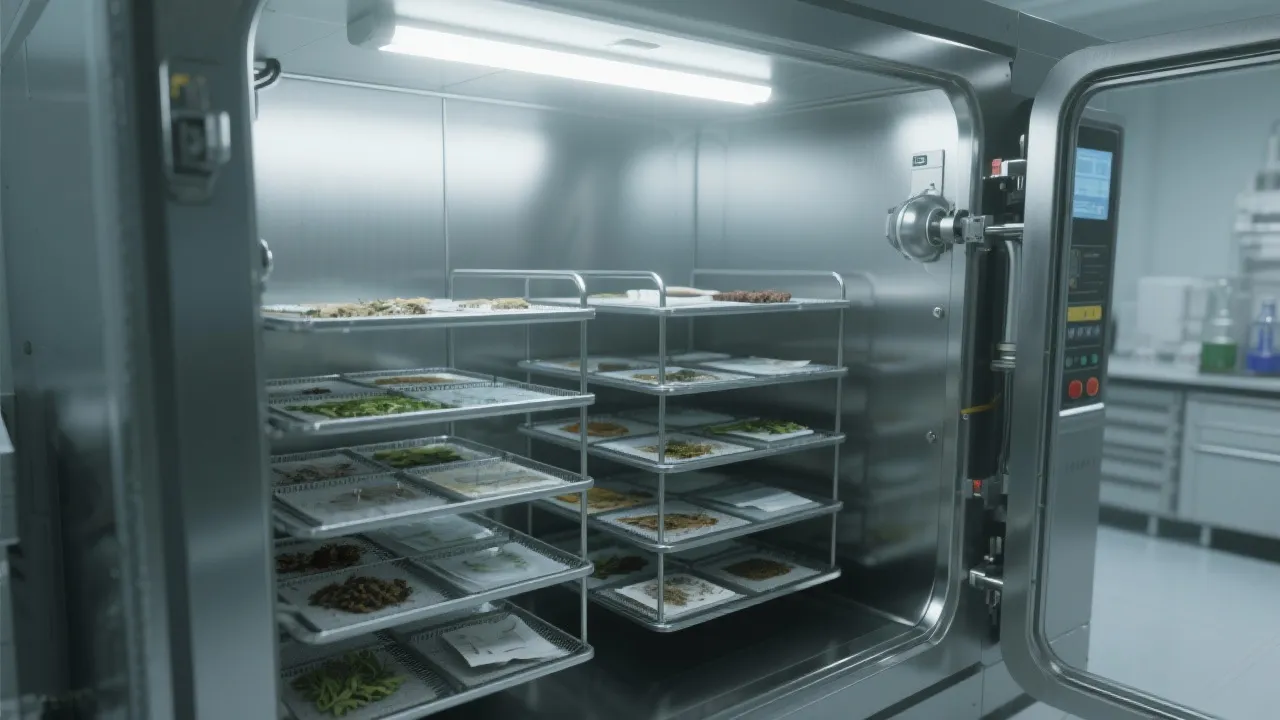
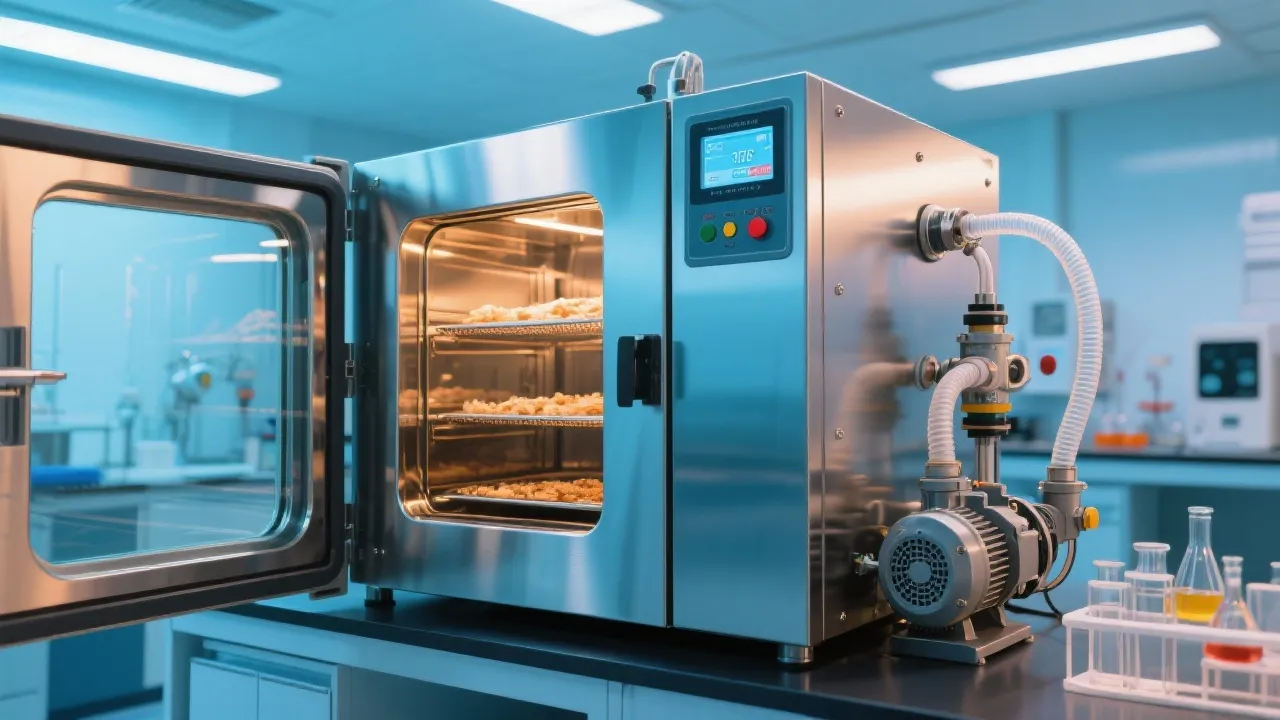
Unlike conventional air drying, which risks oxidation, thermal degradation, or surface cracking—especially in sensitive materials like nanocomposites or biopolymers—vacuum drying removes moisture under controlled pressure (typically 0.1–10 mbar). This minimizes energy input while maximizing molecular stability.
A study by the University of Manchester found that vacuum-dried polymer films showed up to 27% higher tensile strength compared to ambient-air-dried counterparts. Why? Because lower vapor pressure prevents rapid solvent evaporation that causes internal stress and microvoids.
The key lies in balancing temperature and vacuum level:
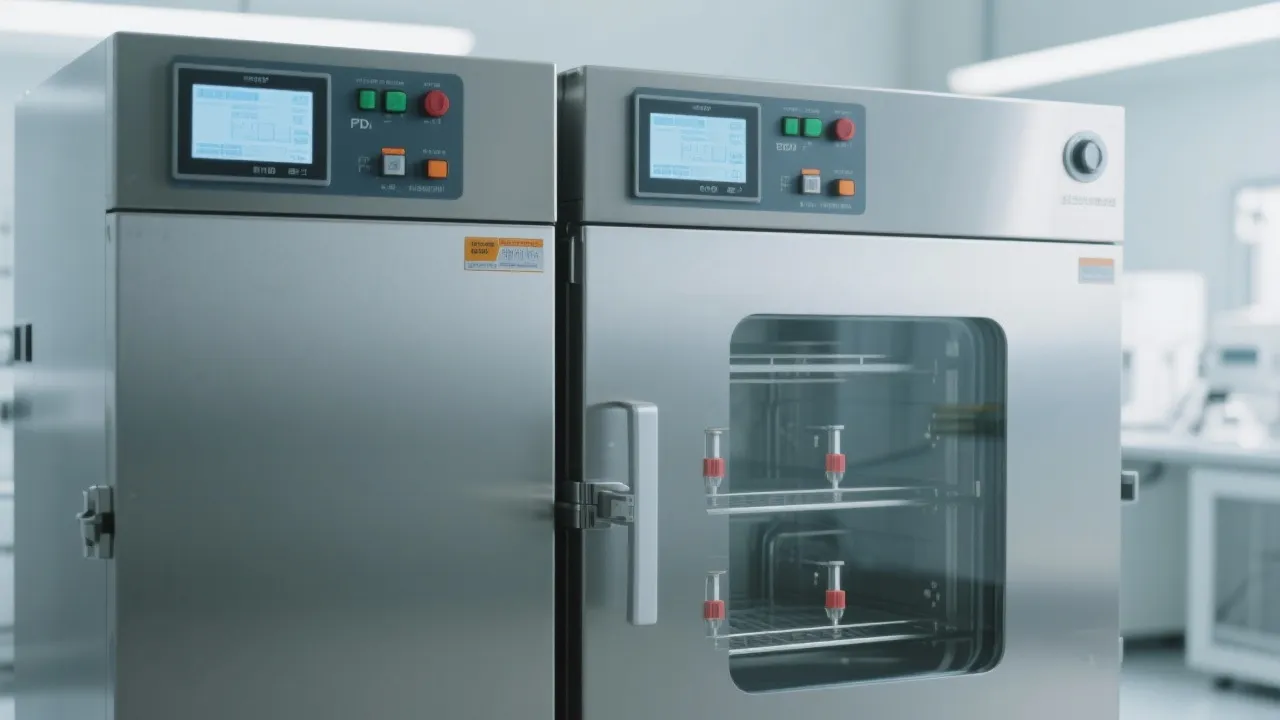
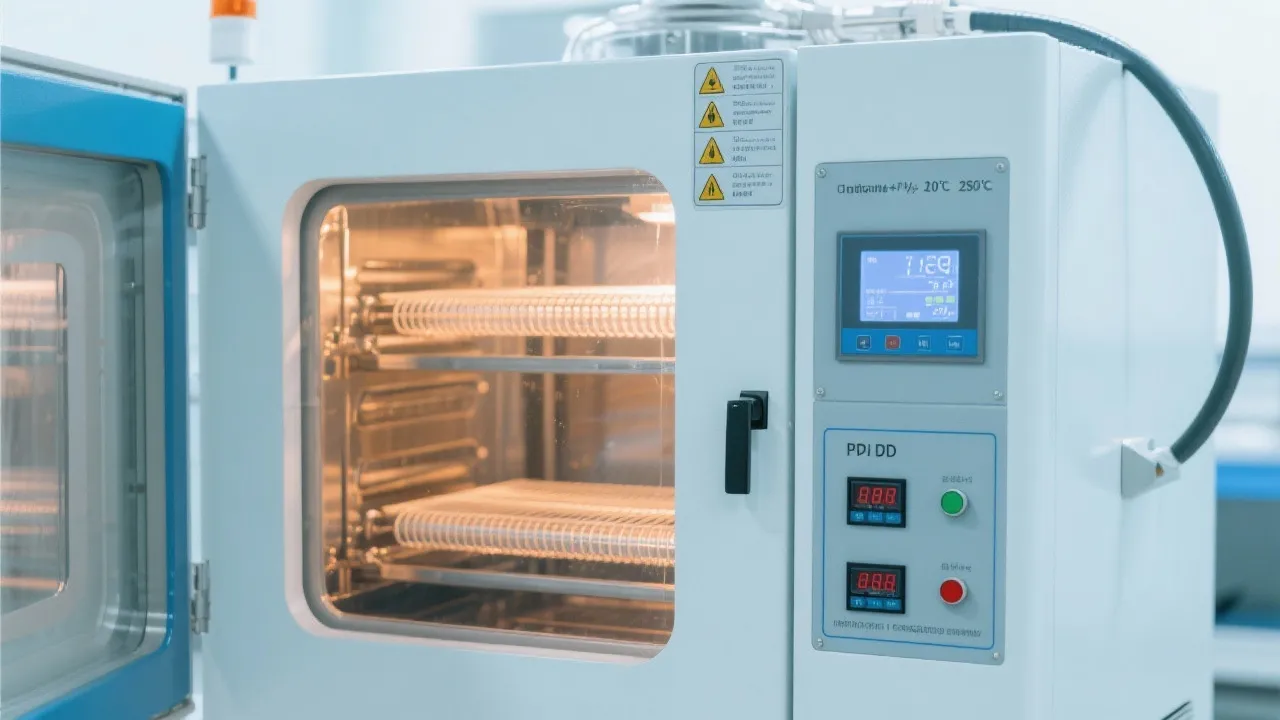
These parameters aren't arbitrary—they’re backed by empirical data from labs worldwide using equipment like the Zhengzhou Keda DZ-3BCII, a trusted solution for both R&D and pilot-scale production.
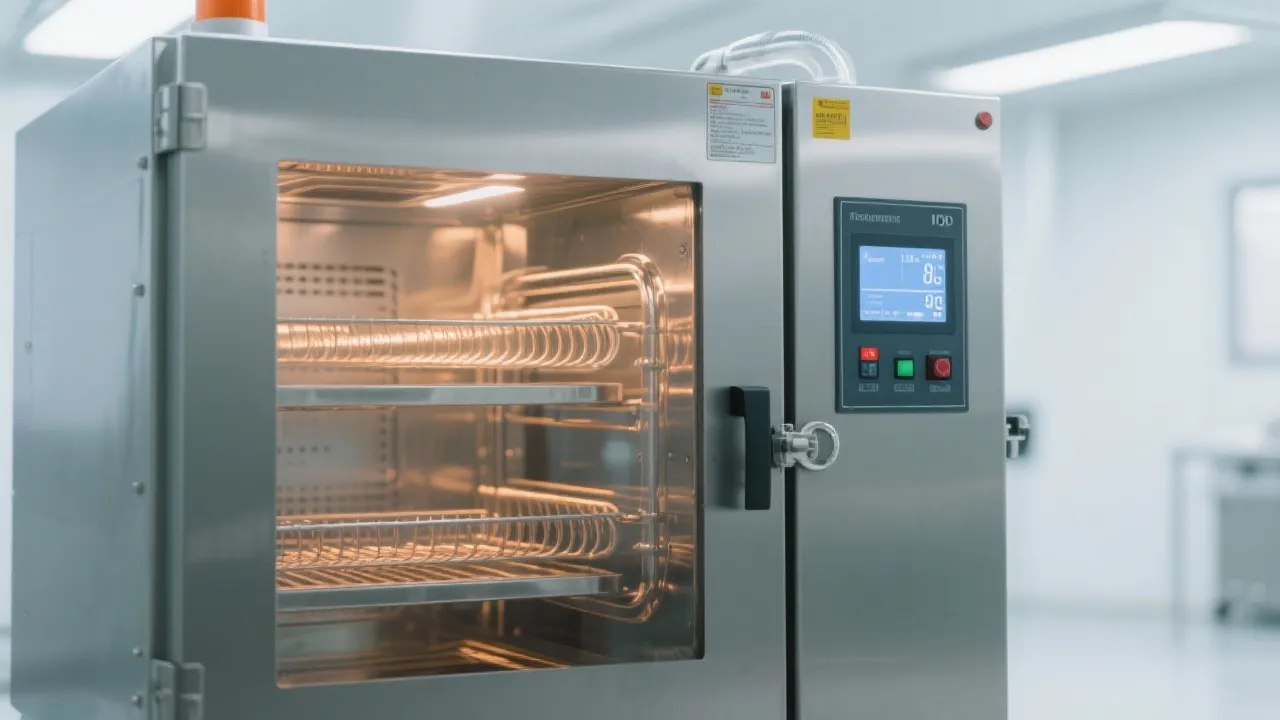
The DZ-3BCII features real-time pressure control, PID temperature regulation, and an intuitive interface that reduces operator error—a critical factor when scaling from lab to factory. In a case study at a German automotive supplier, switching to this system cut drying time by 35% while improving consistency across batches.
For researchers aiming to publish robust results or engineers optimizing manufacturing yield, vacuum drying isn’t just a technique—it’s a competitive advantage.
Want to see how vacuum drying could boost your material’s performance—or reduce batch variability?
Get Your Free Technical Guide on Optimized Vacuum Drying ParametersWhether you're refining a new composite formulation or validating process reproducibility, understanding vacuum drying is no longer optional—it's foundational.