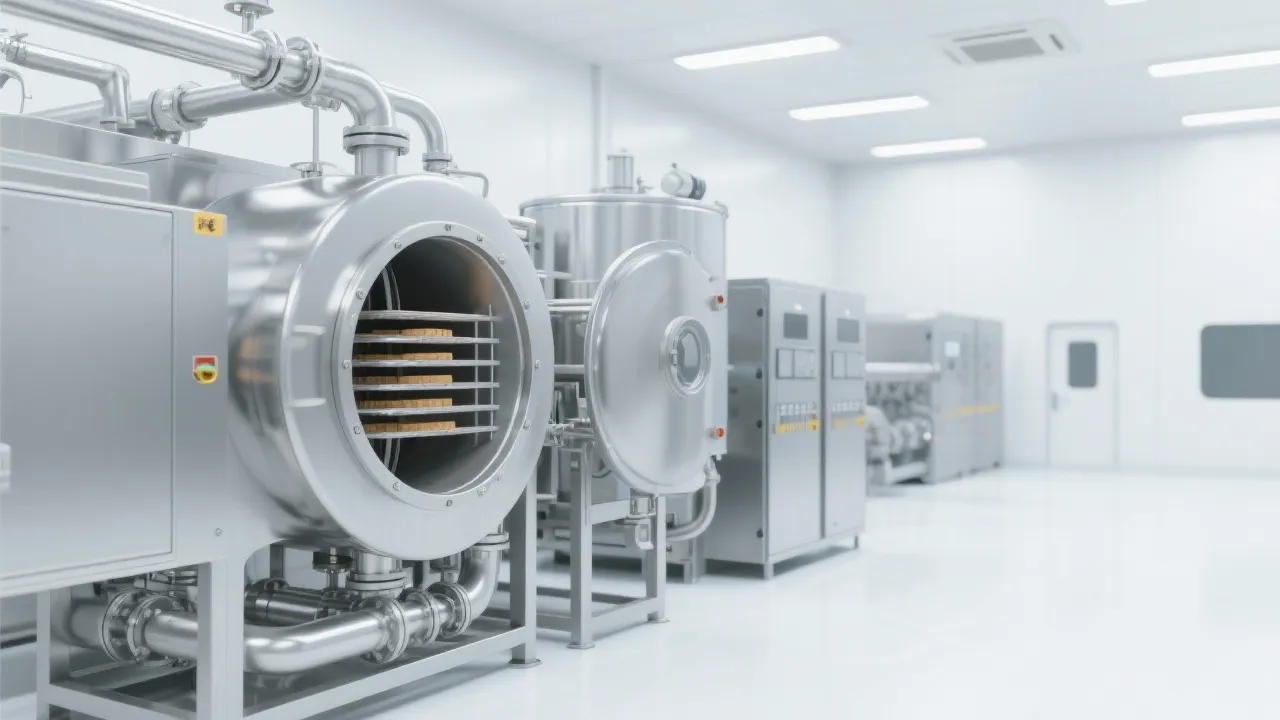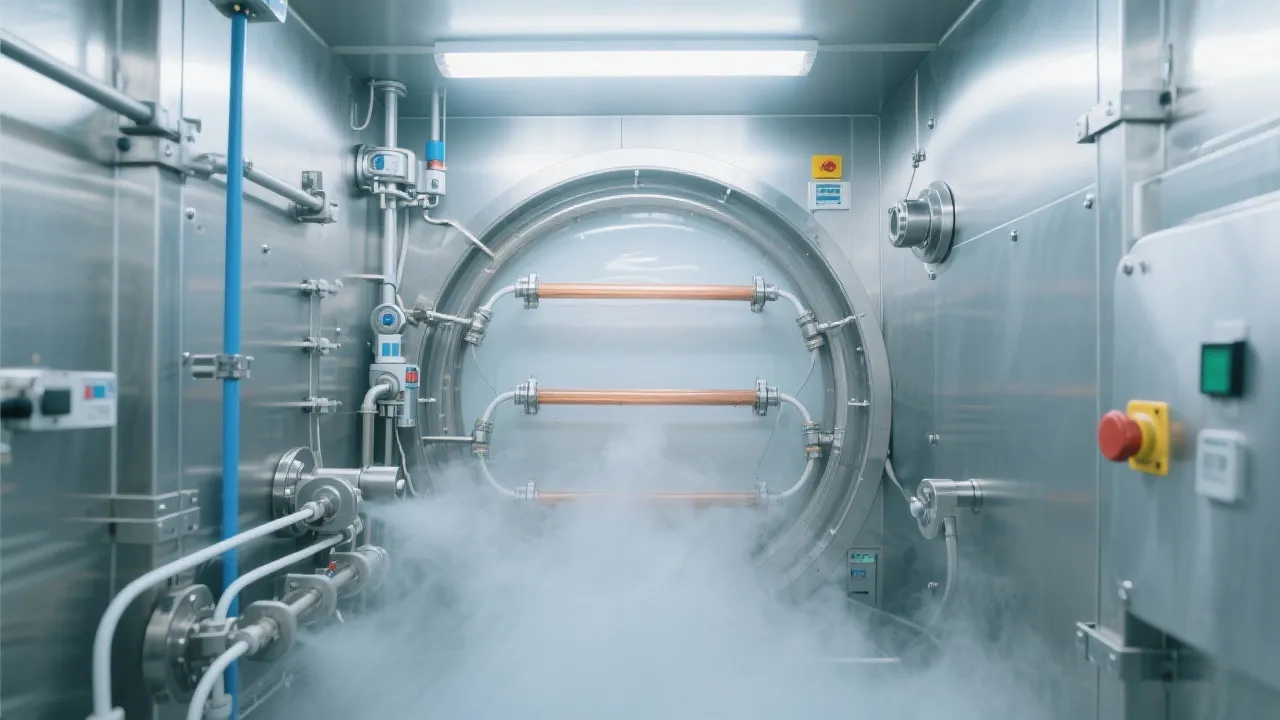
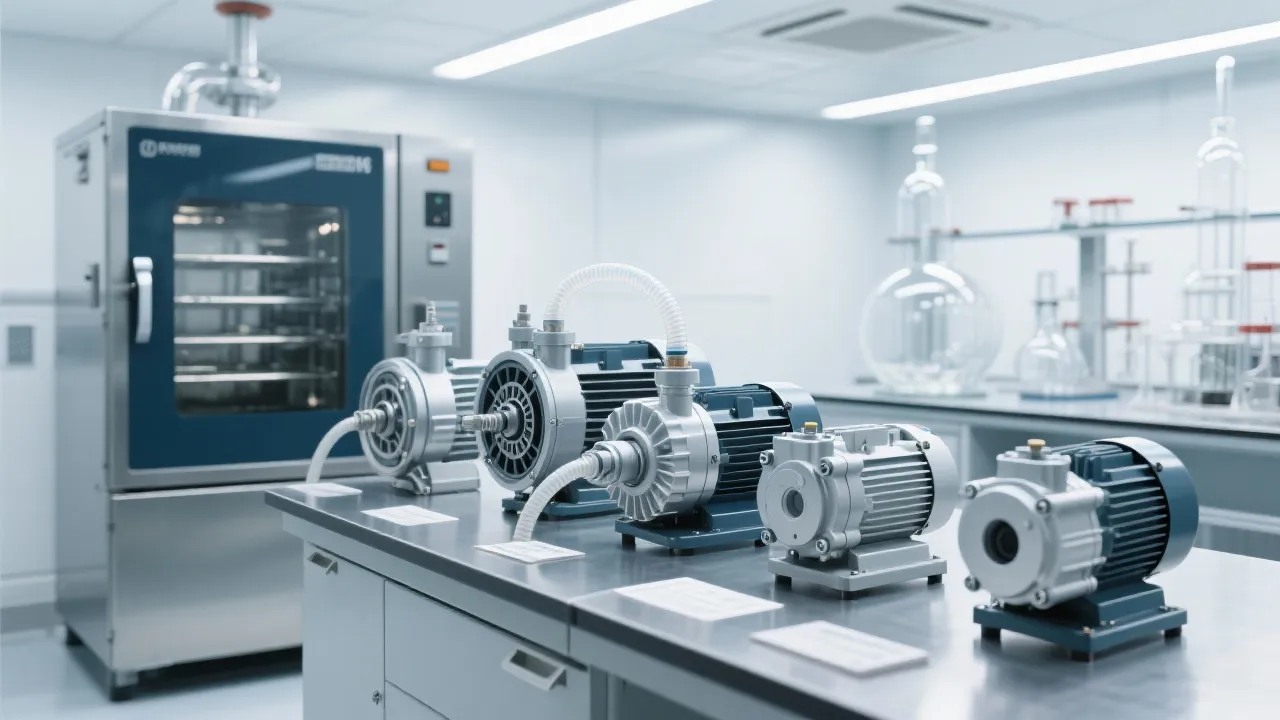
In the fast-evolving world of materials science, achieving consistent sample purity and performance is no longer optional—it’s a prerequisite for innovation. Among the tools driving this transformation, vacuum drying has emerged as a foundational technique that directly impacts reproducibility, stability, and scalability across high-stakes applications—from lithium-ion battery electrode processing to biopharmaceutical formulation.
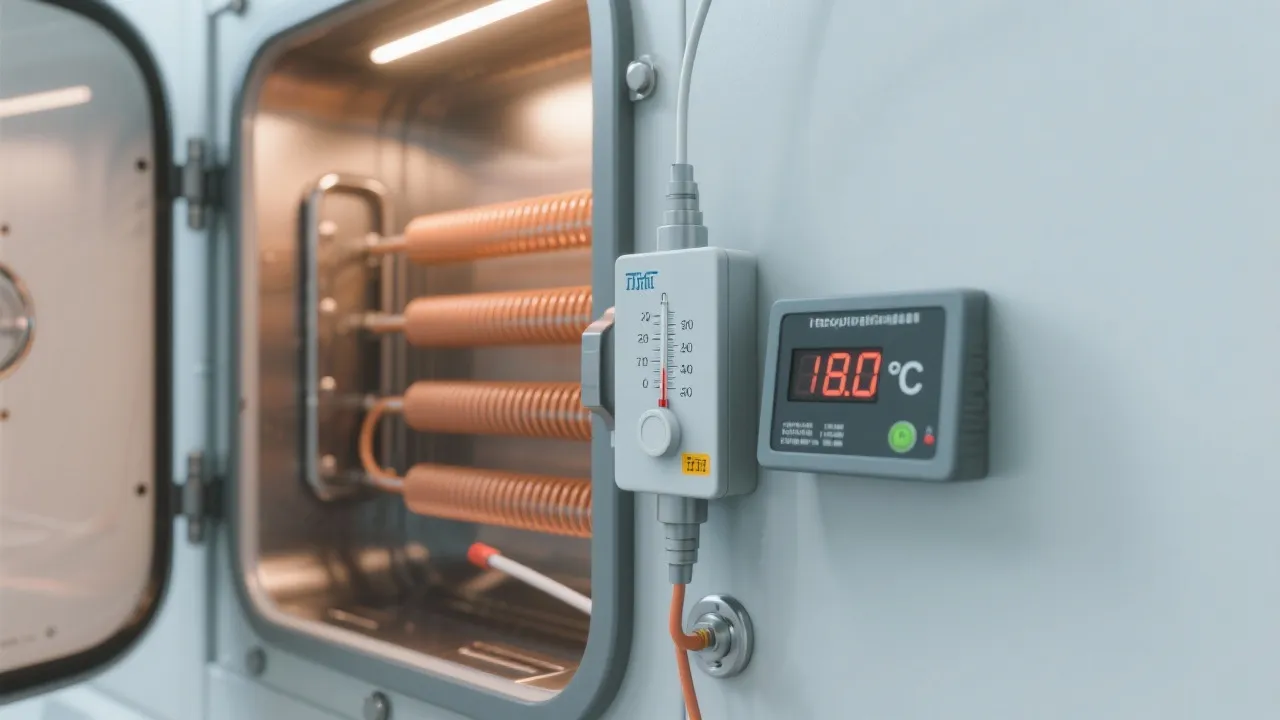
Modern labs demand more than just “dry.” They need controlled environments where oxygen-sensitive materials—like polymers, catalysts, or nanocomposites—are dried without degradation. The key lies in precise control: temperature accuracy within ±1°C and vacuum levels below 133 Pa (equivalent to ~1 Torr). These parameters ensure minimal thermal stress while maximizing moisture removal.
According to Dr. Lena Müller, Head of Materials Engineering at ETH Zurich, “In our lab, we’ve seen up to 37% improvement in mechanical consistency when using equipment with sub-133Pa vacuum capability compared to standard atmospheric drying methods.” This isn’t just theory—it’s measurable impact on product quality.
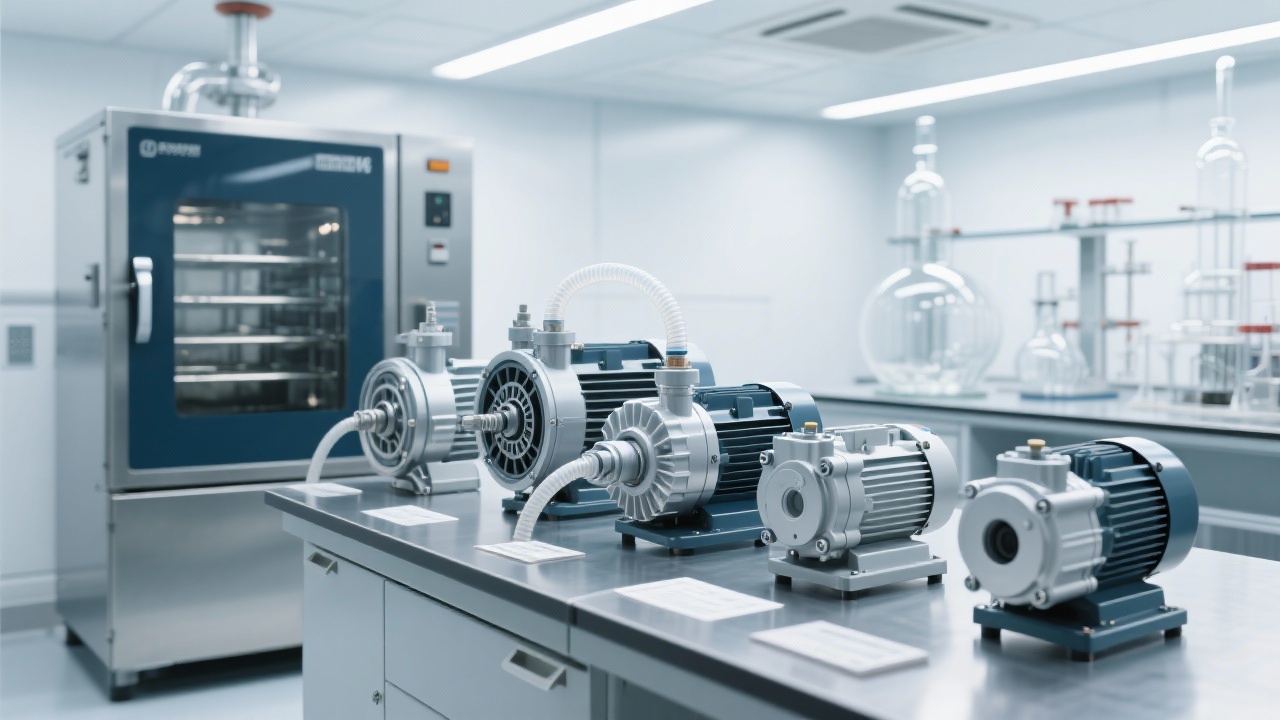
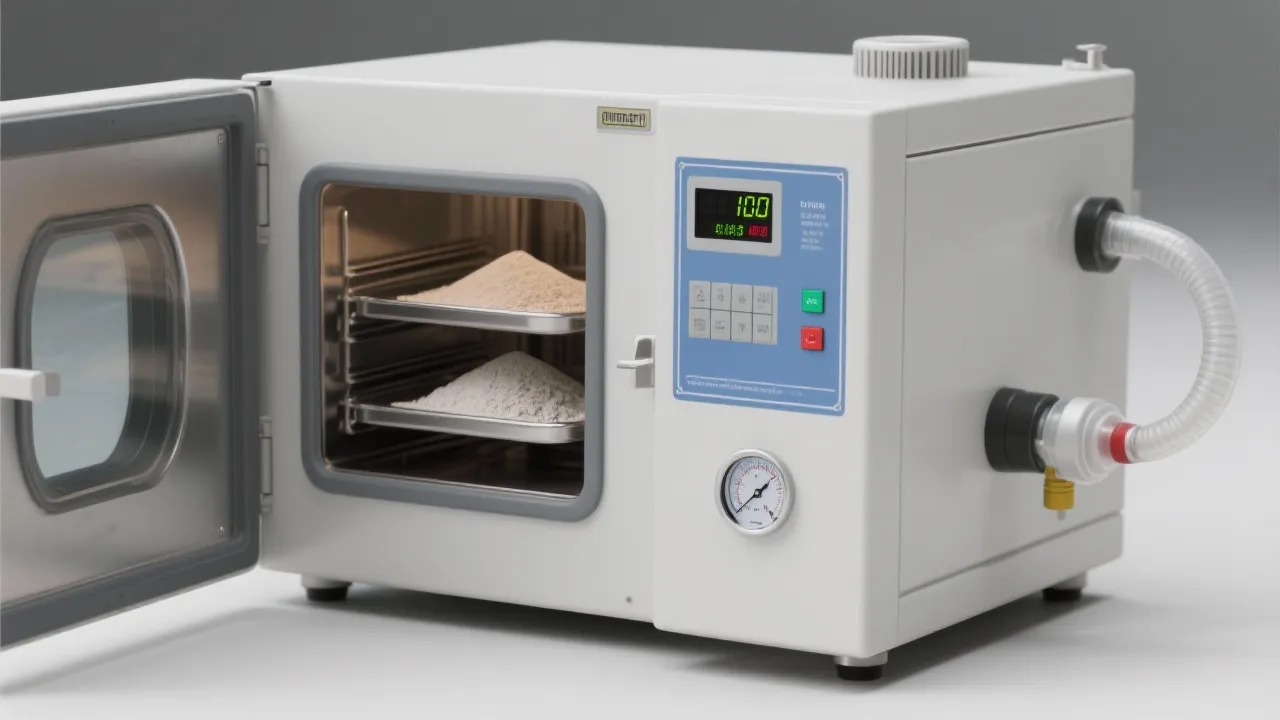
Consider lithium battery manufacturers who must dry electrode slurries without altering particle morphology. A case study from a Korean OEM revealed that switching to a digital vacuum dryer like the DZ-3BCII reduced batch variation by 42%, enabling smoother scaling from R&D to mass production.
Similarly, in biomedical research, vacuum drying preserves the structural integrity of proteins and tissue samples—an essential step before cryo-EM imaging or storage. Here, the four-wall uniform heating design of the DZ-3BCII ensures even heat distribution, preventing hotspots that could denature sensitive biomolecules.
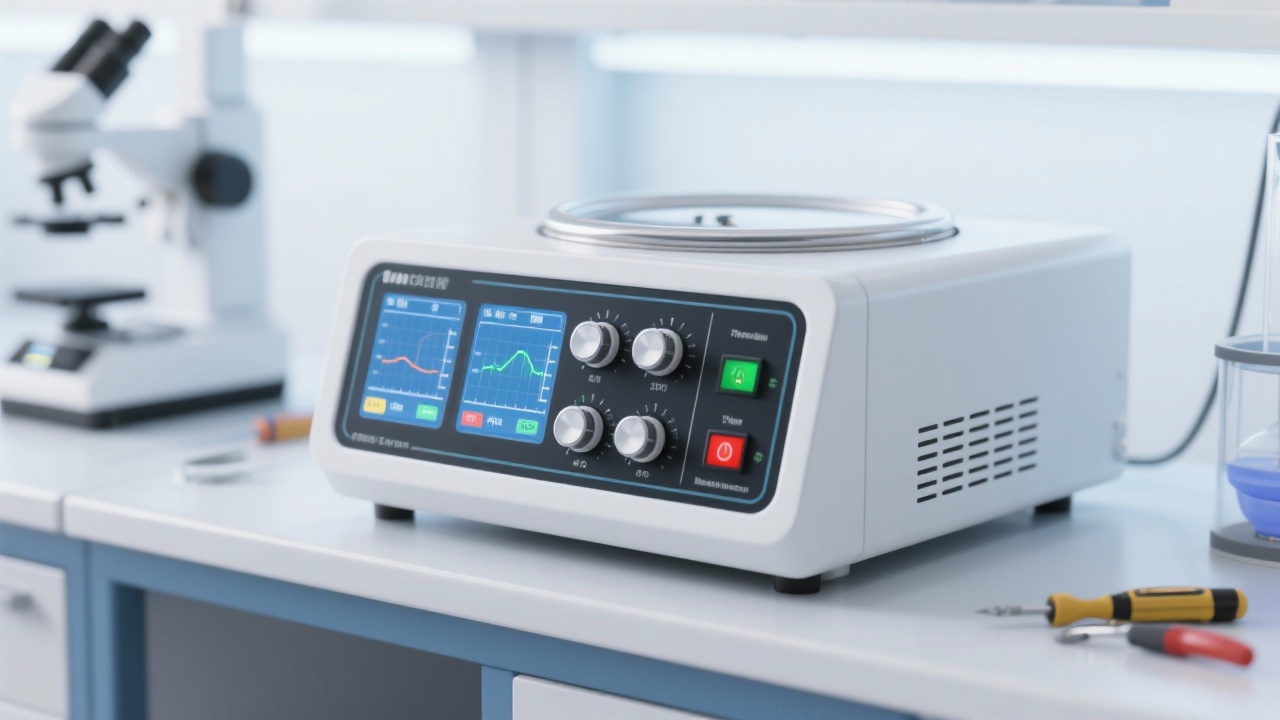
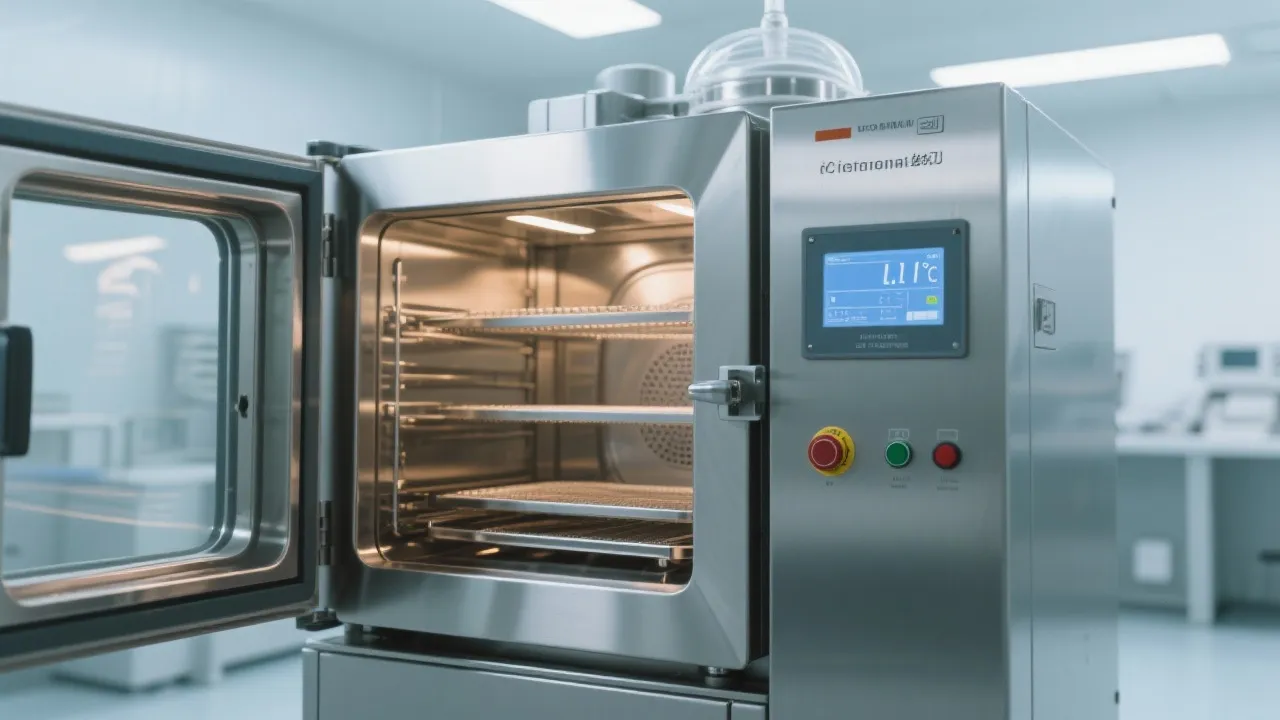
What sets advanced systems apart? It's not just specs—it's usability. Engineers working under tight deadlines appreciate intuitive interfaces, reliable automation, and clear status indicators. The DZ-3BCII delivers exactly that: a blend of precision engineering and user-centered design that reduces operator error and increases throughput.
As materials become more complex—think MXenes, MOFs, or graphene-based composites—the demand for smarter, adaptive drying solutions will grow. Emerging trends include AI-driven parameter optimization and real-time monitoring via IoT integration. For now, though, the focus remains on solving today’s pain points: repeatability, safety, and efficiency.
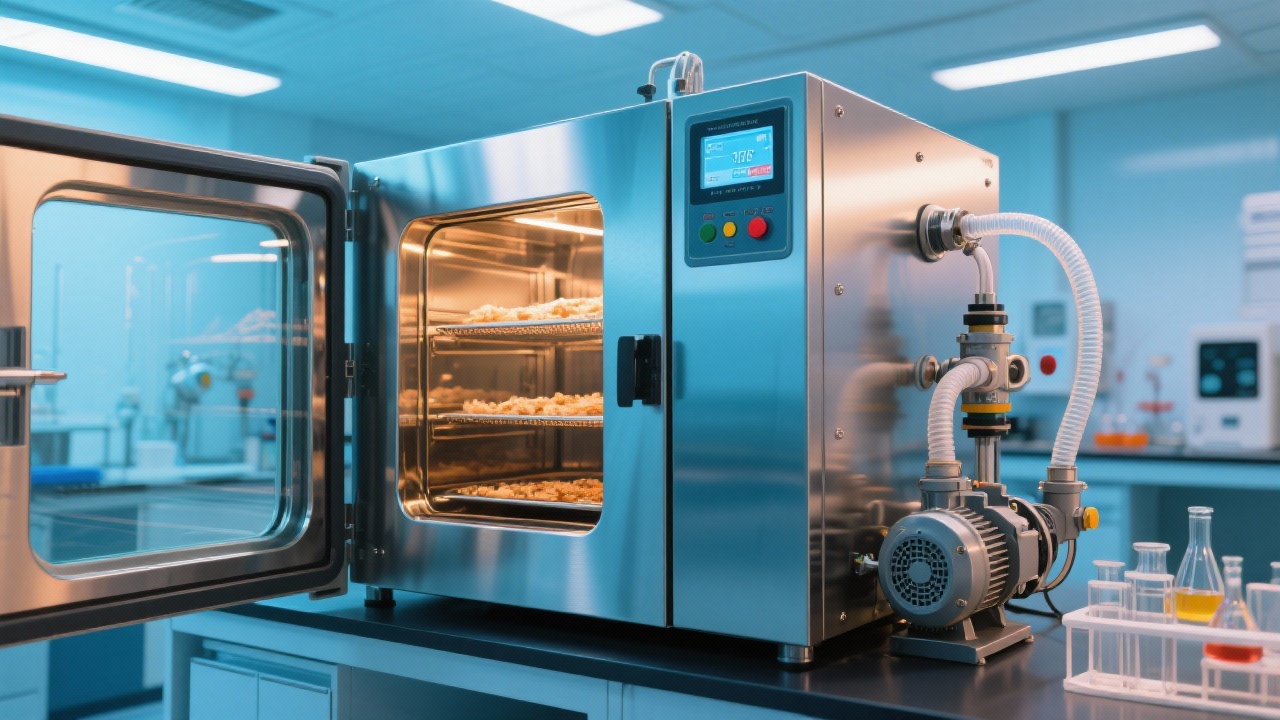
Discover how the DZ-3BCII Digital Vacuum Dryer can transform your lab’s consistency and output quality—without compromising ease of use.
Explore the DZ-3BCII Solution