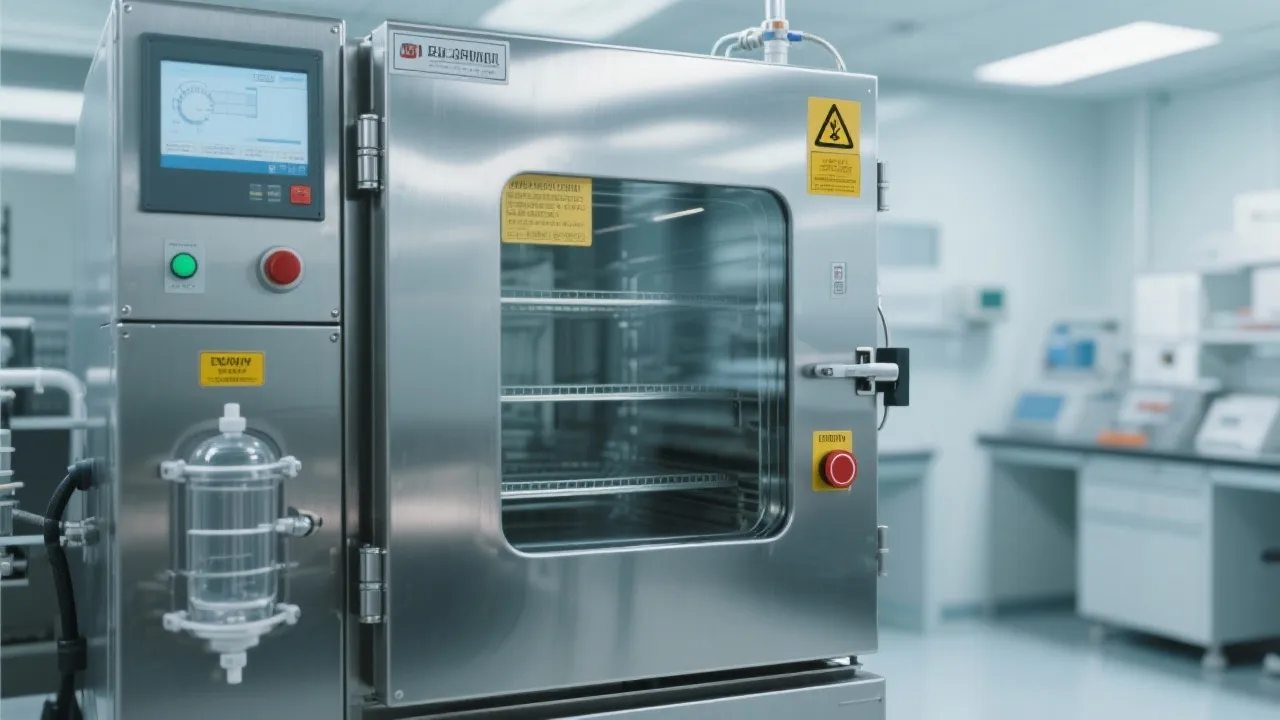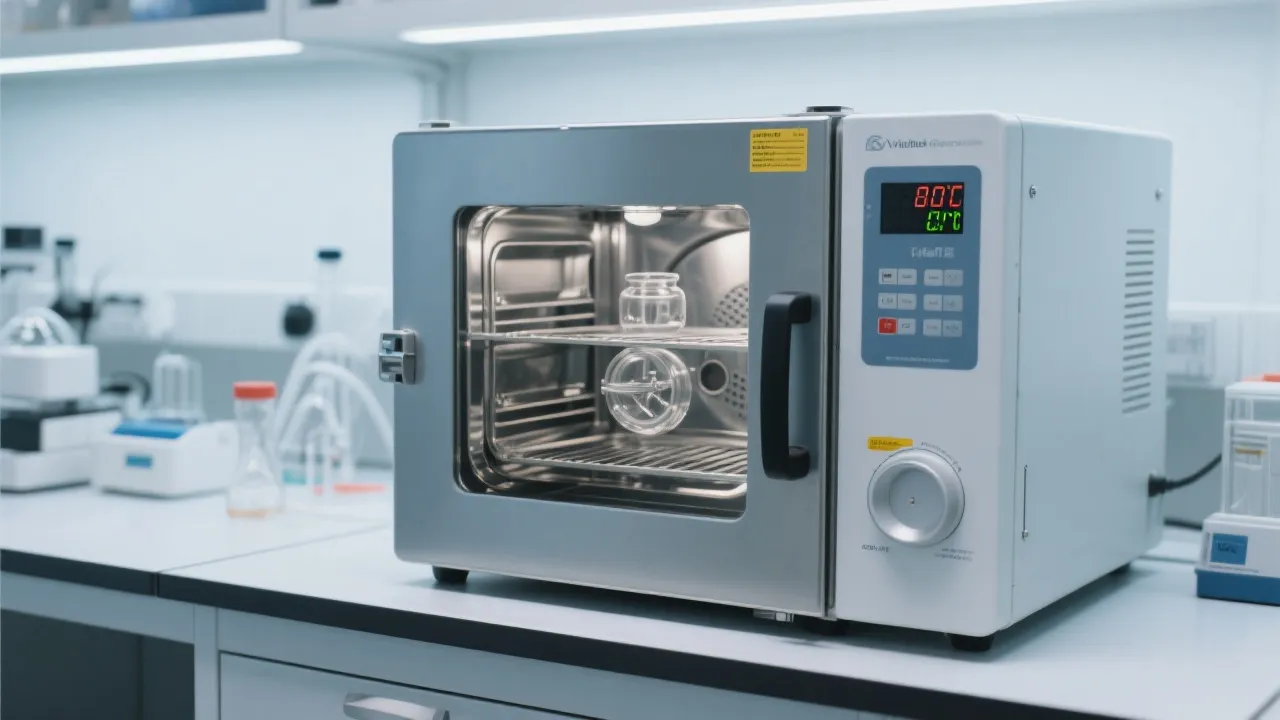

In the field of material degassing, the pursuit of efficient and low - damage processing methods has always been a key concern for engineers and procurement decision - makers. Vacuum drying technology, with its unique physical principles, has emerged as a powerful solution.
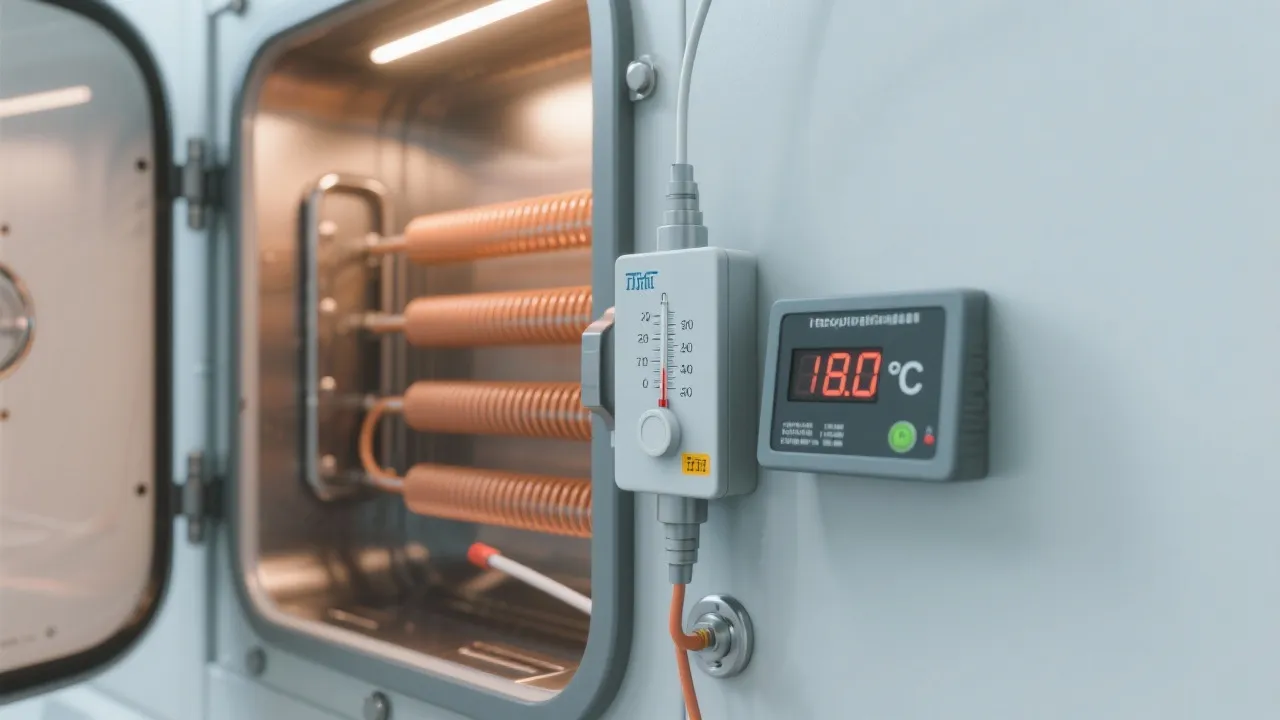
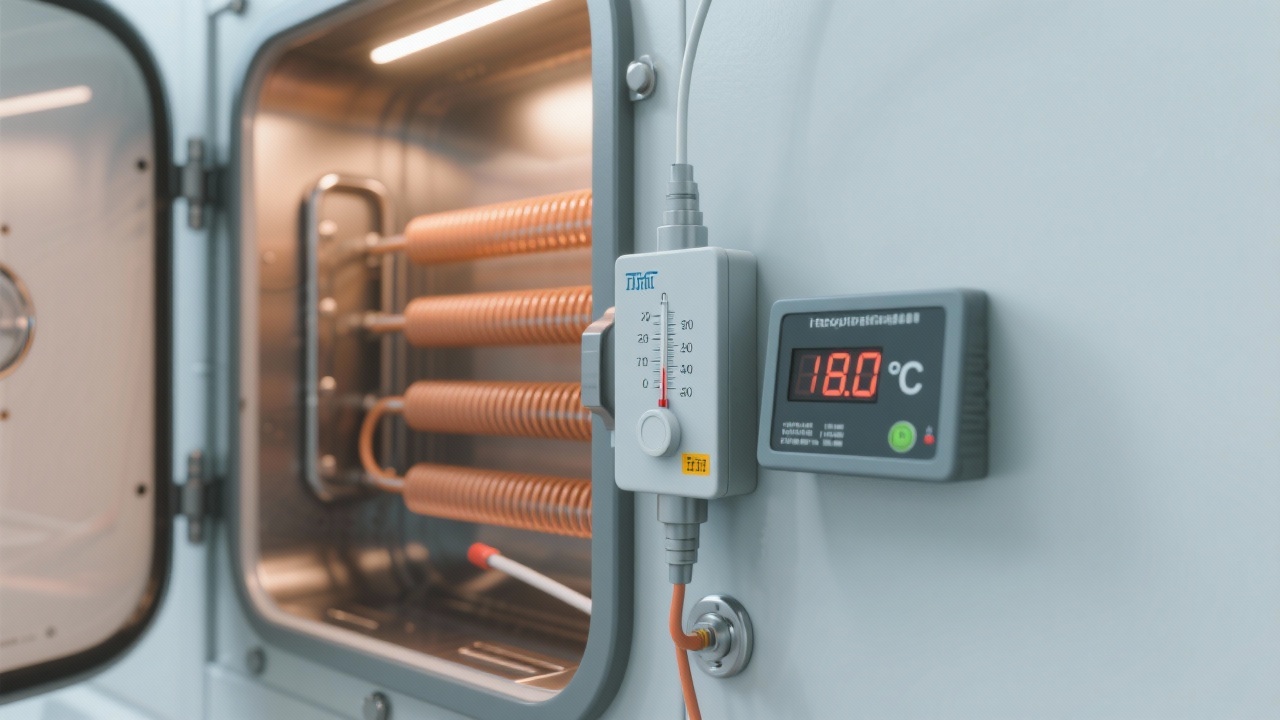
Vacuum drying is based on a fundamental physical principle: in a vacuum environment, the boiling point of water is significantly reduced. Under normal atmospheric pressure, water boils at 100°C. However, in a vacuum, this boiling point can drop to a much lower temperature. For example, at a certain vacuum level, water may boil at around 50°C. This allows for the acceleration of the evaporation process of water in materials. Meanwhile, precise temperature control is crucial to ensure the stability of the materials being dried. By maintaining a specific temperature range, the physical and chemical properties of the materials can be effectively preserved.

When comparing atmospheric drying with vacuum drying, several significant differences can be observed in terms of energy consumption, efficiency, and product quality. Atmospheric drying usually requires a higher temperature and a longer time to remove moisture from materials. This not only consumes more energy but also may cause oxidation and structural damage to the materials. In contrast, vacuum drying can achieve the same level of drying in a shorter time with lower energy consumption. Studies have shown that vacuum drying can save up to 30% of energy compared to atmospheric drying in some cases. Moreover, the quality of the dried products is generally higher as there is less oxidation and damage to the material structure.
There are three main application scenarios in the material degassing process: material degassing itself, electronic component curing, and chemical sample drying.
The type of vacuum pump used in a vacuum drying system has a crucial impact on the drying effect. Different vacuum pumps have different performance characteristics, such as pumping speed and ultimate vacuum level. For high - precision drying requirements, such as in the drying of electronic components, a high - performance vacuum pump with a low ultimate vacuum level and a high pumping speed is usually required.
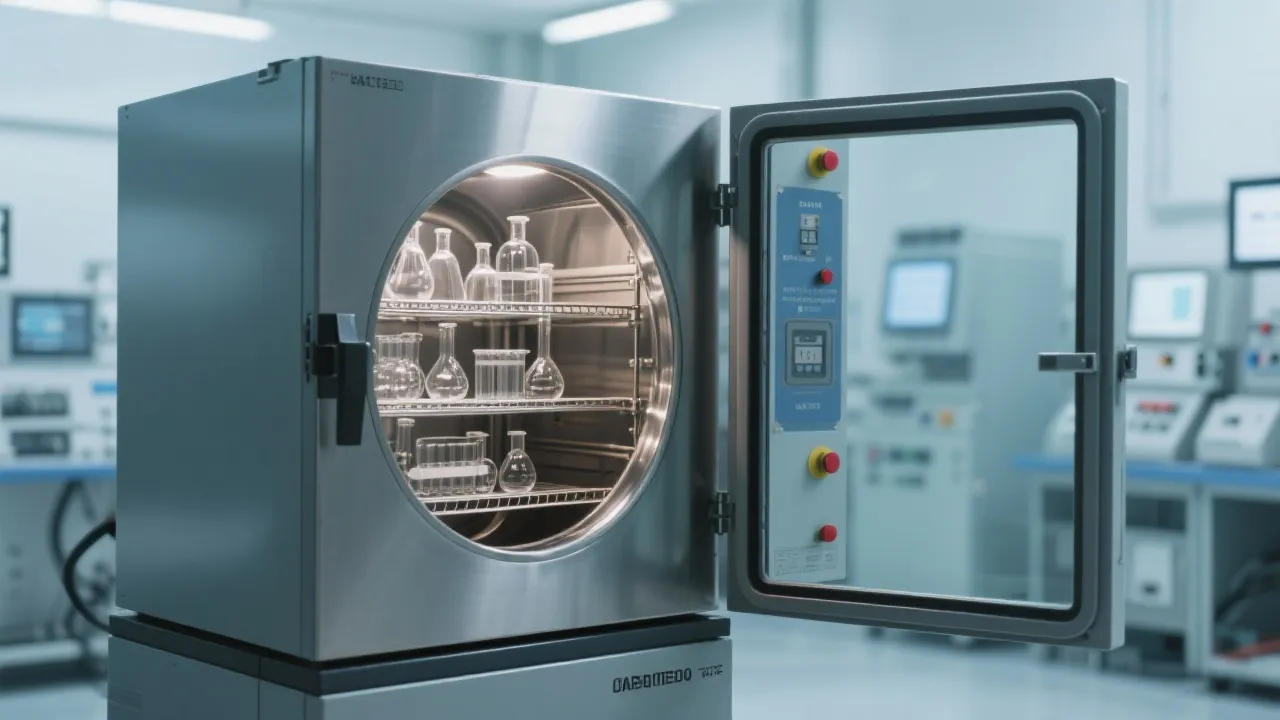
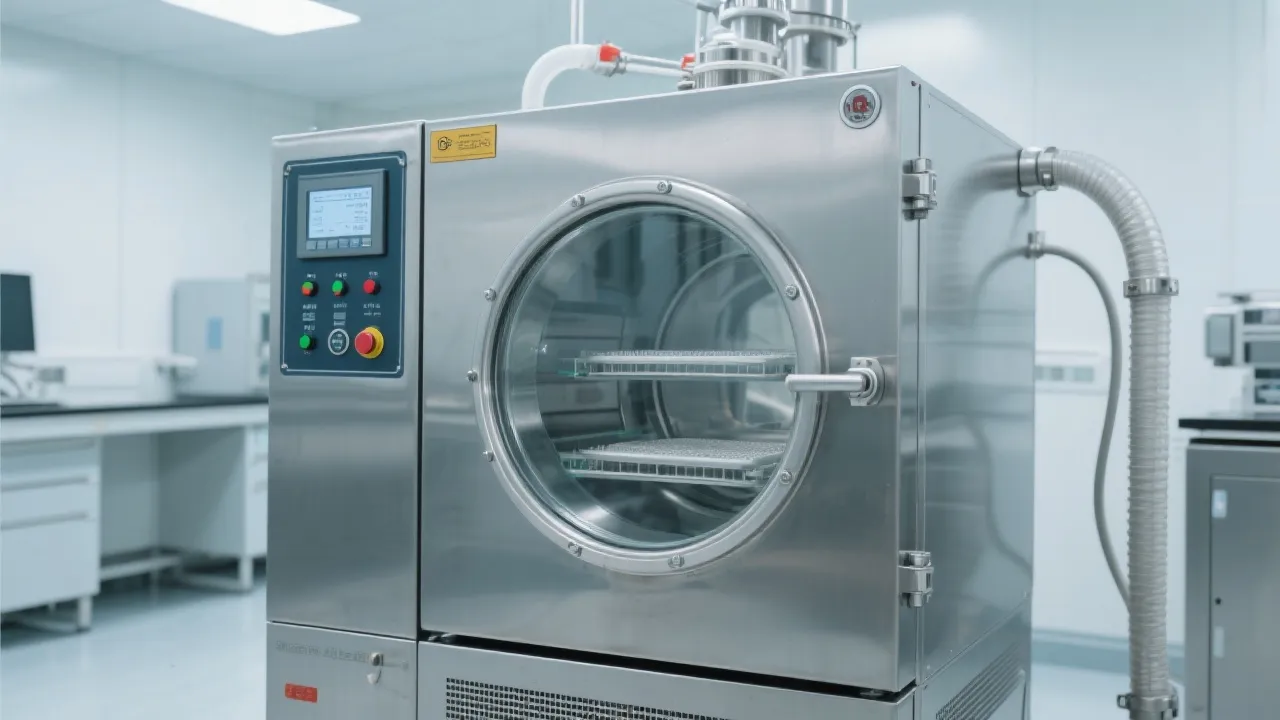
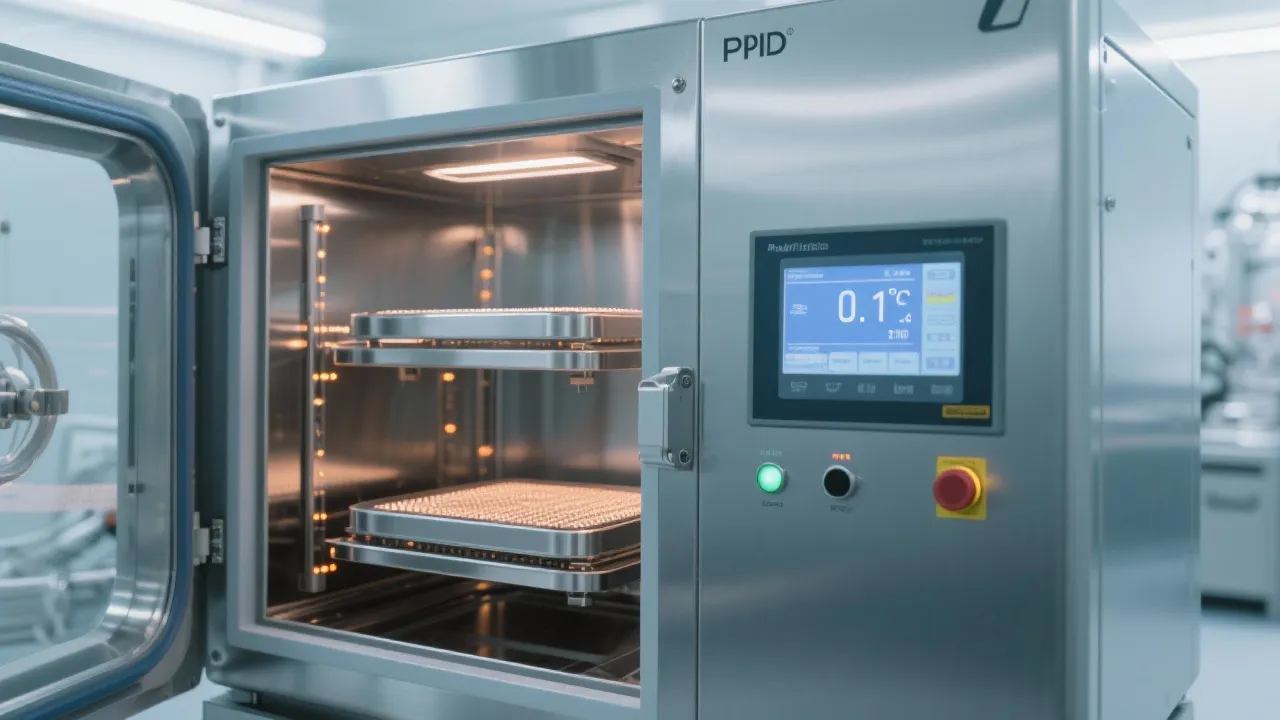
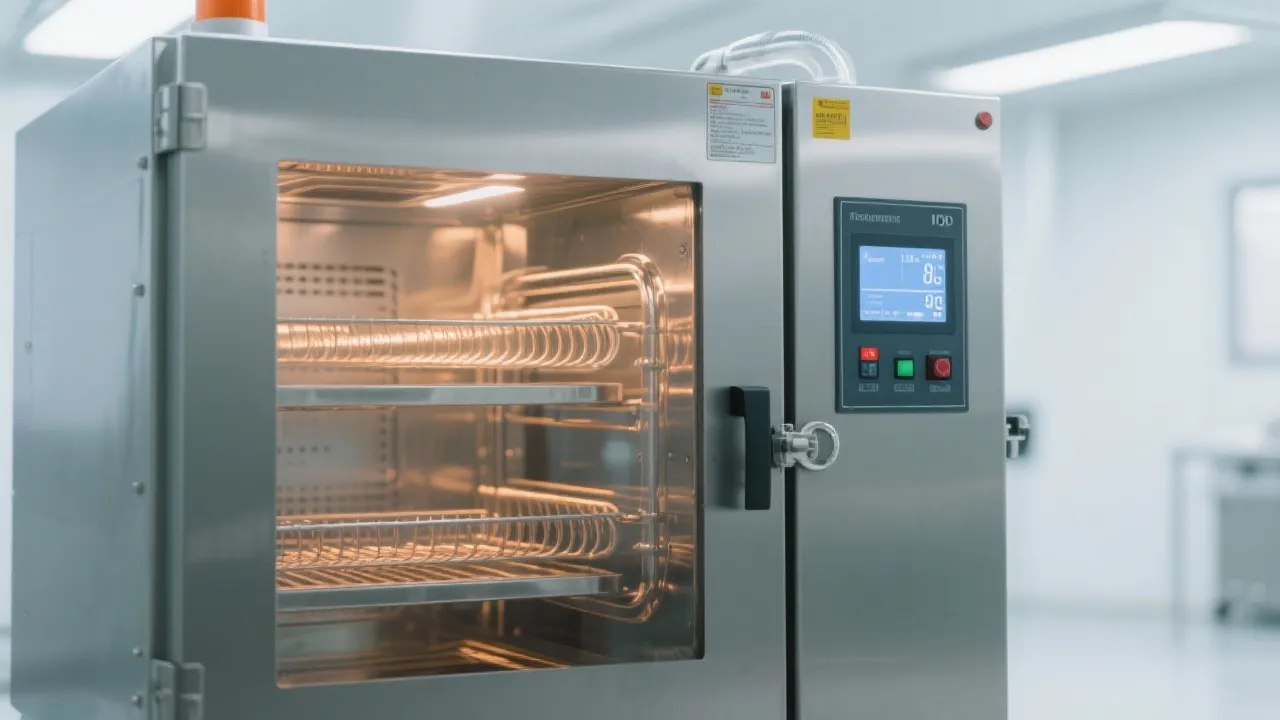
When selecting a vacuum drying oven, product features should be carefully considered. Take the Zhengzhou Keda DZ - 2BCII vacuum drying oven as an example. It is equipped with double - zone PID intelligent temperature control, which can ensure precise temperature control in different zones of the oven. The over - temperature alarm function provides an additional safety guarantee, and the explosion - proof observation window allows operators to monitor the drying process safely. These features make it an ideal choice for various industrial drying applications.
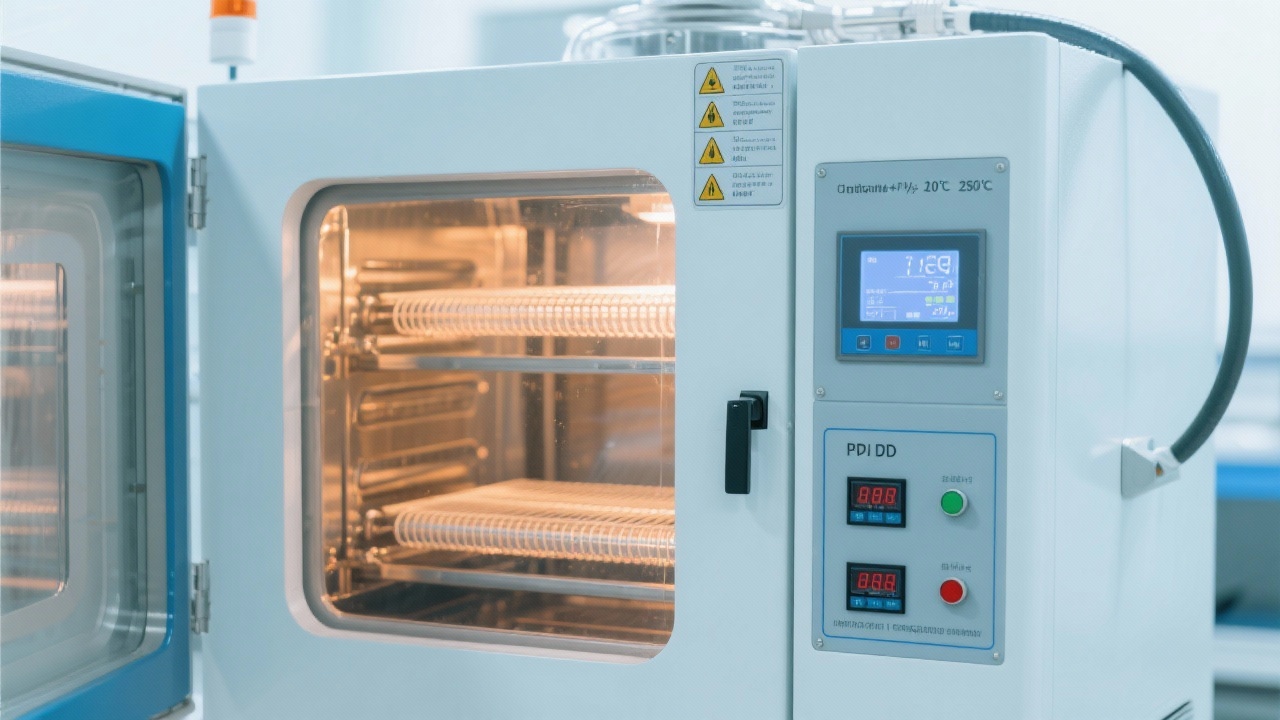
In conclusion, vacuum drying technology offers significant advantages in the material degassing process. With the right equipment, such as the Zhengzhou Keda DZ - 2BCII vacuum drying oven, engineers and procurement decision - makers can achieve efficient and high - quality drying results. If you are looking for a professional vacuum drying solution to support your efficient production, click here to learn more about the Zhengzhou Keda DZ - 2BCII vacuum drying oven.