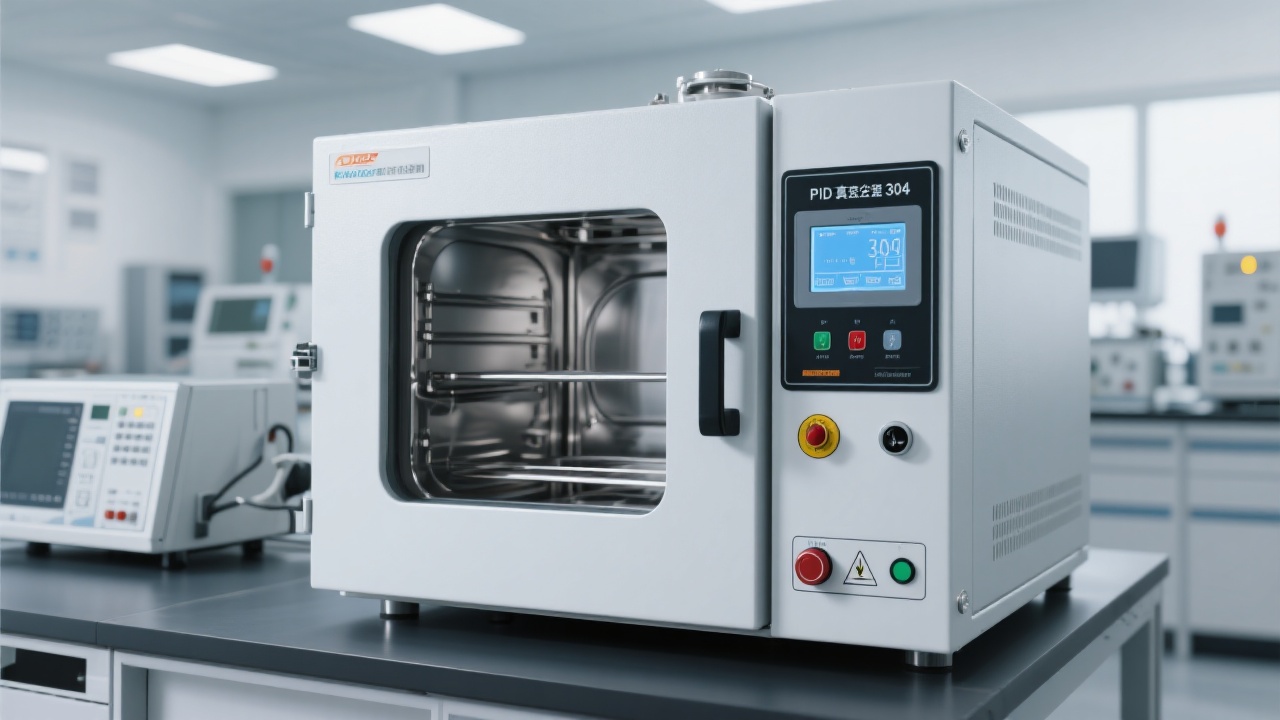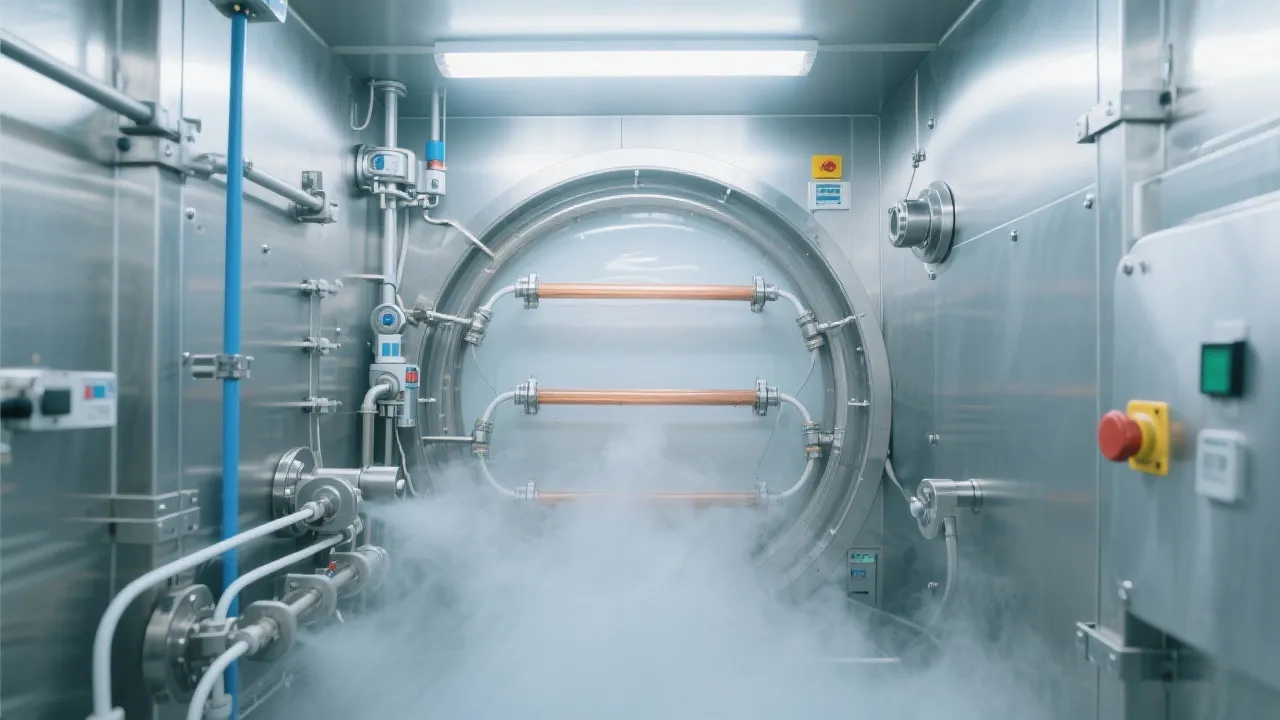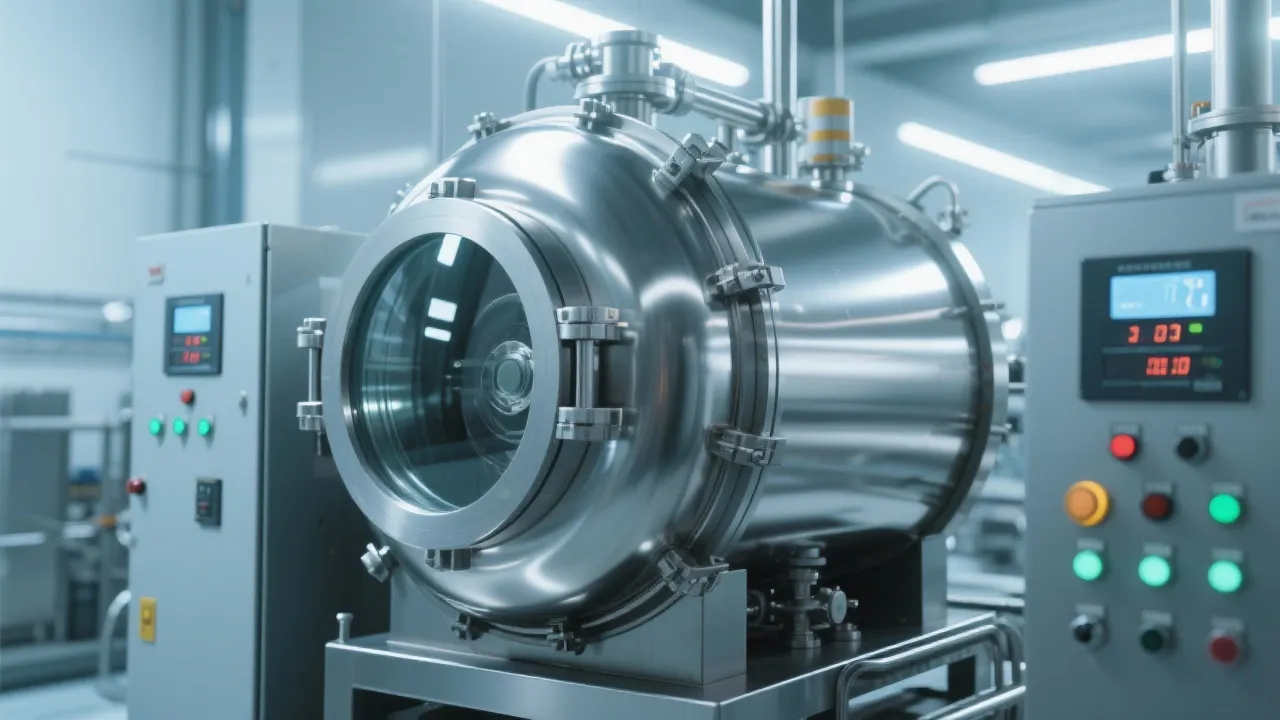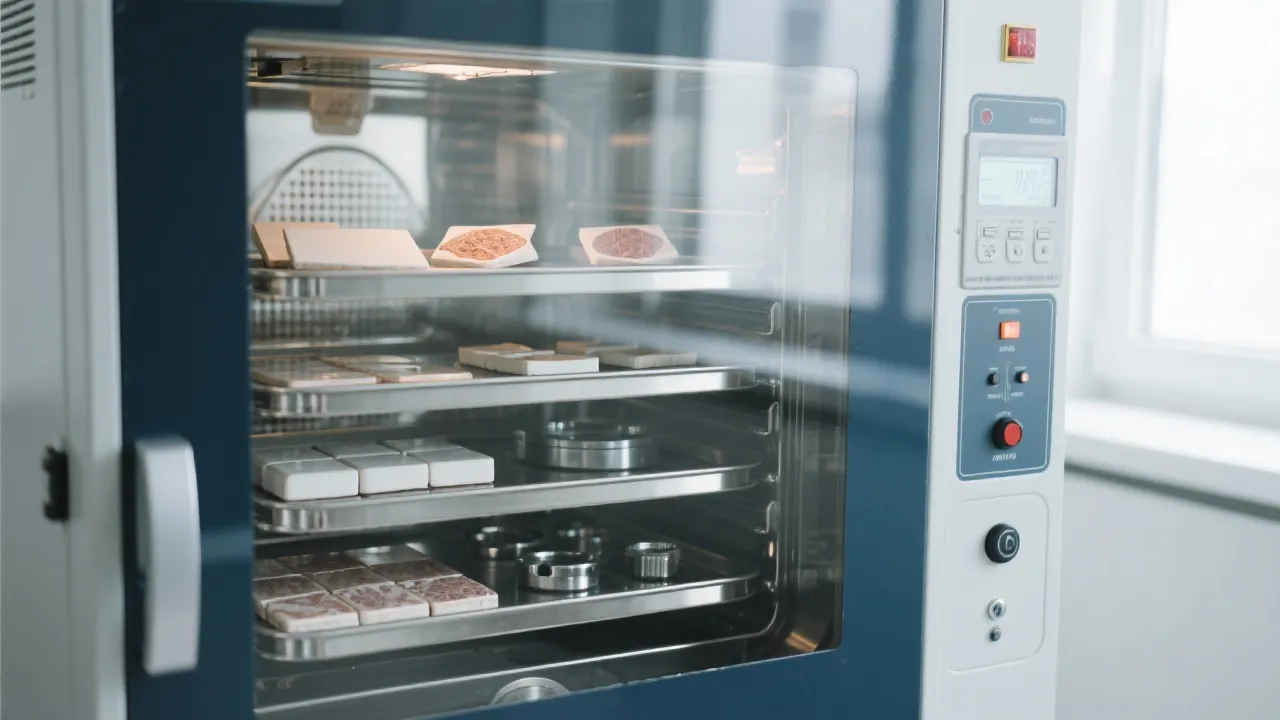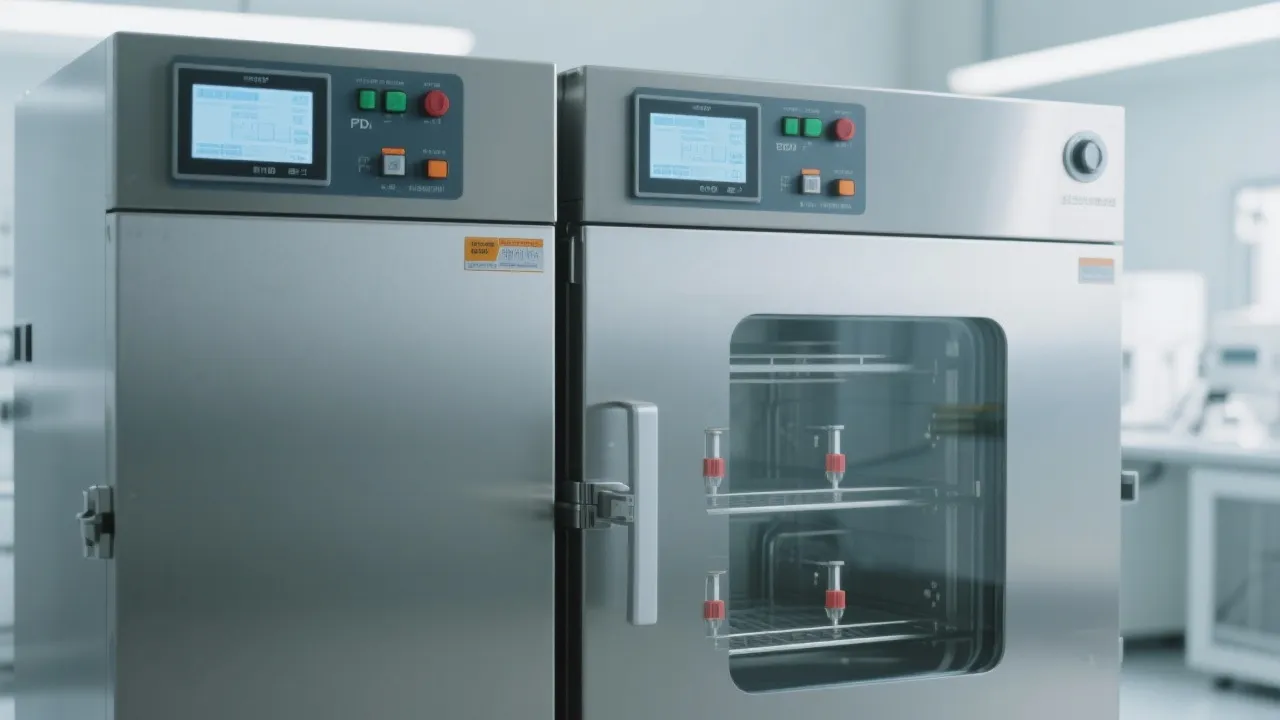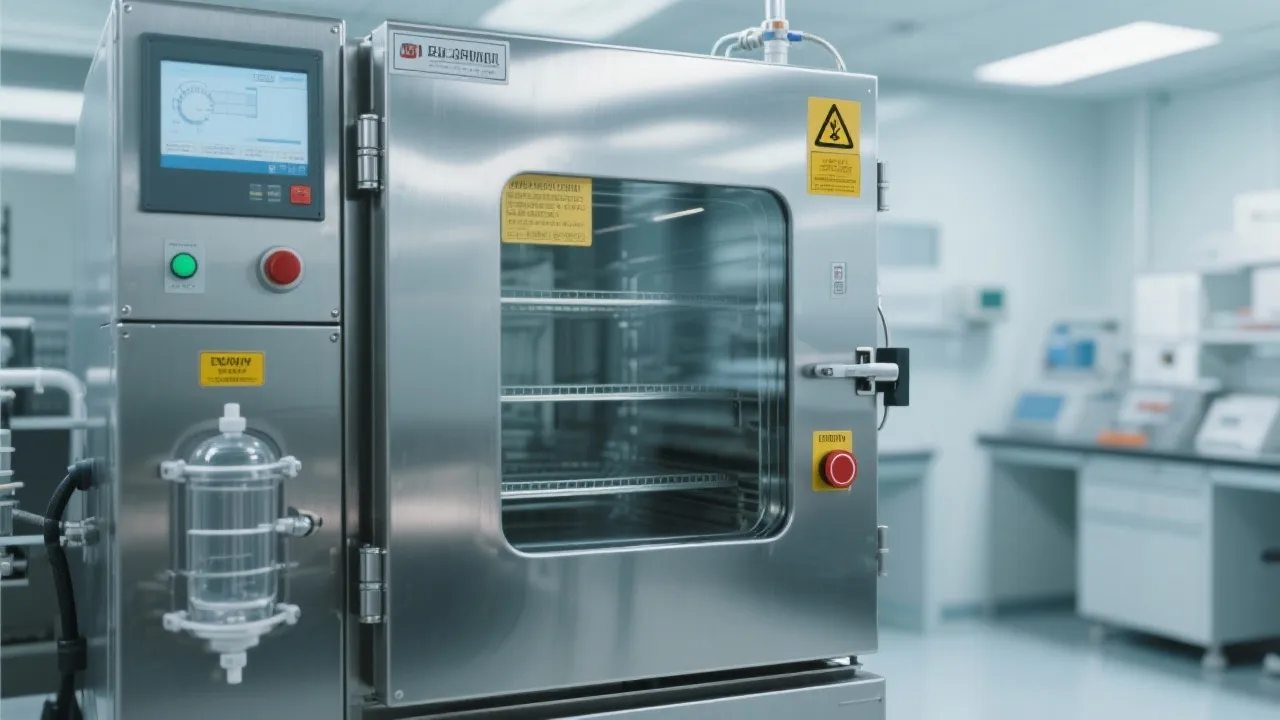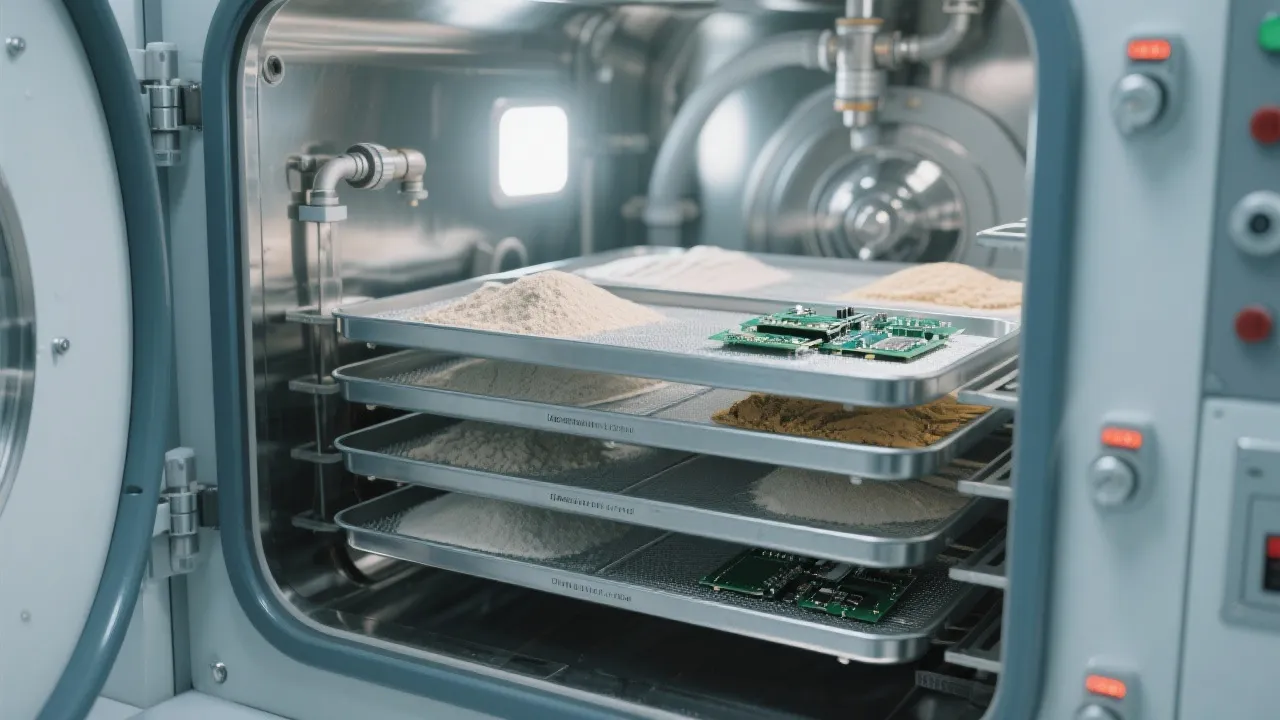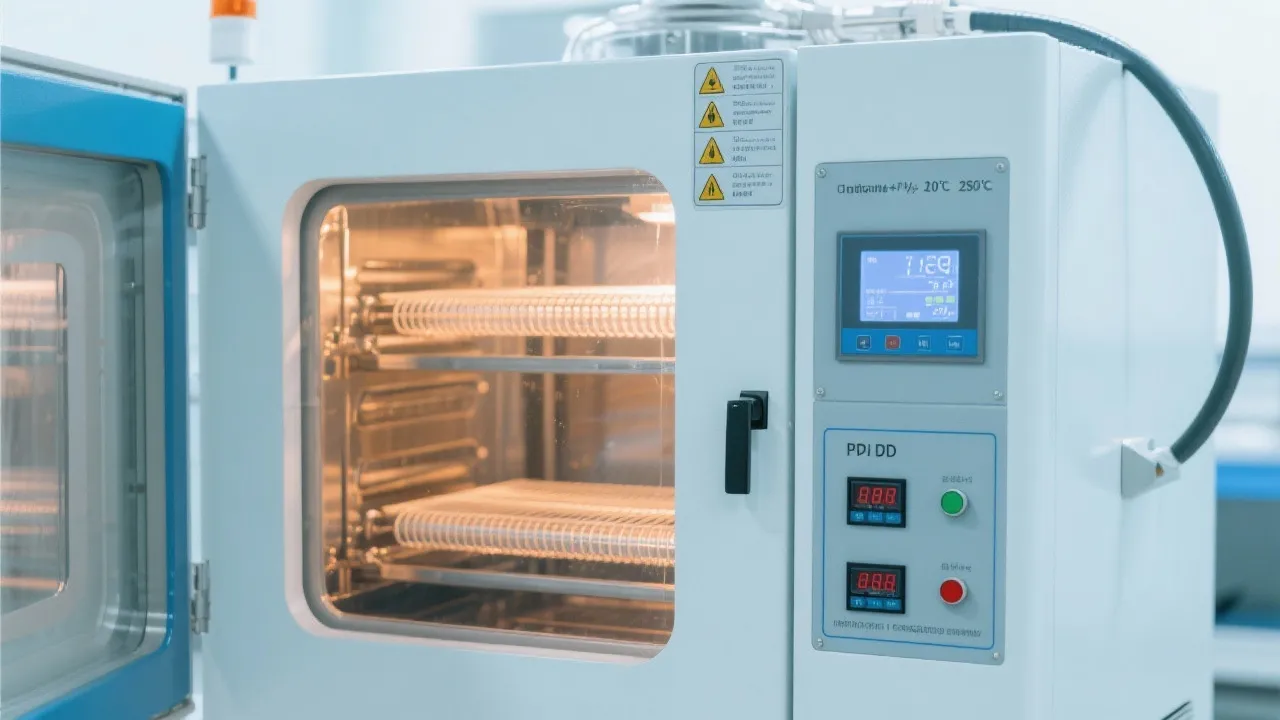
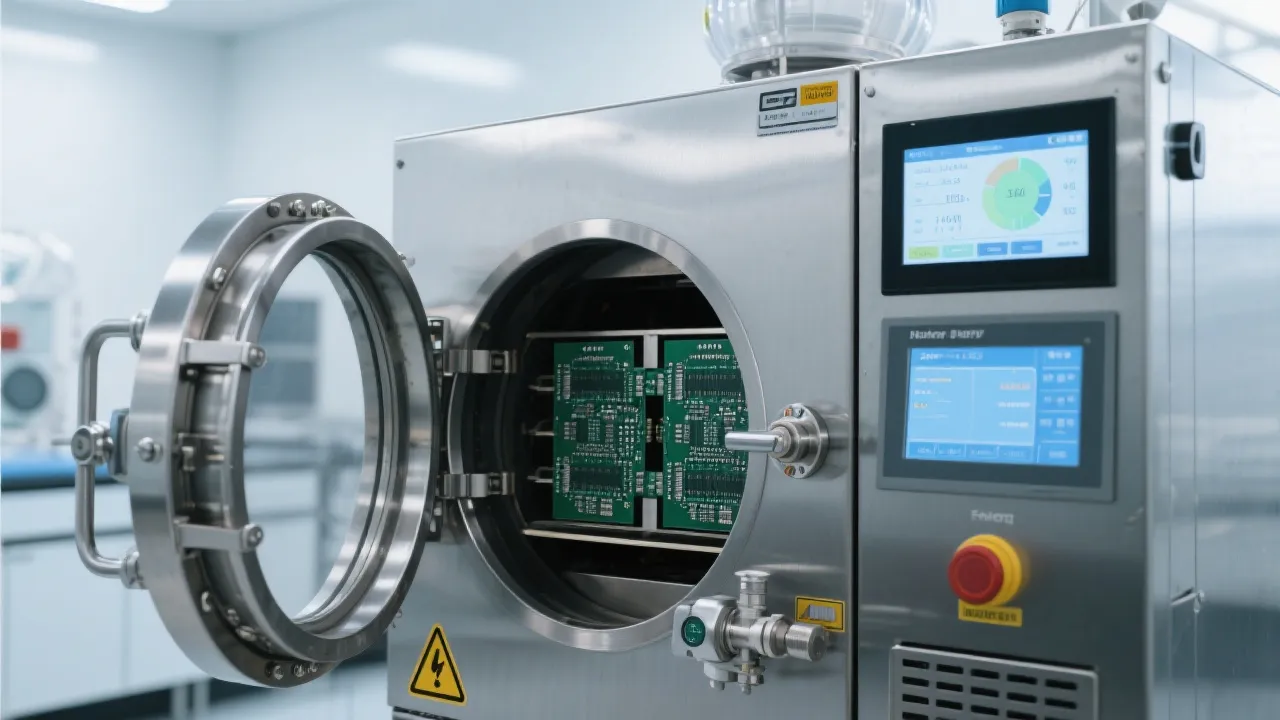
Vacuum drying stands at the forefront of precision laboratory sample preparation, especially when handling thermosensitive materials prone to degradation under conventional heat. By leveraging the physical principle of reduced boiling points under low pressure, vacuum drying minimizes thermal stress on samples, ensuring better preservation of integrity and chemical composition. This article delves deep into the mechanisms behind vacuum drying technology, its integration with advanced PID temperature control and robust vacuum pumps, and the engineering advantages such as 304 stainless steel construction and explosion-proof features that together enhance experimental reliability and safety.
At the core of vacuum drying is a simple yet powerful physical phenomenon: reducing ambient pressure lowers the boiling point of liquids. For example, water which normally boils at 100°C at atmospheric pressure, can boil at 40-50°C under a vacuum of approximately 100–200 mbar. This significant temperature reduction prevents heat-sensitive compounds—such as organic solvents, biological samples, and pharmaceutical agents—from thermal decomposition or oxidation.
Technical Insight: Lowering pressure to 100 mbar can reduce the boiling point of water to roughly 50°C, cutting the required drying temperature by half, thereby protecting fragile thermosensitive materials.
The accuracy of dried sample results critically depends on maintaining stable, precise temperatures. Modern vacuum drying ovens utilize Proportional-Integral-Derivative (PID) controllers, which continuously measure actual temperature and adjust heating elements dynamically. This closed-loop feedback system ensures fluctuations remain within ±0.5°C, greatly enhancing repeatability and precision in experiments.
Precise control minimizes overshoot and thermal lag common in simple on/off thermostatic systems, reducing sample risk of overheating or incomplete drying. This reliability is vital in sensitive applications such as organic synthesis and biomaterial dehydration, where small temperature variations can skew experimental outcomes.
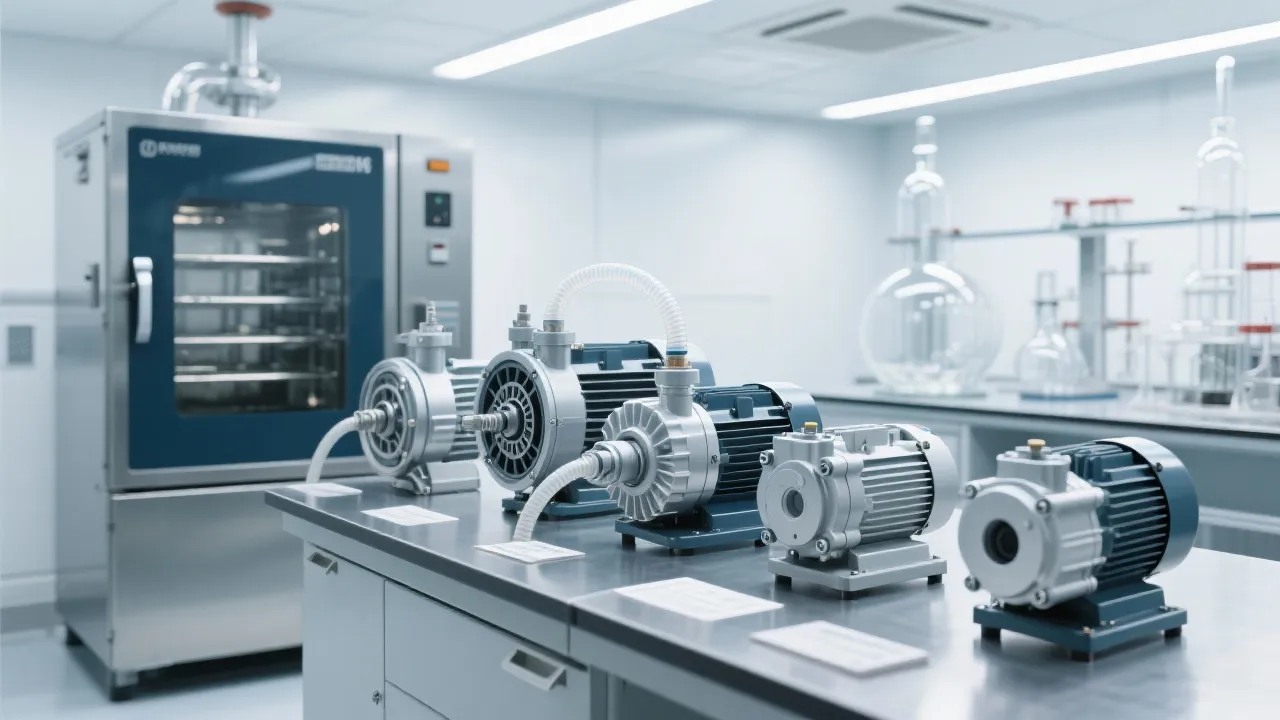
Efficient vacuum generation relies on selecting vacuum pumps with stable flow rates and low ultimate pressures. Pumps capable of reaching below 10 mbar steadily maintain the low-pressure environment, enabling swift moisture removal while preserving sample integrity.
Additionally, vacuum pumps with oil-sealed rotary vane or dry scroll technology are preferred due to their low vibration and reduced maintenance. Strong vacuum capacity directly correlates with drying cycle shortening and improved process uniformity, increasing laboratory throughput and accuracy.
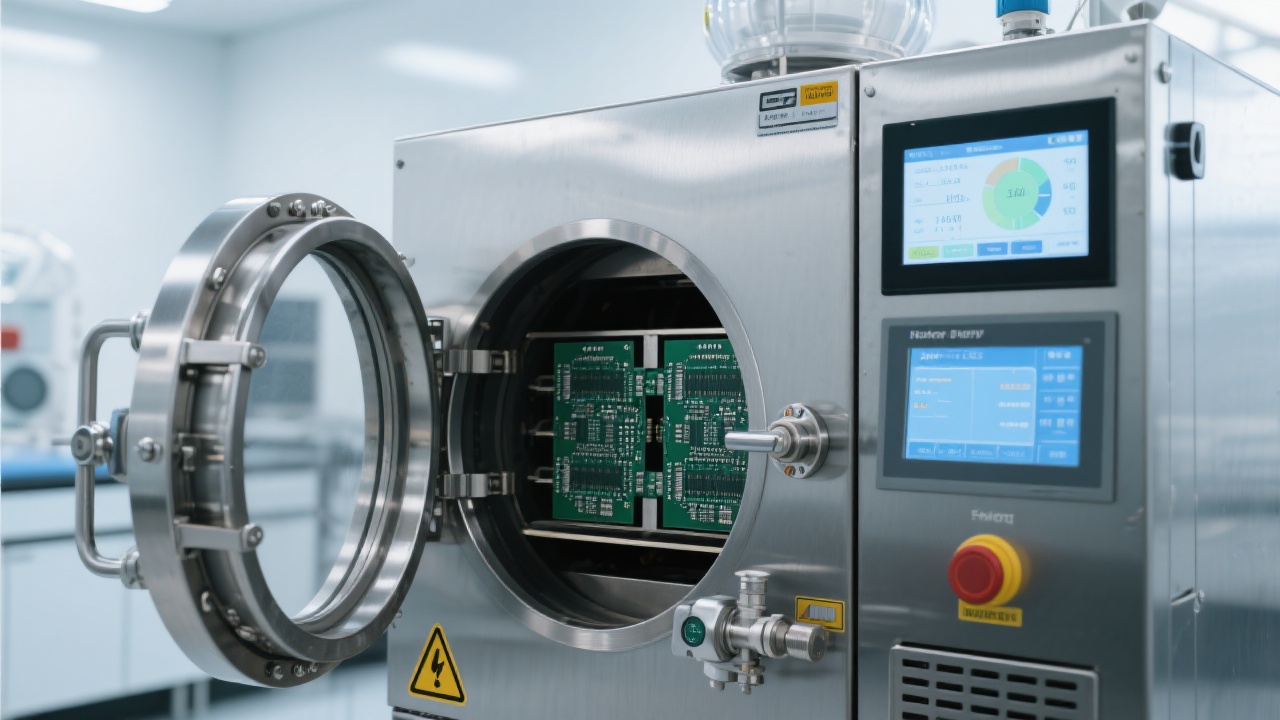
The internal chamber construction greatly affects longevity and sample purity. 304-grade stainless steel is widely adopted for its excellent corrosion resistance, ease of cleaning, and inertness, minimizing contamination risks during drying cycles.
Furthermore, explosion-proof configurations safeguard operators and equipment when drying potentially volatile or flammable samples. Features include spark-proof electrical components and reinforced sealing mechanisms compliant with international safety standards.
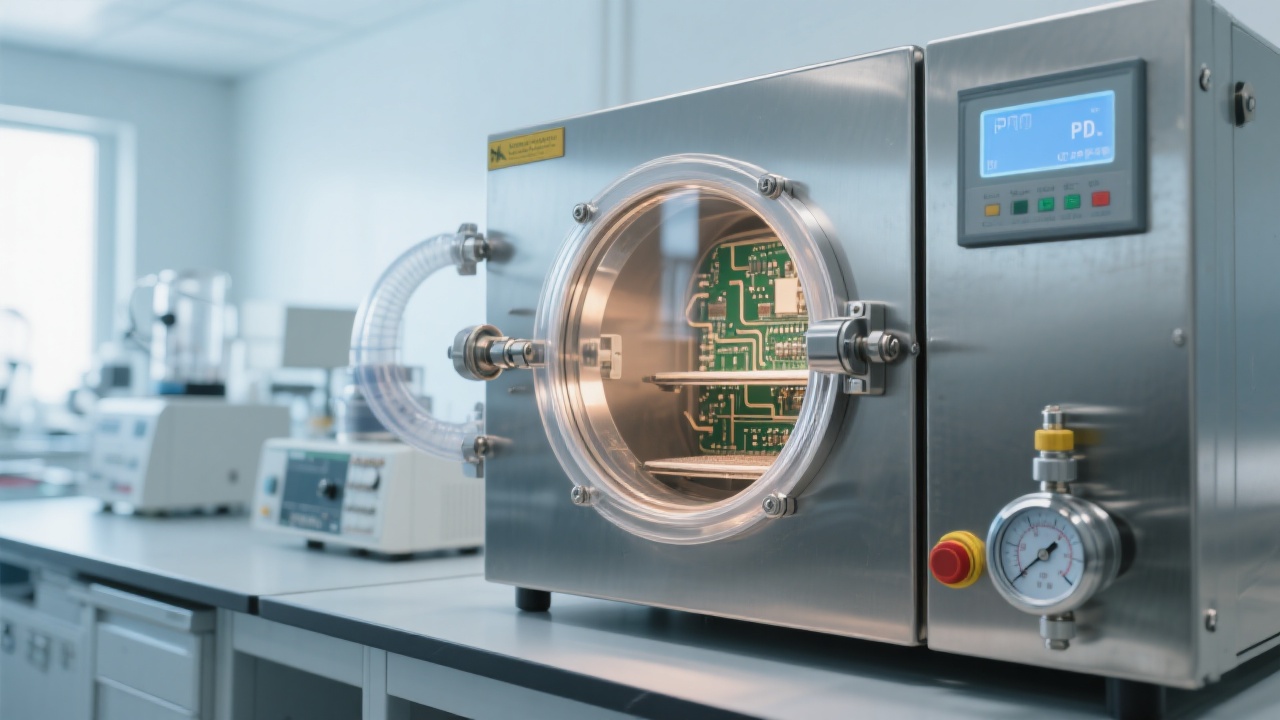
Vacuum drying ovens are indispensable across various experimental scenarios demanding precise moisture removal without altering compound structures:
Experienced laboratory managers report typical drying time reductions by 30-40% when switching from conventional ovens to vacuum drying systems, coupled with improved reproducibility of sensitive assays.