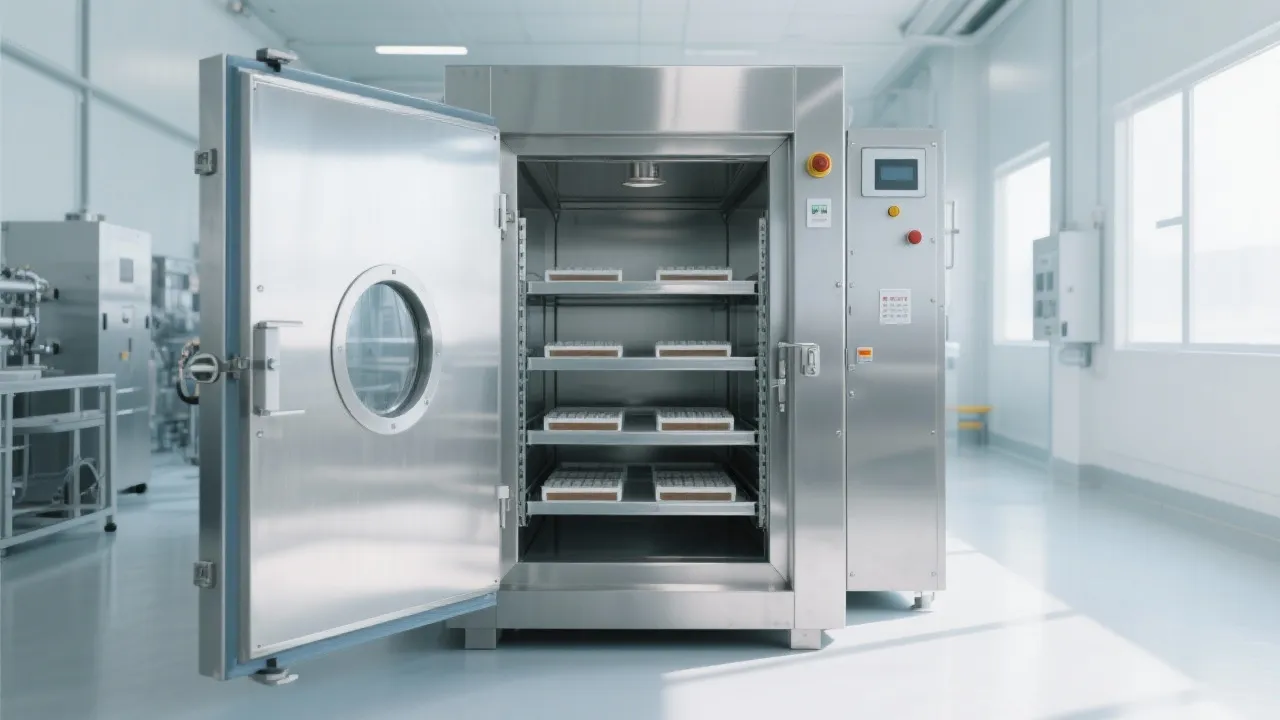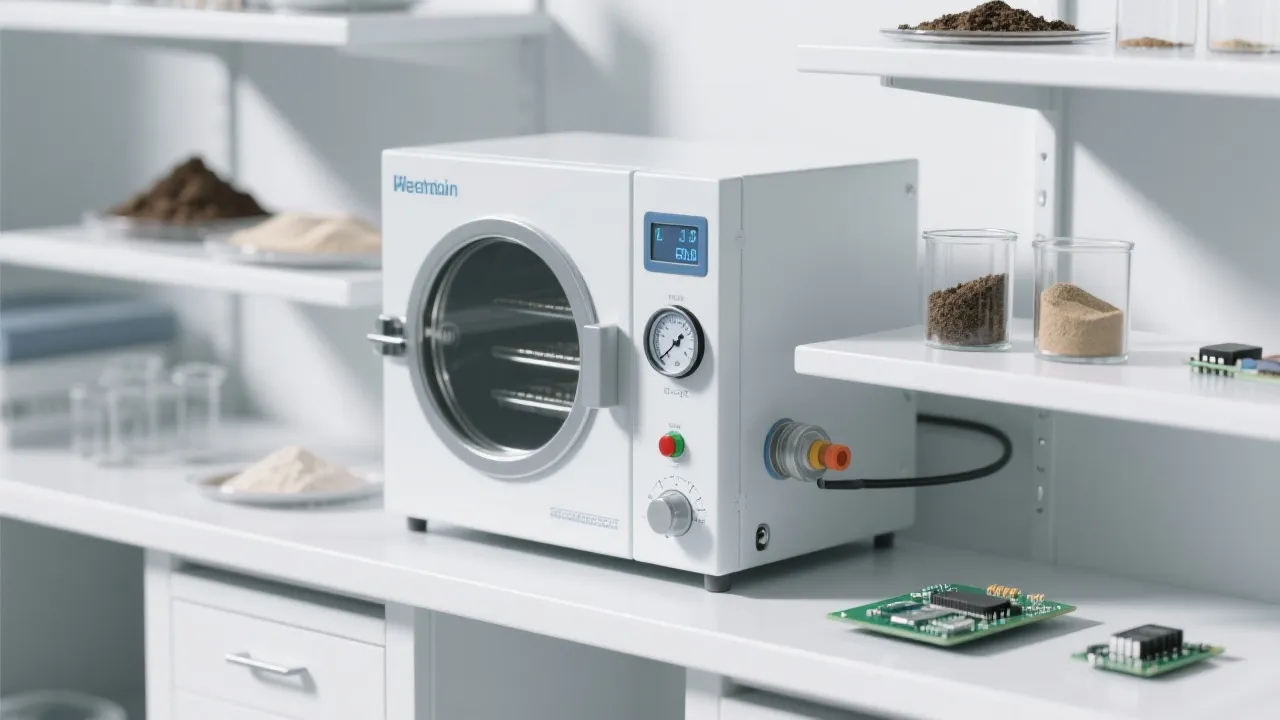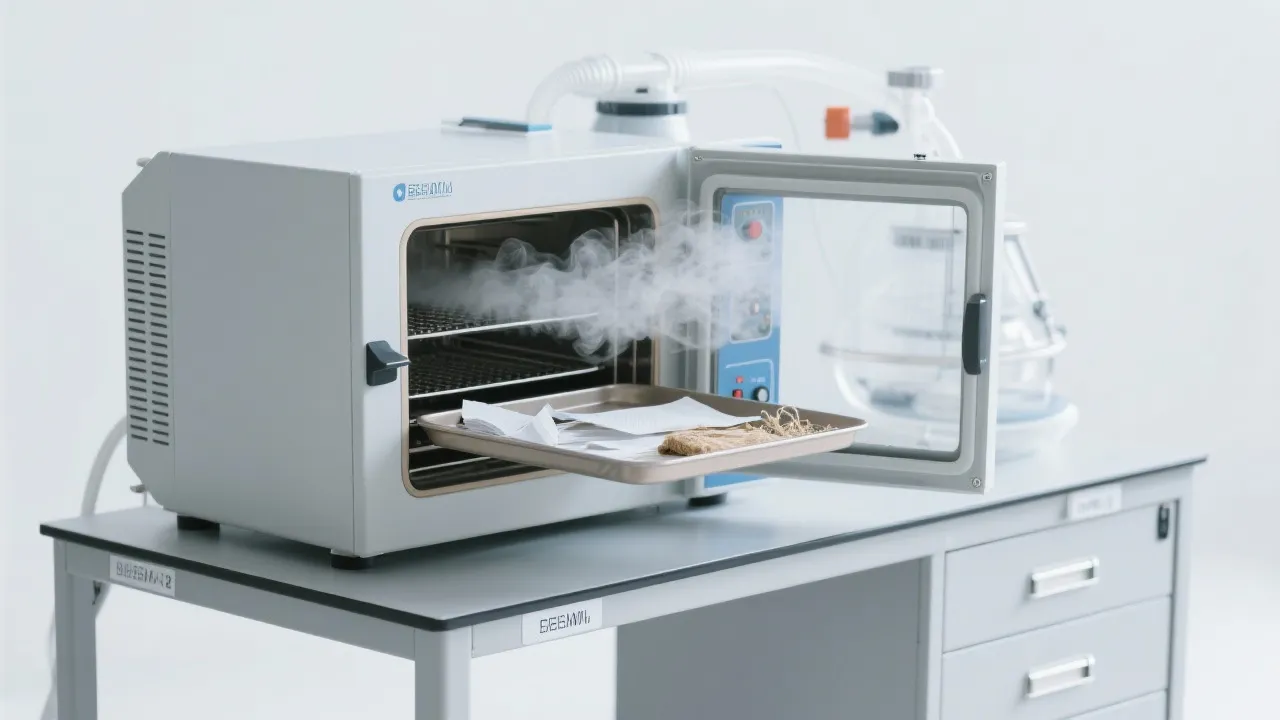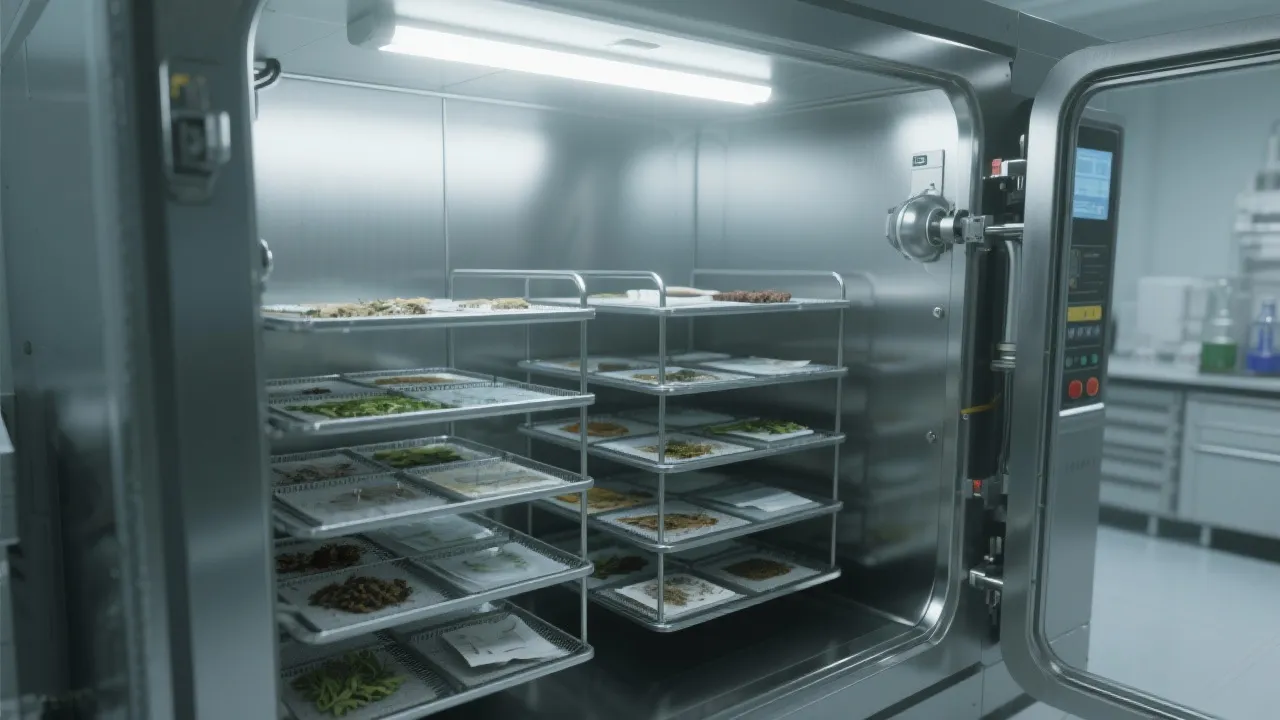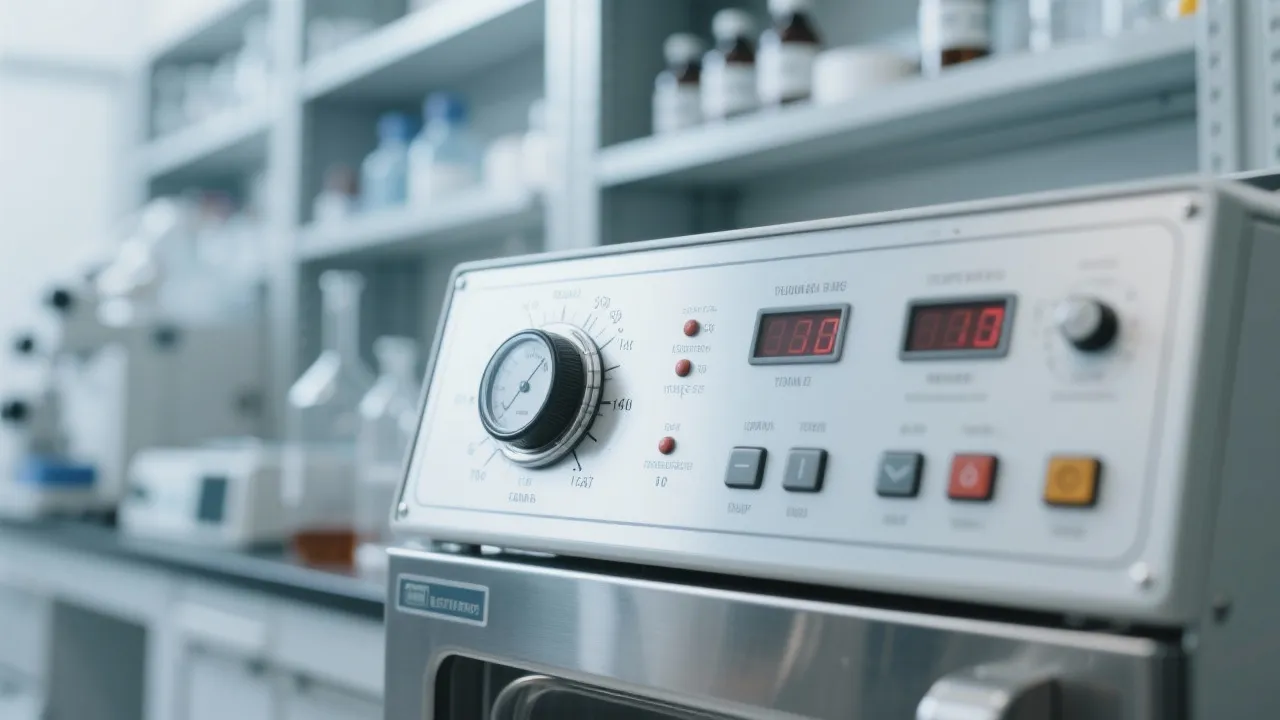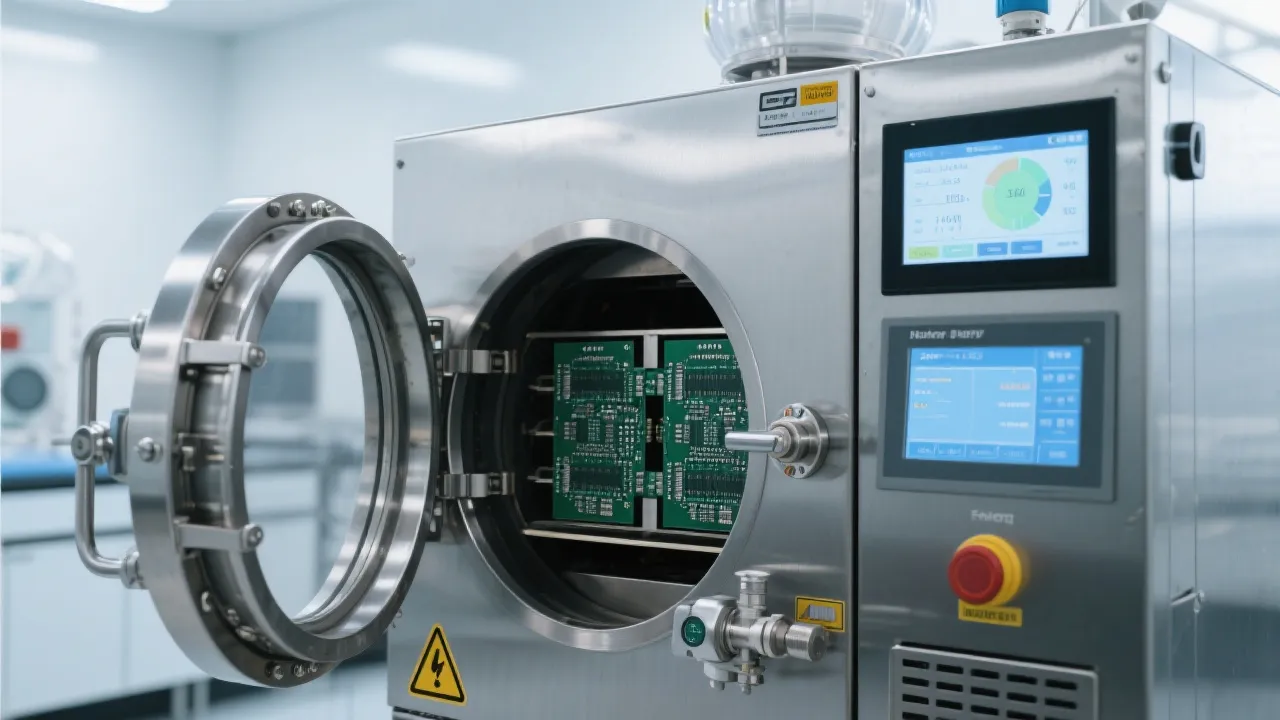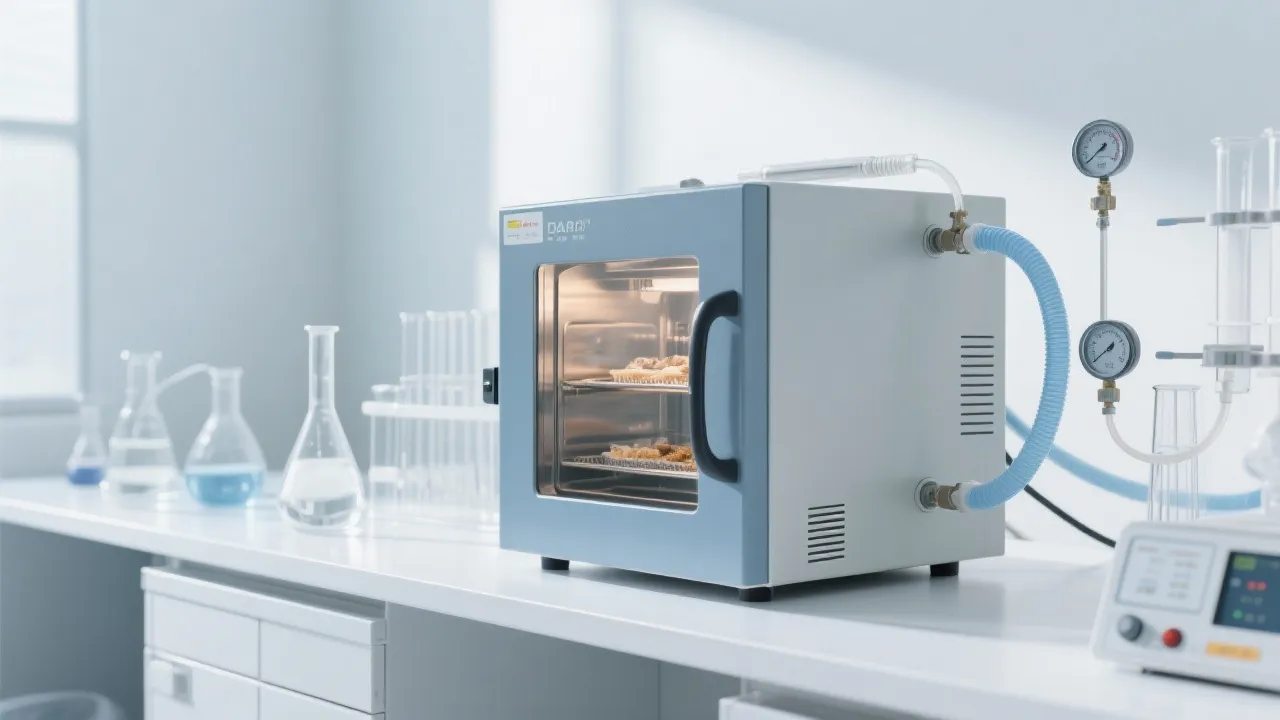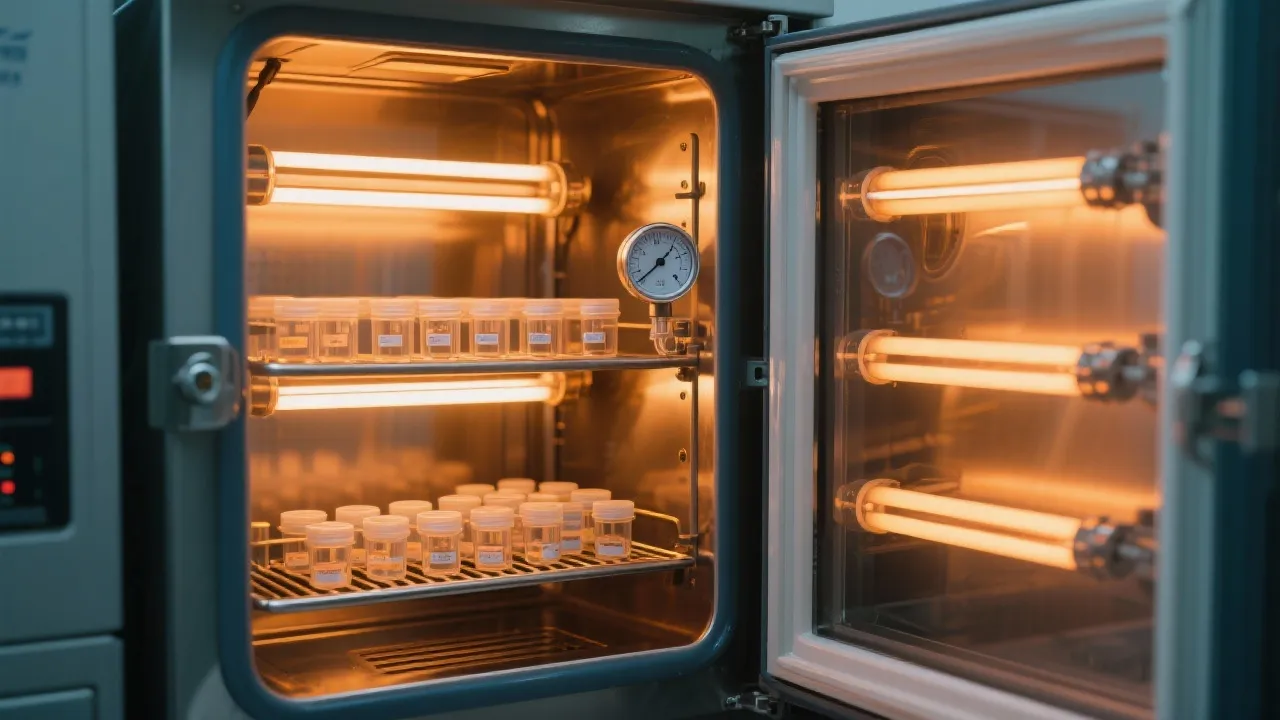
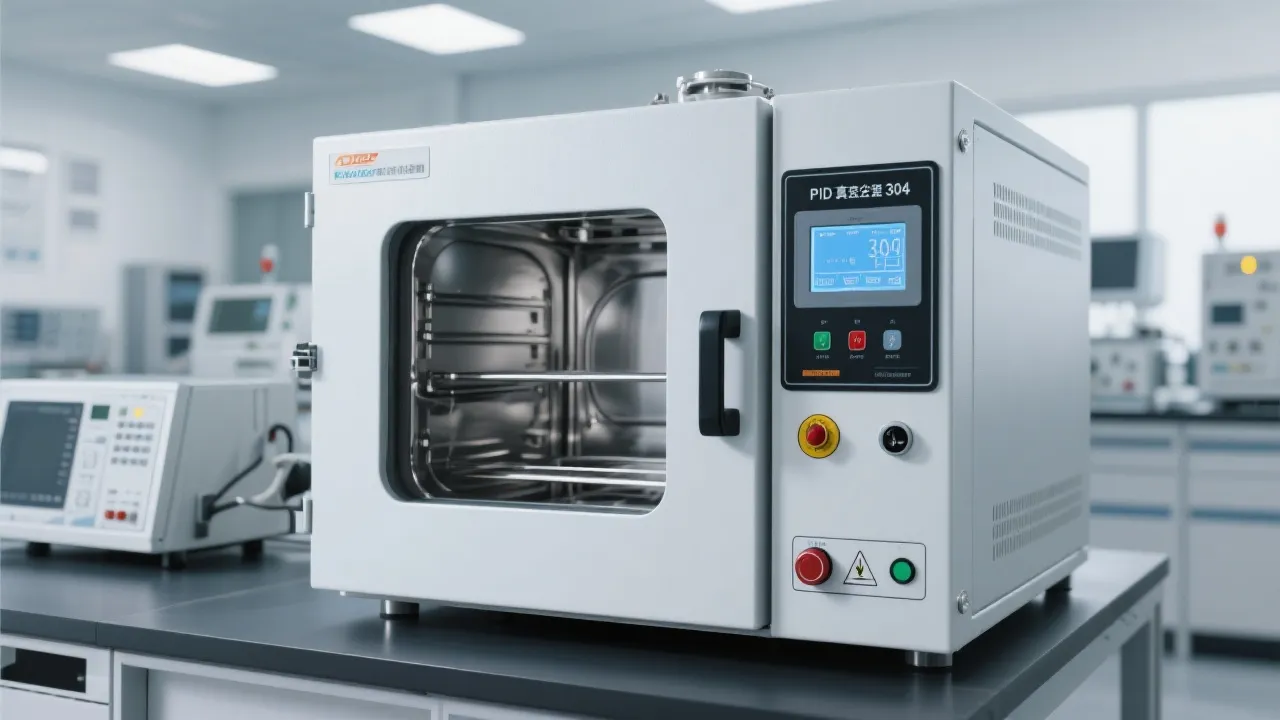
In the high-precision world of electronic component production, moisture control isn't just a detail—it's a make-or-break factor. Traditional drying methods often fall short when it comes to removing residual water from sensitive materials like PCBs, capacitors, and semiconductors. That’s where vacuum drying technology shines, offering a scientifically sound solution rooted in fundamental physics.
At standard atmospheric pressure (101.3 kPa), water boils at 100°C. But under vacuum conditions—typically between 1–10 kPa—the boiling point drops dramatically. For example, at 5 kPa, water evaporates at around 30°C. This means delicate components can be dried safely without thermal stress or deformation. According to research published in Journal of Materials Processing Technology, this principle improves drying efficiency by up to 40% compared to conventional ovens, especially for hygroscopic materials used in advanced electronics.
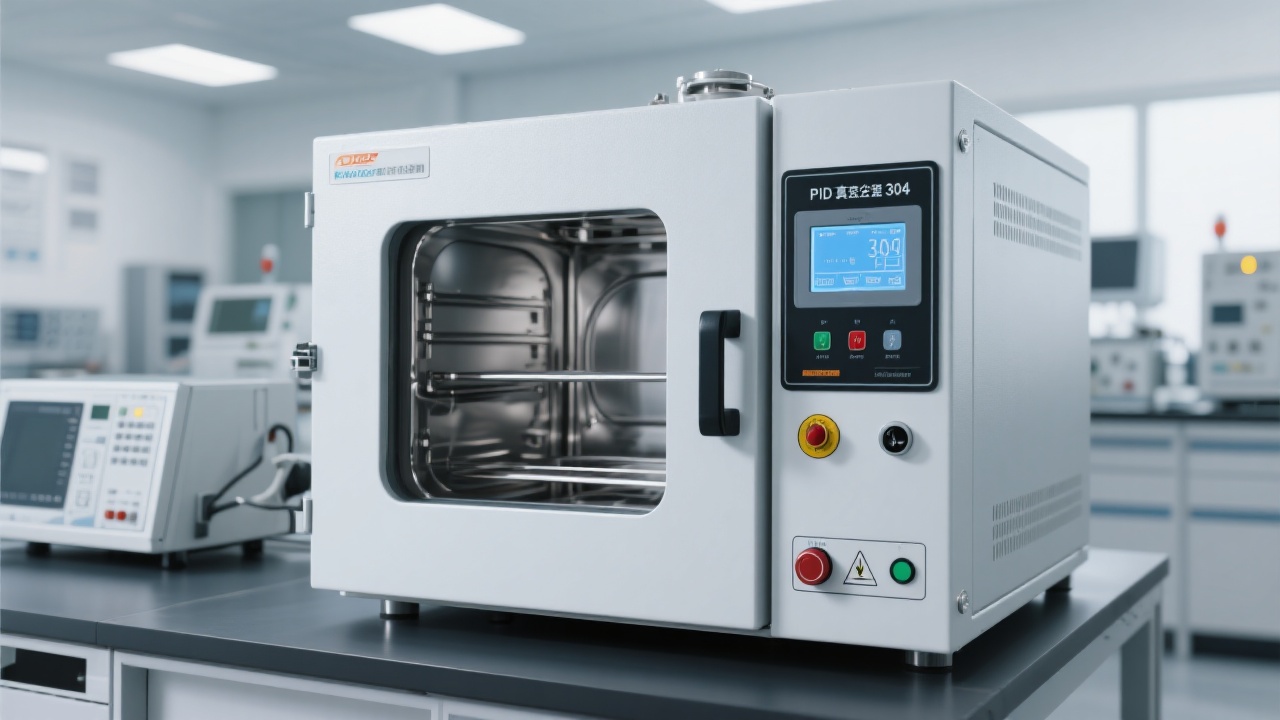
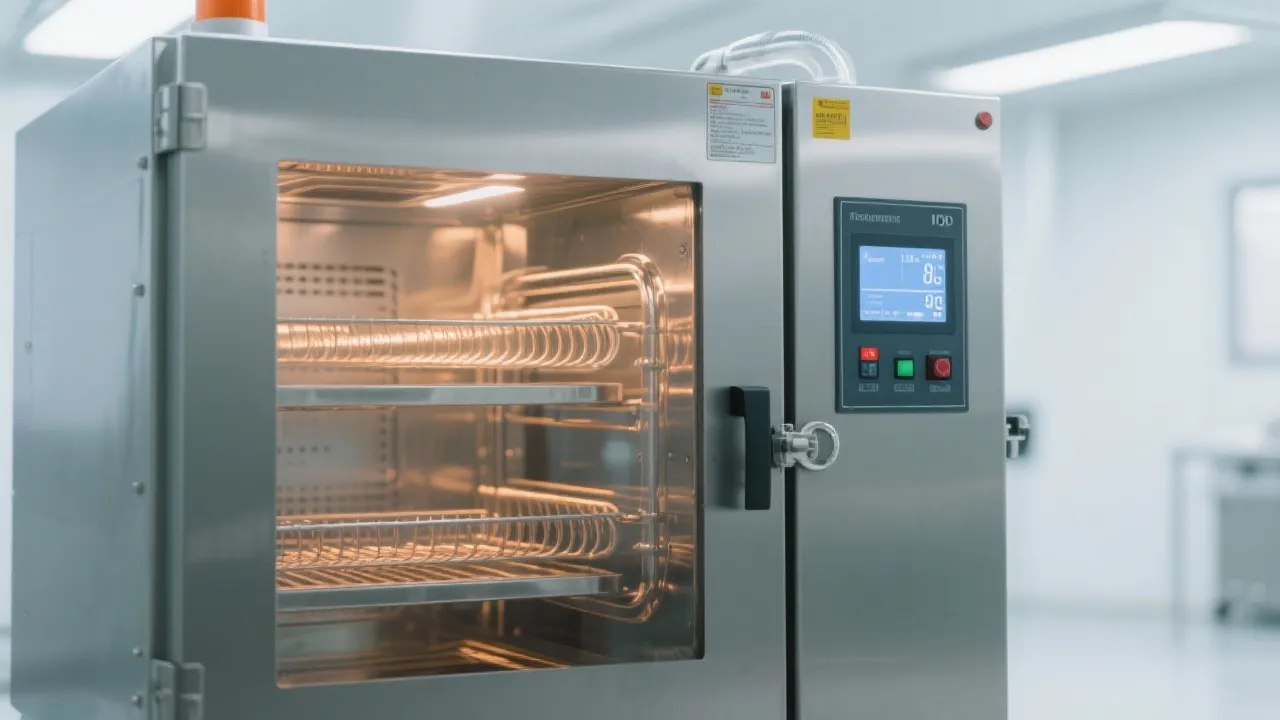
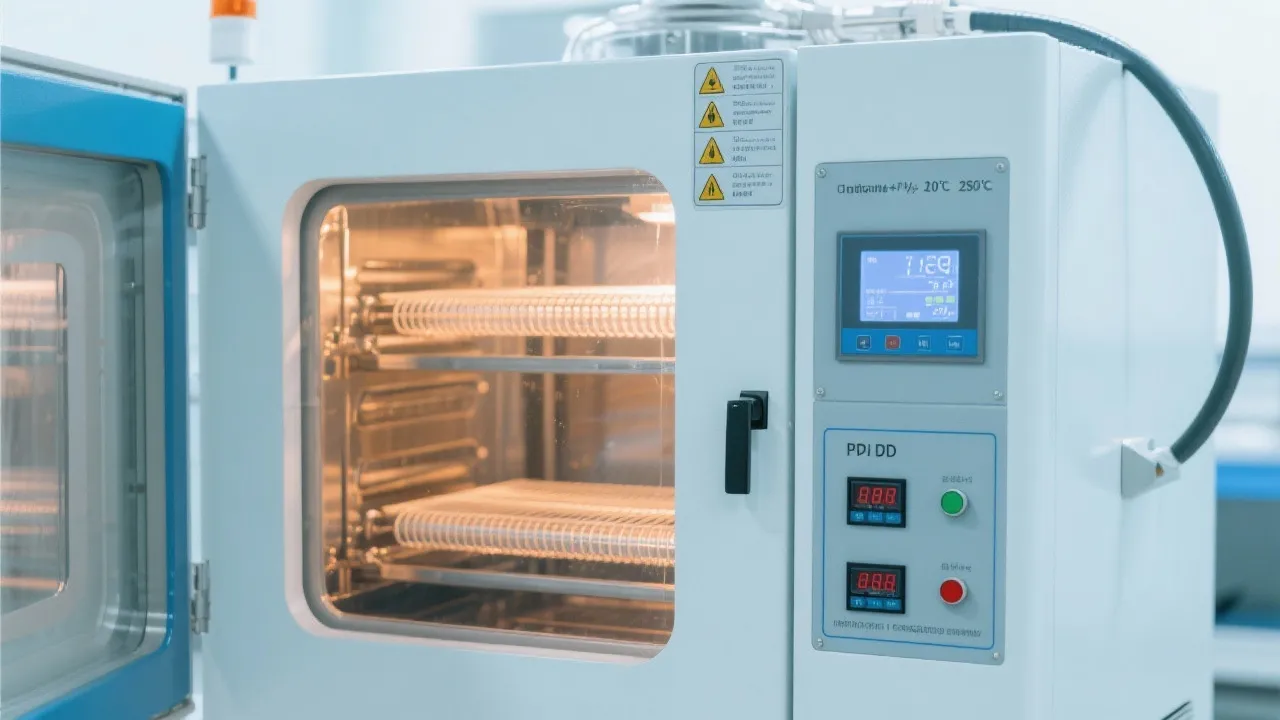
Modern vacuum dryers like the DZ-2BCII integrate dual-zone PID temperature control systems that maintain consistency within ±0.1°C across the chamber. This level of precision ensures uniform drying—critical for batch-to-batch repeatability in manufacturing environments. A study by IPC (Institute for Printed Circuits) found that even a 1°C variation in drying temperature can increase solder joint defects by up to 15%, particularly in fine-pitch SMT assemblies.
“CE-certified industrial vacuum dryers must meet EN 61010-1 safety standards for electrical equipment used in laboratories and production lines.” — European Commission Directive 2006/42/EC
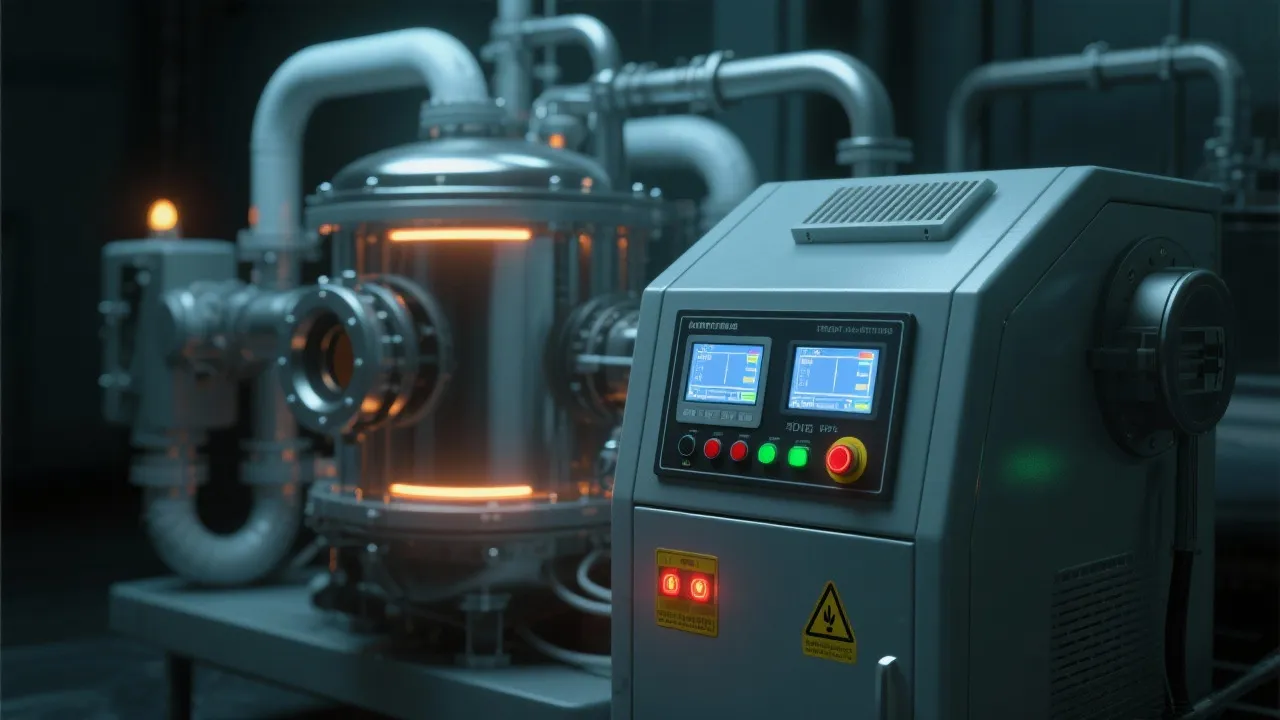
High-vacuum processes carry risks—notably overheating or sudden pressure release. The DZ-2BCII includes multiple safeguards: an automatic door lock mechanism, over-temperature alarm with shutdown, and a reinforced anti-explosion glass window rated for 1.5 MPa internal pressure. These aren’t optional—they’re essential for compliance with ISO 14122 and OSHA workplace safety regulations in North America and Europe.
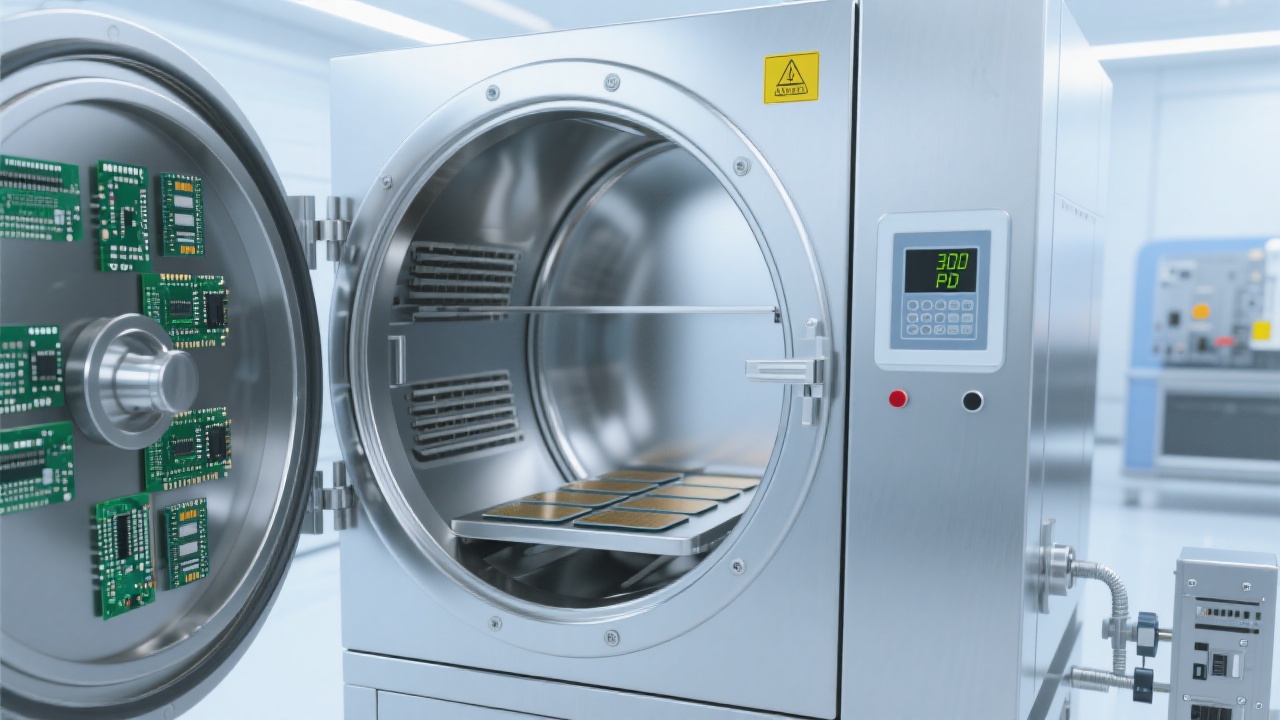
Vacuum drying isn’t limited to electronics. In pharmaceutical labs, it’s used to preserve active ingredients during lyophilization. In aerospace manufacturing, it removes trapped gases from composite materials before bonding—a process known as “degassing.” The ability to operate at low temperatures while achieving deep dehydration makes this method indispensable for both R&D and mass production.
Programmable drying cycles with memory recall after power interruption ensure continuity in critical operations—no more restarting entire batches due to unexpected outages. This feature alone has reduced downtime by an average of 30% in user reports from semiconductor facilities in South Korea and Germany.