In high-precision electronics manufacturing, moisture control is not just a step—it’s a make-or-break factor. The right drying process can reduce defects by up to 30%, improve solder joint reliability, and extend product lifespan. But how does vacuum drying achieve this? Let’s break it down.
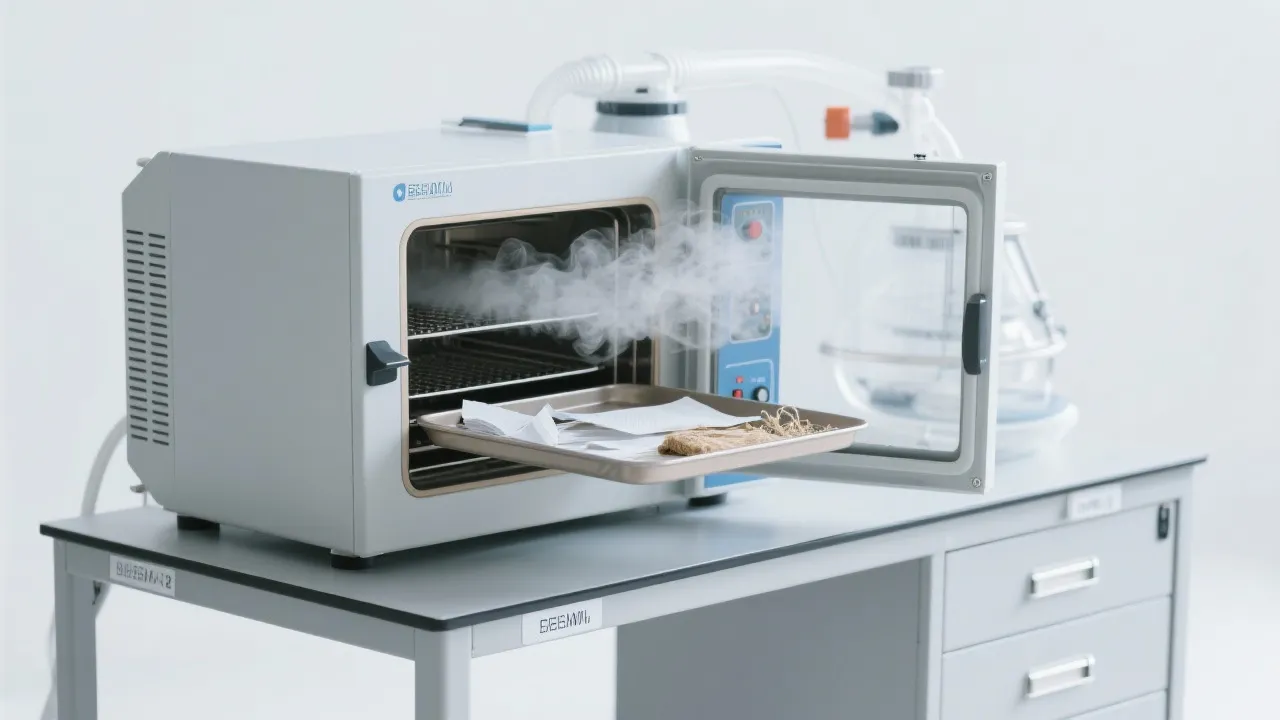
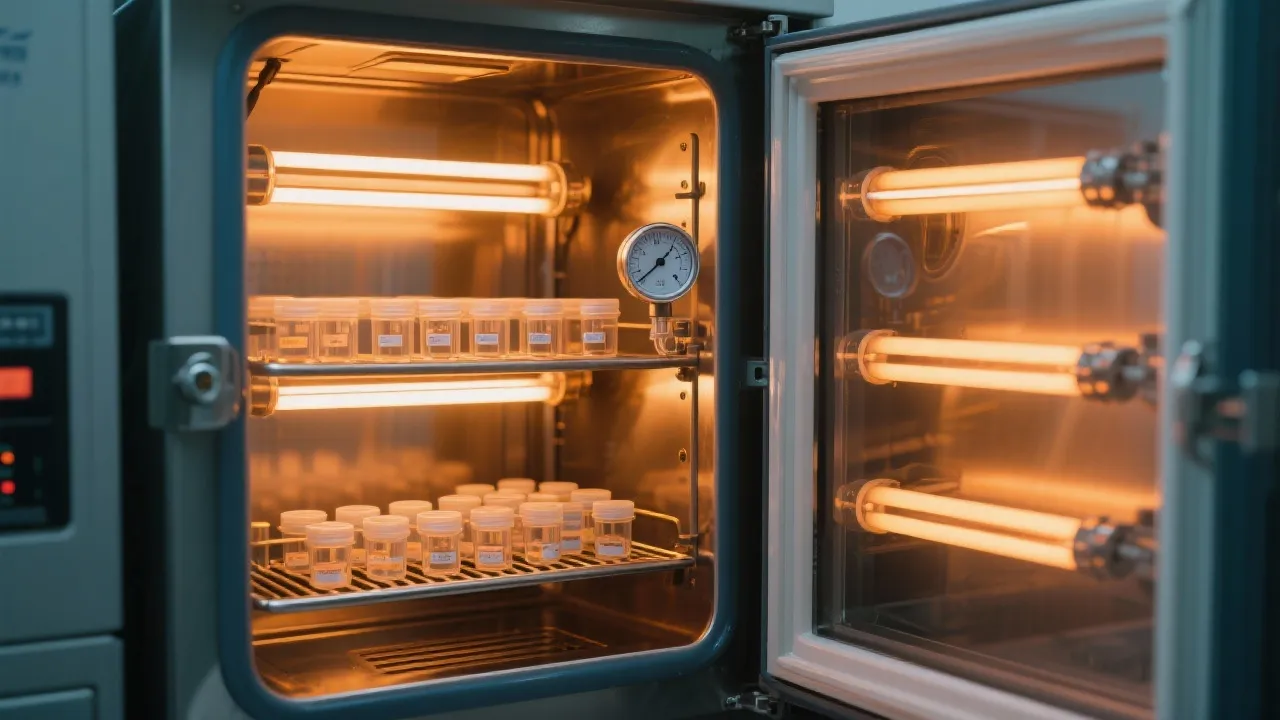
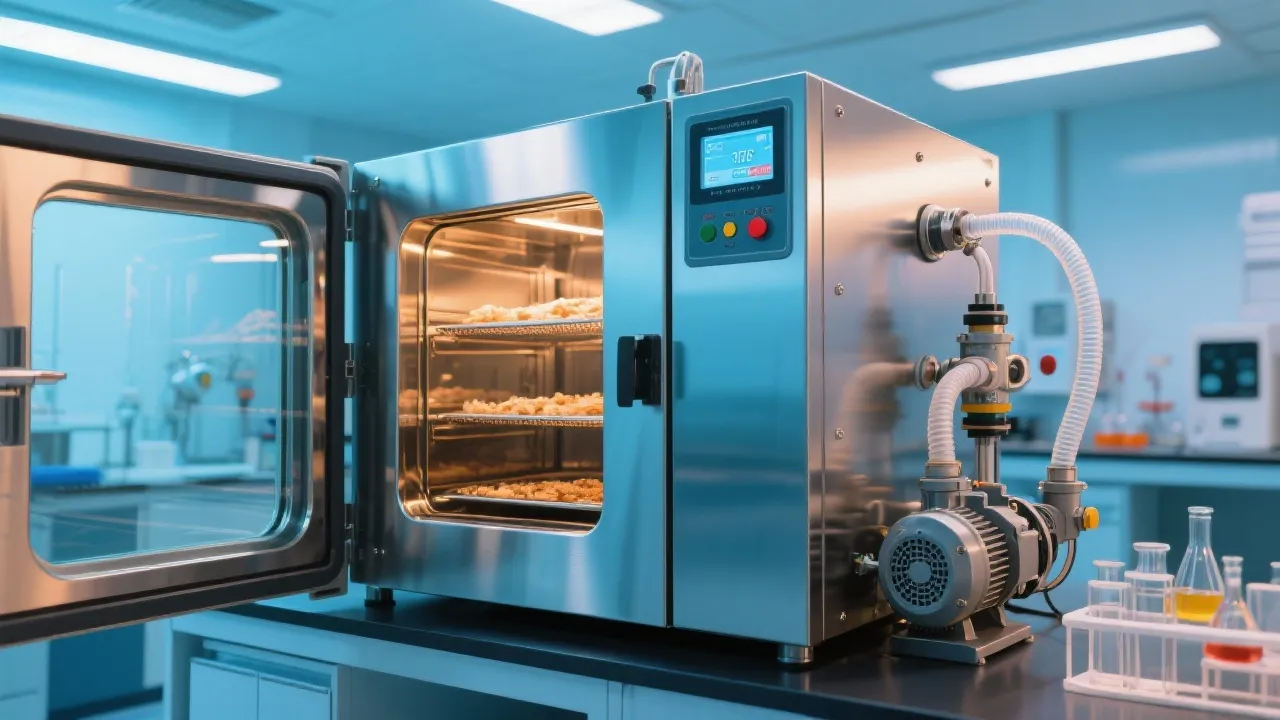
At standard atmospheric pressure, water boils at 100°C—but under vacuum (typically 10–100 mbar), it evaporates at temperatures as low as 30–50°C. This means sensitive components like PCBs, capacitors, or ceramic substrates can be dried without thermal stress. According to IPC-TM-650, controlled vacuum drying reduces oxidation risk by over 75% compared to air-based methods.
“For advanced semiconductor packaging, vacuum drying isn’t optional—it’s foundational.” — Dr. Lena Chen, Senior Process Engineer at ASML
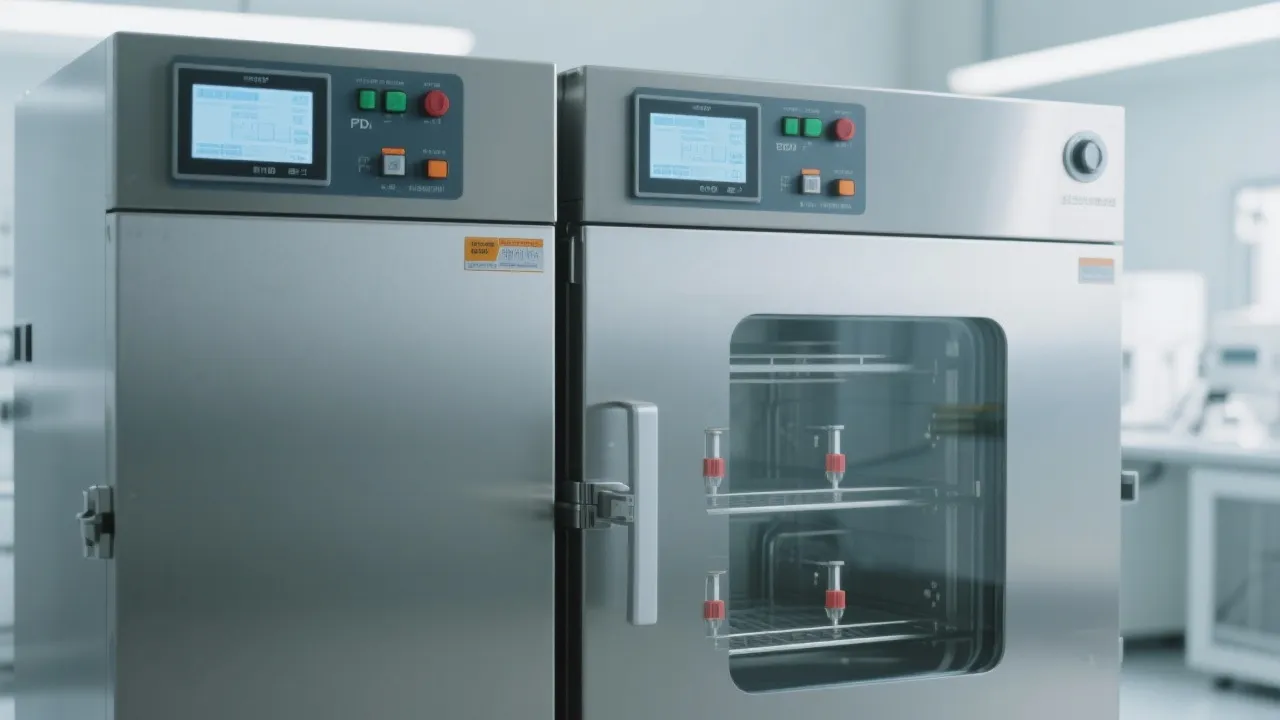
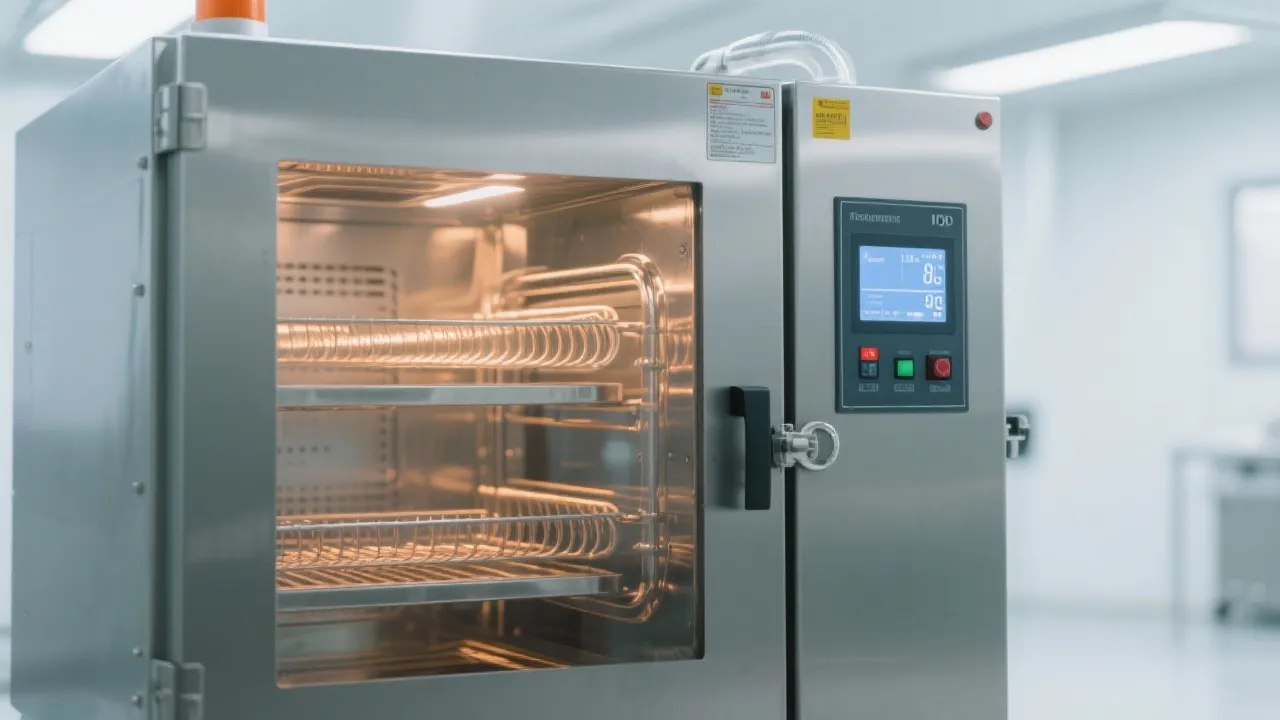
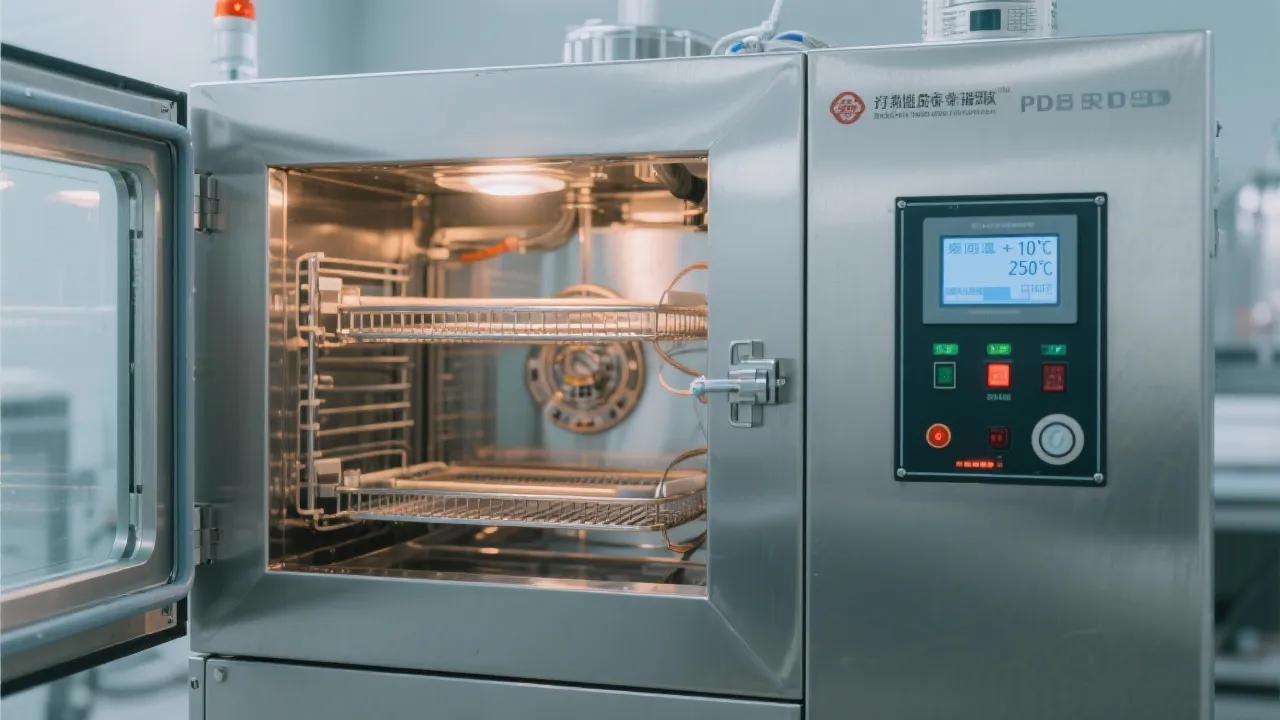
Modern systems like the DZ-2BCII vacuum dryer feature dual-zone PID temperature control with ±0.1°C accuracy. This ensures uniform heat distribution across batches—critical for materials like flexible circuits or polymer-based substrates that react differently to uneven heating. In real-world applications, users report a 20–25% reduction in batch rejection rates after switching from conventional ovens to vacuum drying.
Traditional hot-air dryers often leave residual moisture trapped in microstructures or cause surface oxidation due to oxygen exposure. Vacuum drying removes moisture efficiently while maintaining an inert environment—ideal for hygroscopic materials such as LCP films or BGA packages. It also minimizes outgassing during subsequent processes like reflow soldering.
A recent survey of 150+ EMS providers found that 83% preferred vacuum drying for pre-soldering steps because it improves yield consistency and reduces post-process failures—a key metric in automotive-grade electronics production.
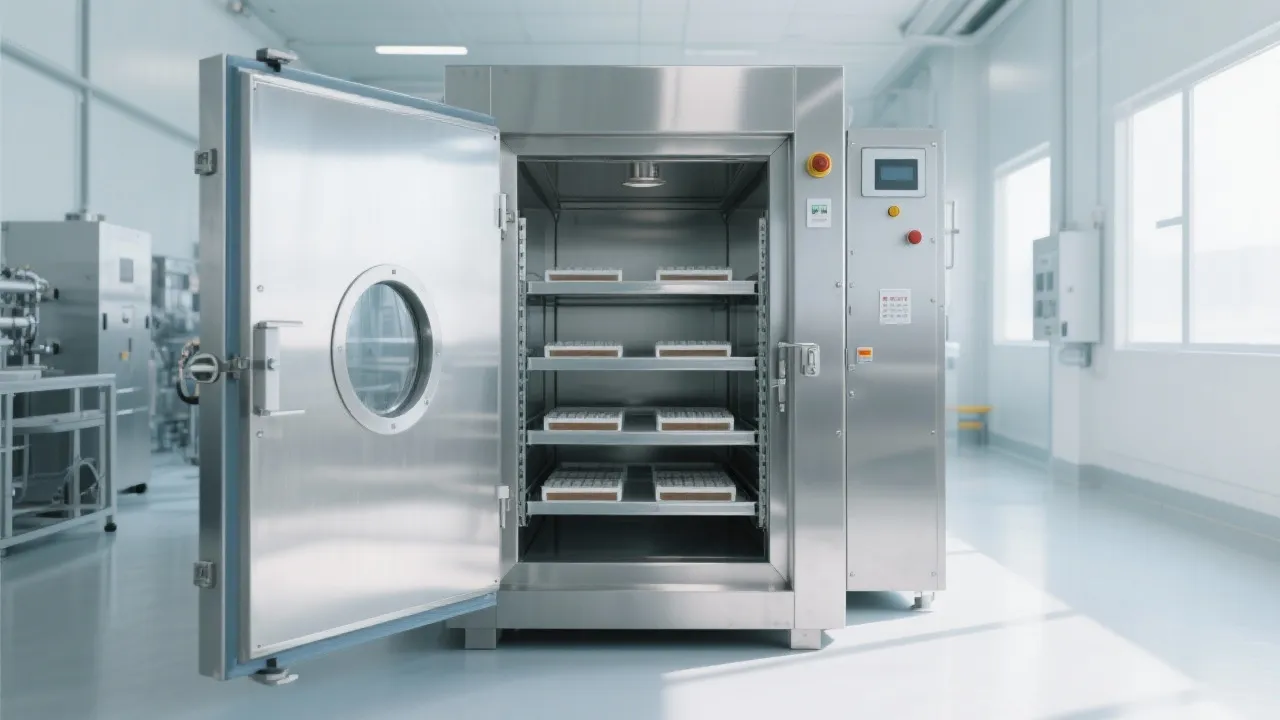
The DZ-2BCII model has been deployed in factories across Europe, North America, and Southeast Asia. With CE certification and customizable chamber sizes (from 5L to 100L), it supports both R&D prototyping and full-scale production runs. Its intelligent safety features—including automatic pressure monitoring and emergency venting—make it suitable for continuous operation in cleanroom environments.
Whether you're facing inconsistent drying results, unexplained short circuits, or slow throughput, optimizing your vacuum drying protocol could be the missing link. Start by evaluating your current setup against these three pillars:
Have you experienced drying inconsistencies? Share your challenge in the comments—we’ll help you identify potential root causes based on industry best practices.
Explore how the DZ-2BCII vacuum drying system helps global manufacturers achieve higher yields and better process control—no matter the scale.
See How DZ-2BCII Works in Your Line