How Vacuum Drying Technology Efficiently Evaporates Moisture in Low-Pressure Environments
19 03,2026
Zhengzhou Keda Mechanical Instrument Equipment Co., Ltd.
Tutorial Guide
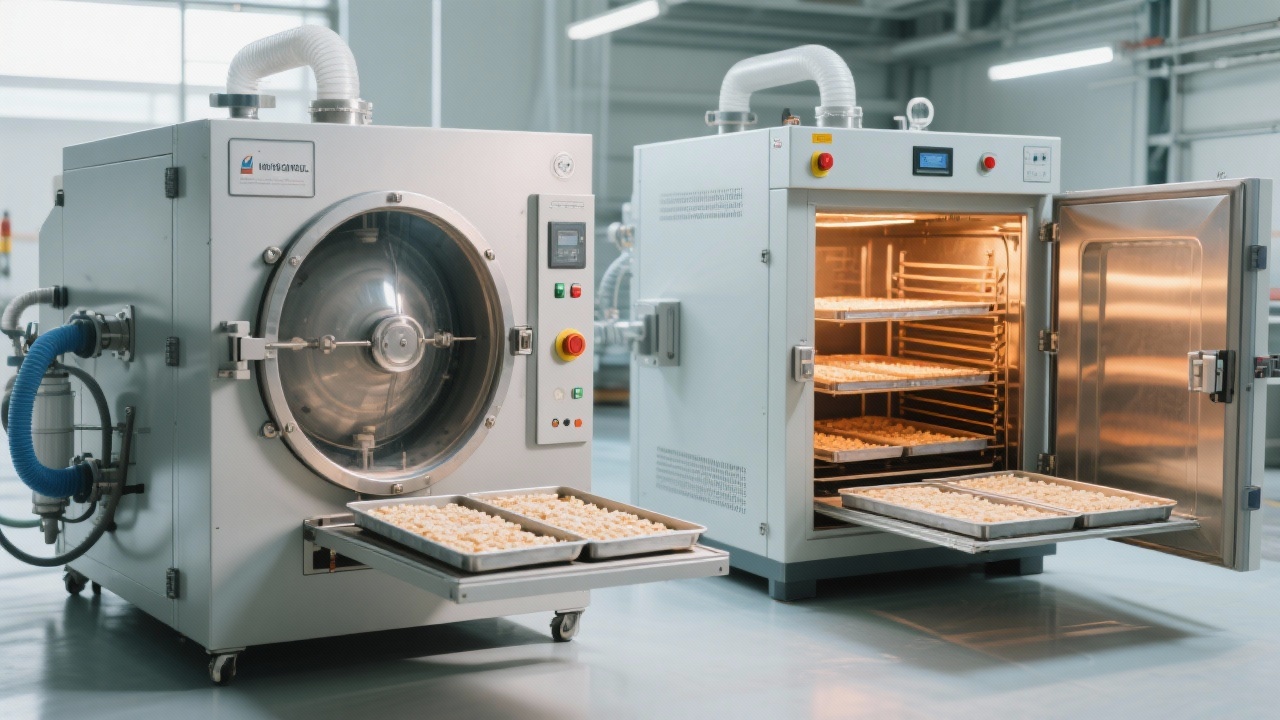
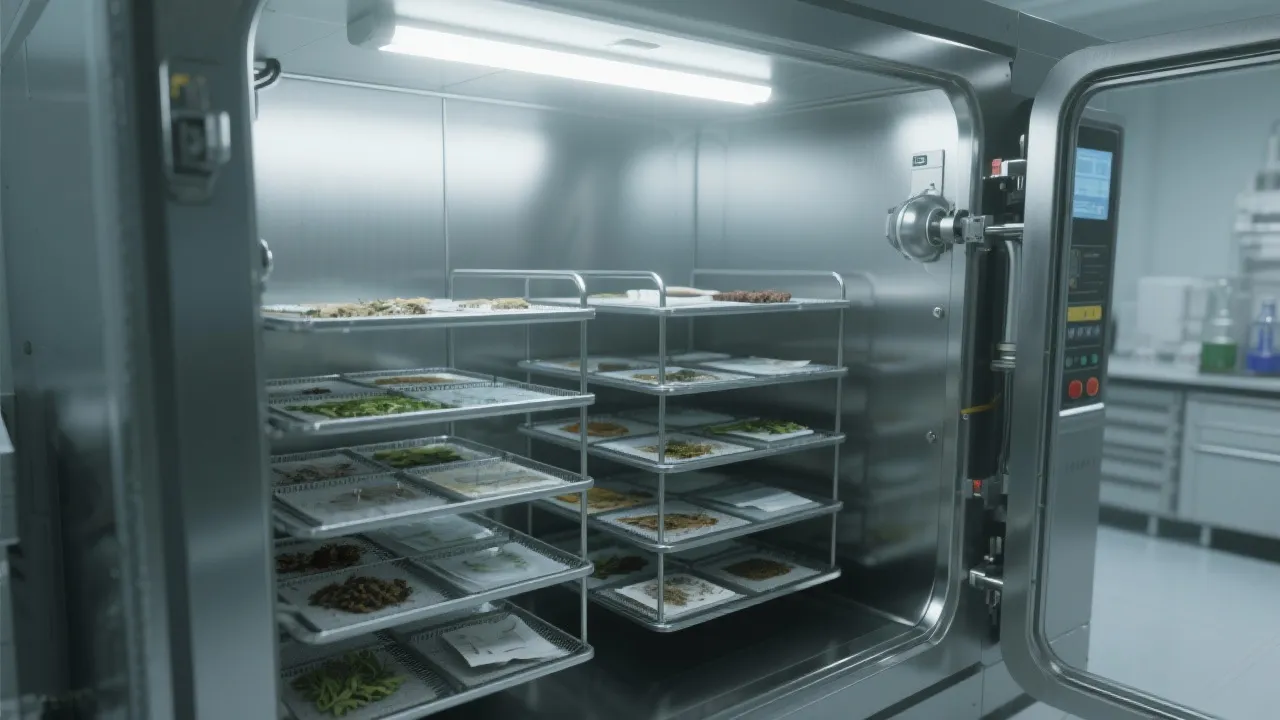
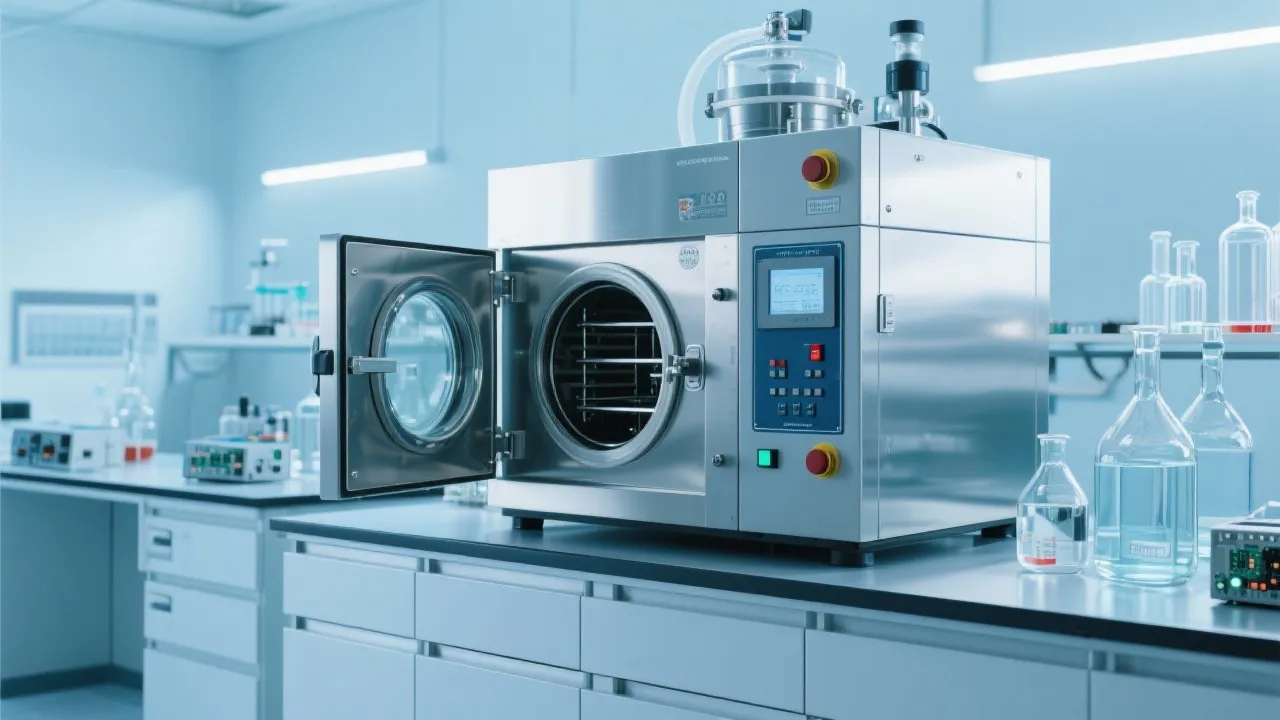
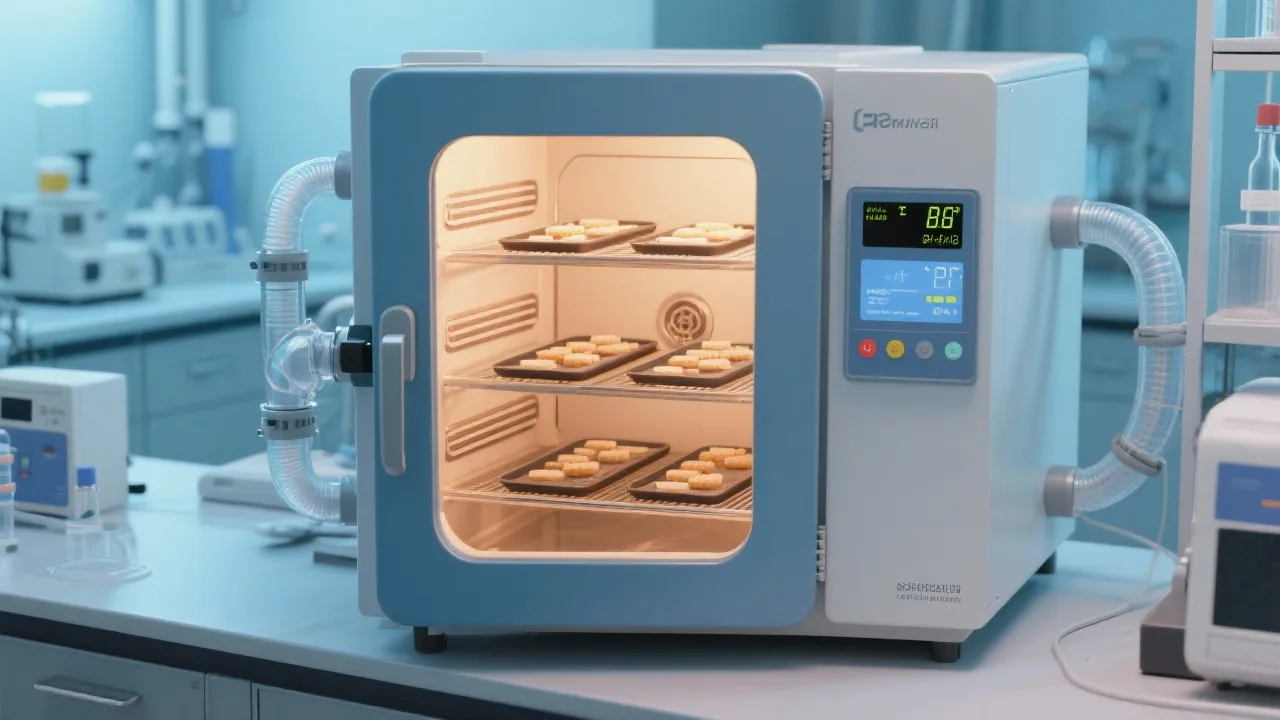
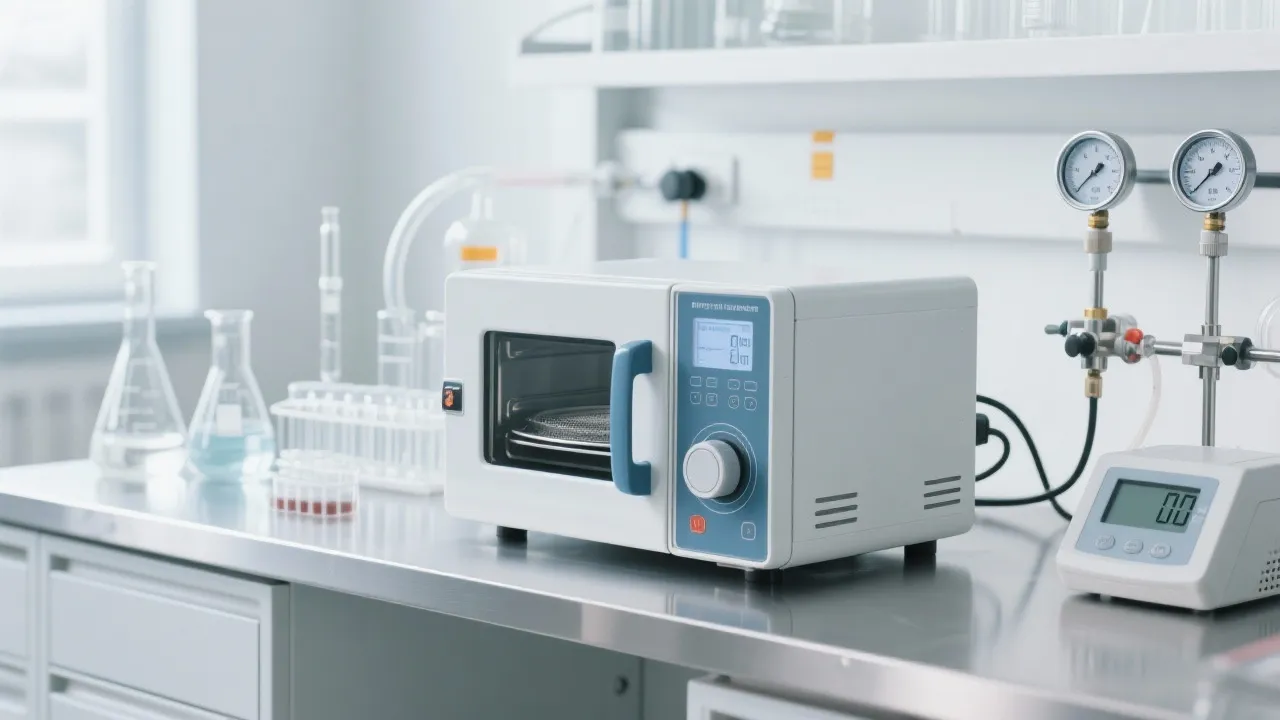
Explore the physics behind vacuum drying—how reduced pressure lowers water's boiling point and accelerates evaporation. This guide explains why vacuum drying outperforms conventional methods in efficiency and energy use, especially in industrial applications like electronic component curing and chemical sample processing. Learn key parameters such as temperature control, vacuum level optimization, and safety features like overheat protection and explosion-proof viewing windows. Discover how to select the right system, including programmable controls and compatibility with various vacuum pumps. Ideal for engineers and procurement specialists seeking quality improvement and operational stability. Learn more about the DZ-2BCII vacuum dryer’s advanced features.
How Vacuum Drying Works: The Science Behind Efficient Moisture Removal
Understanding vacuum drying isn’t just about removing water—it’s about mastering the physics of evaporation under controlled conditions. In industrial settings like electronics manufacturing or chemical processing, this technique offers a smarter way to dry materials without damaging sensitive components.
Why Does Water Evaporate Faster in a Vacuum?
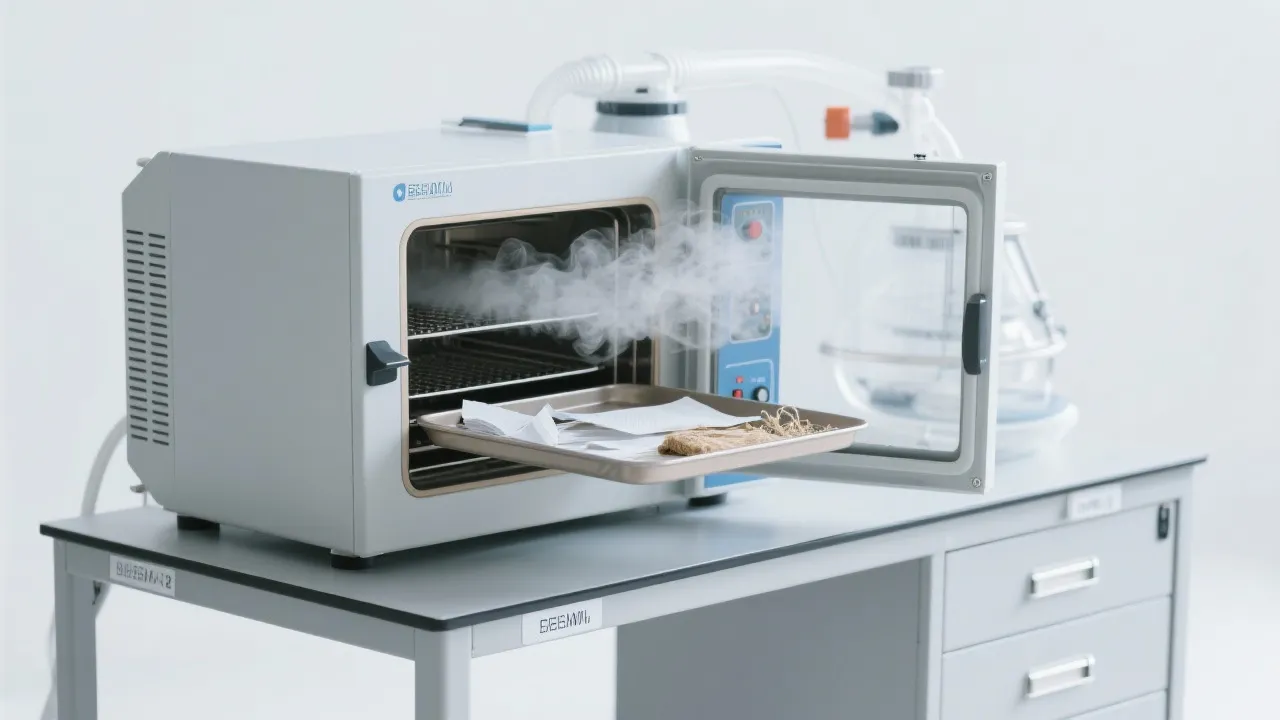
In standard atmospheric pressure, water boils at 100°C (212°F). But when you reduce the pressure inside a chamber—say, to 10–50 mbar—the boiling point drops dramatically. According to thermodynamic principles from the NIST Chemistry WebBook, water can begin evaporating at room temperature under high vacuum. This means less energy is needed to remove moisture, making vacuum drying up to 40% more energy-efficient than conventional methods (based on average industrial data from EU Energy Efficiency Directive reports).
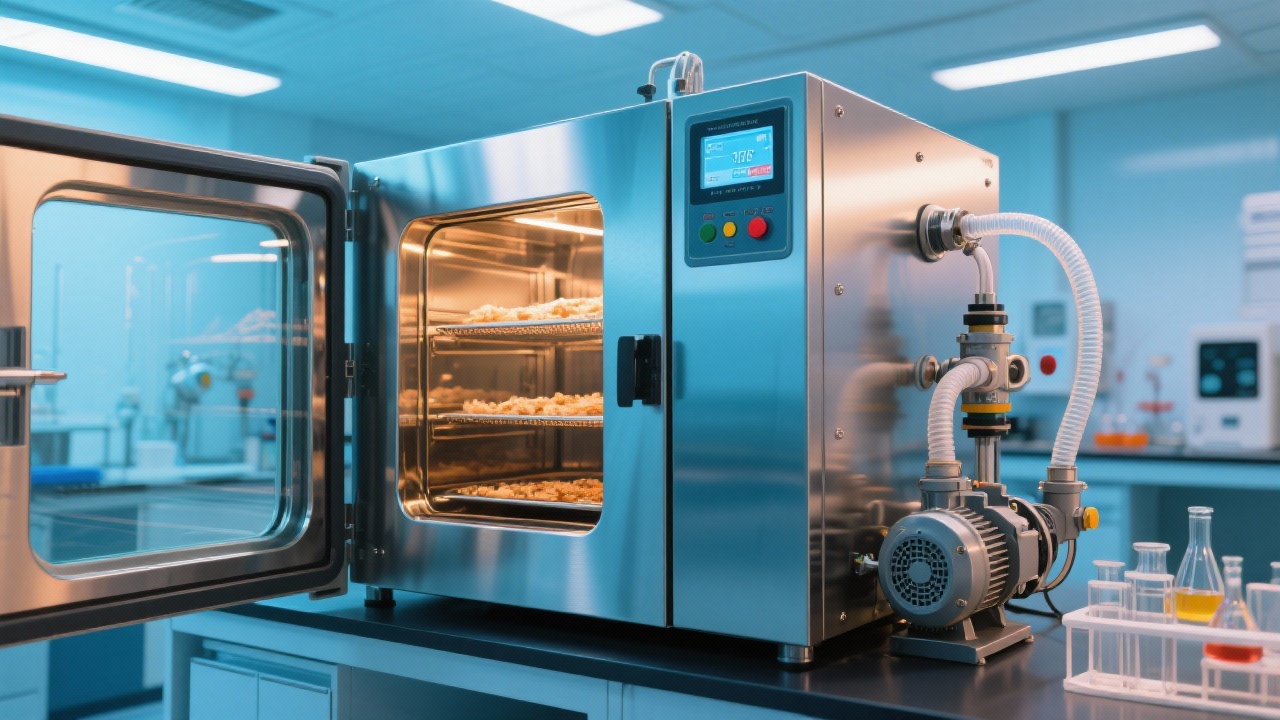
Key Factors That Influence Drying Efficiency
To optimize performance, engineers must carefully manage three variables:
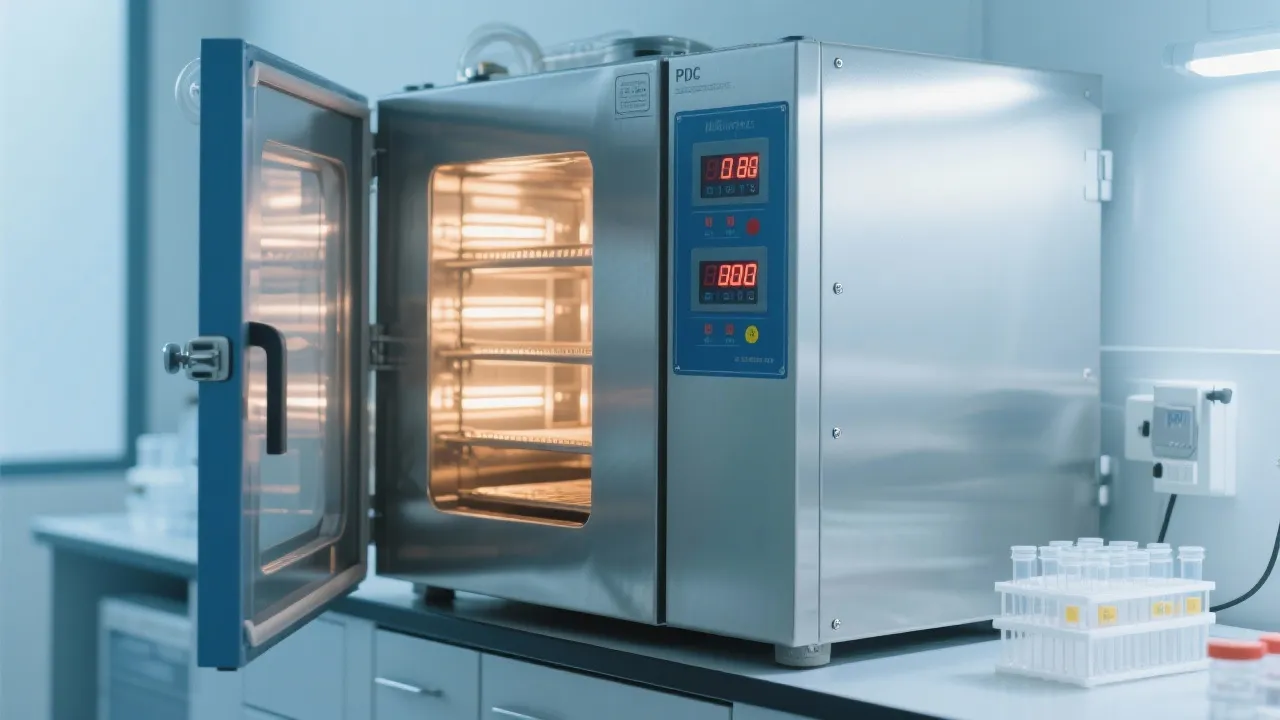
- Temperature Control: Too high risks thermal degradation; too low slows drying. A dual-zone PID system ensures uniform heat distribution across the chamber.
- Vacuum Level: Optimal range varies by material—typically 10–100 mbar for most applications.
- Material Properties: Porosity, surface area, and initial moisture content all affect drying time and efficiency.
Real-World Applications Across Industries
From semiconductor assembly lines to university labs, vacuum drying is indispensable:
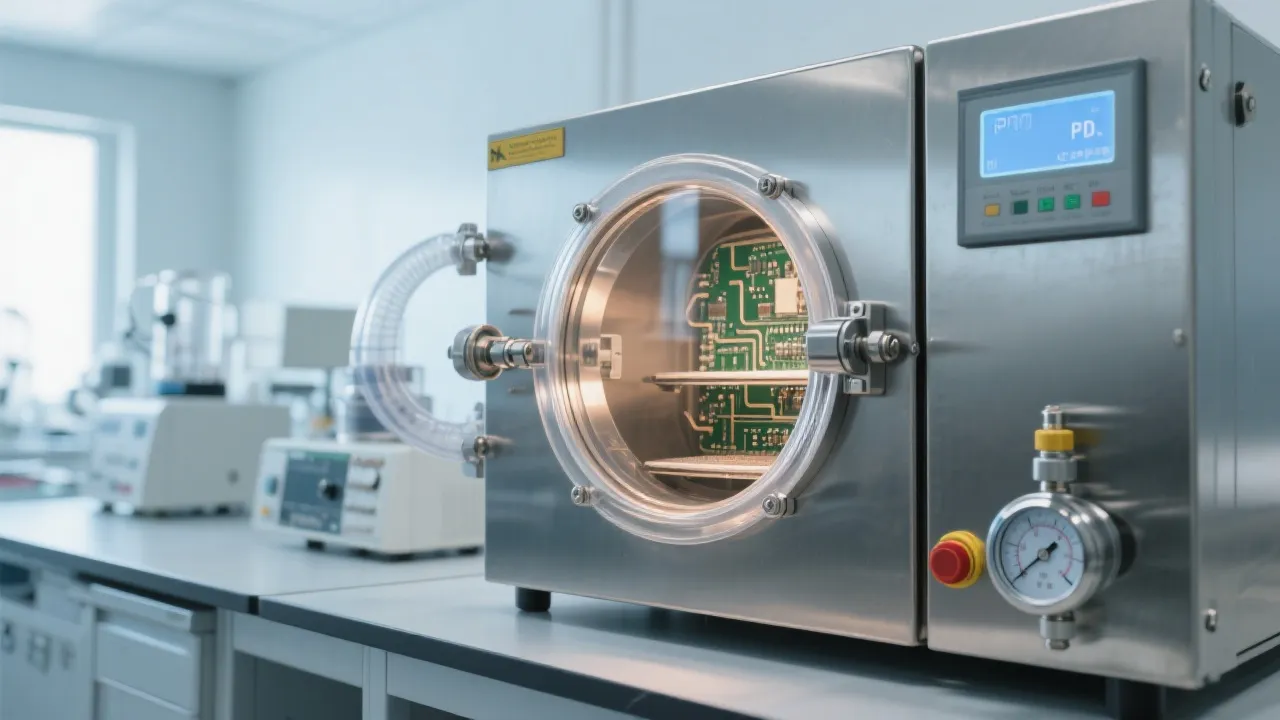
- Electronics Manufacturing: Prevents solder joint defects during component curing.
- Chemical Samples: Ensures precise solvent removal without decomposition.
- Materials Science: Enables safe desiccation of hygroscopic compounds before testing.
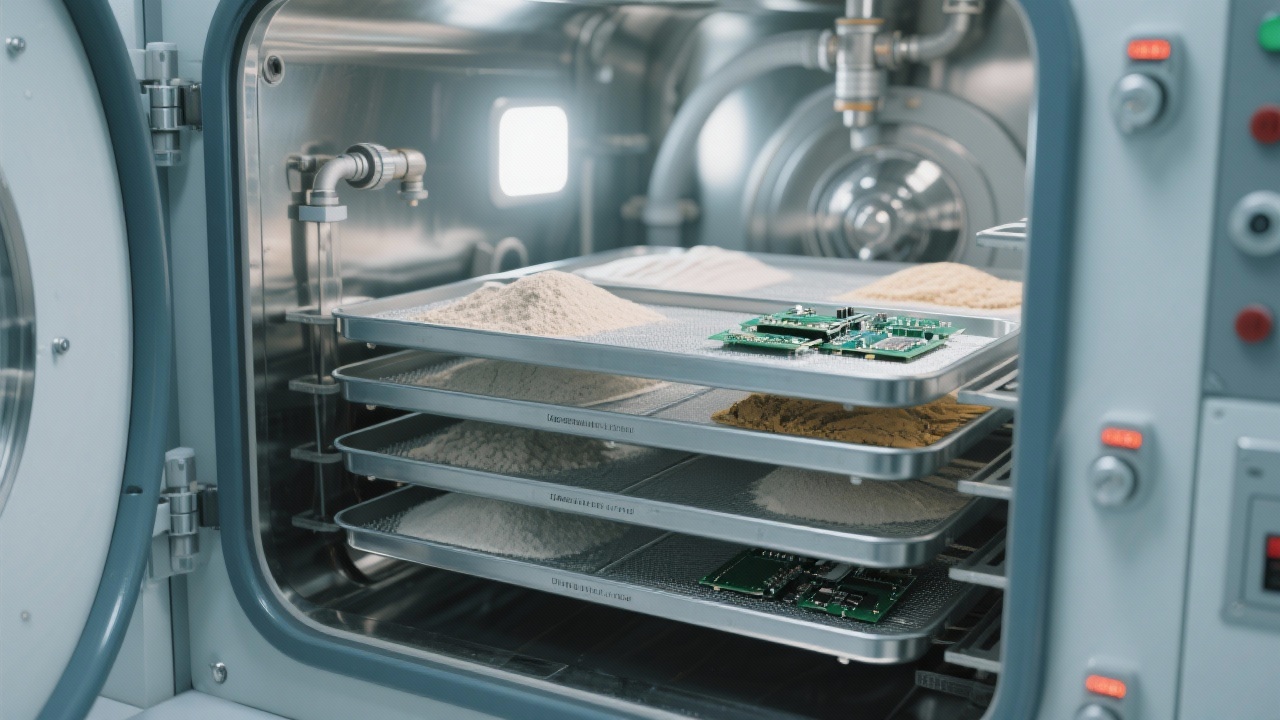
Safety First: Design Features You Can’t Ignore
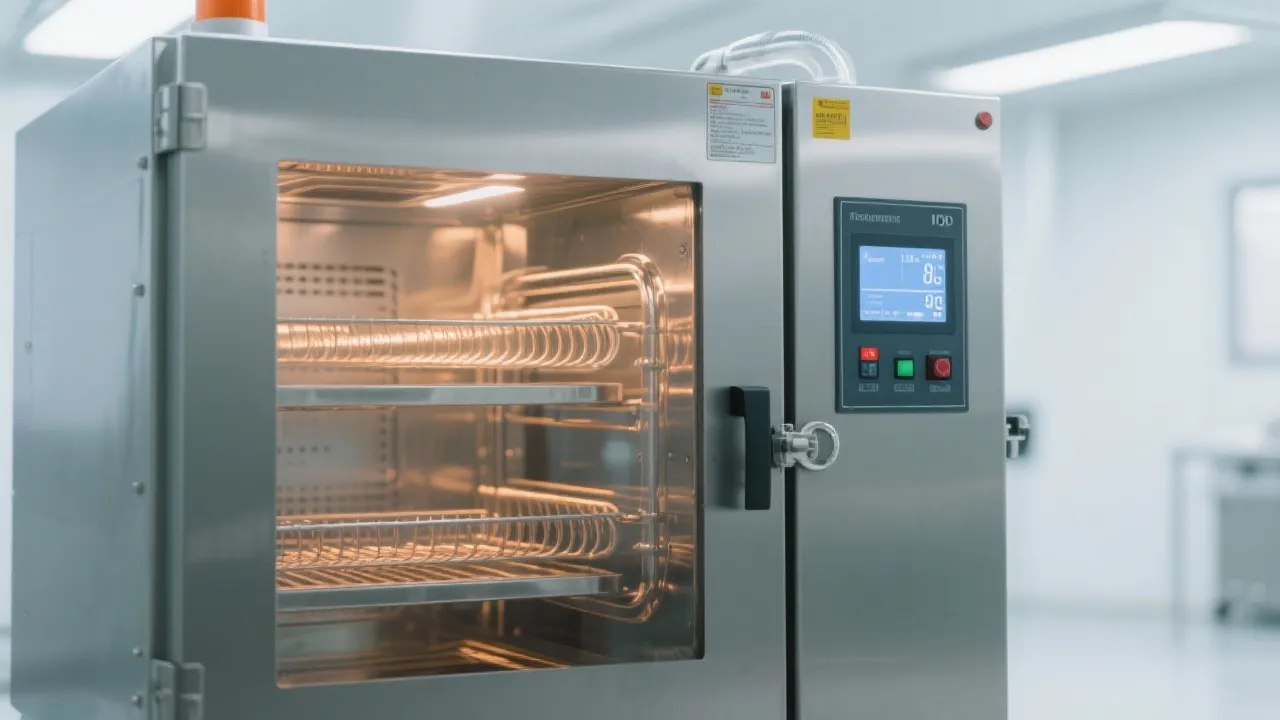
Modern vacuum dryers are built with robust safety protocols. For example, CE-certified units often include:
- Overtemperature protection with automatic shutdown
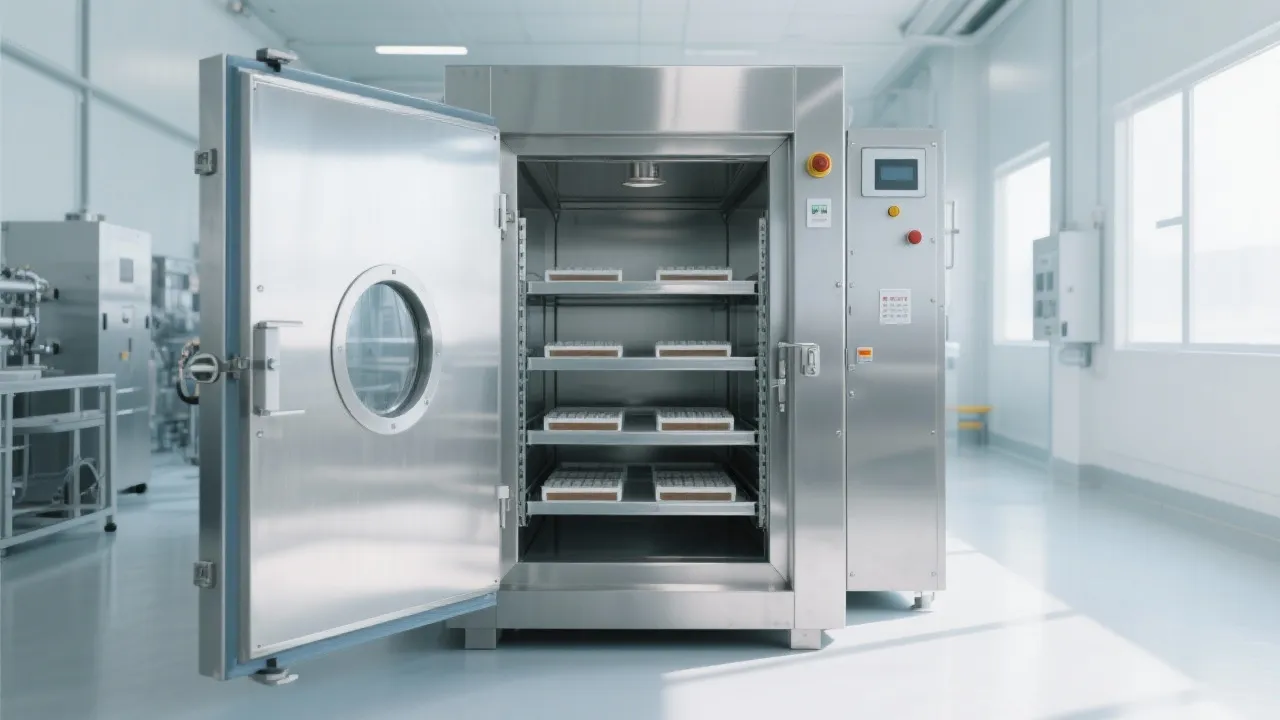
- Self-locking door mechanisms to prevent accidental opening
- Explosion-proof viewing windows made from borosilicate glass
- Memory function that retains settings after power loss
Choosing the Right Equipment: What to Look For
When selecting a vacuum dryer, prioritize flexibility:
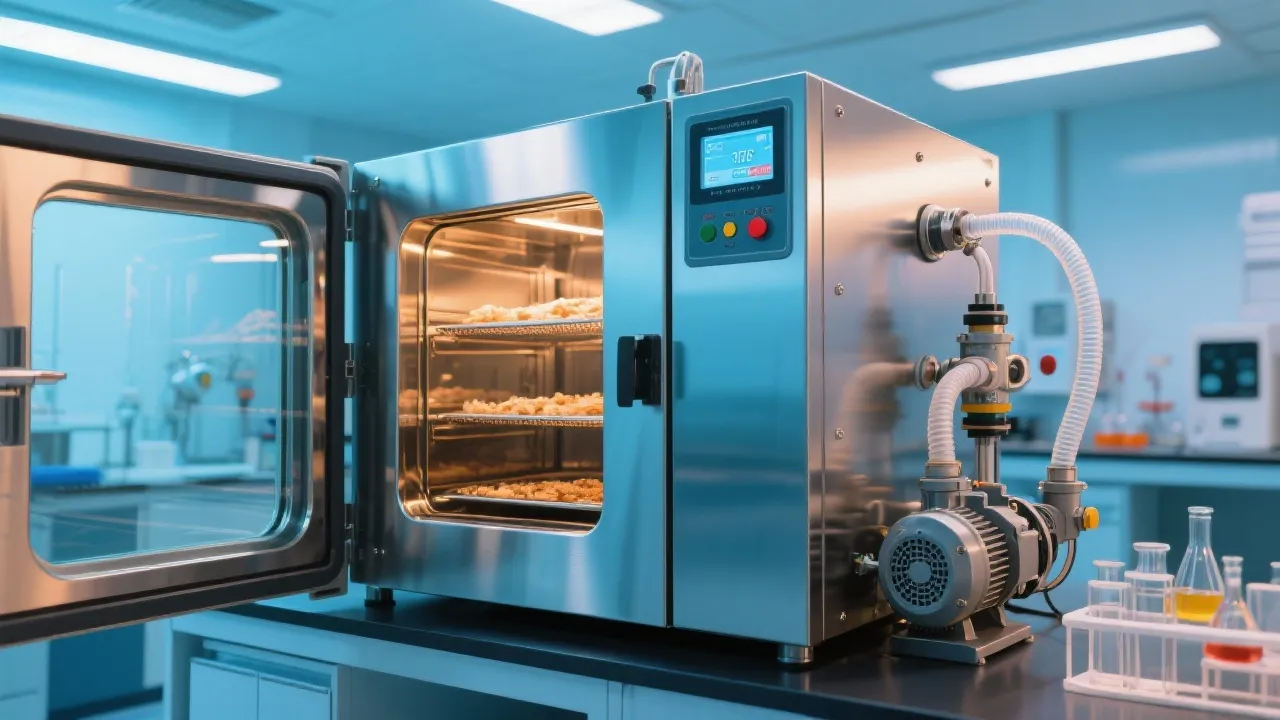
- Compatibility with rotary vane or diaphragm vacuum pumps
- Programmable drying cycles for repeatable results
- Customizable chamber sizes and configurations for diverse needs
If your team works with precision-critical processes—from lab-grade samples to mass-produced PCBs—then investing in a reliable, well-engineered vacuum drying solution is no longer optional. It’s essential.
Ready to Upgrade Your Drying Process?
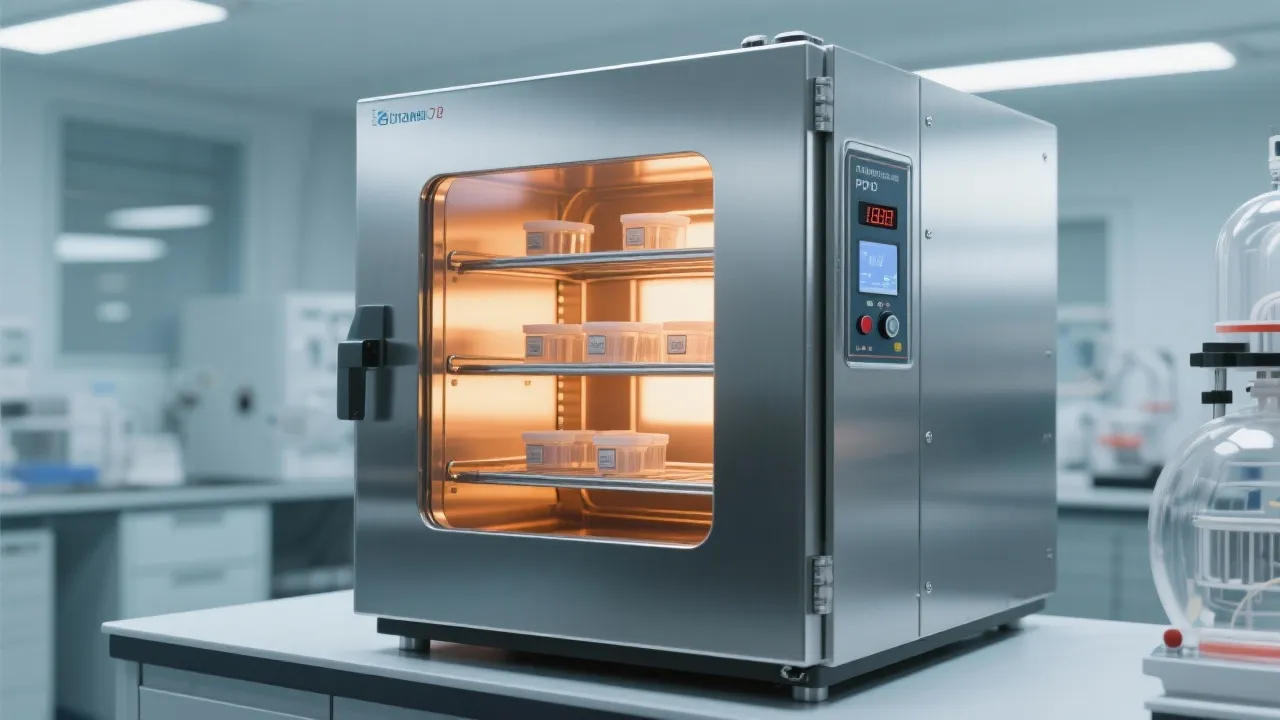
Explore how our DZ-2BCII Vacuum Dryer combines advanced control systems, safety compliance, and field-proven reliability for demanding environments.
Learn More About the DZ-2BCII Vacuum Dryer