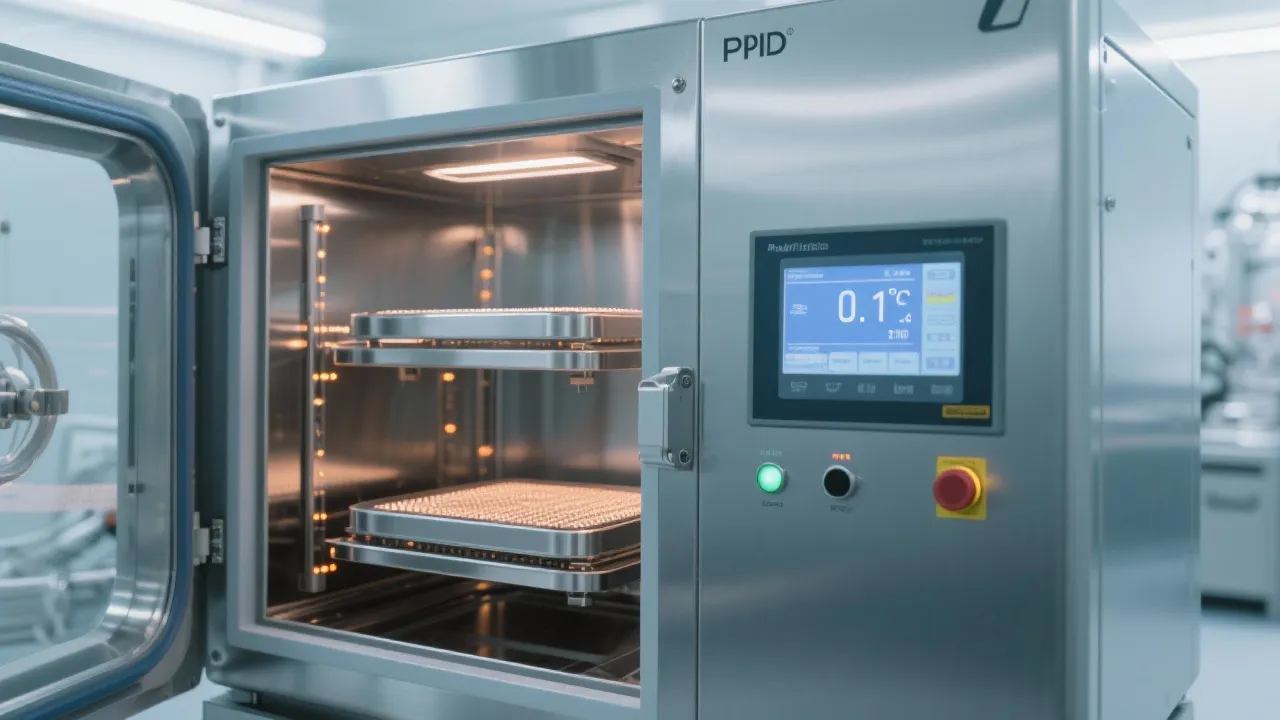
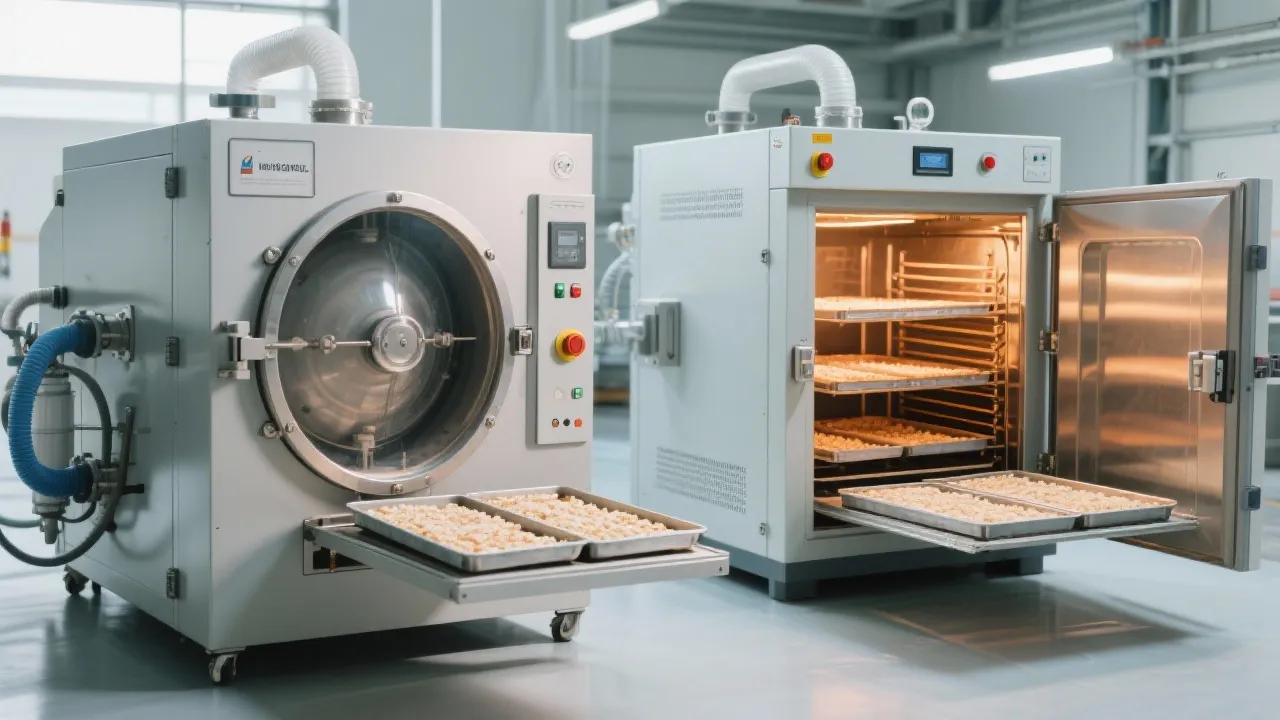
Vacuum drying technology has emerged as a crucial method in the fields of material science and chemistry. Its fundamental principle is based on the fact that under vacuum conditions, the boiling point of water and other solvents is significantly reduced, allowing for drying at lower temperatures. This technology effectively addresses common issues in traditional drying methods, such as oxidation and low efficiency.
One of the most significant advantages of vacuum drying in material heat treatment is oxidation inhibition. In a vacuum environment, the presence of oxygen is greatly reduced, which minimizes the oxidation of materials during the drying process. For example, in the heat treatment of metal alloys, oxidation can lead to changes in the material's composition and properties. With vacuum drying, this risk is substantially mitigated.
Another advantage is the improvement in drying efficiency. By adjusting the vacuum degree and temperature, the drying time can be significantly shortened. Research shows that compared with conventional drying methods, vacuum drying can reduce the drying time by up to 50% in some cases. This not only saves time but also reduces energy consumption.
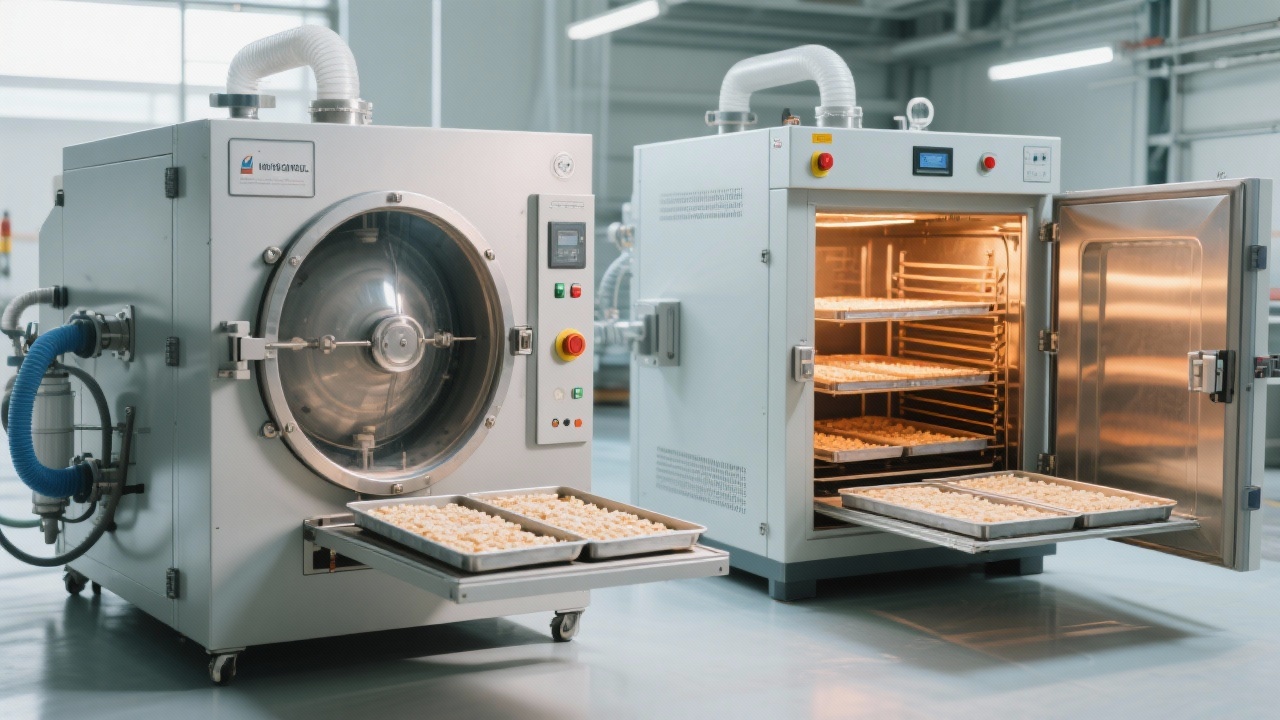
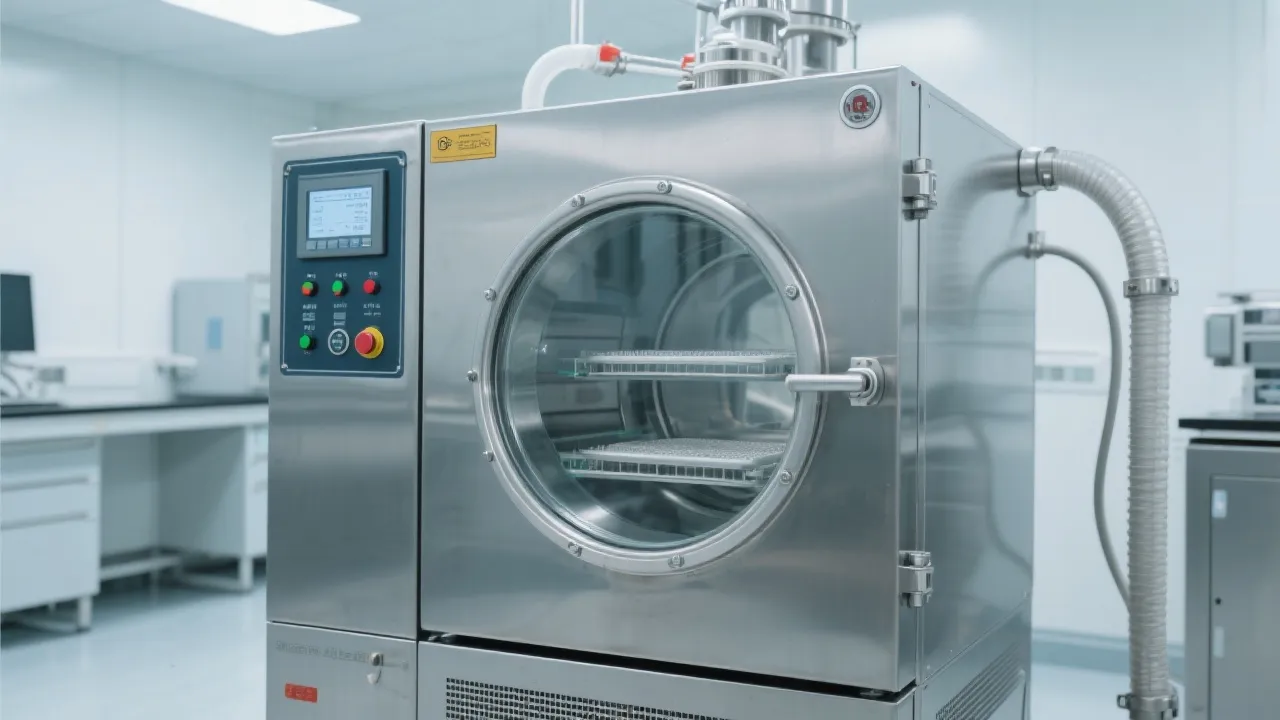
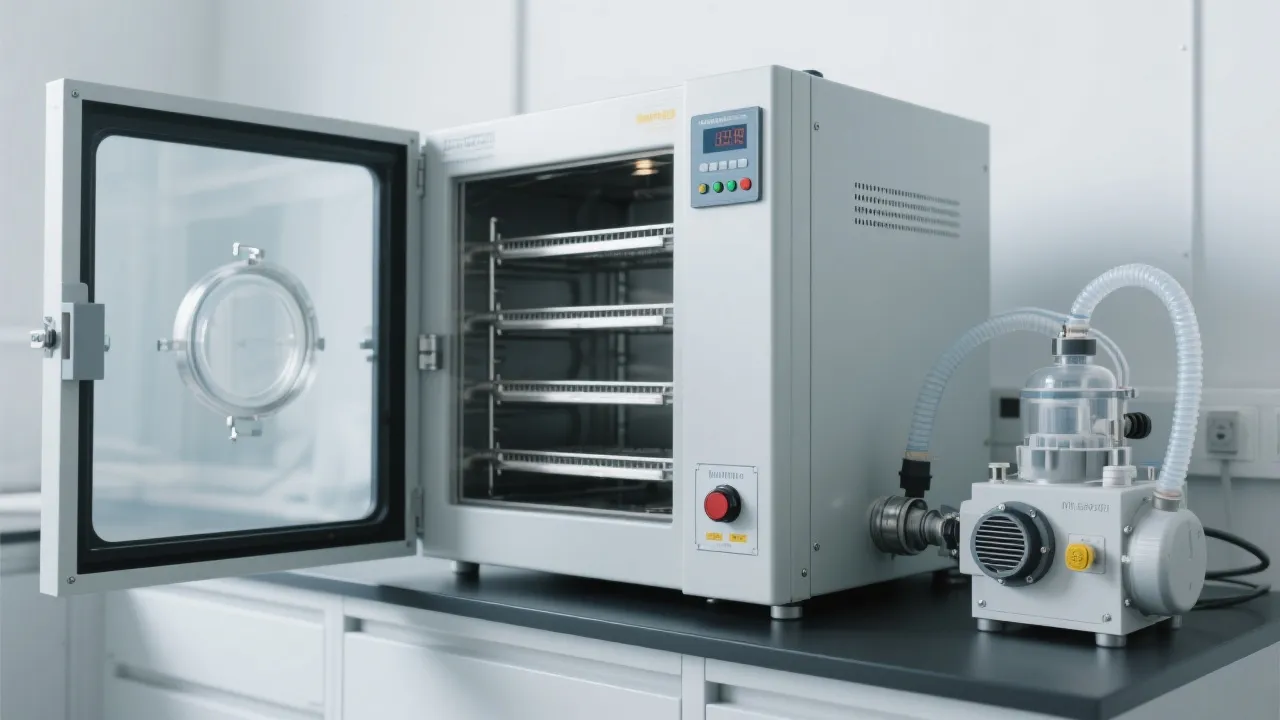
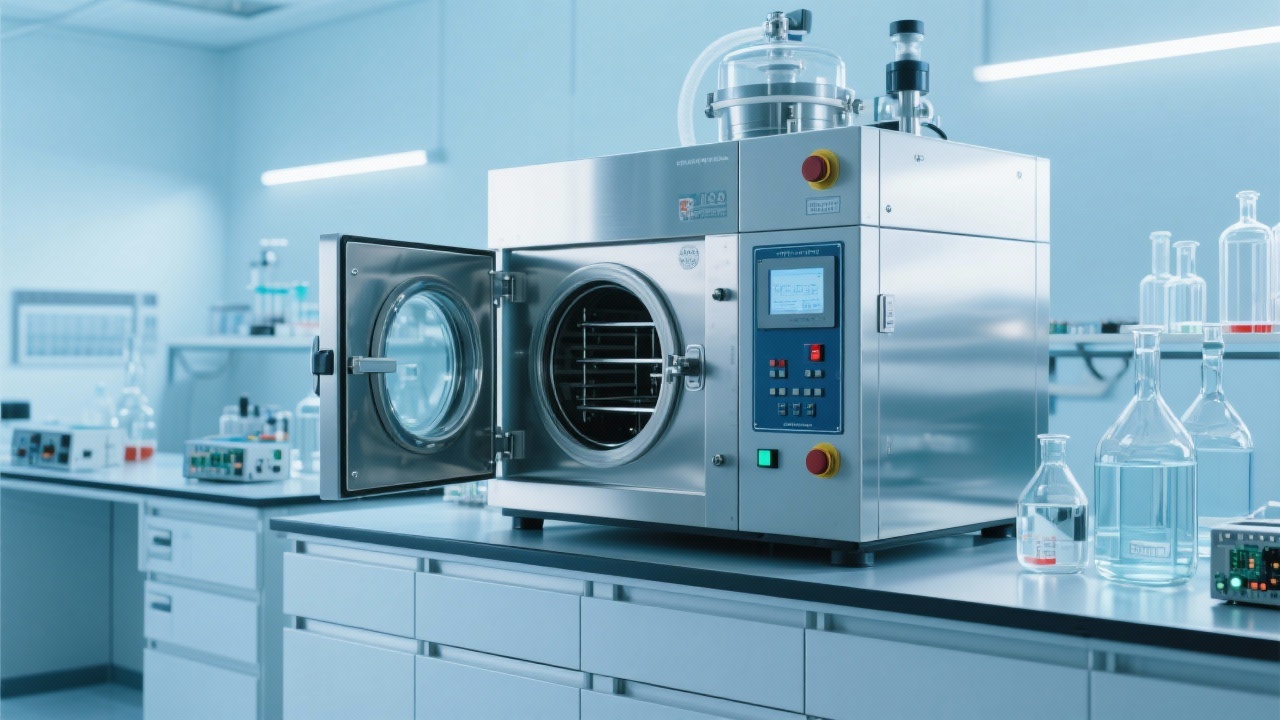
The DZ - 3BCII digital vacuum drying oven is a state - of - the - art device that perfectly embodies the advantages of vacuum drying technology. It features a wide temperature range, typically from room temperature to 250°C, which can meet the diverse needs of different materials and processes.
The vacuum level of the DZ - 3BCII can reach as low as 133Pa, ensuring a high - quality vacuum environment for drying. Its intelligent temperature control system allows for precise temperature regulation within ±1°C, guaranteeing the accuracy and stability of the drying process.
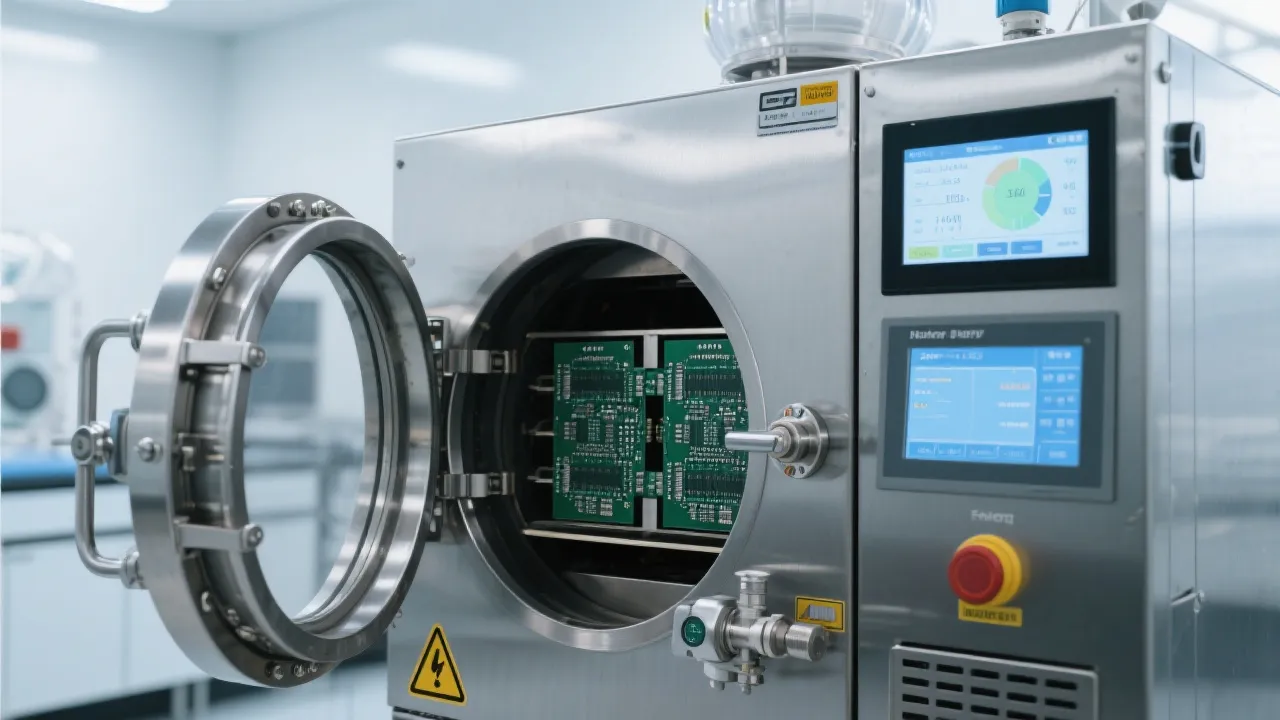
In scientific research and industrial production, high - precision drying is often required. The DZ - 3BCII meets these requirements with its advanced features. For instance, in the production of electronic components, the material properties need to be precisely controlled. The accurate temperature and vacuum control of the DZ - 3BCII ensure that the components are dried without any damage to their electrical and physical properties.
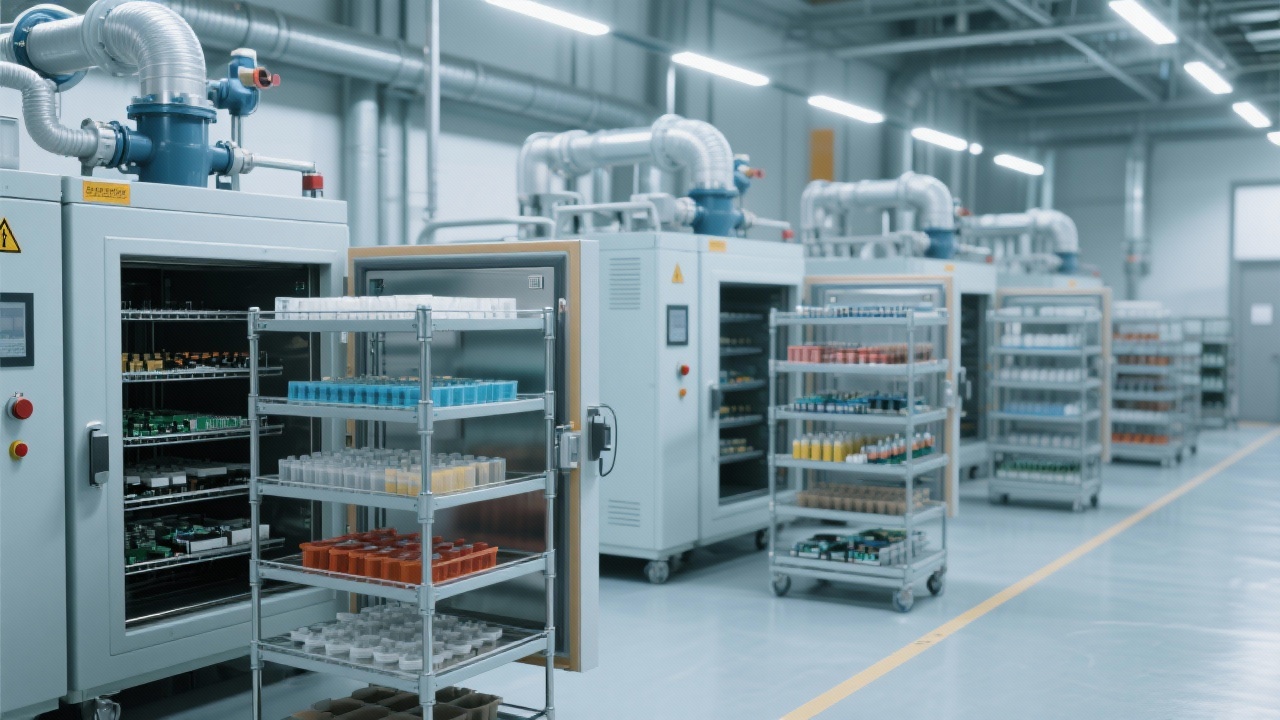
The DZ - 3BCII has a wide range of applications in various fields.
In material science, the oven is used for the heat treatment of various materials, such as polymers, ceramics, and composites. It helps to improve the mechanical properties and stability of these materials. For example, in the production of high - performance carbon fiber composites, the DZ - 3BCII can be used to remove moisture and volatile substances, enhancing the strength and durability of the composites.
In chemical and biological experiments, the DZ - 3BCII is also an indispensable tool. It can be used for the drying of chemical reagents, the preparation of biological samples, and the sterilization of laboratory equipment. Its low - temperature drying feature is particularly suitable for heat - sensitive biological samples, ensuring their biological activity is maintained.
Through a series of case studies, we can see the impact of process parameter adjustment on heat treatment effects. For example, in a case of drying a certain type of metal powder, by adjusting the temperature and vacuum degree, the oxidation rate of the powder was reduced from 5% to less than 1%, and the drying time was shortened from 8 hours to 4 hours.
These case studies provide valuable references for users to optimize their operating processes. By carefully adjusting the temperature range, vacuum level, and drying time according to the specific characteristics of the materials, users can achieve the best drying results.
Vacuum drying technology, especially with the help of the DZ - 3BCII digital vacuum drying oven, offers significant benefits in material science, chemistry, and biological fields. It not only improves drying efficiency and product quality but also promotes technological upgrading and sustainable development.
Discover More About the DZ - 3BCII Digital Vacuum Drying Oven