Vacuum Drying Principles Explained: How Lab Techniques Enhance Sample Purity and Efficiency
31 01,2026
Zhengzhou Keda Mechanical Instrument Equipment Co., Ltd.
Technical knowledge
Discover how vacuum drying technology improves sample purity and operational efficiency in laboratory settings. This article explains the core physics behind vacuum drying—such as reduced boiling points and increased evaporation rates—and compares it with conventional methods. Learn how precise temperature control (±1°C) and high vacuum levels (0.098 MPa) enhance safety and consistency for sensitive materials like pharmaceutical intermediates, electronic components, and organic compounds. Real-world applications in pharma, materials science, and electronics demonstrate its value. Practical tips on selecting lab vacuum ovens—including material compatibility, vacuum pump performance, and PID control—are included to guide informed decisions. Ready to optimize your drying process? Explore more at our website.
Understanding Vacuum Drying: How Lab Technology Enhances Purity and Efficiency
In modern laboratories, achieving precise drying outcomes isn't just about removing moisture—it's about preserving sample integrity, minimizing degradation, and optimizing time and energy use. Vacuum drying has emerged as a gold standard in this domain, especially for heat-sensitive materials like pharmaceutical intermediates, organic compounds, and electronic components.
The Science Behind Vacuum Drying
At its core, vacuum drying leverages reduced atmospheric pressure to lower the boiling point of water and solvents—typically from 100°C at sea level to as low as 30–40°C under high vacuum conditions (0.098 MPa). This allows gentle dehydration without thermal decomposition, which is critical for maintaining chemical structure and purity.
For example, a study published in Journal of Pharmaceutical Sciences found that vacuum drying at 45°C preserved up to 98% of active ingredient stability in antibiotic powders—compared to only 72% with conventional air drying at 60°C.
Why Choose Vacuum Over Conventional Methods?
| Parameter |
Traditional Air Drying |
Vacuum Drying |
| Drying Time |
6–12 hours |
2–4 hours |
| Sample Integrity |
Moderate (risk of oxidation) |
High (inert environment) |
| Energy Consumption |
Higher (continuous heating) |
Lower (efficient heat transfer) |
Real-World Applications Across Industries
From pharmaceutical labs to semiconductor manufacturing, vacuum drying plays a pivotal role:
- Pharma: Prevents degradation of temperature-sensitive APIs during lyophilization prep.
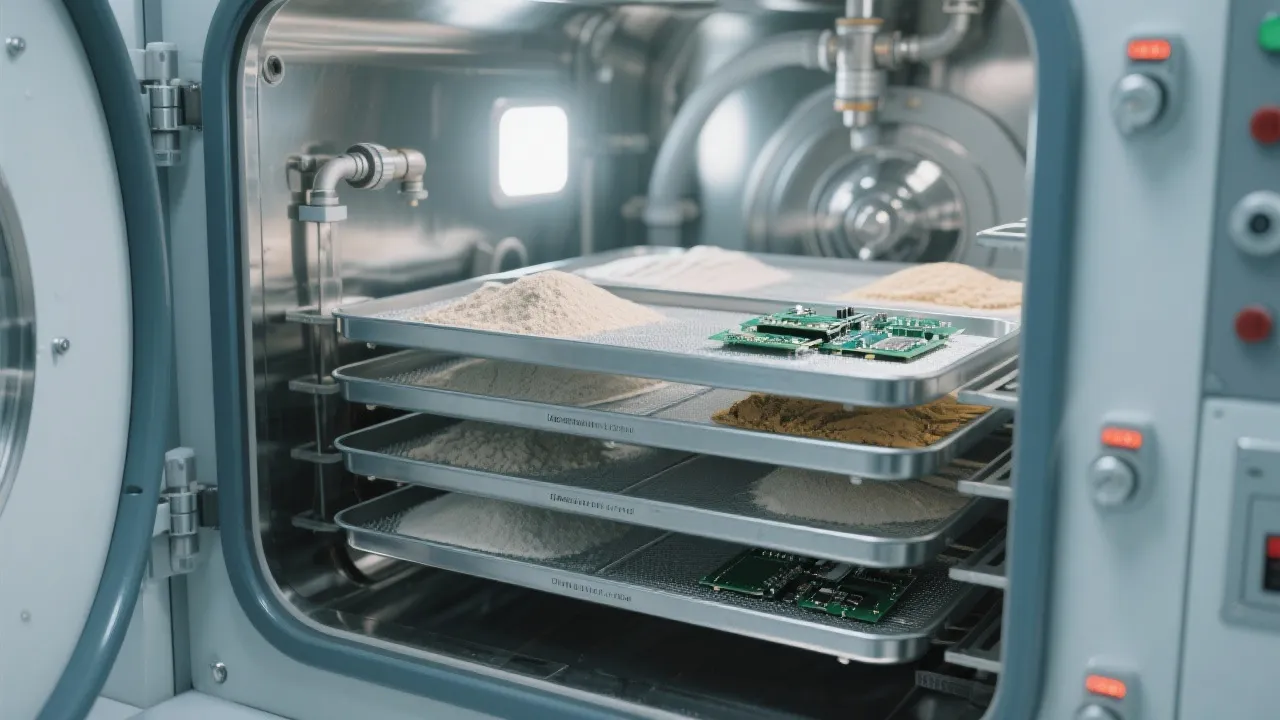
- Electronics: Removes residual solvents from printed circuit boards without damaging delicate solder joints.
- Materials Science: Ensures consistent drying of nano-powders used in battery electrodes.
Key Technical Features That Matter
Not all vacuum ovens are created equal. Look for these essential specs when selecting equipment:
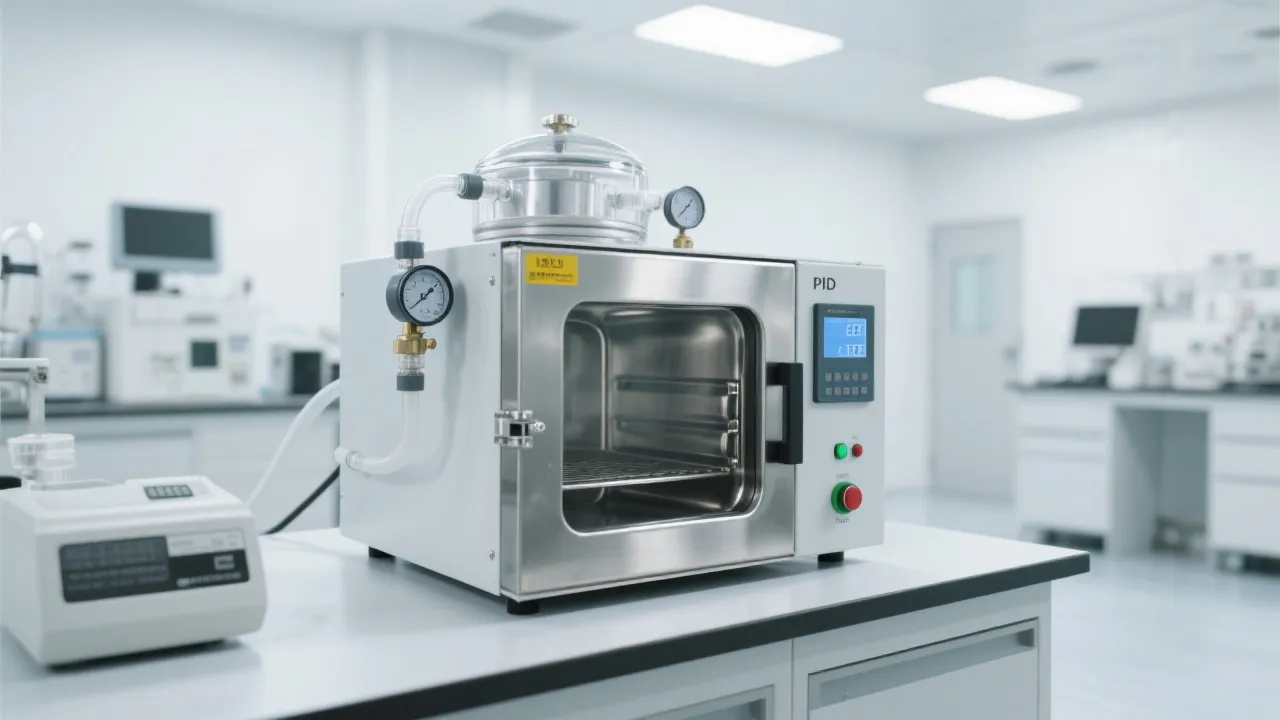
- PID Temperature Control: ±1°C accuracy ensures uniform drying across batches—critical for reproducibility.
- High-Vacuum Pump System: Achieves and maintains 0.098 MPa vacuum levels efficiently, reducing cycle times by up to 40%.
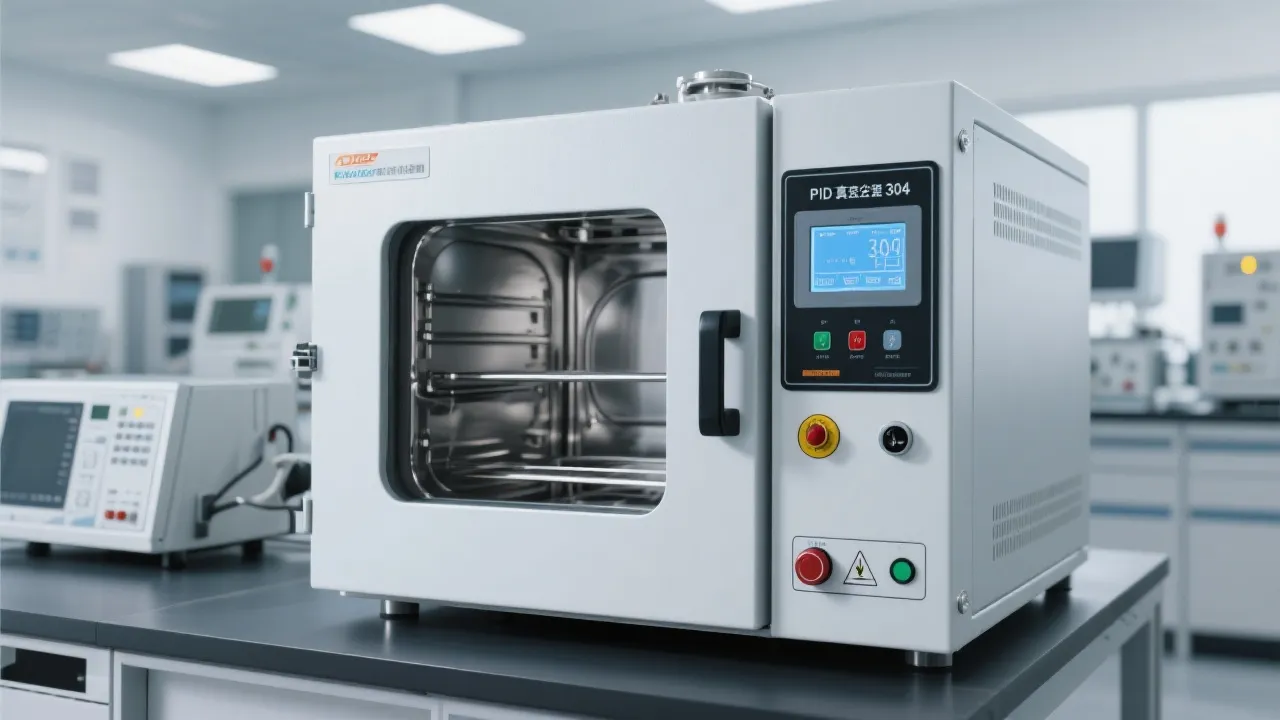
- Material Construction: Stainless steel (e.g., 304 grade) inner chamber resists corrosion from aggressive chemicals.
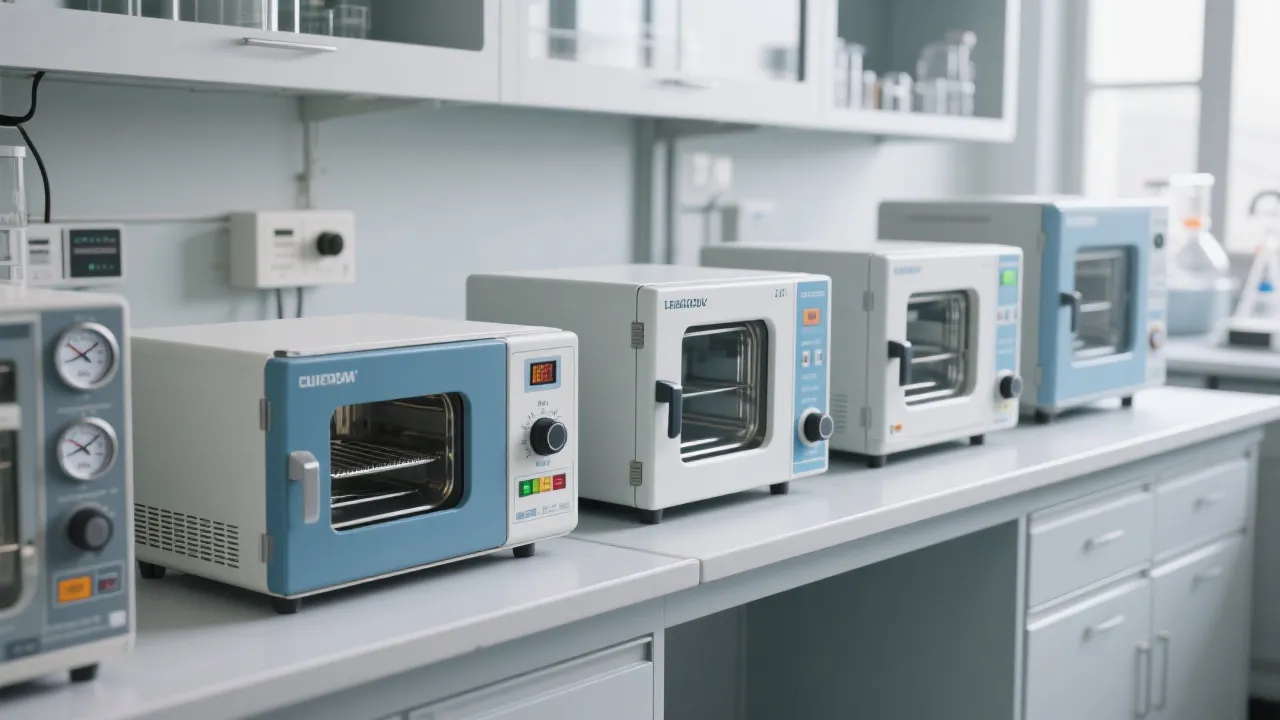
Take the DZF-6010 mini vacuum oven, for instance—it combines a 304 stainless steel chamber with an explosion-proof design, making it ideal for handling flammable solvents or reactive materials safely.
Still Have Questions About Your Next Vacuum Drying Setup?
What’s your biggest challenge in drying sensitive samples? Is it inconsistent results, long cycles, or safety concerns?
"Precision doesn’t happen by accident—it’s engineered into every cycle."
Explore DZF-6010 Specifications & Use Cases →