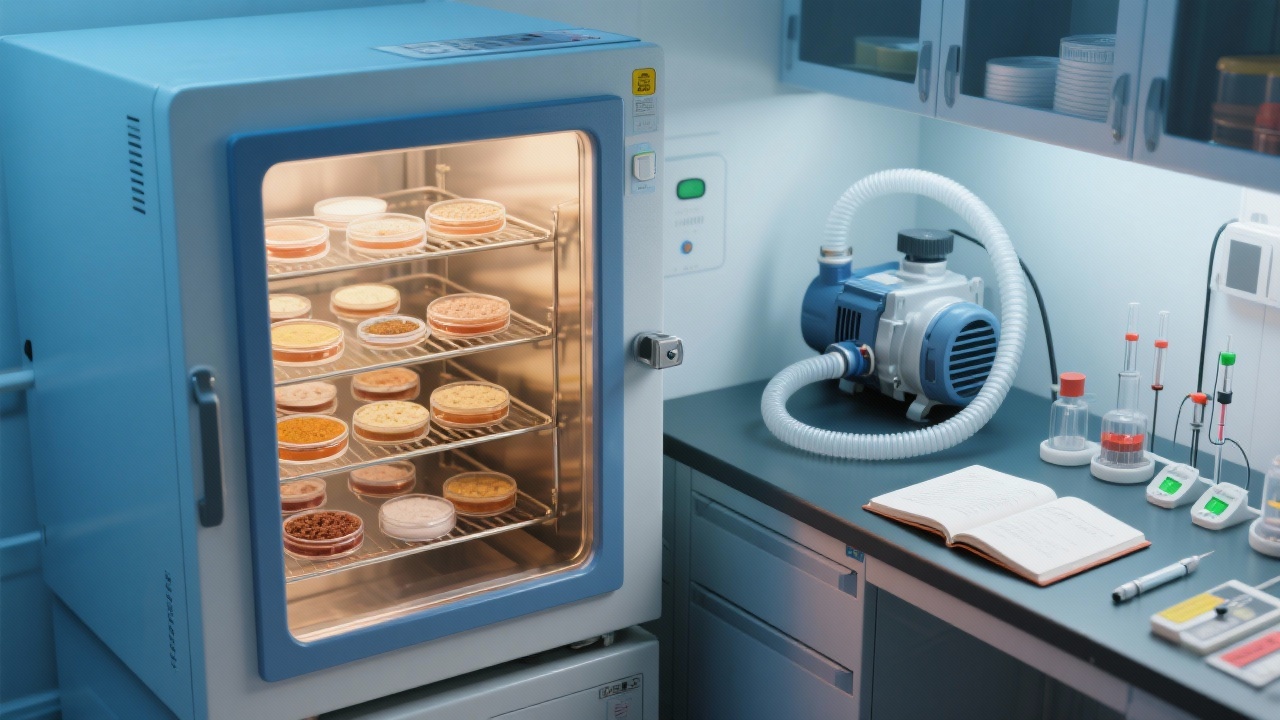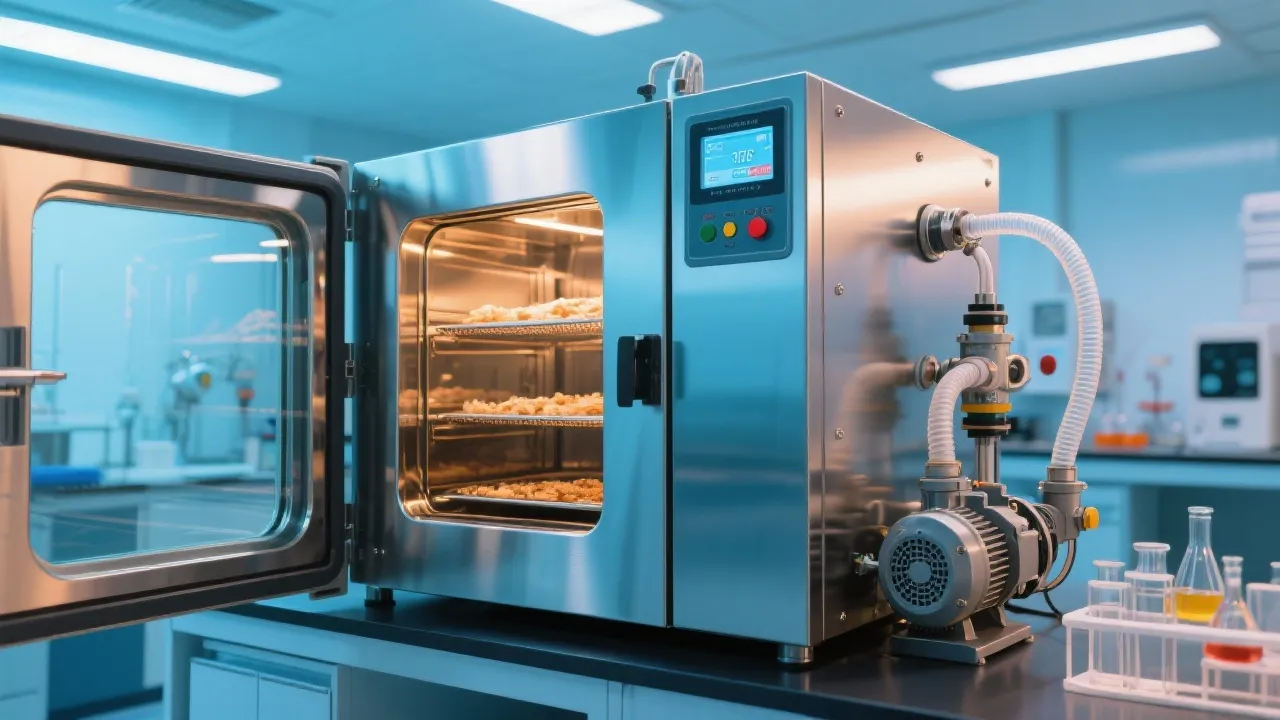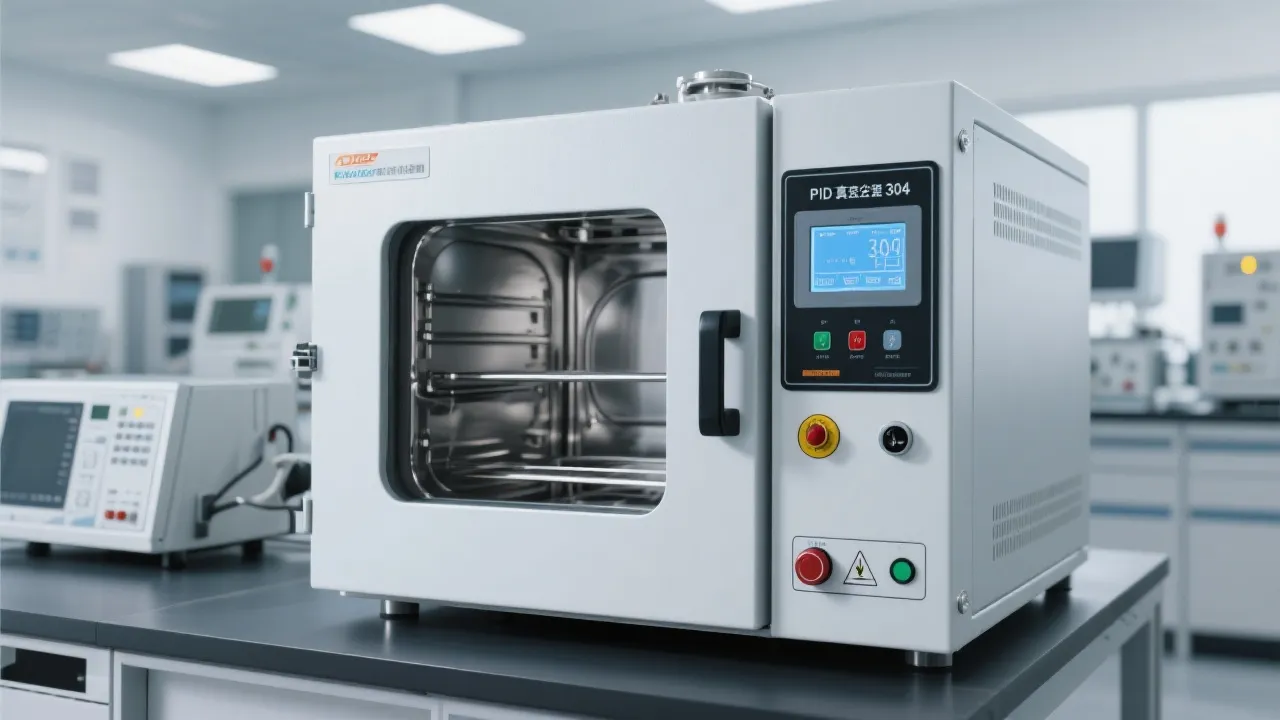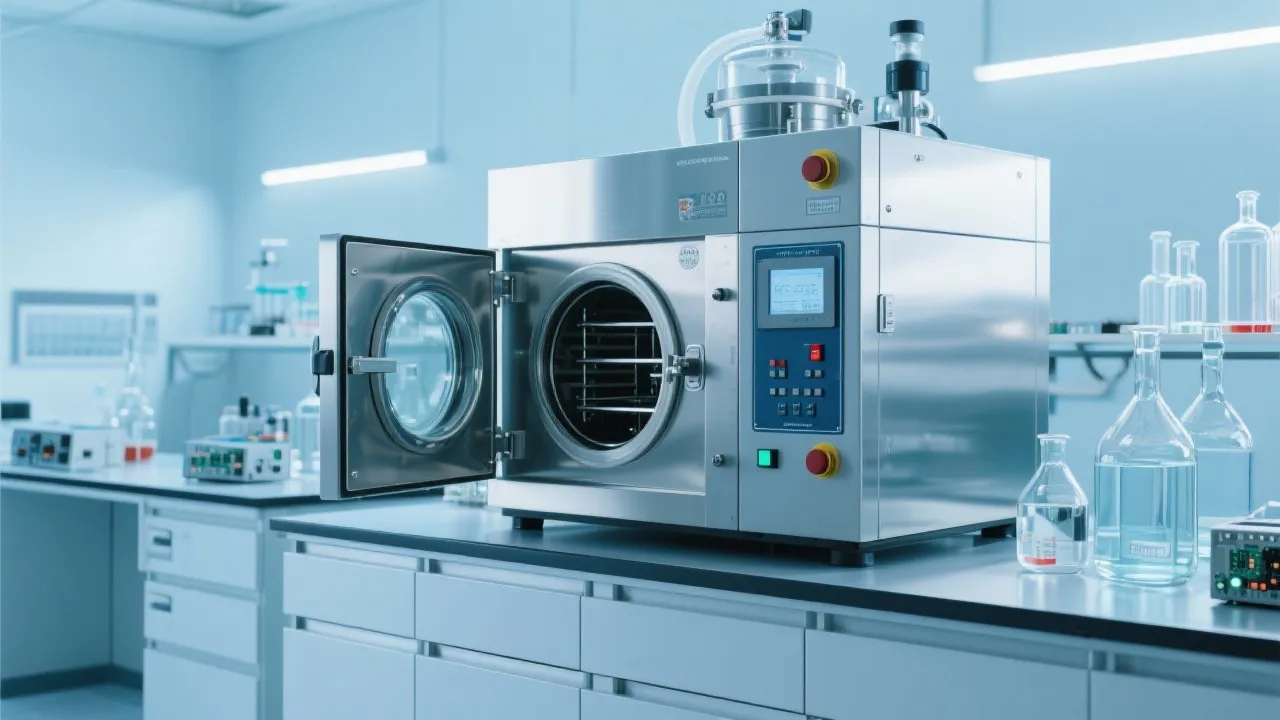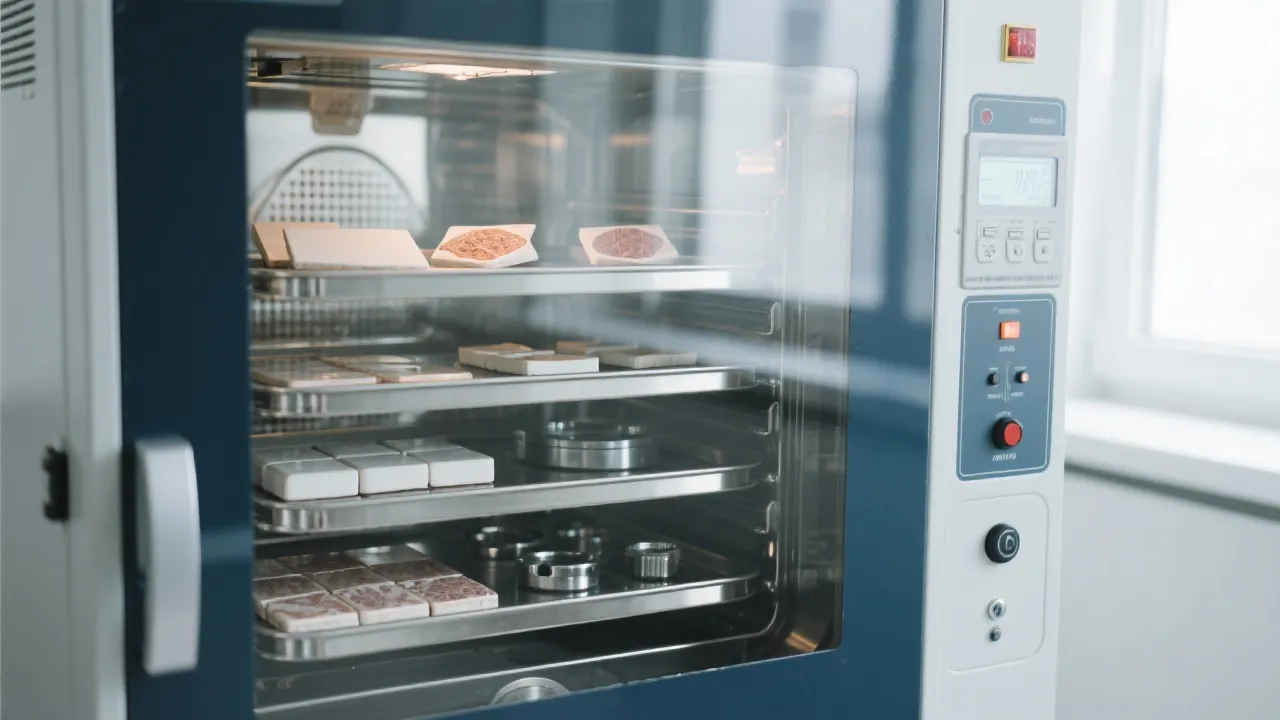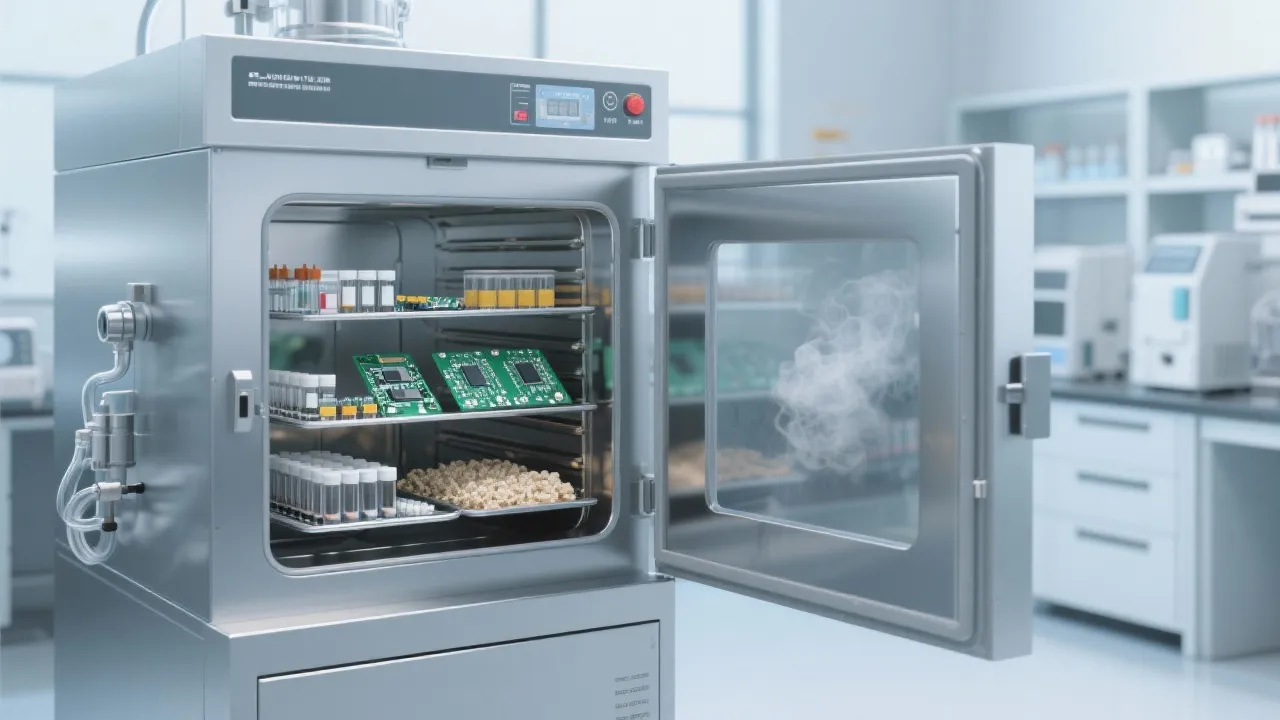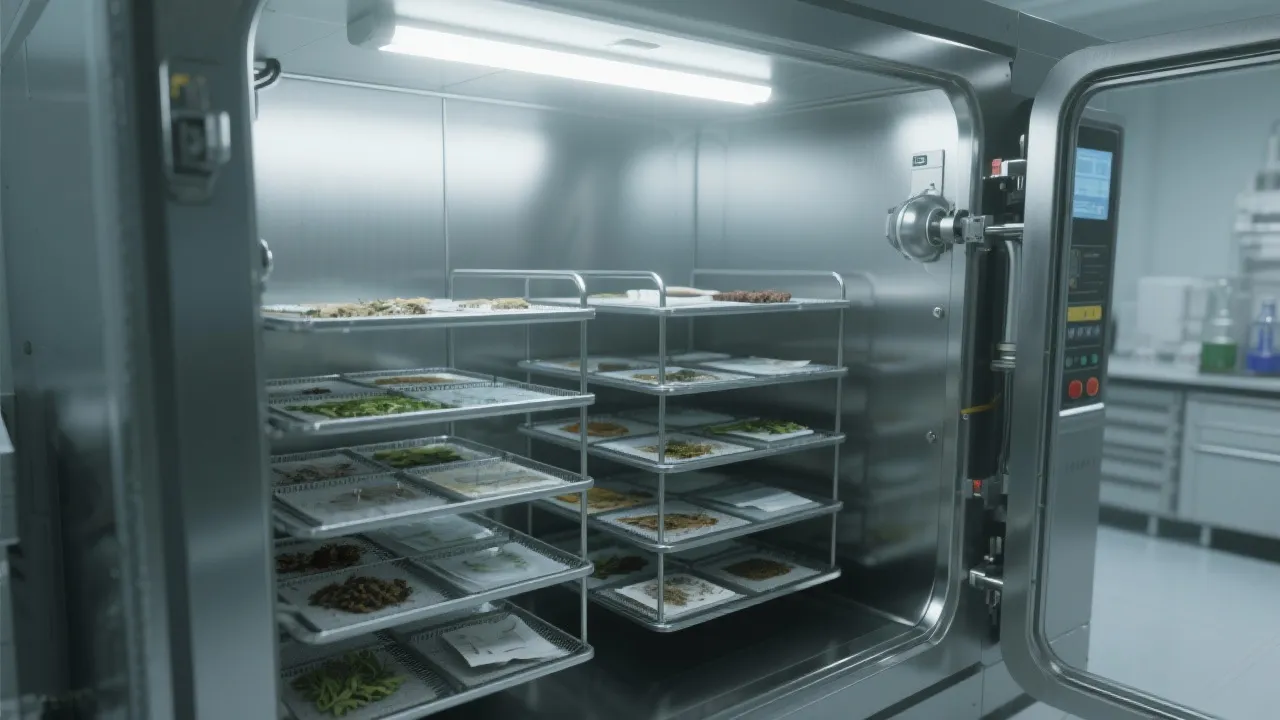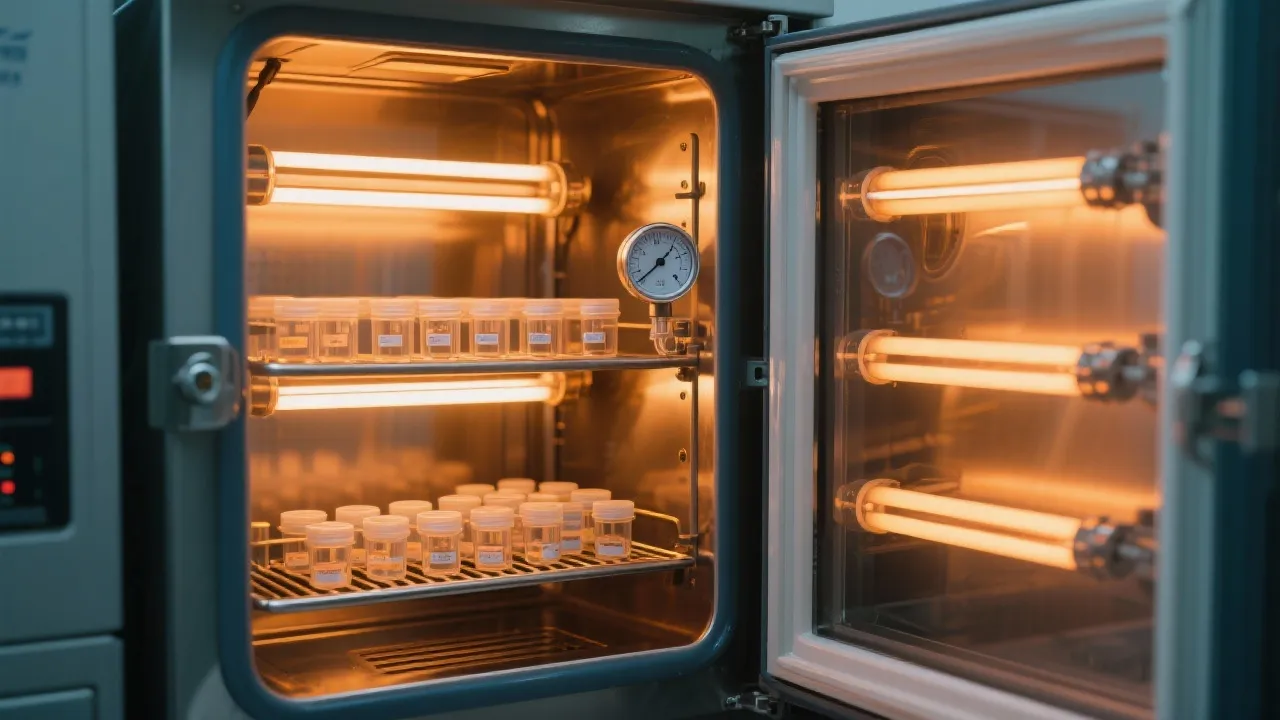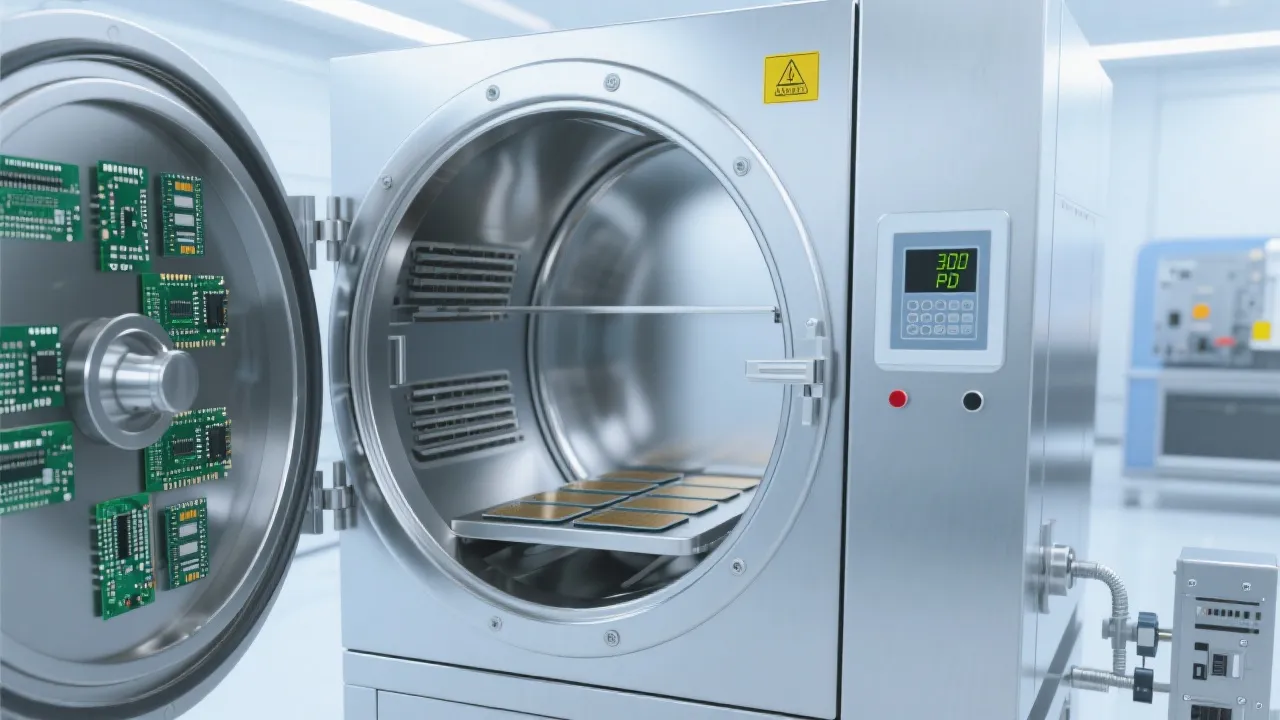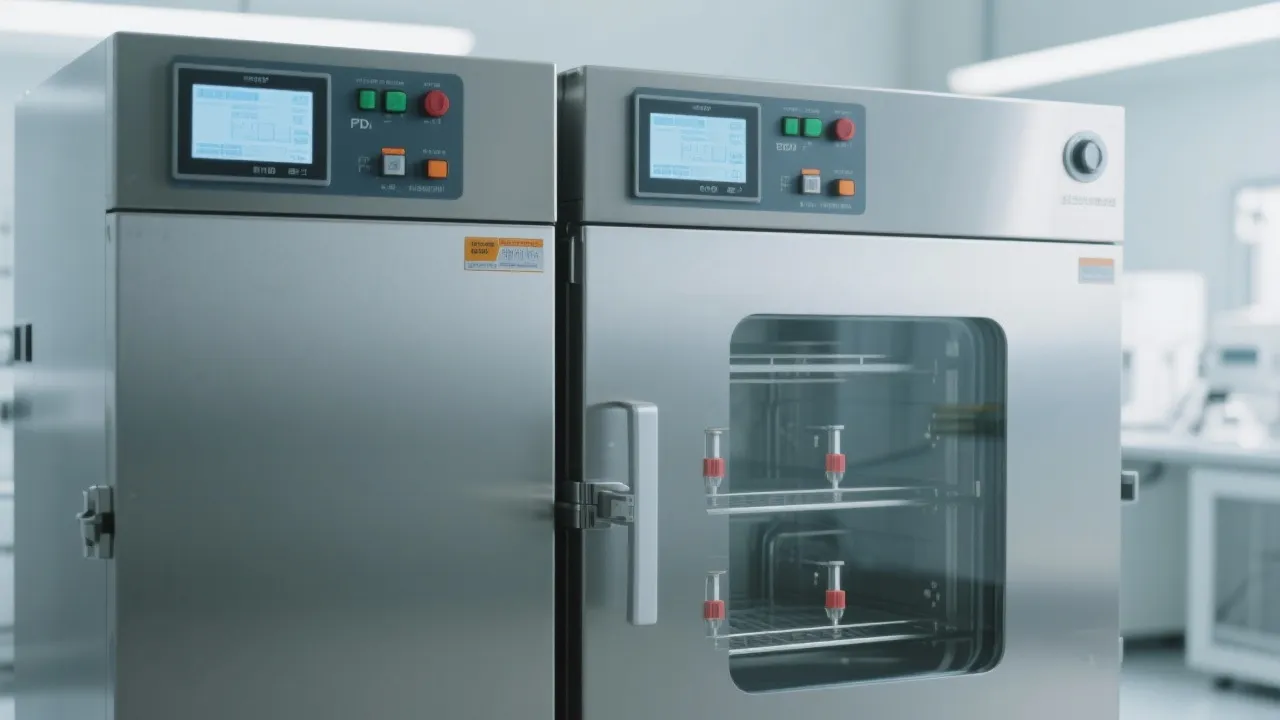

In material science and industrial processing, vacuum drying has emerged as a critical step for enhancing polymer stability, reducing defects, and improving final product quality. Unlike conventional air drying methods that risk oxidation or uneven moisture removal, vacuum drying offers precise control over temperature and pressure—making it indispensable in high-performance applications.
By lowering the atmospheric pressure around materials, vacuum drying significantly reduces the boiling point of water and solvents. For example, at 50 mbar (roughly 0.05 atm), water boils at about 30°C—far below its standard 100°C boiling point. This means polymers can be dried efficiently without thermal degradation. Studies show that this method improves tensile strength by up to 15% in thermoplastics like PET and PA6, especially when residual moisture exceeds 0.02%.
Each polymer type requires tailored drying conditions. For instance:
These parameters are based on real-world testing conducted across multiple R&D labs using the Zhengzhou Keda DZ-3BCII vacuum dryer, which maintains consistent chamber pressure within ±2 mbar—a key factor in reproducible results.

The DZ-3BCII isn’t just another lab oven—it’s engineered for precision. With dual-zone temperature control (±1°C accuracy), programmable ramping profiles, and a digital vacuum gauge calibrated to industry standards (ISO 9001), it ensures repeatability across batches. One user from a Chinese aerospace composites manufacturer reported a 27% reduction in post-processing voids after switching from open-air drying to vacuum-based protocols using this unit.
Don’t rush the cycle—pre-dry at low temps first to avoid sudden vaporization that could damage sensitive resins. Also, always pre-vacuum before heating to prevent bubble formation. And remember: proper sealing is crucial. Even a minor leak can increase drying time by 30–50%, per data from a recent study published in Journal of Polymer Engineering.
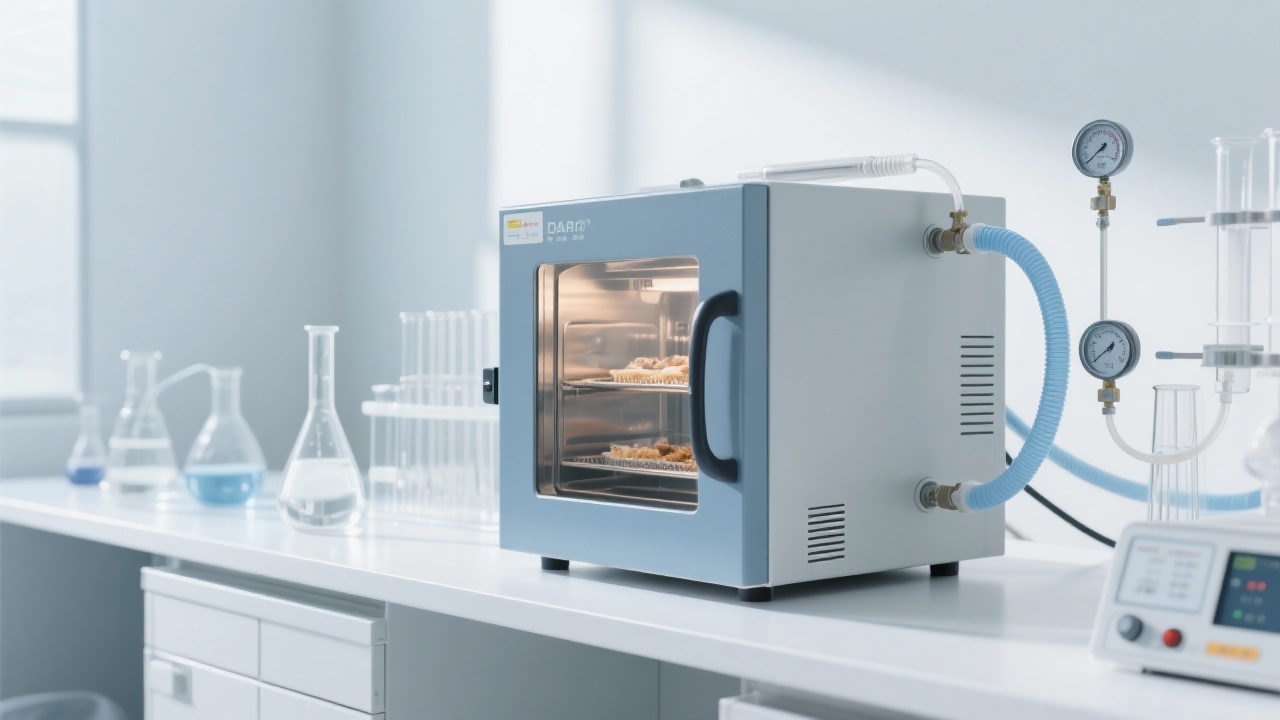
Whether you're optimizing biodegradable plastics for packaging or preparing carbon fiber-reinforced polymers for automotive parts, vacuum drying directly impacts mechanical integrity and shelf life. At a German automotive supplier, implementing optimized vacuum cycles reduced material rejection rates from 8% to under 2%—saving €120K annually in raw material waste.
Still unsure if vacuum drying fits your process? Explore how Zhengzhou Keda's DZ-3BCII can transform your polymer drying workflow—from research-grade consistency to production-ready reliability. Let’s talk solutions that scale.
Get Your Free Technical Consultation