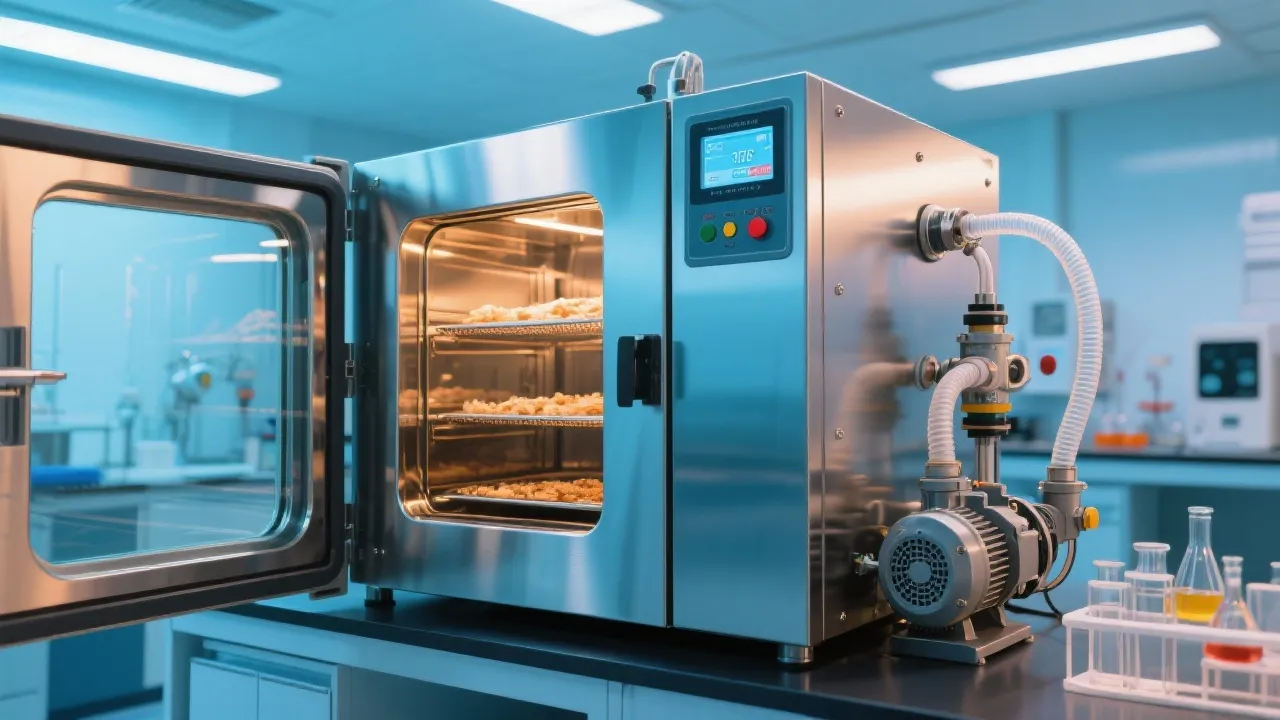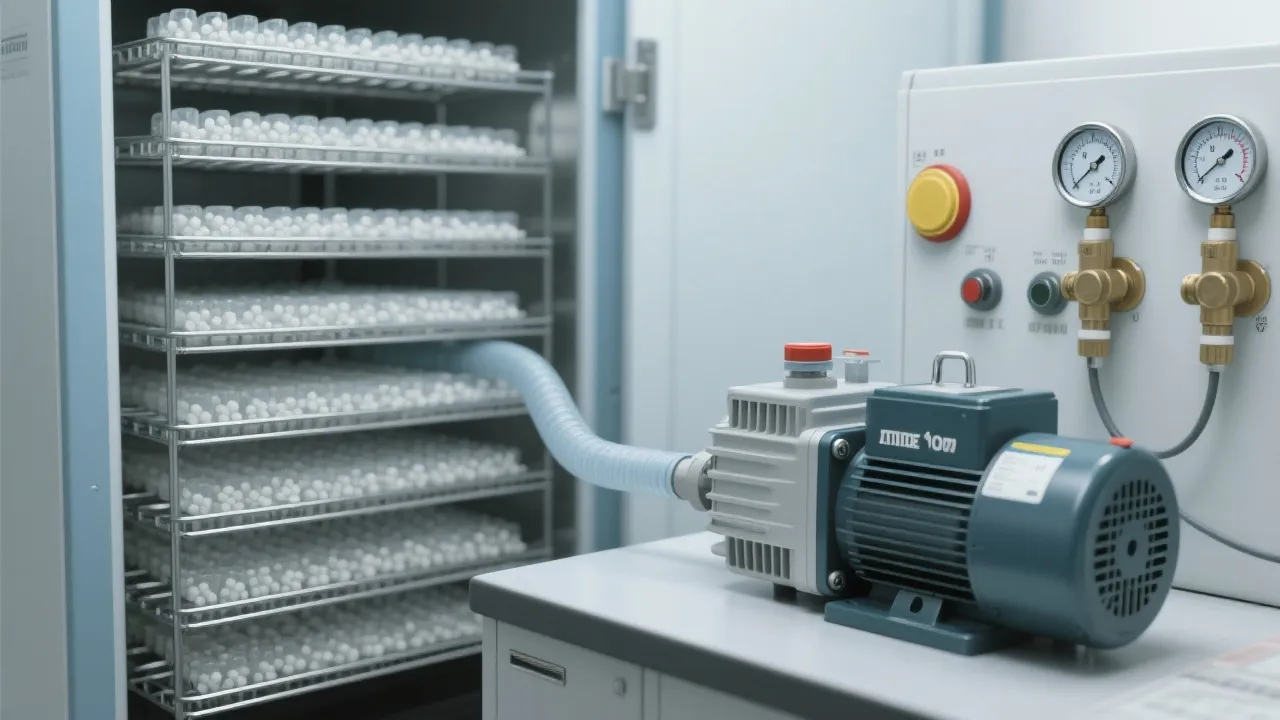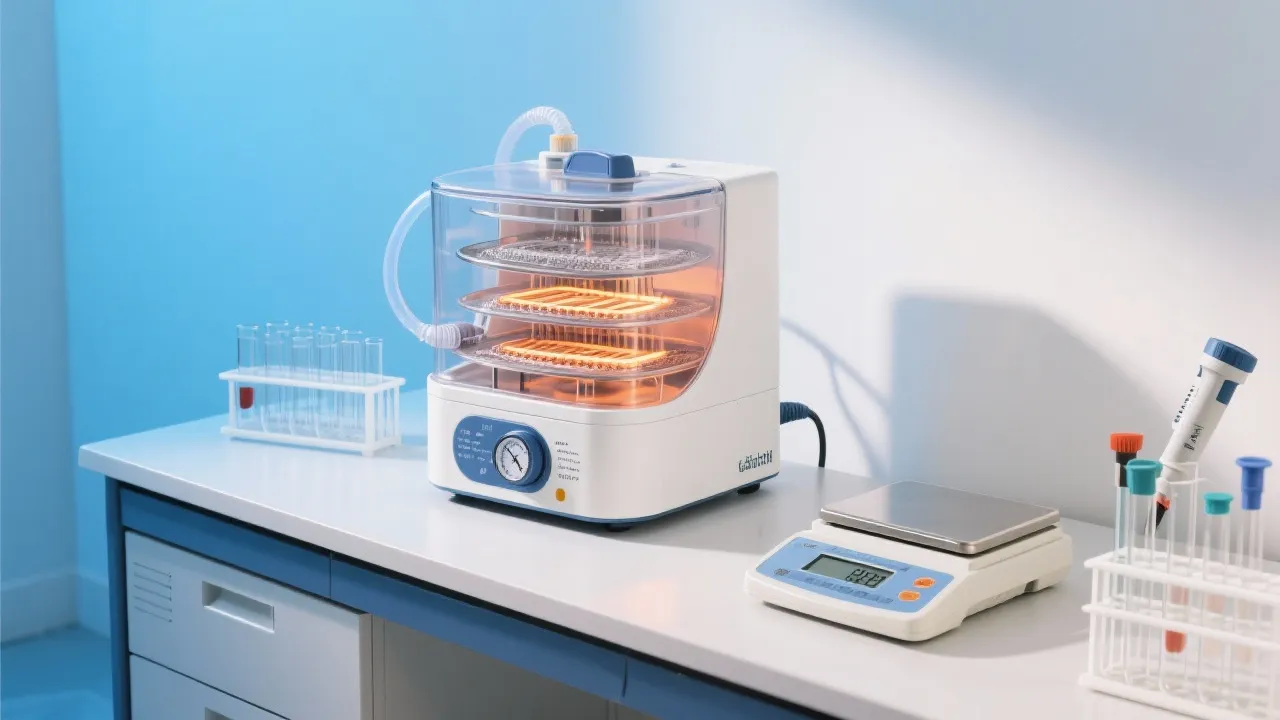
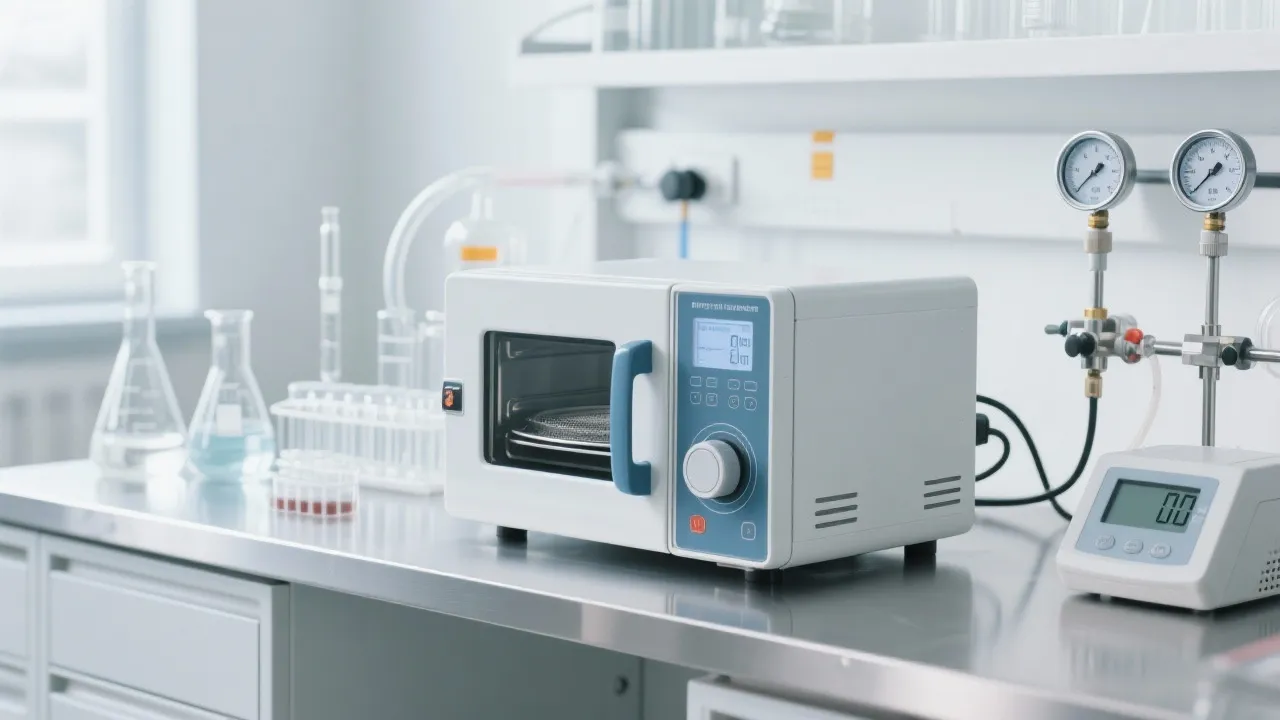
When you're working with sensitive samples—whether it’s biological tissue, organic solvents, or fine powders—the success of your experiment hinges on one critical factor: accurate temperature and vacuum control. A single misstep in setting parameters can lead to sample degradation, inconsistent results, or even equipment damage.
In a standard atmospheric environment, water boils at 100°C—but under vacuum, that boiling point drops dramatically. For example, at 10 mbar (roughly 0.75% of sea-level pressure), water boils at just 10–15°C. This means you can remove moisture without thermal stress on heat-sensitive materials like proteins or polymers. It also minimizes oxidation, preserving sample integrity—a key reason why researchers in pharma and biotech rely on vacuum drying for reproducible outcomes.
“Always pre-evacuate before heating. Skipping this step causes uneven drying and potential hot spots—even if your oven has dual PID temperature control.”
— Dr. Elena Rodriguez, Senior Research Scientist, MIT BioLab
| Sample Type | Recommended Temp Range | Vacuum Level | Tip |
|---|---|---|---|
| Biological Samples | 30–50°C | 10–50 mbar | Use slow ramp-up (1–2°C/min) |
| Organic Solvents | 40–60°C | 5–20 mbar | Monitor vapor pressure closely |
| Powdered Materials | 60–80°C | 20–100 mbar | Avoid sudden vacuum changes |
Remember: always start low and increase gradually. This “low-to-high” approach prevents shock-induced cracking in ceramics or denaturation in enzymes. And don’t forget to log each run—you’ll thank yourself later when troubleshooting or optimizing workflows.
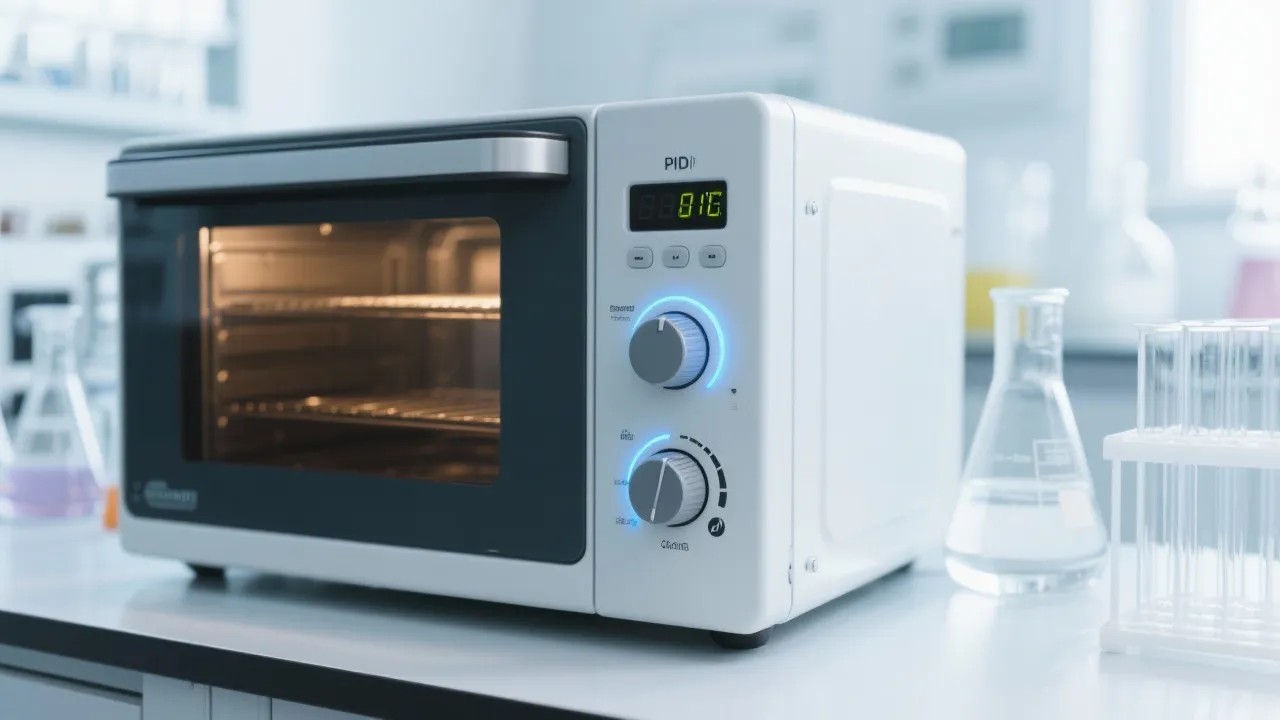
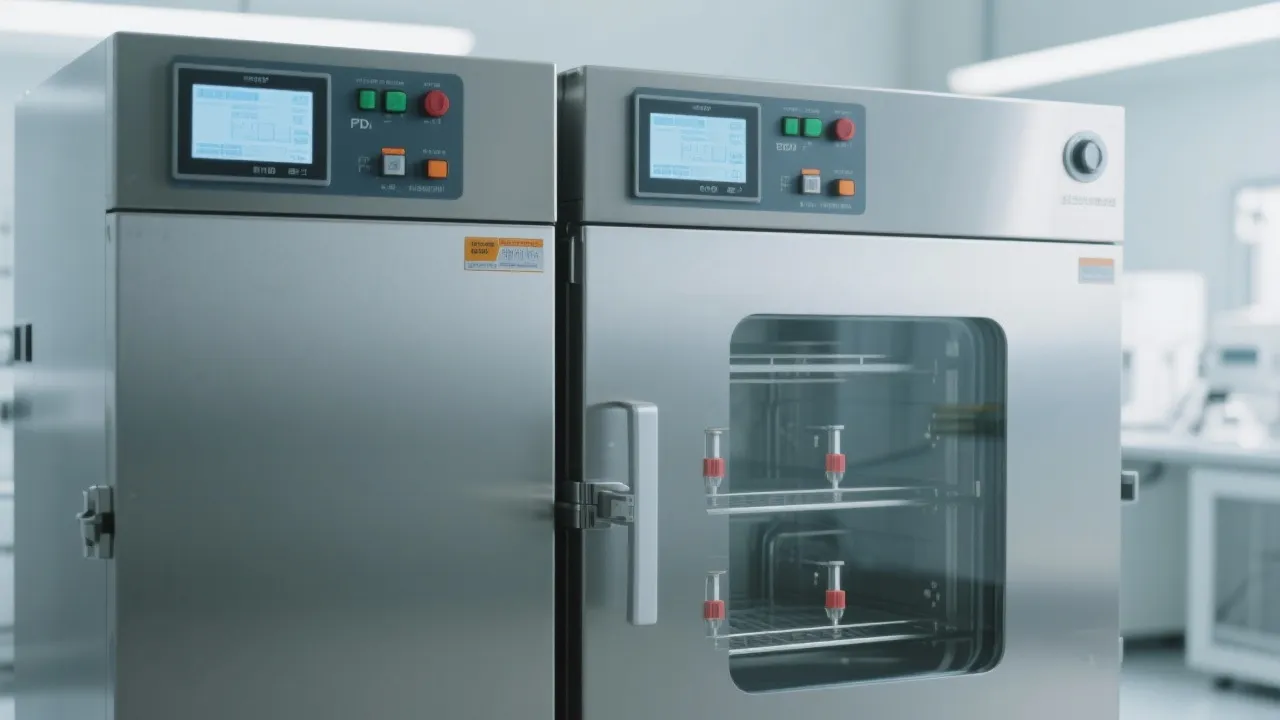
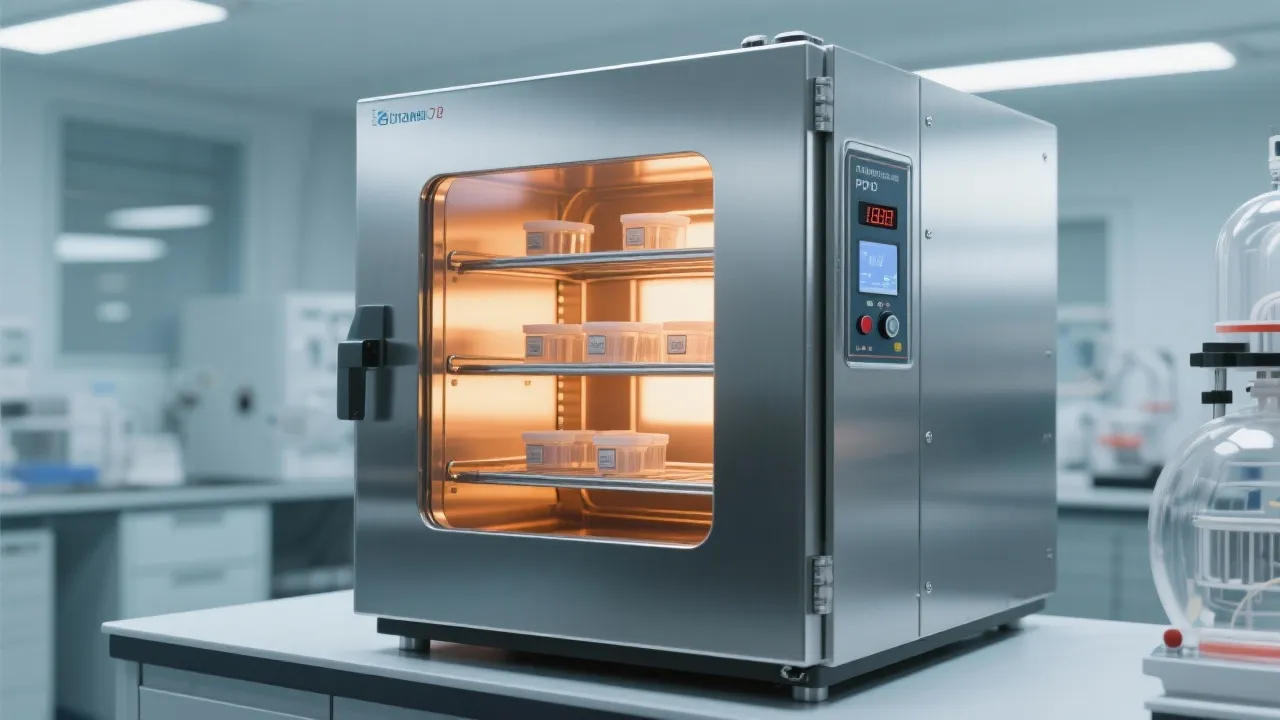
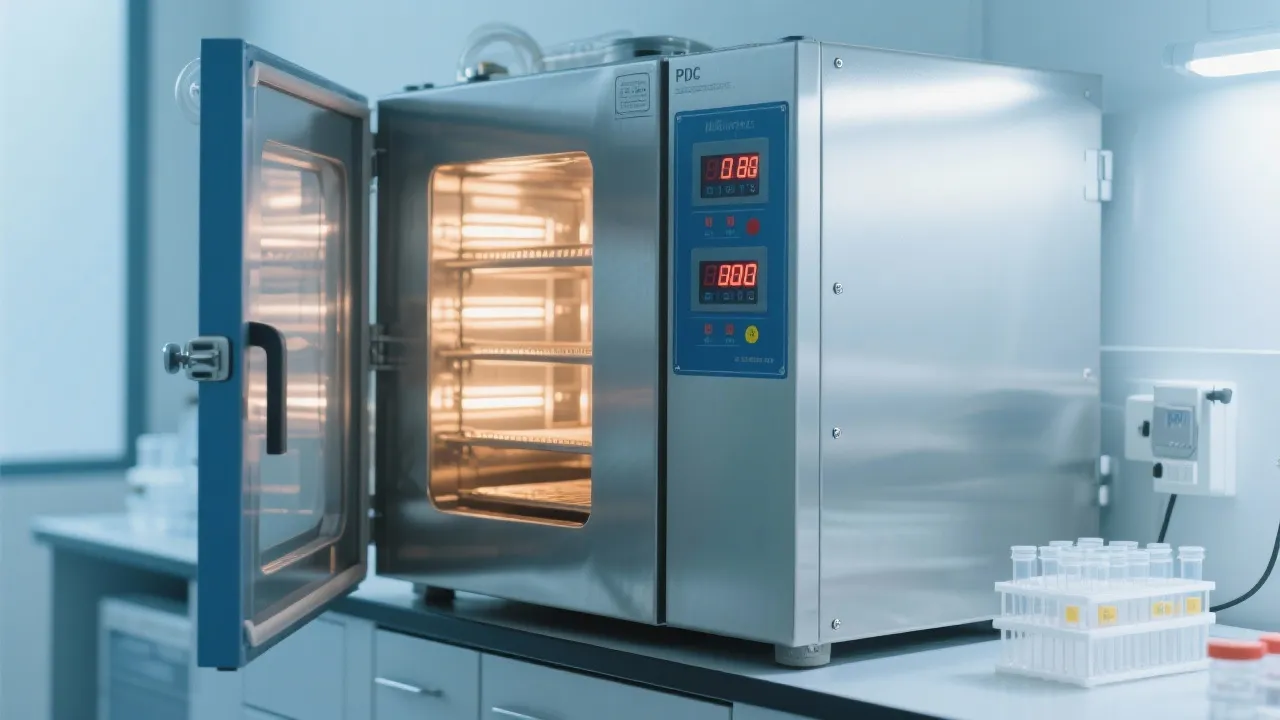
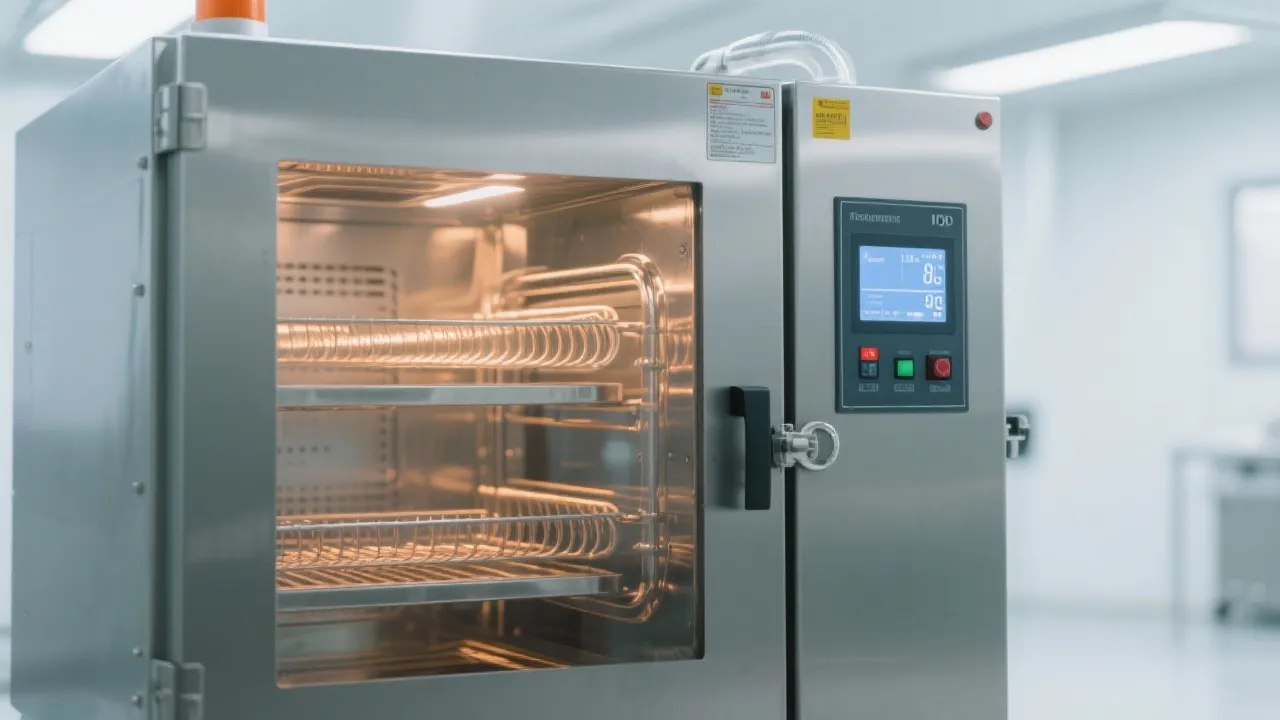
If your lab uses a model with double PID temperature control, you’re already ahead—this ensures ±0.5°C accuracy across the chamber, which is crucial for high-throughput screening and regulatory compliance (e.g., FDA or ISO 17025).
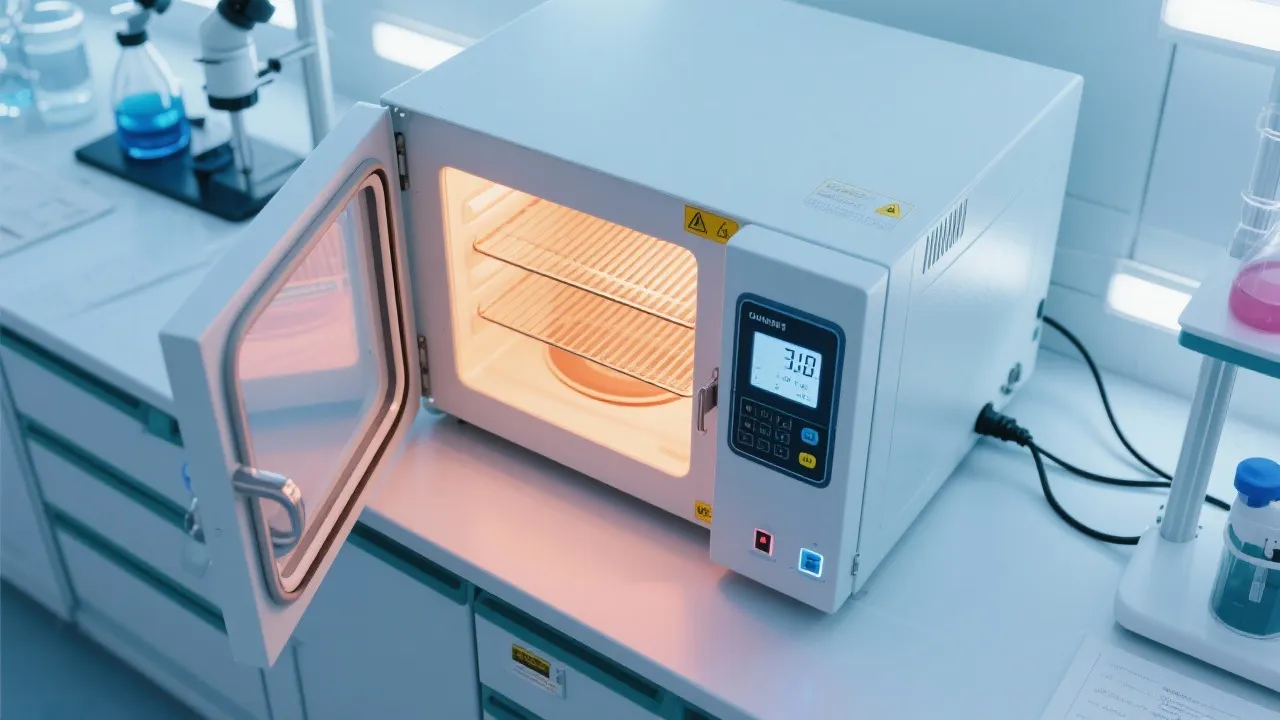
Pro Tip: Use the built-in memory function to save settings from previous runs—it cuts setup time by ~40% and reduces human error significantly.
Whether you're developing new formulations in an R&D lab or ensuring QC consistency in production, mastering these fundamentals turns your vacuum drying oven from a tool into a precision instrument.
Optimize Your Lab Workflow with Smart Vacuum Control