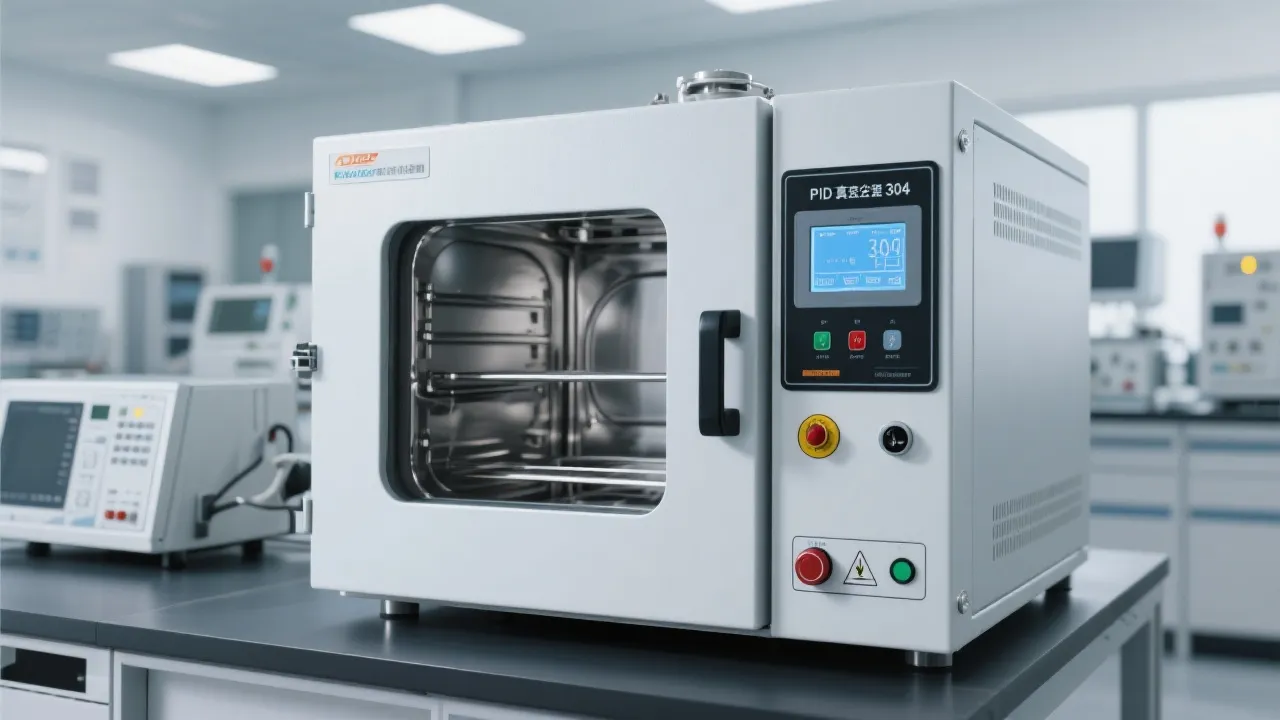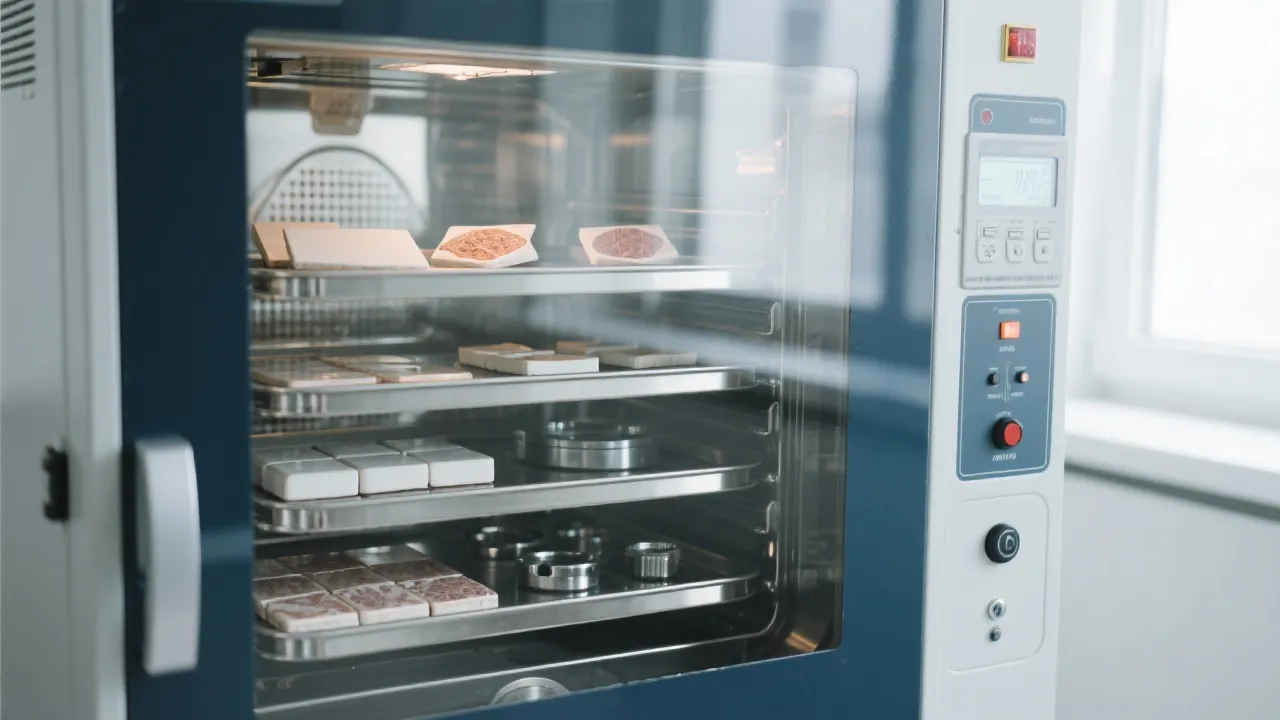
When it comes to drying heat-sensitive materials—from lithium battery electrodes to organic synthesis products—conventional air-drying often leads to degradation, uneven results, or even safety risks. That’s where vacuum drying shines. This guide breaks down how vacuum drying works, why it outperforms atmospheric methods in efficiency and precision, and how to apply it effectively across industries.
Studies show that vacuum drying can reduce energy consumption by up to 40% compared to hot-air ovens, especially when processing moisture-rich or thermally fragile substances. By lowering the boiling point of water under reduced pressure (e.g., at 10 mbar, water boils around 10°C), you avoid thermal damage while accelerating evaporation. For example, a lab using standard 60°C drying might lose volatile compounds—but with vacuum control at 35°C and 50 mbar, they retain 98% of original material integrity.
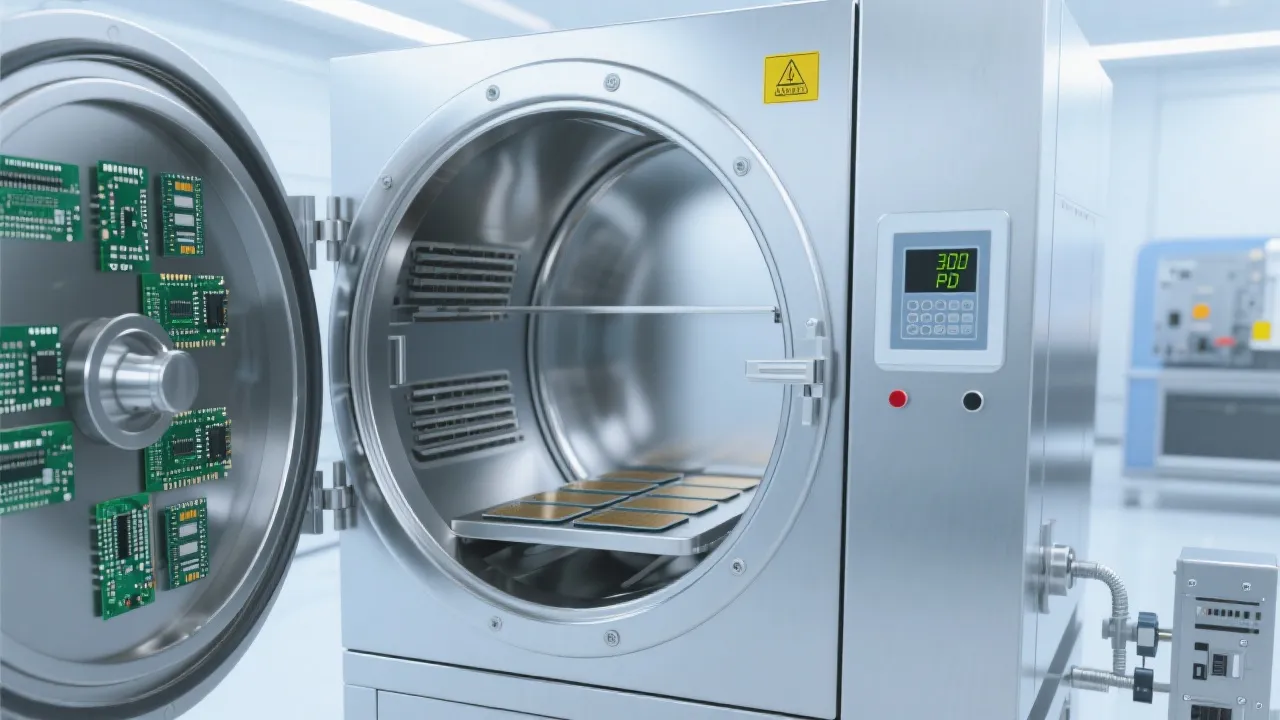
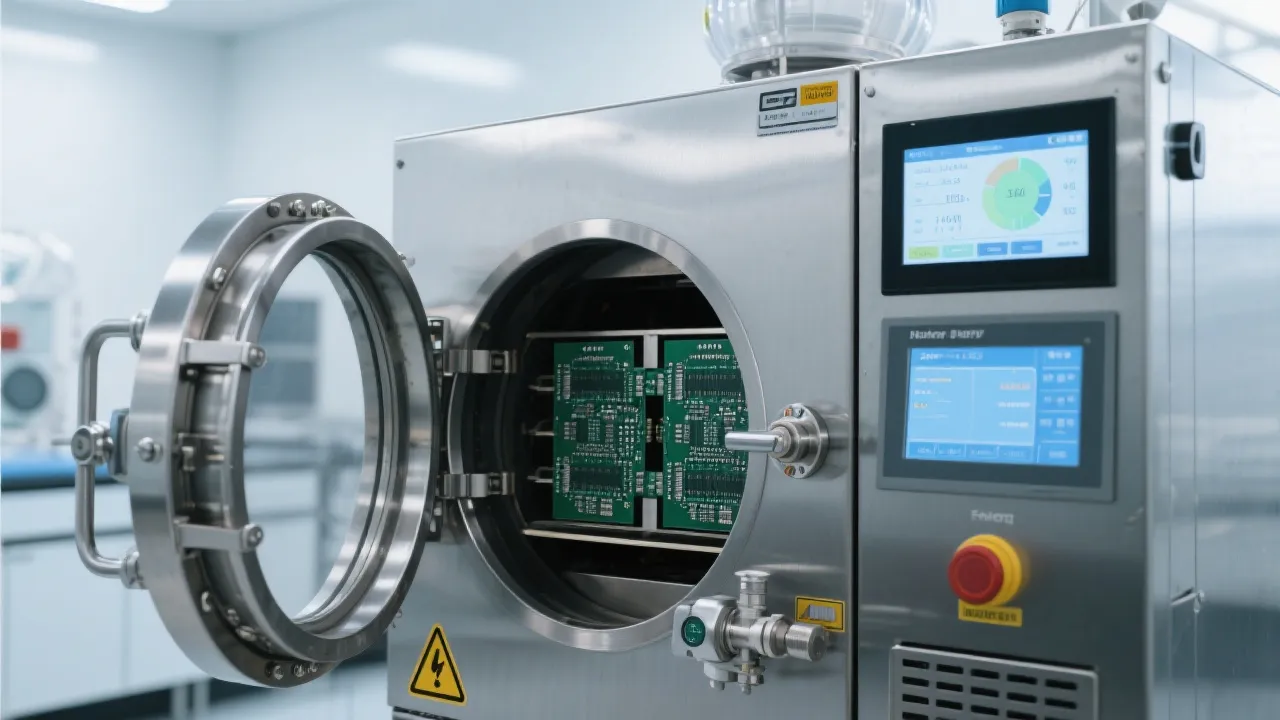
In a vacuum chamber, convection is eliminated—meaning no airflow carries away heat or contaminants. Instead, heat transfer relies on conduction from the heating plate and radiation from internal elements. To compensate, modern systems use double-zone PID controllers with 0.1°C accuracy. This ensures uniform temperature distribution, critical for applications like PCB curing or pharmaceutical drying where ±0.5°C variance could cause defects.
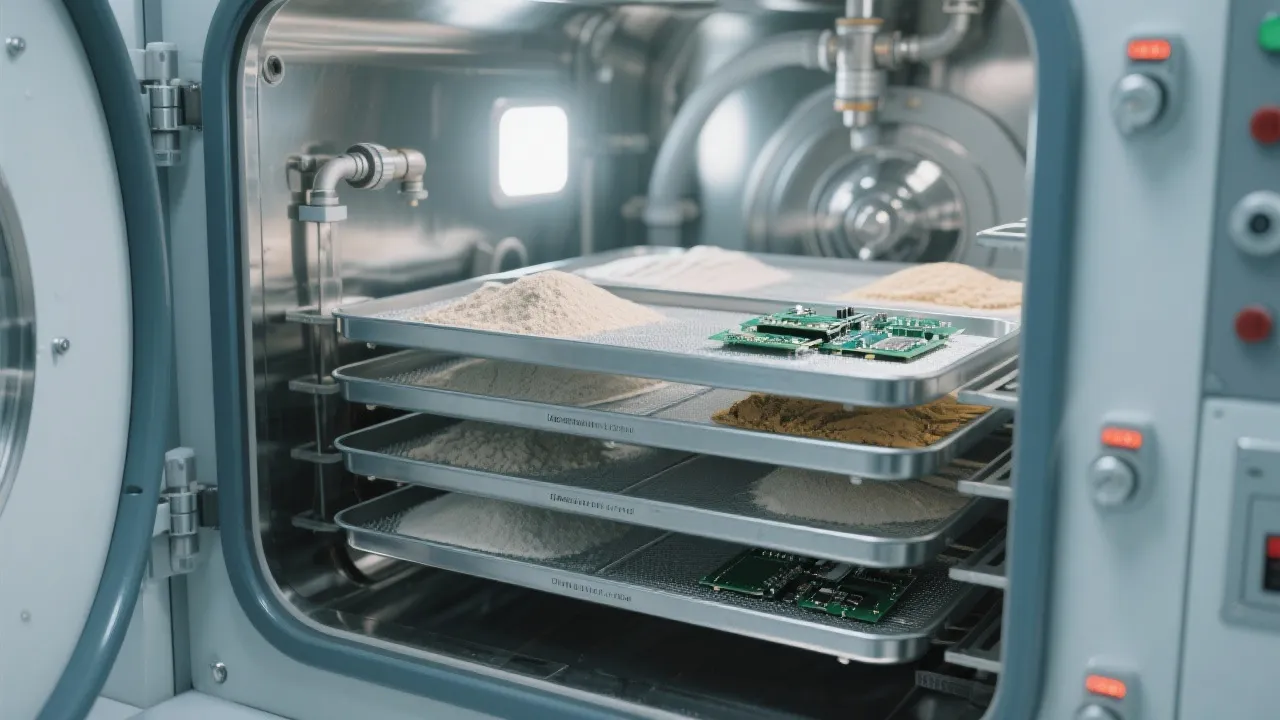
Different processes demand different settings:
Common pitfalls? Avoid sudden temperature spikes (>2°C/min) or poor vacuum pump selection—these lead to residual solvents or surface carbonization. Always pre-vacuum before heating, and allow 10–15 minutes for equilibrium after reaching target pressure.
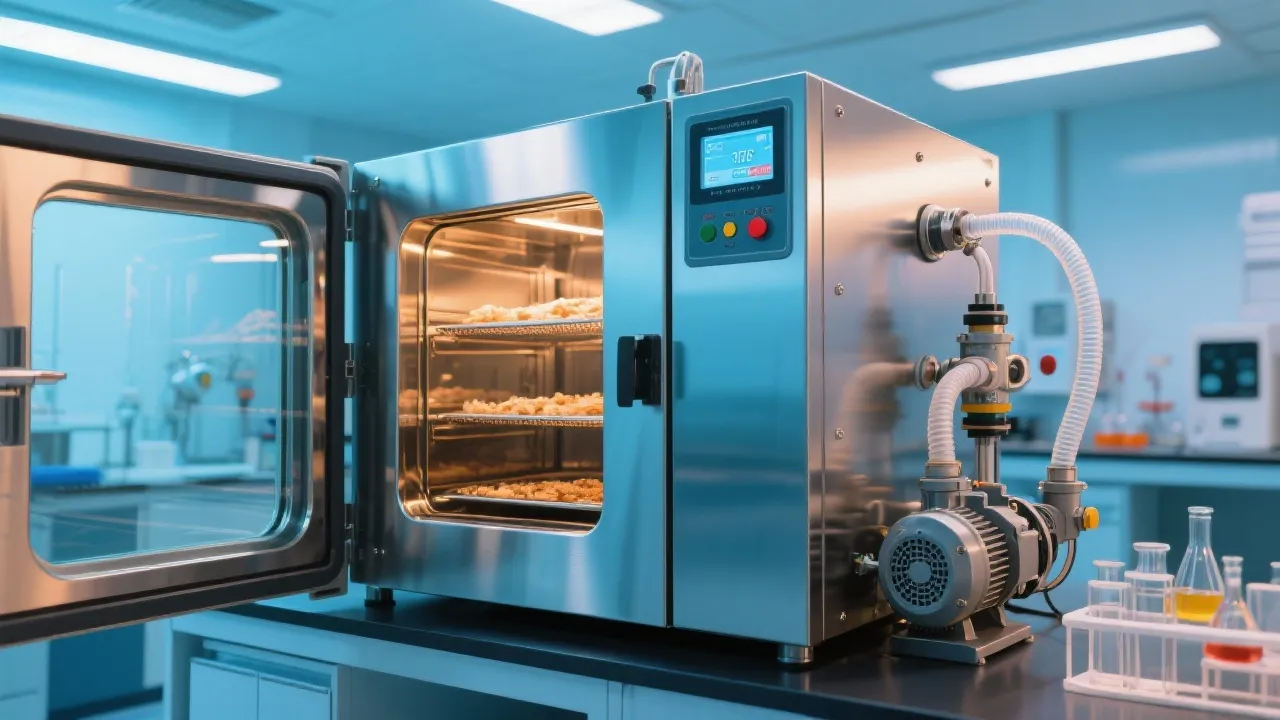
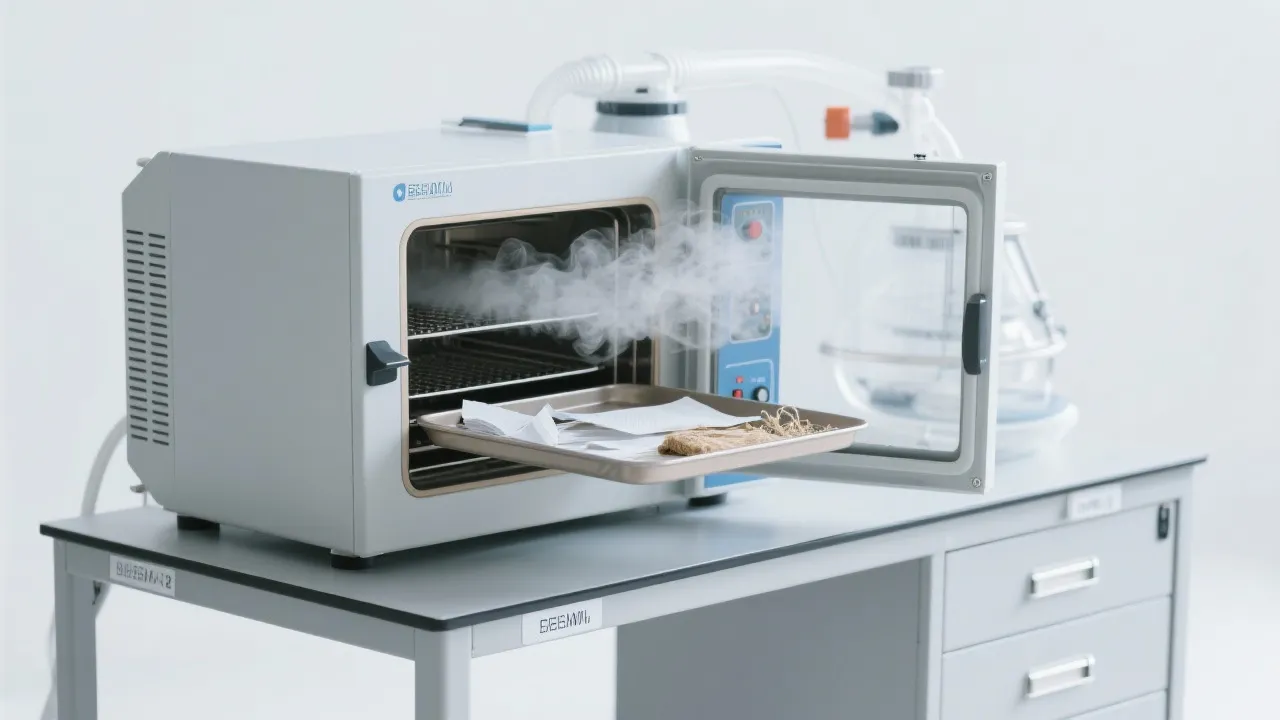
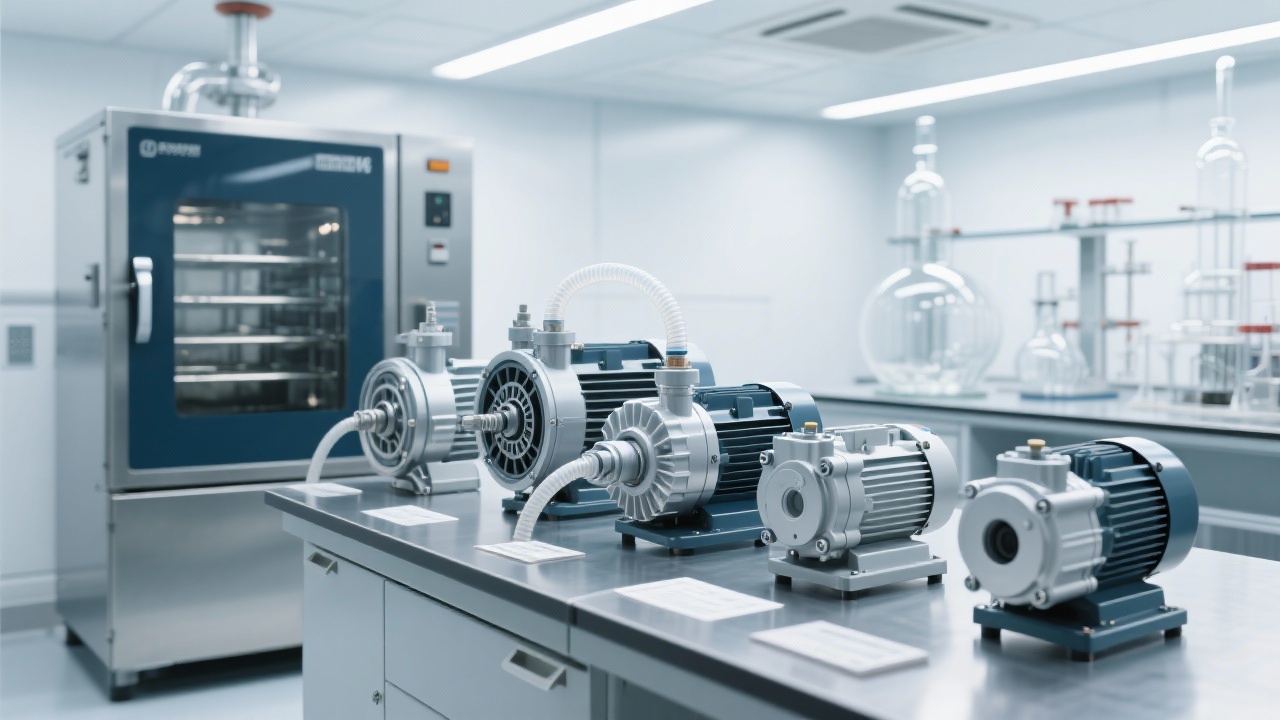
Modern vacuum dryers are built for adaptability—not one-size-fits-all. Whether your operation uses rotary vane pumps for low-cost setups or turbo-molecular pumps for ultra-high vacuum needs, compatibility matters. Look for models that support multiple pump types and integrate smart sensors for real-time monitoring. This flexibility not only future-proofs your investment but also reduces downtime during maintenance or process changes.
If you're facing challenges like inconsistent drying times, product discoloration, or equipment overheating—chances are, your current setup lacks precise control or proper vacuum management. We’ve helped hundreds of R&D teams optimize their workflows using this approach. If you’d like a downloadable checklist tailored to your specific application, just ask below.
“What’s your biggest challenge in vacuum drying?” — Take our quick 2-minute survey and get personalized tips from our technical team.
Want more? Download our free Vacuum Drying Process Manual PDF—packed with step-by-step protocols, parameter tables, and troubleshooting guides used by top-tier labs worldwide.
Get Your Free Guide Now →© 2025 [Your Brand Name] | Vacuum Drying Solutions for Science & Industry