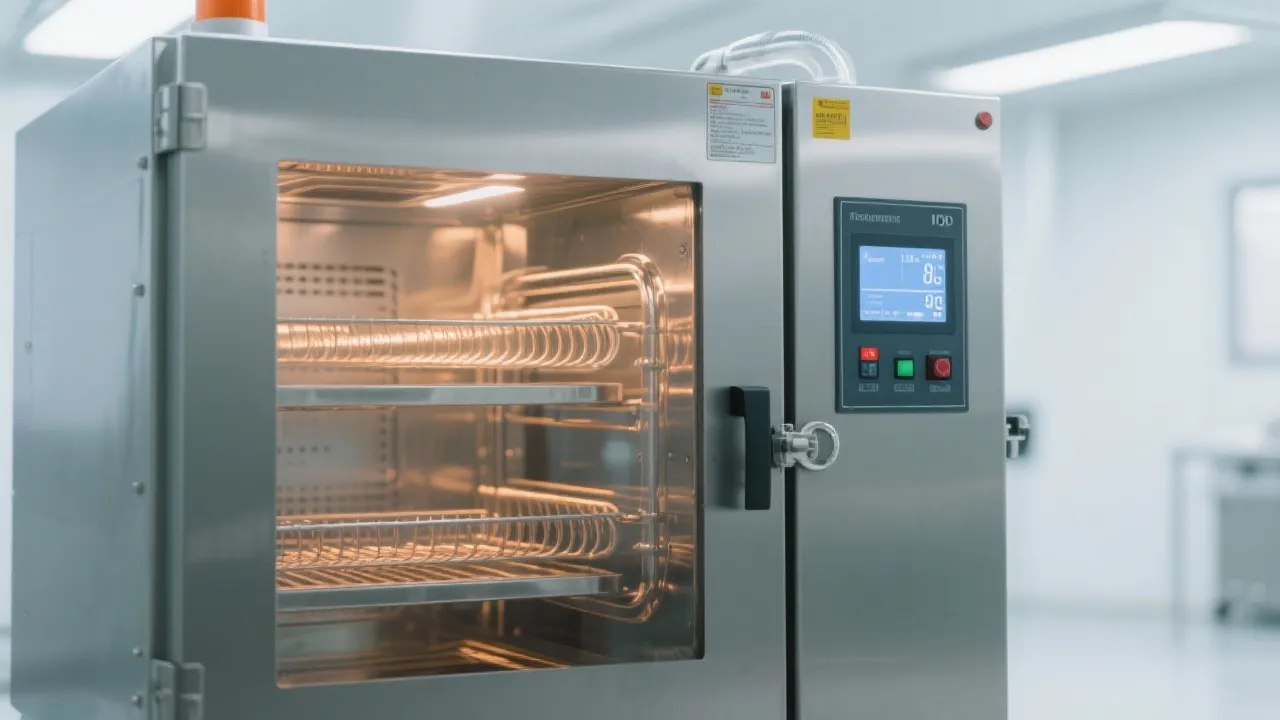
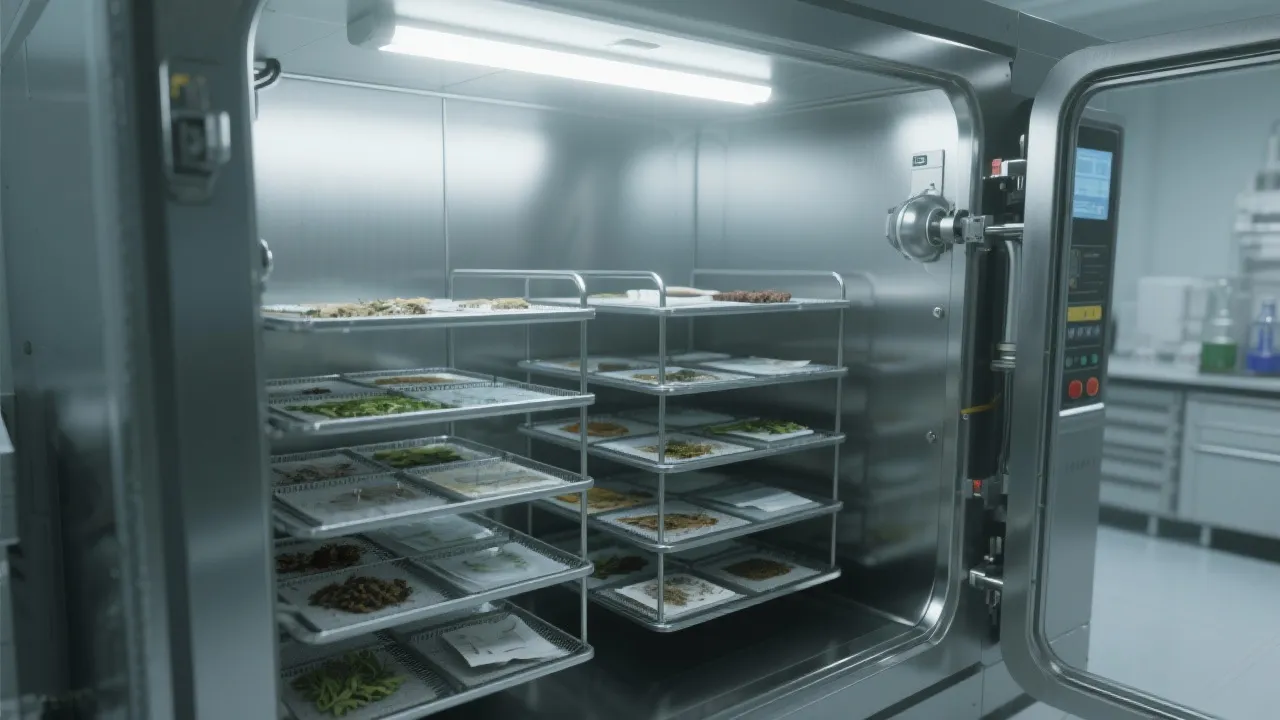
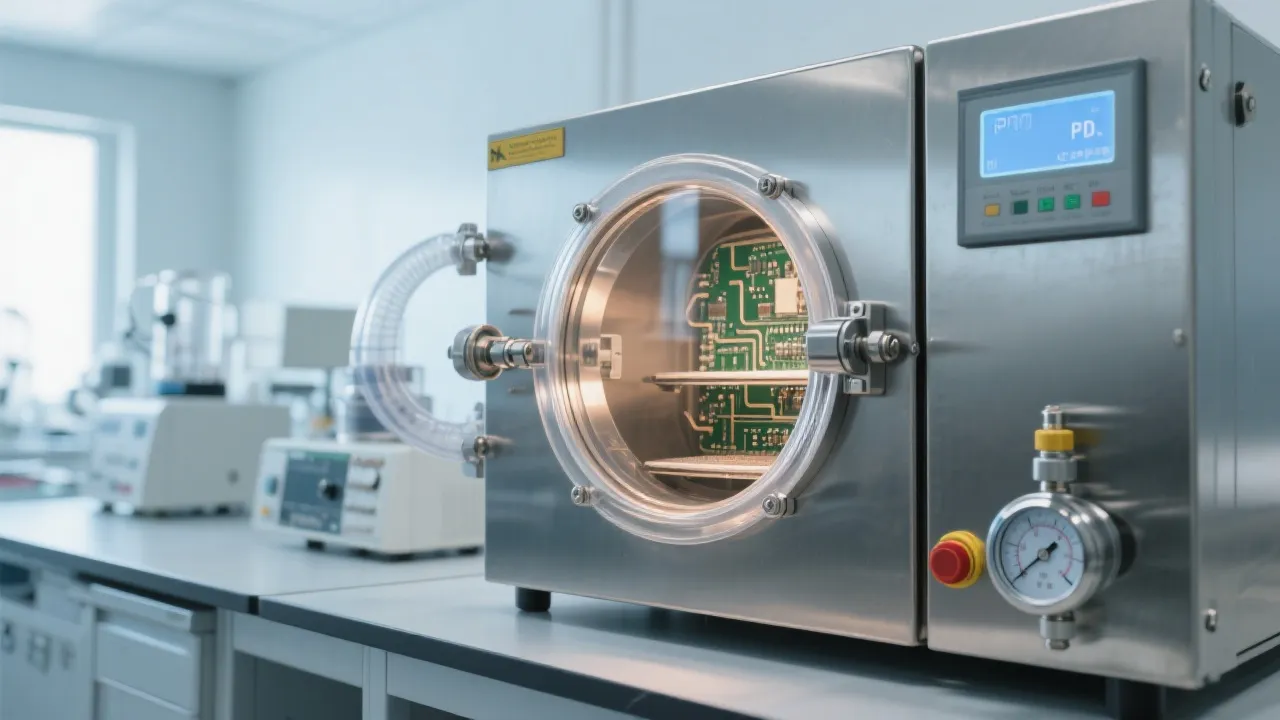
Vacuum Drying Oven Working Principle and Application in Electronic Component Curing
22 03,2026
Zhengzhou Keda Mechanical Instrument Equipment Co., Ltd.
Technical knowledge
This article explores the working mechanism of vacuum drying ovens, explaining how reduced pressure enables low-temperature, efficient drying while preventing thermal damage to samples. It emphasizes the critical role of precise temperature control (e.g., 0.1°C accuracy) and vacuum level settings in ensuring process stability and product quality during electronic component curing. Practical operation tips and common pitfalls—such as solvent residue, overheating, and pump compatibility—are addressed. The content also highlights safety features like over-temperature alarms, self-locking doors, and CE-certified design for reliable performance. Ideal for engineers and researchers seeking to optimize drying processes with confidence.
Understanding Vacuum Drying Technology for Precision Electronics Manufacturing
In today’s high-precision electronics industry, especially in PCB assembly and battery manufacturing, traditional drying methods often fail to meet the demand for consistency, safety, and energy efficiency. That’s where vacuum drying technology comes into play — not just as an alternative, but as a necessity.
Why Vacuum Drying Outperforms Atmospheric Methods
Unlike conventional ovens that rely on air convection at elevated temperatures (often above 100°C), vacuum dryers reduce ambient pressure to lower the boiling point of moisture — enabling effective drying at as low as 40–60°C. This means:
Energy savings up to 30% compared to standard hot-air drying (based on industrial case studies from EU-based electronics OEMs).
Zero thermal degradation risk for sensitive components like polymer films or solder pastes.
Improved process repeatability, critical for batch-to-batch quality control in medical device and aerospace applications.
The Science Behind It: How Pressure Changes Boiling Points
At sea level, water boils at 100°C. But inside a vacuum chamber at 10 mbar, it can evaporate at just 35°C — without damaging materials. This principle is key in processes such as:
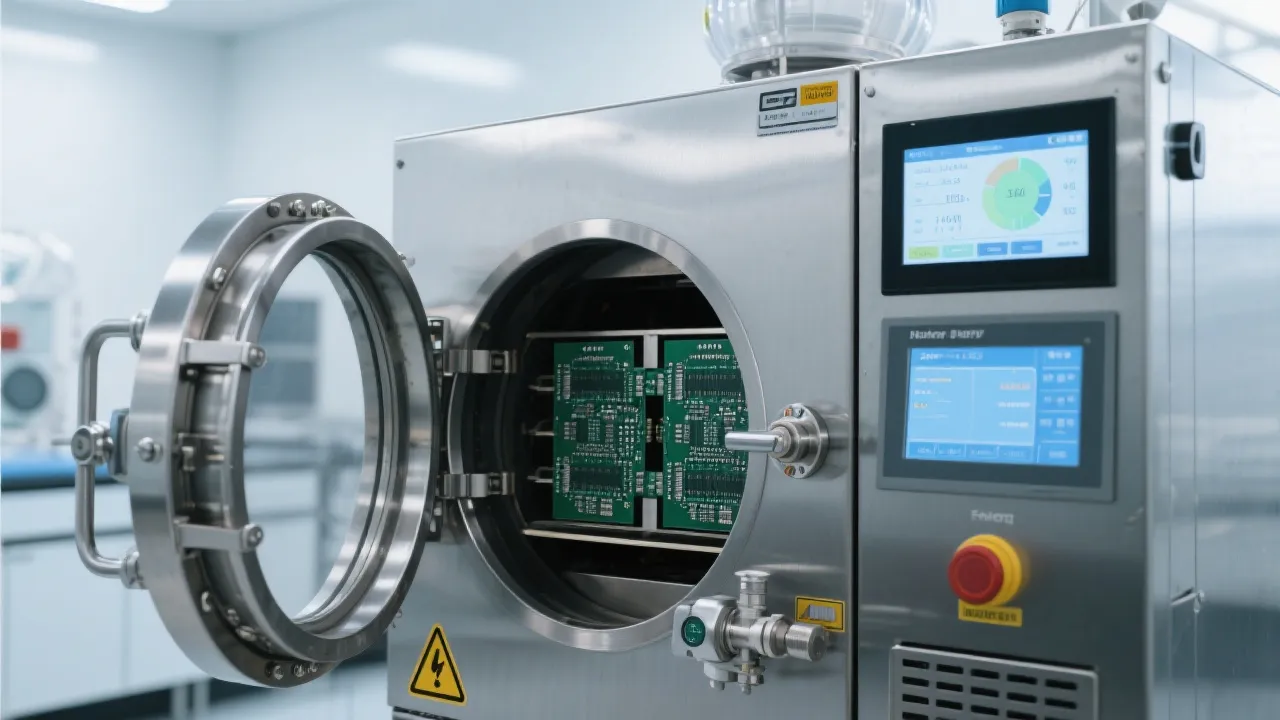
PCB board curing: Ensures no blistering or delamination due to trapped solvents.
Lithium-ion battery electrode drying: Prevents lithium salt decomposition at high temps.
Chemical sample preparation: Avoids oxidation during solvent removal.
A study by the German Institute for Materials Testing (IMT) confirms that maintaining a temperature precision of ±0.1°C significantly reduces variability in drying outcomes across multiple batches — a feature now standard in advanced models with dual-zone PID control systems.
Avoid Common Pitfalls: Practical Tips for Engineers
Even with the right equipment, improper setup leads to failures. Key considerations include:
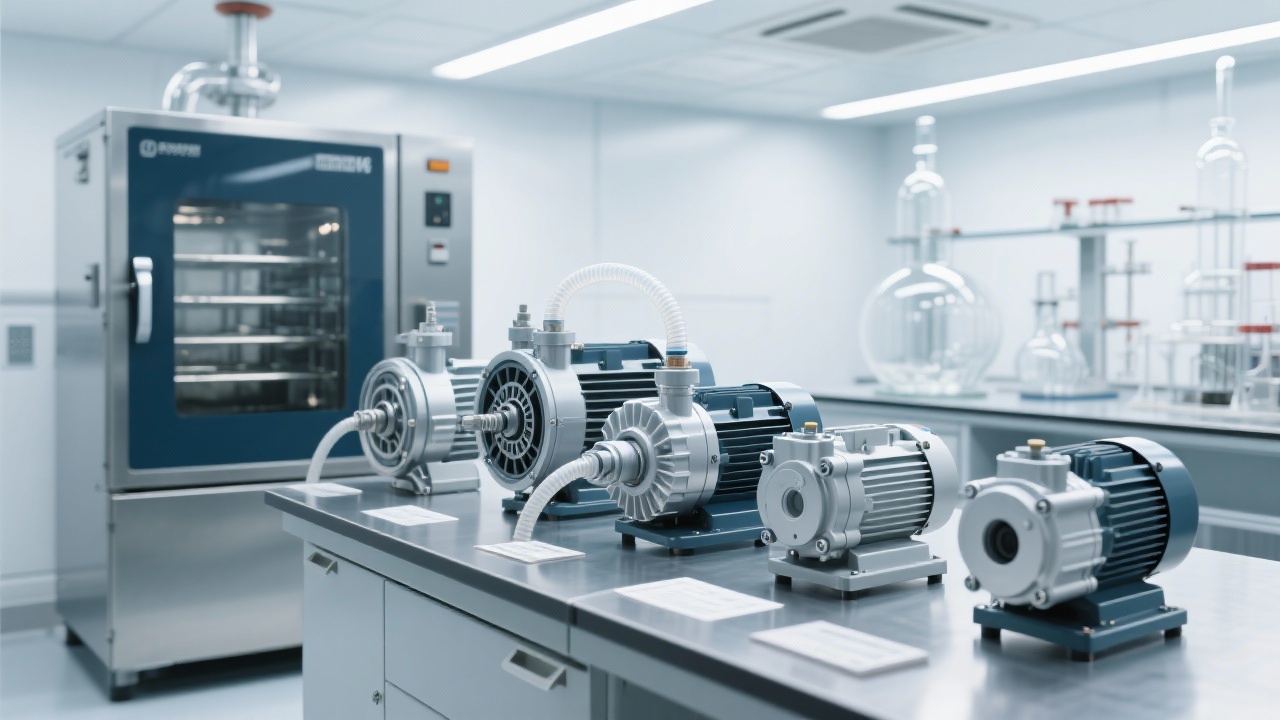
Vacuum pump compatibility: For fast drying cycles (e.g., 1–2 hours per load), use oil-free rotary vane pumps rated at 20 L/s or higher.
Preventing residue buildup: Always pre-clean parts before loading — residual oils can carbonize if overheated.
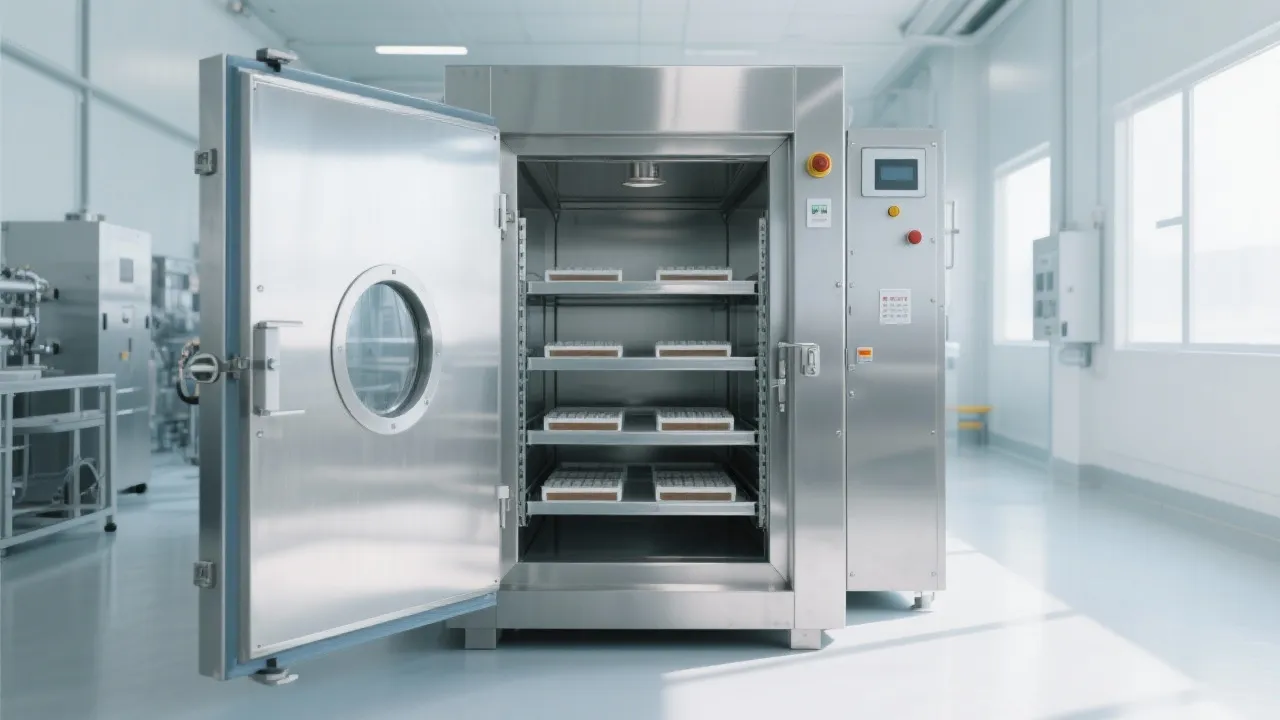
Safety first: Look for CE-certified units with automatic door locks, over-temperature alarms, and explosion-proof glass windows — especially when handling flammable solvents.
“In our R&D lab, switching to a vacuum dryer reduced failed PCB runs by 78% within three months,” says Dr. Lena Müller, Senior Process Engineer at Bosch Automotive Components GmbH. “It’s not just about drying — it’s about controlling every variable.”
Ready to Optimize Your Drying Process?
If you're working in electronics, battery tech, or chemical processing, understanding how vacuum drying impacts product integrity isn’t optional — it’s essential. Whether you’re selecting your next machine or refining current protocols, having accurate data and smart design choices makes all the difference.
Download our free “Vacuum Drying Process Handbook” PDF — filled with real-world parameters, troubleshooting guides, and expert tips used by top-tier manufacturers worldwide.