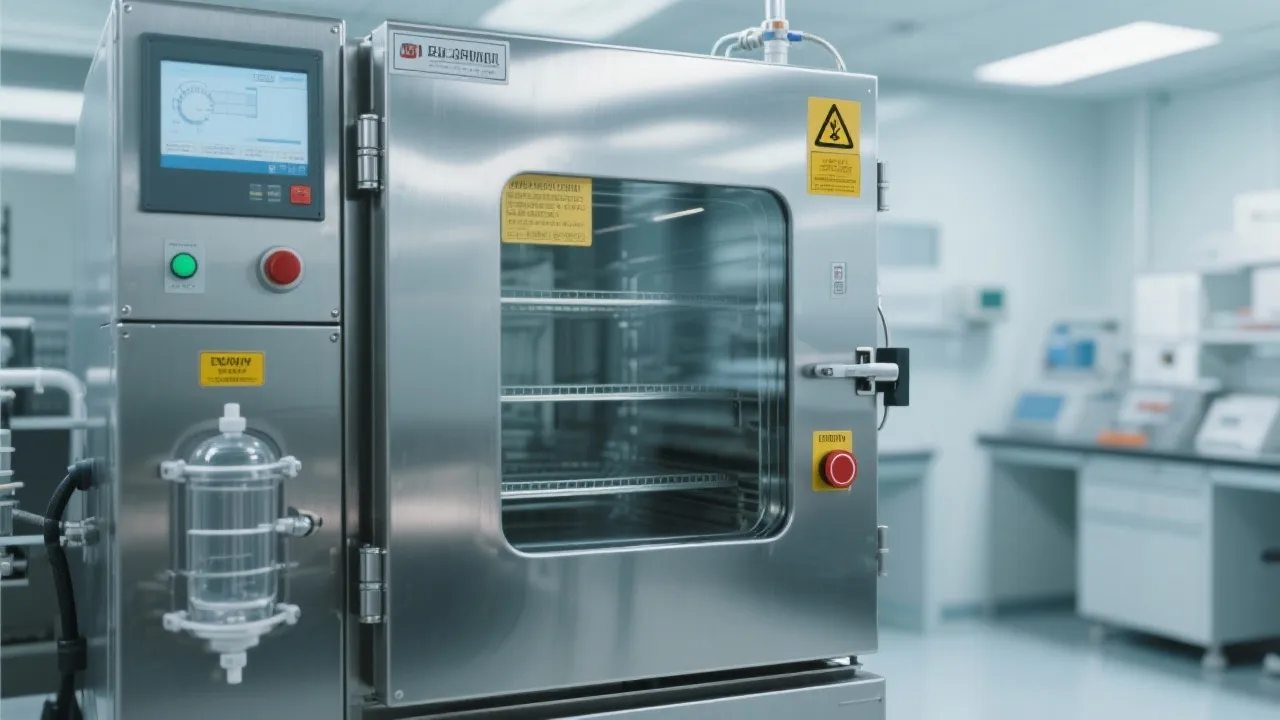
Comprehensive Operation Guide for Vacuum Drying Ovens: Key Settings for Temperature, Time, and Vacuum Level

20 01,2026
Zhengzhou Keda Mechanical Instrument Equipment Co., Ltd.
Technical knowledge
Master the essential operation parameters of the DZ-3BCII digital vacuum drying oven with this detailed guide tailored for material science and biological research. Learn step-by-step temperature programming, time scheduling, and vacuum control techniques to prevent sample oxidation, enhance drying efficiency, and improve experimental reproducibility. Whether you’re a researcher or process engineer, this guide equips you with practical instructions and expert tips to ensure precise experiments and consistent results. Featuring high-precision PID temperature control with ±1℃ accuracy, the DZ-3BCII delivers reliable performance for your laboratory drying needs.
Diagram illustrating optimal parameter settings workflow for DZ-3BCII vacuum drying oven

Mastering Vacuum Drying Oven Operation: Temperature, Time & Vacuum Control Essentials

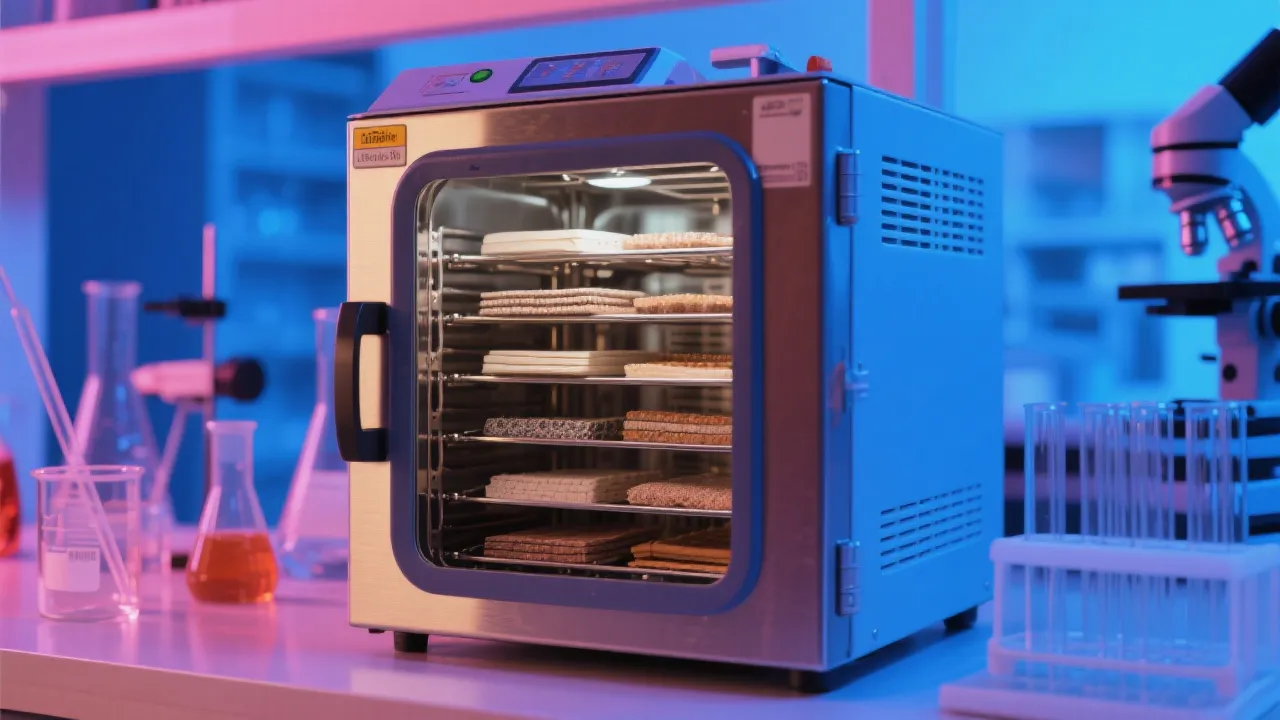
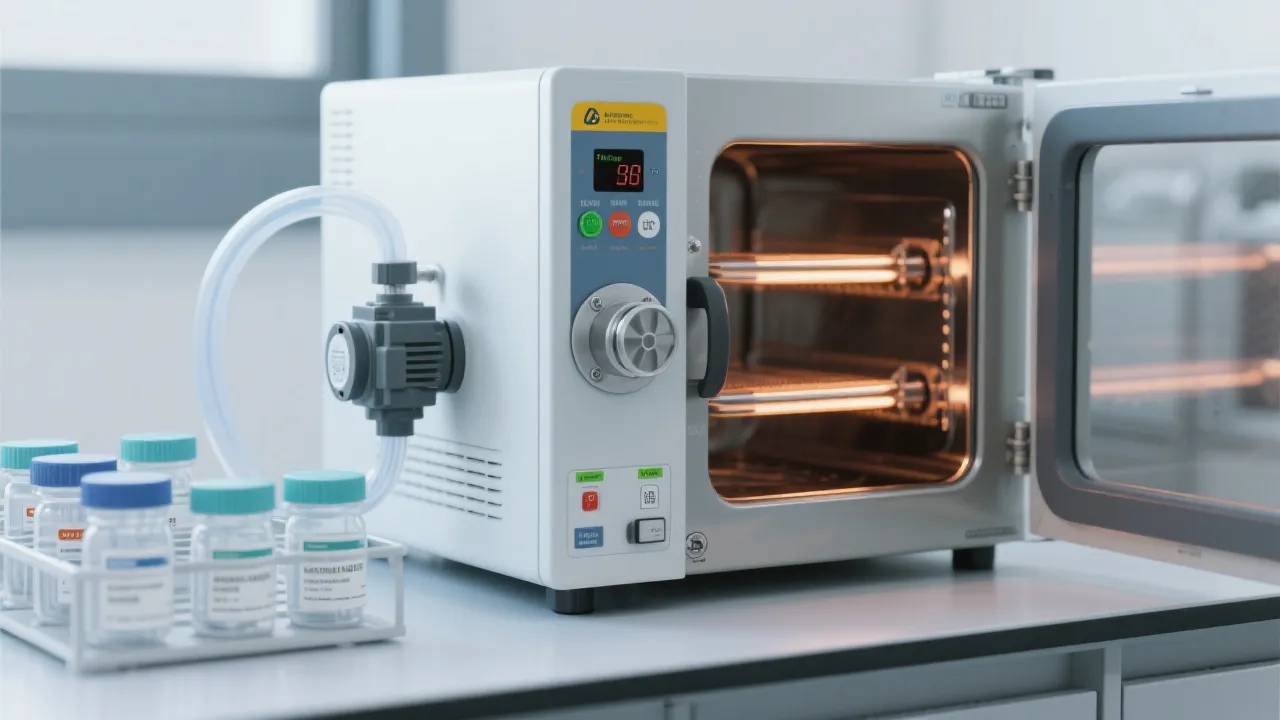
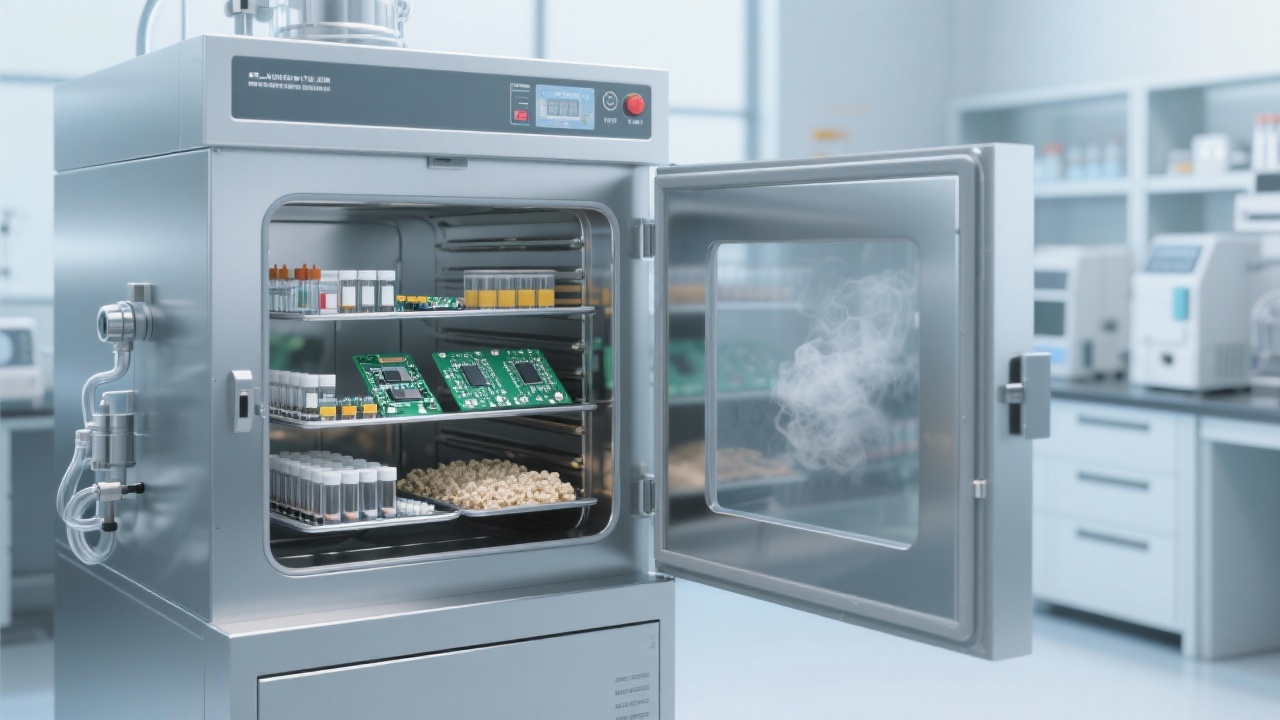
When precision matters in material science and biological research, mastering the vacuum drying oven’s operation is crucial. The DZ-3BCII Digital Vacuum Drying Oven stands out with advanced features like four-sided heating, PID temperature control, and a corrosion-resistant stainless steel interior — all designed to enhance your drying processes with accuracy and repeatability.

Understanding Vacuum Drying Technology and Its Impact in Research

Vacuum drying removes moisture from samples under reduced pressure, significantly lowering boiling points and protecting heat-sensitive materials from oxidative damage. This method is indispensable for maintaining sample integrity—especially for biological specimens or delicate polymers. Are you aiming to boost your experimental reproducibility? Correct vacuum drying protocols can be a game-changer, minimizing batch variations and accelerating workflow cycles.

Key Features of the DZ-3BCII Vacuum Drying Oven

  • Four-wall heating system: Ensures uniform temperature distribution to avoid hotspots and sample degradation.
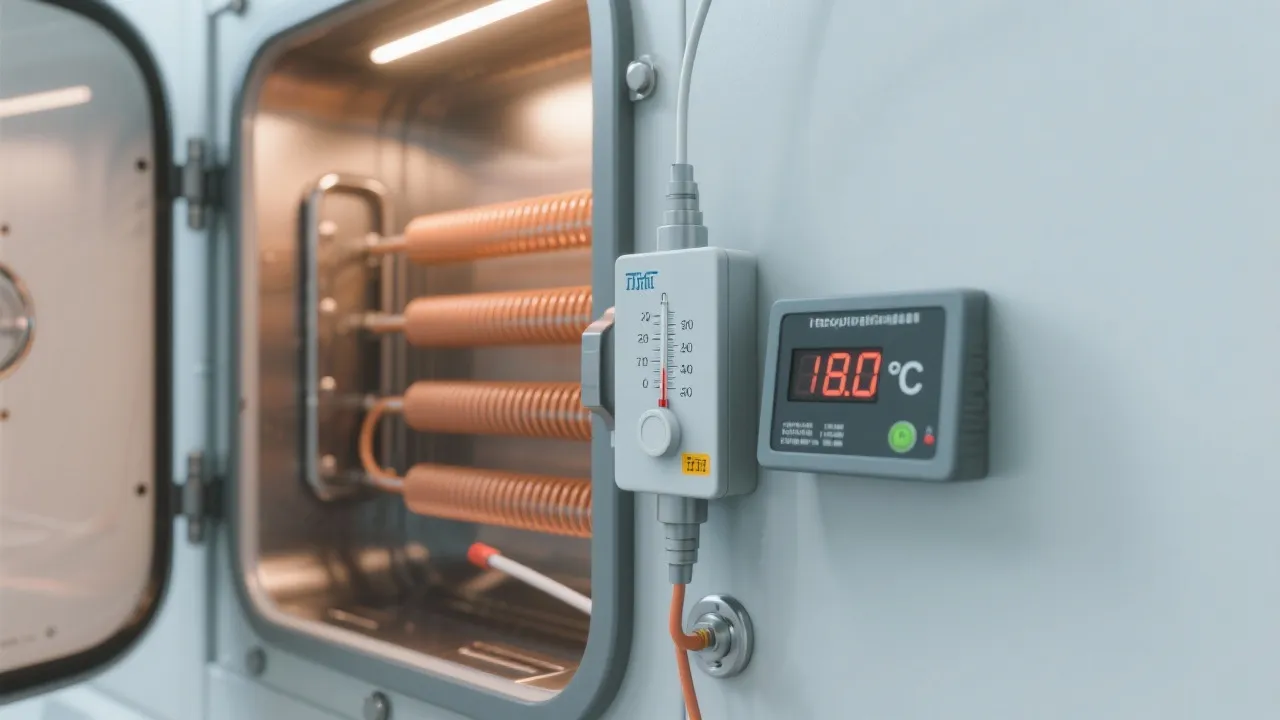
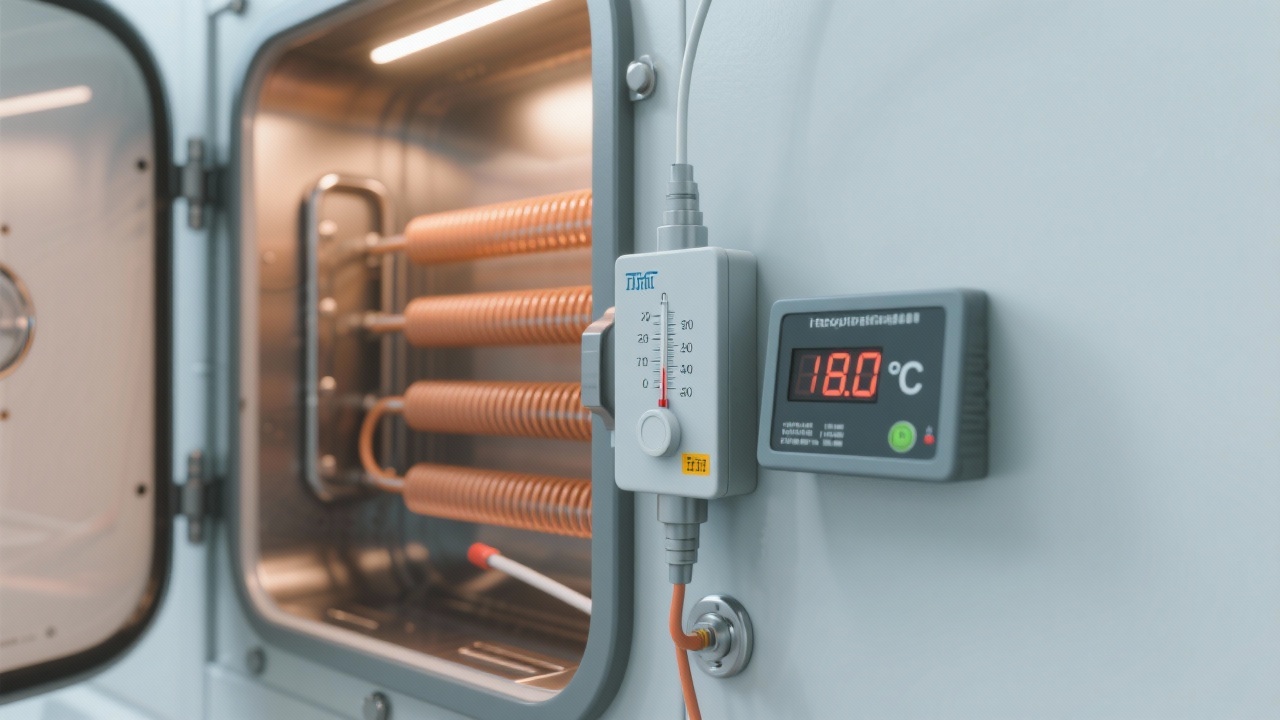
  • PID Temperature Control: Delivers high precision with ±1℃ stability, ensuring consistent batch quality.
  • Stainless Steel Inner Chamber: Robust and corrosion-resistant for long equipment life even under harsh conditions.

Step-by-Step Operation: Temperature, Timing & Vacuum Settings

For optimal drying results with the DZ-3BCII, carefully select parameters matching your specific sample:

  1. Temperature Range Selection: Choose appropriate temperature between 20℃ to 200℃. The PID controller maintains ±1℃ precision — critical for heat-sensitive materials.
  2. Time Programming: Set the drying duration based on sample moisture content; typical ranges vary from 30 minutes up to 8 hours.
  3. Vacuum Degree Adjustment: Regulate the vacuum level to between 0.09 MPa down to 0.01 MPa, enhancing moisture evaporation efficiency and preventing oxidation.
“Optimize your vacuum settings first before adjusting temperature and time. This triad governs drying speed and sample integrity,” advises Dr. Emma Liu, Materials Scientist.

Application Insights: Material Science & Biological Sample Drying

In materials research, using a gentle temperature ramp-up avoids thermal shock and cracking. For instance, when drying polymer films, ramp temperature gradually by 5℃/min to 80℃ over an hour, then maintain vacuum at 0.02 MPa for 3 hours to secure complete moisture removal without degradation.

Biological specimens, prone to oxidation, demand a stable vacuum below 0.015 MPa and temperature tightly held near 40℃—a balance that DZ-3BCII’s precise controls enable effortlessly.
营销主题配图_1763950603577.jpg

Common Pitfalls and Solutions

Many users encounter issues such as:

  • Rapid temperature increase: This often causes sample cracking. Solution: use slow ramp temperature settings.
  • Insufficient vacuum: Leads to prolonged drying times and incomplete moisture removal. Solution: Check vacuum pump effectiveness and ensure proper sealing of the chamber.

Comparing Vacuum Drying Ovens: DZ-3BCII vs. Conventional Ovens & Freeze Dryers

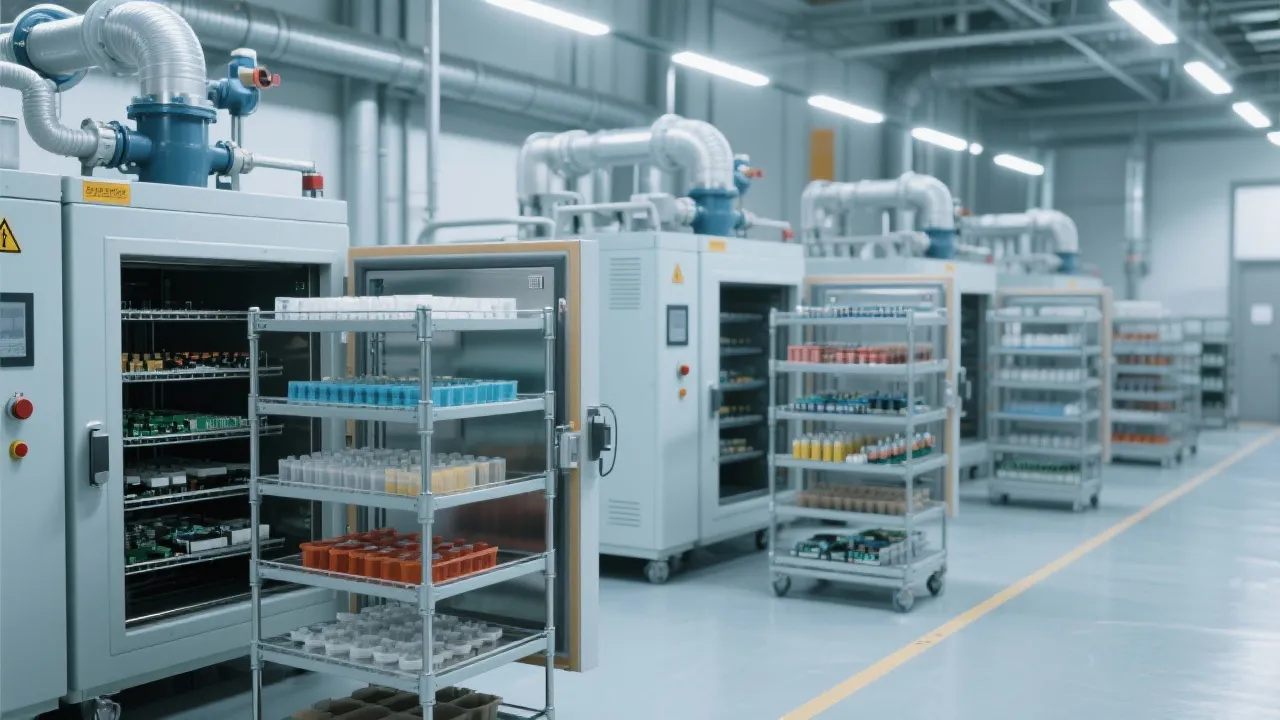
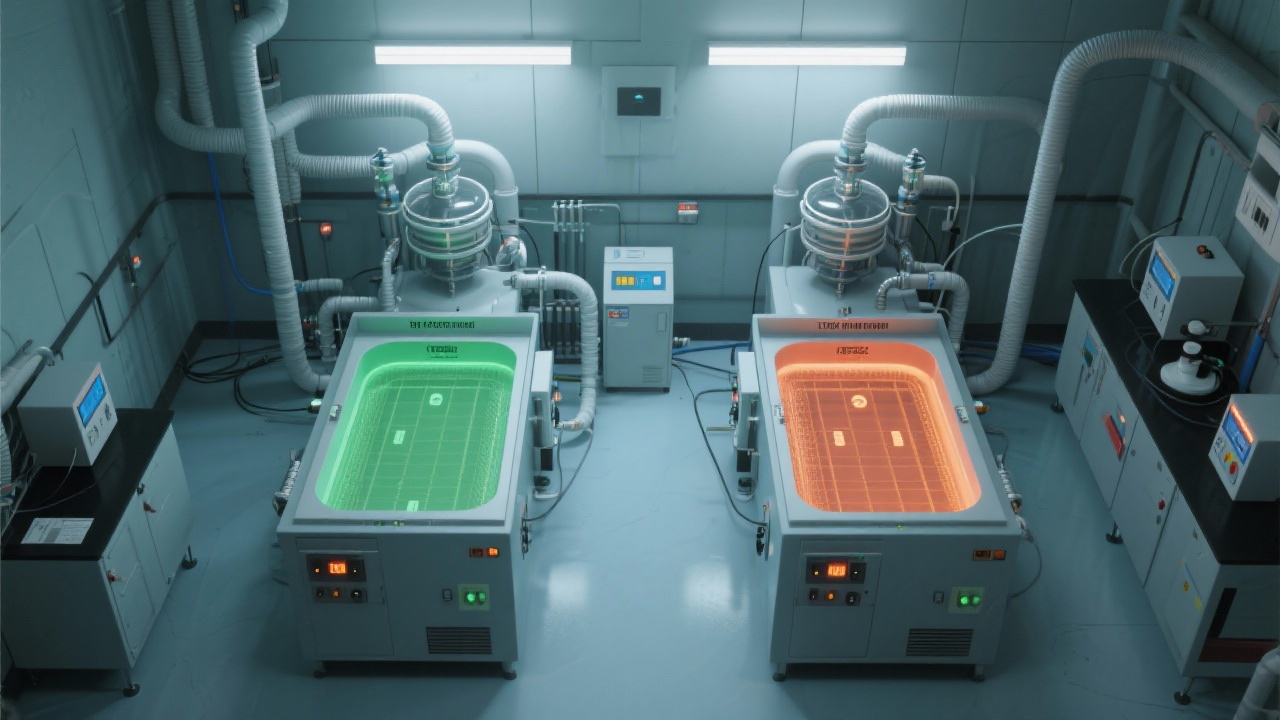
Unlike traditional ovens, which rely solely on heat and atmospheric pressure, the DZ-3BCII’s vacuum environment reduces drying temperature requirements by up to 30%, preserving sample quality. Compared to freeze dryers, it offers faster throughput and lower operational complexity—ideal for samples tolerant to moderate heat.
营销主题配图_1763950857885.jpg

Why Accurate Operation Matters for Your Lab and Equipment Longevity

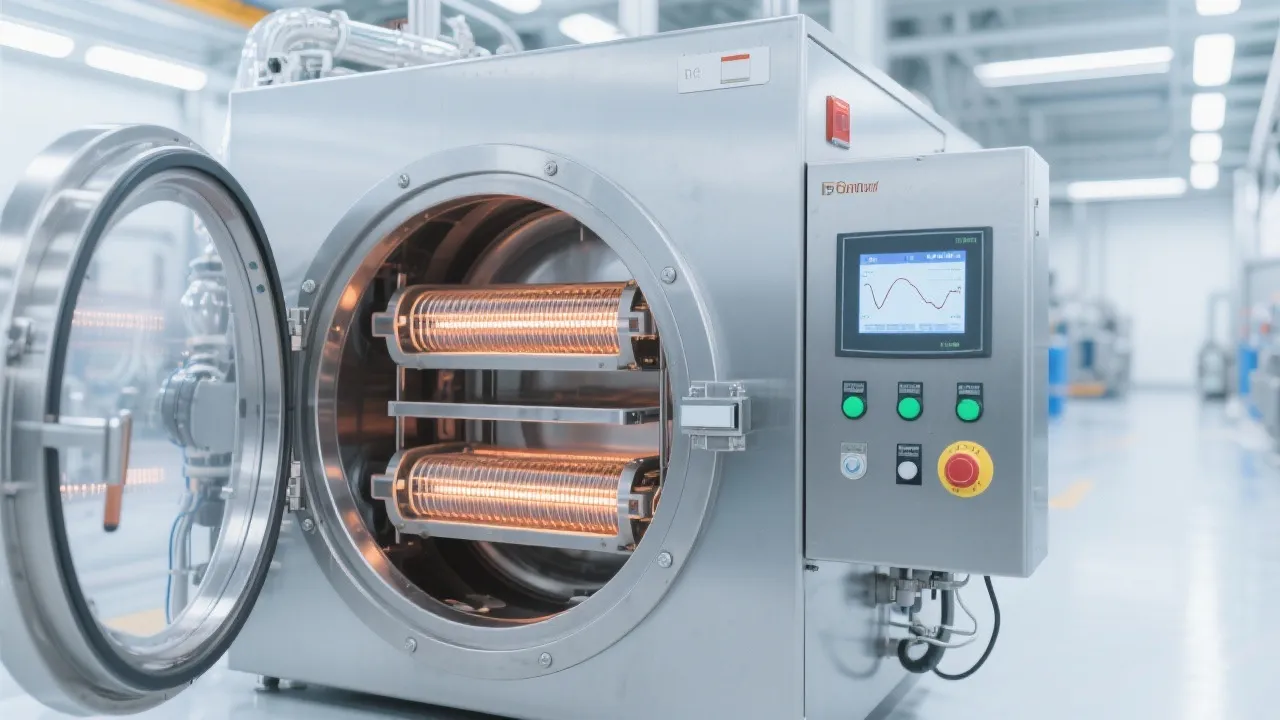
Precise control of temperature, vacuum, and time not only ensures reliable, repeatable experimental outcomes but also improves device lifespan by preventing overheating and component wear. The DZ-3BCII’s robust PID control algorithm and high-grade construction safeguard your investment while elevating your research standards.
营销主题配图_1763950605479.jpg

Have you experienced inconsistent drying results or equipment malfunctions due to incorrect parameter settings? The DZ-3BCII offers you a proven, data-driven solution tailored for precise and efficient vacuum drying.

Name *
Email *
Message*

Recommended Products

Popular articles
Recommended Reading

Related Reading

Contact us
Contact us
https://shmuker.oss-cn-hangzhou.aliyuncs.com/tmp/temporary/60ec5bd7f8d5a86c84ef79f2/60ec5bdcf8d5a86c84ef7a9a/thumb-prev.png