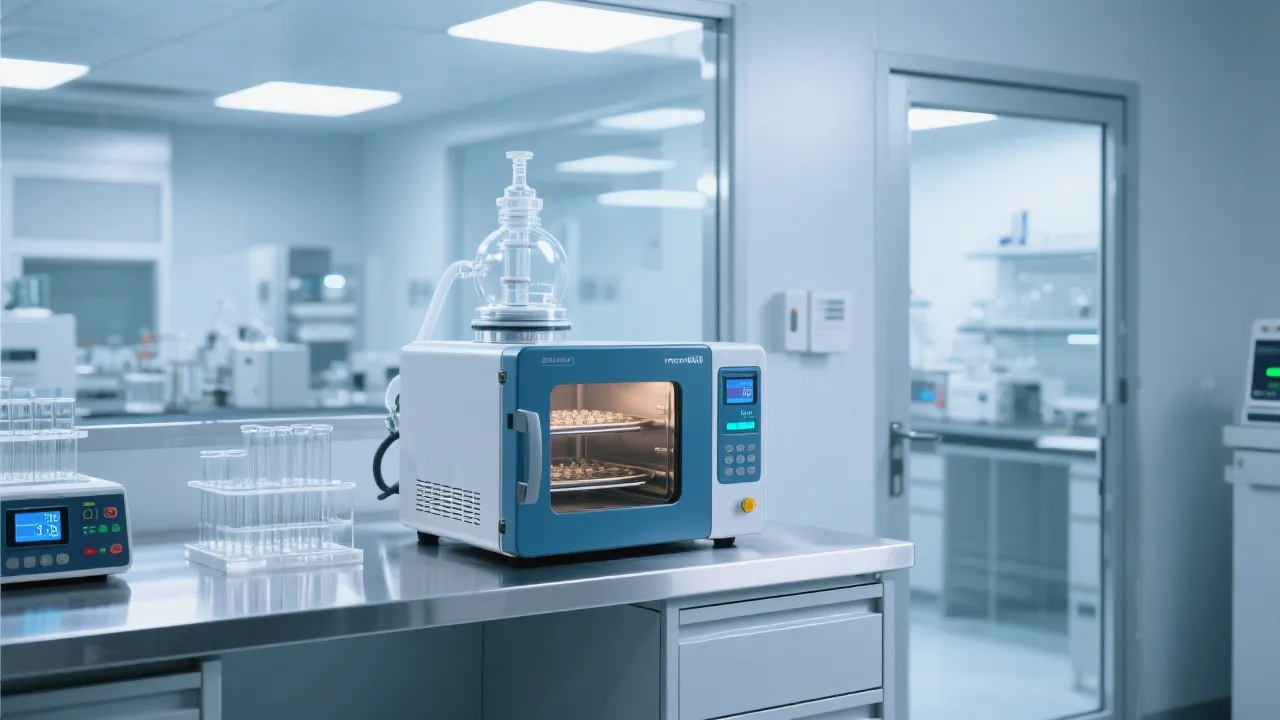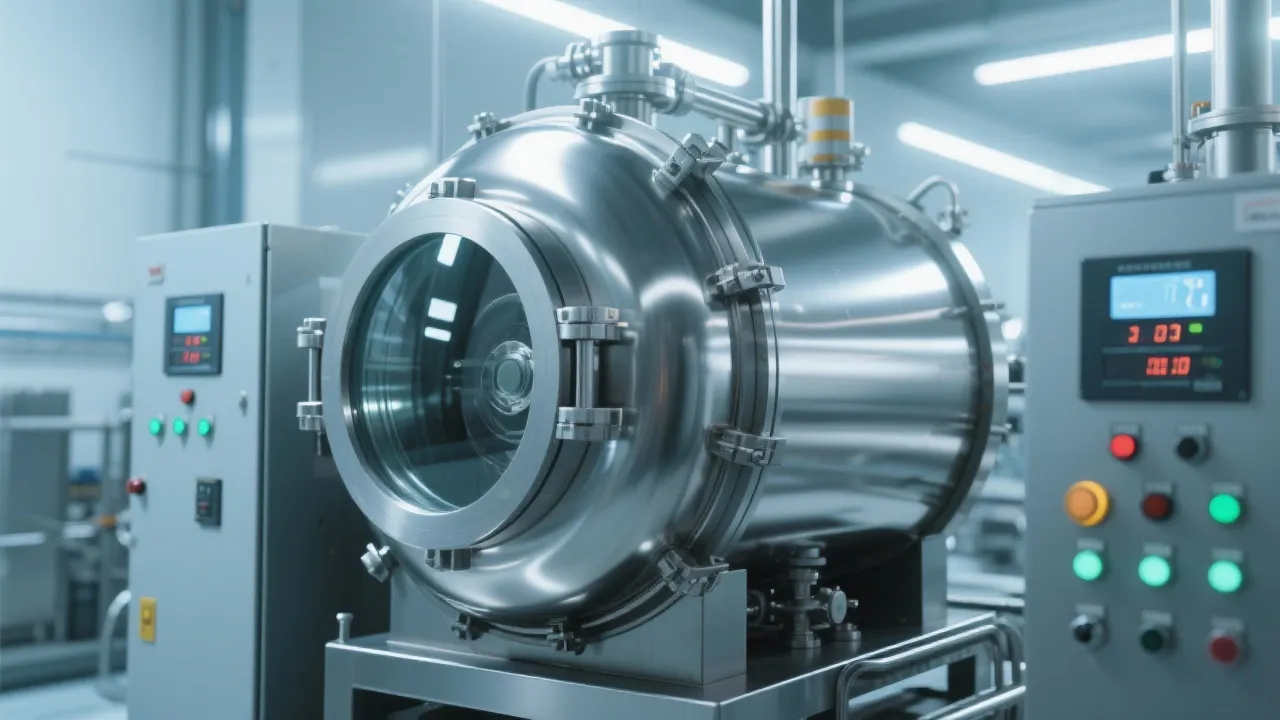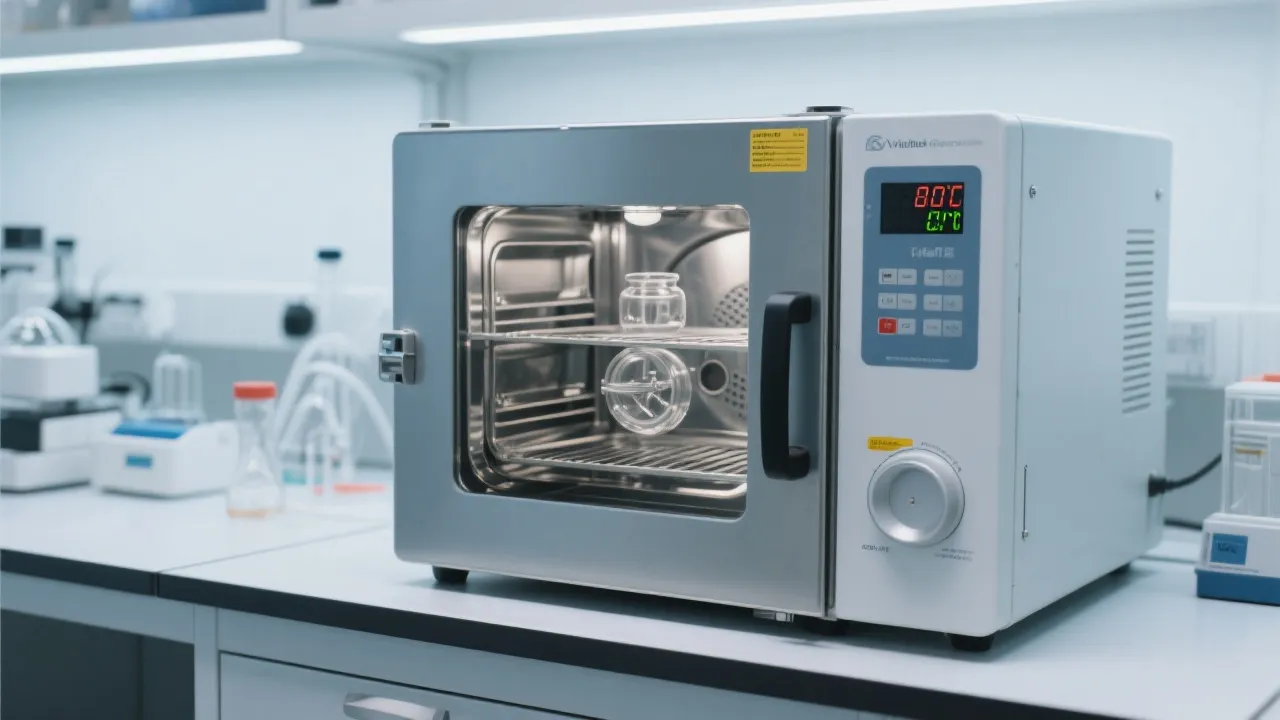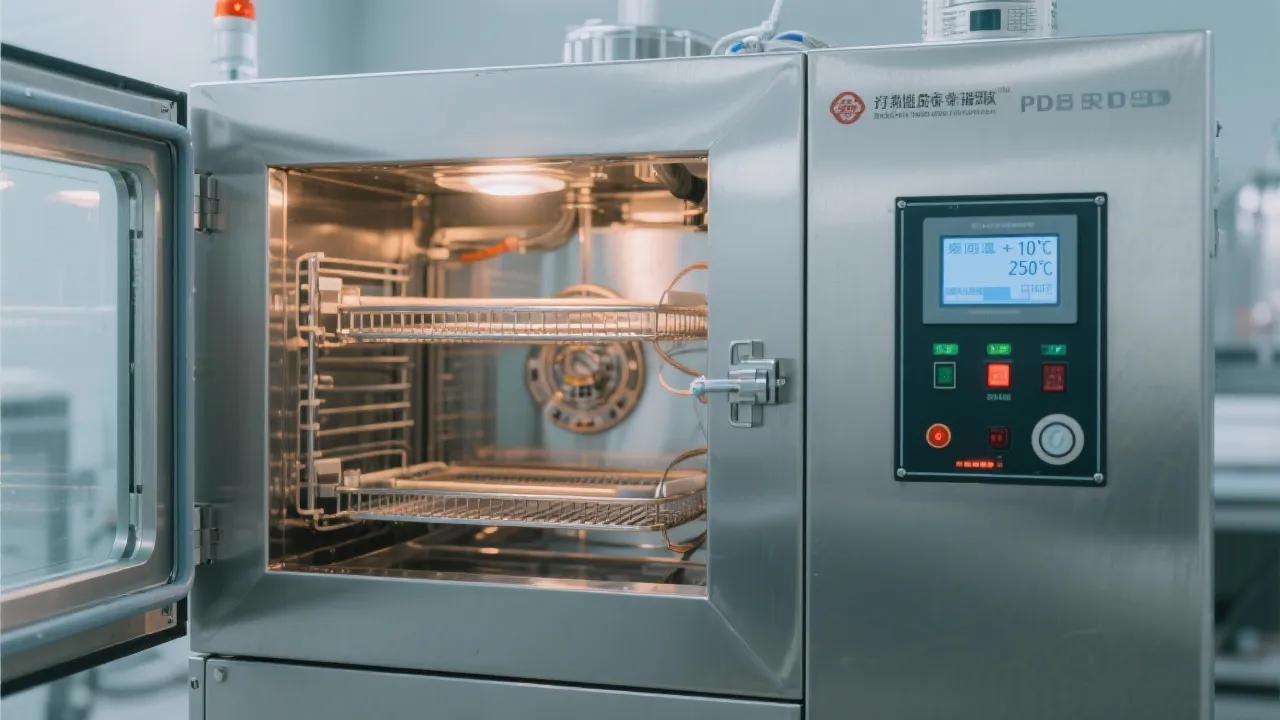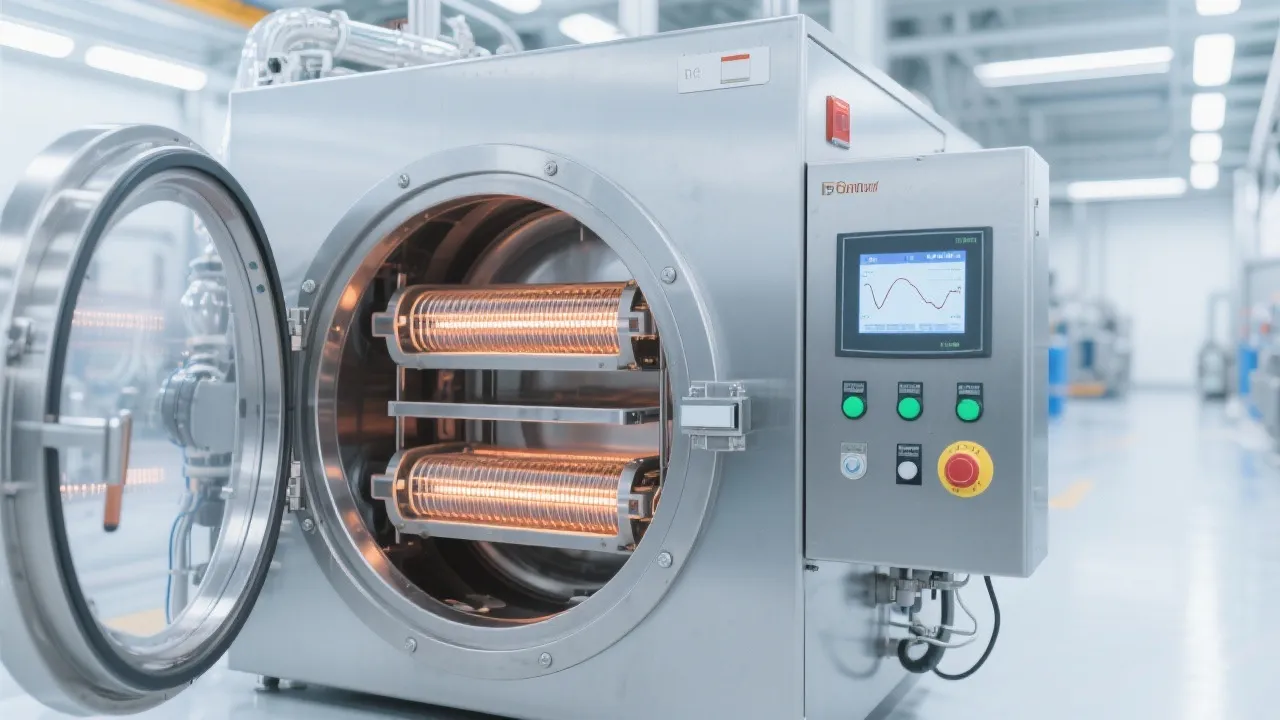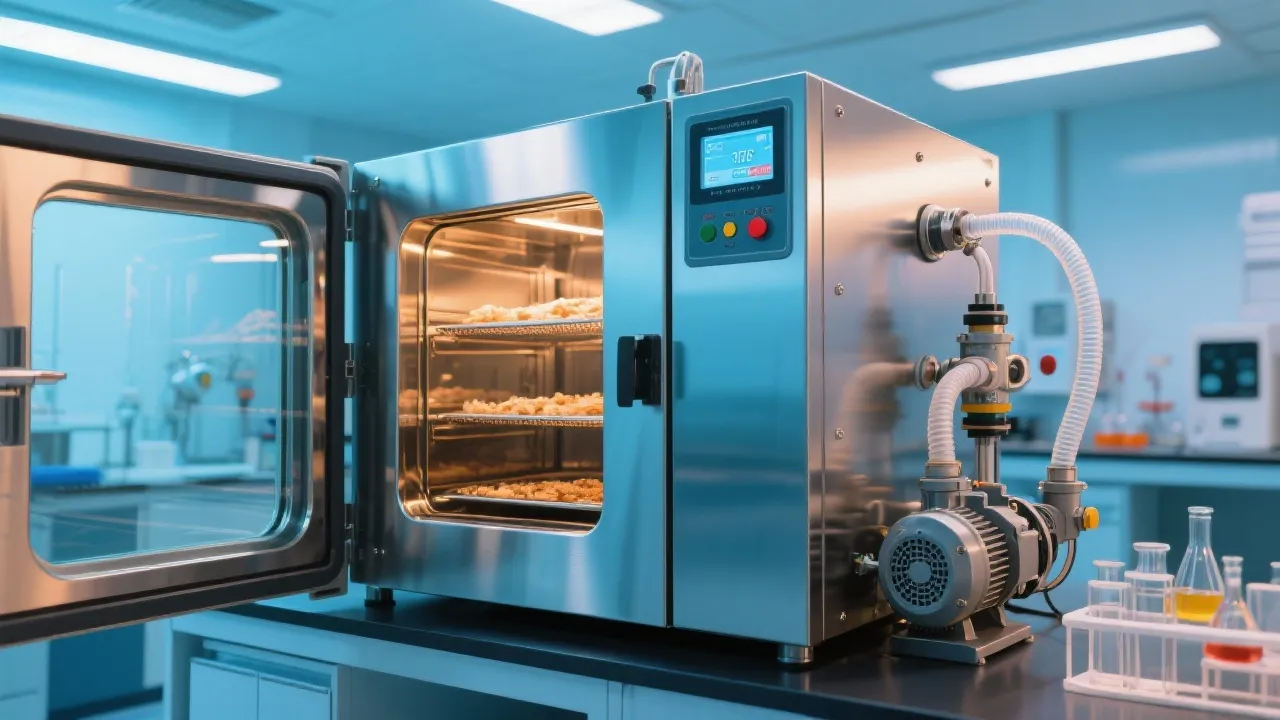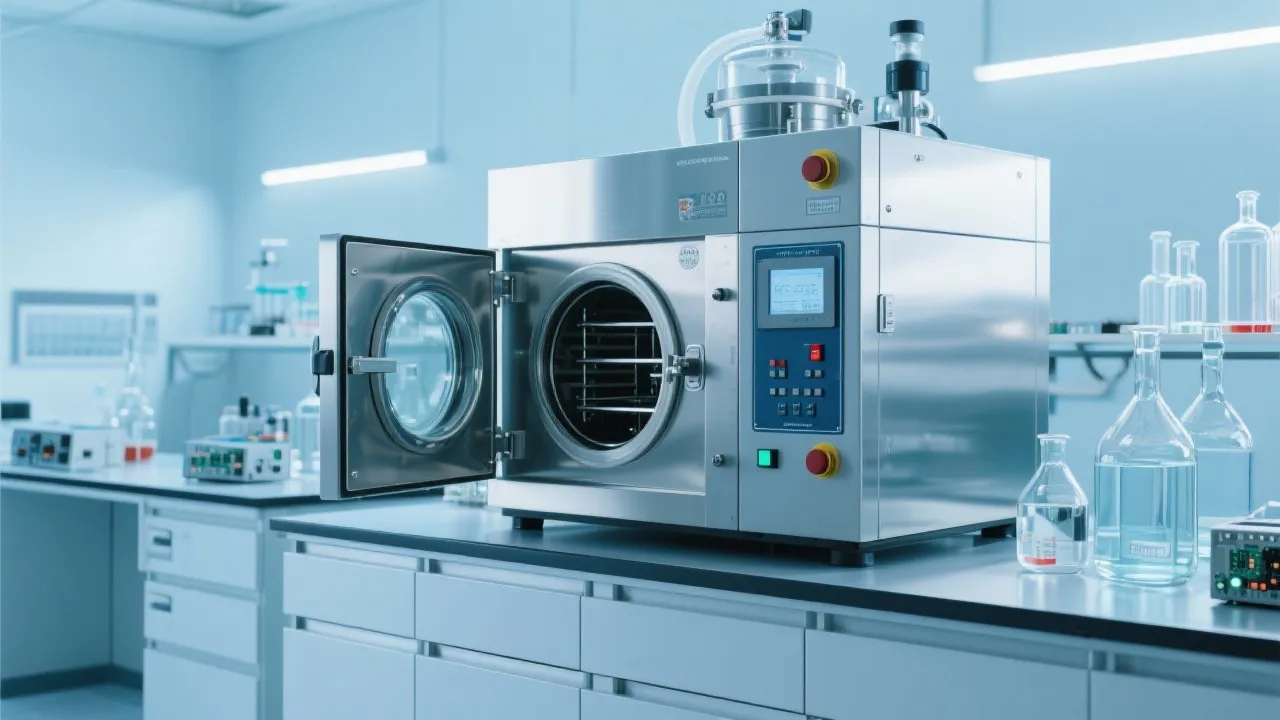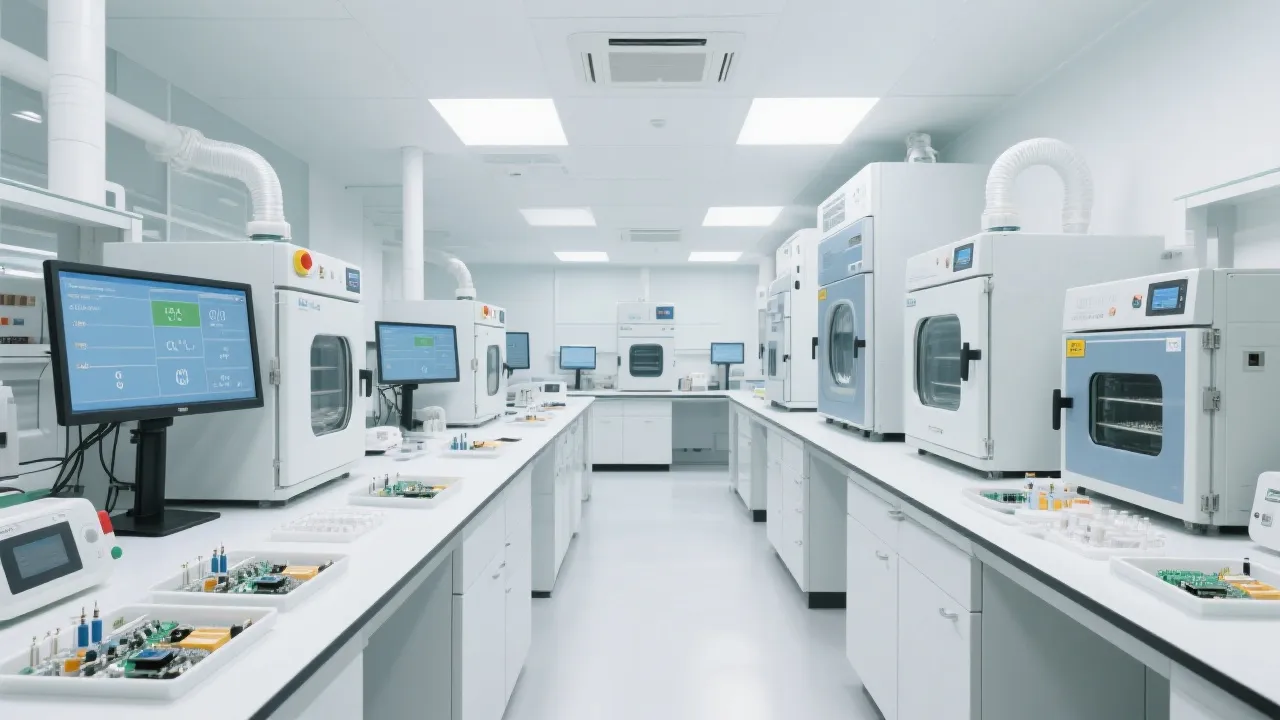

In industrial and research environments, achieving precise drying conditions is paramount, especially during material degassing applications. The Zhengzhou Keda DZ-2BCII vacuum drying cabinet sets a high standard with its exceptional temperature control accuracy and advanced alarm configurations. This article explores the critical technologies underpinning its performance, emphasizing how these features contribute to safety, efficiency, and process reliability.
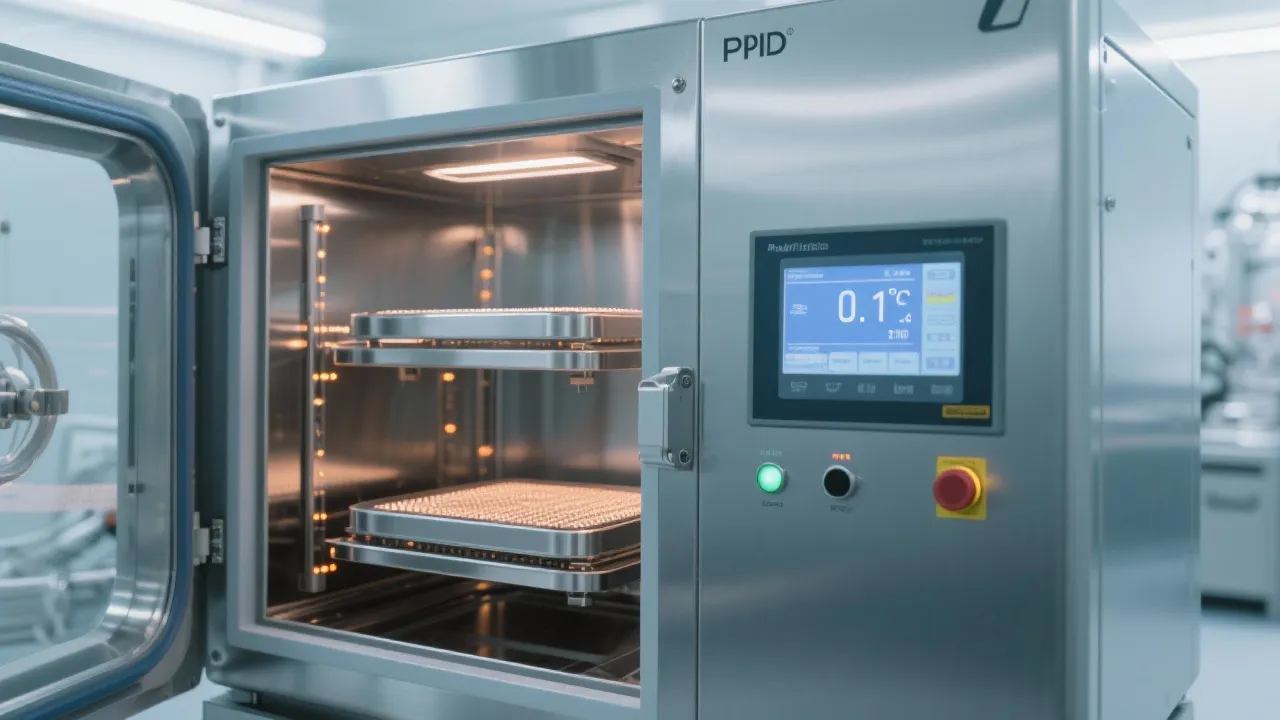
At the heart of the DZ-2BCII model lies a dual-zone PID (Proportional-Integral-Derivative) intelligent control system. This cutting-edge technology ensures temperature stability within ±0.1°C, a precision benchmark essential for sensitive operations such as electronic component curing and chemical sample drying. Dual-zone PID allows independent regulation of heating and vacuum areas, minimizing thermal fluctuations and preventing overheating risks.
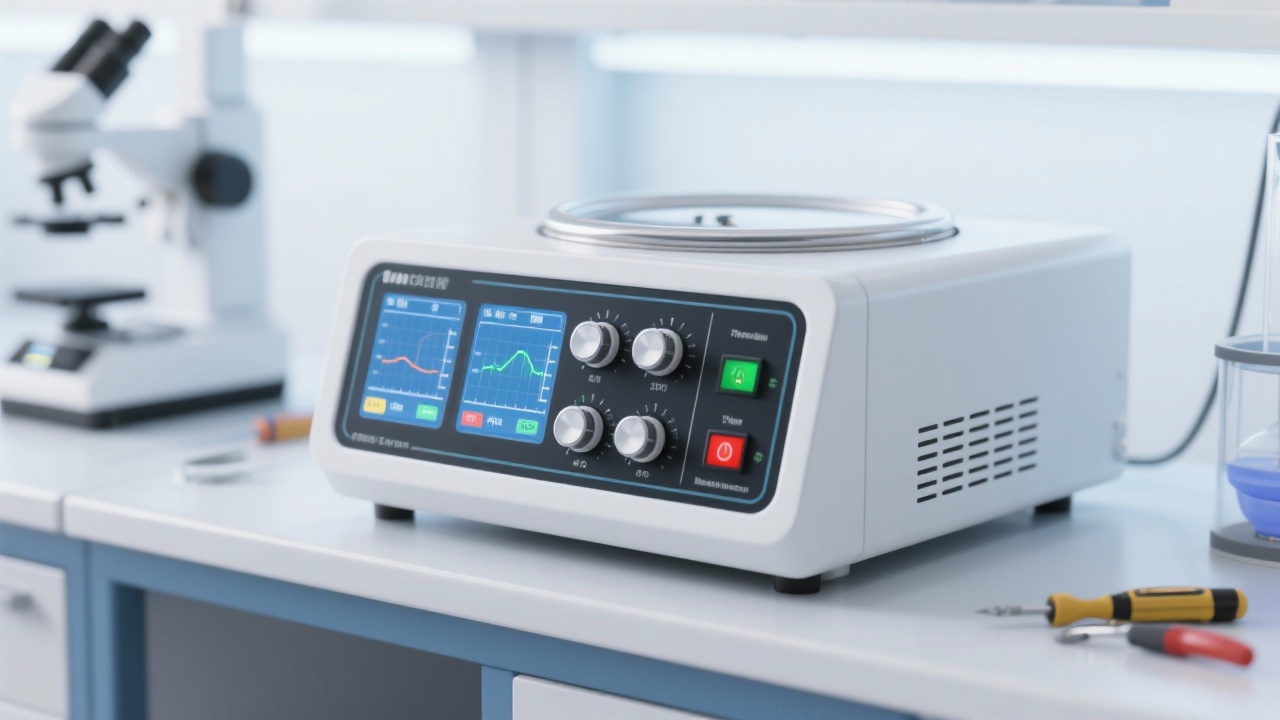
Safety mechanisms integrated into the DZ-2BCII vacuum drying cabinet reduce operational risks significantly. The system features a highly sensitive overtemperature alarm that activates if the temperature exceeds preset limits, immediately notifying operators to take corrective action. Additionally, a power failure memory function remembers the last operational parameters, facilitating seamless recovery without compromising sample integrity.
These safety features not only protect valuable materials but also enhance process consistency by preventing unexpected interruptions from causing damage or data loss.
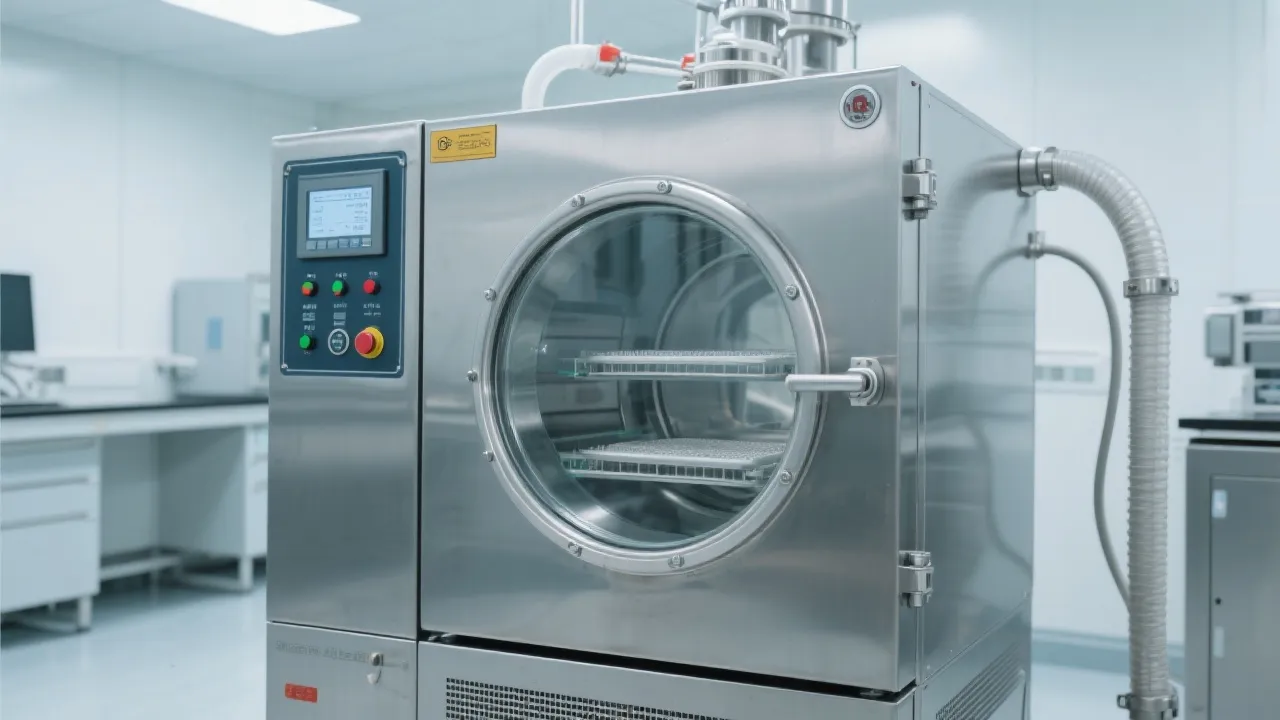
The DZ-2BCII cabinet incorporates a suite of safety design elements such as a self-locking sealed door and explosion-proof tempered glass observation windows. These components ensure operator safety while allowing real-time process monitoring without disturbing the internal environment.
Versatility is another key advantage. The unit supports compatibility with various vacuum pumps, making it adaptable across diverse industrial applications, from laboratory research to mass manufacturing lines.
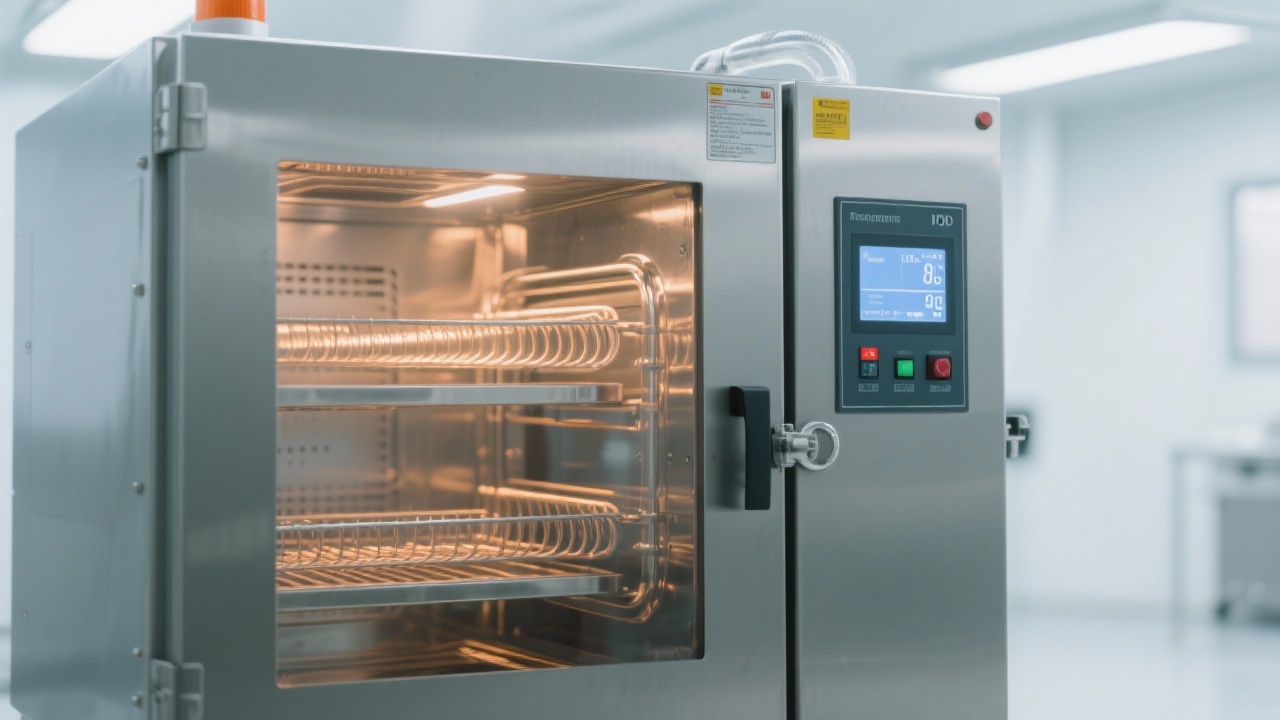
With CE certification ensuring compliance with European safety and quality standards, the DZ-2BCII vacuum drying cabinet has been successfully deployed in numerous scenarios. For instance, electronics manufacturers rely on it for effective moisture removal to improve soldering quality, while chemical laboratories utilize its controlled environment for stable solvent evaporation.
User feedback highlights enhanced drying efficiency by up to 20% compared to conventional equipment, owing to precise temperature regulation and reliable vacuum stability.
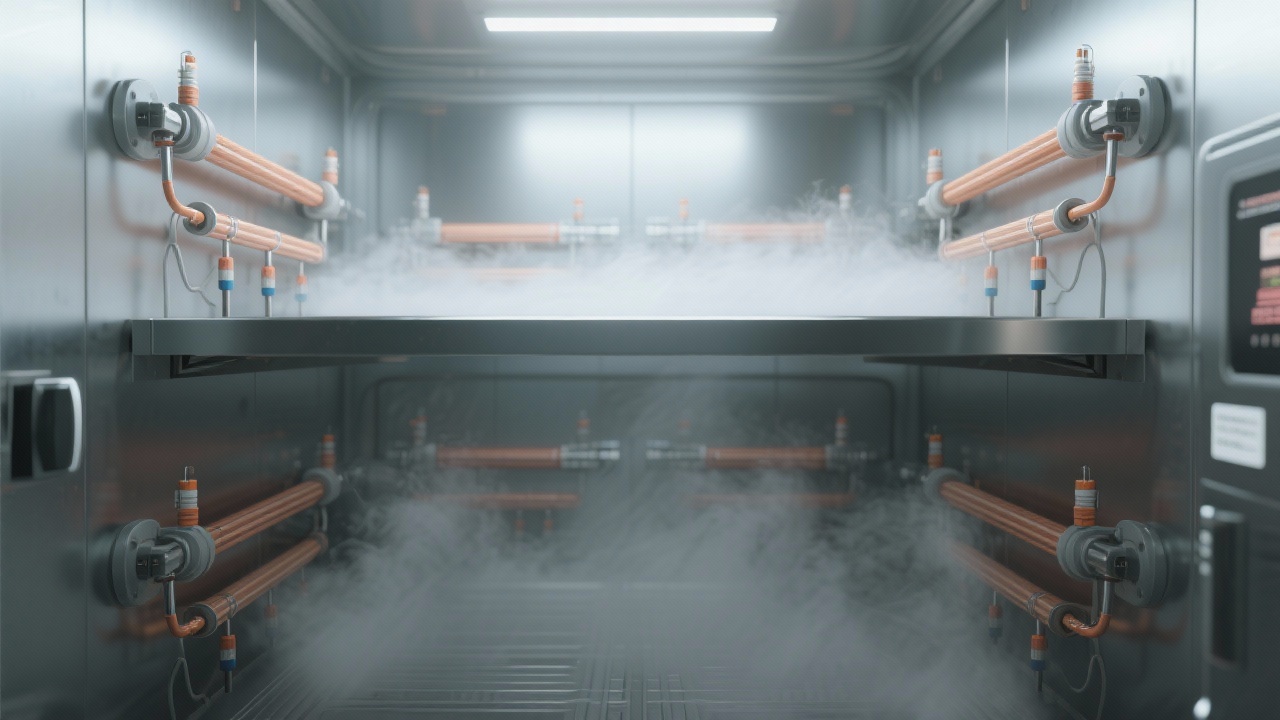
To maximize performance, operators should calibrate the PID controllers periodically and ensure vacuum pump compatibility is verified against sample requirements. Maintaining clean sensor surfaces enhances responsiveness and accuracy. Additionally, configuring overtemperature alarm thresholds tailored to specific processes improves safety without unnecessary interruptions.
Incorporating these practices promotes scientific management of drying cycles, reducing energy consumption and minimizing risk exposure in critical industrial workflows.