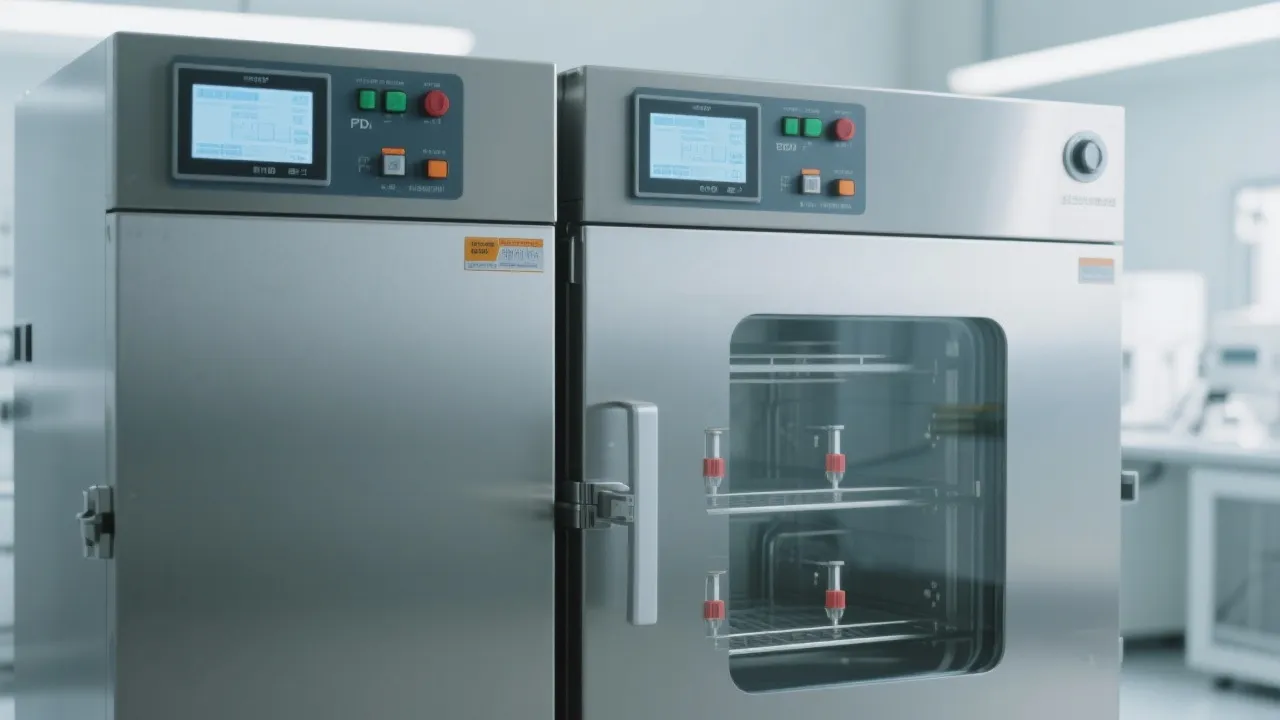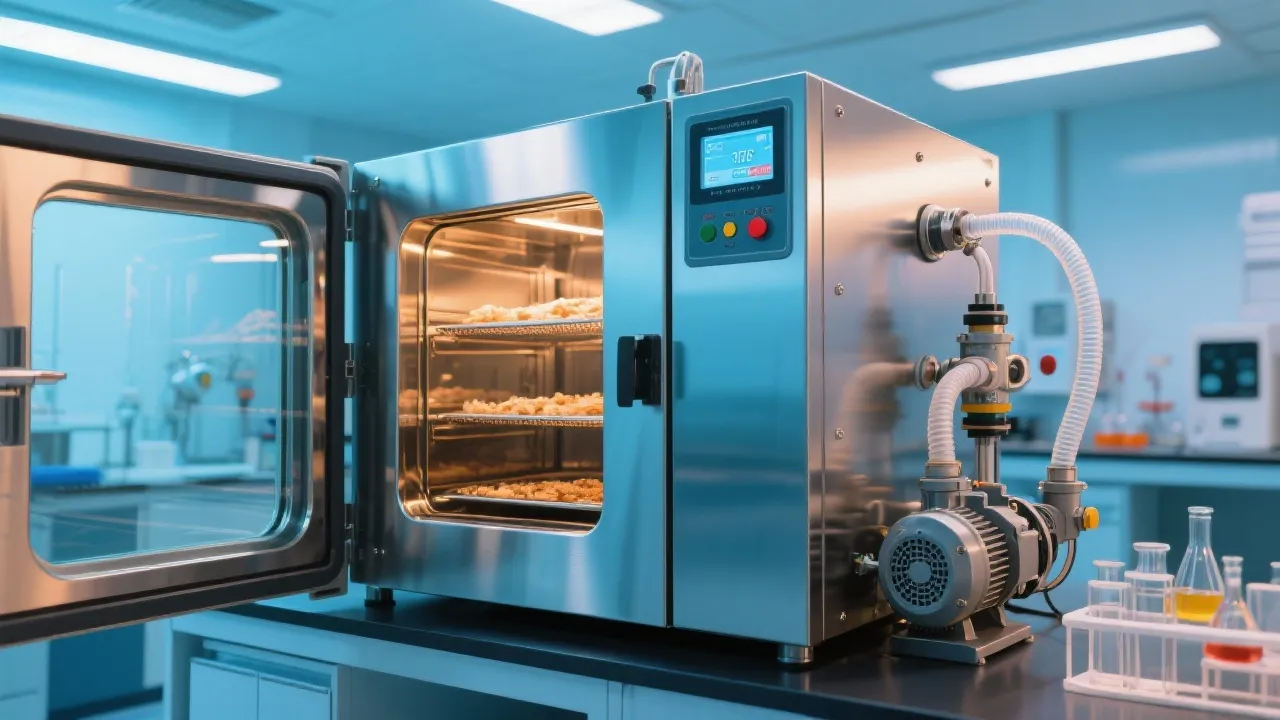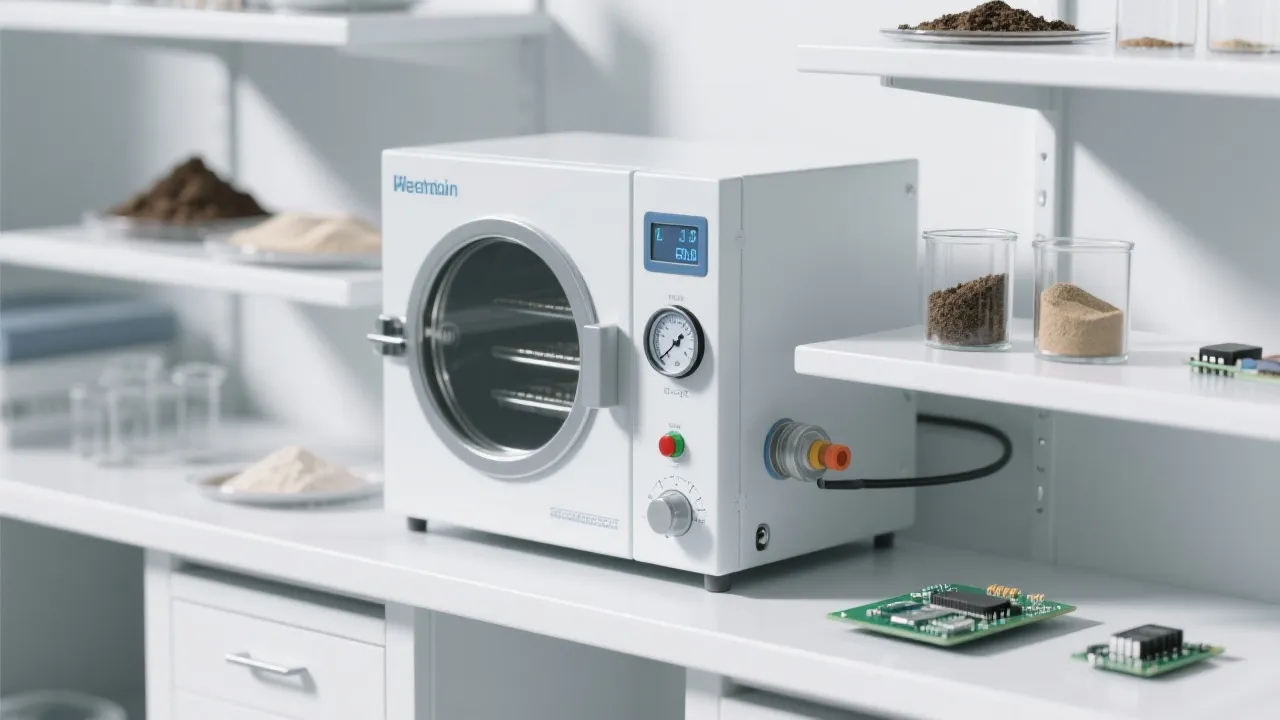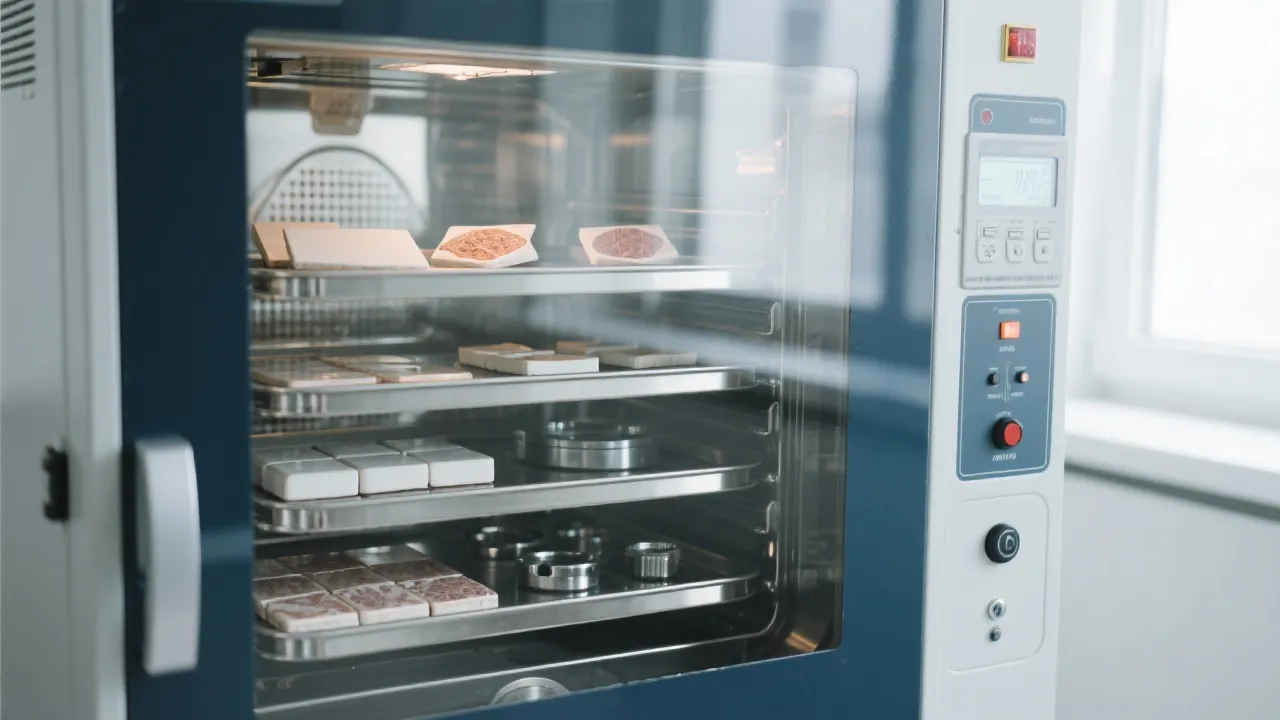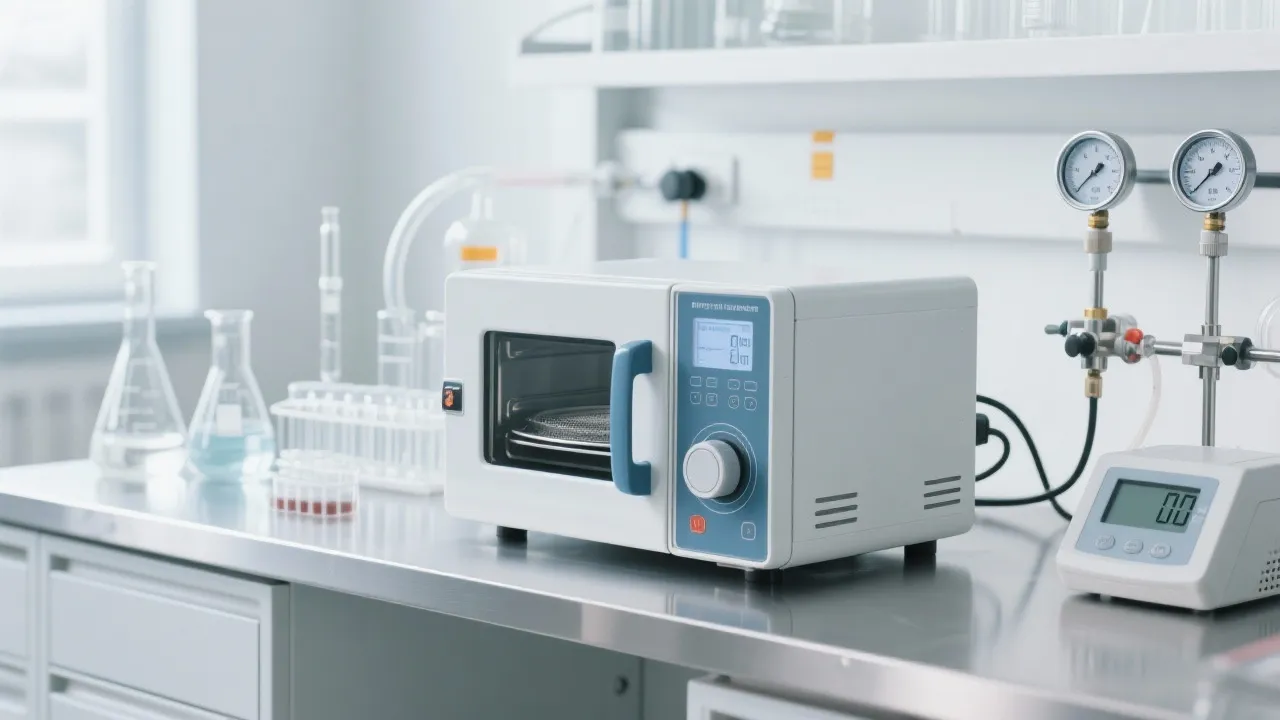
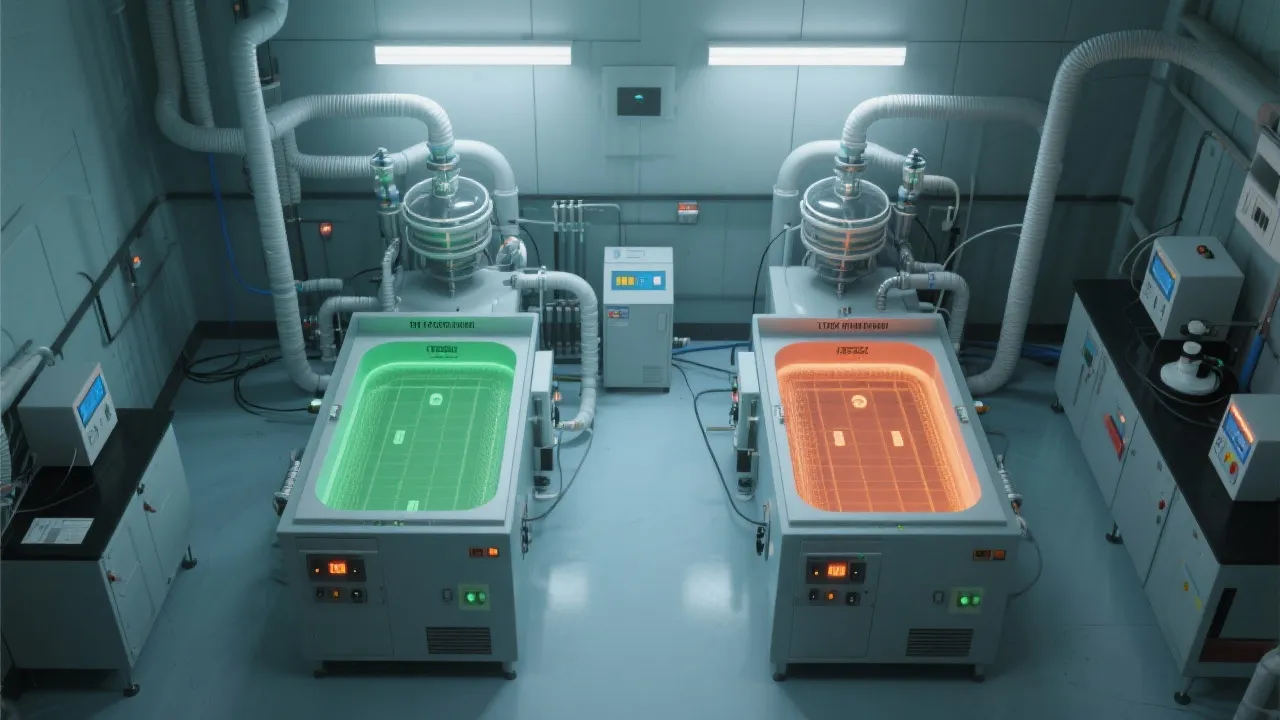
When selecting a vacuum drying oven for industrial or research applications, two critical factors often determine long-term performance and safety: material corrosion resistance and temperature control accuracy. According to a 2023 survey by Industrial Equipment Insights, over 74% of procurement managers prioritize these features when evaluating new equipment—especially in chemical processing, pharmaceuticals, and aerospace sectors.
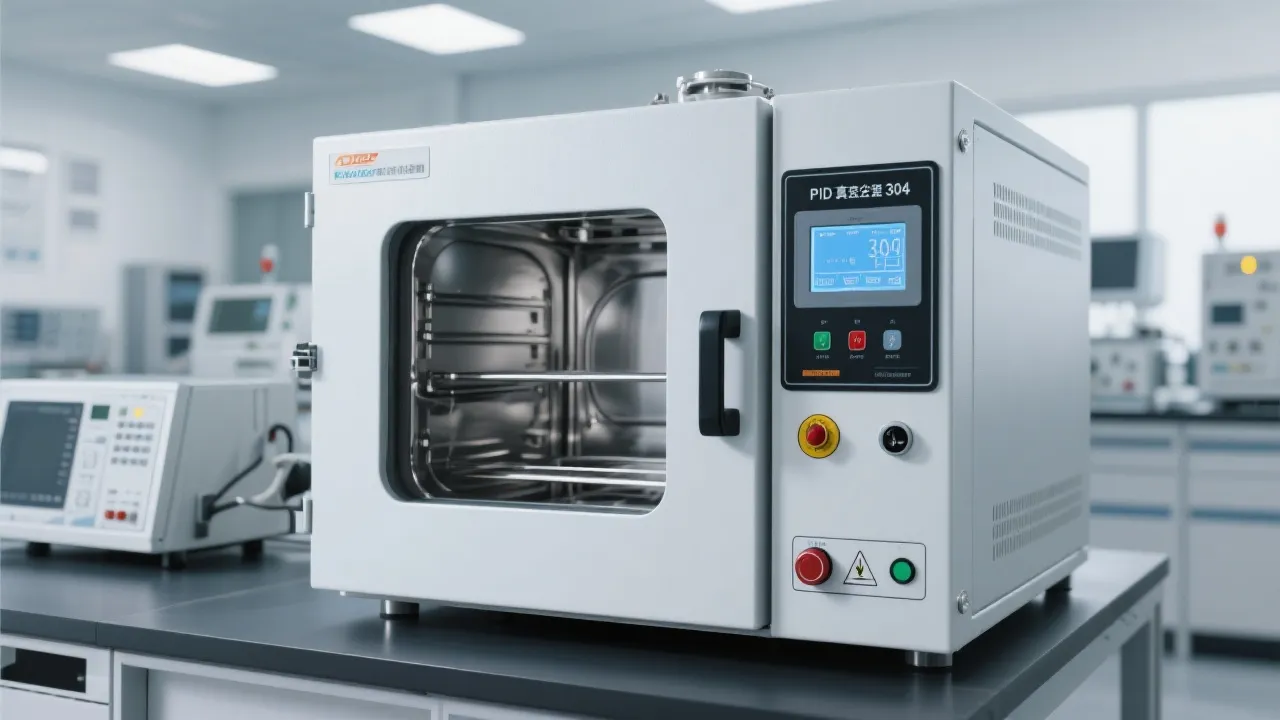
The inner chamber material directly impacts durability under harsh conditions. While cold-rolled steel is cost-effective, it lacks the oxidation resistance needed for prolonged exposure to solvents, acids, or humidity. In contrast, 304 or 316L stainless steel inner chambers offer superior corrosion protection—ideal for environments where moisture or reactive chemicals are common. For example, a lab in Singapore using our brand’s VacuDry Pro Series reported zero internal rust after 18 months of continuous operation with acetone-based samples—a testament to material quality.
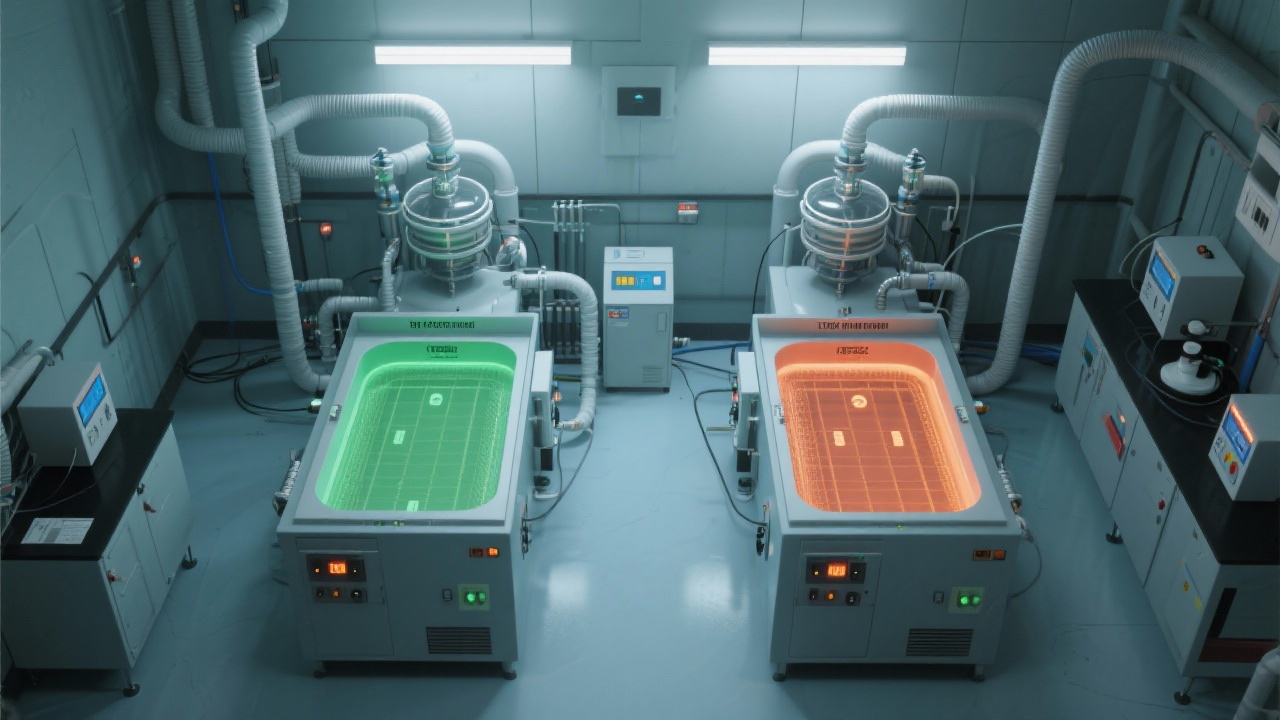
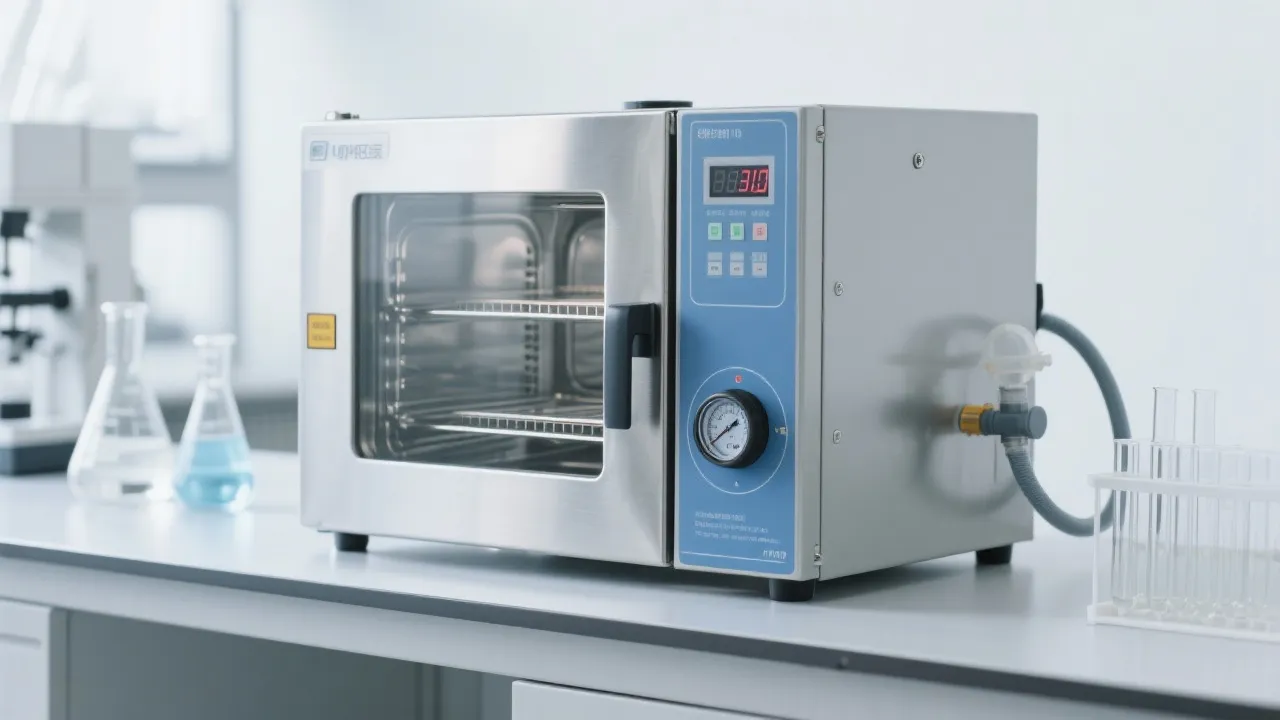
Temperature precision isn’t just about numbers—it’s about repeatability. A high-end vacuum drying oven equipped with a dual-zone PID (Proportional-Integral-Derivative) control system can maintain temperature within ±0.1°C across multiple cycles. This level of accuracy is essential in R&D labs where even minor deviations affect product consistency. One user from Germany noted that switching to our VacuDry Pro reduced batch variance by 40%, leading to faster regulatory approval for their medical device components.
Our systems also include auto-recovery after power loss and over-temperature alarms, ensuring safe operation during unexpected outages—an important feature for facilities in regions with unstable grid supply like India or Brazil.
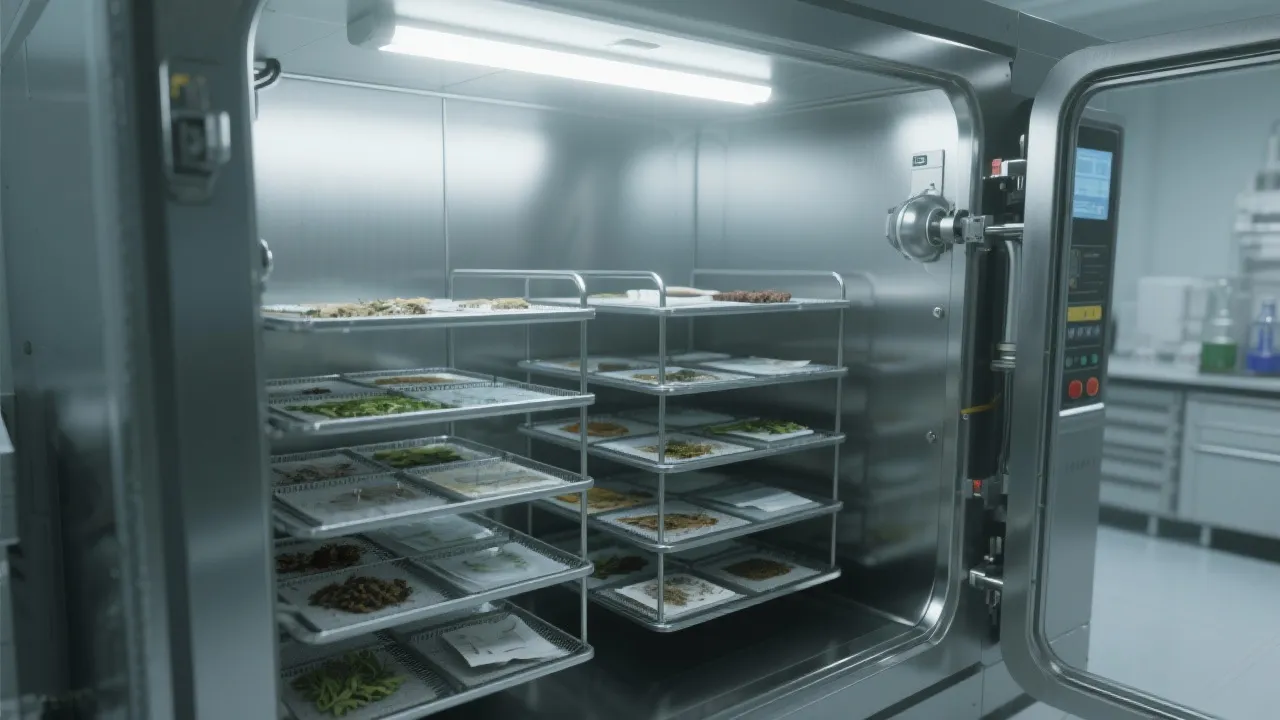
Every application has unique needs. Whether it's a custom program for slow dehydration of sensitive biological samples or adjustable interior dimensions for large-scale ceramic drying, modern vacuum ovens must be flexible. Our team supports rapid customization—from single-unit prototypes to full production runs—with lead times as short as 10 working days. A client in Dubai recently requested a non-standard size with an integrated gas purge port; we delivered the modified unit in 12 days, meeting their tight project deadline.
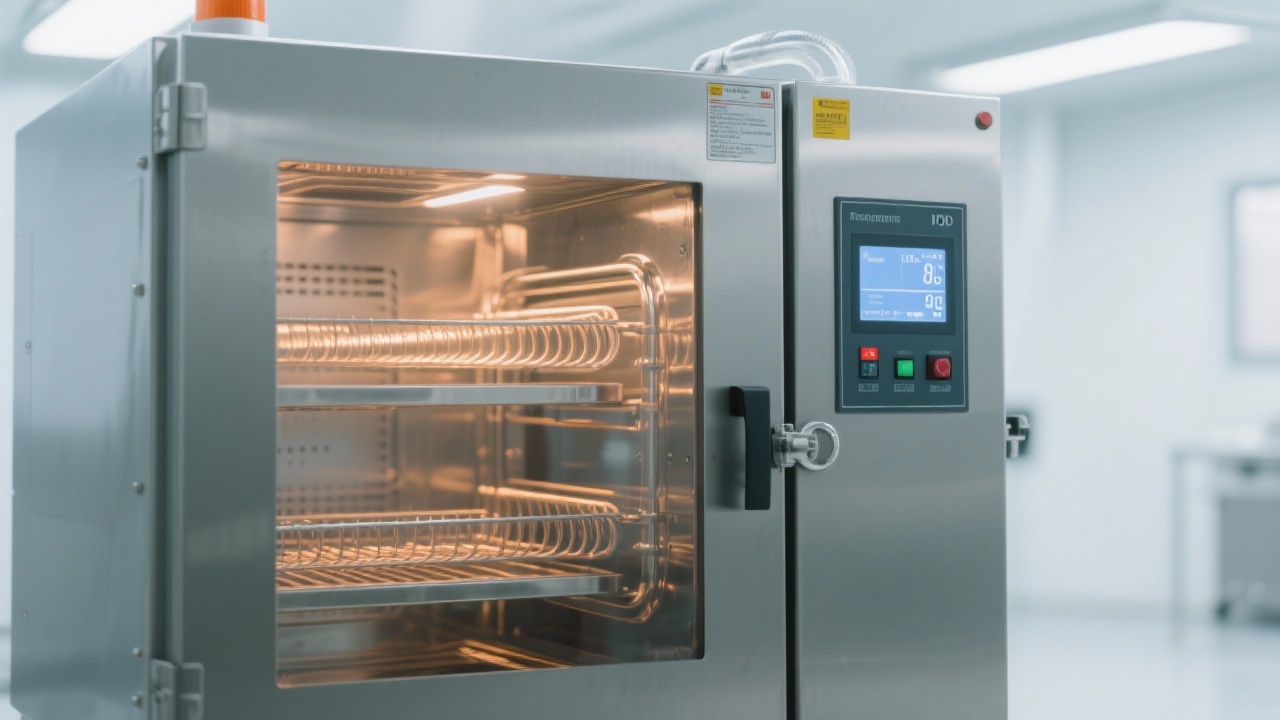
CE certification ensures compliance with EU directives on electrical safety, mechanical hazards, and electromagnetic compatibility. It’s more than a box-ticking exercise—it reflects rigorous testing protocols. All models in our VacuDry Pro range undergo independent third-party validation, including thermal cycling tests up to 300°C and vacuum integrity checks at 0.01 mbar. These standards matter especially for clients exporting to Europe or complying with ISO 13485 (medical devices).
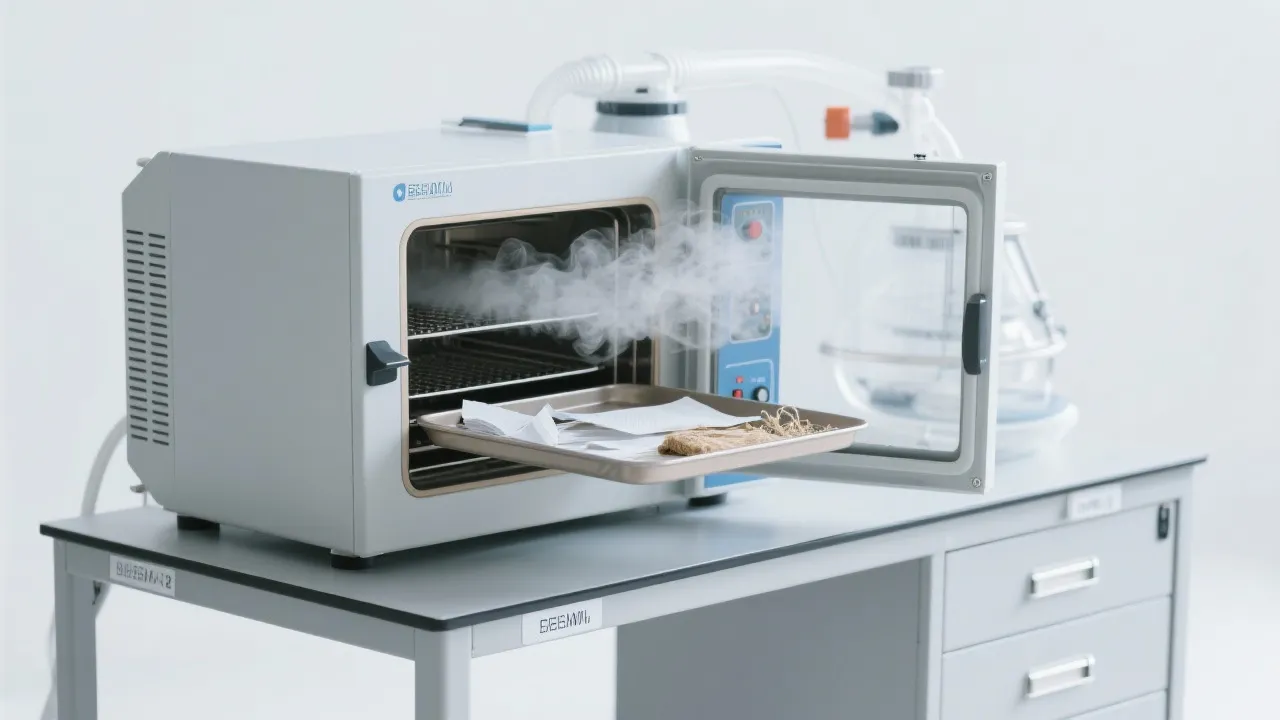
Additional safety features like explosion-proof viewing windows and self-locking door seals reduce risk in volatile environments. In one case, a chemical manufacturer in the U.S. avoided a potential incident due to our built-in pressure release mechanism during a sudden vacuum spike—proof that design thinking saves lives and assets.
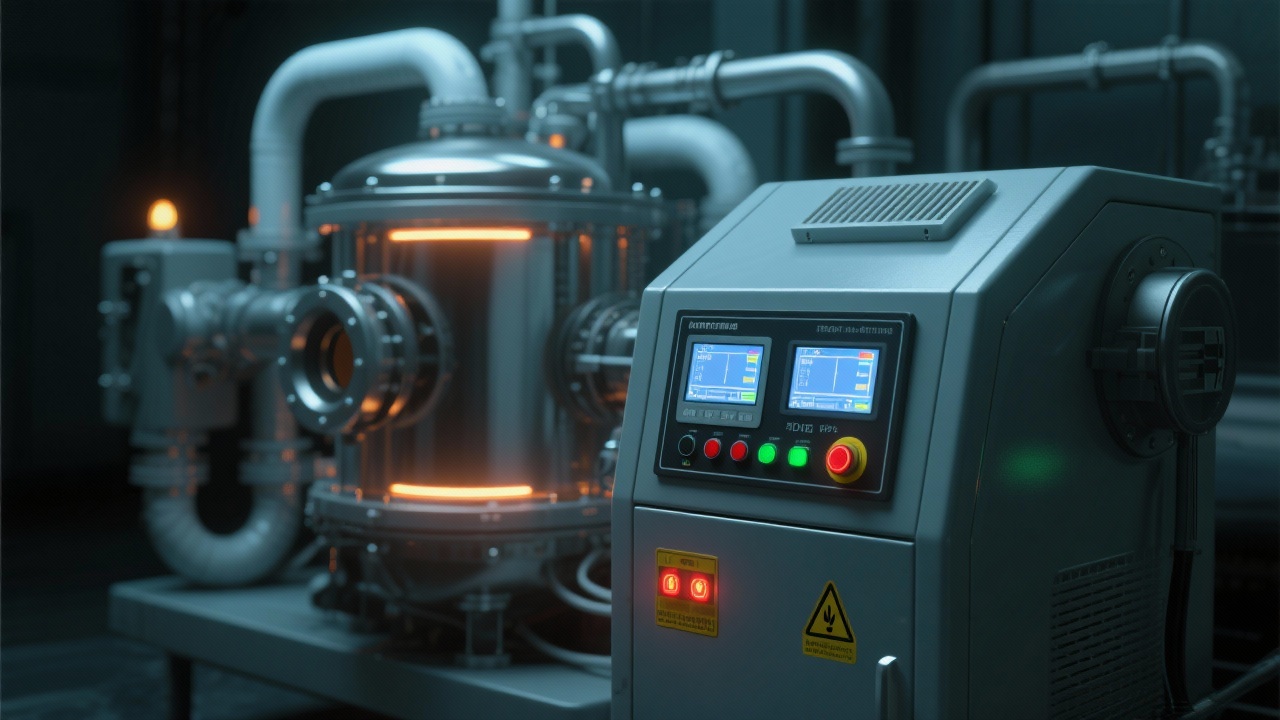
Whether you're scaling up production or optimizing lab workflows, choosing the right vacuum drying oven means understanding both specs and real-world behavior. With precise temperature control, durable materials, smart customization, and trusted certifications, your investment will pay off—not just in uptime, but in confidence.
Get personalized recommendations based on your process requirements—from material selection to program setup—in under 24 hours.
Explore Custom Solutions Now