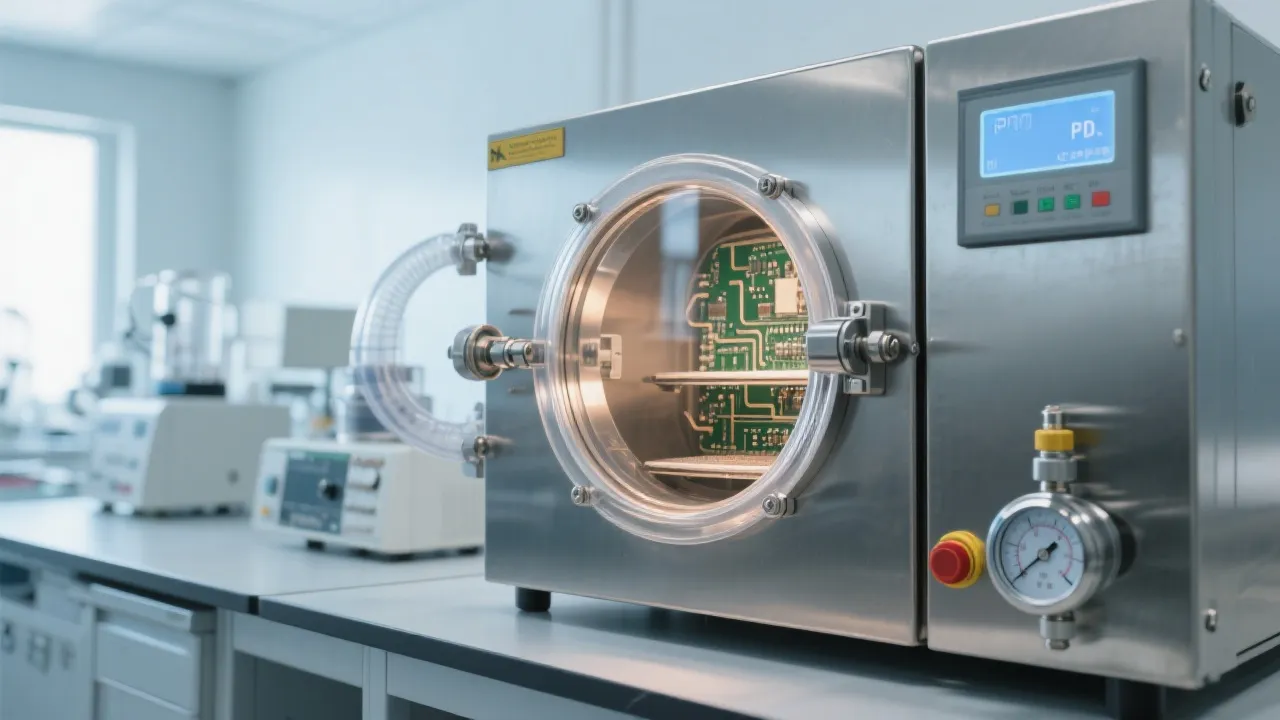
When it comes to selecting a vacuum drying oven tailored to your industrial or research requirements, blind purchasing leads to inefficiency and cost overruns. Understanding the critical performance indicators such as corrosion-resistant stainless steel interiors, precise temperature control, and advanced safety features is essential to ensuring stability and reproducibility in your processes. This guide walks you through how to scientifically assess key parameters to empower your procurement decisions.
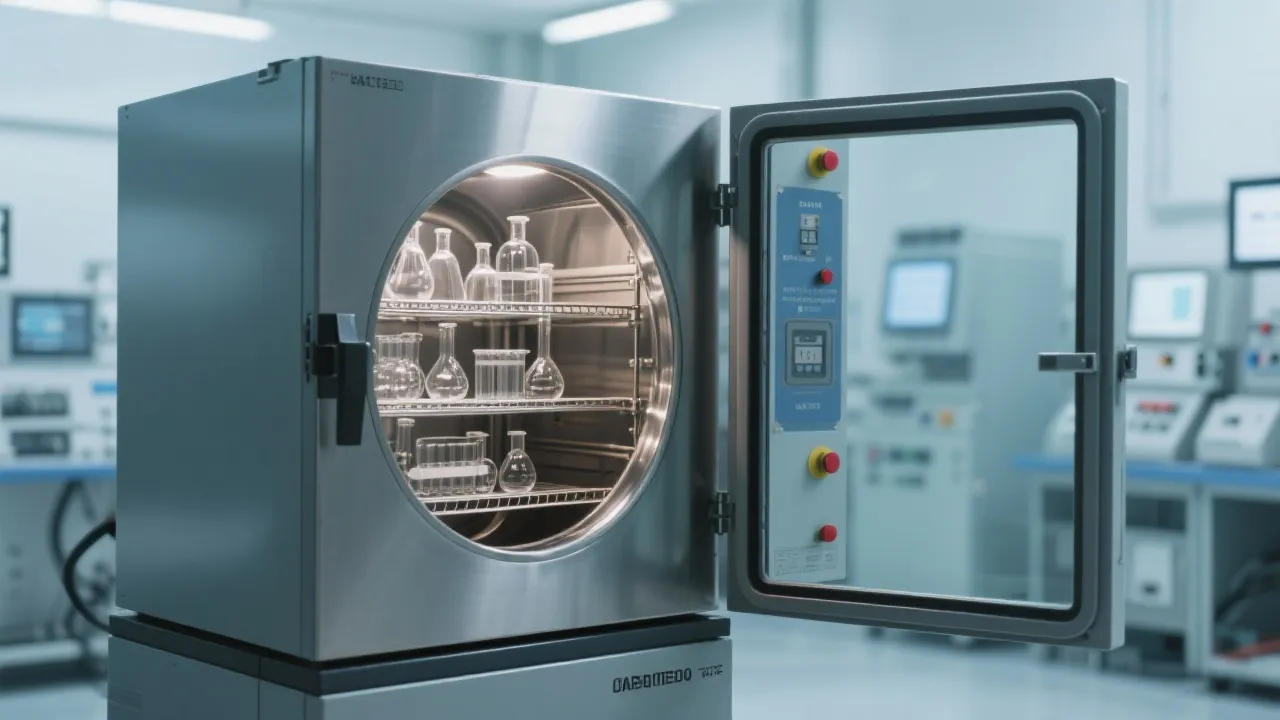
The choice of chamber material directly impacts durability, cleanliness, and chemical resistance. Stainless steel interiors (commonly SUS304 or SUS316) offer superior resistance to corrosion, especially critical when drying acidic or corrosive samples. Their smooth surface facilitates easy cleaning and contamination control. In contrast, carbon steel options may reduce upfront cost but risk premature wear and contamination buildup, increasing maintenance and replacement expenses.
Data from industry usage shows stainless steel vacuum drying ovens maintain integrity beyond 10 years under typical industrial conditions, while carbon steel models often require refurbishment within 3–5 years.
Precise and stable temperature management is non-negotiable for consistent drying results, especially in sensitive electronic or chemical processes. Vacuum dryers featuring dual-zone PID controllers enable more granular regulation with temperature accuracy as fine as ±0.1°C within a range of +10°C to 250°C. This accuracy prevents over-drying or under-processing, thereby improving yield and product quality.
Consider your process repeatability requirements carefully: a ±1°C variation might be acceptable in some drying tasks but is inadequate for applications like pharmaceutical granule drying or delicate electronic component curing.
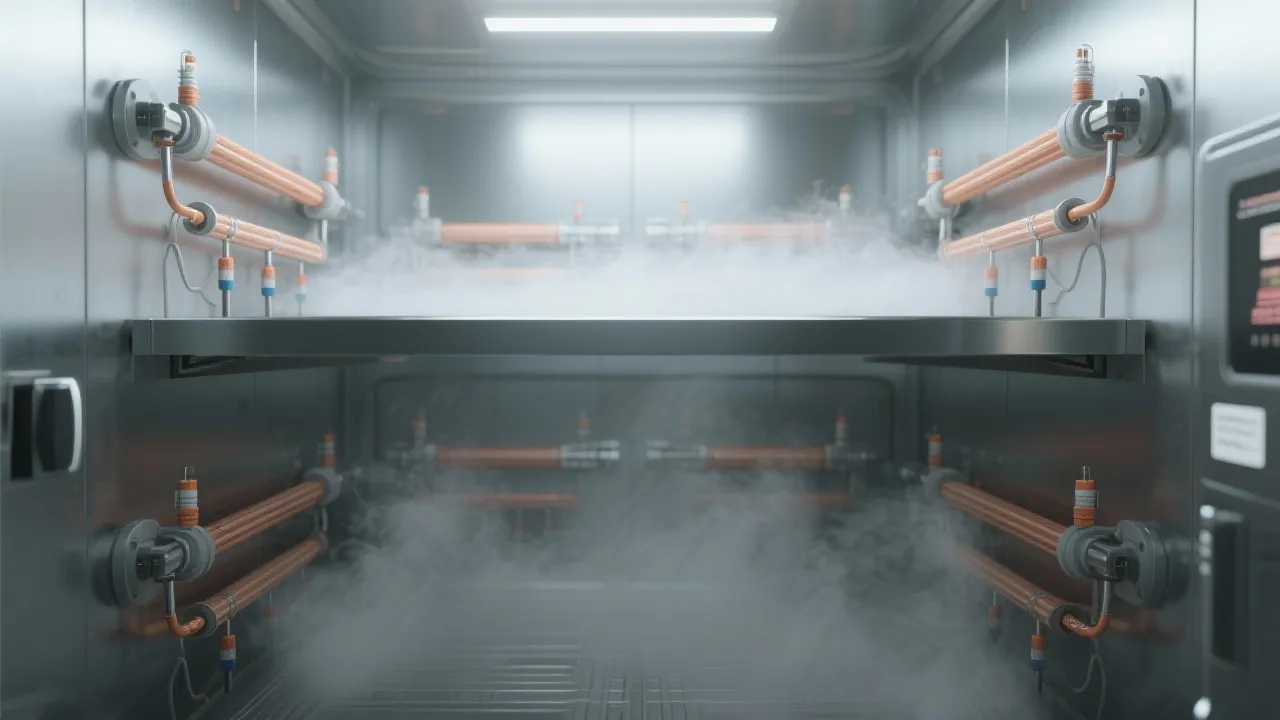
The inherent risks of operating vacuum ovens at elevated temperatures necessitate stringent safety measures. Look for integrated systems offering:
These safeguards minimize downtime and prevent potential accidents, which translates to tangible savings and regulatory compliance peace of mind.
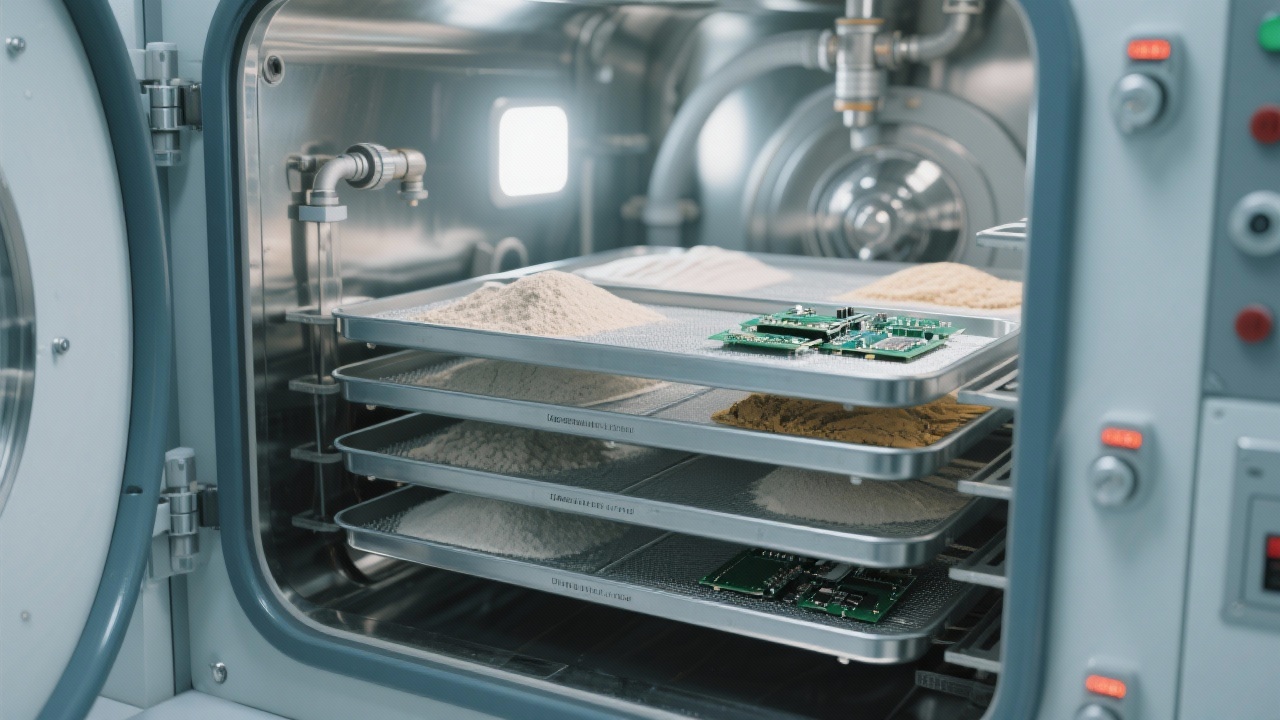
Vacuum drying ovens rarely fit “one size fits all.” Your choice should consider the specific application, such as:
Moreover, many manufacturers offer custom programming, size adjustments, and expandable functionality to align the oven with your unique workflow, providing long term operational efficiency and ROI enhancements.
Trustworthy vacuum drying ovens come backed with essential certifications like CE certification and adherence to international quality management standards. These certifications validate that the equipment meets stringent safety, reliability, and performance benchmarks, crucial for industrial adoption and audit readiness.
Customer Case Study: A leading electronics manufacturer reduced product variability by 25% after upgrading to a CE-certified stainless steel vacuum drying oven with precision dual PID controllers and enhanced safety features — demonstrating clear operational benefits.
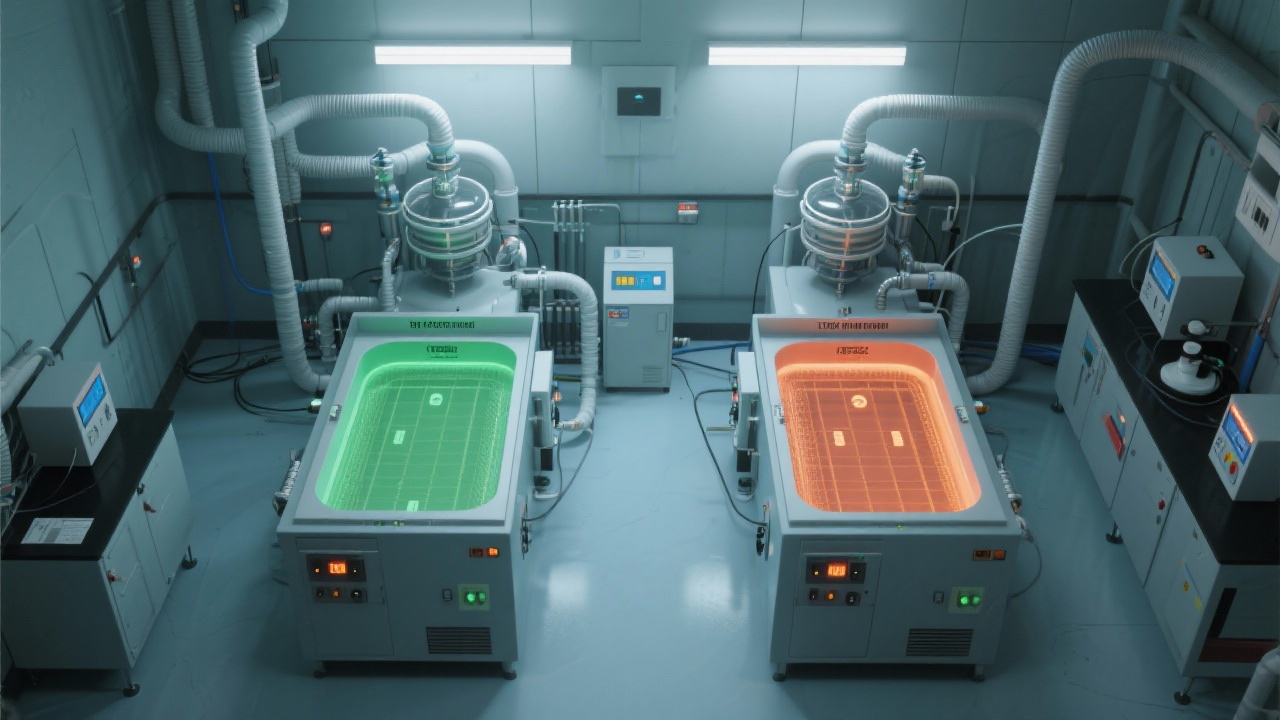
To navigate your vacuum oven purchase efficiently, we recommend following this structured approach:






 <#else>