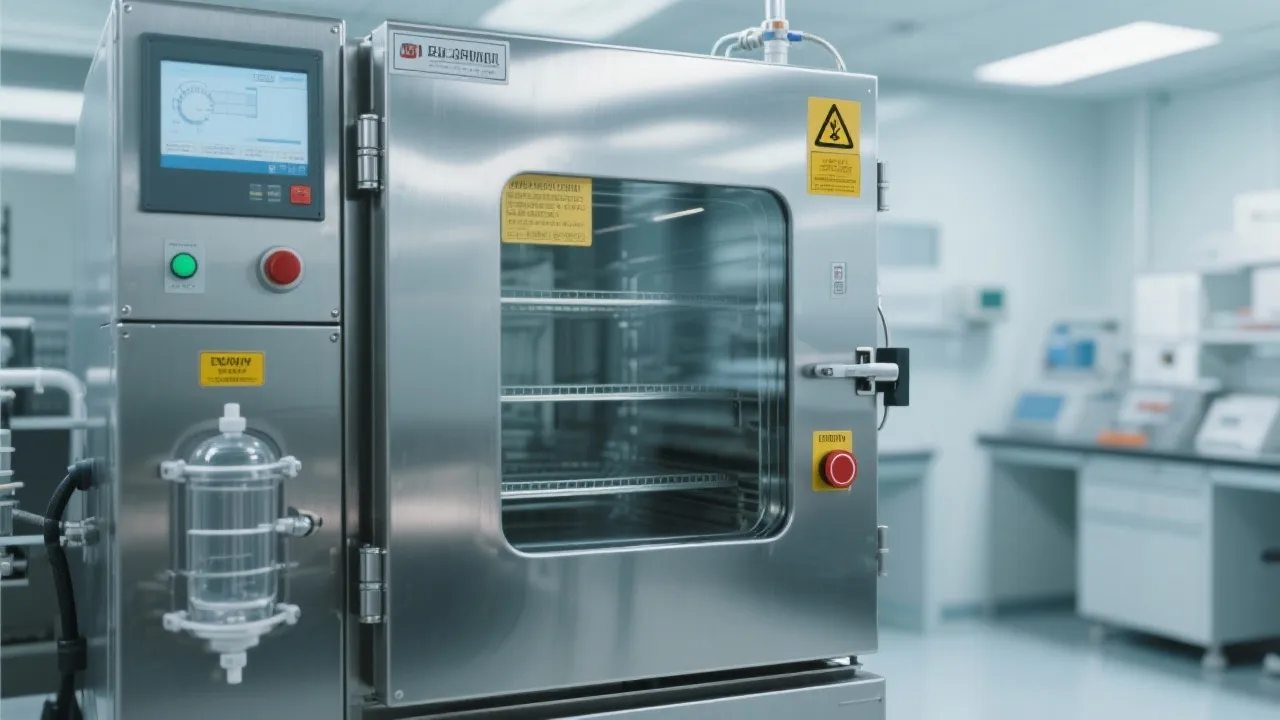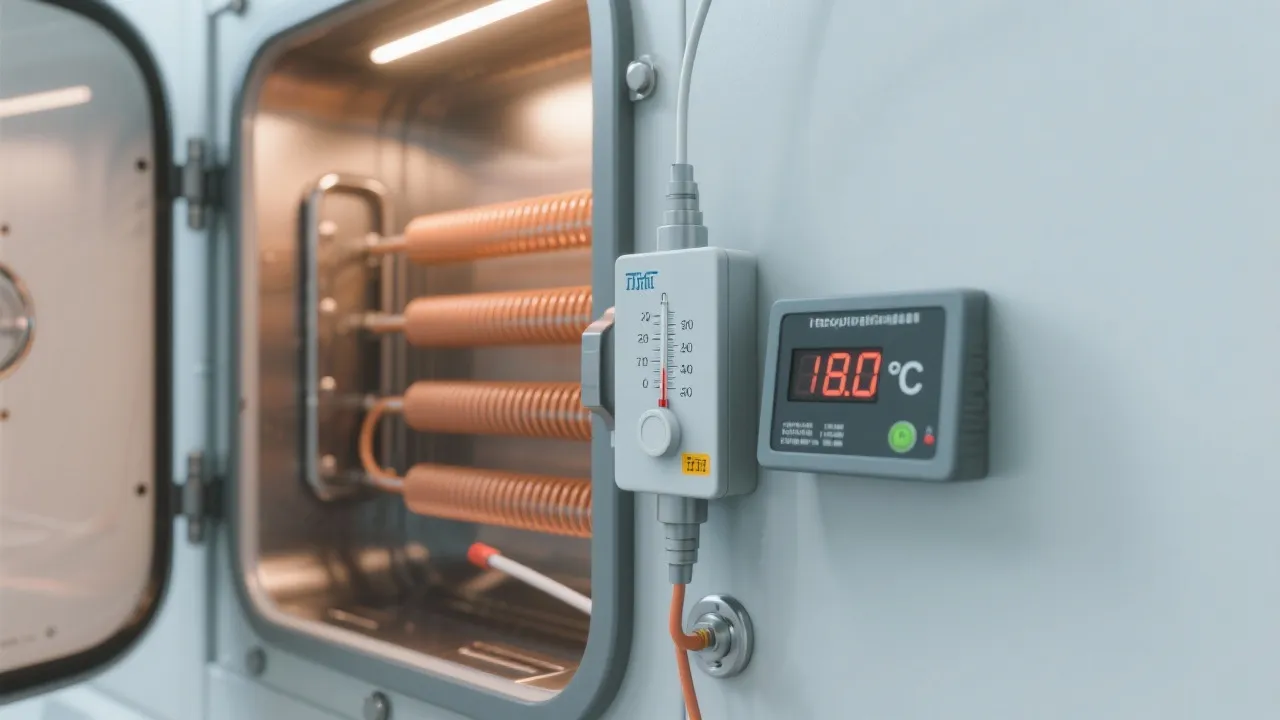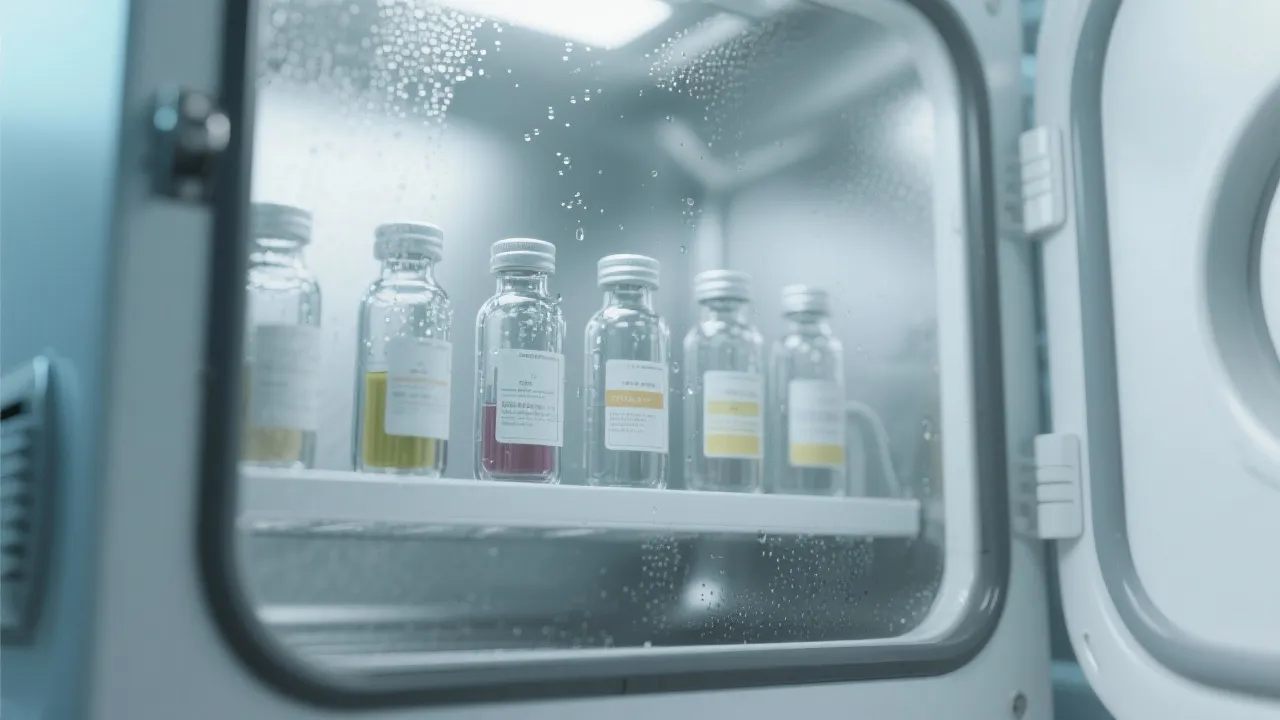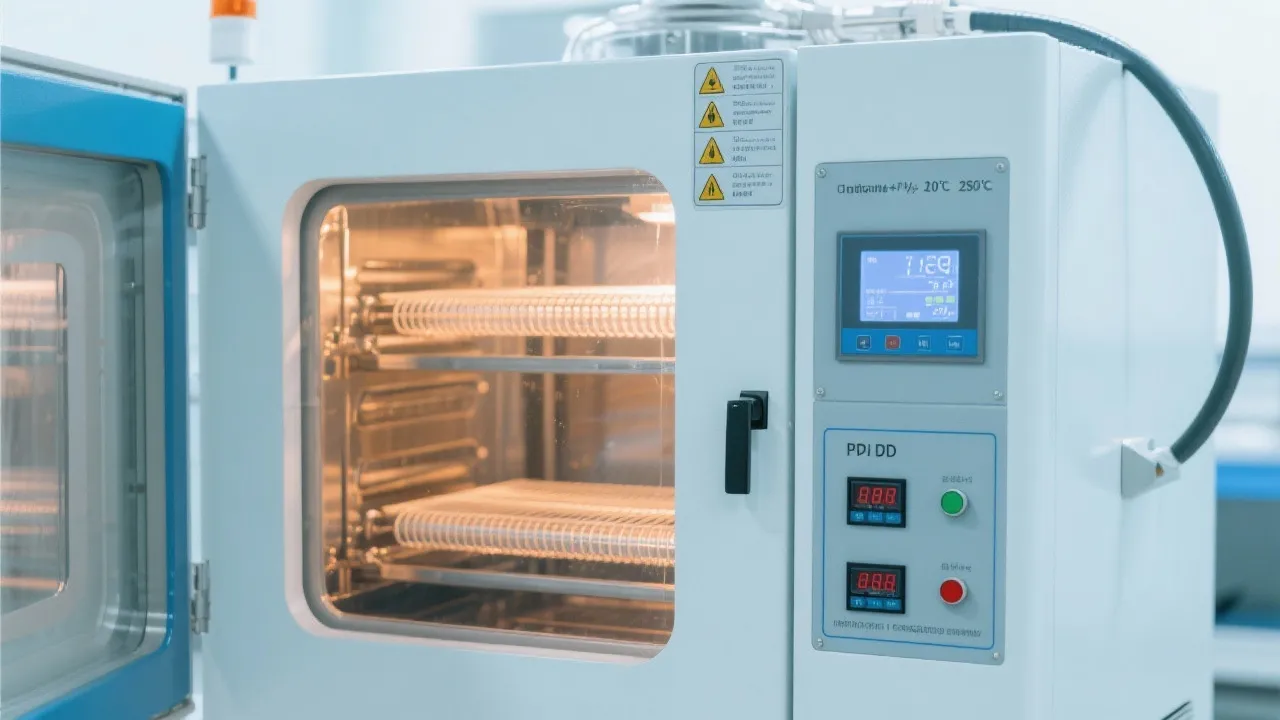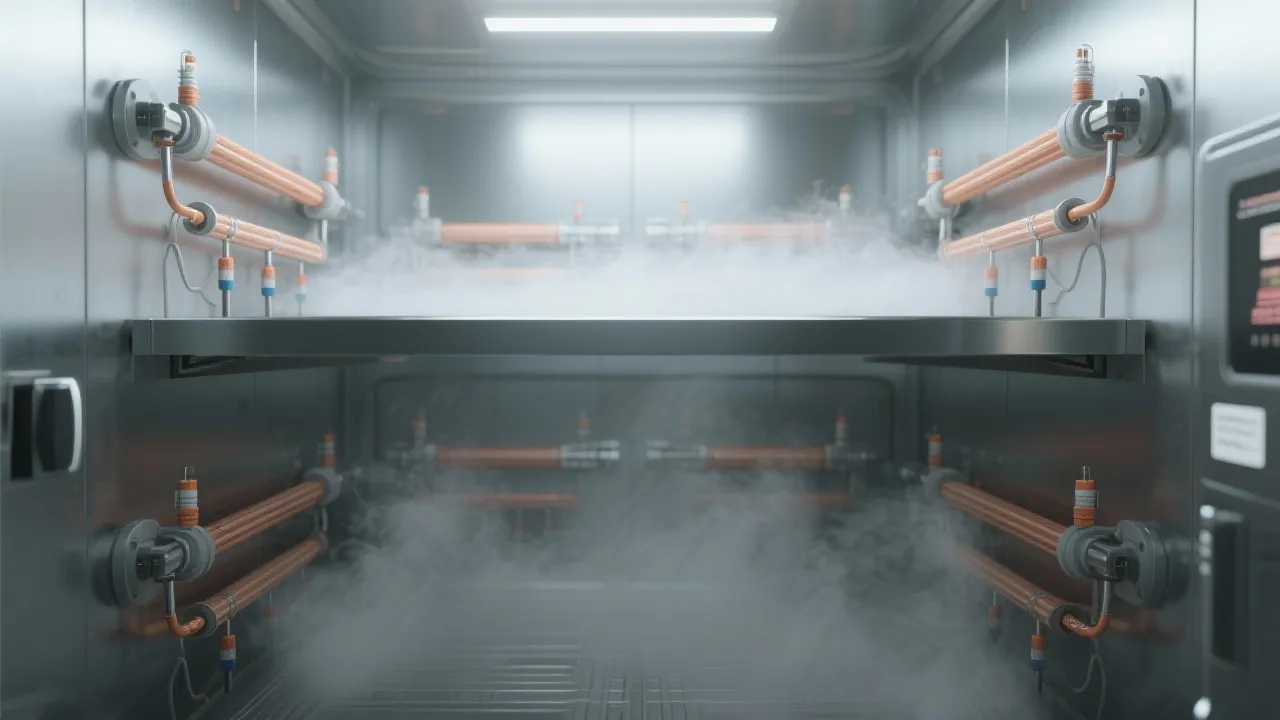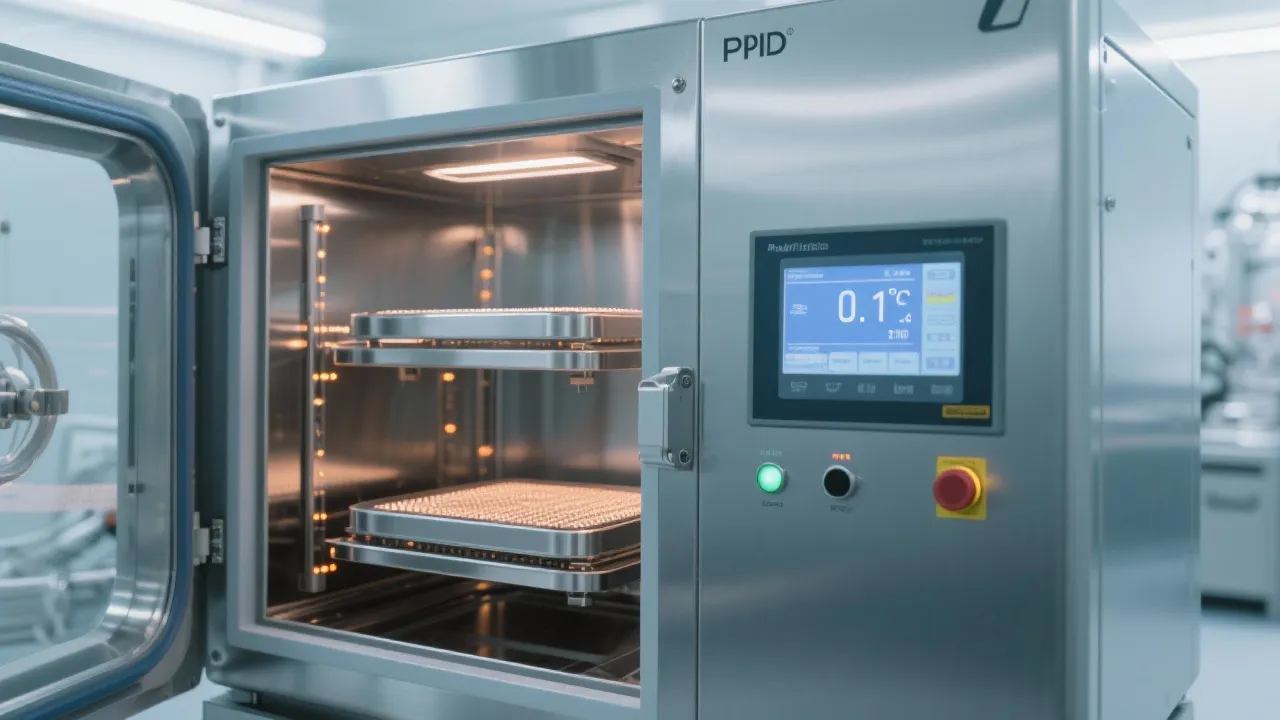
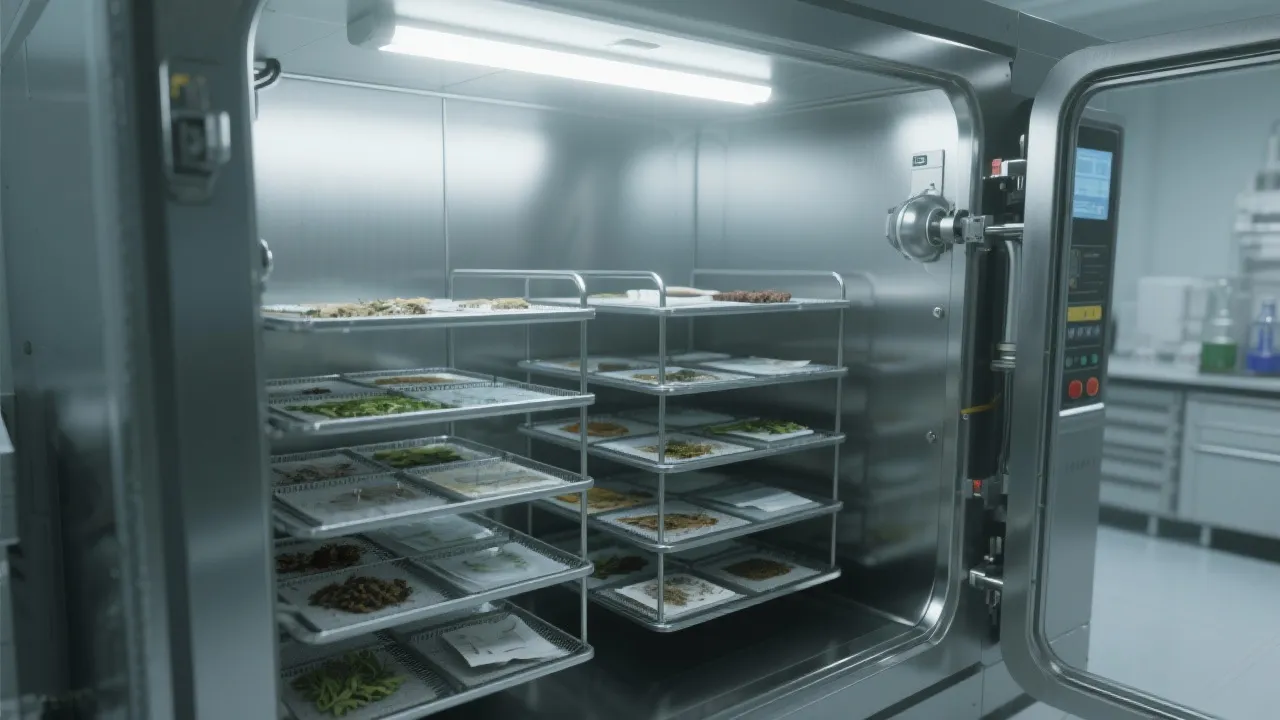
Quick value box: Choosing a laboratory vacuum drying system is not about “bigger is better”—it’s about matching vacuum level, temperature stability, corrosion resistance, and control strategy to your sample physics and compliance needs. The DZ-1BCII digital vacuum drying oven is positioned as a professional-grade solution with high-vacuum capability (≤133 Pa), ±1°C temperature accuracy, and dual-zone intelligent PID control, designed to protect heat-sensitive materials while improving repeatability.
In laboratory workflows, drying is often treated as a “last step.” Yet it can be the step that determines whether mass balance, moisture content, stability testing, or material properties are trustworthy. Vacuum drying lowers the boiling point of solvents and water, enabling gentle dehydration at reduced temperatures—critical for thermo-sensitive substances, oxidation-prone samples, and parts with microcavities that trap moisture.
The most common selection mistake is focusing only on maximum temperature. In reality, the decisive variables are how deep the vacuum is, how stable the temperature remains under load, and whether the chamber materials withstand your chemistry without contaminating samples.
Vacuum degree directly impacts drying kinetics and oxidation risk. For many laboratory applications, a working environment below 133 Pa is a practical threshold for efficient low-temperature drying. At this range, the effective boiling point of moisture and common solvents drops significantly, which helps protect sample integrity.
Buyers should also ask about pressure stability over time. A system that reaches 133 Pa quickly but drifts due to micro-leaks will produce inconsistent results—especially in moisture-sensitive QA workflows.
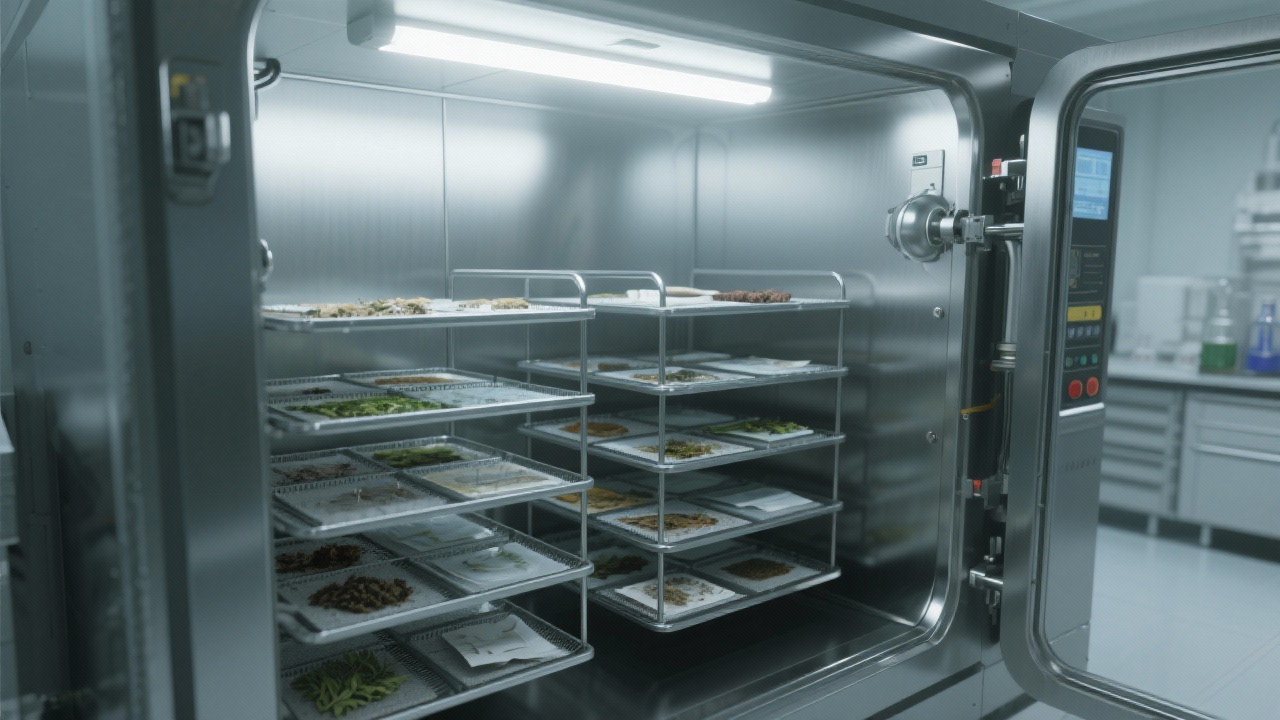
Temperature range is the starting point; temperature accuracy and uniformity determine whether the displayed value matches real conditions at the sample surface. For precision work—pharmaceutical intermediates, biological reagents, polymer powders—an accuracy of ±1°C offers a strong baseline for repeatability.
As a reference, many labs operate vacuum drying between 30–120°C for delicate materials, while higher ranges (up to ~200°C) may be used for certain inorganic samples or pre-conditioning. The key is whether the oven can maintain stable heat under vacuum without overshoot.
Under vacuum, heat transfer changes; small shifts in load can cause temperature lag or overshoot. A dual-zone intelligent PID control design typically improves stability by responding separately to different thermal behaviors—helpful when drying mixed loads, multiple trays, or parts with varying thermal mass.
In practical terms, better control reduces “quiet failures”: samples that look dry on the surface but retain moisture internally, or heat-sensitive items that degrade due to momentary spikes.
Materials define both durability and contamination risk. An imported stainless-steel inner chamber is widely preferred for vacuum drying because it resists corrosion from many solvents and cleaning agents, reduces outgassing, and supports long-term operation in research environments.
If your lab handles acidic or halogenated vapors, confirm compatibility and cleaning protocols. The wrong interior material can pit, shed particles, or imprint odors—subtly damaging sensitive assays.
The table below can be used as a quick decision aid when comparing vacuum drying ovens for laboratory procurement. It aligns performance factors with what typically impacts experimental outcomes most.
| Selection Factor | Why It Matters | Practical Target (Reference) | DZ-1BCII Positioning |
|---|---|---|---|
| Vacuum level | Lower pressure accelerates solvent removal and reduces oxidation | ≤133 Pa for many heat-sensitive lab tasks | High-vacuum working environment ≤133 Pa |
| Temperature accuracy | Repeatability for QA, moisture analysis, and stability testing | ±1°C or better for controlled drying | ±1°C precision temperature control |
| Control algorithm | Minimizes overshoot/lag under vacuum and varying loads | PID with strong stability under load | Dual-zone intelligent PID control |
| Chamber material | Corrosion resistance, low contamination risk, easier cleaning | Stainless steel for multi-industry labs | Imported stainless-steel inner chamber |
| Application fit | Determines yield, stability, and safety in real workflows | Thermo-sensitive, pharma, electronics, chemical samples | “Designed for heat-sensitive substances” + broad lab usage |
For enzymes, functional polymers, certain catalysts, and specialty powders, the goal is to remove moisture without changing structure. A vacuum environment below 133 Pa supports lower drying temperatures and reduces oxidative stress. This is where positioning matters: “designed for heat-sensitive substances” is not a slogan—it’s a performance requirement.
A practical benchmark many labs use is keeping product temperature within a narrow band (for example, 40–70°C) while ensuring steady pressure and stable heating. Strong PID control and accurate temperature feedback reduce risk of denaturation or melting.
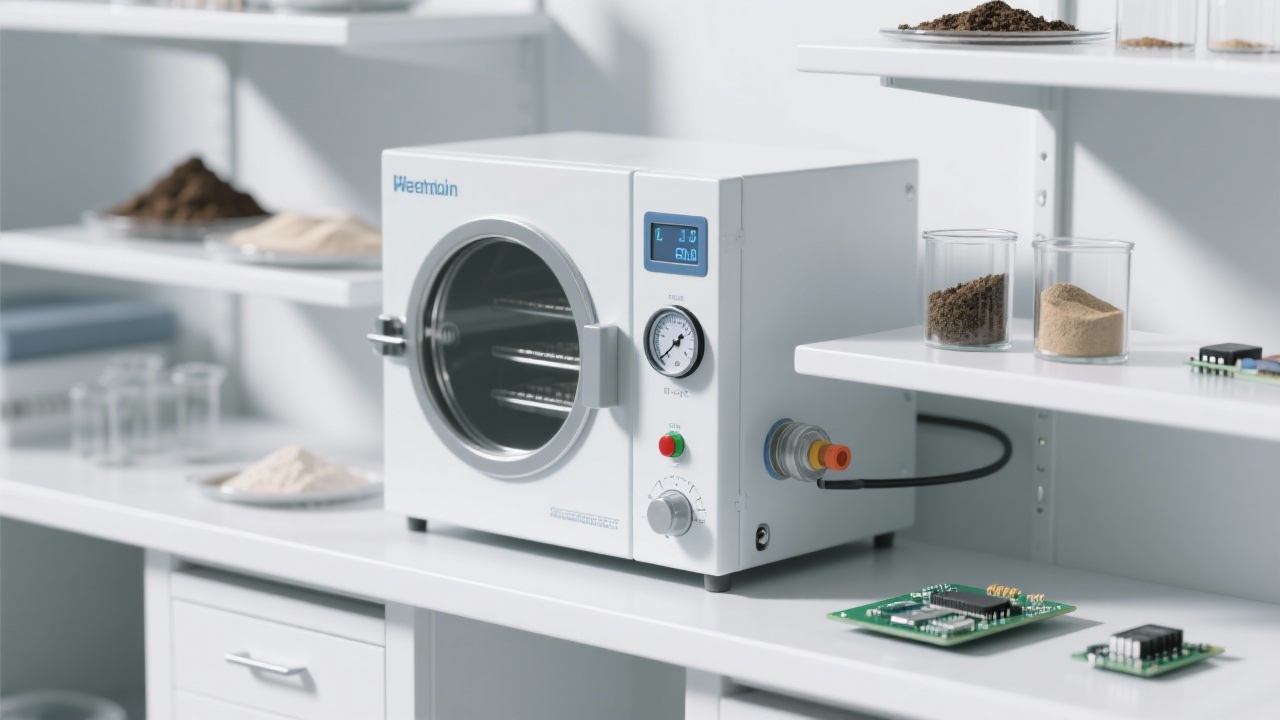
In pharma environments, vacuum drying may be used for intermediates, excipients, or moisture-sensitive packaging components. Requirements typically include consistent repeatability, clean surfaces, and stable operation across different batch sizes. Stainless-steel chambers reduce corrosion and simplify validated cleaning routines.
When moisture content targets are strict (e.g., internal specifications below 0.5–2.0% depending on product), labs often rely on standardized loading patterns and documented drying curves. A digital vacuum drying oven that maintains ±1°C helps reduce variability between operators and shifts.
Electronics labs and production QA use vacuum drying to prevent “popcorning,” delamination, and corrosion during subsequent heating or encapsulation. Components with micro-gaps can trap moisture that is hard to remove under atmospheric conditions. Vacuum improves penetration and accelerates evacuation of absorbed water.
In these environments, stable temperature and controlled ramping are often more valuable than maximum heat. A predictable drying profile supports consistent downstream assembly quality.
Some protocols require minimizing oxygen exposure during drying or conditioning. While a vacuum drying oven is not a glovebox, maintaining low pressure can reduce oxygen partial pressure, supporting oxygen-sensitive workflows and certain material preparations. For such cases, stable vacuum and good sealing behavior become the practical differentiators.
Buyers evaluating anaerobic-lab equipment often prioritize leak performance and a control system that remains steady during longer cycles (6–24 hours in some methods).
A consistent preheat routine is one of the easiest ways to tighten results. Many labs preheat for 20–40 minutes to stabilize the chamber walls, then pull vacuum and allow pressure to settle before timing the drying cycle. This reduces early-phase temperature swings that can mislead “time-to-dry” comparisons.
Overloading is a frequent cause of uneven drying. Spread powders in thinner layers when possible (a common reference is 5–15 mm depending on density and solvent content), leave gaps for circulation, and avoid stacking containers that shade each other. For parts with cavities, orient them to allow vapor escape.
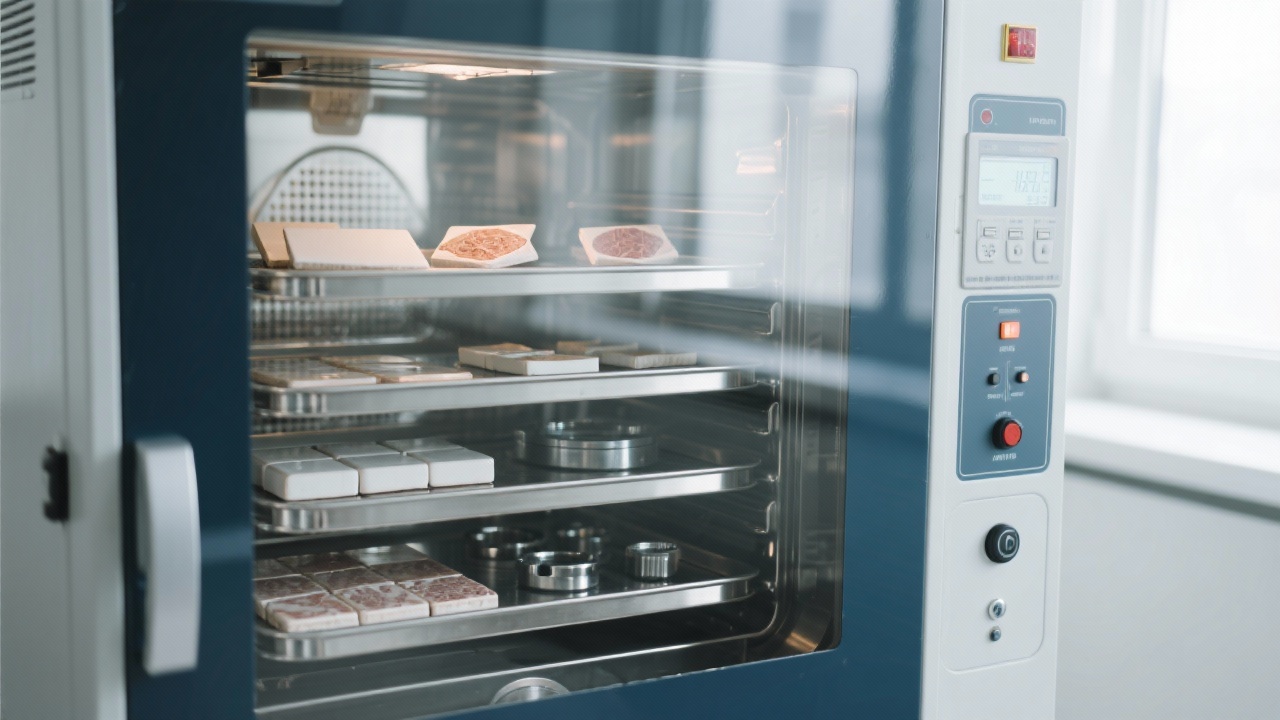
For research reproducibility and industrial QA, record at minimum: setpoint temperature, actual temperature, target vacuum level (Pa), time-to-reach vacuum, total drying time, and sample mass before/after. Some labs also document ramp rate and a mid-run mass check for critical materials.
This discipline is particularly valuable when transferring methods across sites or aligning results for international customers, where traceability and standardized documentation reduce friction.
For international procurement, vacuum drying equipment is frequently evaluated through a compliance and documentation lens. While requirements vary by region and industry, global buyers often expect evidence of safety and quality systems such as CE conformity for the EU market and a manufacturer quality system aligned with ISO 9001. In regulated sectors, documentation supporting calibration and traceability is equally important.
In practice, alignment means more than a label: buyers want consistent performance claims, stable control behavior, and the ability to replicate results across labs. When a vacuum drying oven can reliably reach ≤133 Pa and sustain ±1°C, it becomes easier to standardize SOPs across multinational teams.
This is also where reputation matters in procurement. A product line positioned as a “trusted choice in 60+ countries” signals maturity in export delivery, documentation readiness, and after-sales support expectations.
When precision drying is tied to experimental credibility and product safety, selecting a vacuum oven is a technical decision—not a guess. The DZ-1BCII digital vacuum drying oven combines ≤133 Pa high-vacuum operation, ±1°C control accuracy, dual-zone intelligent PID, and an imported stainless-steel chamber to support thermo-sensitive, pharmaceutical, electronics, and oxygen-sensitive workflows.
Procurement-friendly notes: Provide your target vacuum level (Pa), temperature range, sample type (powder/liquid/parts), and solvent profile to receive a recommended configuration and a suggested SOP outline.
For multi-site teams, ask for documentation support options to streamline internal approvals.