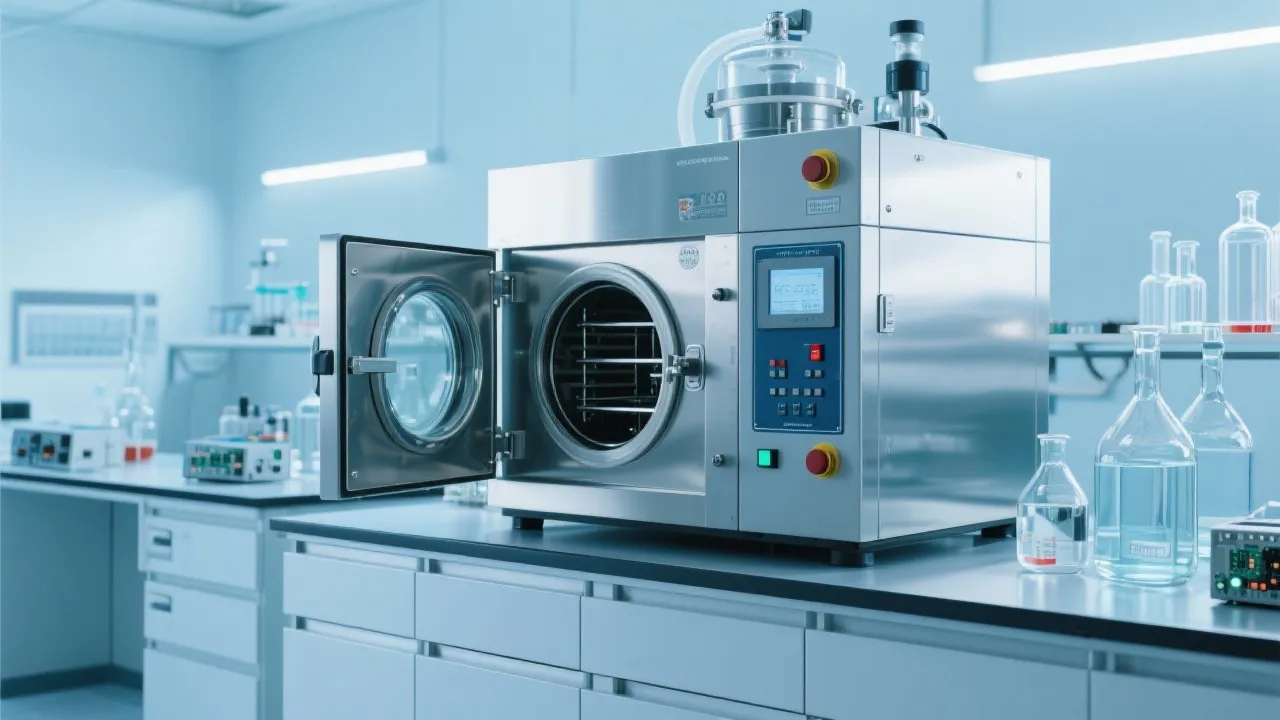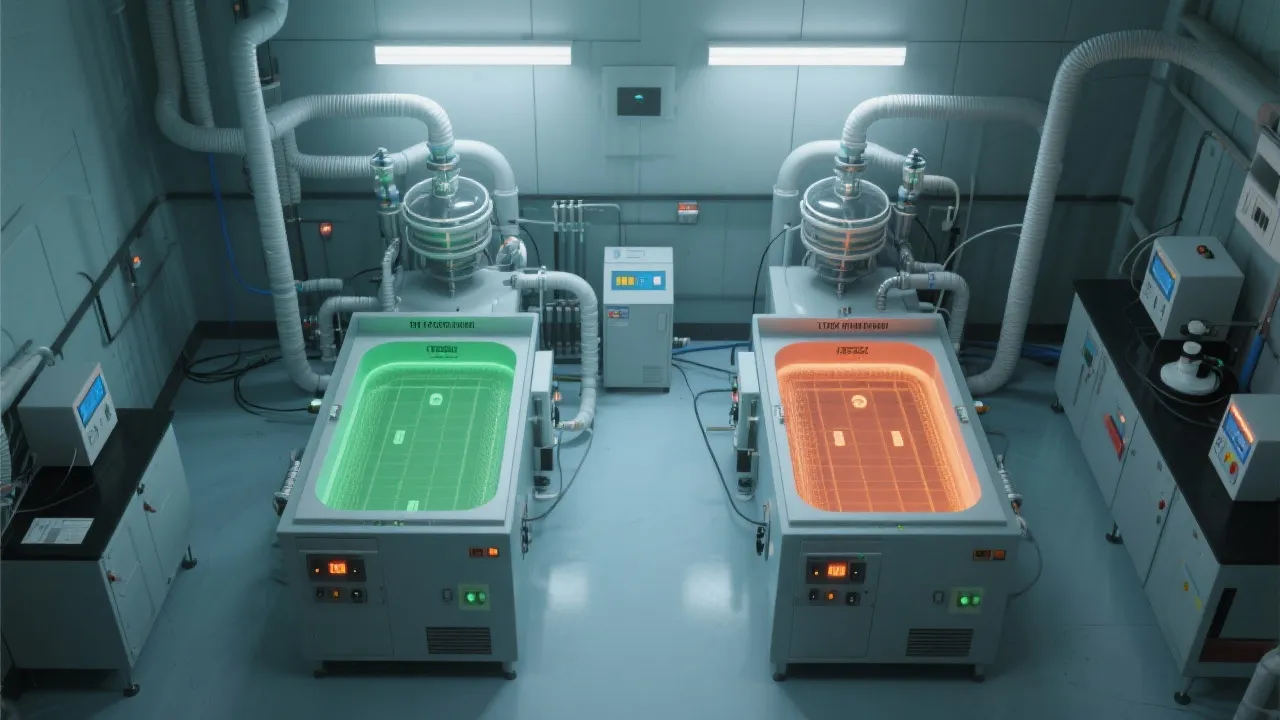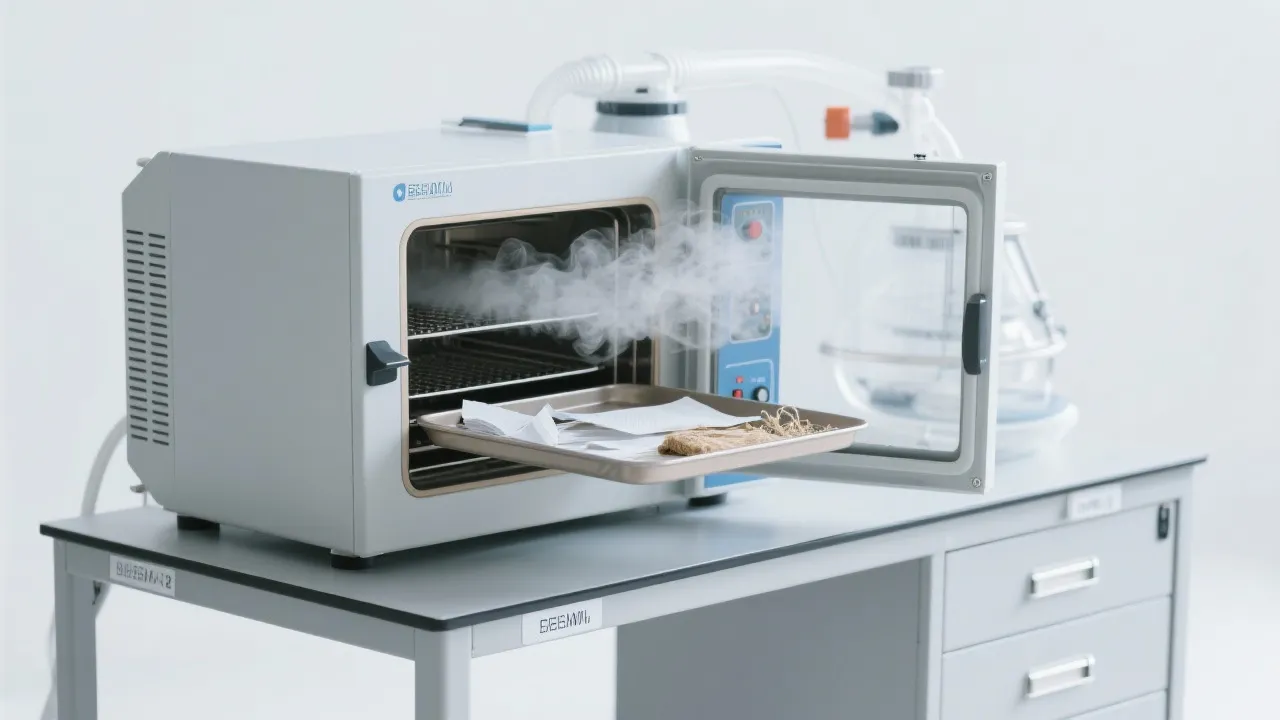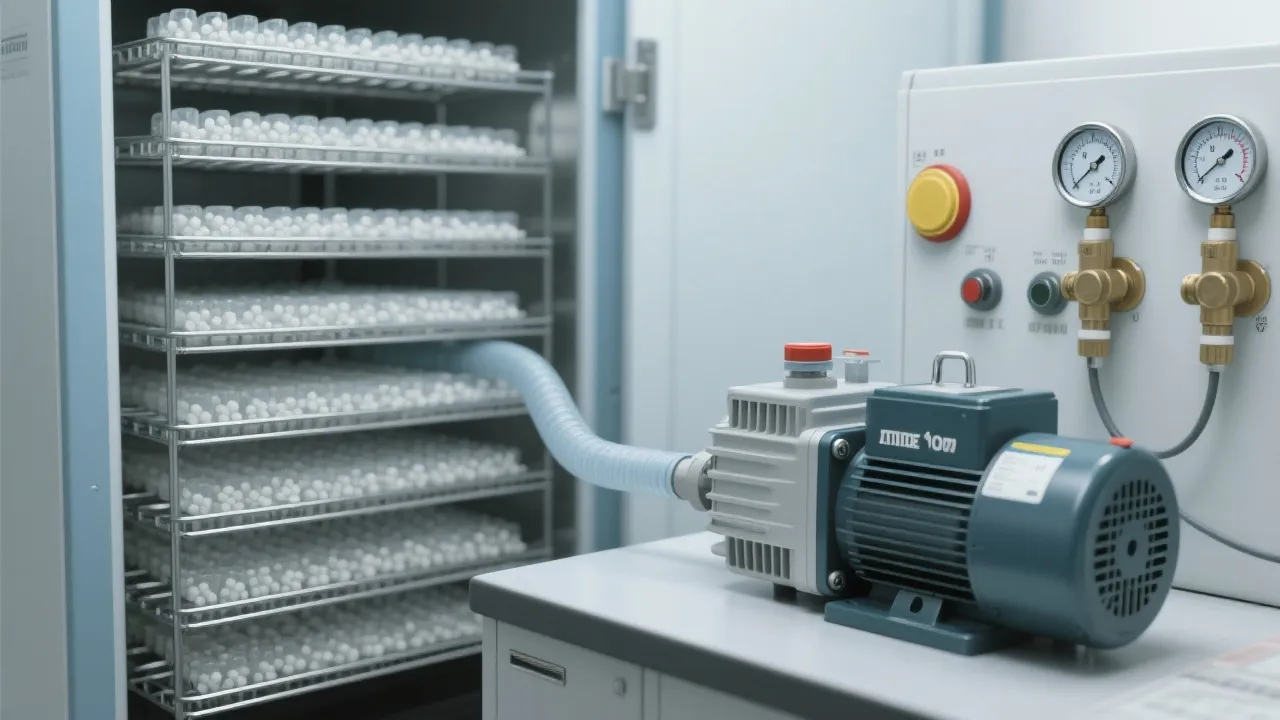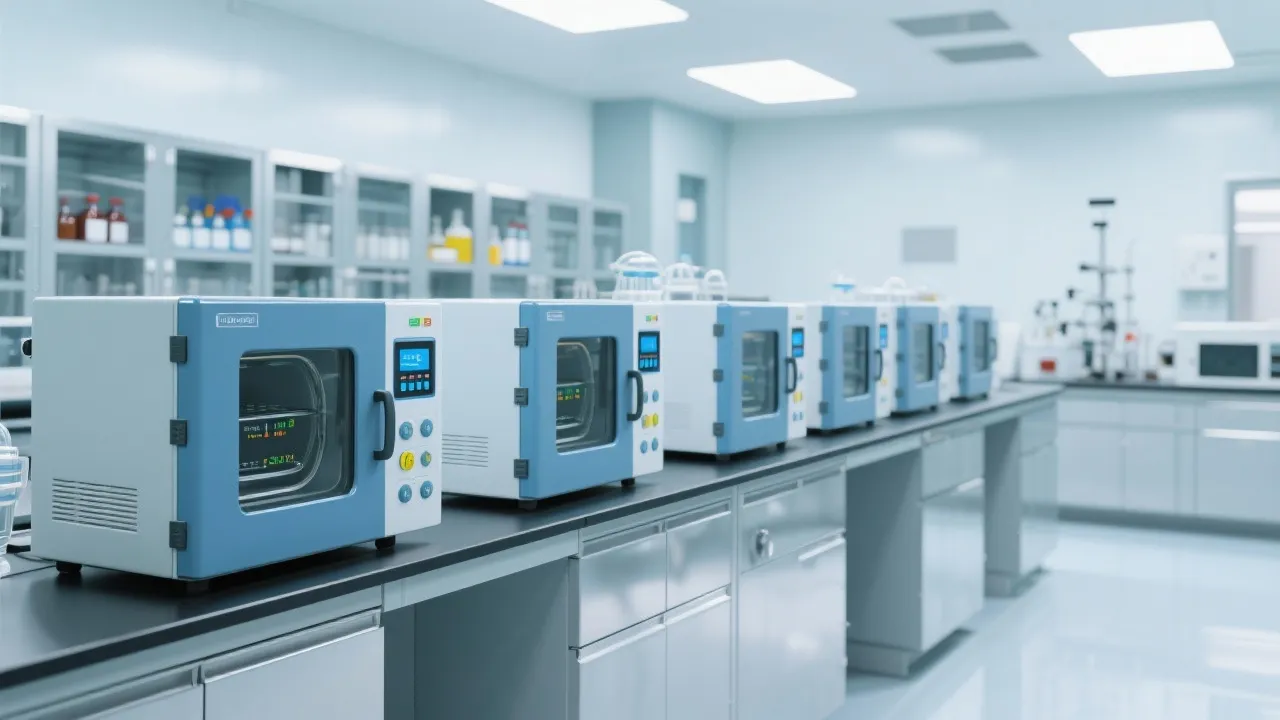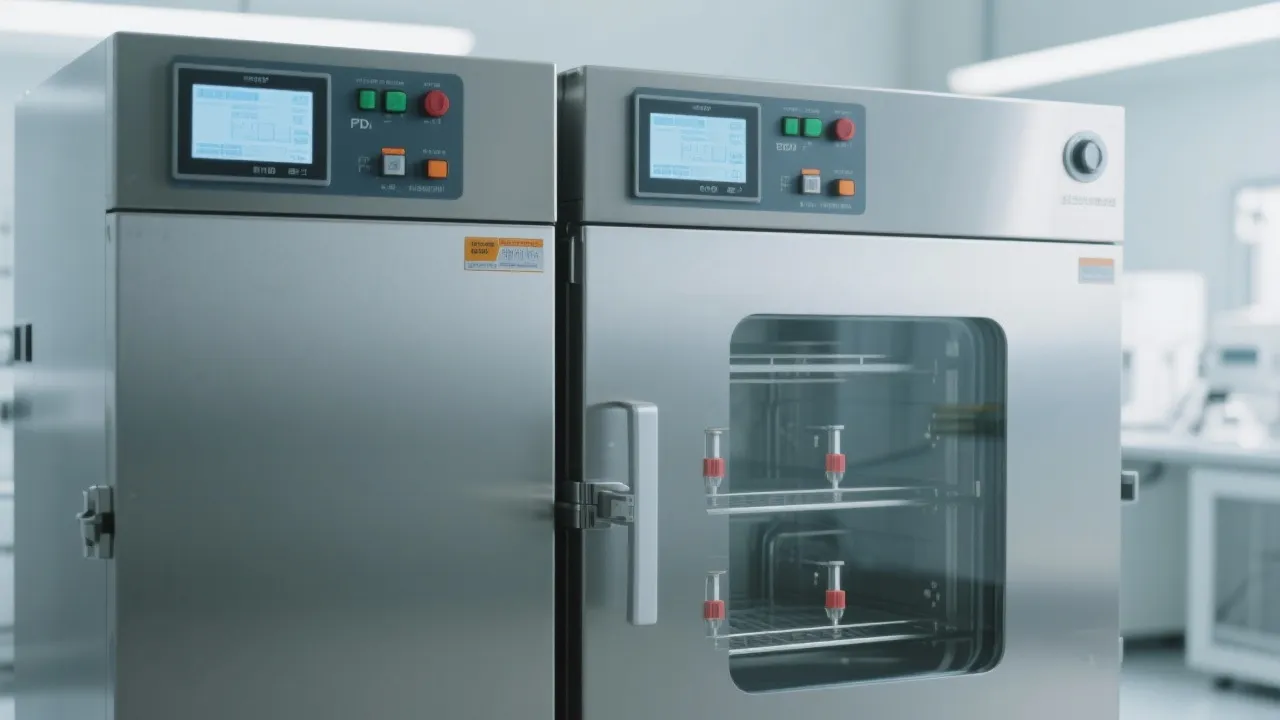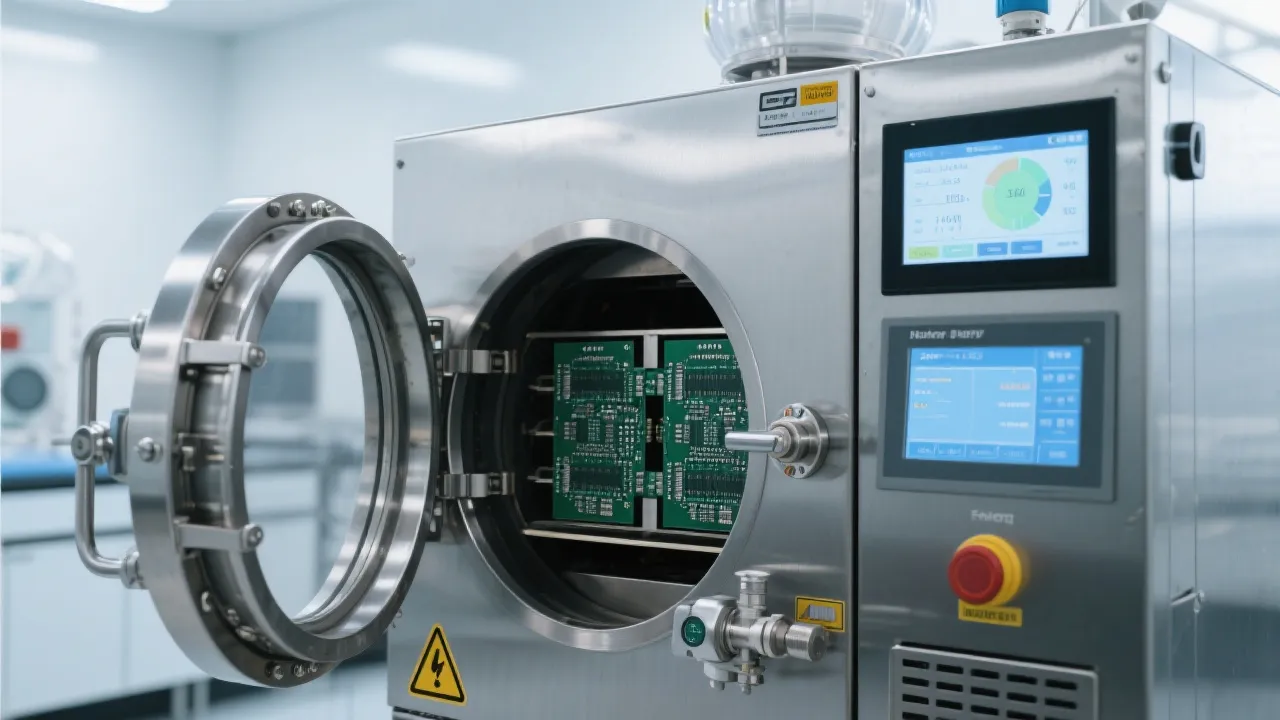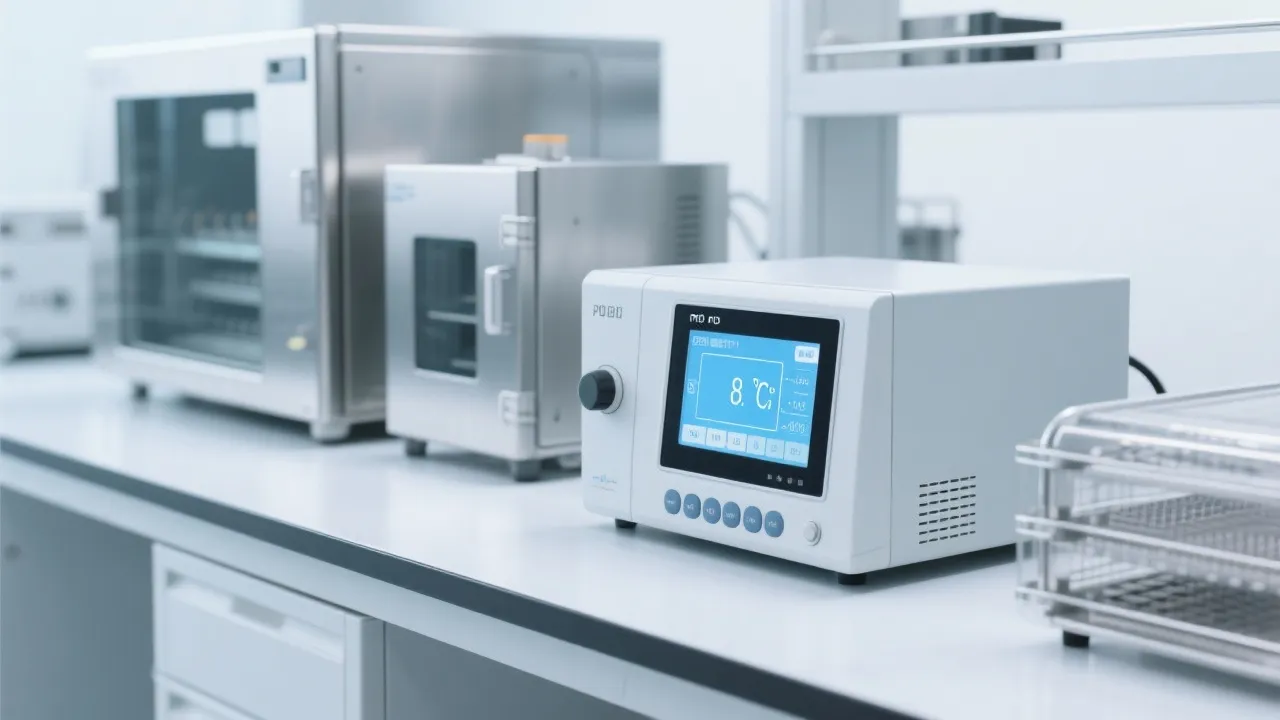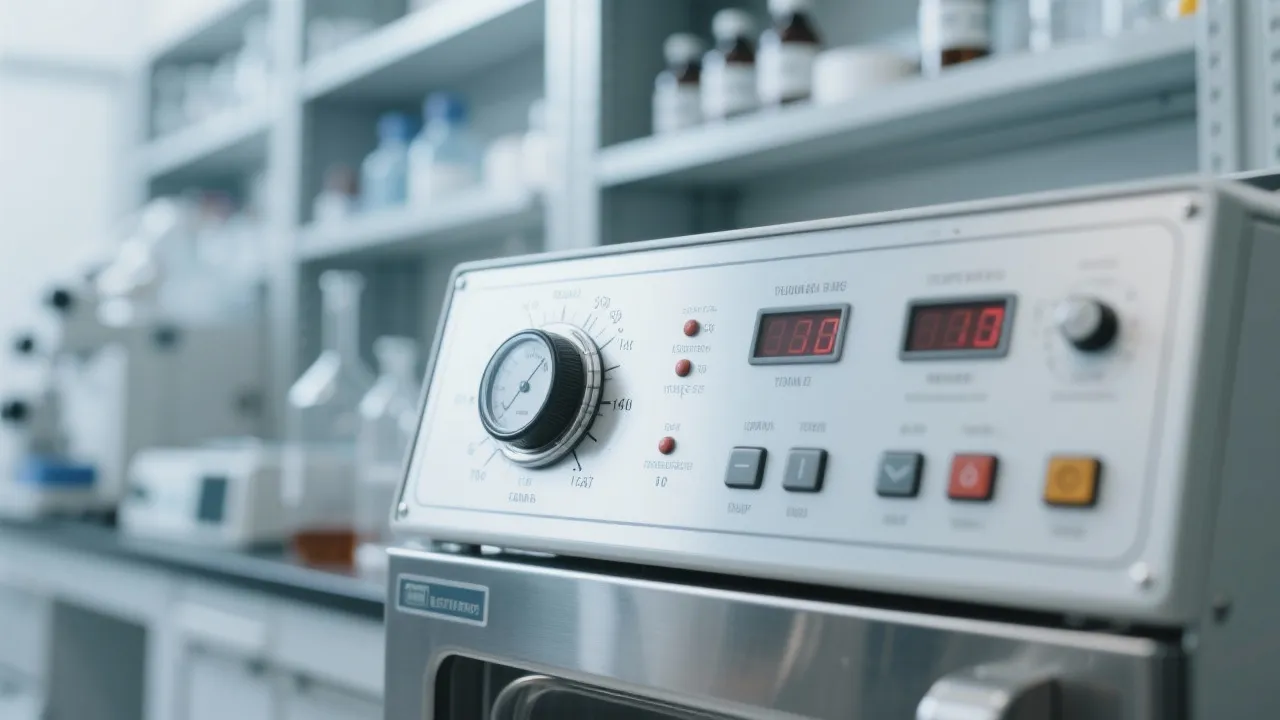
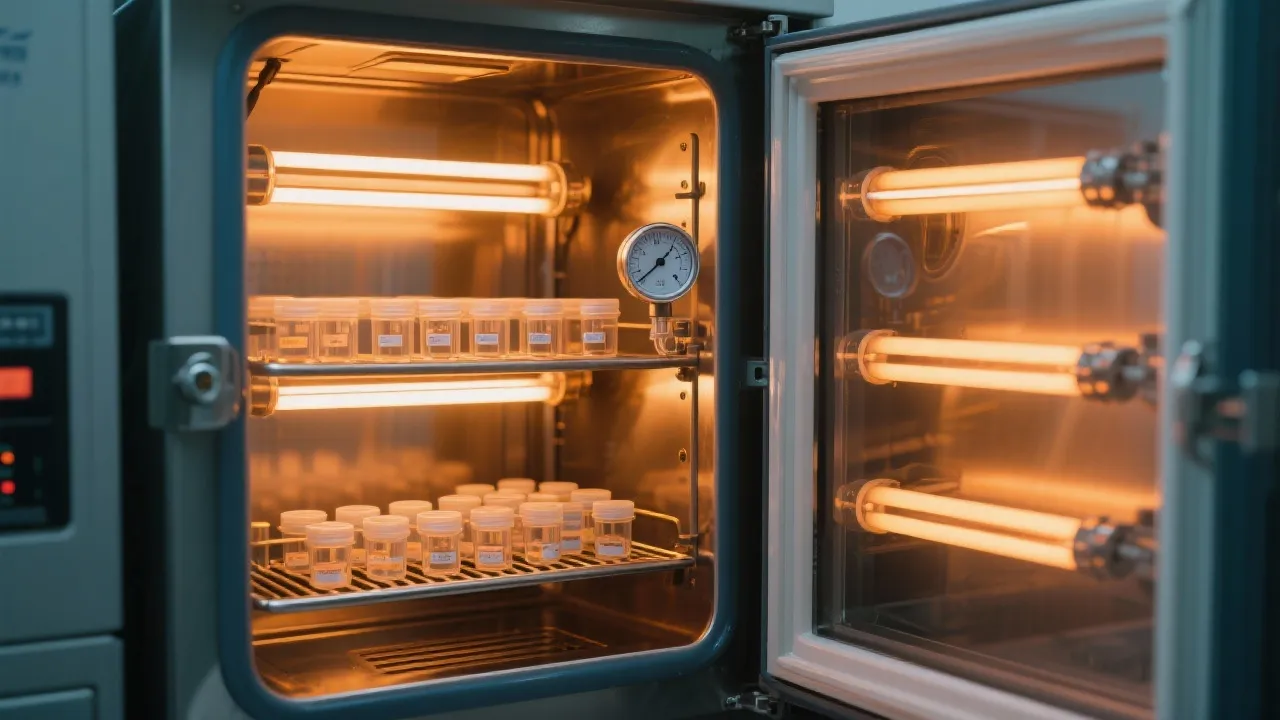
Understanding the science behind vacuum drying ovens is essential for researchers and industrial users who demand precision, consistency, and sample integrity. Unlike conventional dryers, vacuum ovens create a low-pressure environment that dramatically changes how moisture behaves—making them ideal for temperature-sensitive materials like pharmaceuticals, polymers, and biological samples.
In standard atmospheric conditions, water boils at 100°C. But under vacuum (typically below 50 mbar), boiling points drop significantly—sometimes to as low as 30–40°C. This means moisture evaporates faster without overheating your sample. According to a study published in Journal of Thermal Analysis and Calorimetry, this method can reduce drying time by up to 60% compared to air-drying methods at similar temperatures.
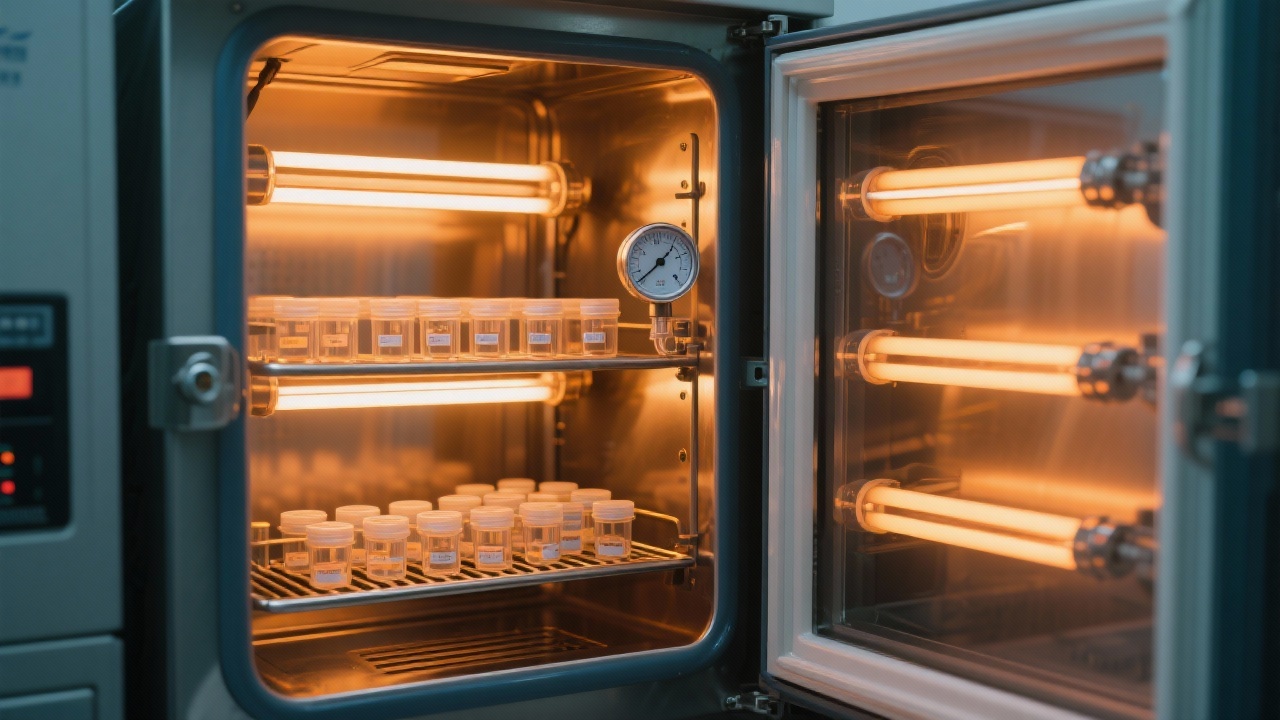
Oxidation is a silent killer of sensitive compounds—especially in organic chemistry, food processing, and semiconductor manufacturing. By removing oxygen from the chamber, vacuum drying eliminates oxidative degradation. For example, in a case study conducted with enzyme-based reagents, samples dried in vacuum conditions retained over 95% of their activity after 48 hours, while those dried in ambient air lost nearly 30%.
Modern vacuum dryers integrate two key technologies: PID temperature control and four-wall uniform heating. PID (Proportional-Integral-Derivative) algorithms adjust power output in real-time to maintain ±0.5°C accuracy—even during long cycles. Meanwhile, four-wall heating ensures no hot spots form inside the chamber, which is critical when drying delicate materials like catalysts or thin-film coatings.
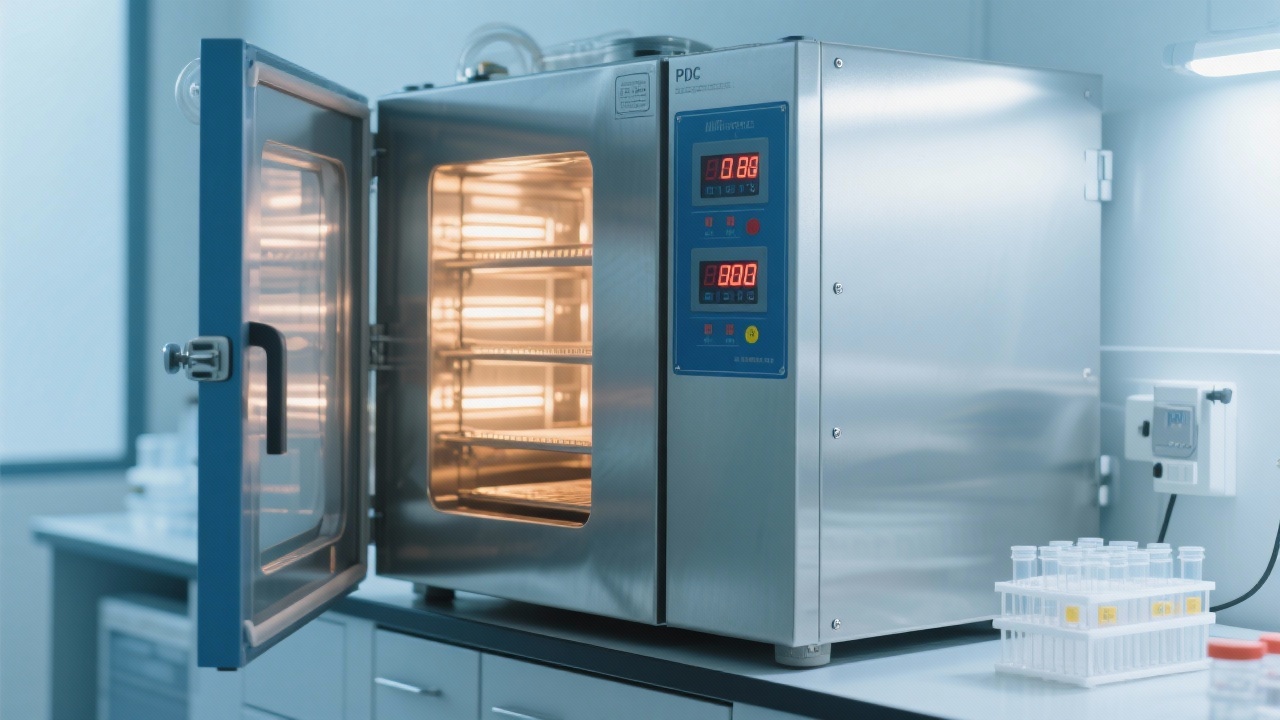
Not all samples are created equal. Here’s how to match your needs:
These settings aren’t just theoretical—they’re validated through thousands of lab tests and field applications worldwide, including collaborations with leading universities and R&D centers in Germany, Japan, and the U.S.
A biotech startup in Singapore reported a 40% improvement in yield consistency after switching to a vacuum oven equipped with smart PID control—proving that small tech upgrades lead to big results.
Whether you're optimizing a batch process or preparing for regulatory compliance, understanding how vacuum drying works empowers smarter decisions—and better outcomes.
Explore Our High-Precision Vacuum Dryers – Trusted by Labs Worldwide