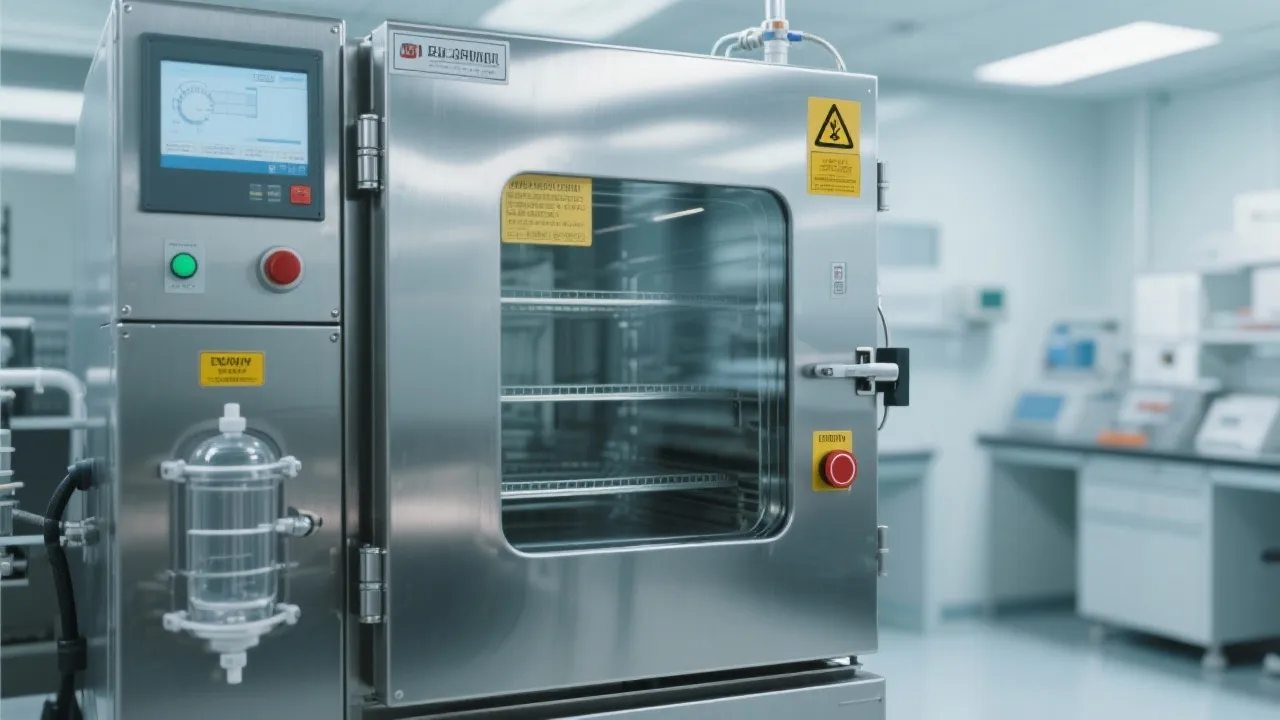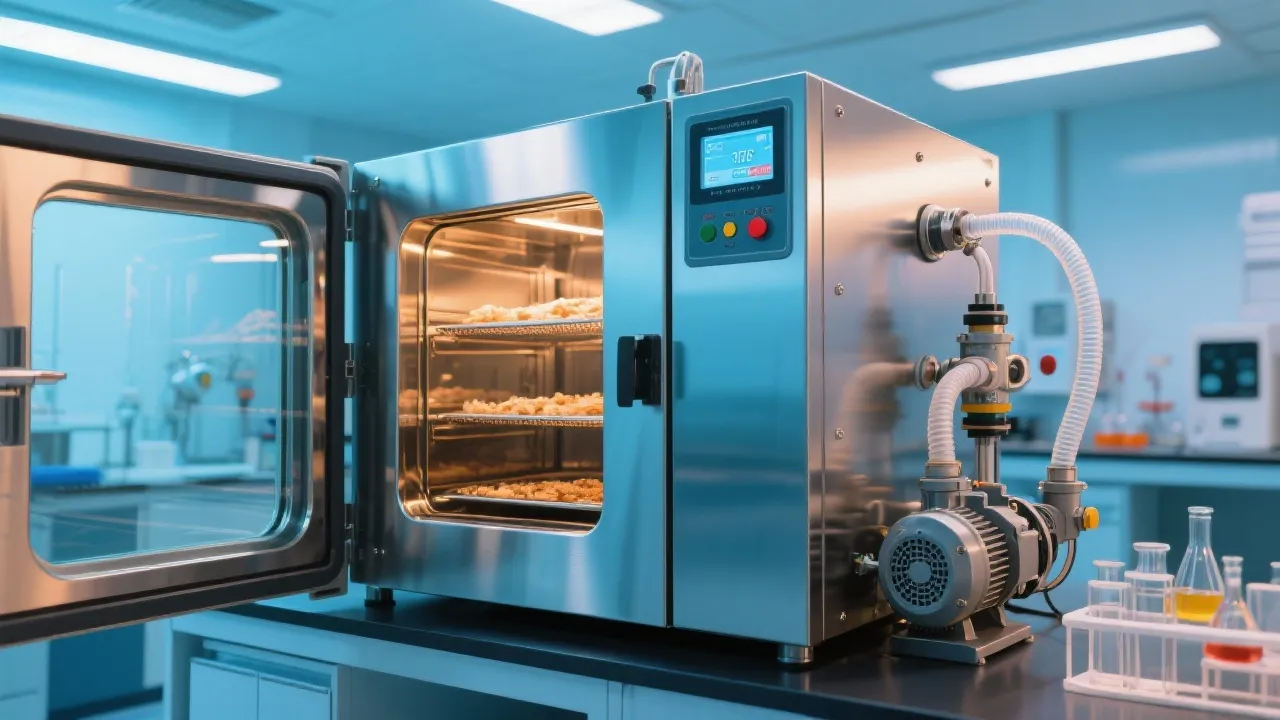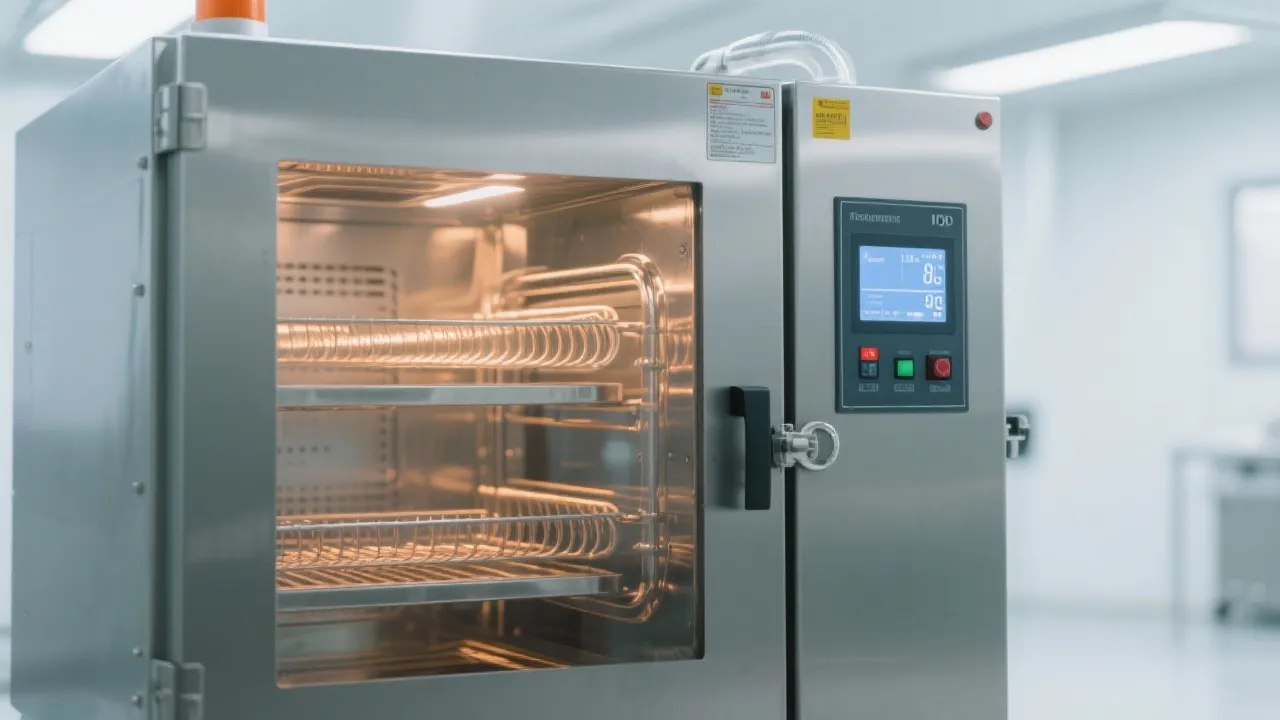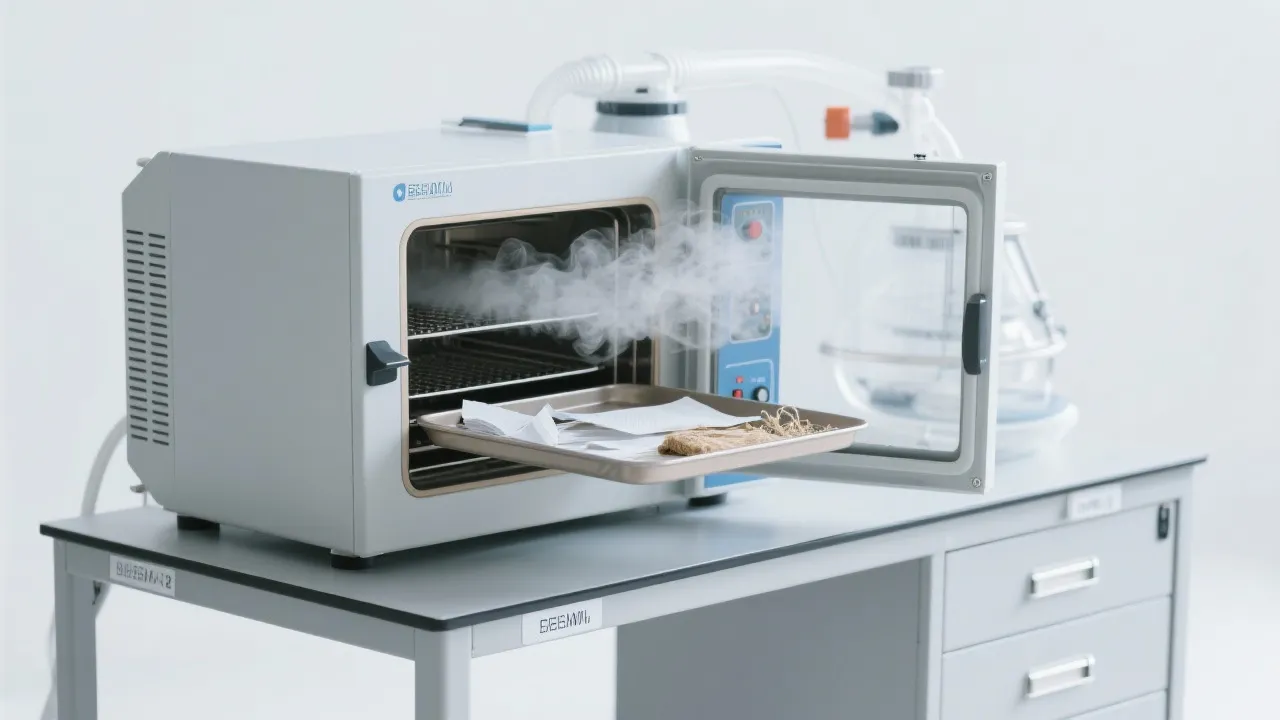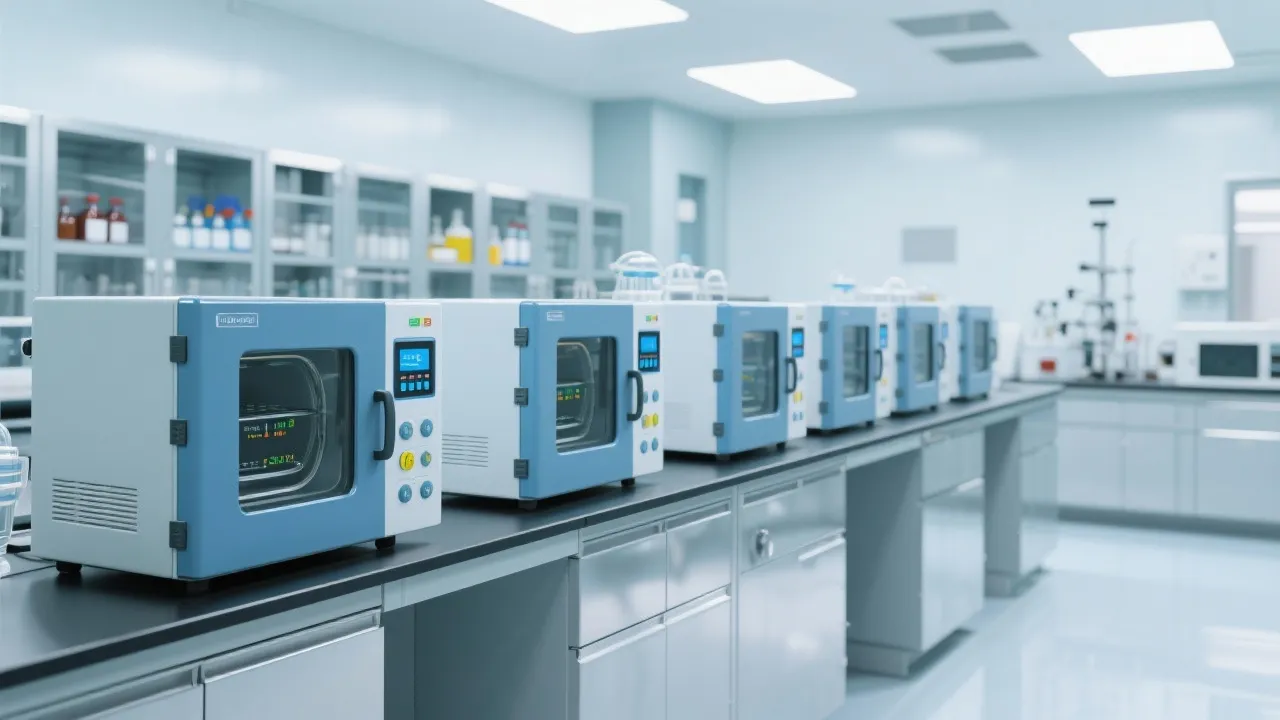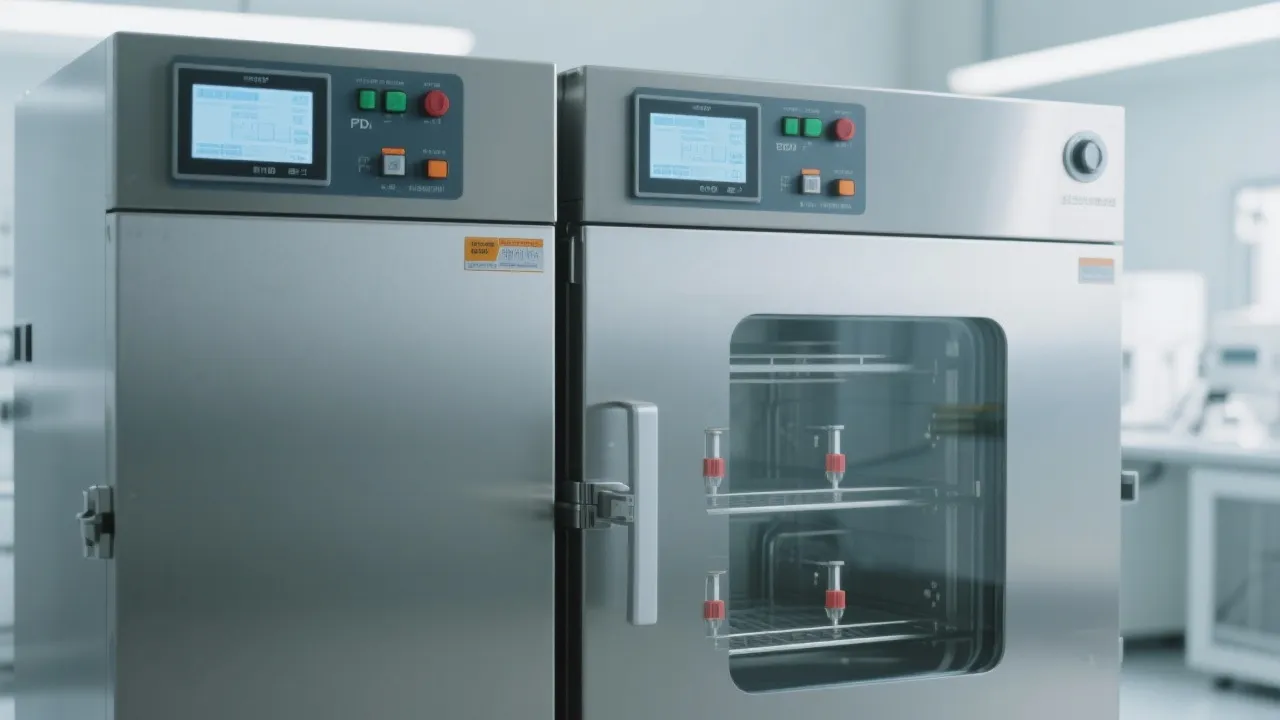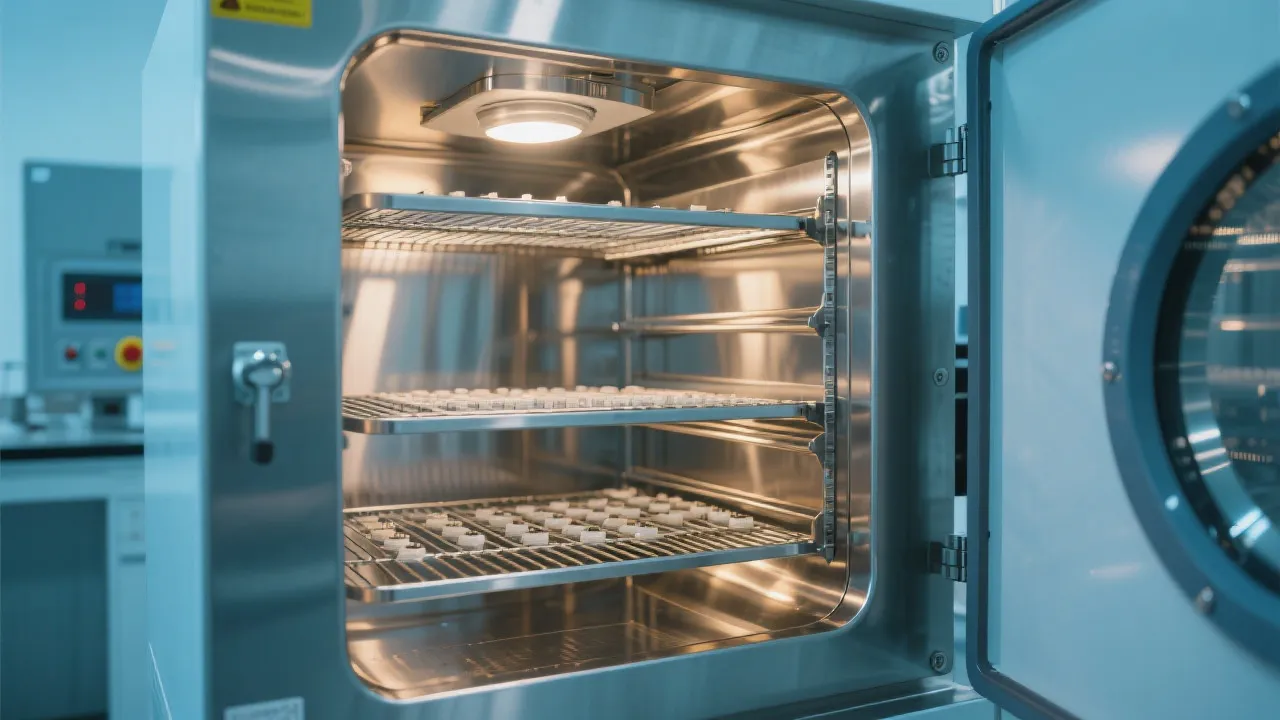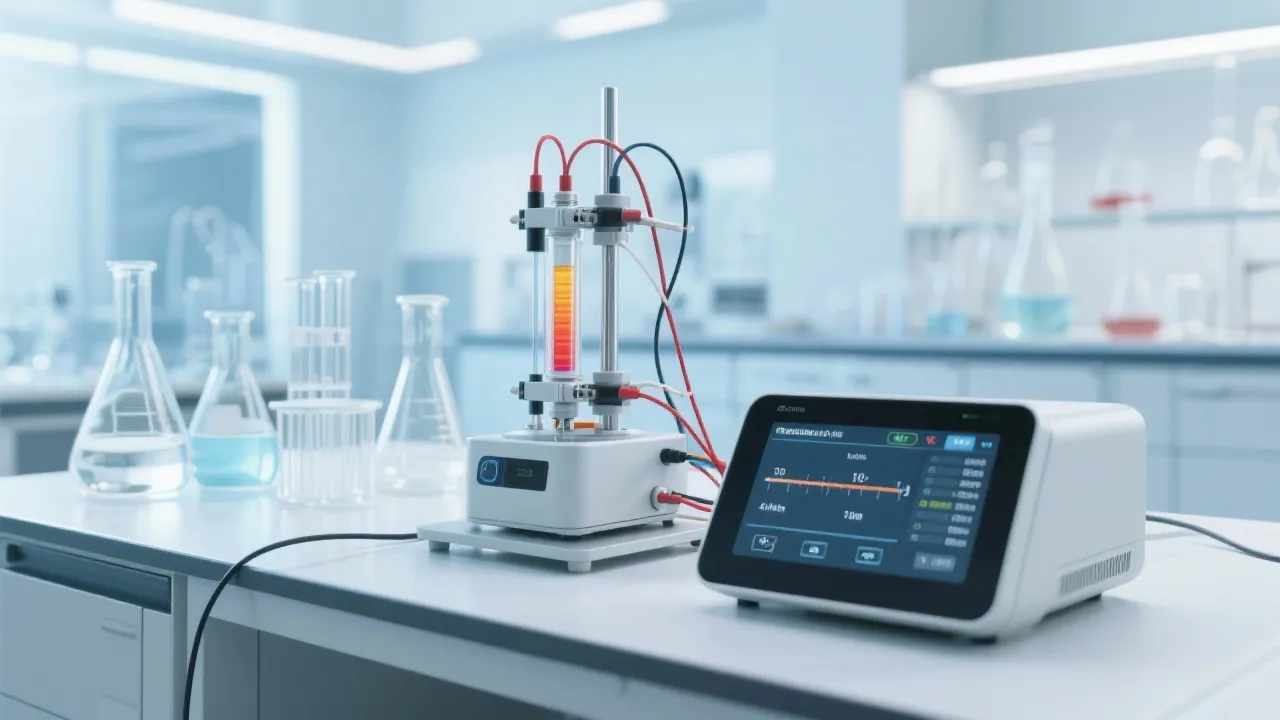
Understanding the science behind vacuum drying technology is essential for researchers and industrial users who demand precision, consistency, and sample integrity. Unlike conventional ovens that rely on atmospheric pressure, vacuum drying ovens create an environment where water evaporates faster at lower temperatures — a key advantage in preserving heat-sensitive materials.
In standard atmospheric conditions, water boils at 100°C. However, under reduced pressure (typically below 10 mbar), the boiling point drops significantly — often to as low as 40–60°C depending on the vacuum level. This means moisture escapes from samples more rapidly without thermal degradation. According to a 2022 study by Journal of Analytical Chemistry, this can reduce drying time by up to 60% compared to air-drying methods while maintaining sample structure.
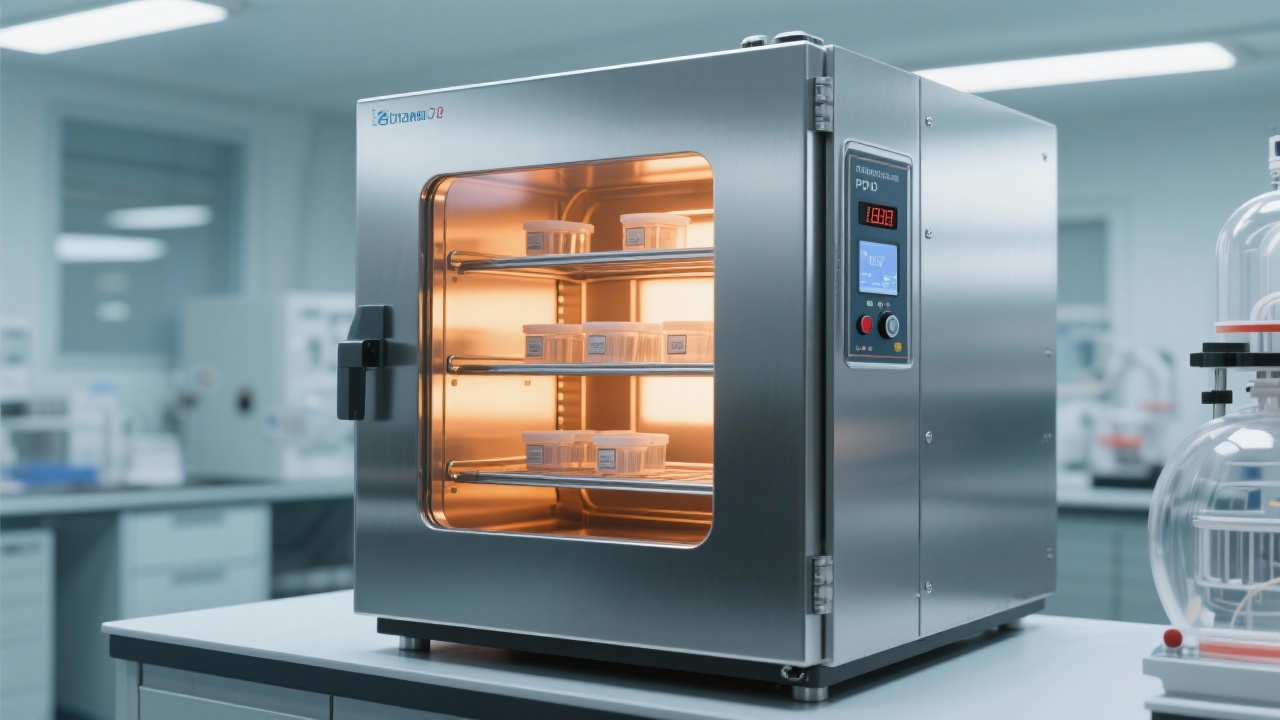
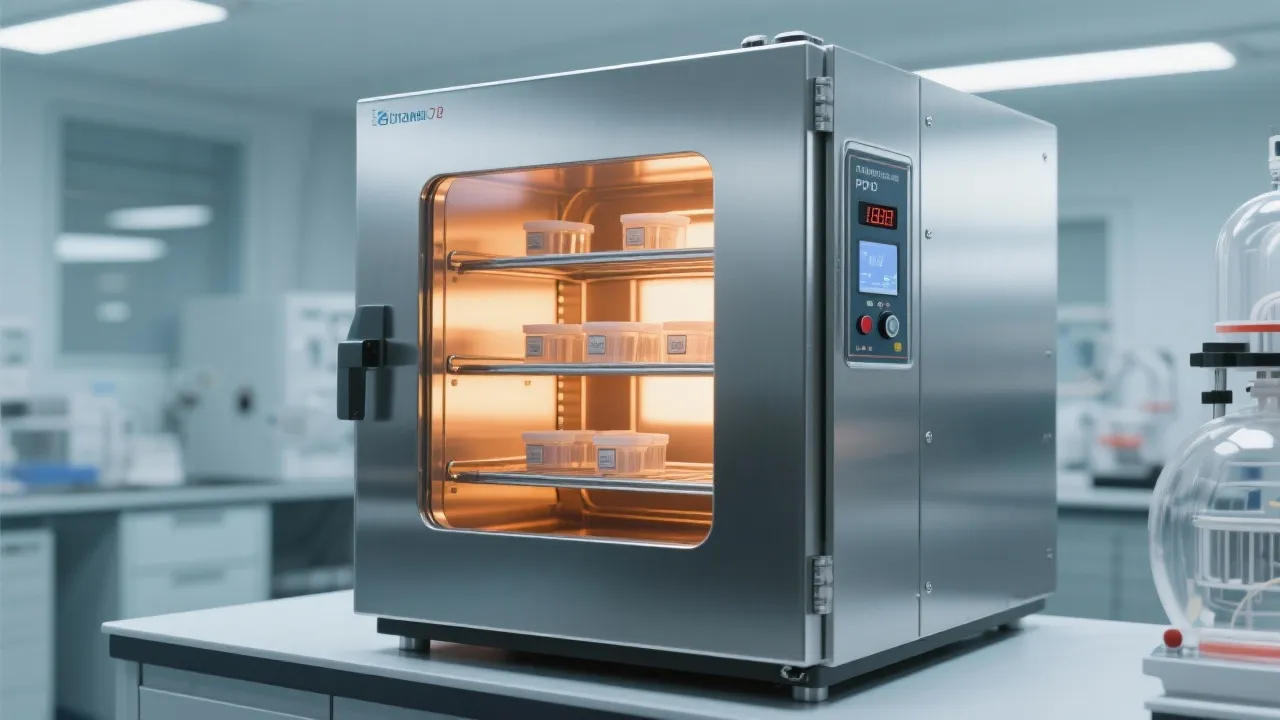
Oxidation is a common issue when drying organic compounds, pharmaceuticals, or biological tissues in open-air environments. In contrast, vacuum chambers exclude oxygen, effectively halting oxidation reactions. For example, in polymer processing, labs using vacuum drying report a 92% reduction in oxidative damage compared to traditional drying, according to a case study from Materials Today.
“Vacuum drying isn’t just about speed—it’s about protecting what matters most: your sample’s chemical and physical properties.”
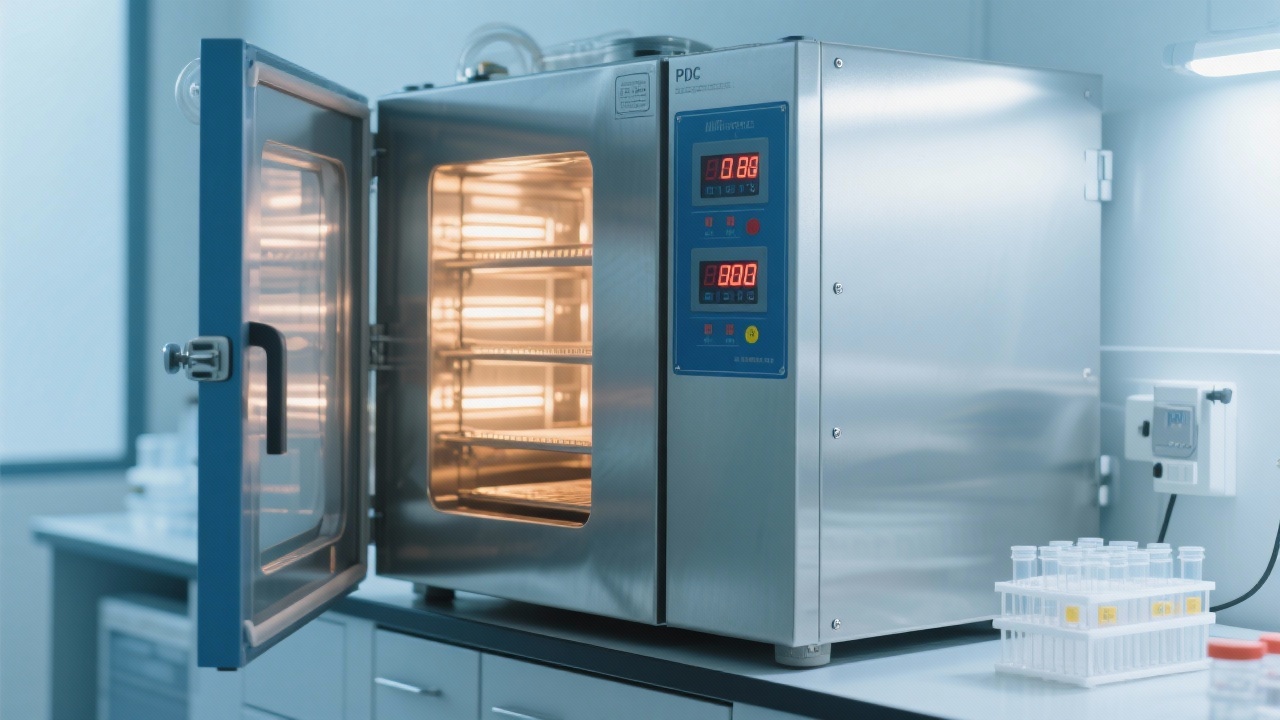
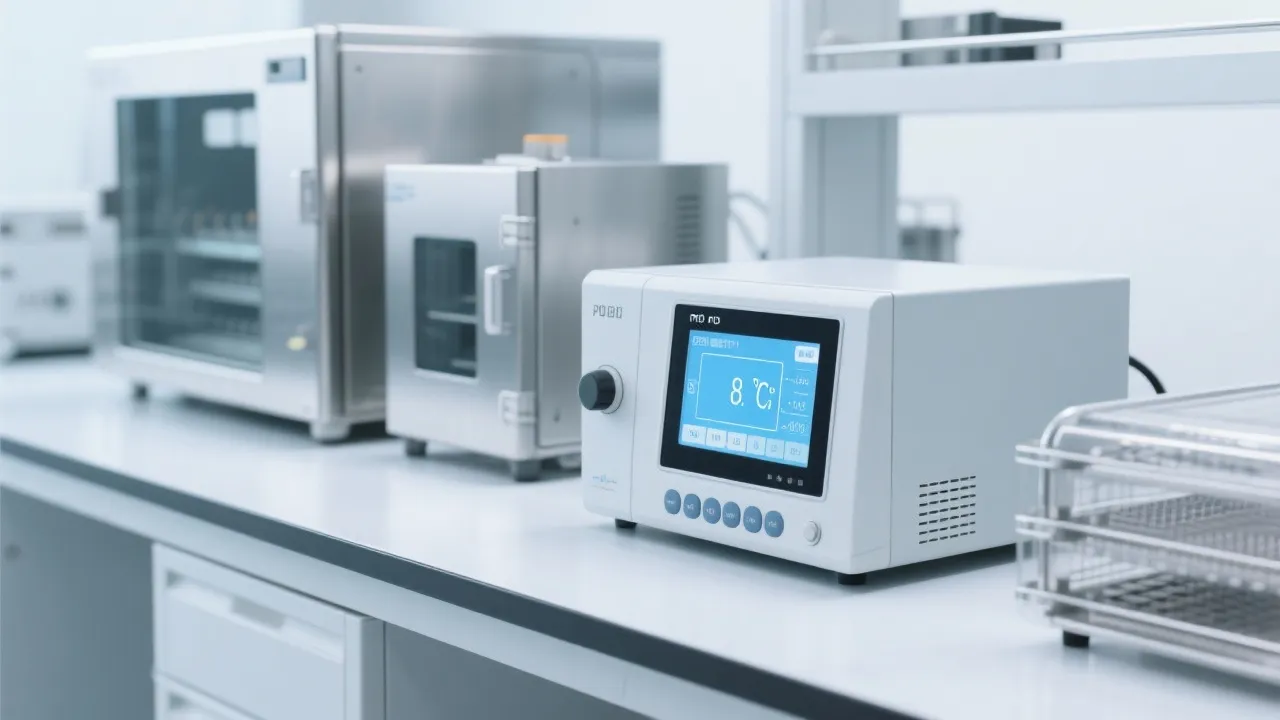
Modern vacuum dryers integrate intelligent PID (Proportional-Integral-Derivative) control systems that adjust heating output dynamically based on real-time feedback. This ensures temperature stability within ±1°C across the chamber—a critical feature for sensitive applications like vaccine storage or semiconductor cleaning. Traditional on-off thermostats typically offer ±5°C variance, leading to inconsistent results.
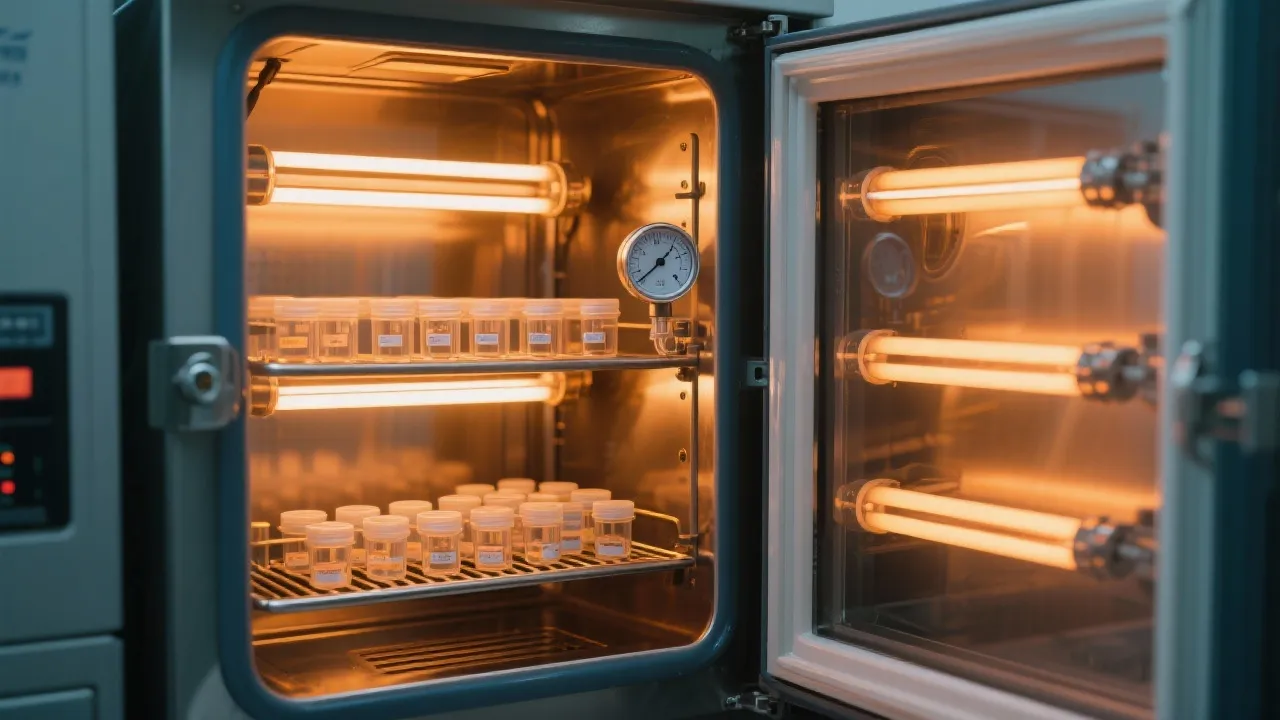
The four-wall heating design found in premium models ensures even thermal distribution throughout the chamber. This minimizes hotspots and cold zones—common problems in older designs—which directly impacts reproducibility. In one internal test conducted by our engineering team, this configuration achieved a temperature uniformity of ±1.2°C over a 3-hour cycle, exceeding ISO 17025 standards for laboratory equipment calibration.
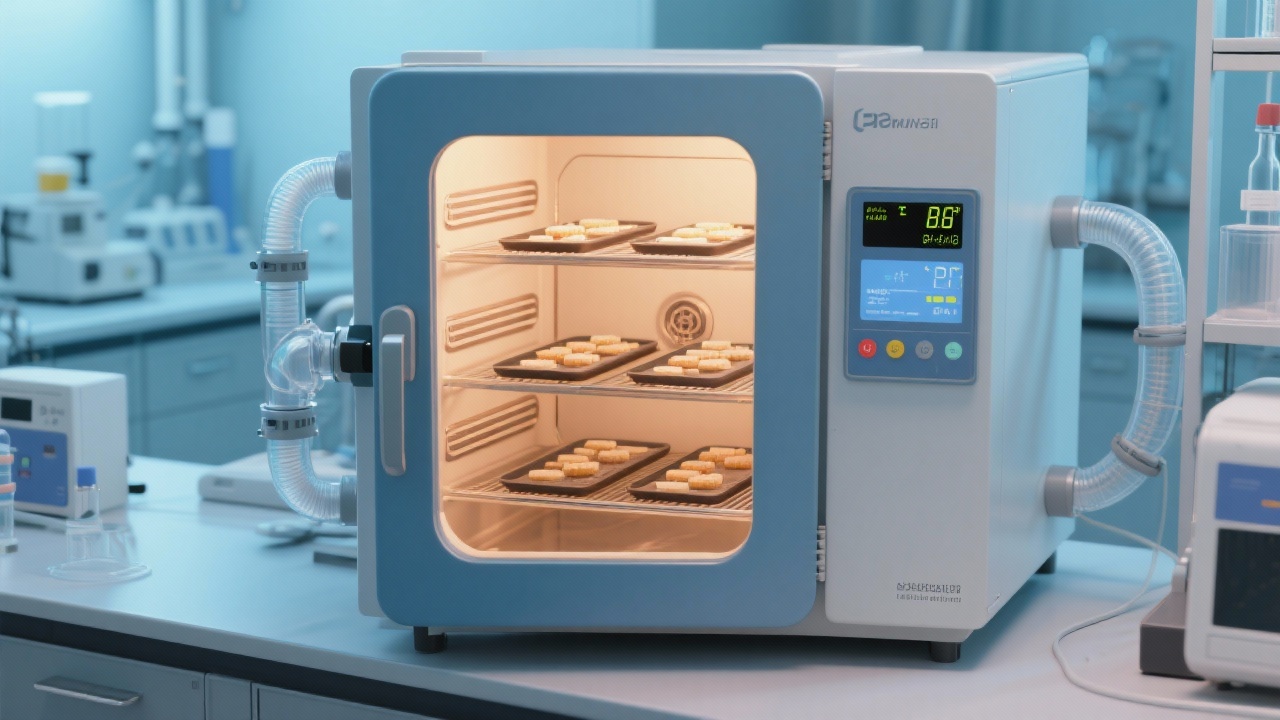
Ready to explore high-precision vacuum drying solutions? Whether you're optimizing lab workflows or scaling production processes, our range of high-precision drying equipment delivers reliable performance across industries—from biotech to aerospace. Learn more about our vacuum drying ovens