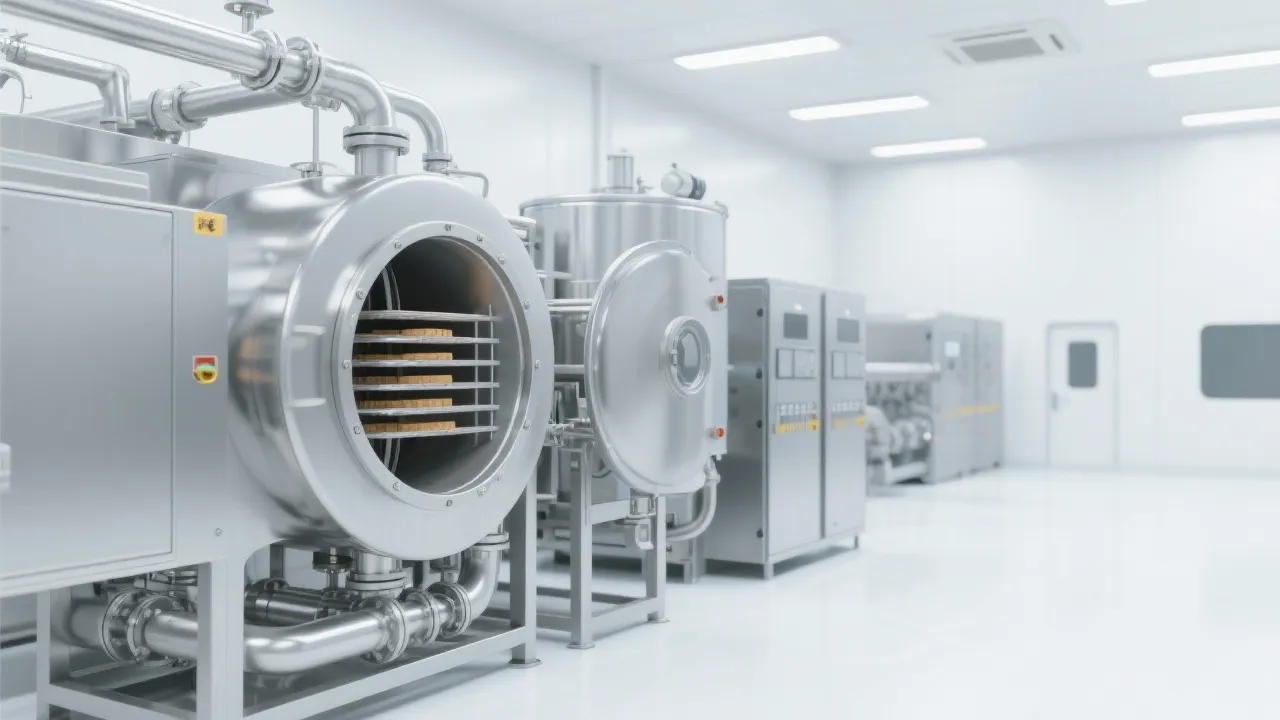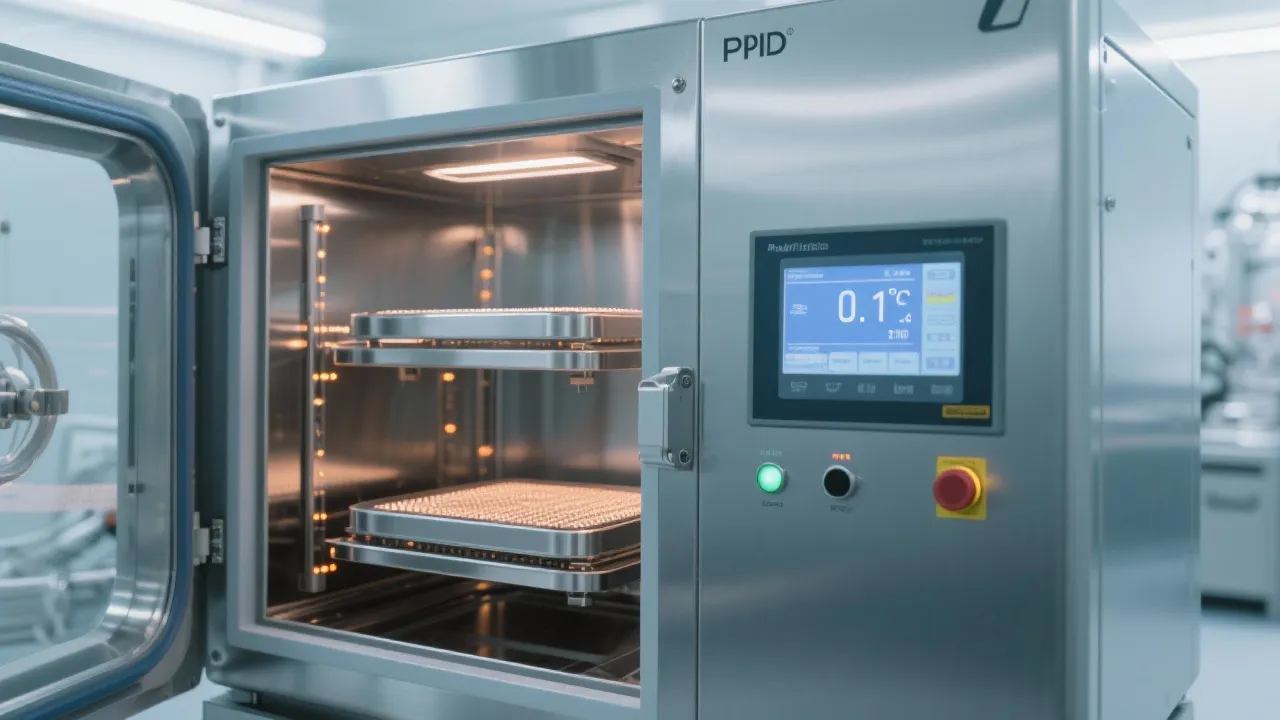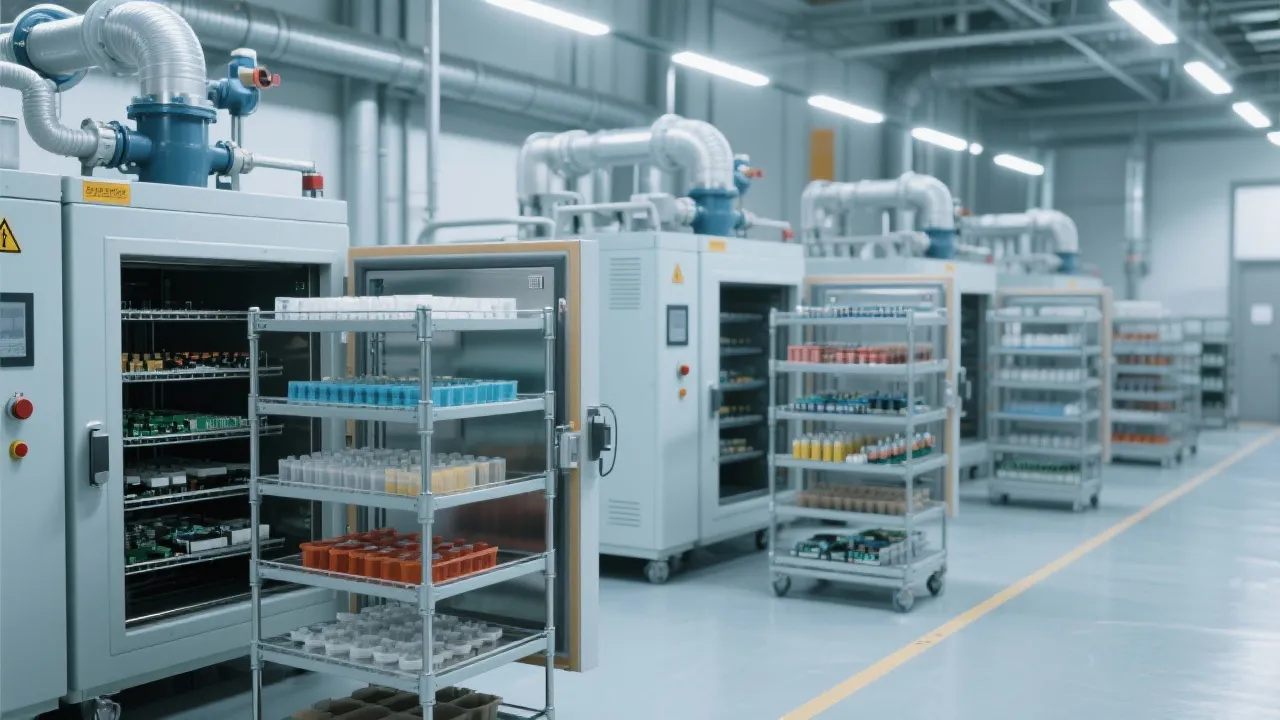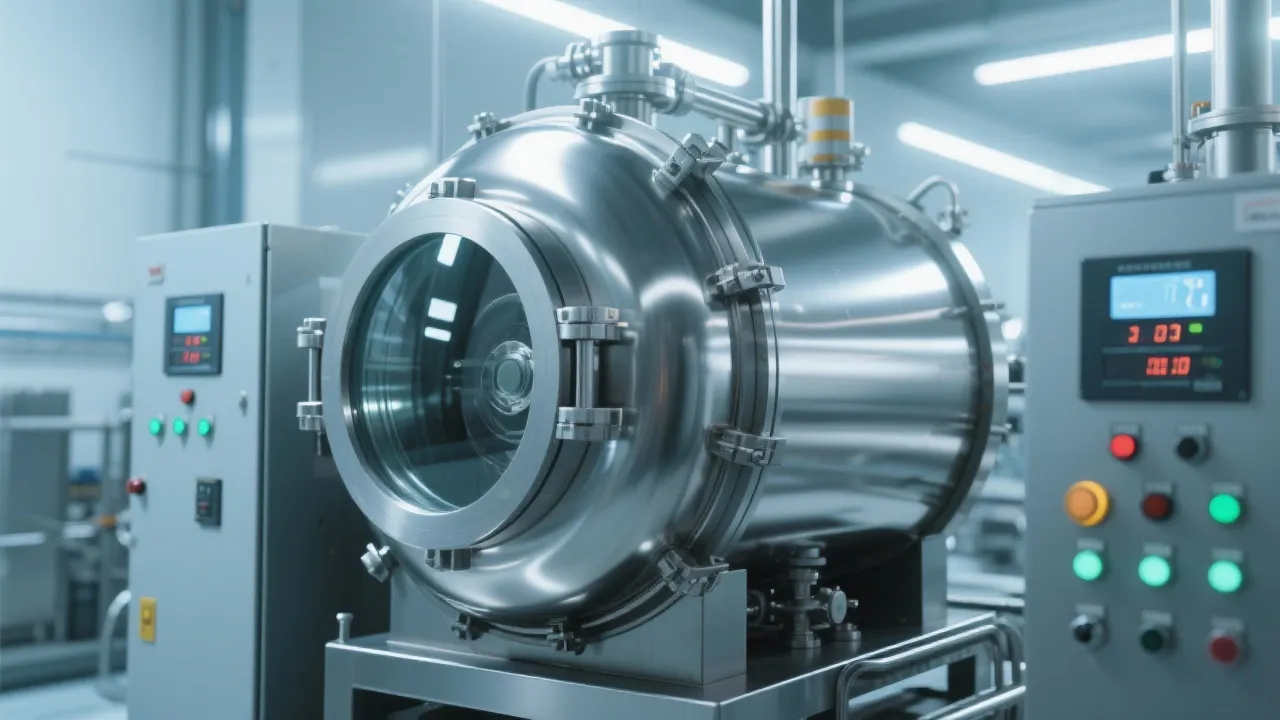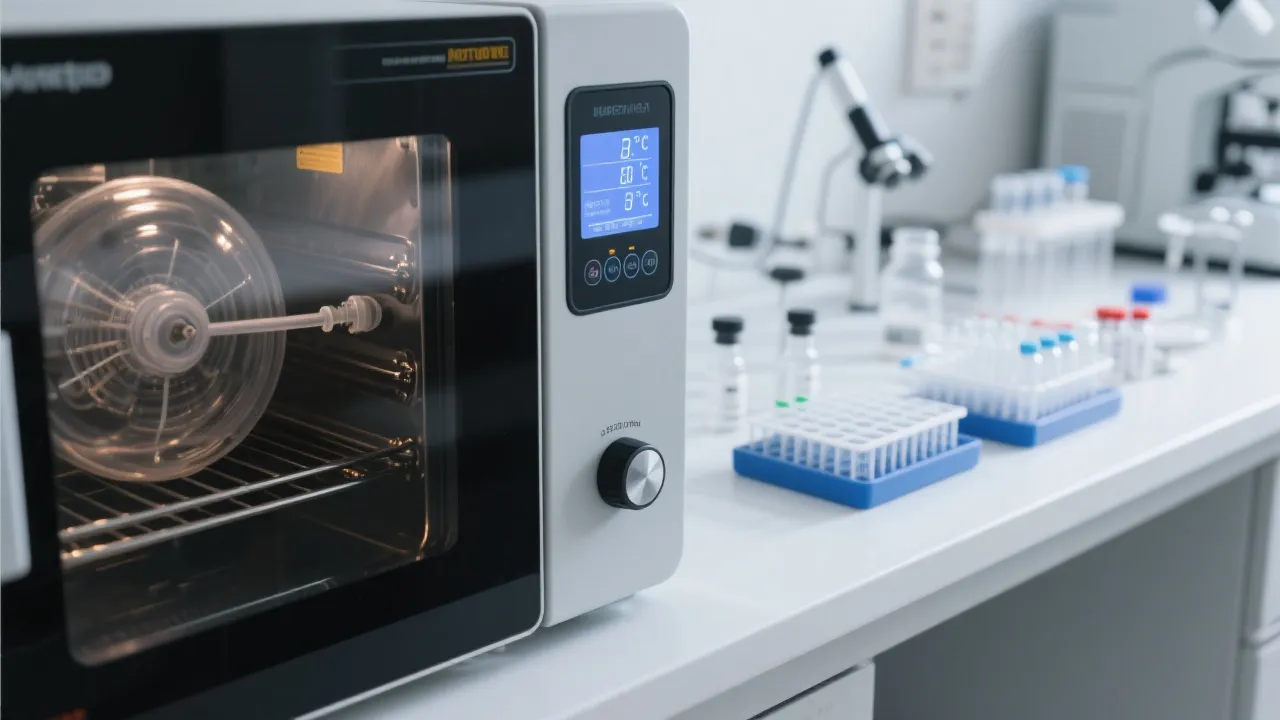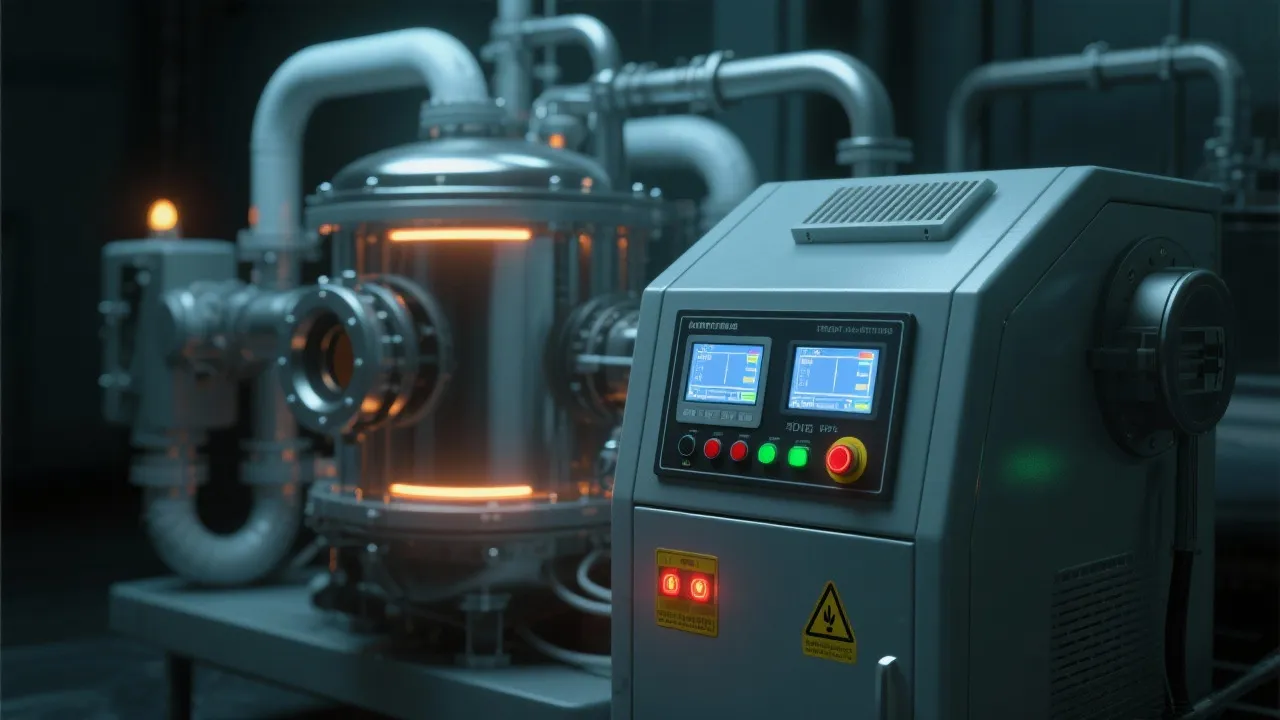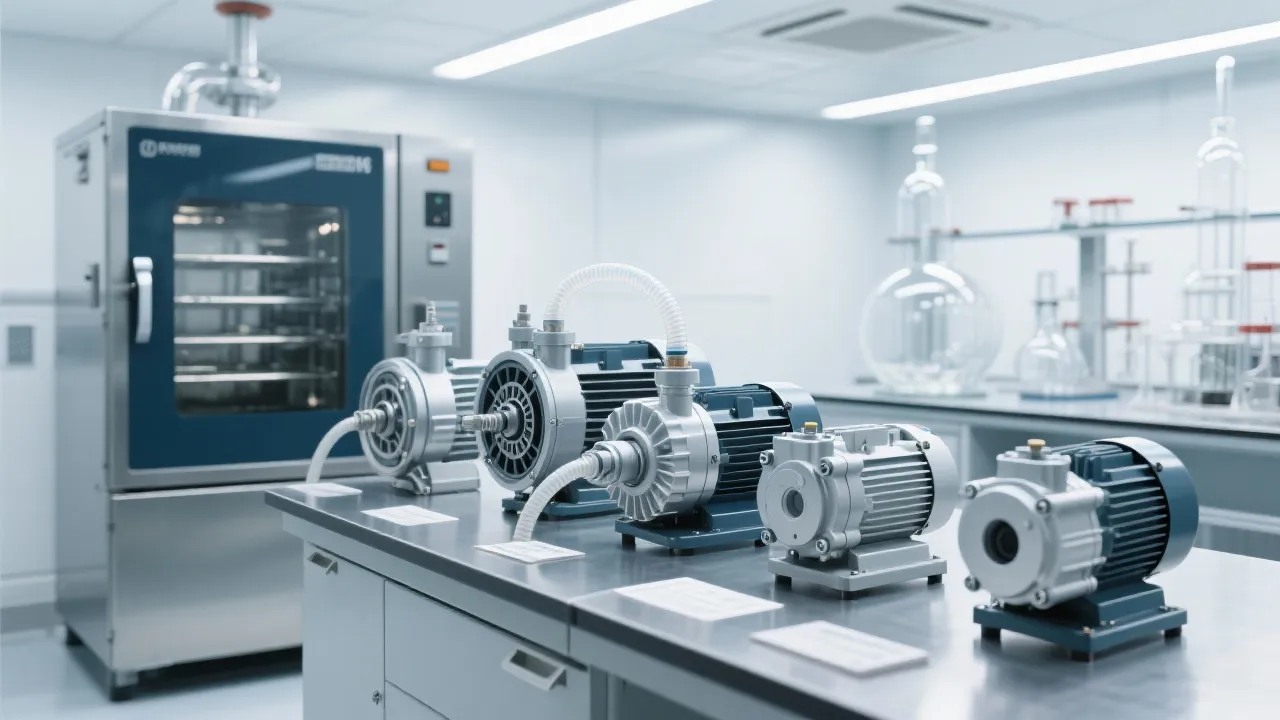
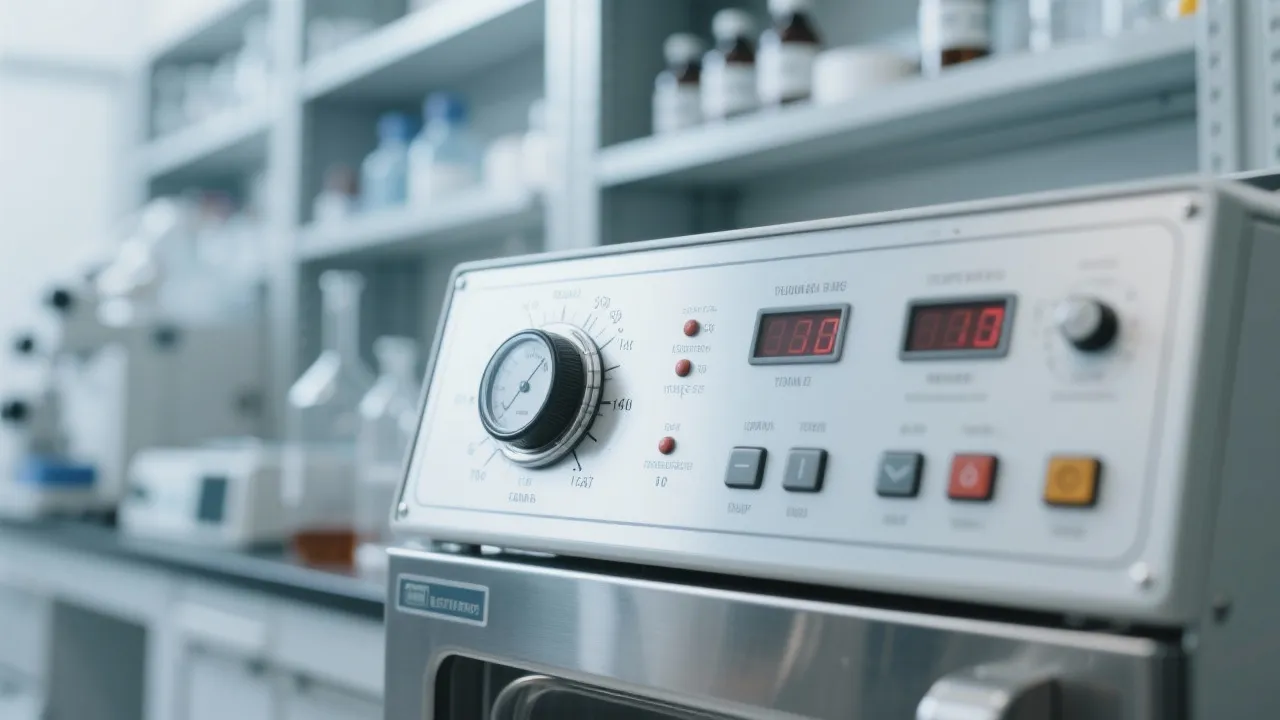
Understanding the core principle of vacuum drying is essential for researchers and lab managers seeking precise control over heat-sensitive materials. Unlike conventional ovens that rely on high temperatures to evaporate moisture, vacuum dryers operate under reduced pressure—typically between 0.01–0.1 MPa—to lower the boiling point of water and solvents. This allows samples to be dried efficiently at temperatures as low as 30°C, preserving their structural integrity and chemical properties.
At atmospheric pressure, water boils at 100°C. In a vacuum chamber with a pressure of 0.098 MPa (as seen in the DZF-6020 model), water vaporizes at just 40–50°C. This dramatic reduction means delicate substances like pharmaceutical compounds, biological tissues, or electronic components aren’t exposed to damaging thermal stress. According to ISO 17025 standards for laboratory equipment calibration, maintaining consistent vacuum levels ensures reproducible results across experiments.
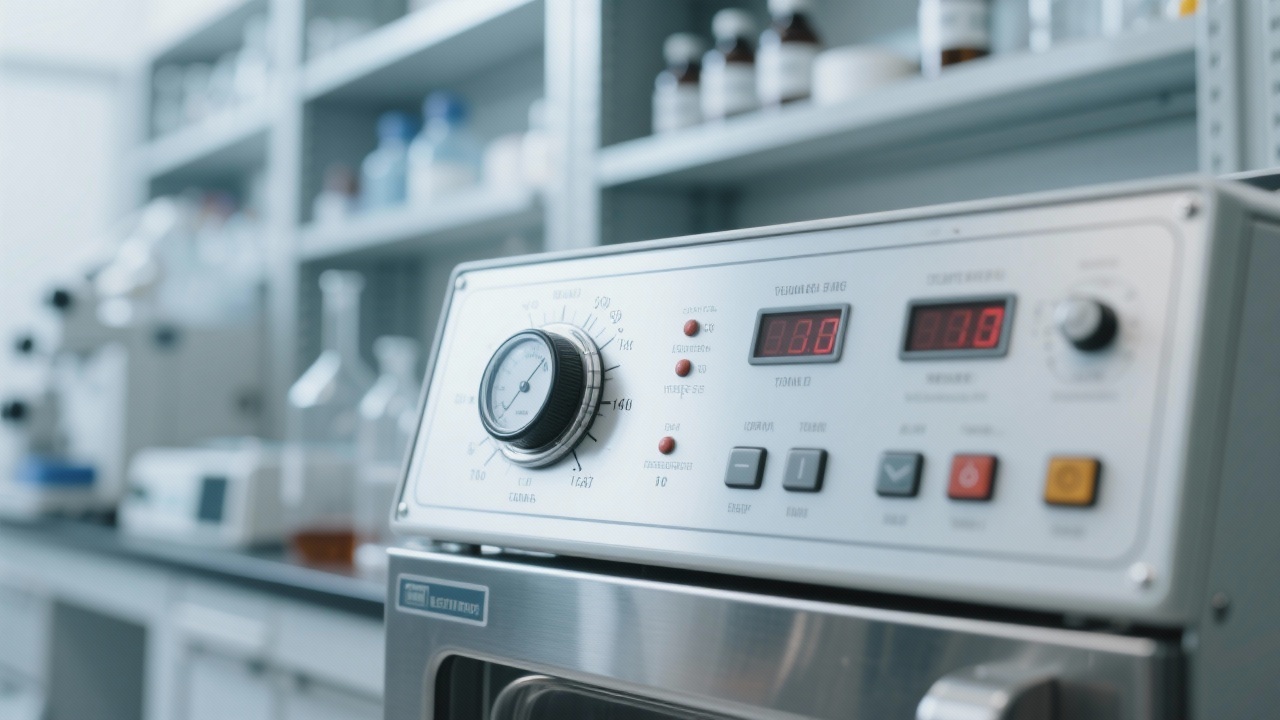
The DZF-6020 vacuum dryer integrates three critical features that make it ideal for demanding applications:
These specifications are not just numbers—they translate into real-world benefits. For instance, a study published in Journal of Pharmaceutical Sciences found that using vacuum drying instead of hot-air drying improved the stability of lyophilized vaccines by up to 35% over six months.
In pharmaceutical research, vacuum drying prevents degradation of active ingredients during formulation testing. In electronics manufacturing, it removes residual solvents from printed circuit boards without warping delicate components. Material scientists use it to prepare nanomaterials without aggregation caused by high heat.
“The ability to dry without compromising sample integrity makes vacuum drying indispensable in modern labs.” — Dr. Elena Martinez, Senior Research Scientist, MIT Materials Lab
| Feature | Conventional Oven | Vacuum Dryer (DZF-6020) |
|---|---|---|
| Max Temp | 150–250°C | 30–150°C |
| Energy Use | High | Low (up to 40% less energy) |
| Oxidation Risk | High | Minimal (inert environment) |
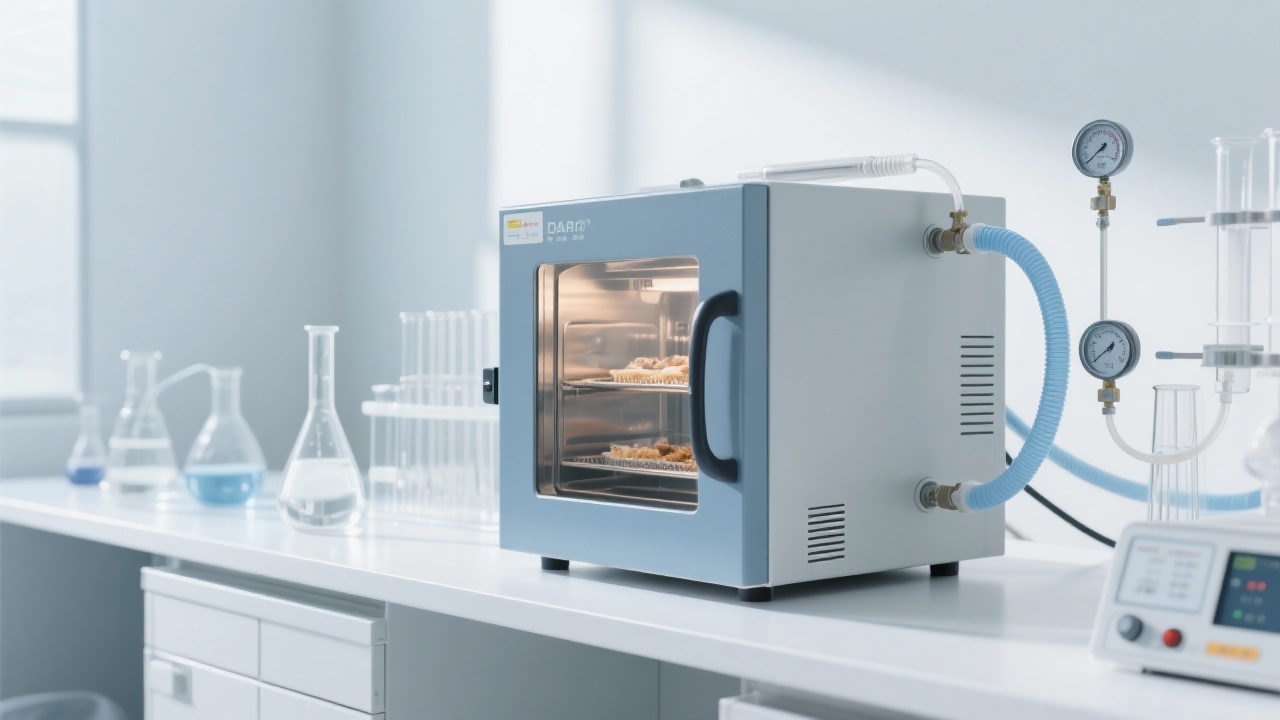
For users concerned about safety, the DZF-6020 also offers optional explosion-proof configurations for volatile solvent handling—a must-have in many EU and US regulatory environments.
Discover how the DZF-6020’s precision temperature control, global certifications, and industry-proven performance can elevate your research outcomes.
Explore Product Details Now →