
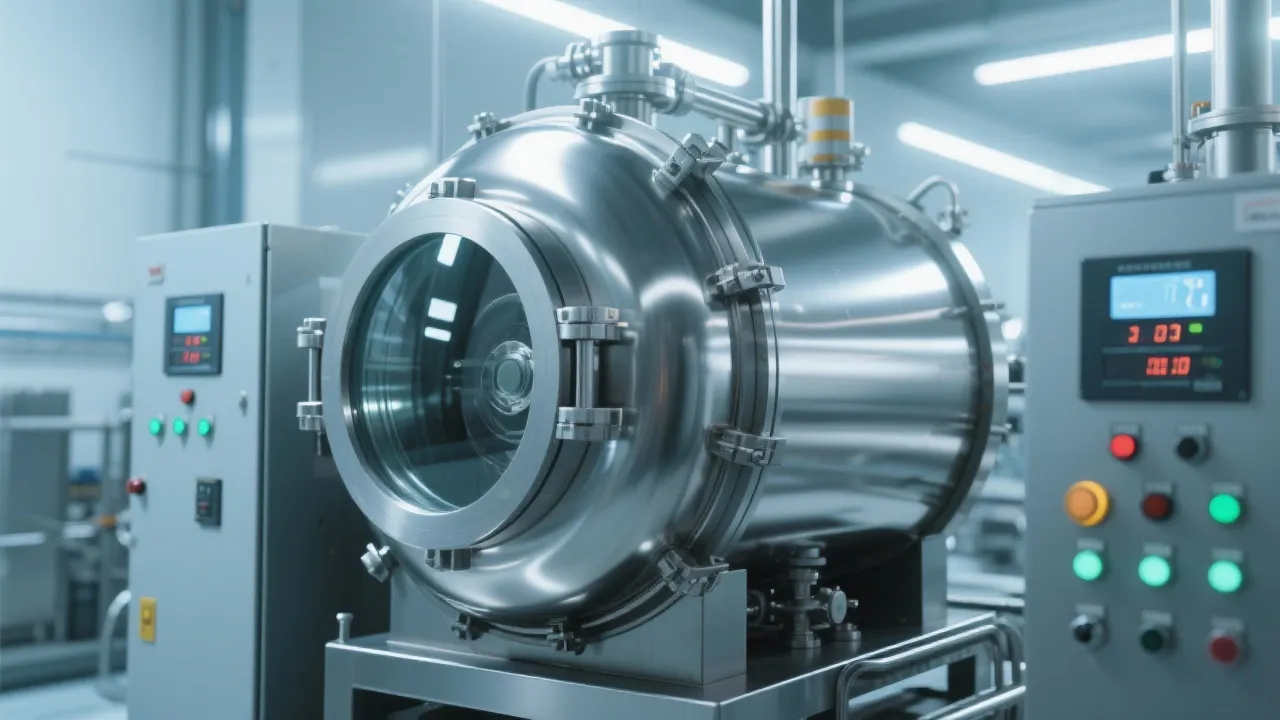
Vacuum drying ovens have become indispensable tools in advanced material processing, notably in lithium battery electrode manufacturing. By leveraging reduced pressure, these systems enable low-temperature drying, efficiently removing moisture and solvents without compromising material integrity. This article delves into the fundamental working principles of vacuum drying ovens, their critical parameters, and specific application insights tailored to materials degassing and lithium battery electrodes. It aims to guide R&D professionals and industrial engineers towards scientifically optimized drying protocols that boost throughput and quality while minimizing energy costs.
At the heart of vacuum drying lies a simple but powerful physics principle: decreasing ambient pressure lowers the boiling point of liquids. For water, reducing atmospheric pressure from 101 kPa (1 atm) to around 10 kPa can drop the boiling point from 100°C down to approximately 45°C. This pressure-induced boiling point depression enables evaporation of moisture and solvents at much lower temperatures, preventing thermal degradation of sensitive materials such as lithium-ion battery electrodes and chemical samples.
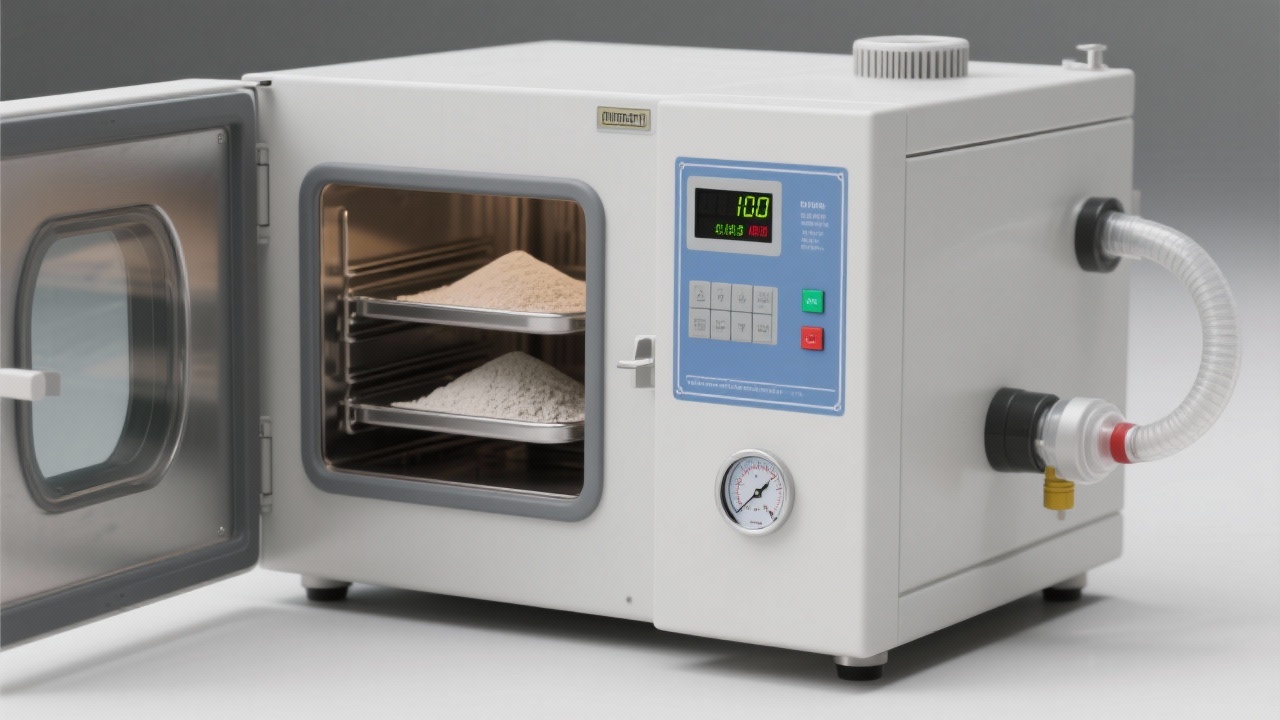
Heat transfer in vacuum drying differs from conventional convection or forced air drying. Primarily, conduction through the chamber shelves and radiative heat from heating elements supply energy, as air convection is minimal. Maintaining stable and uniform temperature distribution inside the chamber is thus challenging but crucial to ensure consistent drying rates and product quality.
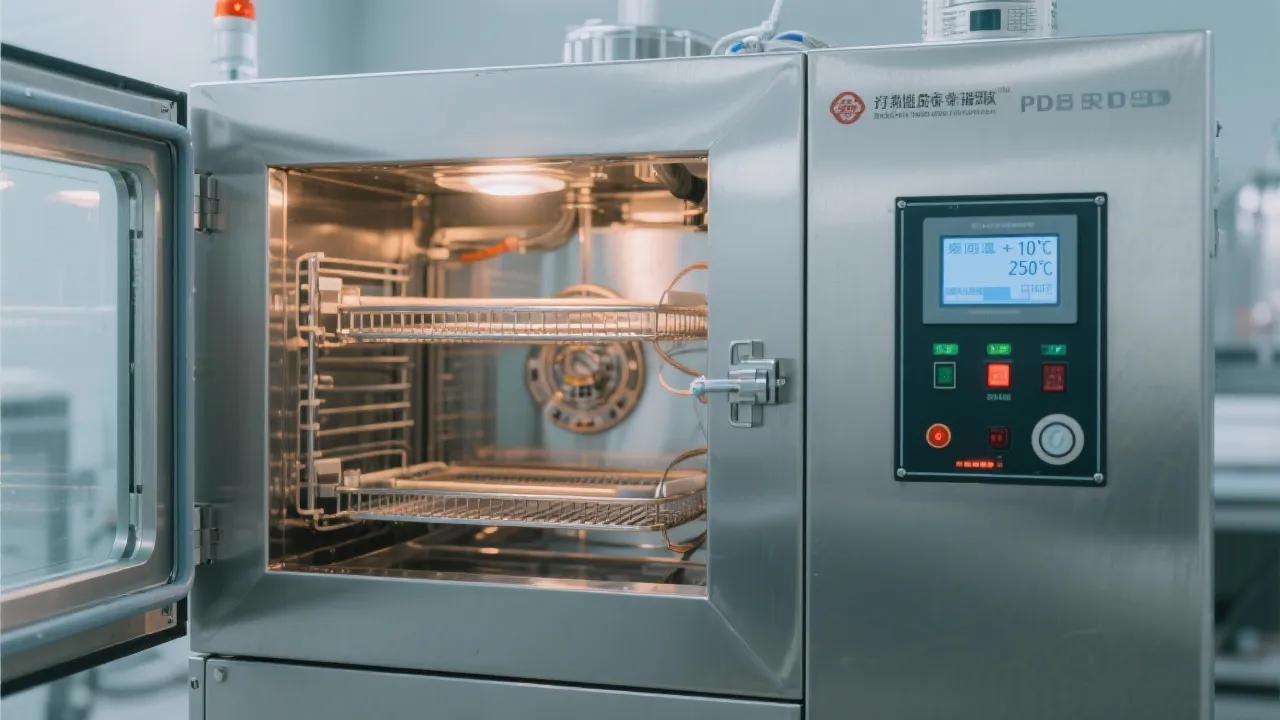
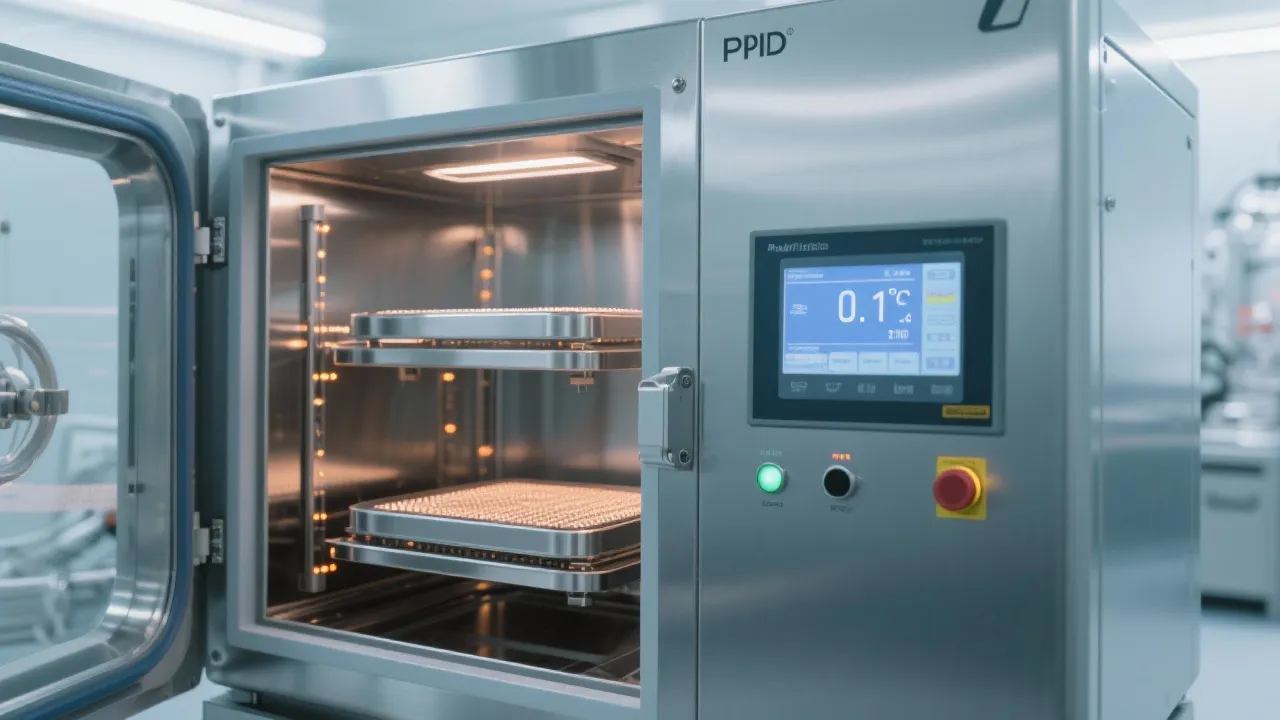
Precise temperature regulation directly influences drying uniformity and repeatability. High-end vacuum drying ovens typically feature microprocessor-controlled heating with accuracy as tight as ±1°C. Such temperature precision minimizes hotspots that could cause material damage or uneven drying.
Moreover, modern systems often incorporate power outage memory functions to maintain preset drying programs and automatically resume post-interruption. This feature safeguards the integrity of long-duration drying cycles common in electrode and chemical sample processing, ensuring process continuity and reducing waste.
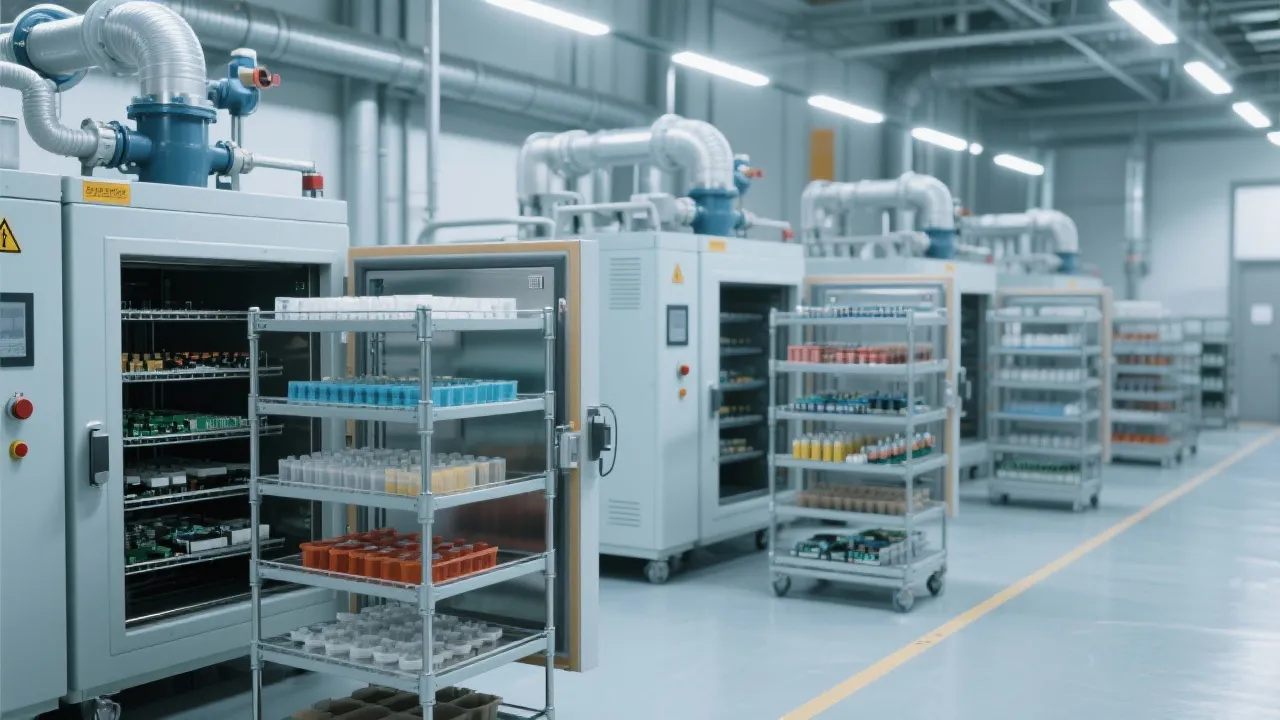
Lithium battery electrodes require tightly controlled drying conditions because residues of solvents and water can impair electrochemical stability. Typical protocols involve drying temperatures of 45-65°C at vacuum levels of 5-15 kPa for durations from several hours to a full day, depending on electrode thickness and coating.
In contrast, drying for electronic component curing or chemical sample preparation might demand different temperature and vacuum ranges, often higher temperatures (up to 80°C) and lower vacuum degrees to accelerate dehydration without compromising sample integrity.
Matching vacuum degree with material characteristics is paramount. Electrodes with sensitive binders tolerate milder vacuum (10-20 kPa), while more robust samples can handle deeper vacuum (below 5 kPa). Excessive vacuum risks causing boiling-induced defects or surface cracking.
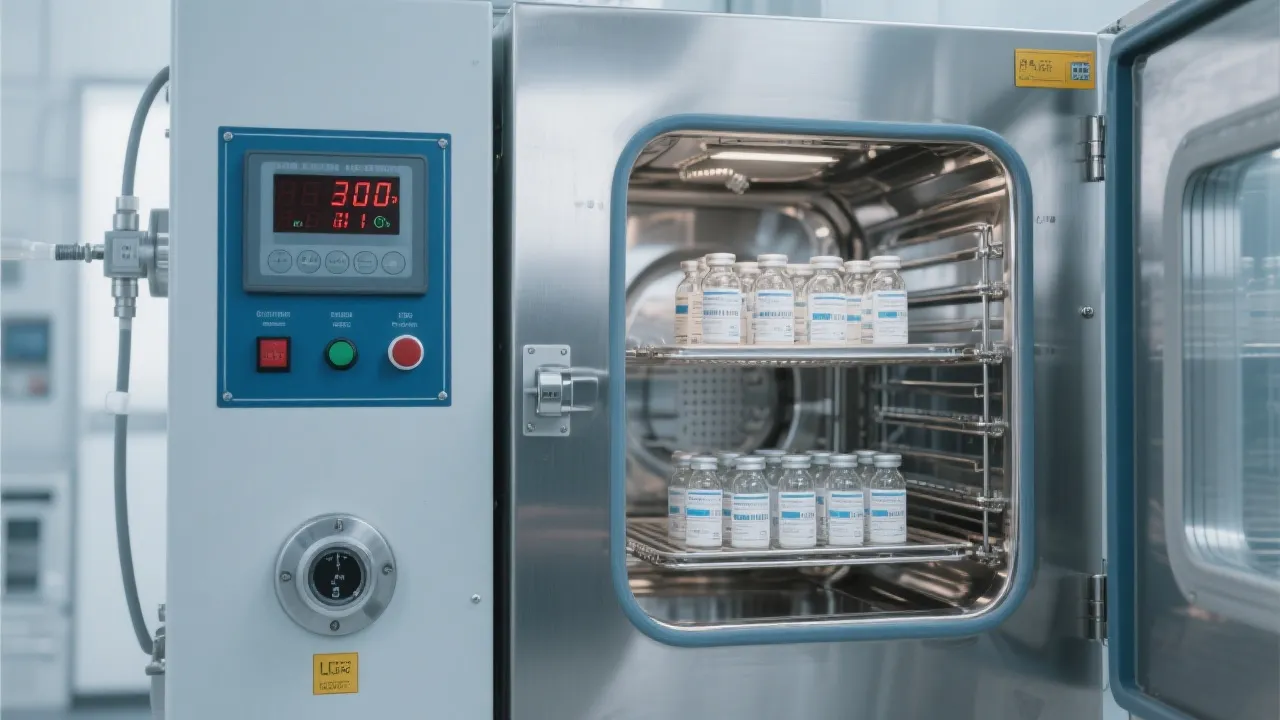
Selecting appropriate vacuum pumps — rotary vane, diaphragm, or oil-free turbo pumps — impacts drying speed and maintenance schedules. Compatibility with vacuum drying ovens certified to CE standards ensures operational safety and performance reliability.
- Ensure chamber preload doesn’t exceed thermal conduction limits; overcrowding results in uneven drying.
- Regularly verify vacuum pump oil quality or membrane condition to sustain vacuum efficiency.
- Avoid rapid vacuum pull-down to prevent sample surface disruption.
- Utilize drying curves and real-time sensors where possible to adjust parameters dynamically.
- Use inert gas backfill procedures when handling oxygen-sensitive materials.
Incorporating graphical process charts and interactive troubleshooting guides into operation manuals can significantly enhance learning curves and reduce downtime.
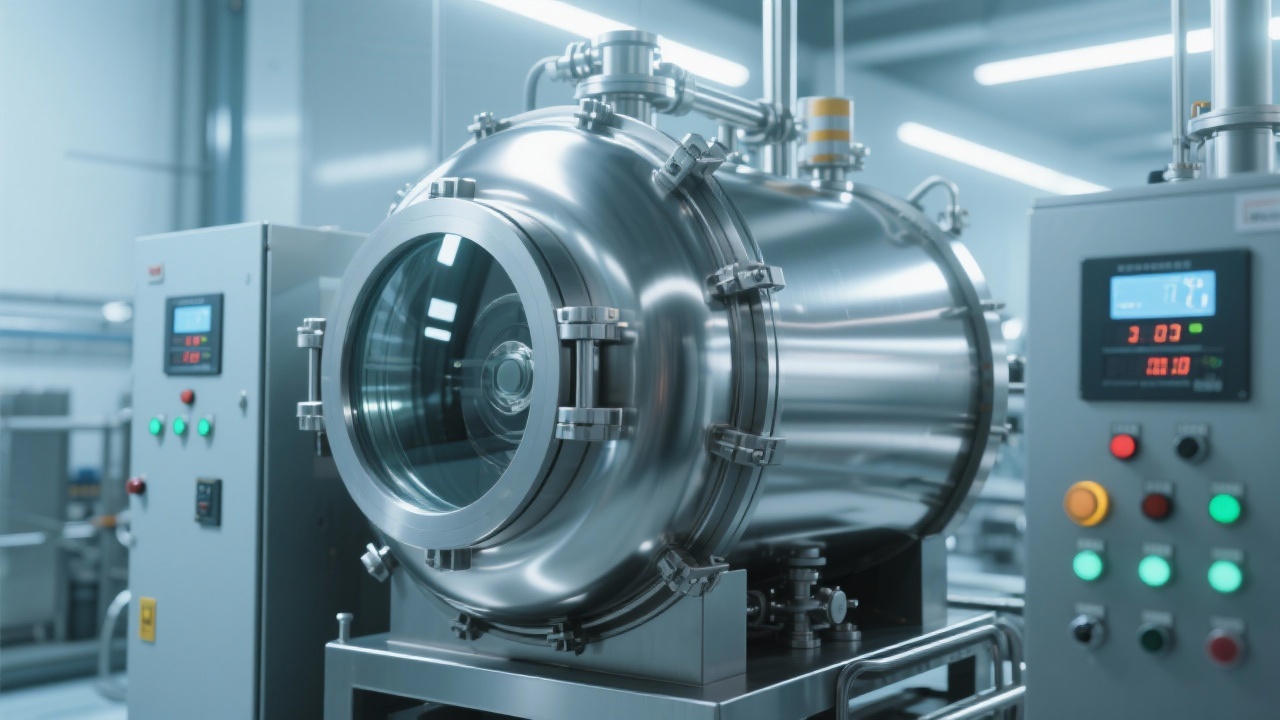
FAQ Sample:
Interactive Poll: What is your primary challenge with current electrode drying?
□ Temperature control accuracy
□ Vacuum stability
□ Process repeatability
□ Equipment maintenance
(Poll integration code available on request)
This knowledge-driven approach not only meets scientific rigor but also speaks to the operator’s practical concerns, enabling confident process optimization.
Investing in vacuum drying ovens with CE certification guarantees compliance with international safety and performance benchmarks. Our equipment supports multiple vacuum pump integrations, adapting seamlessly to your evolving production requirements. Rapid custom service responses ensure minimal downtime and process modifications on demand.






 <#else>