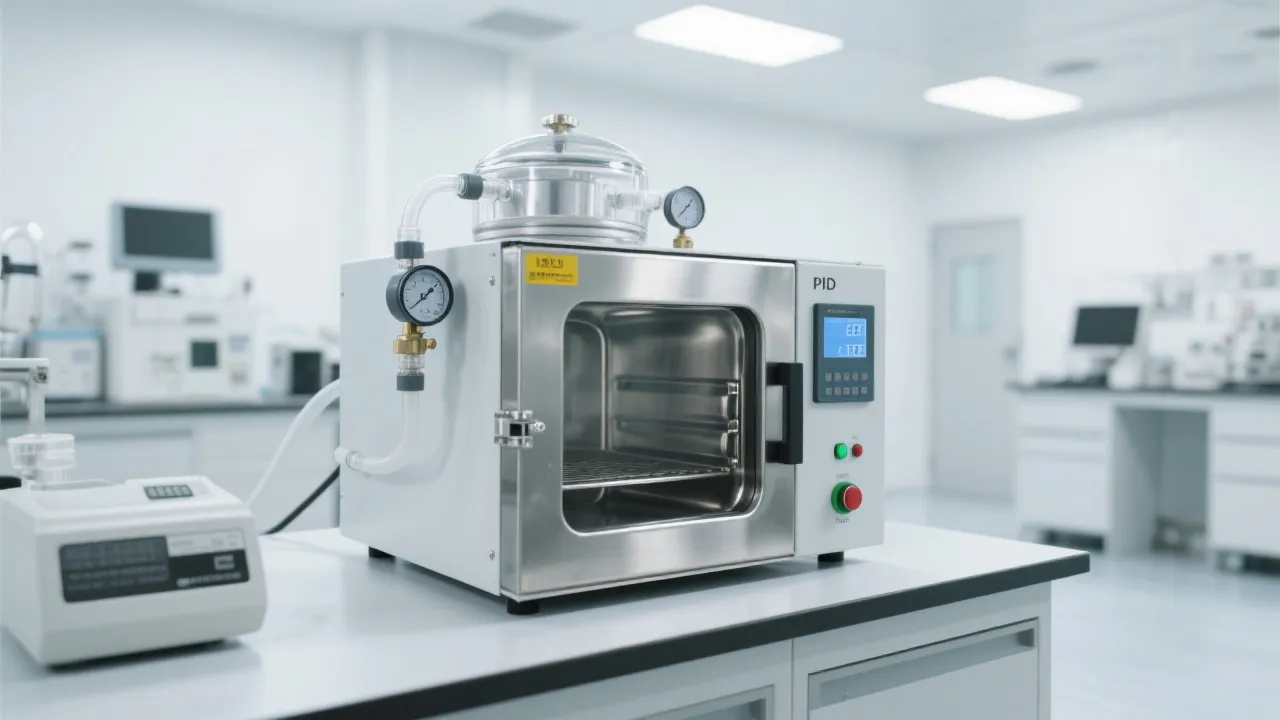
Core Working Principles and Technical Analysis of Vacuum Drying Ovens in Material Outgassing
20 12,2025
Zhengzhou Keda Mechanical Instrument Equipment Co., Ltd.
Technical knowledge
This article provides a comprehensive technical analysis of the DZ-2BCII vacuum drying oven developed by Zhengzhou Keda Machinery Instrument Equipment Co., Ltd., focusing on its core mechanisms for efficient and safe material outgassing. It explains how precise temperature control and intelligent vacuum regulation enable optimal dehydration and gas removal from sensitive materials. The discussion includes operational workflows, key parameters such as heating profiles and vacuum levels, troubleshooting common issues like temperature fluctuations and leaks, and real-world applications in both industrial and research settings. Practical maintenance tips, calibration importance, and safety considerations are also covered to ensure consistent performance and long-term reliability. With visual aids such as process flowcharts and parameter diagrams, this guide supports users in maximizing the value of advanced vacuum drying technology while highlighting Keda’s customization capabilities and engineering excellence.
How Vacuum Drying Ovens Enable Efficient Gas Removal in Advanced Materials
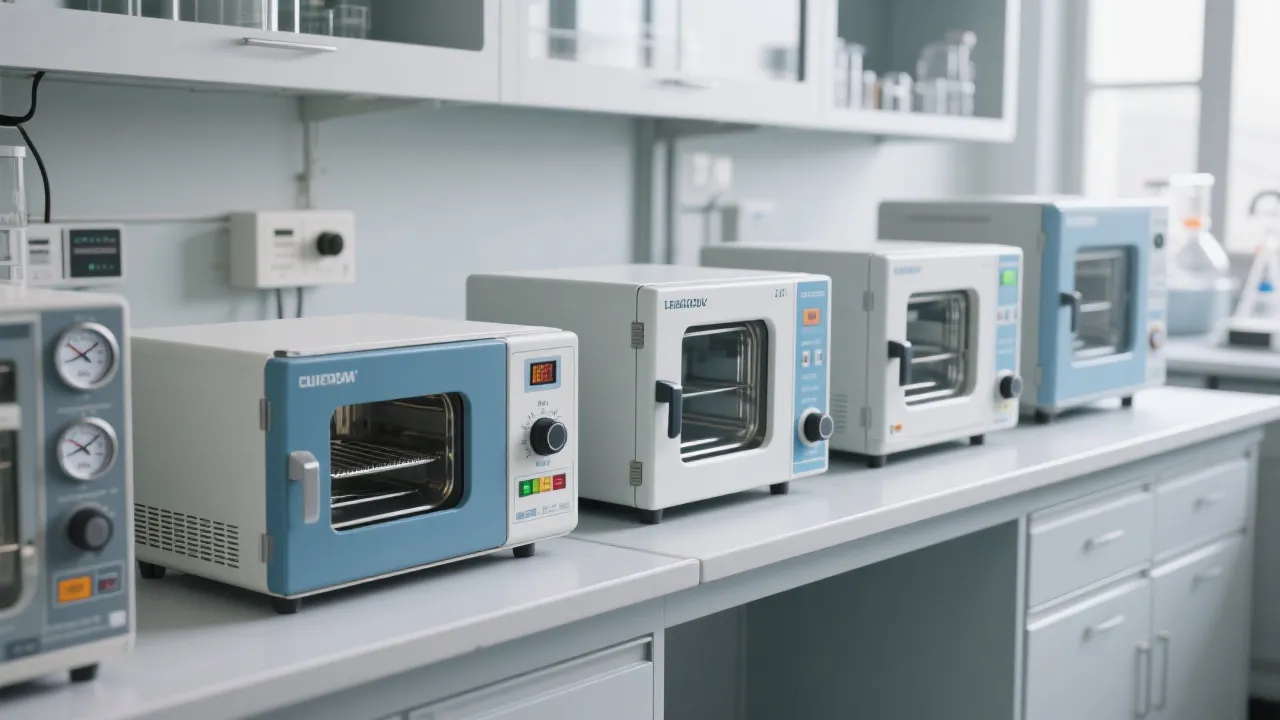
In materials science and industrial manufacturing, residual gases trapped within raw materials can compromise product integrity—leading to warping, delamination, or reduced mechanical strength. The DZ-2BCII Vacuum Drying Oven from Zhengzhou Keda Machinery Instrument Equipment Co., Ltd. addresses this challenge with precision-engineered technology that ensures consistent, safe, and efficient degassing.
The Science Behind Controlled Vacuum Degassing
Unlike conventional drying methods, vacuum drying removes moisture and volatile compounds by lowering ambient pressure—not temperature alone. At atmospheric pressure, water boils at 100°C, but under vacuum (typically 10–50 mbar), it evaporates at just 40–60°C. This allows sensitive materials like polymers, ceramics, and electronic components to be dried without thermal degradation.
For example, a study conducted by the Chinese Academy of Sciences found that using vacuum drying at 50°C for 3 hours reduced oxygen content in epoxy resins by up to 92% compared to air-drying at 80°C over 6 hours—without any visible surface cracking.
Key Operational Parameters for Optimal Results
Successful degassing depends on three core variables:
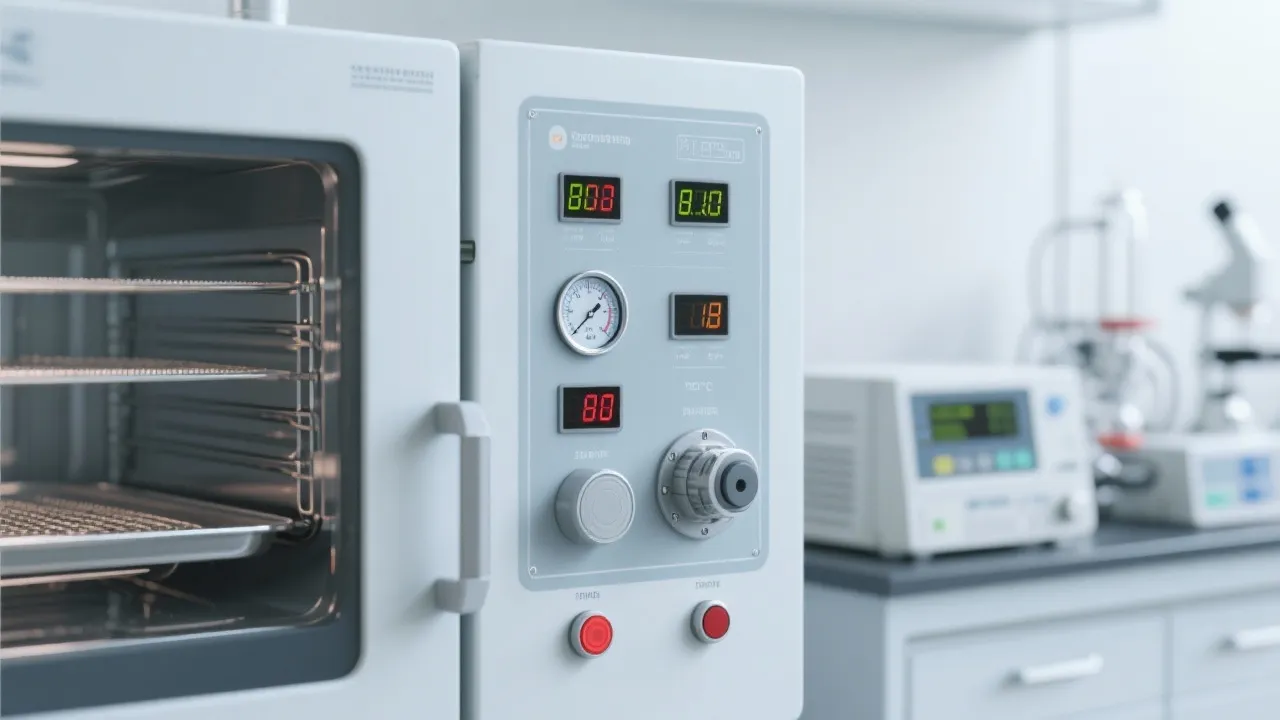
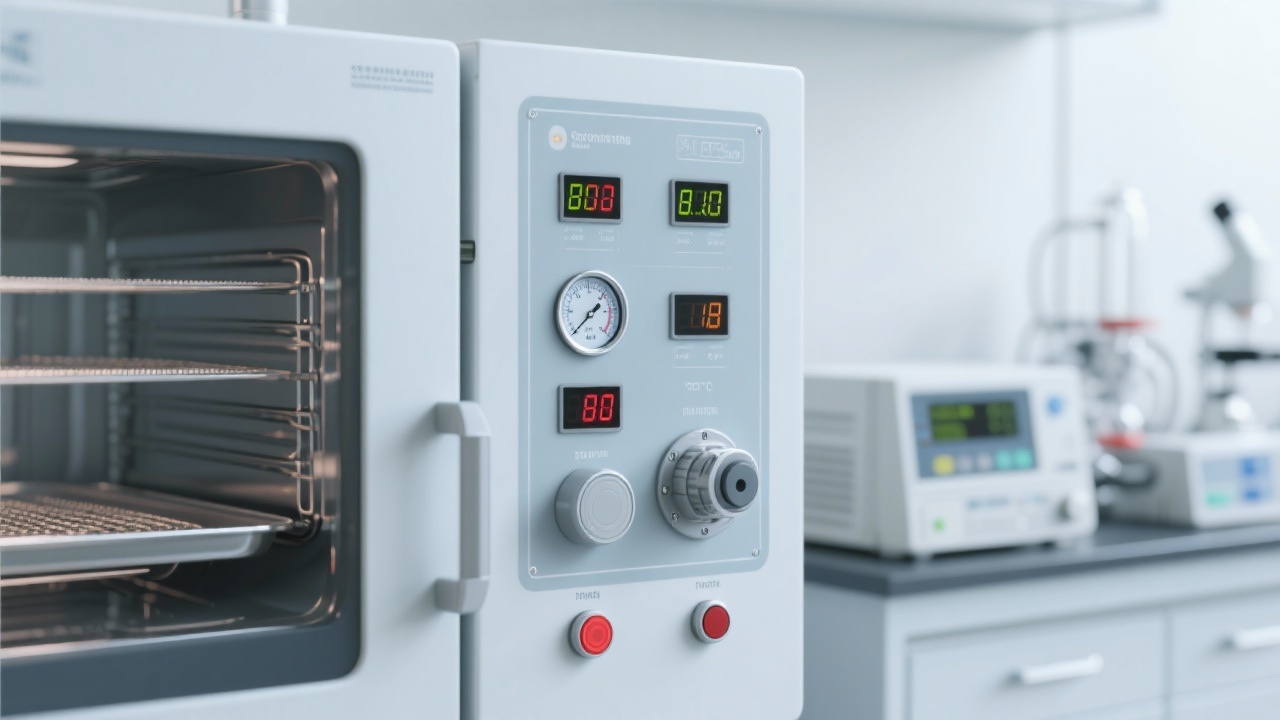
Temperature Control: Dual-zone PID control ensures uniform heating across the chamber—critical for large batches or irregularly shaped parts.
Monitoring & Safety: Built-in sensors log real-time data; if vacuum drops >10%, the system alerts operators via visual and audible alarms.
Operators should begin with a slow ramp-up phase (e.g., 5 minutes per 10°C rise) to avoid material stress, followed by a hold period of 30–60 minutes at target vacuum level for complete outgassing.
Common Challenges & Practical Solutions
Even experienced users may encounter issues such as inconsistent drying or unexpected temperature fluctuations. Here’s how to address them:
Temperature Variability? Check door seal integrity and ensure no obstructions block airflow inside the chamber.
Vacuum Leaks? Use soapy water spray around joints—if bubbles form, tighten connections or replace gaskets every 6 months.
Long Cycle Times? Pre-dry samples at room temp before vacuum processing to reduce initial moisture load.
Real-World Applications Across Industries
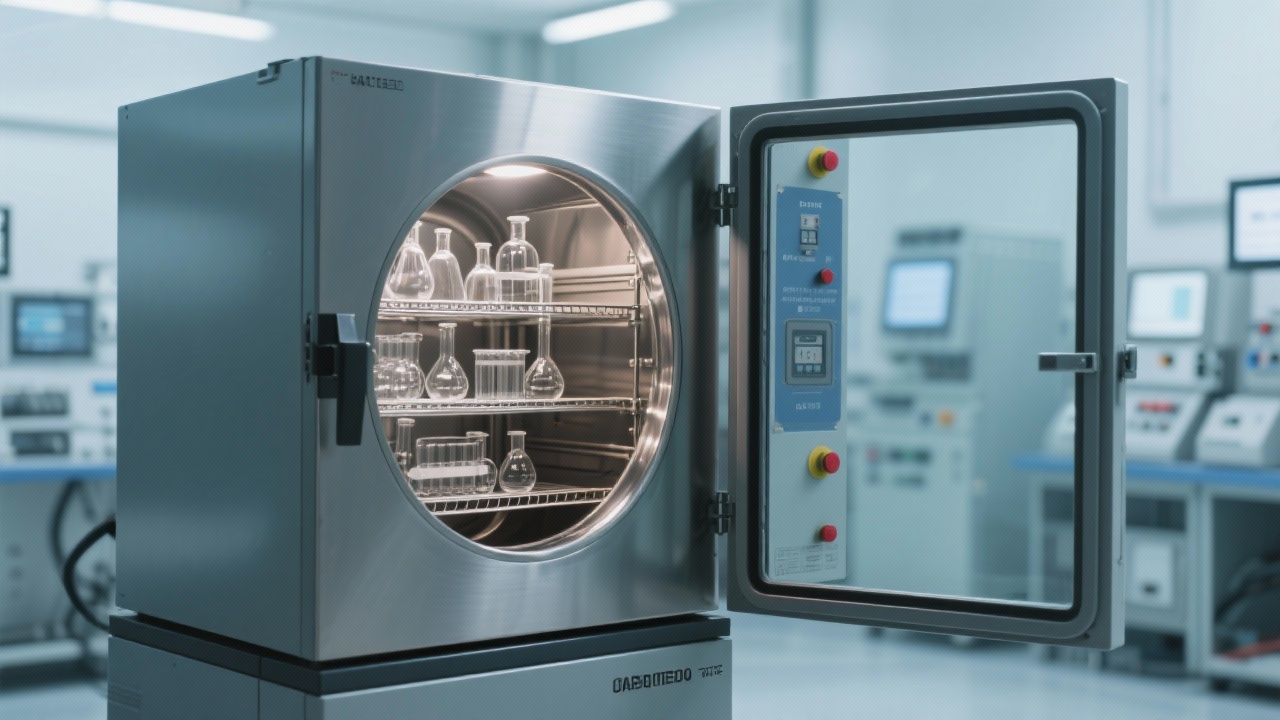
From aerospace-grade composites to pharmaceutical tablets, the DZ-2BCII has been deployed in over 300 labs and production lines worldwide. One client—a battery manufacturer in Germany—reported a 40% reduction in electrode defects after switching from hot-air ovens to vacuum drying. Another in Singapore used the unit for ceramic glaze pre-treatment, achieving 100% consistency in firing results across 12-months of continuous operation.
Maintenance That Keeps Performance Reliable
To preserve accuracy and extend equipment life, follow these best practices:
Weekly cleaning of vacuum chamber walls using non-abrasive wipes.
Monthly calibration of thermocouples and pressure gauges.
Annual inspection of vacuum pump oil and seals.
These steps not only prevent downtime but also ensure compliance with ISO 9001 standards for quality-controlled processes.
Ready to Upgrade Your Degassing Process? Discover why leading R&D teams trust the DZ-2BCII for precision, safety, and customization — from lab-scale prototypes to full production runs.





 <#else>