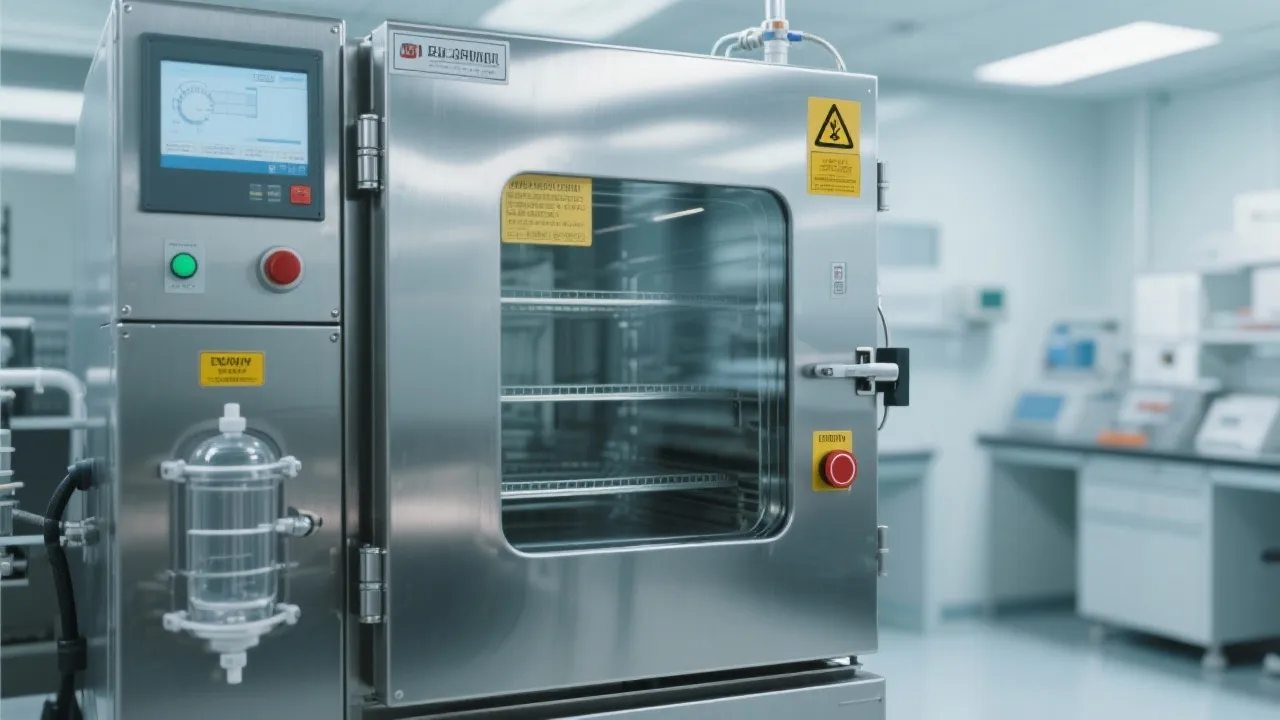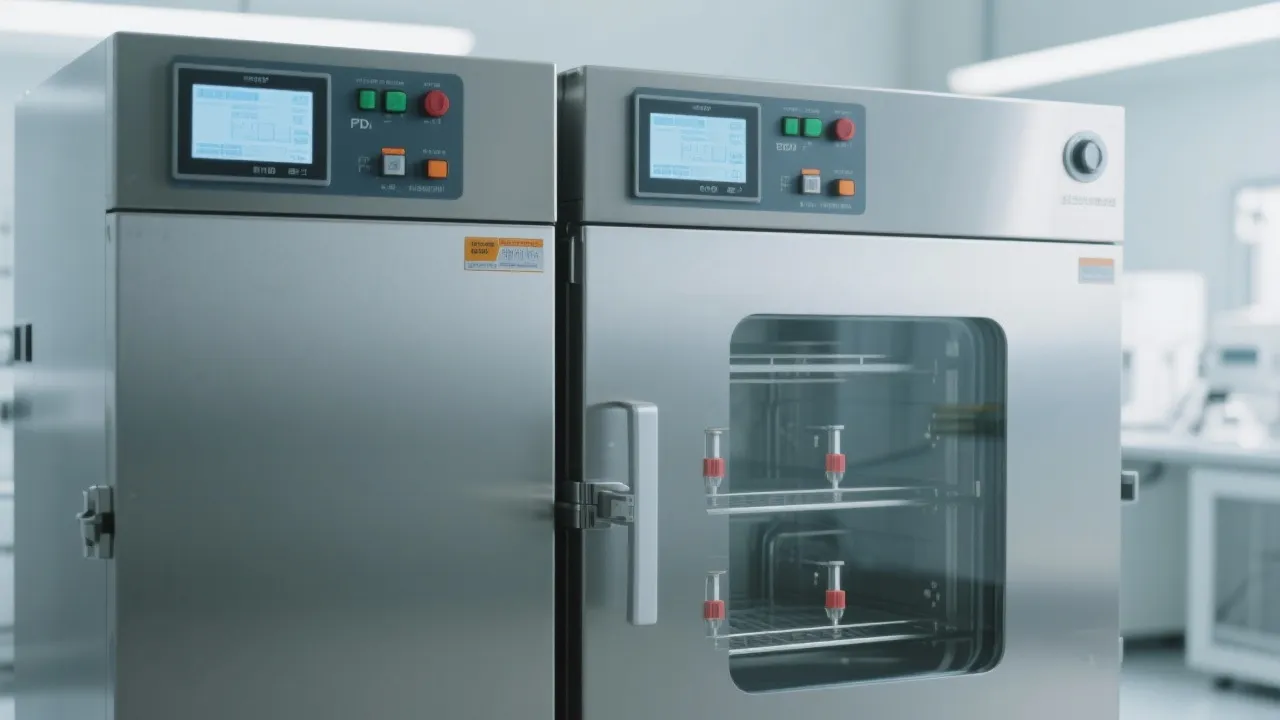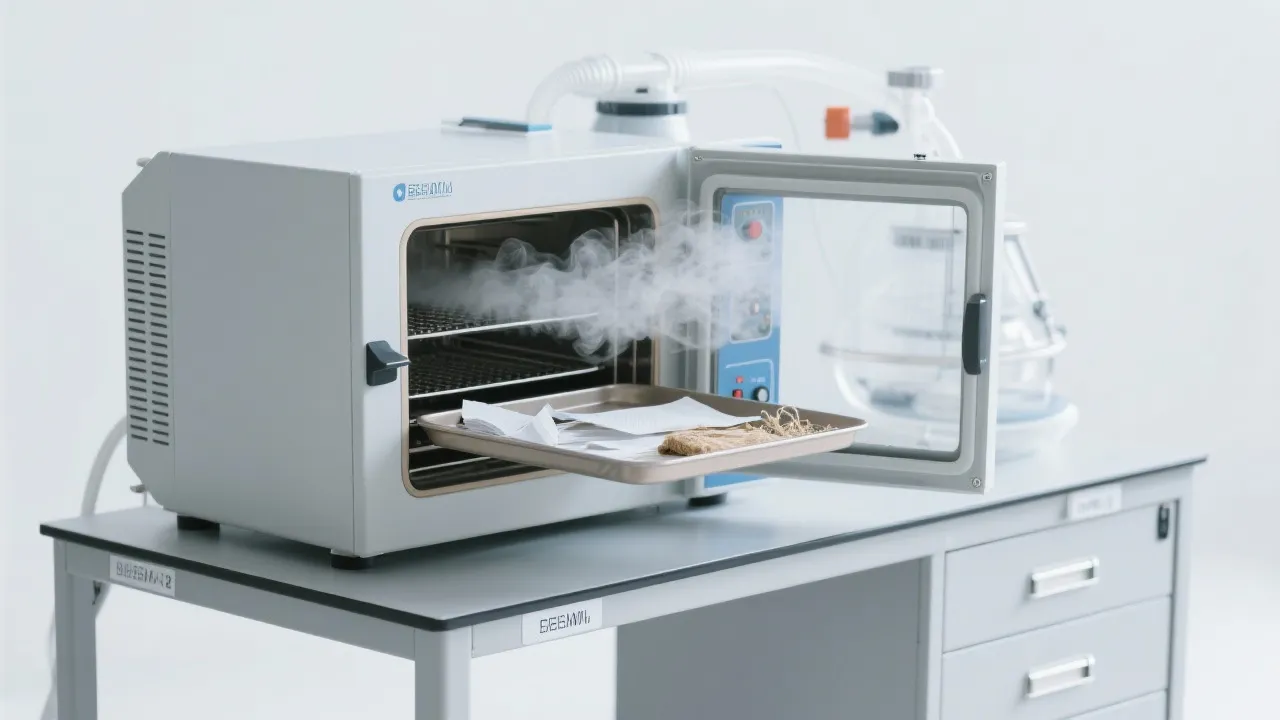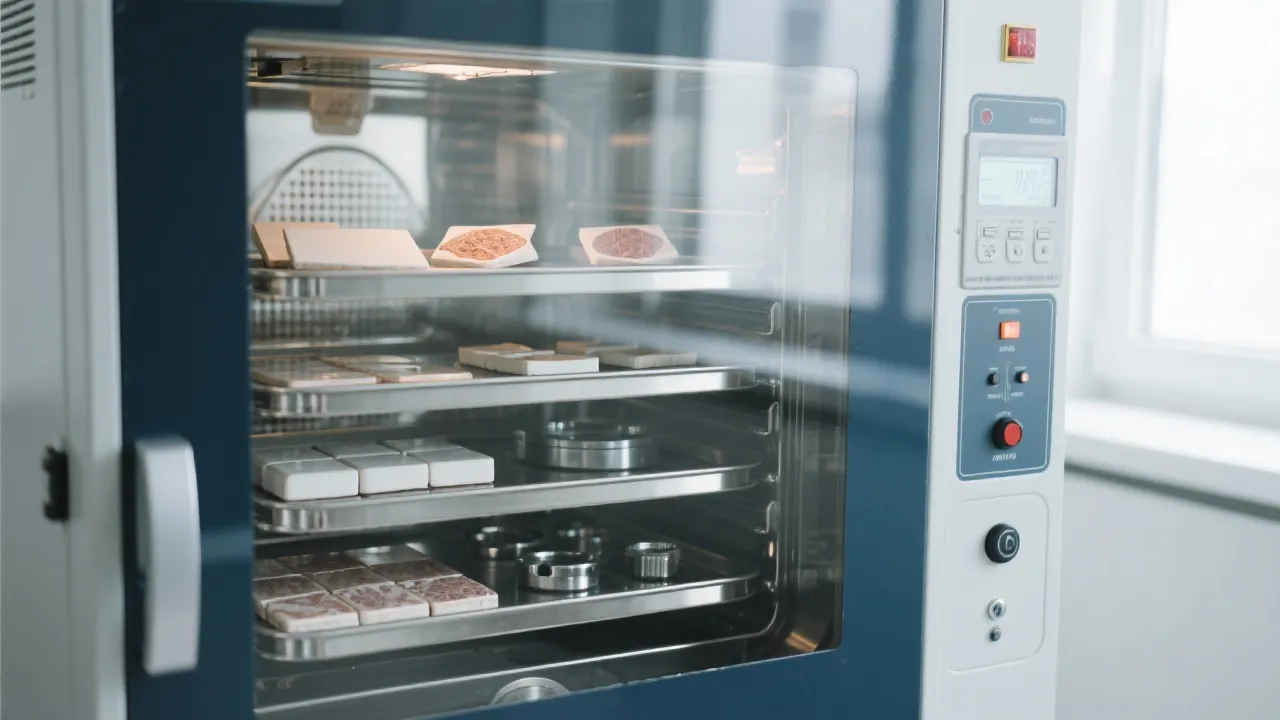

In modern material science and industrial processing, vacuum drying has evolved from a niche technique to a foundational step for ensuring product consistency, purity, and performance—especially in high-value applications like aerospace alloys, advanced ceramics, and biomedical polymers.
Traditional atmospheric drying often introduces unwanted oxidation, moisture retention, or thermal stress—particularly problematic for reactive metals (e.g., titanium, aluminum) and heat-sensitive polymers. A well-designed vacuum dryer eliminates oxygen, allowing materials to be dried at lower temperatures while maintaining structural integrity.
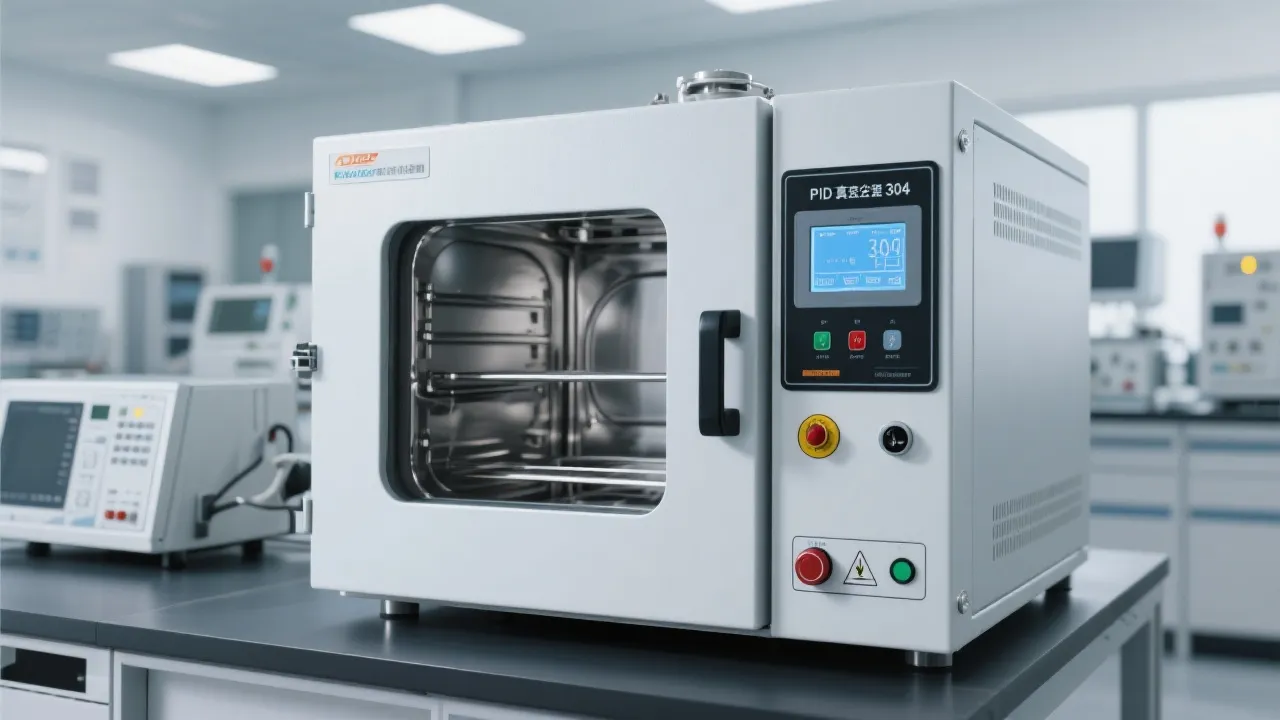
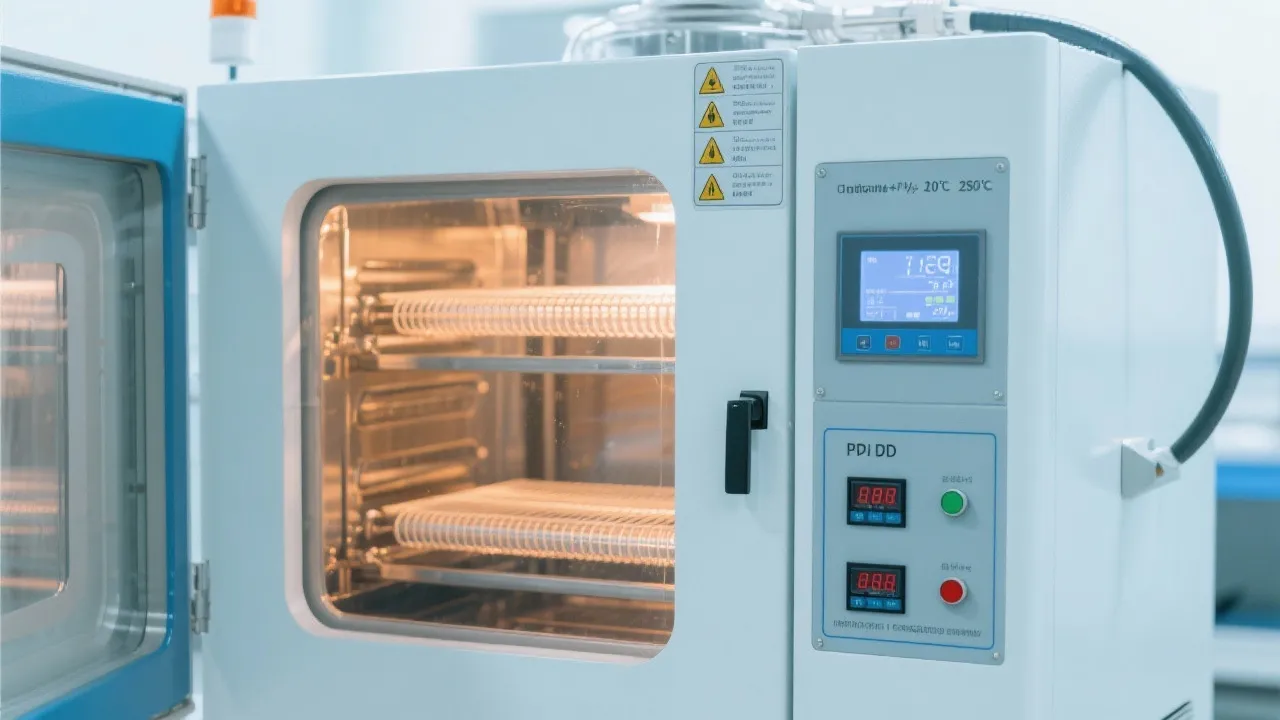
For example, in a case study conducted by a German automotive supplier, using a vacuum dryer with precise temperature control (±1°C accuracy via PID algorithm) reduced post-processing defects in ceramic coatings by 47%, improving yield from 82% to 96% over three months.
| Material Type | Recommended Temp Range (°C) | Vacuum Level (mbar) | Key Benefit |
|---|---|---|---|
| Metals (Ti, Al) | 100–250 | 0.1–1.0 | Prevents surface oxidation, ensures uniform grain structure |
| Polymers (PEEK, PTFE) | 60–120 | 0.5–5.0 | Avoids degradation, preserves mechanical properties |
| Ceramics (Al₂O₃, ZrO₂) | 150–300 | 0.1–0.5 | Eliminates trapped moisture, enhances sintering quality |
“We saw a 30% improvement in adhesion strength when switching to vacuum drying for our polymer-based composites. It’s not just equipment—it’s a process upgrade.”
— Dr. Lena Müller, R&D Lead, Advanced Materials Lab
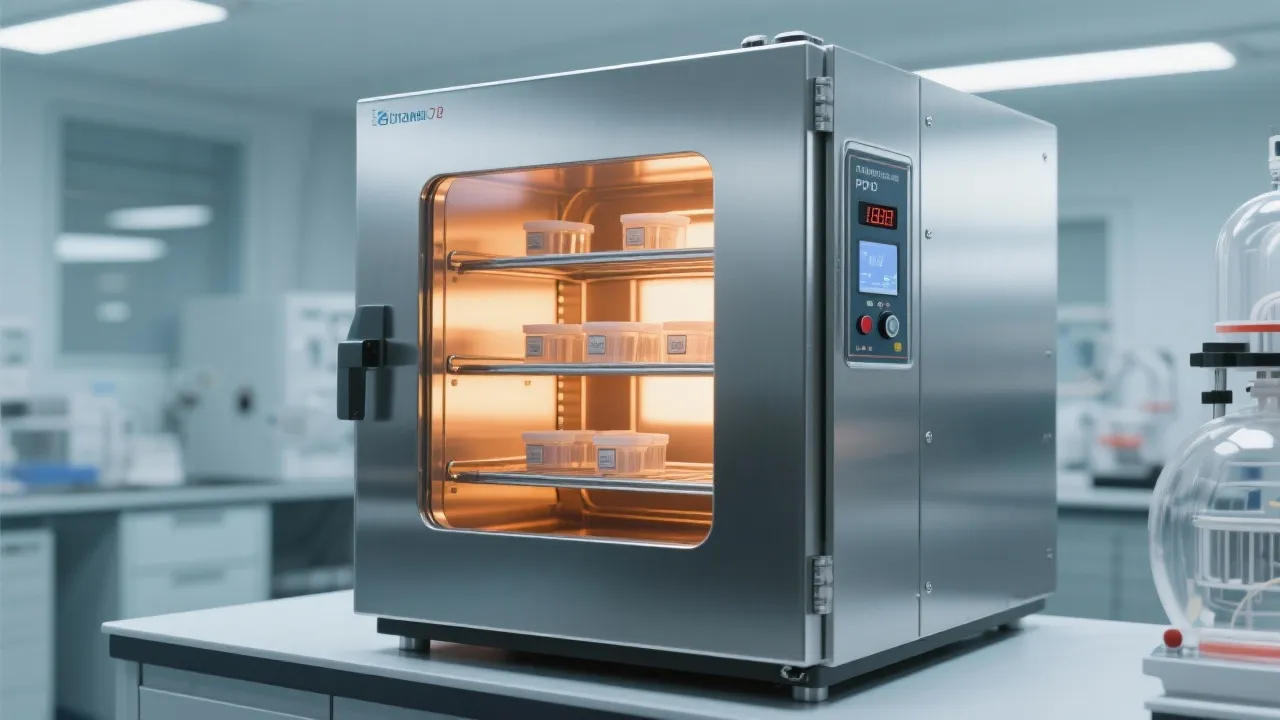
Modern vacuum dryers integrate intelligent PID controllers that dynamically adjust heating power based on real-time chamber conditions. This ensures consistent temperature profiles across the entire load—even in large-scale batch operations.
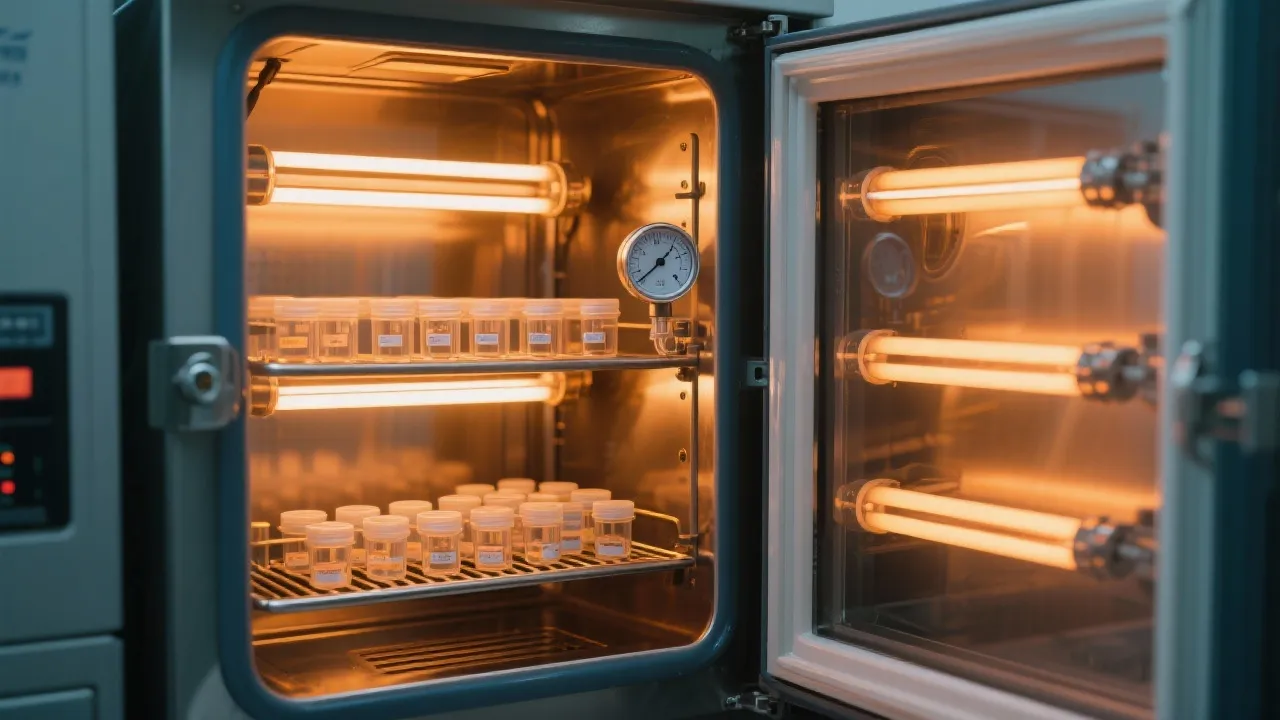
Additionally, four-wall uniform heating technology minimizes hot spots and cold zones, which is critical for achieving reproducible results in research labs or production lines alike. In one university lab, this feature cut drying time by up to 25% without compromising sample quality.