
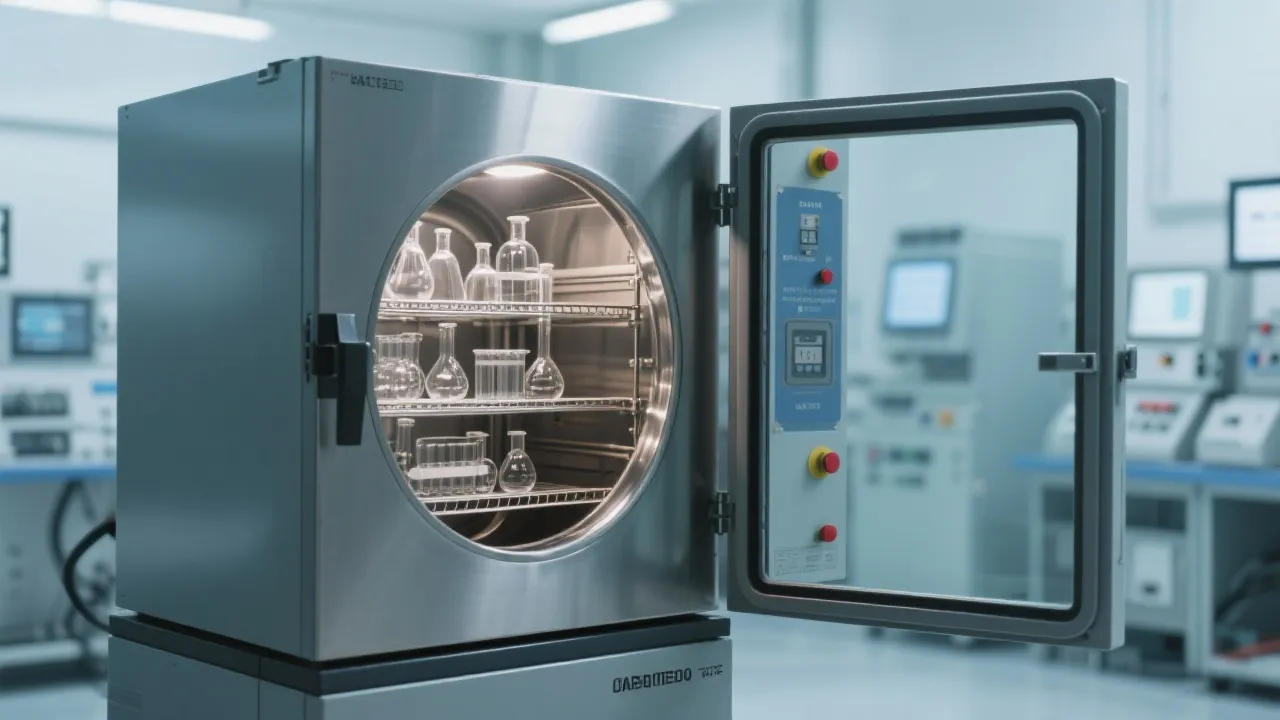
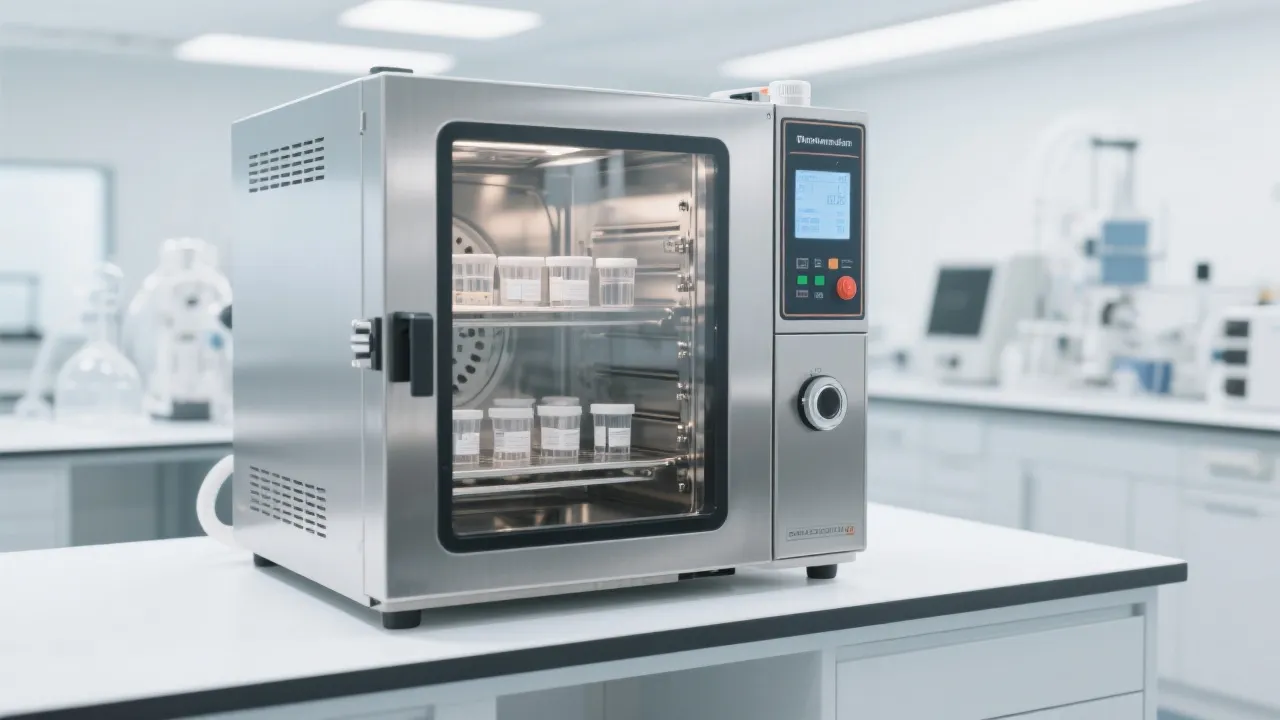
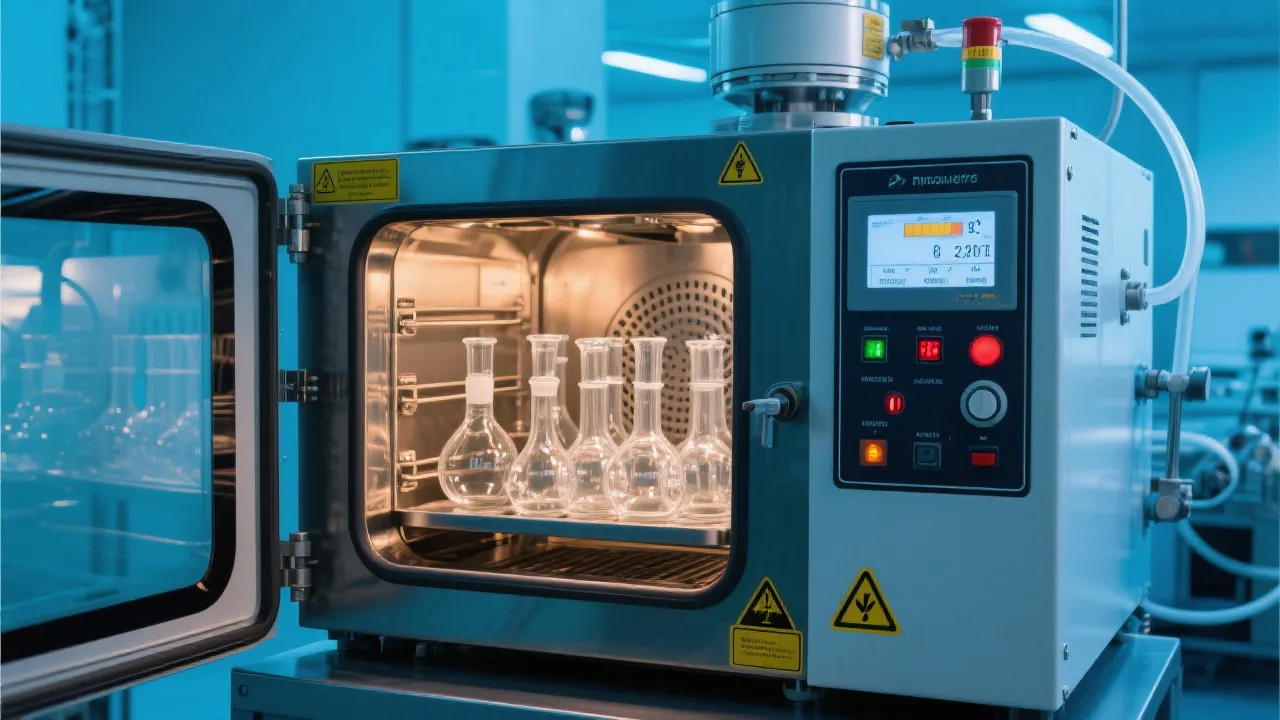
In advanced material processing, the vacuum drying oven plays an indispensable role in ensuring effective degassing and moisture removal. Zhengzhou Keda Machinery Instruments Co., Ltd.'s DZ-2BCII vacuum drying oven stands out by offering precise temperature and vacuum control tailored for industrial material drying applications. This comprehensive guide delves into the operational principles, optimal parameter settings, maintenance procedures, and calibration standards vital for achieving consistent and reliable drying outcomes.
The DZ-2BCII combines advanced vacuum pumps with uniform heating elements to create an environment free from atmospheric gases, accelerating moisture evaporation at controlled temperatures typically ranging from 30°C to 200°C. Precise vacuum levels between 0.01 to 0.1 MPa (absolute) are maintained to optimize drying efficiency without compromising material integrity. The system’s digital PID controller ensures temperature stability within ±1°C, essential for sensitive materials.
Proper operation begins with pre-run equipment inspection, ensuring seals and vacuum pumps are intact and free from leaks. Users set temperature and vacuum parameters based on material specifications––for example, pharmaceutical powders require consistent 60°C under 0.05 MPa vacuum for 4–6 hours.
Temperature ramps should be gradually increased to prevent thermal shock that might affect product quality. Real-time monitoring displays temperature and vacuum trends, enabling rapid adjustments. Alarm systems trigger alerts on deviations exceeding ±3% of set parameters, safeguarding the process integrity and operator safety.
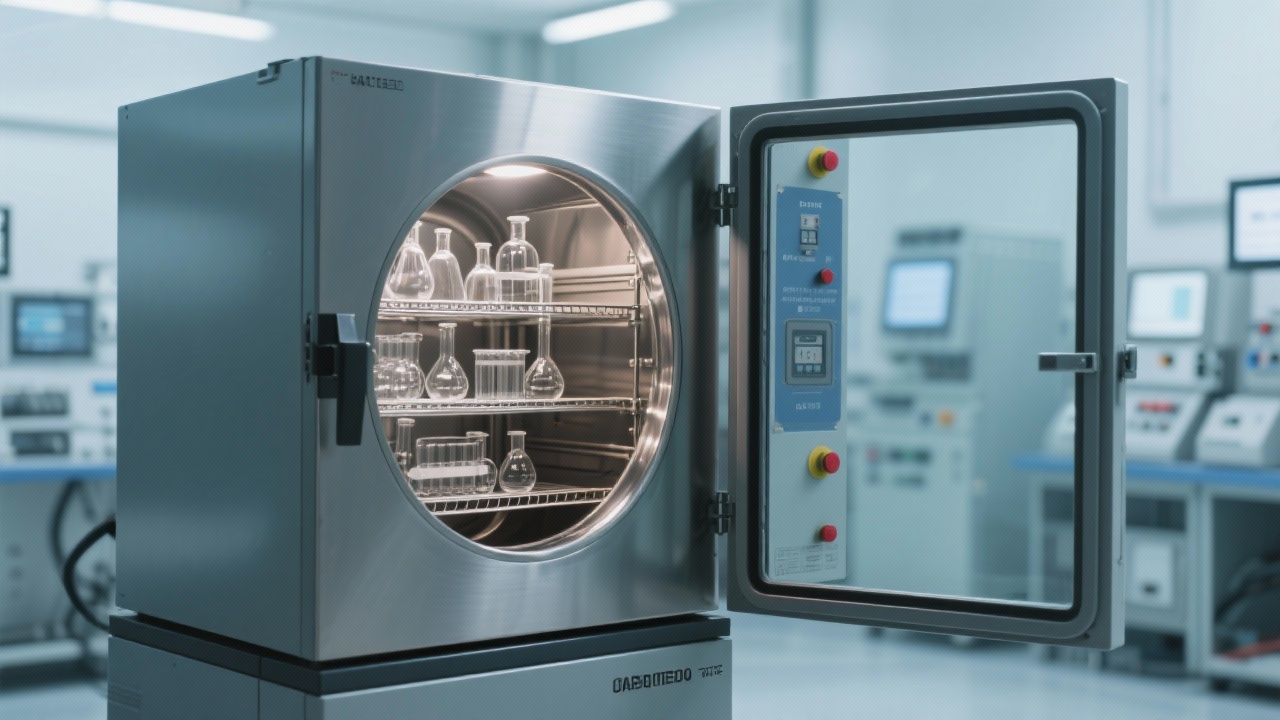
Temperature fluctuations often result from improper sensor placement or insulation wear. Regular inspection and recalibration of thermocouples are recommended at 6-month intervals to maintain ±0.5°C accuracy. Vacuum leaks can stem from seal degradation or hose damage; applying vacuum gauges for leak detection can swiftly isolate issues, minimizing downtime.
In documented case studies, one multinational chemical company reduced drying inconsistencies by 35% after implementing monthly maintenance coupled with quarterly vacuum system calibration, highlighting the tangible benefits of procedural adherence.
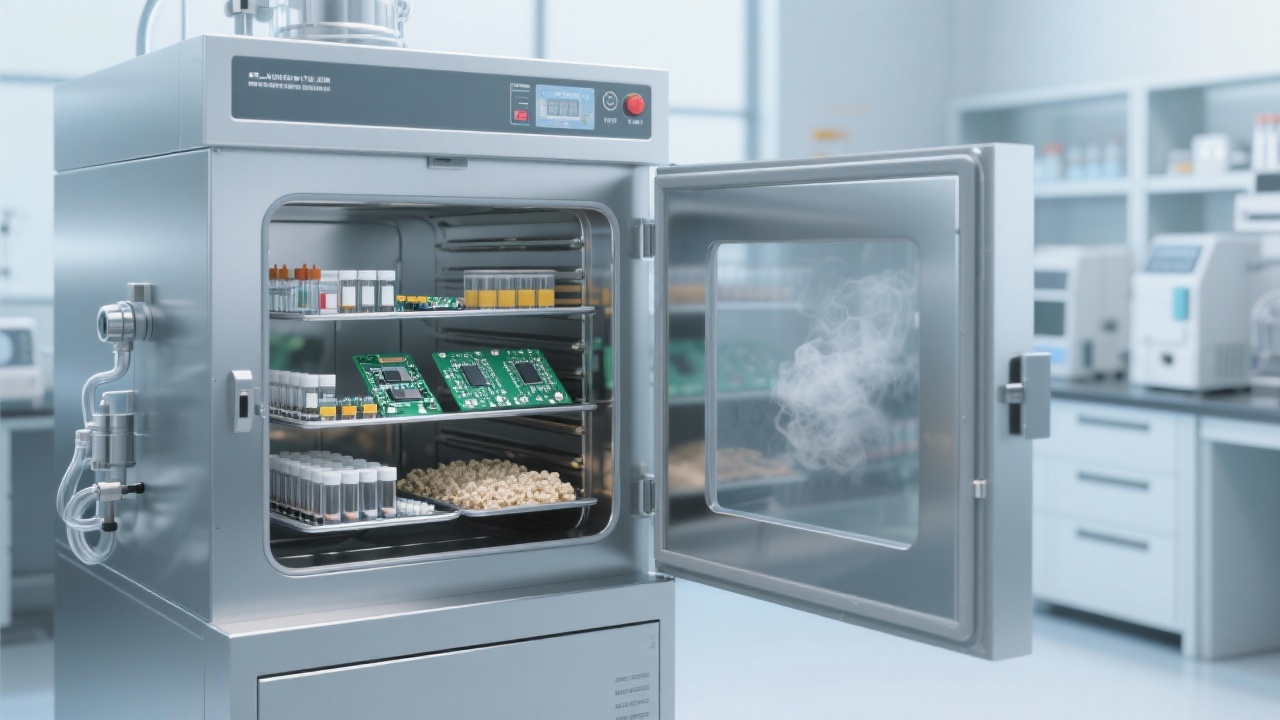
Maintaining optimal performance mandates scheduled cleaning, lubrication of moving parts, and routine seal replacement every 12 months or sooner upon signs of wear. Calibration should follow international standards such as ISO 17025, involving certified calibration devices and traceable reference instruments.
Implementing a digital log to track maintenance events and calibration outcomes streamlines compliance audits and assures process traceability for quality management systems like ISO 9001.
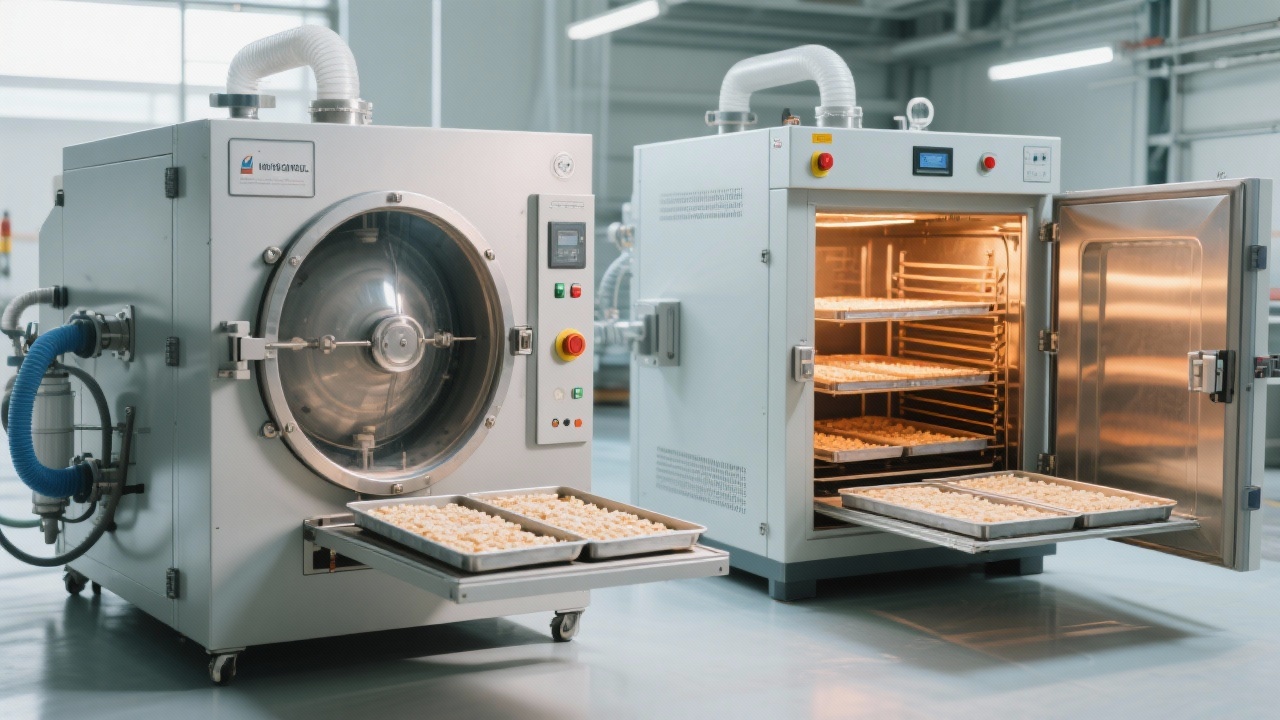
Zhengzhou Keda’s DZ-2BCII model integrates customized solutions, providing enhanced temperature uniformity (±1°C), robust vacuum stability, and an intuitive interface tailored to varying industry requirements—from pharmaceuticals to electronics. Its modular design supports upgrades and spare parts availability worldwide, reducing operational interruptions.
The company backs each unit with comprehensive technical support and training services, empowering users to optimize drying cycles, maintain regulatory compliance, and improve end-product quality.




 <#else>