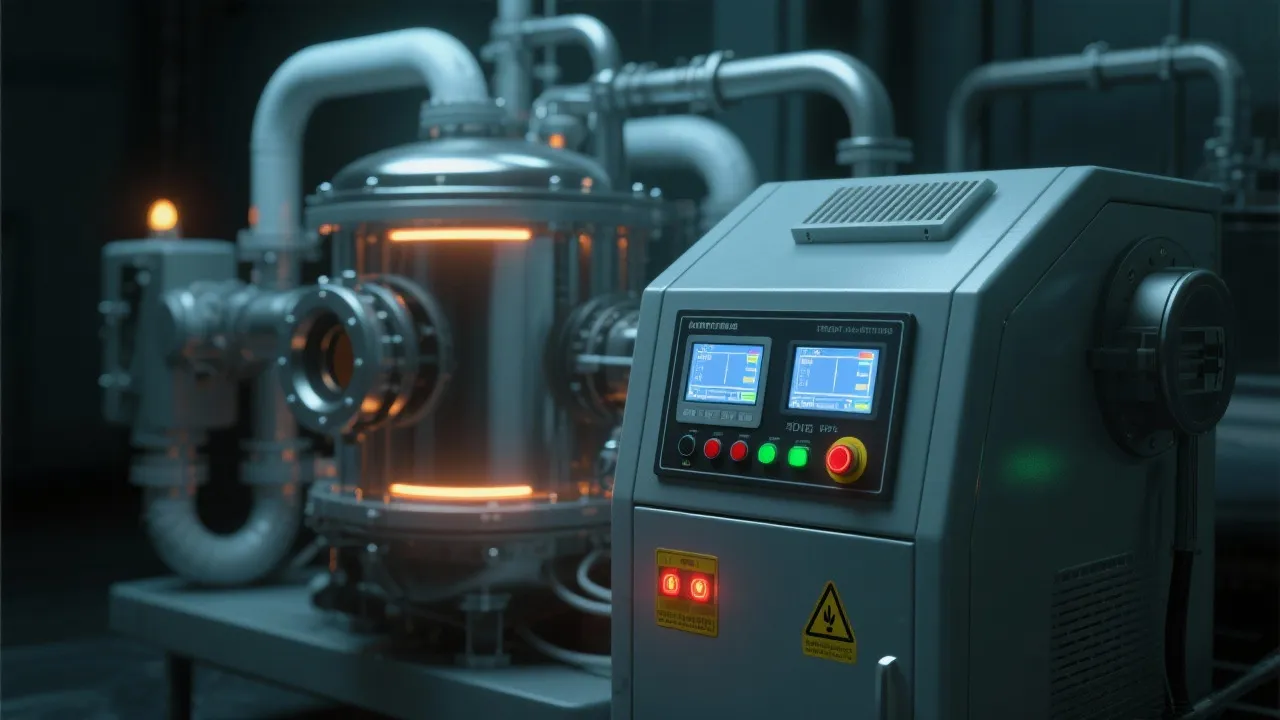
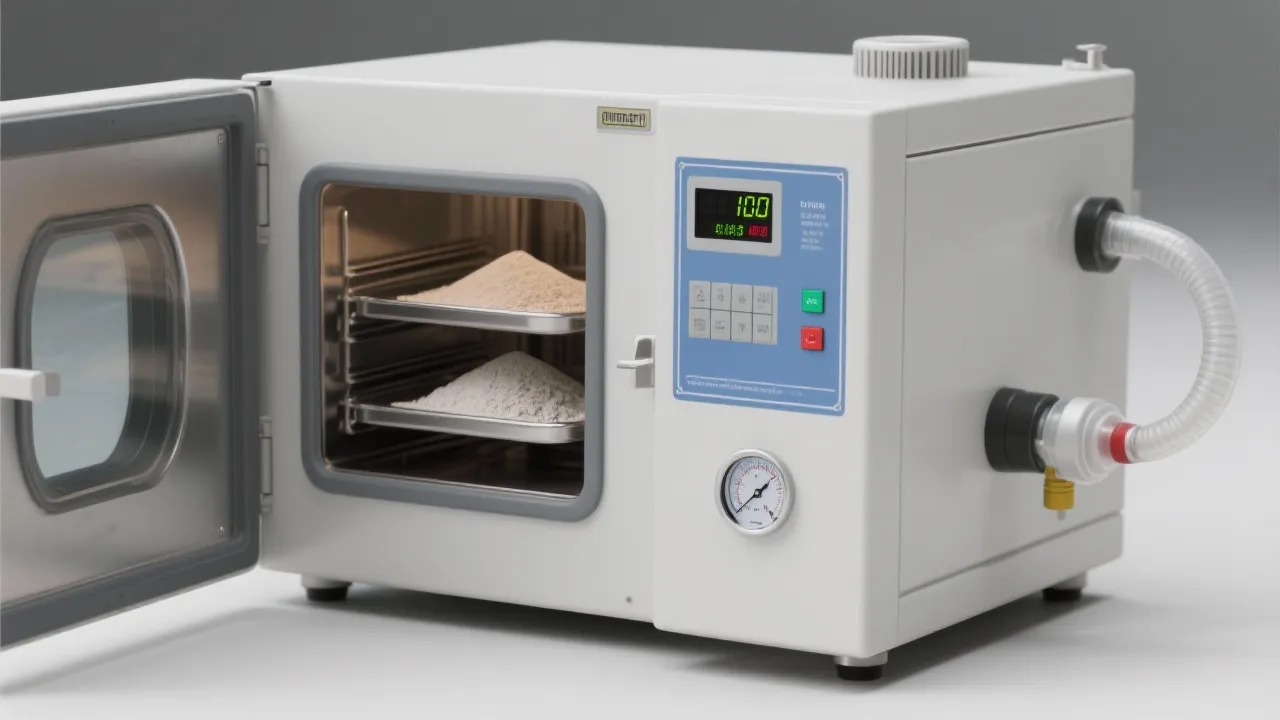
Understanding how a vacuum drying oven works isn't just about technical know-how—it’s about optimizing your experimental outcomes. Whether you're working with biological tissues, organic solvents, or fine powders, the right combination of temperature, vacuum level, and time can make the difference between success and failure.
In standard atmospheric conditions, many materials begin to degrade at relatively low temperatures due to oxidation or boiling point elevation. By reducing pressure inside the chamber—typically to 0.1–10 mbar—you lower the boiling point of moisture and volatile compounds, allowing them to evaporate without damaging heat-sensitive samples. This principle is especially critical for preserving structural integrity in cell cultures, pharmaceuticals, and polymer-based materials.
For example, water boils at ~70°C under 0.1 mbar—a significant drop from its 100°C boiling point at sea level. This enables gentle drying of heat-labile substances like enzymes or proteins while minimizing degradation risks.
| Sample Type | Recommended Temp (°C) | Vacuum Level (mbar) | Time Estimate |
|---|---|---|---|
| Biological Tissues | 30–50 | 0.1–1.0 | 6–12 hours |
| Organic Solvent Residues | 40–60 | 1.0–5.0 | 3–8 hours |
| Powdered Materials | 60–80 | 5.0–10.0 | 4–6 hours |
Always follow a “low-first, then high” strategy: start with minimal vacuum and mild heating to avoid sudden vaporization that could cause splattering or sample loss. Gradually increase parameters only after observing stable evaporation rates.
One frequent error is setting too high a temperature too quickly—especially when drying sensitive materials like vaccines or cultured cells. Another issue is neglecting seal integrity; even minor leaks can reduce vacuum efficiency by up to 30%, leading to longer cycle times and inconsistent results.
A university lab in Singapore reported a 40% improvement in reproducibility after implementing a pre-cycle check using a helium leak detector. Similarly, regular maintenance of the vacuum pump—every 50 operating hours—is essential to maintain performance consistency across batches.
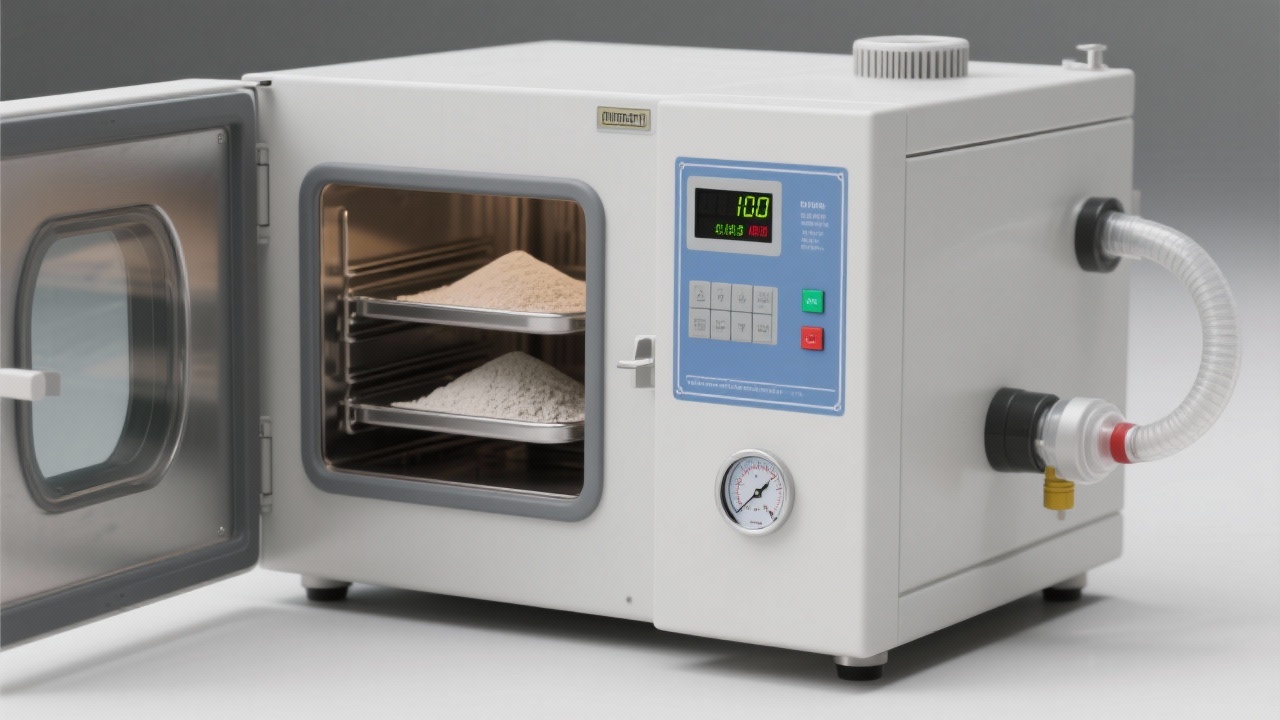
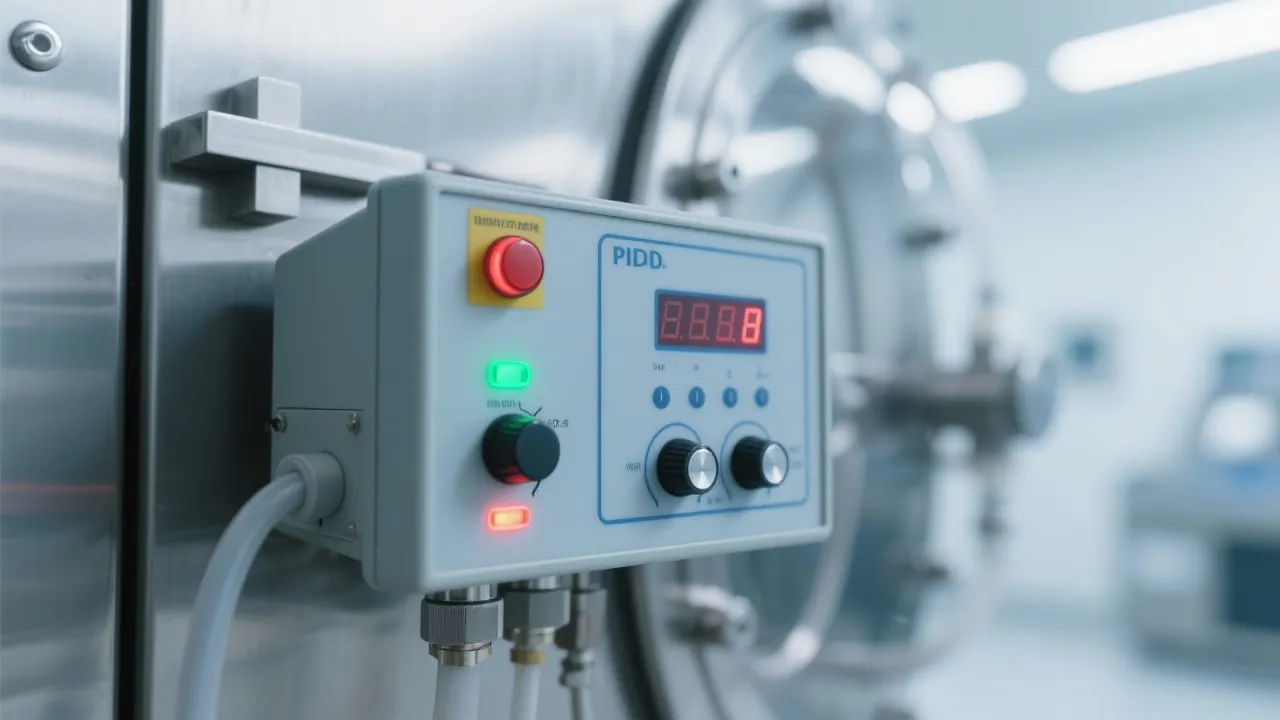
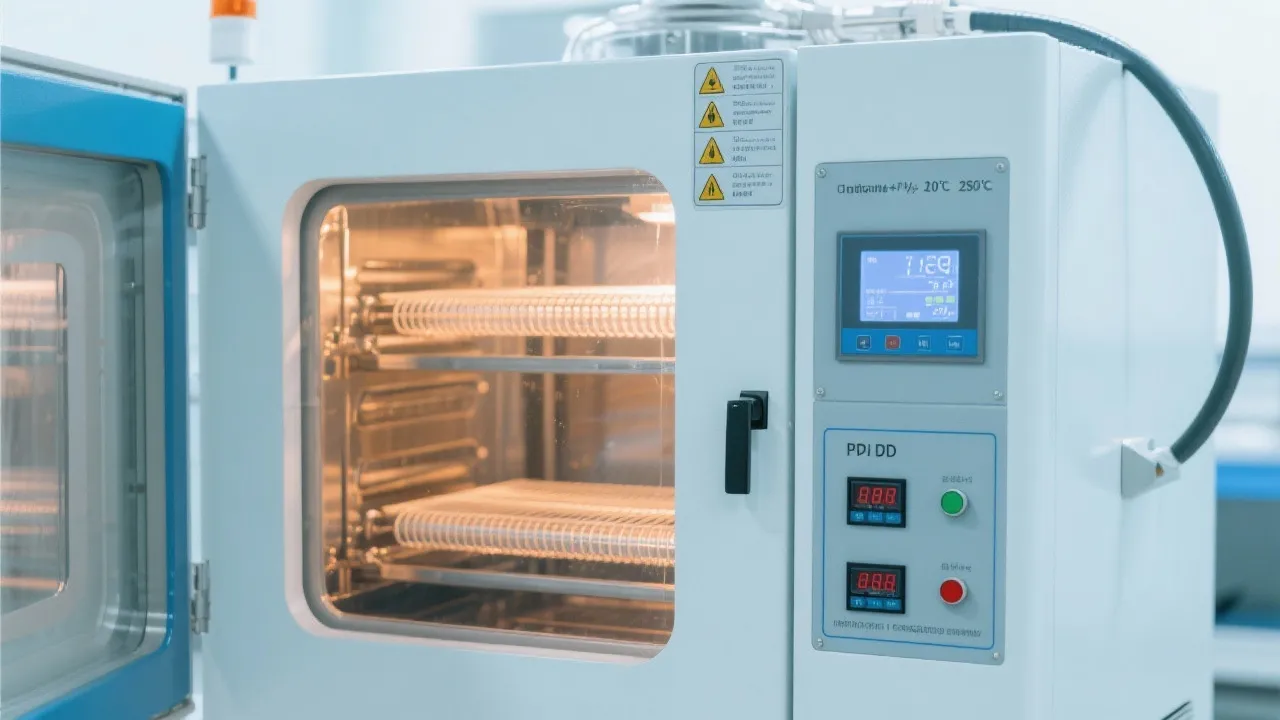
Modern vacuum dryers now come equipped with PID-controlled temperature regulation, which ensures ±0.5°C accuracy during long cycles—a must-have for pharmaceutical QA/QC labs. Additional safety features such as automatic shutdown upon overheating and memory recall after power interruptions further enhance reliability.
These capabilities are not luxury add-ons—they’re foundational tools for modern research. For instance, a biotech startup in Germany used the built-in data logging feature to trace batch variations in protein stability over three months, directly influencing their scale-up decision-making process.
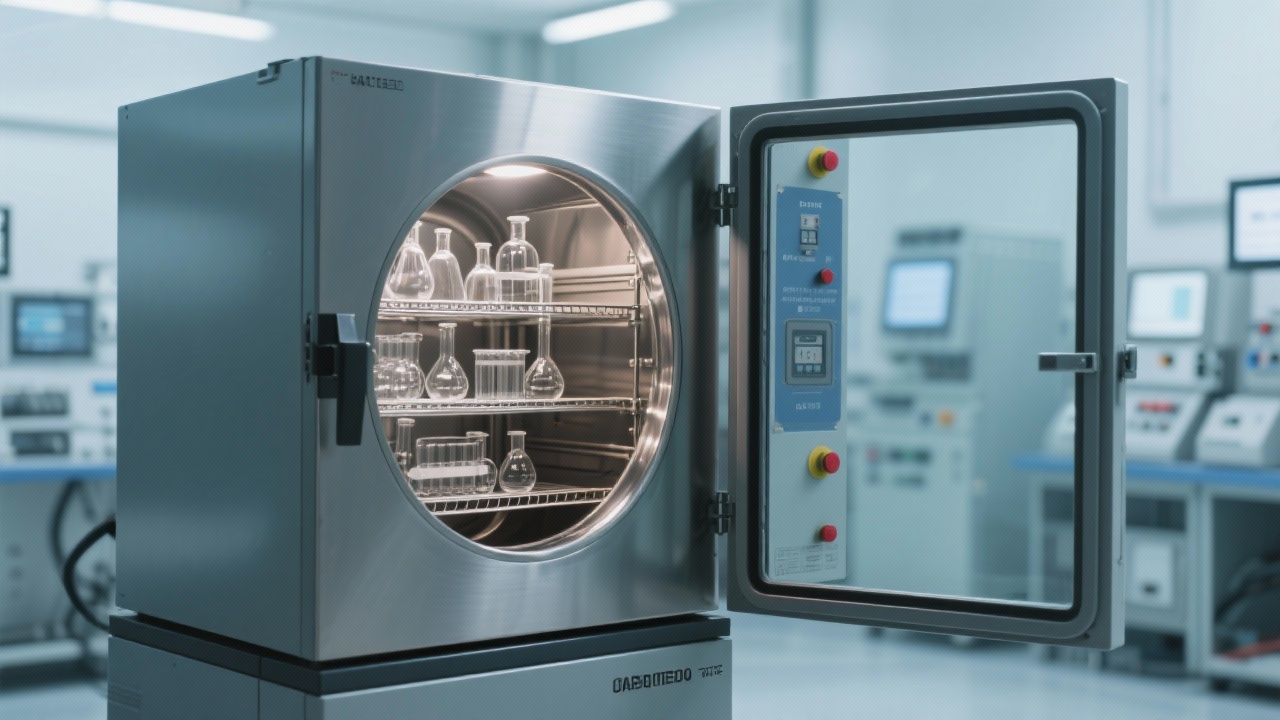
Whether you're in academia, industrial R&D, or quality assurance, mastering these principles transforms your lab workflow—from frustrating trial-and-error to precise, repeatable, and publication-ready results.
Explore our range of precision vacuum drying ovens designed for research excellence.
See Product Specifications →