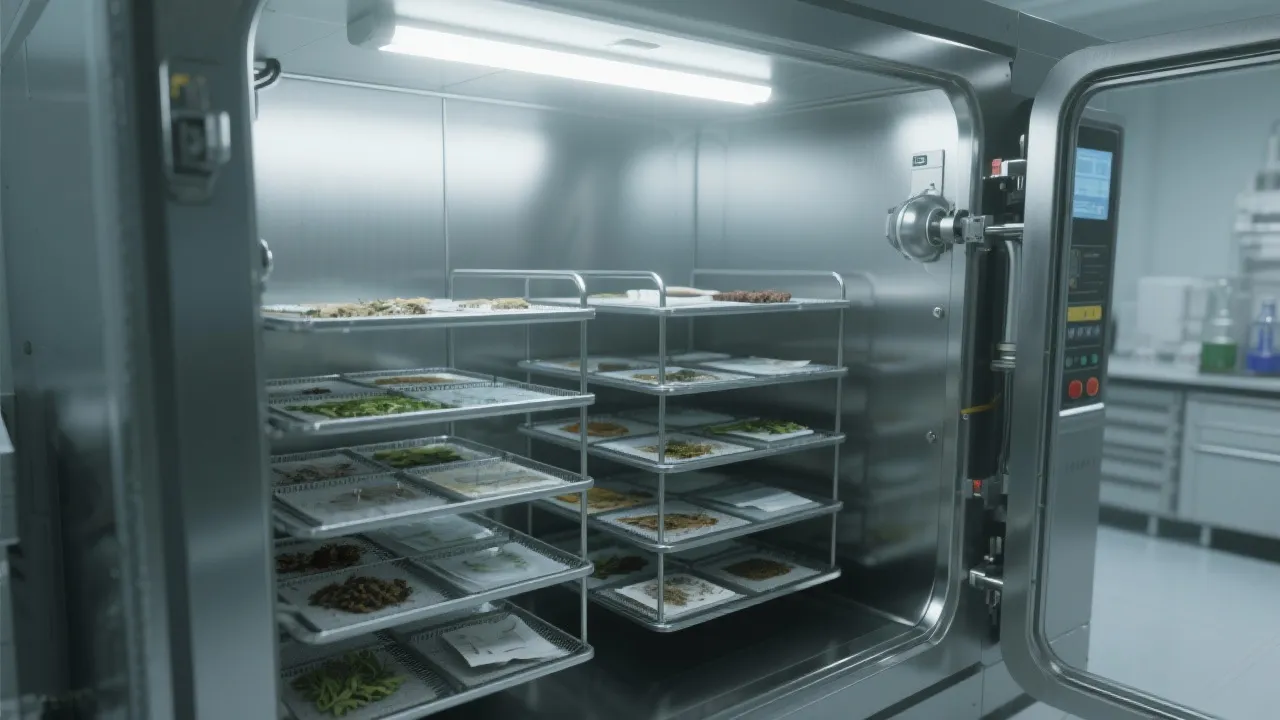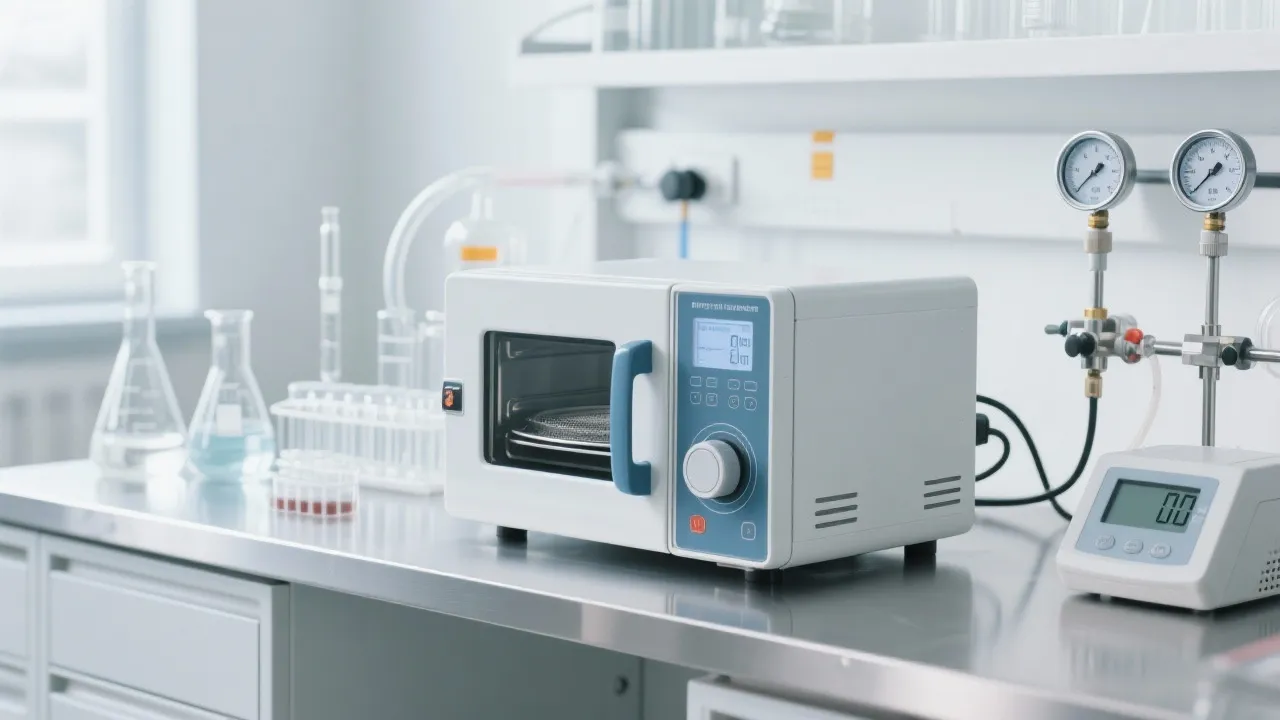

If you're working with high-performance materials like polymers, electronic components, or powdered metals, understanding how to properly use a vacuum drying oven isn’t just helpful—it’s essential for consistent results. Whether in R&D labs or production lines, improper outgassing can lead to defects, process delays, and inconsistent product quality.
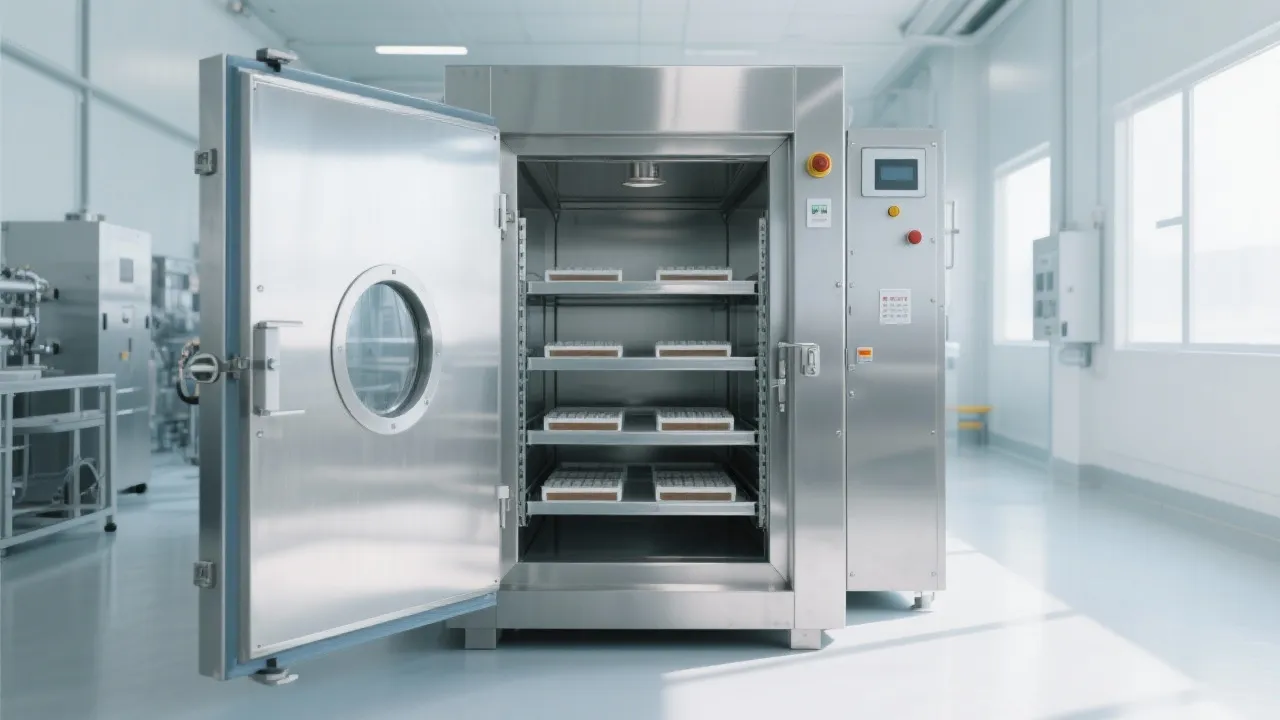
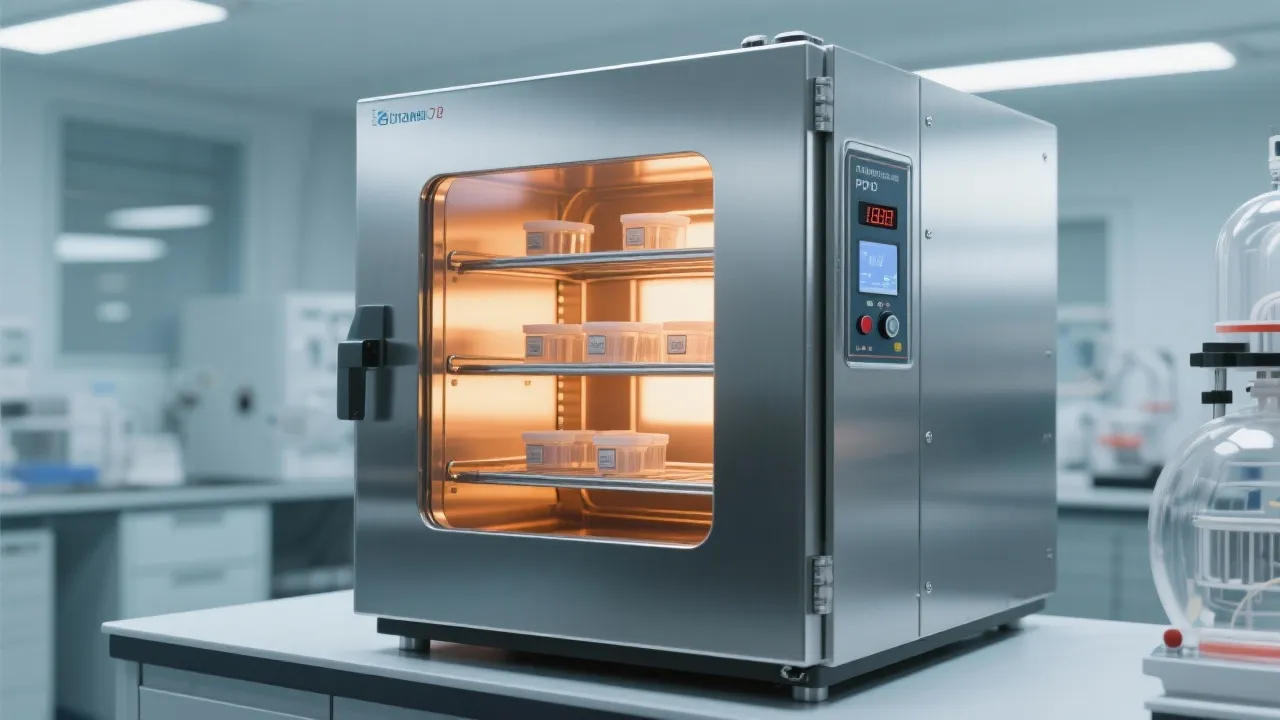
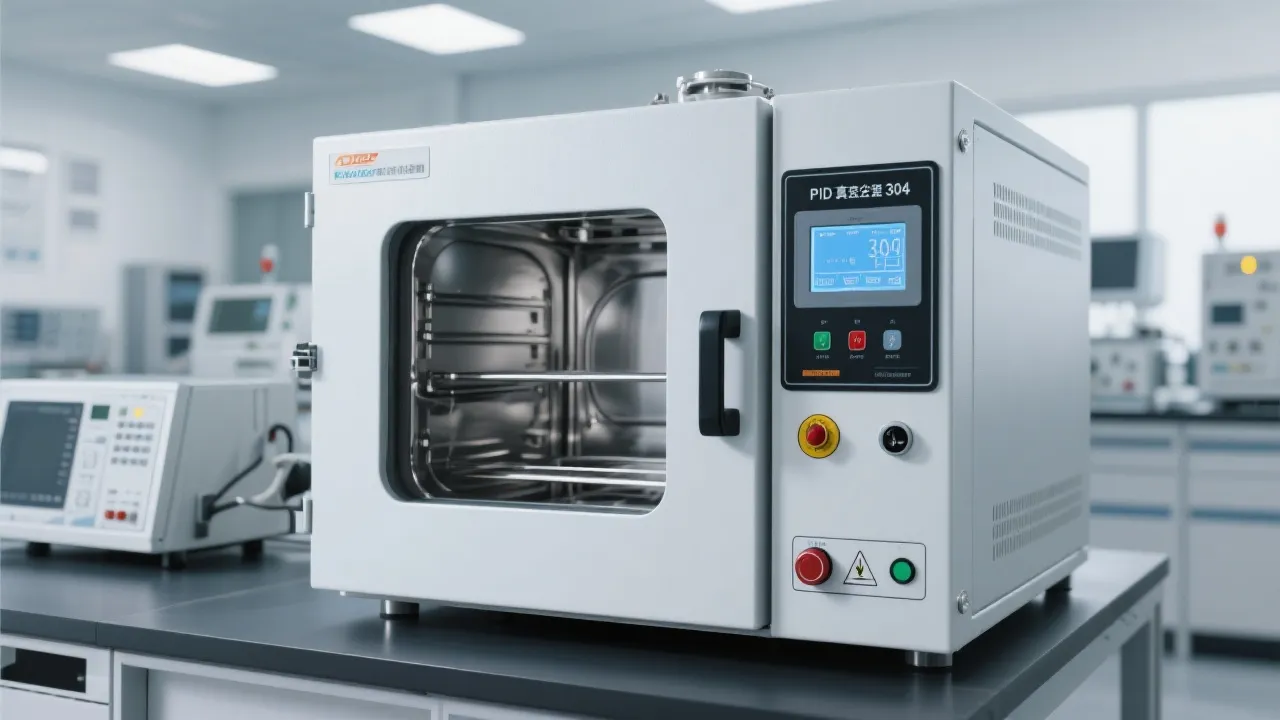
In industries such as semiconductor manufacturing, aerospace composites, and medical device assembly, even trace moisture or volatile compounds can compromise performance. The DZ-2BCII Vacuum Drying Oven from Zhengzhou Keda offers precise control over temperature and vacuum levels—critical for removing these contaminants safely and effectively.
| Parameter | Recommended Setting | Notes |
|---|---|---|
| Temperature Range | Room temp +10°C to 250°C | Adjust based on material sensitivity |
| Vacuum Level | ≤ 10 mbar (absolute) | Use oil-free pumps for clean environments |
| PID Control Accuracy | ±0.1°C | Ensures uniform heat distribution |
Start by preheating the chamber to reduce thermal shock. Then, initiate vacuum pumping slowly—especially for sensitive materials—to avoid boiling or surface damage. Once at target vacuum, ramp up temperature gradually using PID-controlled heating zones. Maintain constant conditions for 2–4 hours depending on sample thickness and material type.
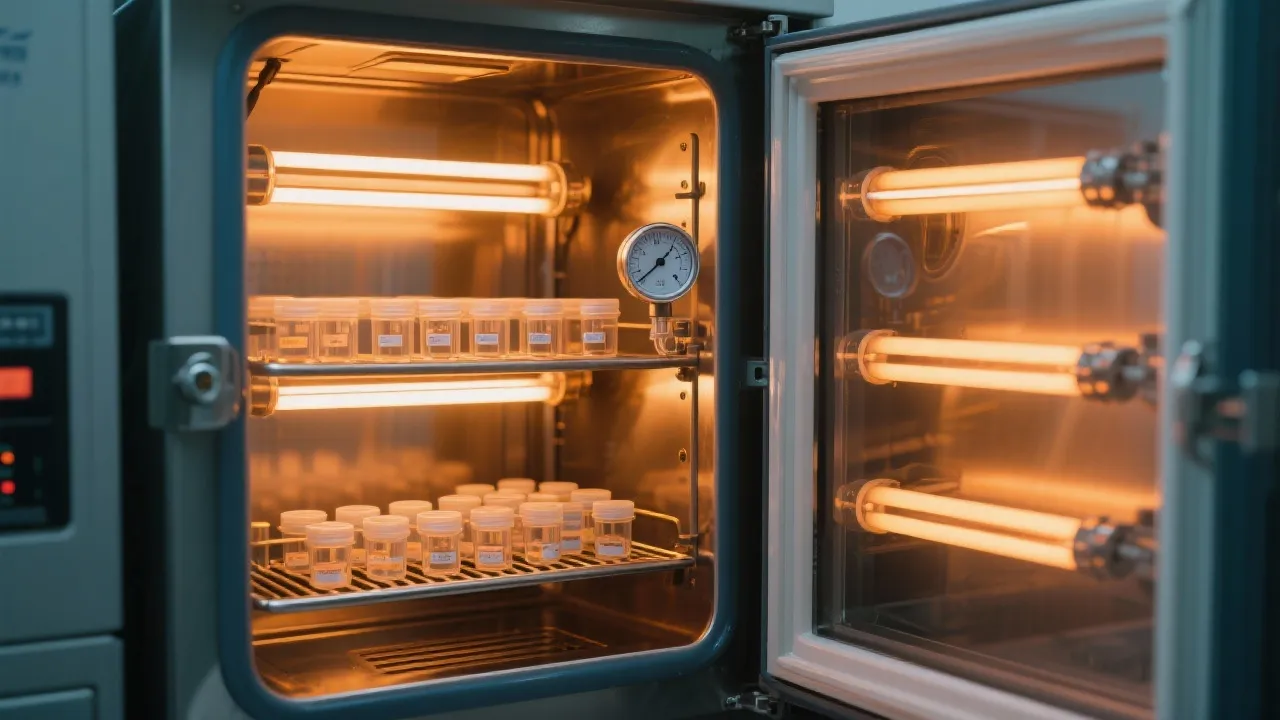
The DZ-2BCII features dual-zone PID control, allowing independent management of top and bottom heating elements. This ensures no hotspots occur during long cycles—a common issue with single-zone ovens that leads to uneven drying and wasted batches.
If your drying is inconsistent, first check for leaks around door seals or vacuum ports—use a soapy water test to locate them. If the system fails to reach proper vacuum, inspect the pump oil level or consider replacing the filter. For unexpected interruptions due to power loss, the DZ-2BCII has built-in memory retention, so it resumes exactly where it left off—no need to restart the entire cycle.
Regular maintenance matters too: clean the chamber after each batch, inspect silicone seals monthly, and calibrate sensors quarterly. These small steps prevent costly downtime and extend equipment life significantly.
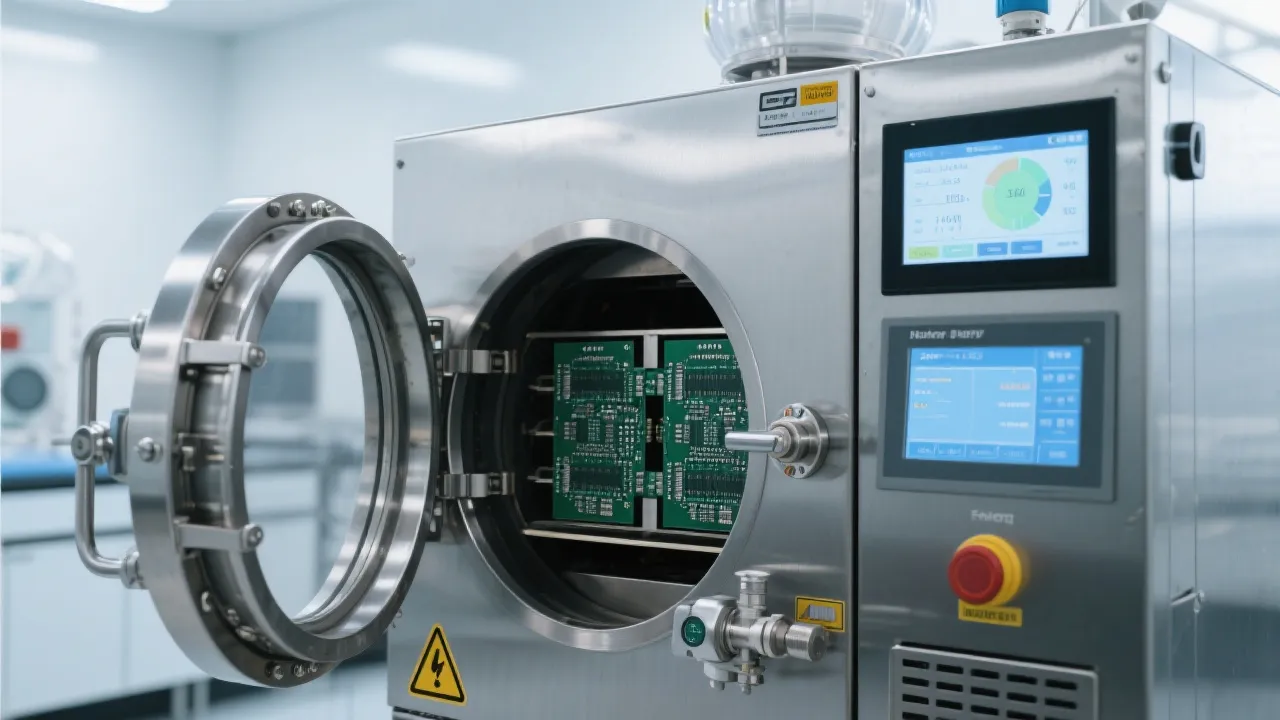
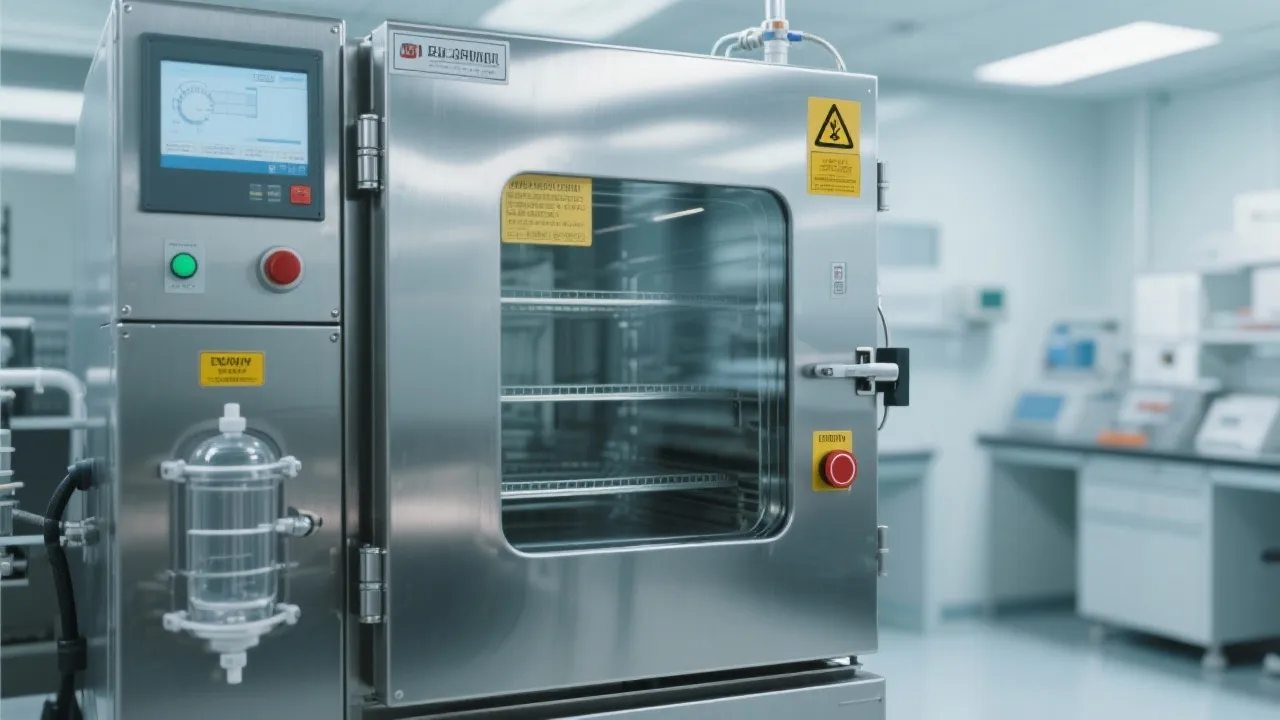
Beyond technical specs, safety is non-negotiable. The DZ-2BCII includes automatic overheat protection, self-locking doors, and a reinforced glass window that withstands pressure changes without cracking—features trusted by labs in Germany, China, and North America alike.
Whether you're optimizing lab protocols or scaling up industrial processes, mastering vacuum drying starts with knowing your tools inside out—and choosing one that supports both precision and peace of mind.
Ready to elevate your material processing? Explore how the DZ-2BCII Vacuum Drying Oven delivers repeatable, high-quality results across global industries—from research to mass production.