Enhancing Temperature Stability in Vacuum Drying Ovens via Programmable Dual-Zone PID Control: Practical Guide & Troubleshooting

23 12,2025
Zhengzhou Keda Mechanical Instrument Equipment Co., Ltd.
Application Tutorial
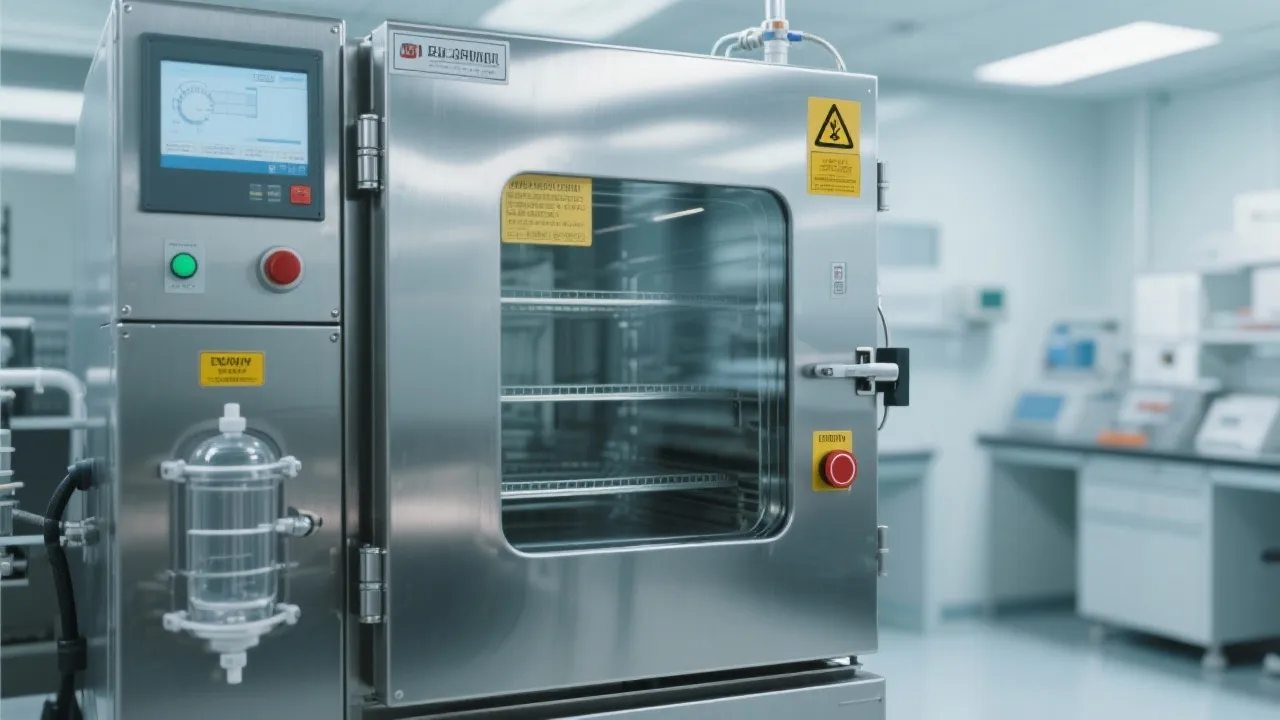
Why do identical samples exhibit varying drying results across different vacuum ovens? The answer lies in temperature control precision and programming capabilities. This article thoroughly explores how the DZ-2BCII vacuum drying oven achieves high-precision temperature control within 0.1°C using a dual-zone PID intelligent system. Combining programmable operations, power-failure memory, and multiple safety protections, it significantly improves temperature stability and process consistency. Featuring a step-by-step operational tutorial and common troubleshooting tips, you will gain essential skills for achieving precise, safe, and reliable drying processes every time.
营销主题配图_1763950830469.jpg

Enhancing Vacuum Drying Oven Temperature Stability Through Programmable Temperature Control

Why do identical samples show varied drying results across different vacuum drying ovens? The secret lies in temperature control precision and advanced programming capabilities. Achieving consistent and high-quality drying requires more than just setting a temperature—it demands a sophisticated control system that regulates heat with unmatched accuracy and reliability.

Understanding the Role of High-Precision Temperature Control in Vacuum Drying Quality

Temperature precision directly impacts drying performance and repeatability. For processes such as electronics curing, pharmaceuticals, or material de-gassing, temperature fluctuations as small as ±0.5°C can lead to inconsistent moisture removal or degradation of product properties.

Modern vacuum drying ovens, such as the DZ-2BCII model, leverage a dual-zone PID (Proportional-Integral-Derivative) control system to regulate temperature within an exact 0.1°C range. This level of accuracy minimizes thermal overshoot and oscillation, which directly translates to enhanced drying efficiency and improved experimental reproducibility.

Dual-Zone PID Control: A Technical Overview and Its Advantages Over Traditional Methods

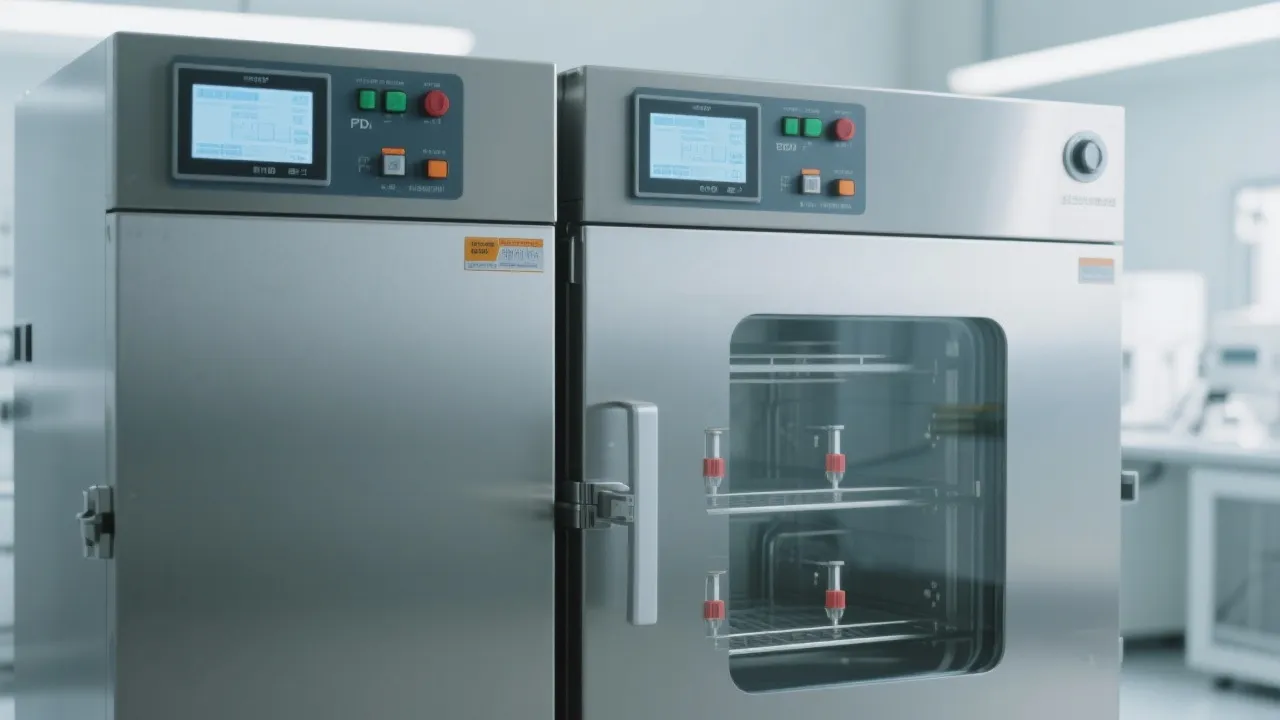
Unlike conventional on/off or single-loop controls, dual-zone PID employs two independently controlled heating elements monitored by sensors across different oven sections. This approach rapidly adjusts heating inputs based on real-time temperature feedback, significantly reducing lag and temperature swings.

Key advantages include:

  • Faster response time: Temperature stabilizes within minutes compared to traditional systems taking 15–20 minutes.
  • Reduced fluctuations: Temperature variances are kept under ±0.1°C vs. ±1.0°C in older models.
  • Energy efficiency: Dynamic control prevents unnecessary heating, reducing power consumption by up to 15%.

Pro Tip: Think of the PID control like a smart thermostat in an air conditioning system. It continuously senses room temperature and modulates power output to maintain a constant comfortable environment—only here, it's precision-engineered for laboratory-grade drying stability.

Programming Temperature Control for Practical Applications

The programmability of modern vacuum drying ovens unlocks customization tailored to your specific drying process. For example:

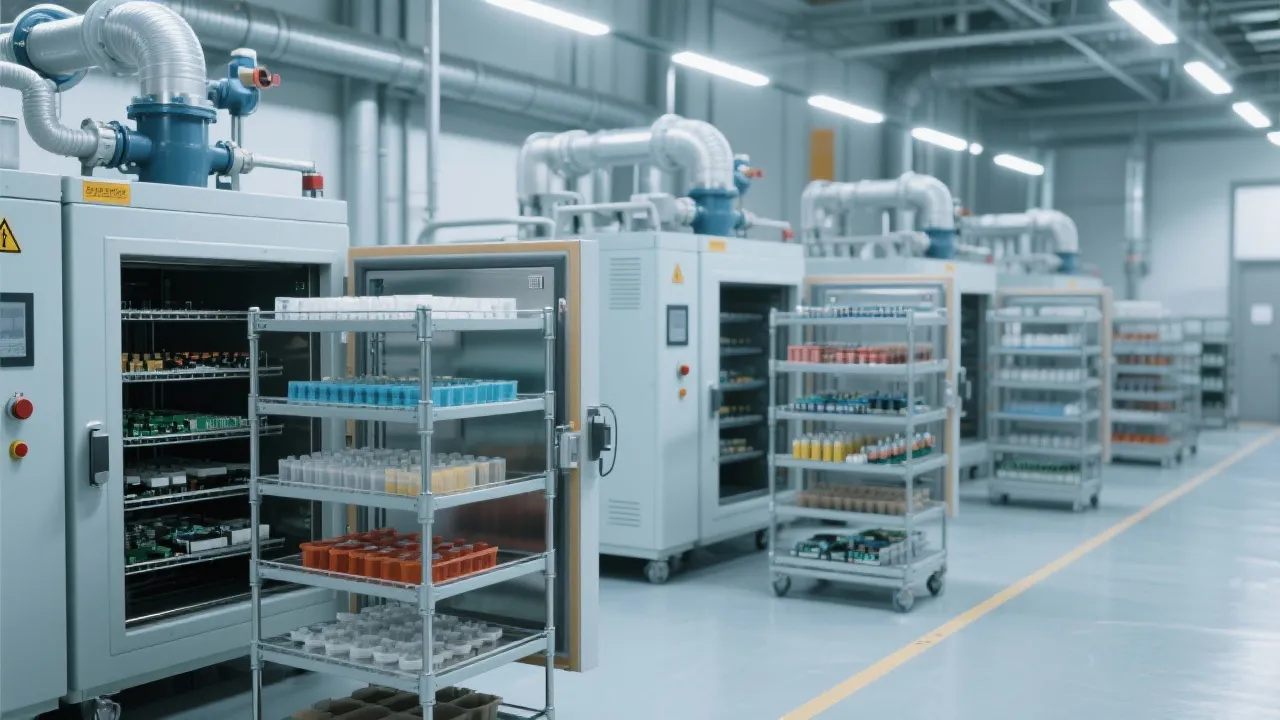
  • Material degassing: Stepwise temperature ramps with programmed hold times prevent sample overheating.
  • Electronics curing: Precise temperature holds ensure polymer crosslinking without thermal damage.

The DZ-2BCII supports up to 20 programmable segments, integrating temperature setpoint, ramp rate, hold duration, and vacuum pressure profiles. This flexibility ensures reproducible runs with minimal operator intervention.
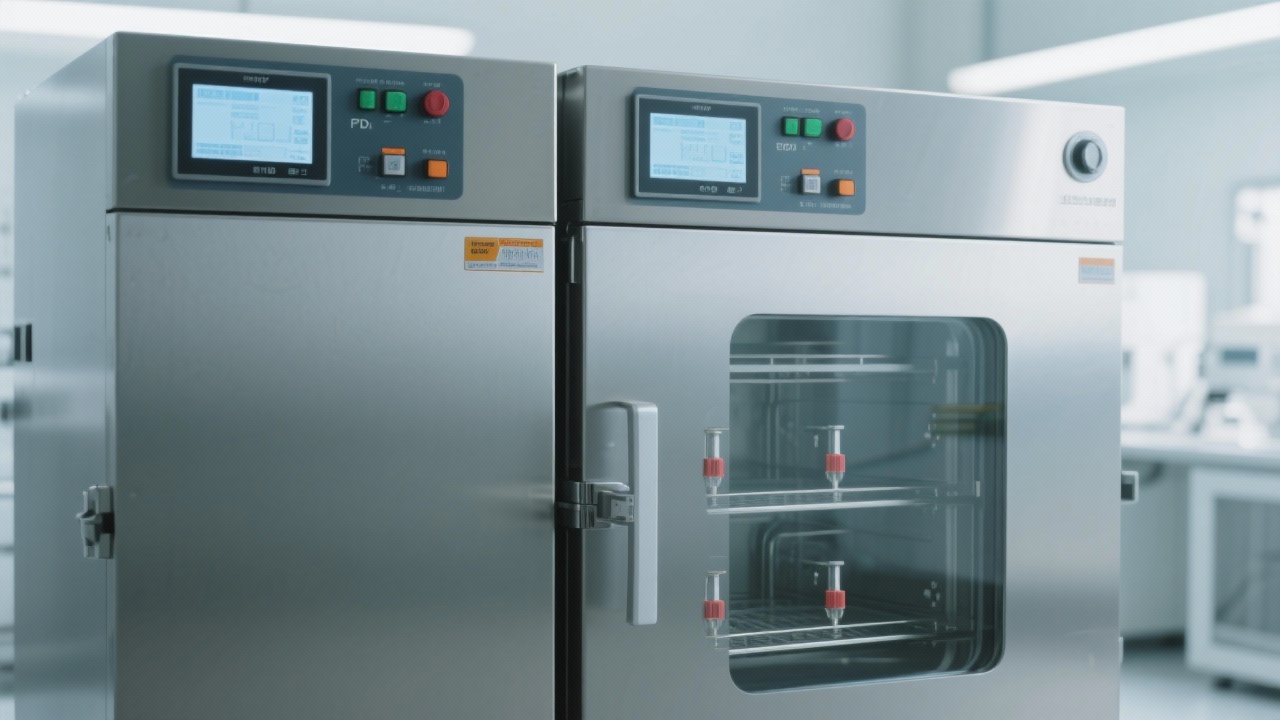
Flowchart of Dual-Zone PID Temperature Control Process in Vacuum Drying Oven

Ensuring Process Continuity and Safety: Power Failure Memory and Over-Temperature Protection

In industrial or lab environments, unexpected power interruptions can destabilize your process and compromise product quality. Equipped with a power-failure memory function, the DZ-2BCII instantly resumes the pre-interruption program upon power restoration without operator input, preserving process integrity.

In parallel, multi-layered safety features such as independent over-temperature alarms and automatic shutdown protect both the device and operators from risks caused by runaway heating or sensor malfunctions.

Practical Parameter Settings Checklist & Avoiding Common Programming Mistakes

To maximize drying stability, verify the following before starting your run:

  • Set temperature ramp rates ≤ 3°C/min to avoid overshoot.
  • Confirm dual temperature sensors are calibrated and functional.
  • Program vacuum pressure levels synchronized with temperature steps.
  • Enable and test power interruption memory before critical batches.
  • Activate over-temperature alarm thresholds 5°C above maximum setpoint.

Interactive Tip: Please cross-check these key parameters in your controller—incorrect entries or skipping calibration are primary causes of temperature instability.
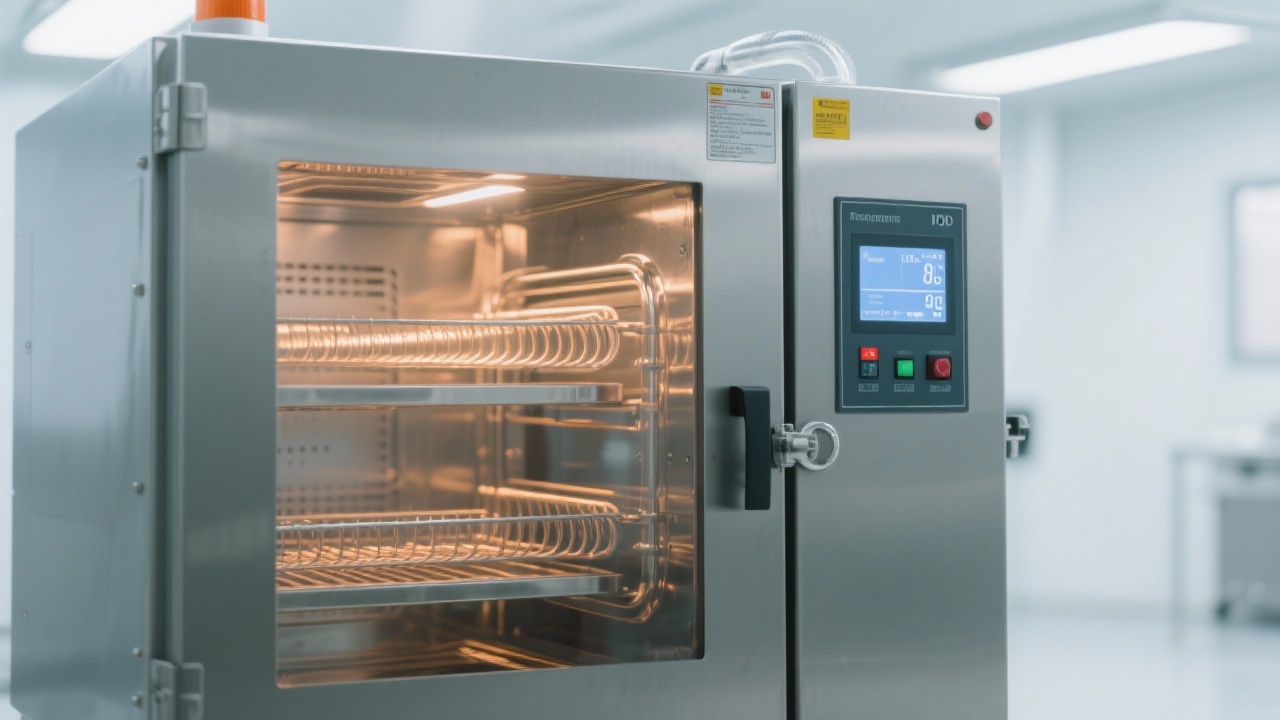
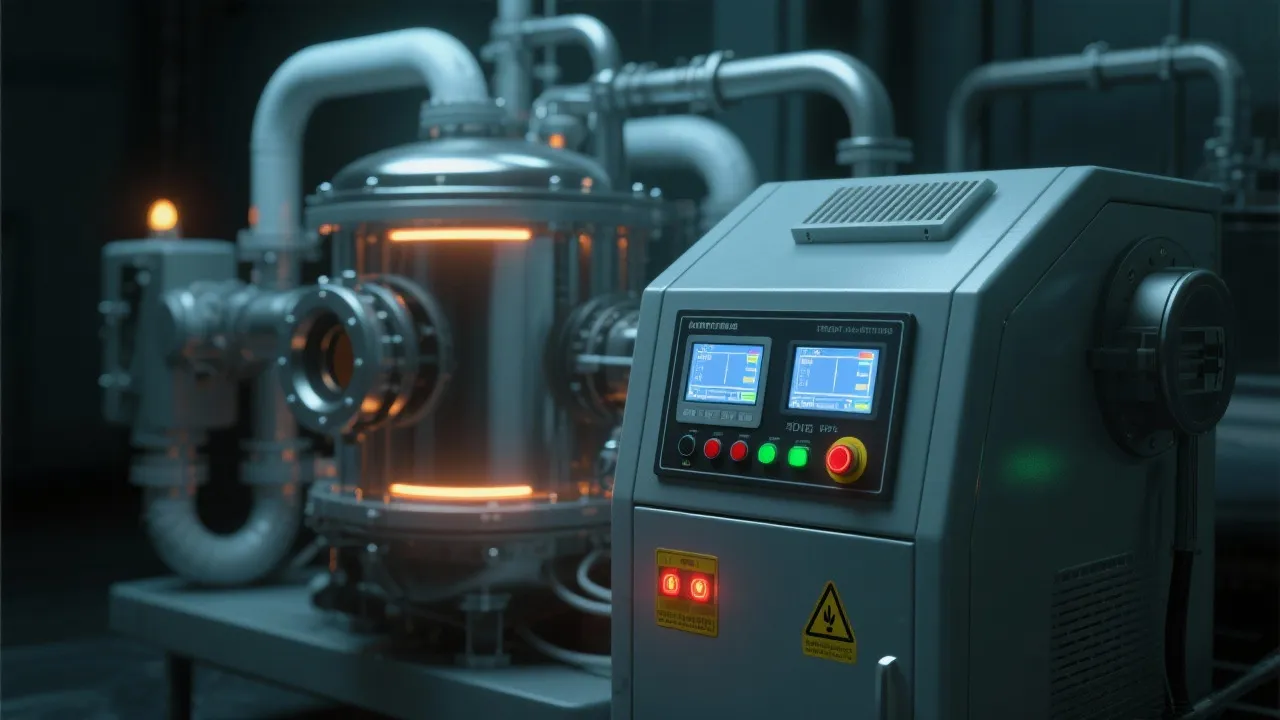
Heat distribution simulation illustrating temperature uniformity inside the vacuum drying oven chamber

Understanding the Safety Logic Closed-Loop Design

Temperature control in vacuum drying ovens is more than maintaining a setpoint—it is interwoven with comprehensive risk-prevention measures.

The system continuously monitors sensor data and compares it against programmed safety thresholds. If abnormal readings or deviations occur, the logic triggers alarms and halts heating to prevent thermal hazards. This closed-loop design safeguards your investment, operator safety, and product quality simultaneously.
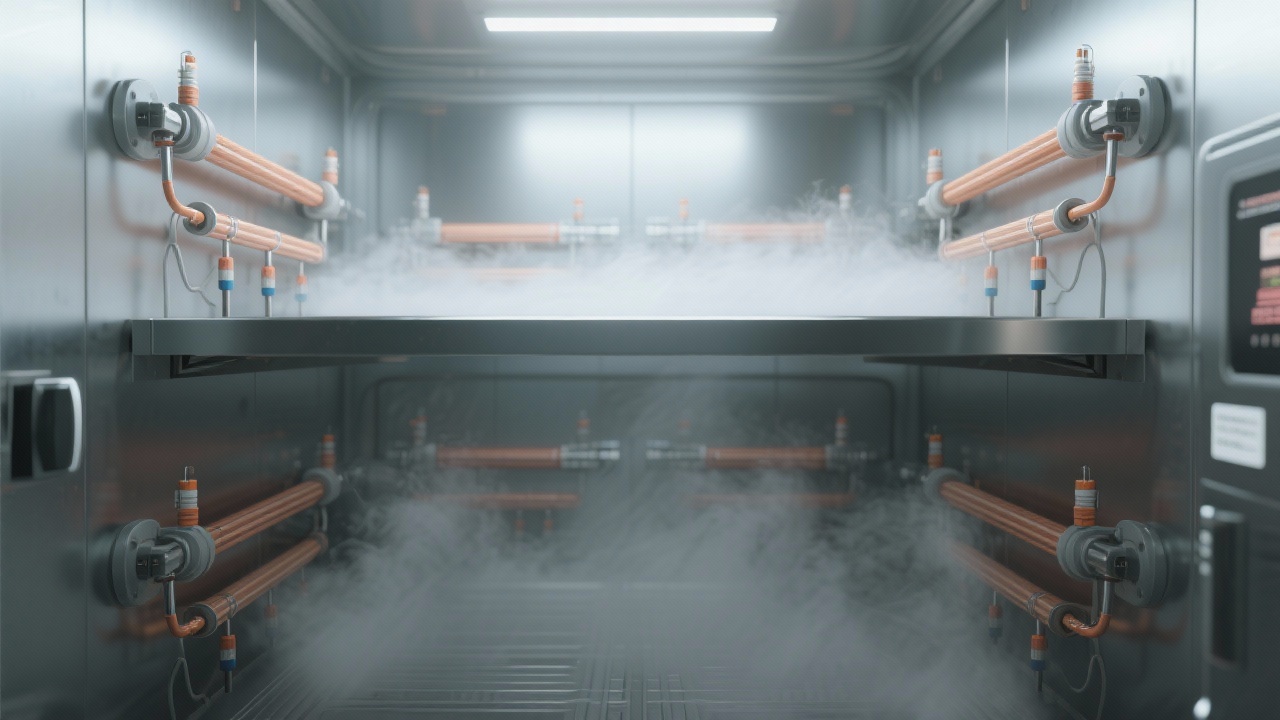
Diagram illustrating safety closed-loop control and alarm system in vacuum drying oven
Name *
Email *
Message*

Recommended Products

Popular articles
Recommended Reading
<#if (articleDetails.articleDetailsRelatedArticles.articleList?has_content)?? && (articleDetails.articleDetailsRelatedArticles.articleList?size>0)> <#if (articleDetails.articleDetailsRelatedArticles.isShow)?? && articleDetails.articleDetailsRelatedArticles.isShow> <#if (articleDetails.articleDetailsRelatedArticles.title)?? && articleDetails.articleDetailsRelatedArticles.title!="">

${articleDetails.articleDetailsRelatedArticles.title}

<#list articleDetails.articleDetailsRelatedArticles.articleList as list>
<#if (list.imgUrl?has_content)?? && (list.imgUrl?has_content)> ${list.imgAlt} <#else> img

${list.title}

${(list.updateTime)?number_to_datetime?string('dd MM ,yyyy')}
Contact us
Contact us
https://shmuker.oss-cn-hangzhou.aliyuncs.com/tmp/temporary/60ec5bd7f8d5a86c84ef79f2/60ec5bdcf8d5a86c84ef7a9a/thumb-prev.png