

In the industrial and scientific research fields, the issue of inconsistent drying effects is a common pain point for many users. Variations in drying results can lead to wasted resources, reduced product quality, and increased production costs. This article aims to introduce a practical solution: the temperature control system for vacuum drying ovens with dual-zone PID intelligent control, which can effectively address these problems.
Dual-zone PID intelligent control might sound like a complex technical term, but its core principle is not as difficult to understand as it seems. PID stands for Proportional, Integral, and Derivative. In simple terms, the dual-zone PID control system continuously adjusts the temperature based on the set value and the actual temperature in the vacuum drying oven. It uses feedback loops to ensure that the temperature remains stable and accurate.
Let's take a look at how it works. The system first measures the current temperature in the oven. Then, it calculates the difference between the set temperature and the actual temperature. Based on this difference, the proportional term adjusts the heating or cooling power proportionally. The integral term accumulates the error over time and makes long - term adjustments to eliminate any residual error. The derivative term predicts the future trend of the temperature change and makes adjustments in advance to improve the system's response speed.
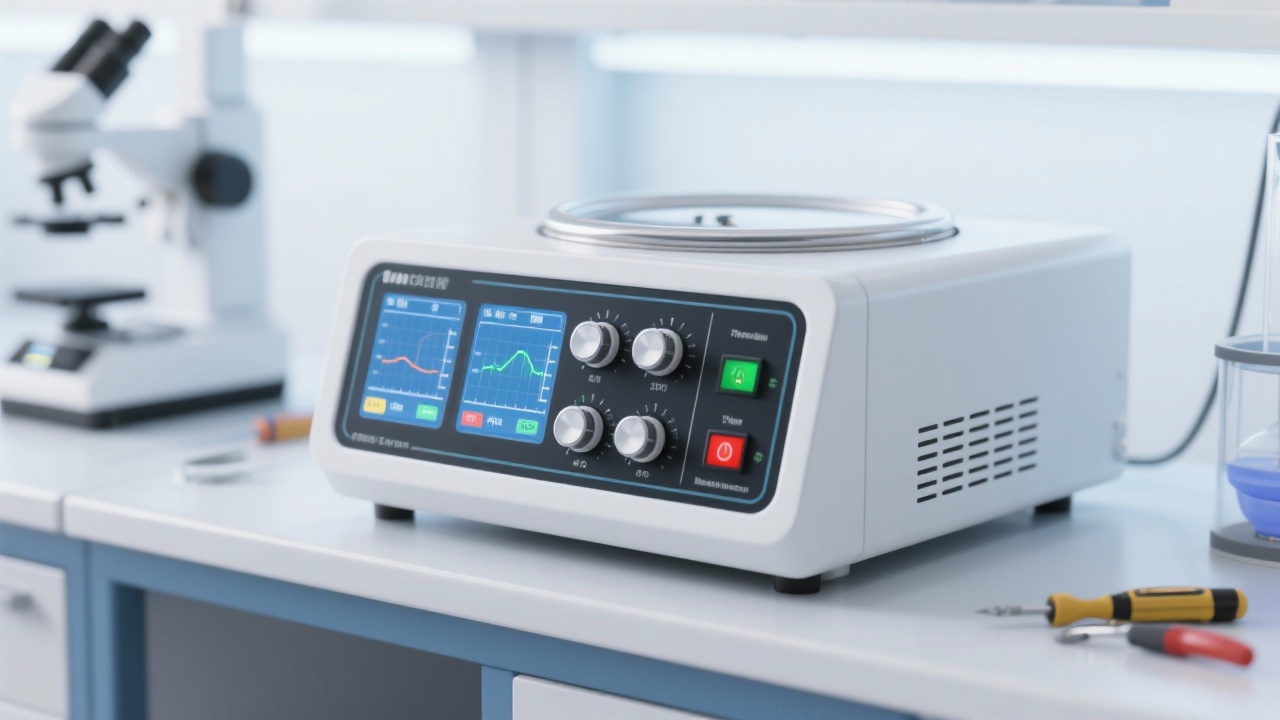
When compared with traditional temperature control methods, the dual-zone PID technology shows significant advantages. In terms of temperature stability, traditional methods often struggle to maintain a constant temperature, resulting in temperature fluctuations of up to ±5°C. In contrast, the dual-zone PID control system can achieve a temperature stability of ±0.1°C, ensuring highly consistent drying results.
In terms of response speed, traditional systems may take several minutes to adjust the temperature when there is a change in the set value. The dual-zone PID system, however, can respond within seconds, quickly reaching the desired temperature. This not only improves the efficiency of the drying process but also saves energy. Studies have shown that the dual-zone PID technology can reduce energy consumption by up to 30% compared to traditional methods.
In real - world applications, the precise temperature control provided by the dual-zone PID system brings remarkable quality improvements. For example, in the material degassing process, precise temperature control ensures that all the gas in the material is removed evenly, improving the purity and quality of the material. In the electronic curing process, it can prevent over - curing or under - curing, ensuring the performance and reliability of electronic components.
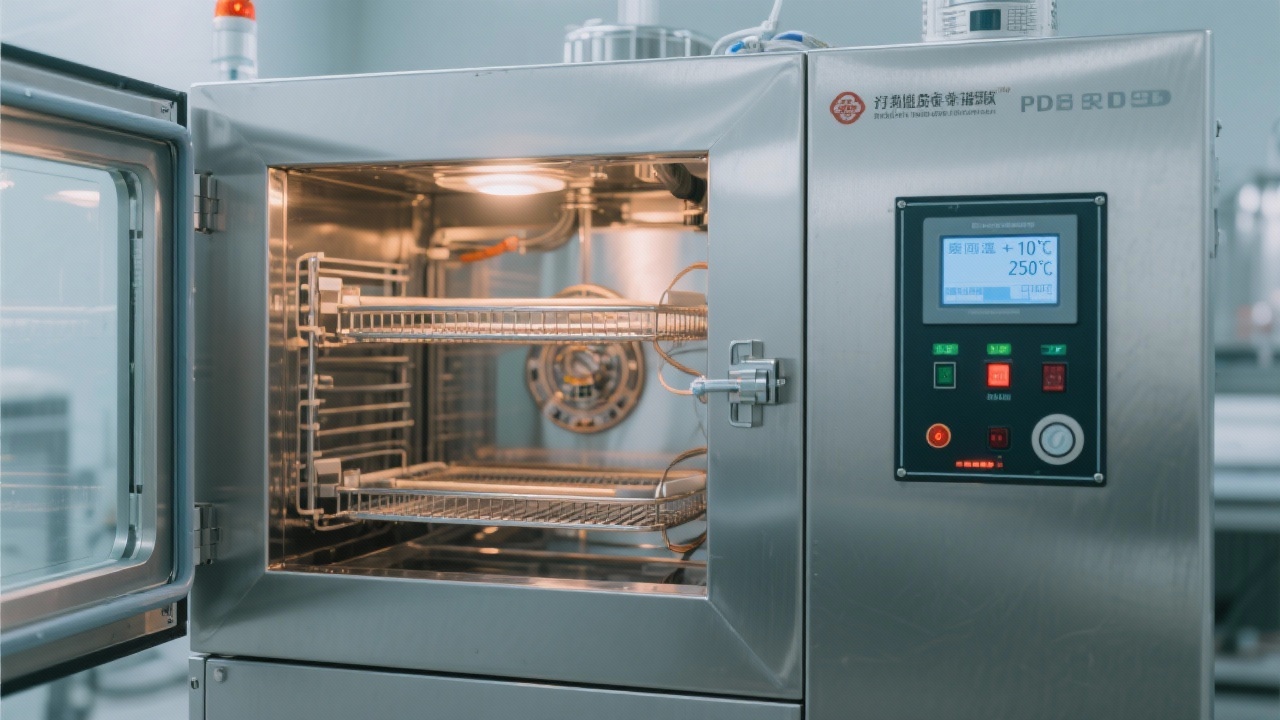
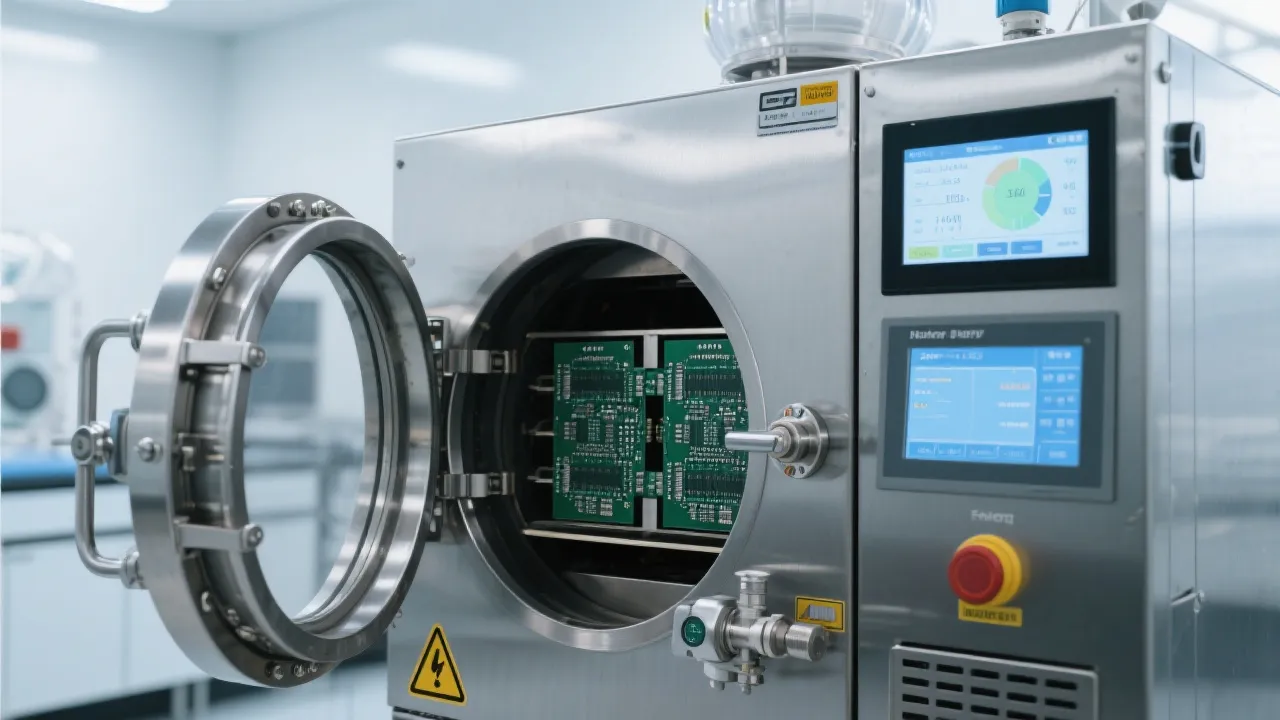
Safety is a top priority in the vacuum drying process. The temperature control system is equipped with several important safety features, such as over - temperature alarm and self - locking sealed doors. The over - temperature alarm function continuously monitors the temperature in the oven. If the temperature exceeds the set limit, it will immediately send out an alarm signal, notifying the operator to take action. The self - locking sealed door will automatically lock when the oven is in operation, preventing accidental opening and ensuring the safety of the operator and the integrity of the drying process.
These safety features are closely linked to the temperature control system. For example, if the temperature rises abnormally due to a malfunction, the over - temperature alarm will trigger, and at the same time, the system may automatically adjust the heating power or shut down the oven to prevent further temperature increase. This forms a complete safety closed - loop, ensuring the safety and continuity of the drying process.
In industrial production, power outages are an inevitable problem. The power - off memory function of the dual-zone PID temperature control system is extremely important. When a power outage occurs, the system can remember the current operating status, including the set temperature, the running time, and other parameters. When the power is restored, the system can resume operation from where it left off, ensuring the continuity of the process and reducing the rework rate. This feature can save a significant amount of time and cost for industrial users.
When selecting a temperature control system for a vacuum drying oven, users need to consider several factors, such as the size of the oven, the required temperature range, and the specific application requirements. Our company offers a wide range of temperature control systems with different specifications to meet the diverse needs of users. We also provide professional technical support and after - sales service to help users install, operate, and maintain the system.
In terms of operation, we have prepared a temperature control setting checklist and tips to avoid common misoperations. For example, users should regularly check the temperature sensors to ensure their accuracy, and they should also follow the correct startup and shutdown procedures to prolong the service life of the system.
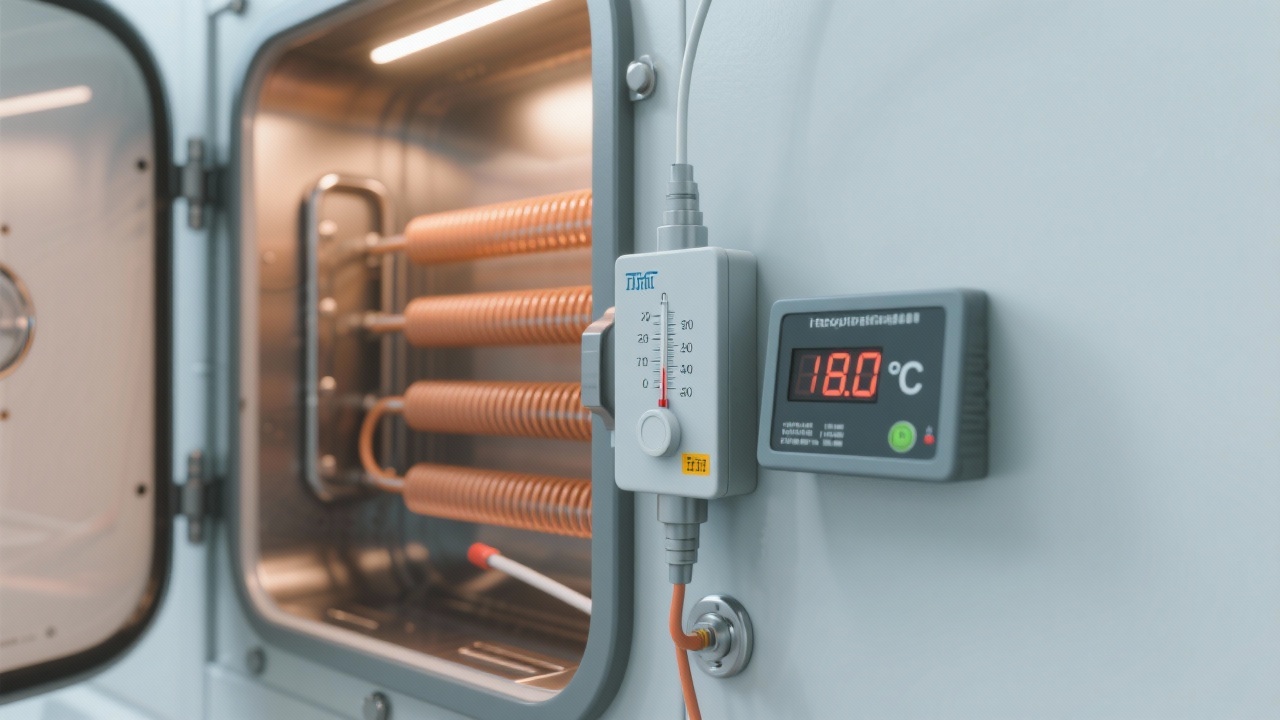
In conclusion, the temperature control system for vacuum drying ovens with dual-zone PID intelligent control is a leading - edge technology that can effectively improve the drying efficiency, quality, and safety. Our company is committed to providing customized solutions for our customers, helping them optimize their drying processes and achieve efficient and stable vacuum drying management. If you are interested in our products or need more technical information, please click here to contact us.


 <#else>