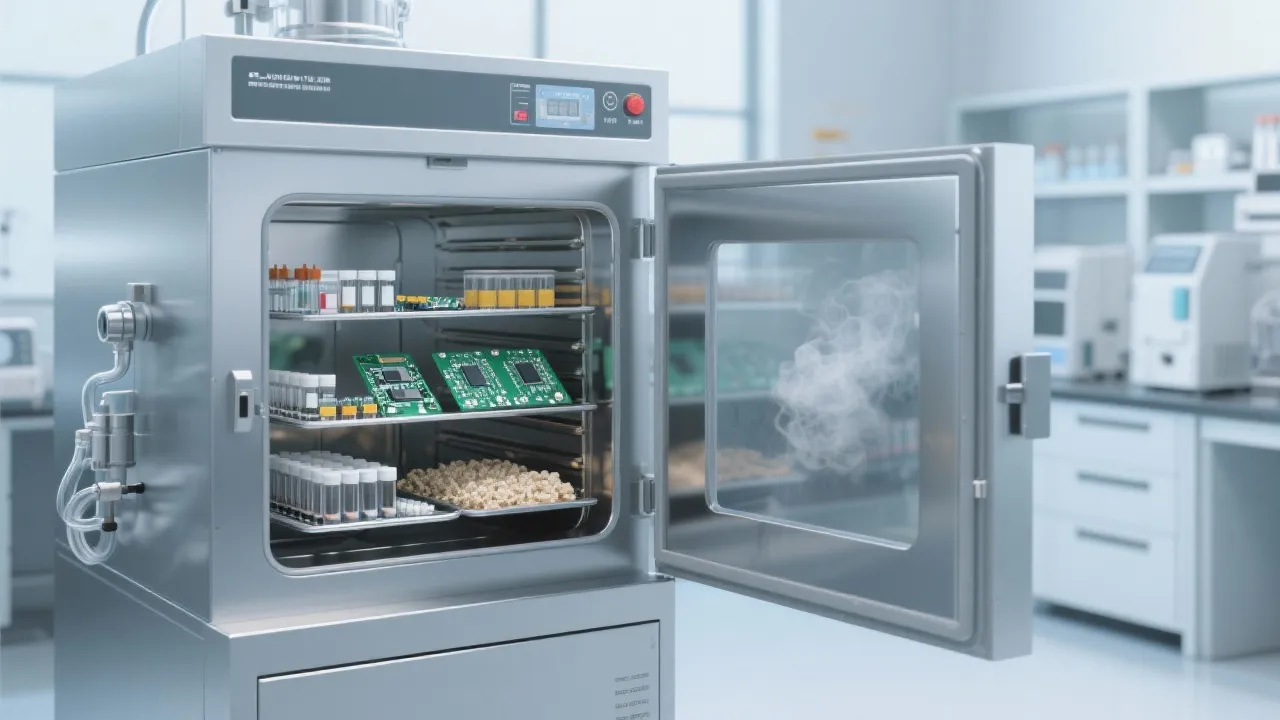
Vacuum drying ovens play a pivotal role in both industrial manufacturing and scientific research. Their ability to safely and efficiently remove moisture under controlled temperature and vacuum conditions makes them indispensable for applications ranging from pharmaceuticals to electronics. Selecting a vacuum drying oven that complies with international standards and matches precise operational needs is essential for companies aiming to ensure export compliance and consistent quality control.
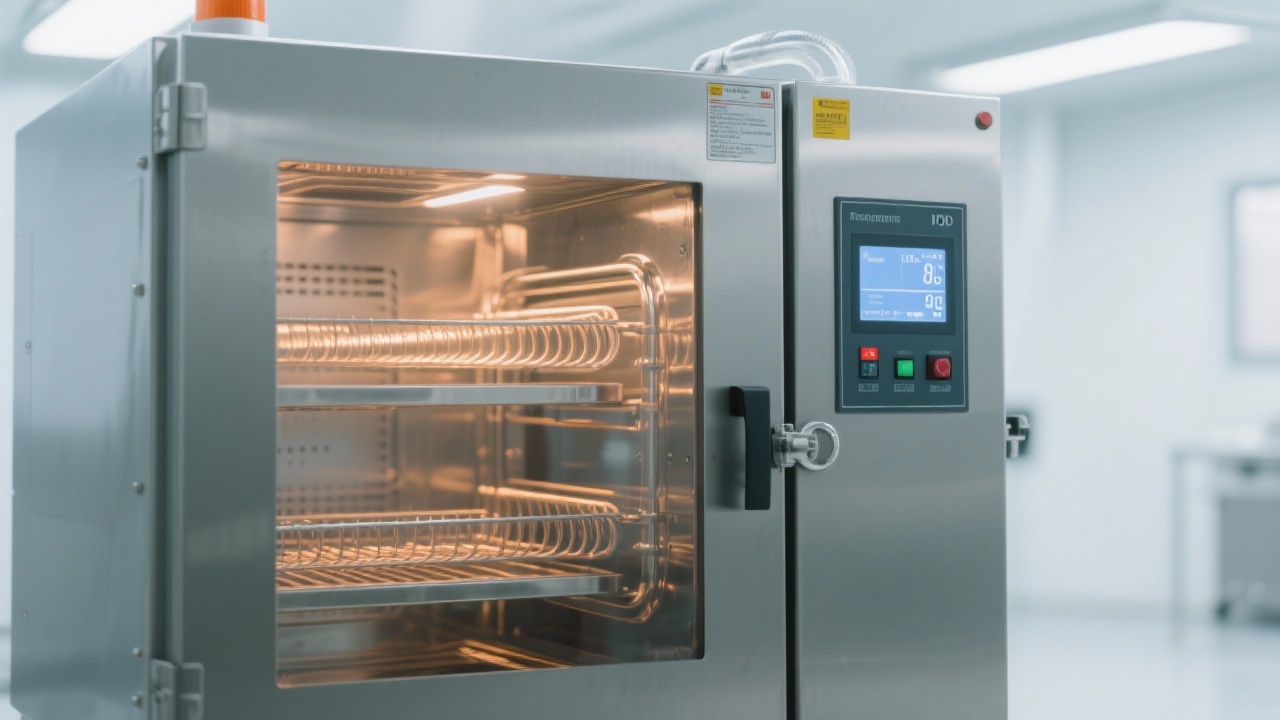
The choice of materials directly impacts the longevity and safety of vacuum drying ovens. A stainless steel inner chamber is recommended due to its superior corrosion resistance, chemical inertness, and ease of cleaning. This ensures that samples remain uncontaminated during drying and extends service life in corrosive environments. Complementing this, a cold-rolled steel exterior provides robust mechanical protection and structural stability, safeguarding the unit during transportation and on-site use.
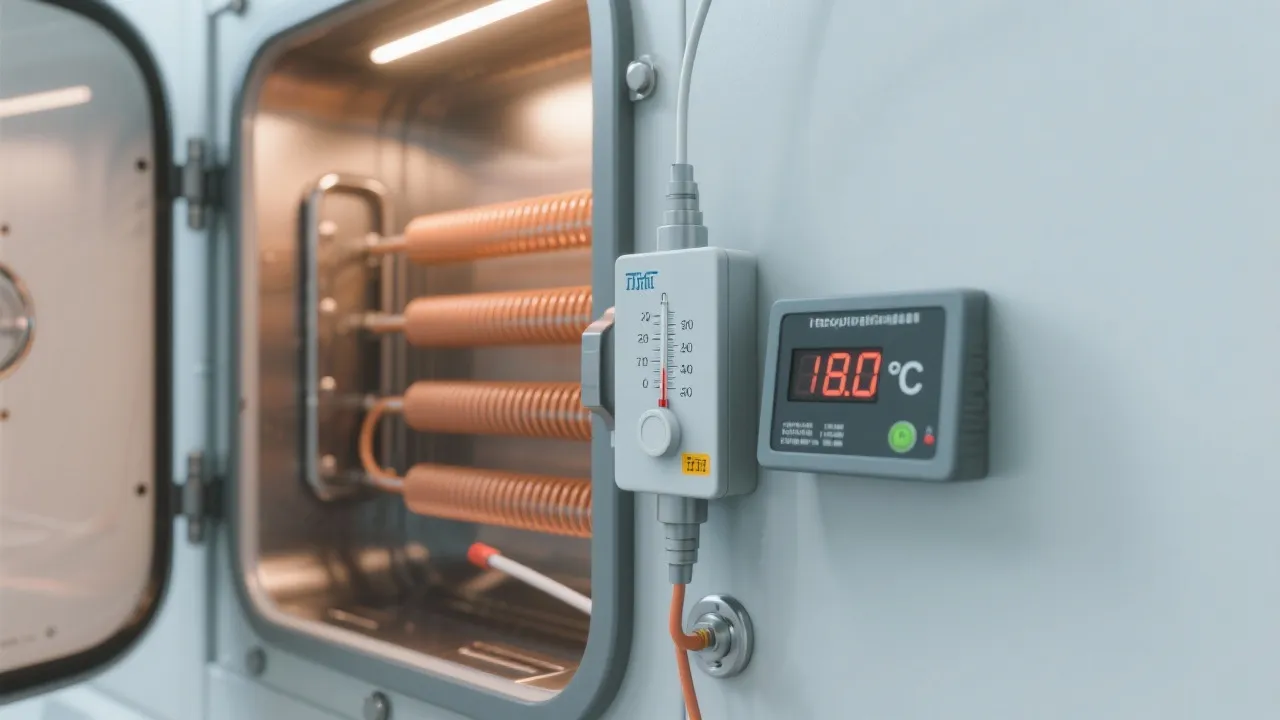
Modern vacuum drying ovens utilize dual-zone PID (Proportional-Integral-Derivative) controllers to achieve exceptional temperature precision, typically within 0.1°C of the setpoint. The temperature range usually spans from 10°C above room temperature up to 250°C, accommodating a broad spectrum of drying requirements. This meticulous temperature control minimizes thermal stress on materials and preserves delicate components during processes such as electronic solidification or material degassing.
“Since integrating the vacuum drying oven with PID control, our batch-to-batch temperature variance decreased by over 15%, resulting in improved product consistency.” – Industry-leading electronics manufacturer
Reliable operation under vacuum and heat requires critical safety measures. Features such as power failure memory ensure the oven resumes operation at the last programmed state after unexpected outages, avoiding process disruptions. Over-temperature alarms alert operators to potential risks, while automatic door-locking mechanisms safeguard vacuum integrity by preventing accidental opening during operation.
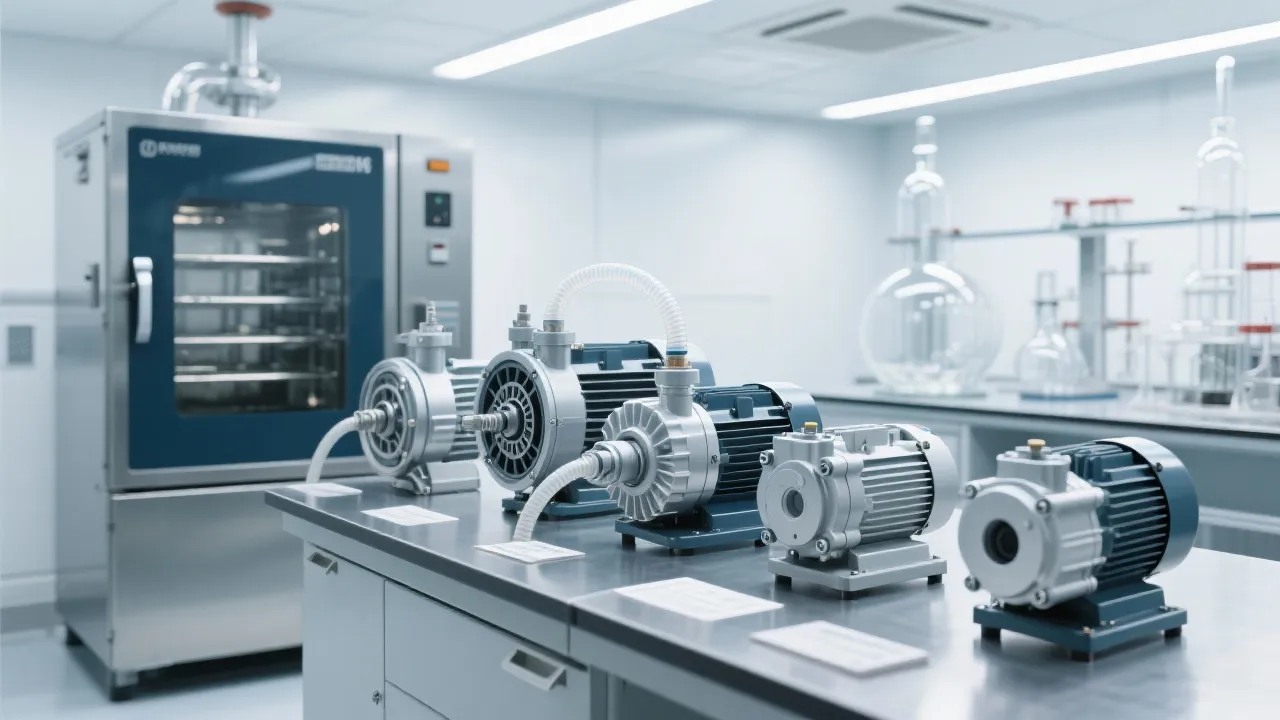
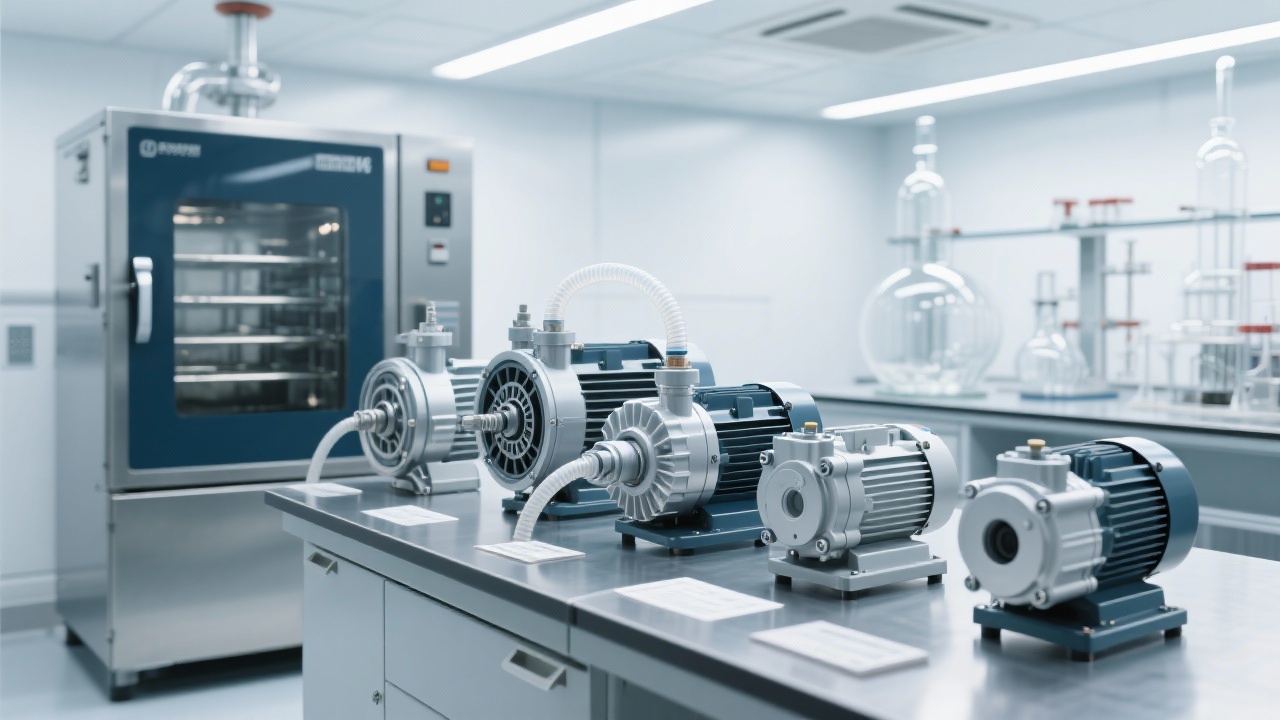
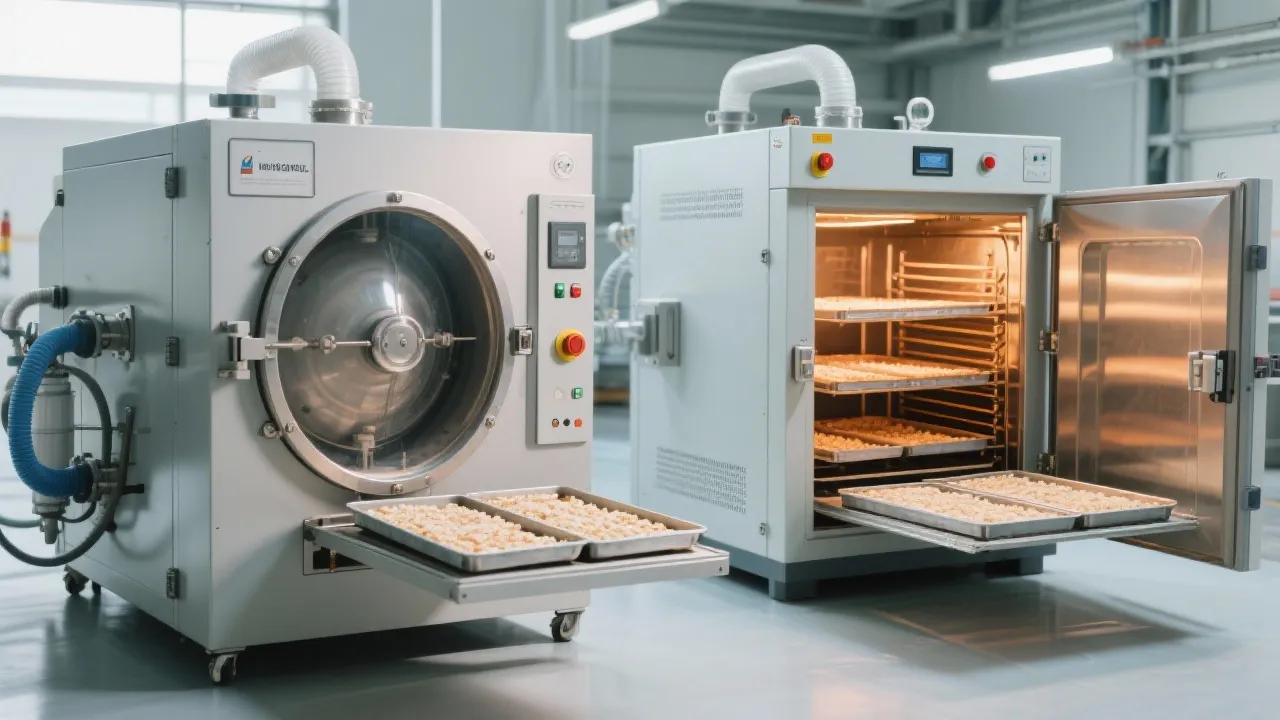
Compatibility with various vacuum pumps—rotary vane, diaphragm, or oil-free pumps—is a key indicator of an oven’s adaptability. This versatility allows seamless integration into workflows requiring different vacuum levels or cleanliness standards. It broadens the scope of applications, from material degassing to sensitive electronic curing, enhancing return on investment.
CE marking acts as a passport for vacuum drying ovens to enter the European Economic Area (EEA). It signifies compliance with stringent safety, health, and environmental requirements established by EU directives. Beyond Europe, CE certification increasingly serves as an international benchmark, facilitating smoother customs processes and building customer trust in export markets worldwide.
Many end-users require vacuum ovens customized for unique processes. Options include expanded functionality such as programmable drying cycles, adjustable chamber sizes, or integration with advanced sensors for real-time monitoring. For example, in the electronics industry, precise program settings help optimize curing cycles, while material scientists benefit from adjustable chamber volumes for experimental flexibility.
| Feature | Standard Model | Customized Model |
|---|---|---|
| Temperature Range | Room Temp +10°C to 250°C | Up to 300°C, programmable ramps |
| Chamber Size | Standard 20L / 40L | Custom volume per client specifications |
| Control Interface | Basic PID display | Touchscreen, remote monitoring |
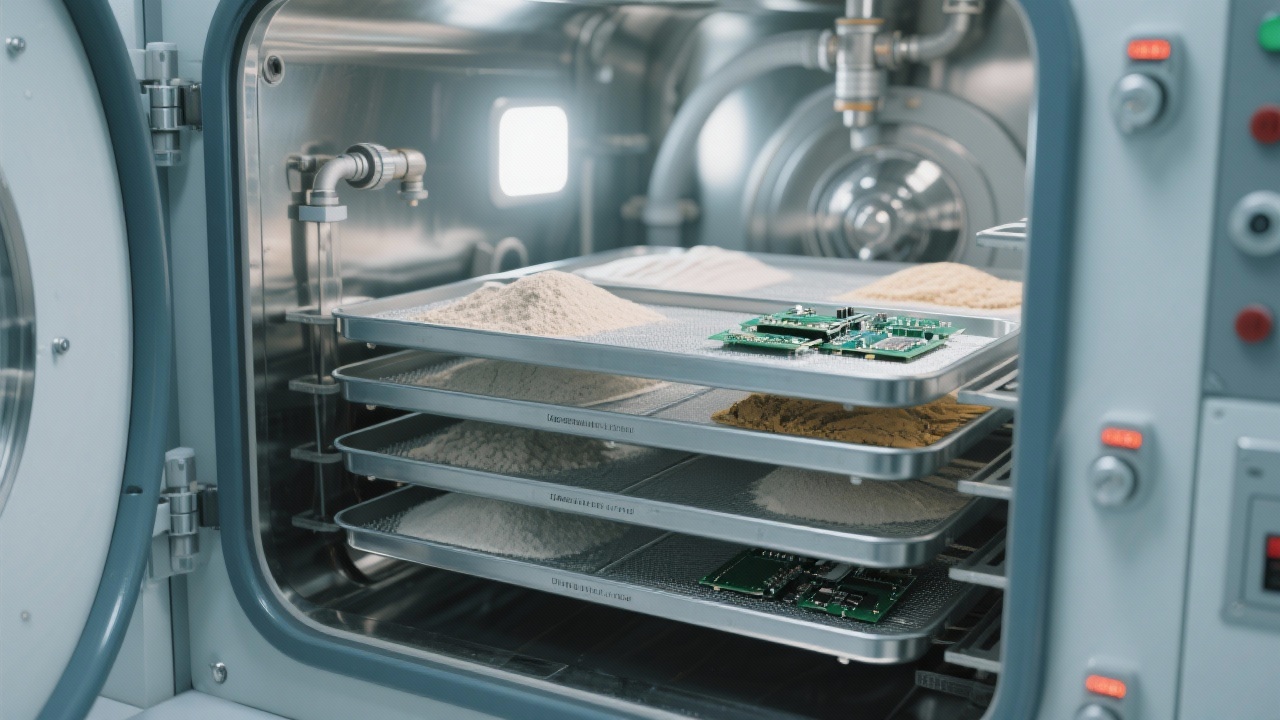
Evaluating vacuum drying ovens requires a structured approach:





 <#else>