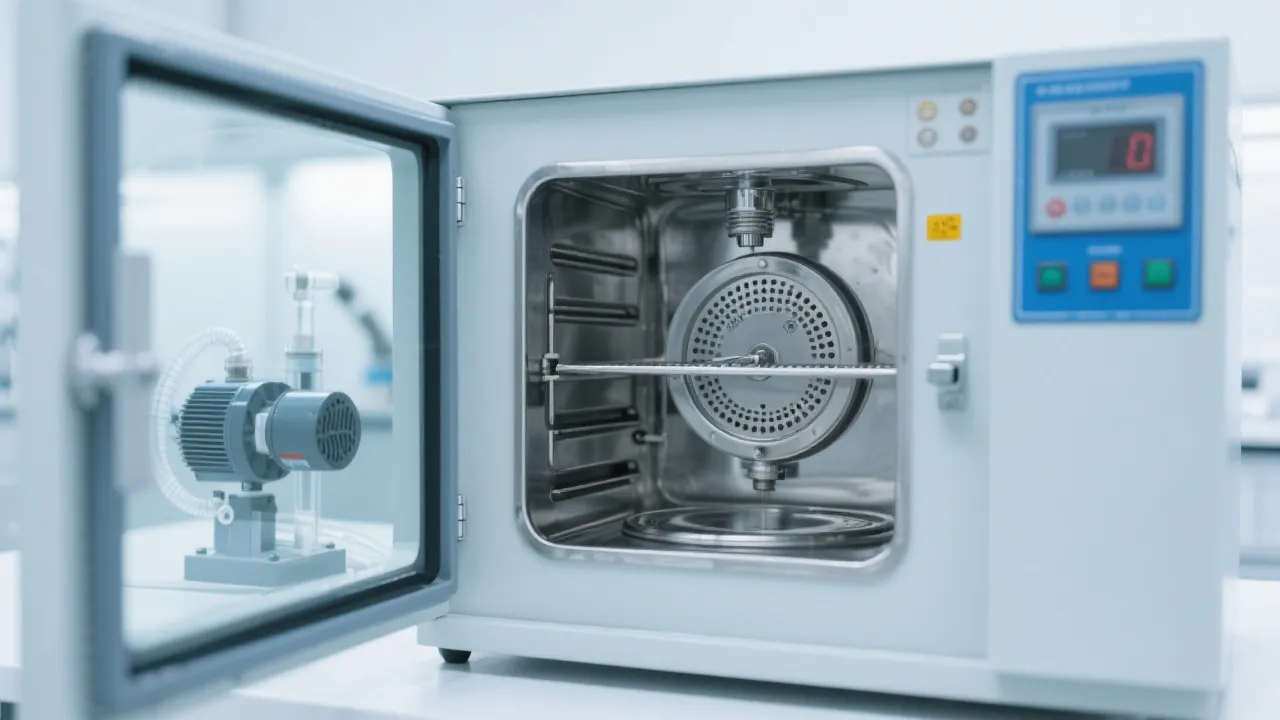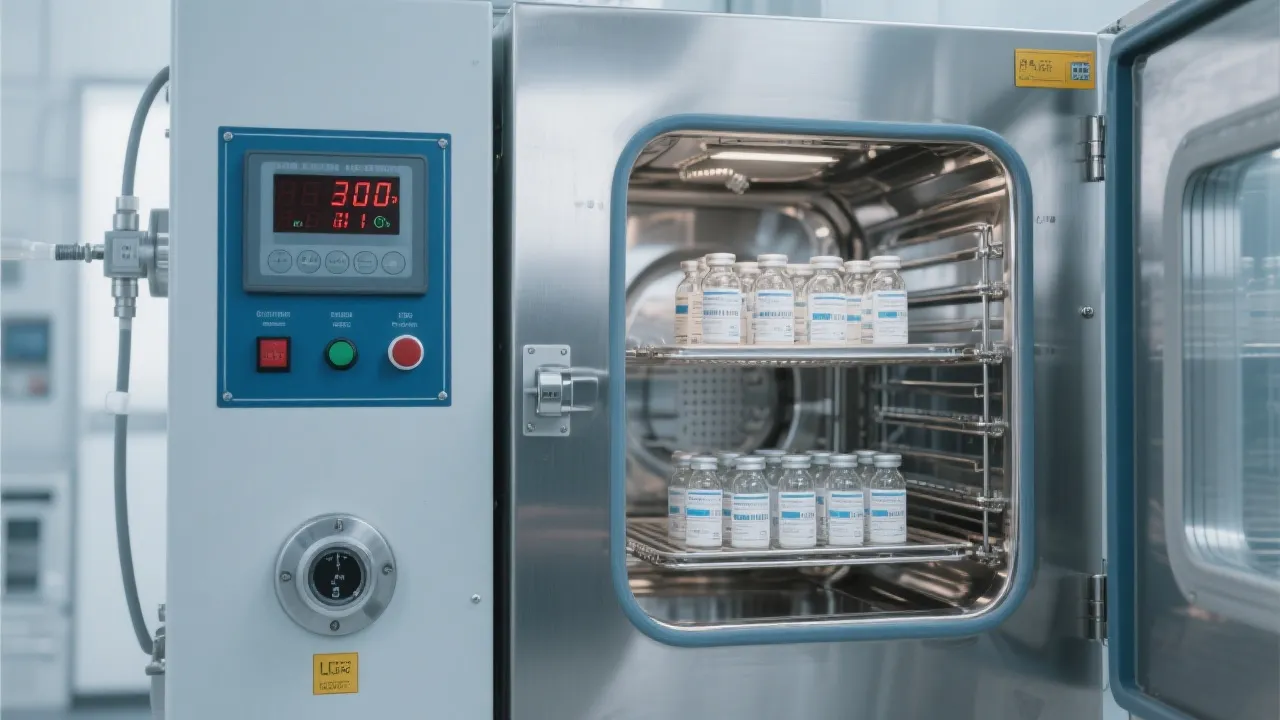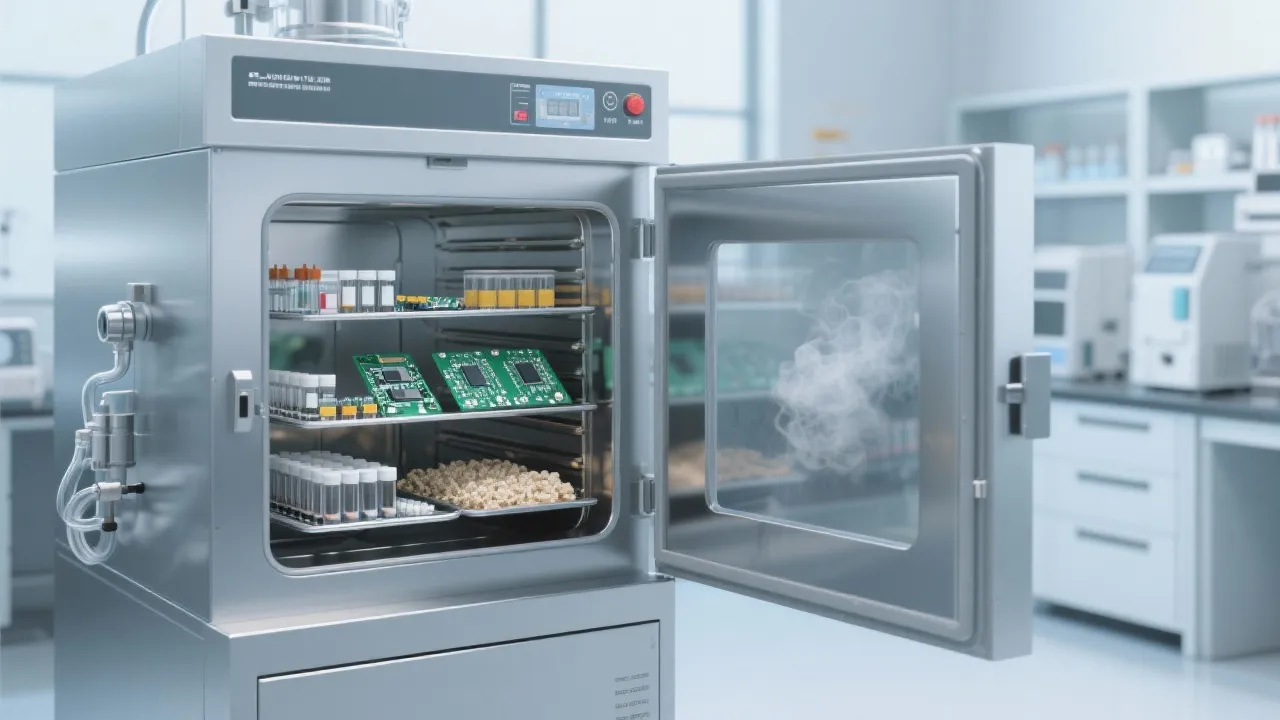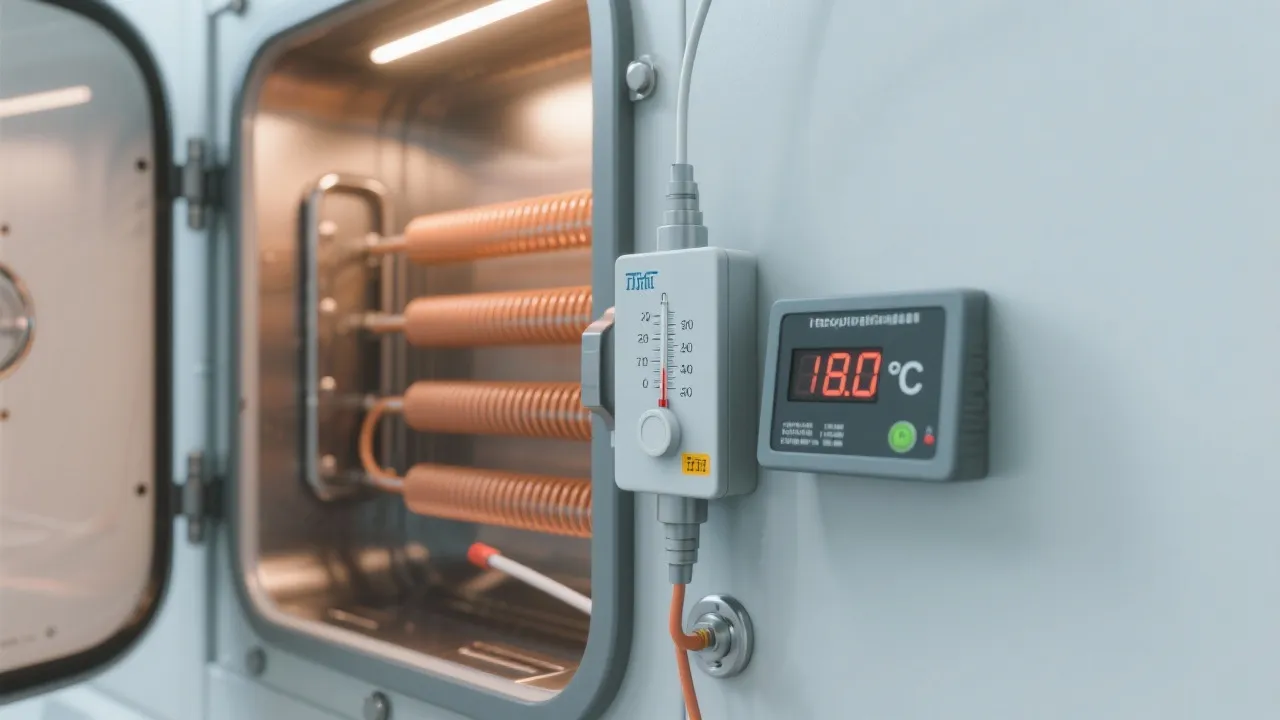
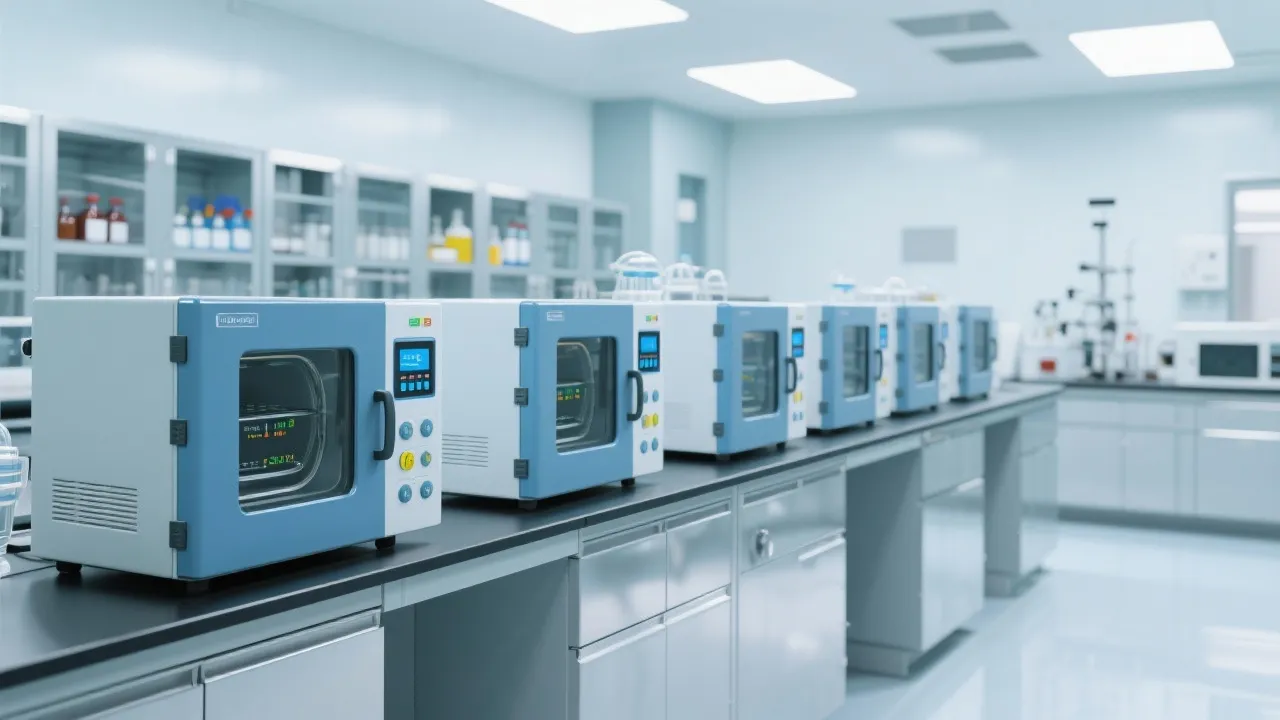
Vacuum drying stands as a cornerstone drying technology in experimental laboratories across material science, pharmaceuticals, and electronics industries. By reducing the ambient pressure, vacuum drying lowers the boiling point of solvents and moisture within samples, enabling moisture evaporation at significantly reduced temperatures. This process circumvents thermal degradation risks while improving drying speed and solvent recovery.
Key Advantages of Vacuum Drying:
• Enables drying of heat-sensitive materials without structural damage.
• Reduces drying time compared to atmospheric drying.
• Minimizes oxidation and contamination risks.
• Allows precise control of temperature and vacuum level for tailored profiles.
Different materials exhibit distinctive drying kinetics and mechanisms under vacuum conditions due to their intrinsic physical and chemical properties. Understanding these variances is critical for optimizing drying parameters:
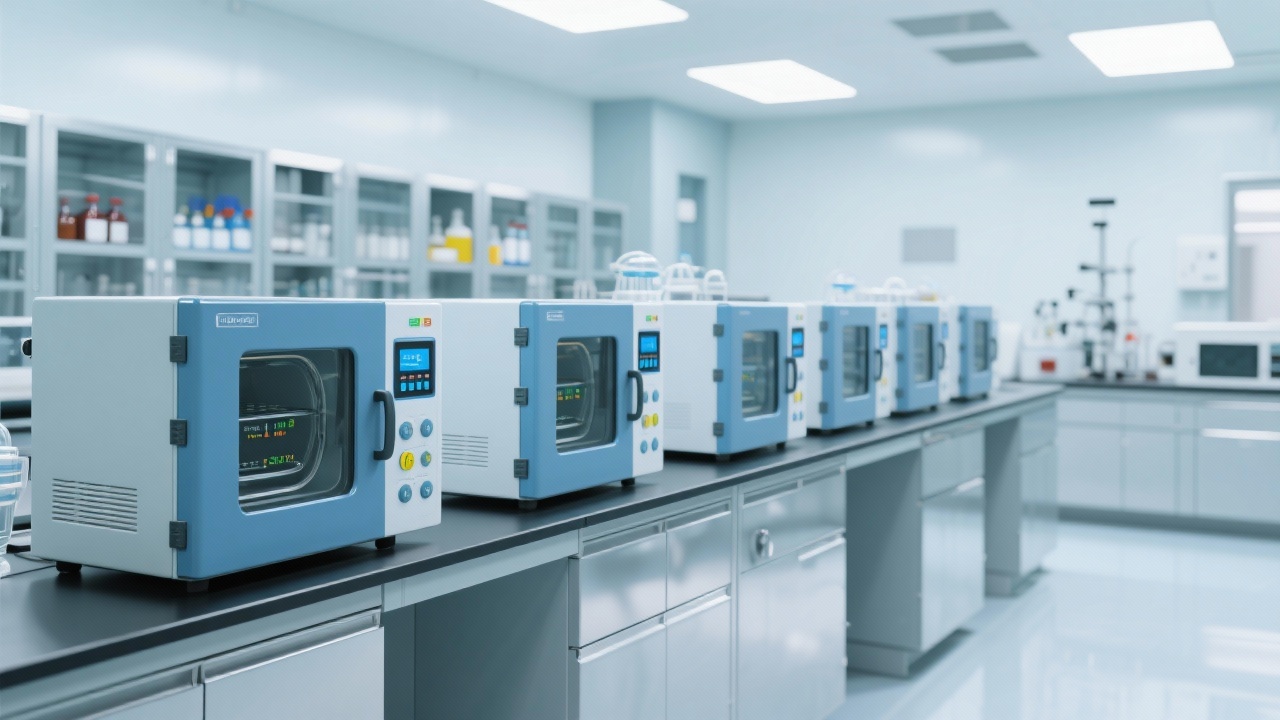
Industrial applications demand customized drying profiles for efficiency and product quality:
| Industry | Typical Vacuum Range (Pa) | Temperature Range (°C) | Key Considerations |
|---|---|---|---|
| Pharmaceuticals | 100–500 | 30–60 | Maintain active ingredient stability, avoid heat-induced degradation |
| Material Science | 50–200 | 40–80 | Ensure phase preservation, control crystallization |
| Electronics | 10–100 | 20–50 | Prevent oxidation, minimize thermal shock |
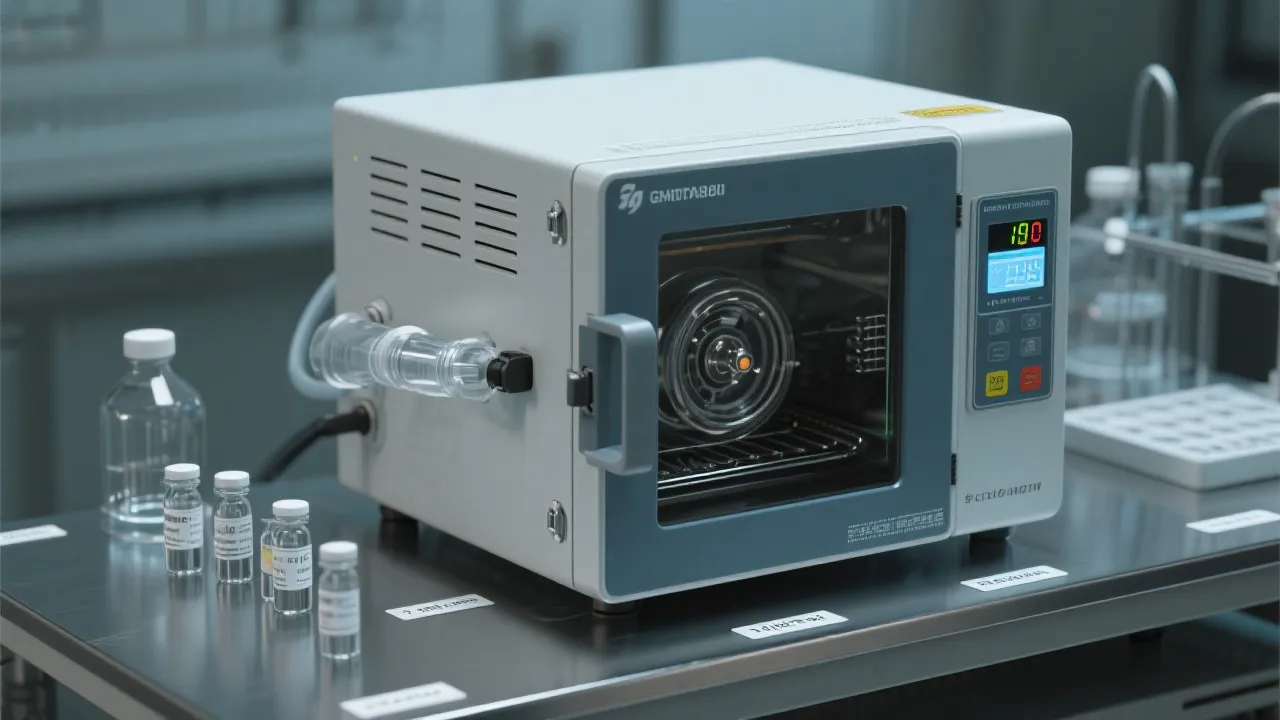
The Zhengzhou Keda DZF-6010 offers laboratory scientists a compact, reliable solution engineered for optimized vacuum drying research. Noteworthy features include:
Leveraging these capabilities, researchers can customize drying cycles to accommodate diverse sample requirements, thereby enhancing reproducibility and throughput.
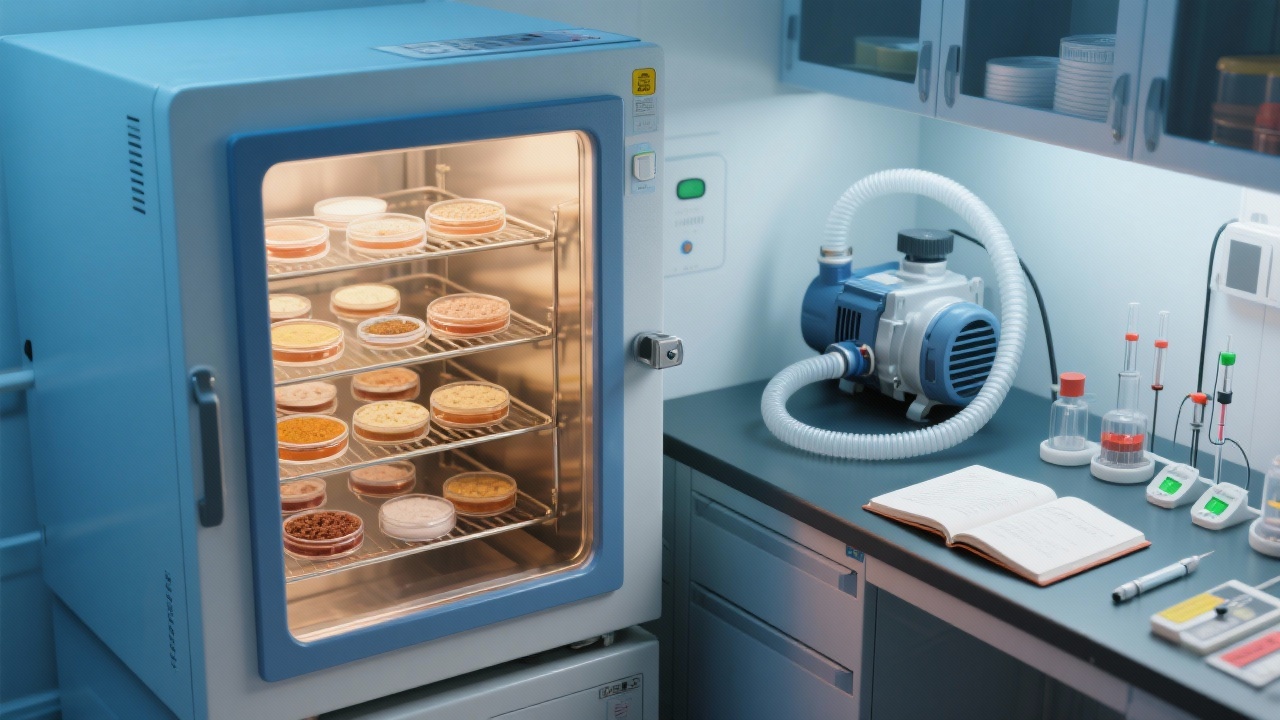
Leading scientists underscore the importance of integrating vacuum drying parameters systematically into experimental design. For example, a pharmaceutical research lab reported a 30% reduction in drying time and improved compound purity by fine-tuning vacuum to 150 Pa at 45°C using the DZF-6010 oven. Similarly, a materials lab studying novel composites achieved superior moisture removal without damaging delicate structures through staged temperature ramps.
“Vacuum drying is no longer a one-size-fits-all approach. Tailoring your protocol to your material's unique properties is paramount to unlocking optimum experimental outcomes,” comments Dr. Jane Huang, Senior Materials Scientist.