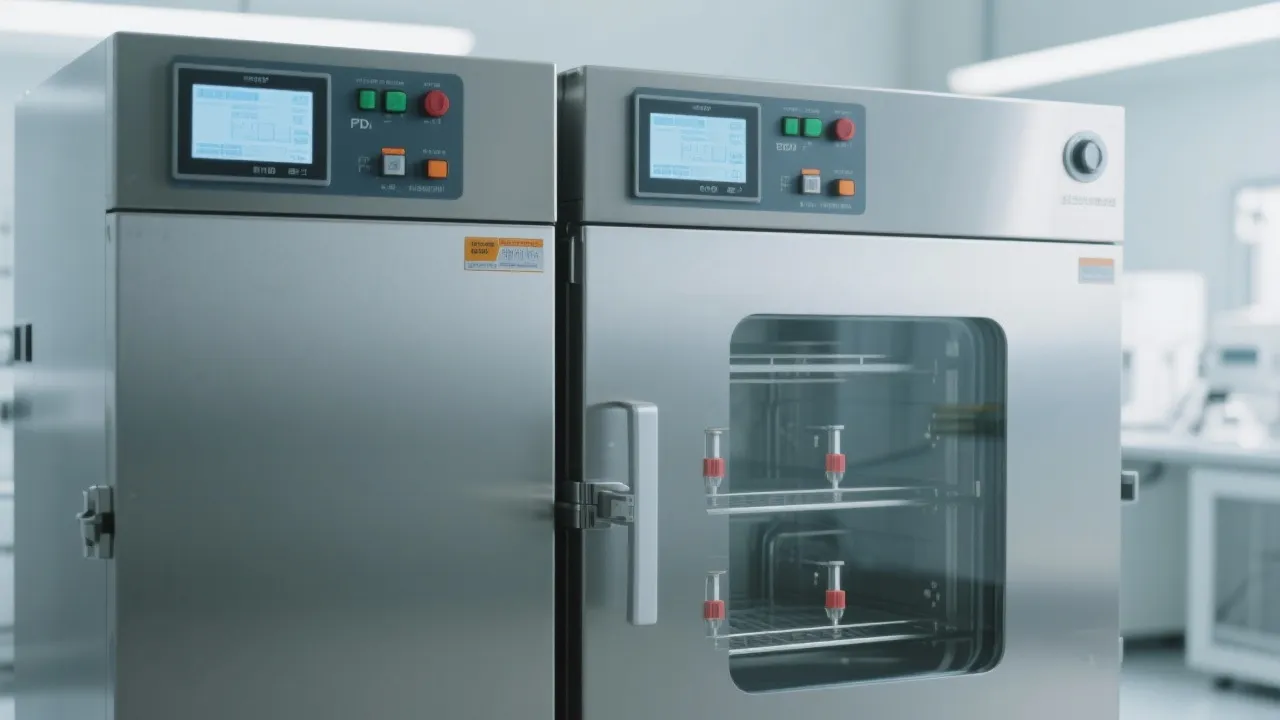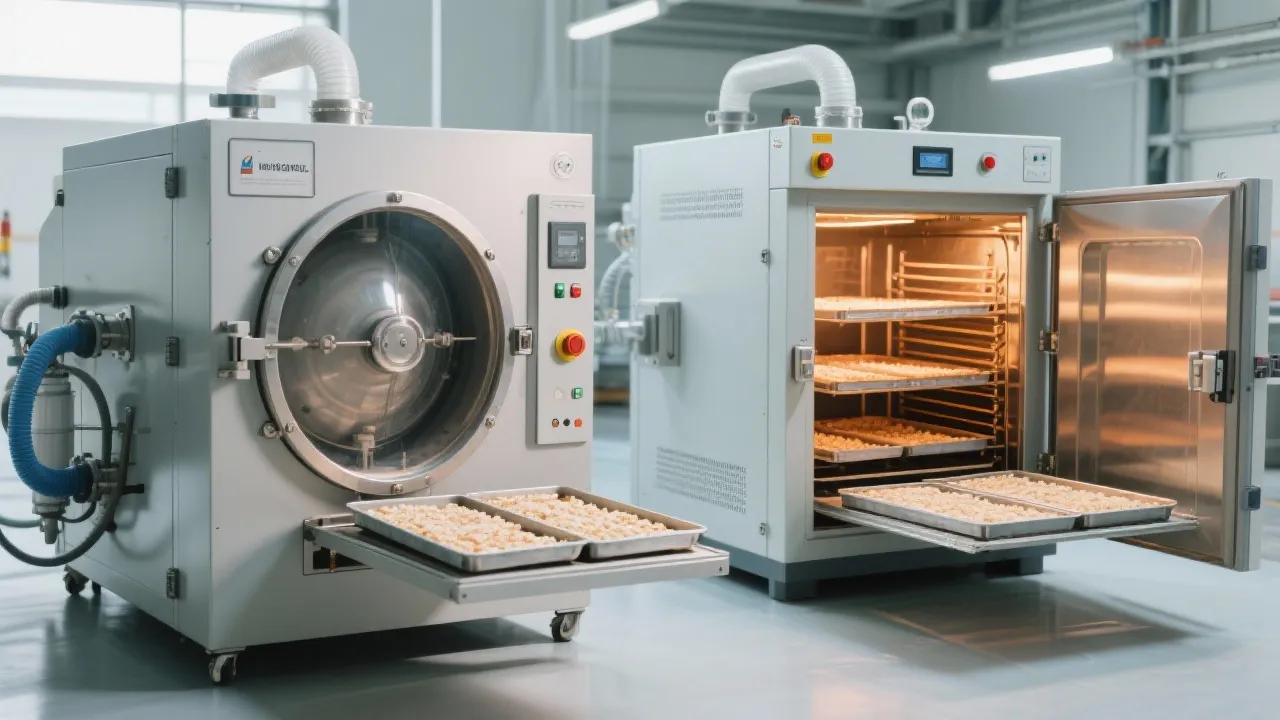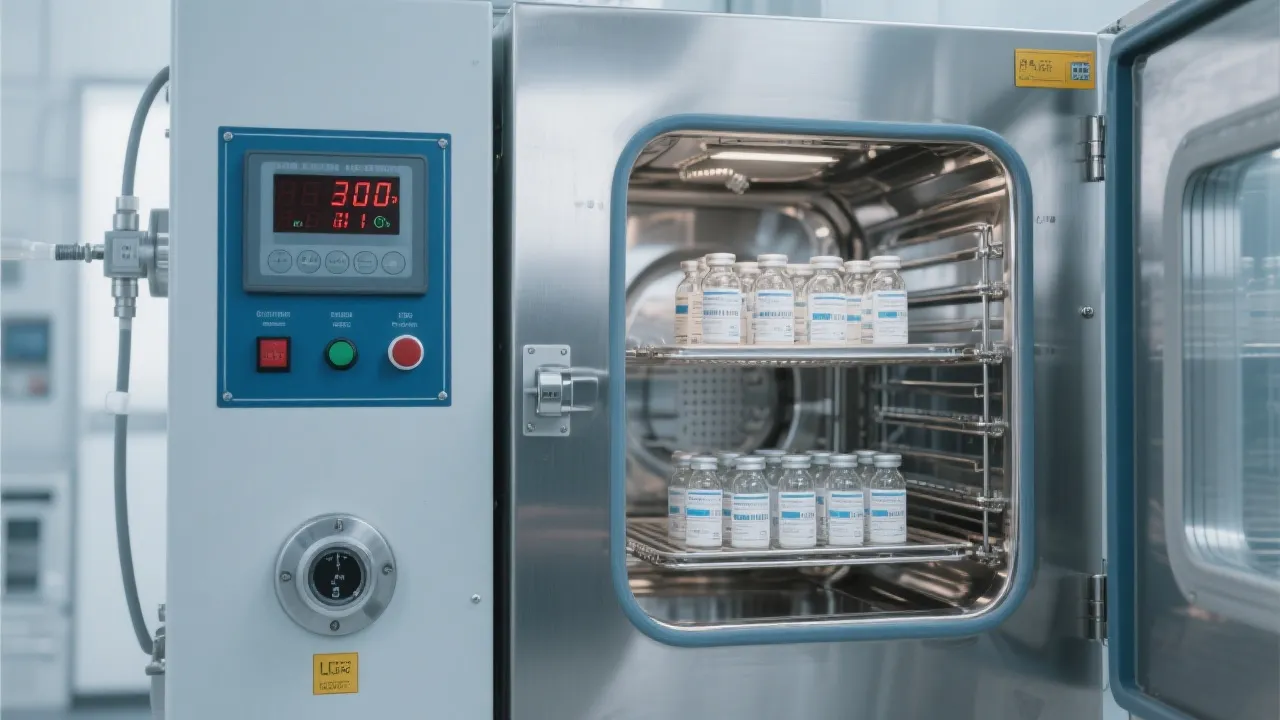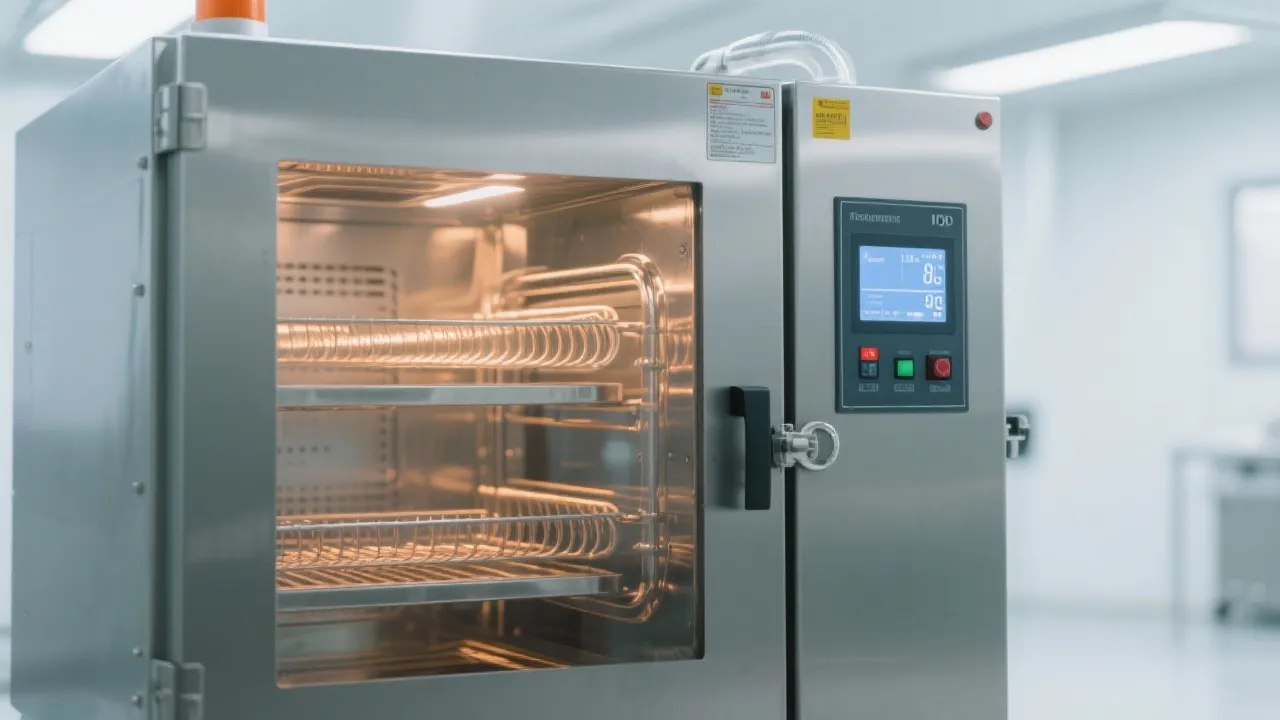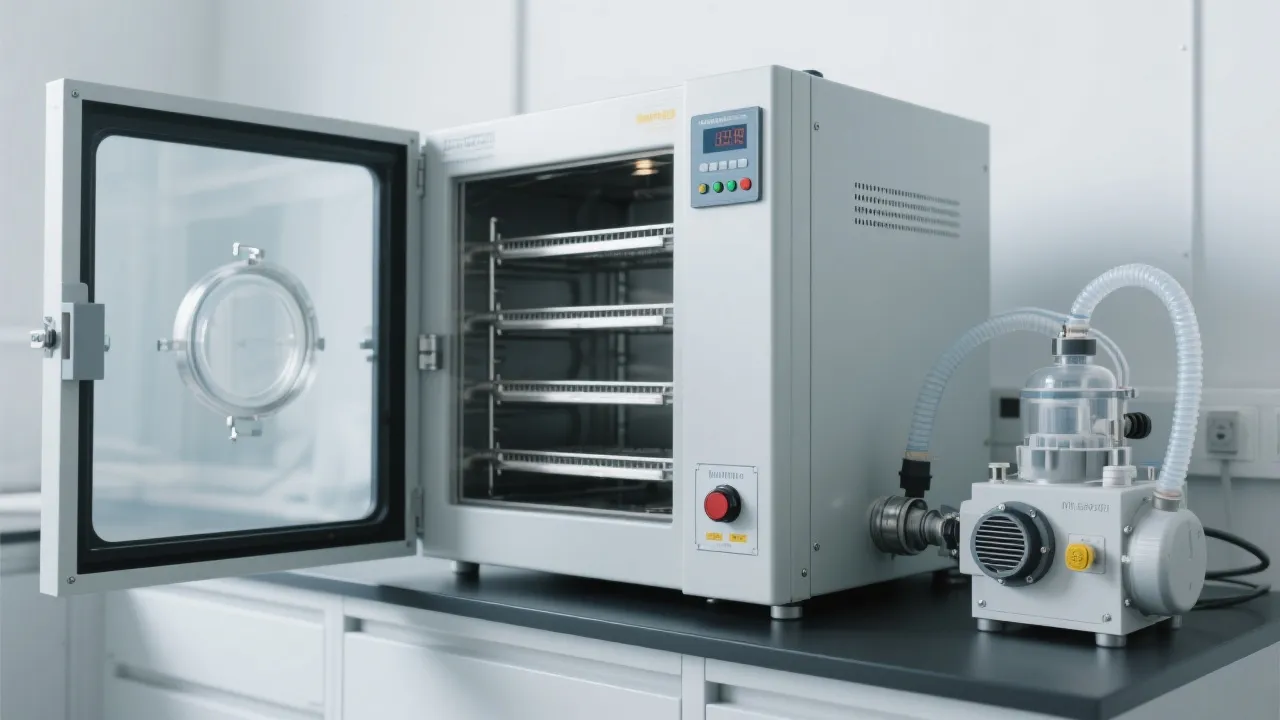
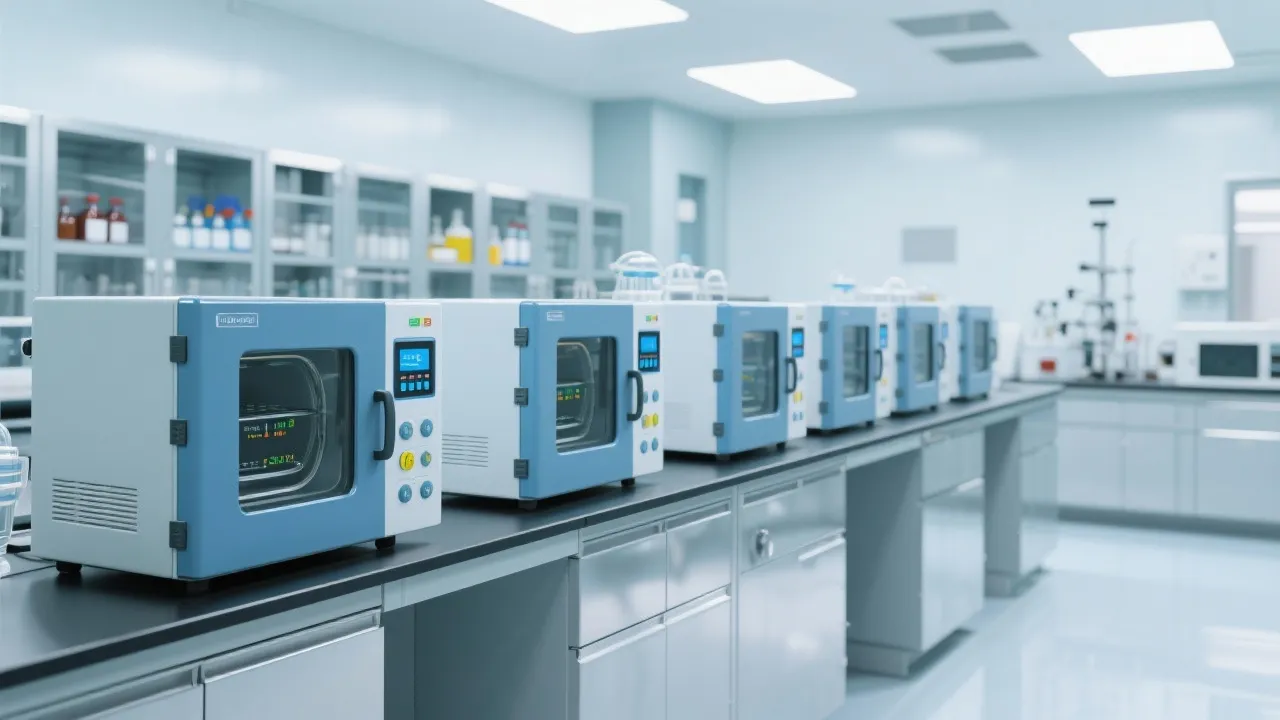
Laboratory vacuum drying technology is a crucial process in various scientific and industrial fields. This article delves into the fundamental principles and practical applications of this technology, aiming to solve common problems faced by users in equipment selection and operation.
In a vacuum environment, the boiling point of water and other solvents in materials decreases significantly. For example, under normal atmospheric pressure, water boils at 100°C, but in a vacuum of 100 Pa, the boiling point can drop to around 15°C. This allows materials to be dried at lower temperatures, which is beneficial for heat - sensitive materials. The vacuum environment also reduces the oxygen content, preventing oxidation and degradation of materials during the drying process.
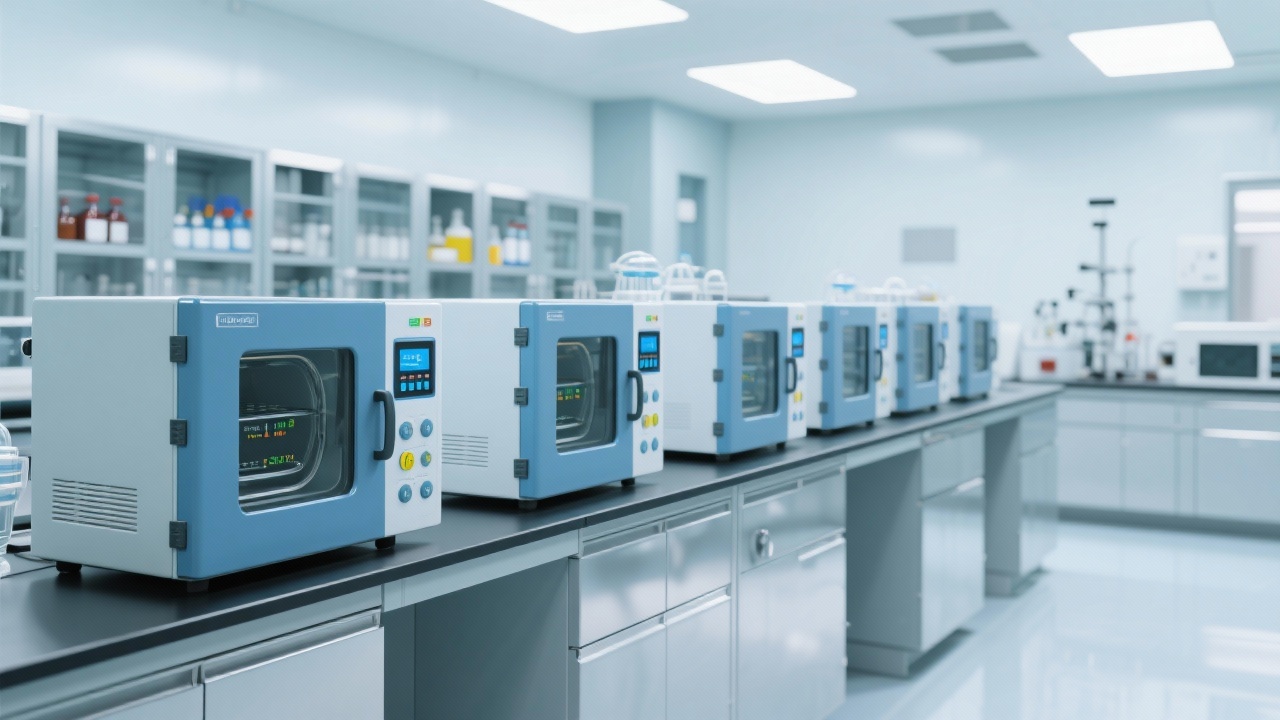
Vacuum ovens are widely used in material science, pharmaceutical, and electronics industries. In material science, they are used to dry ceramic powders and composites. In the pharmaceutical industry, they play a key role in drying drugs to ensure their stability and efficacy. In the electronics industry, vacuum drying is essential for components such as printed circuit boards (PCBs) to prevent moisture - related failures.
Different sample types have different requirements for vacuum degree and temperature control. For heat - sensitive samples like biological tissues, a lower temperature (around 30 - 40°C) and a higher vacuum degree (less than 100 Pa) are often needed. For samples with high moisture content, such as wet wood chips, a moderately high temperature (around 60 - 80°C) and a medium vacuum degree (around 500 - 1000 Pa) may be more appropriate.
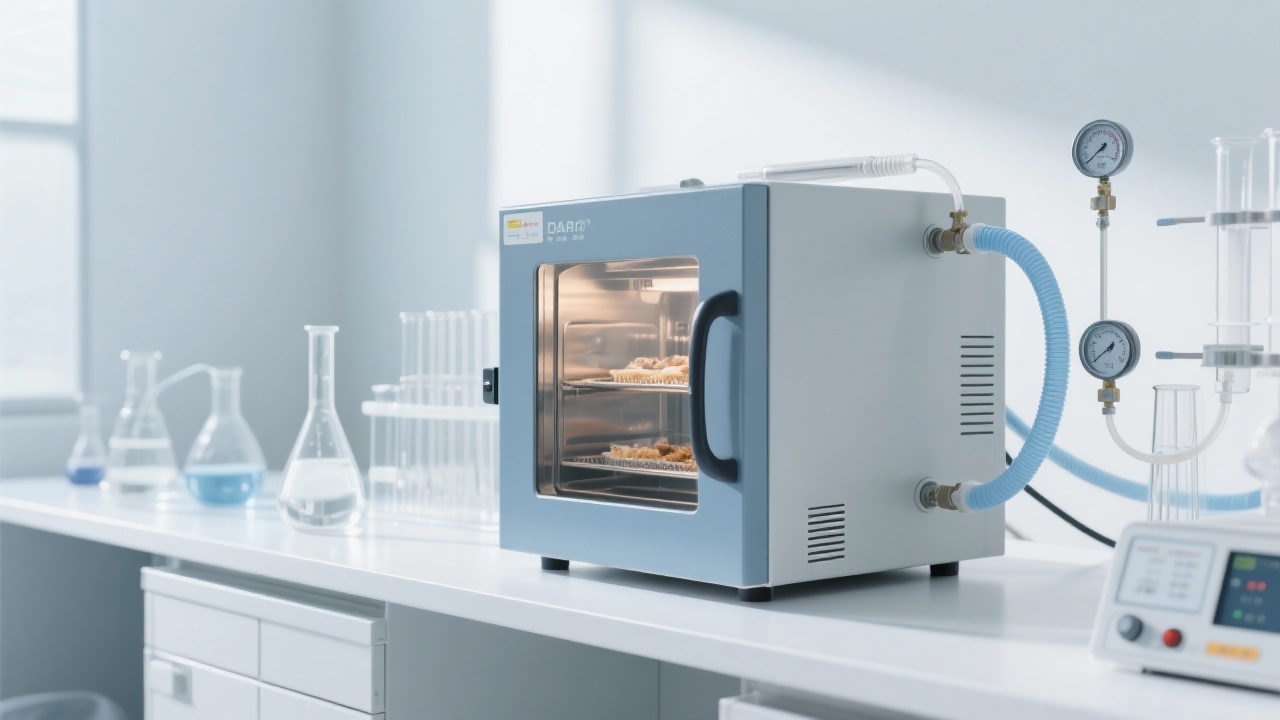
The DZF - 6010 vacuum oven from Zhengzhou Keda Mechanical Instrument Equipment Co., Ltd. is equipped with an advanced PID temperature control system. This system can accurately control the temperature within ±0.5°C, ensuring stable and reliable drying results. The high - performance vacuum pump can quickly reach a vacuum degree of less than 10 Pa, greatly improving the drying efficiency.
A research institution in the field of materials used the DZF - 6010 vacuum oven to dry a new type of polymer material. By setting the temperature at 50°C and the vacuum degree at 50 Pa, they achieved a drying time reduction of 30% compared to traditional drying methods. Moreover, the quality of the dried material was significantly improved, with fewer defects and better mechanical properties.
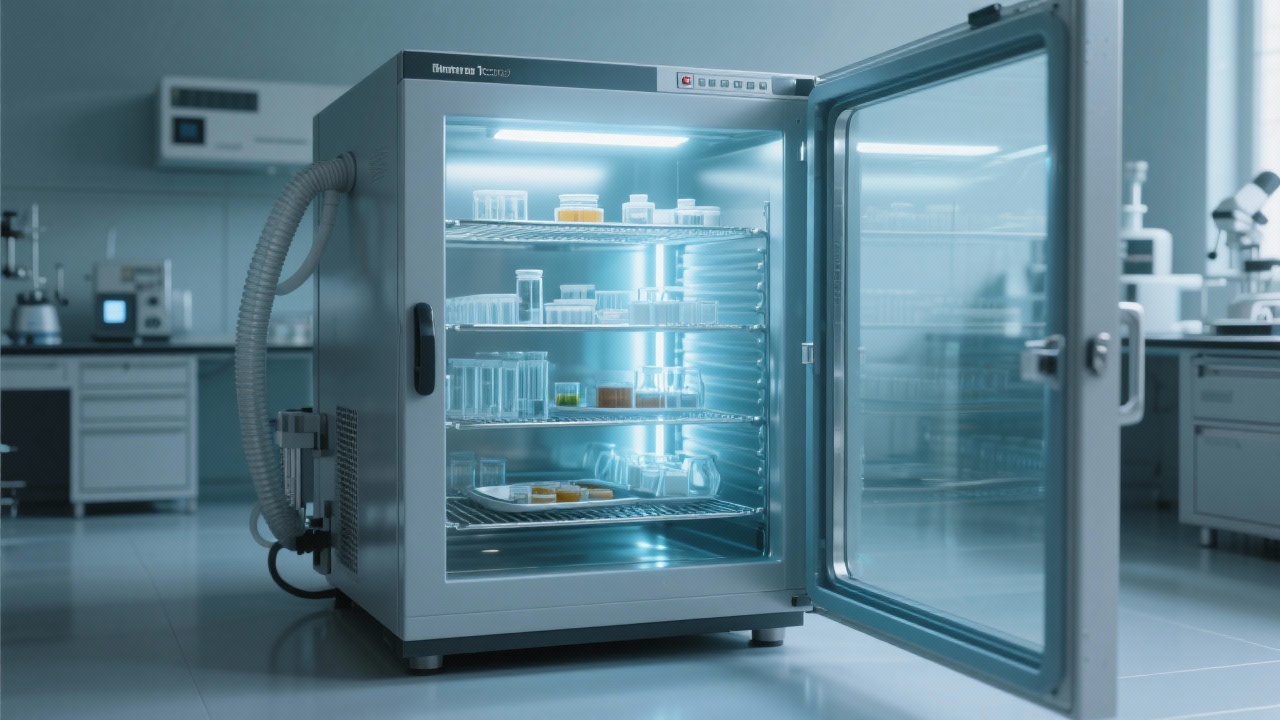
If you are looking for a reliable vacuum drying solution, the Zhengzhou Keda DZF - 6010 Vacuum Oven is your ideal choice. It combines advanced technology and user - friendly design to meet your laboratory drying needs. Click here to learn more about the DZF - 6010 Vacuum Oven and contact us for a consultation!