How to Choose the Right Vacuum Drying Equipment Based on Material Characteristics
29 01,2026
Zhengzhou Keda Mechanical Instrument Equipment Co., Ltd.
Tutorial Guide
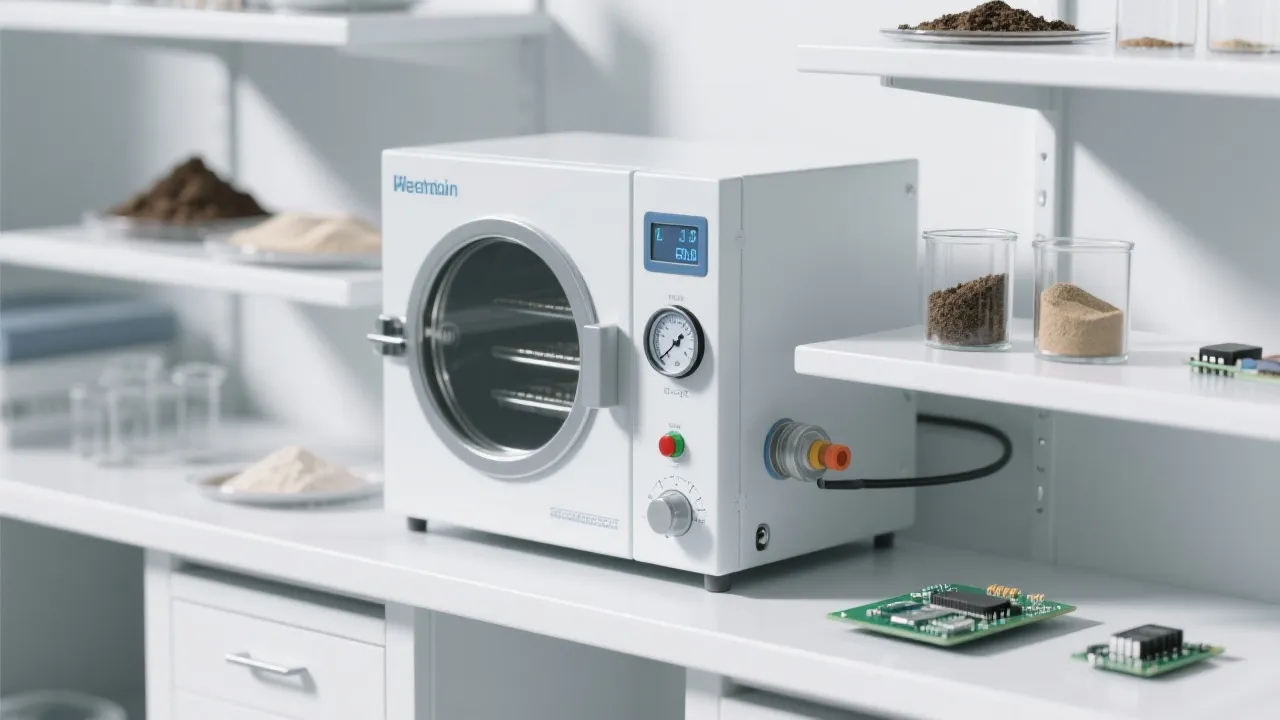
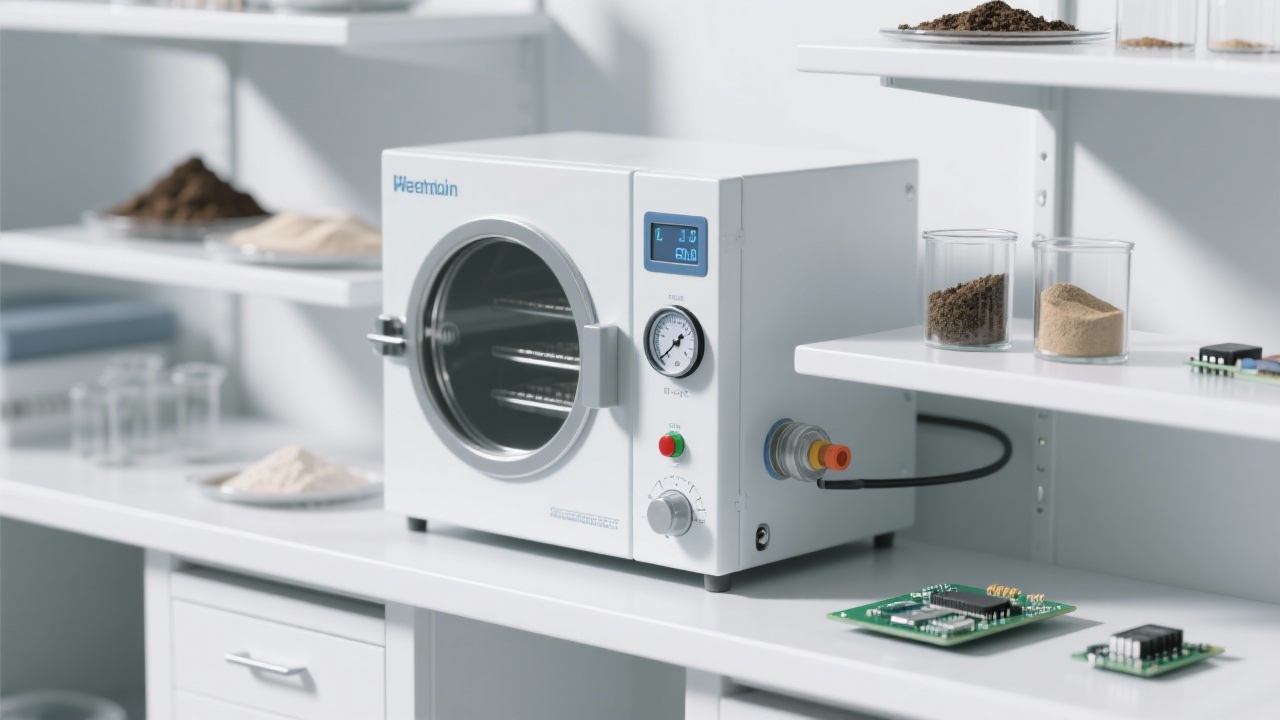
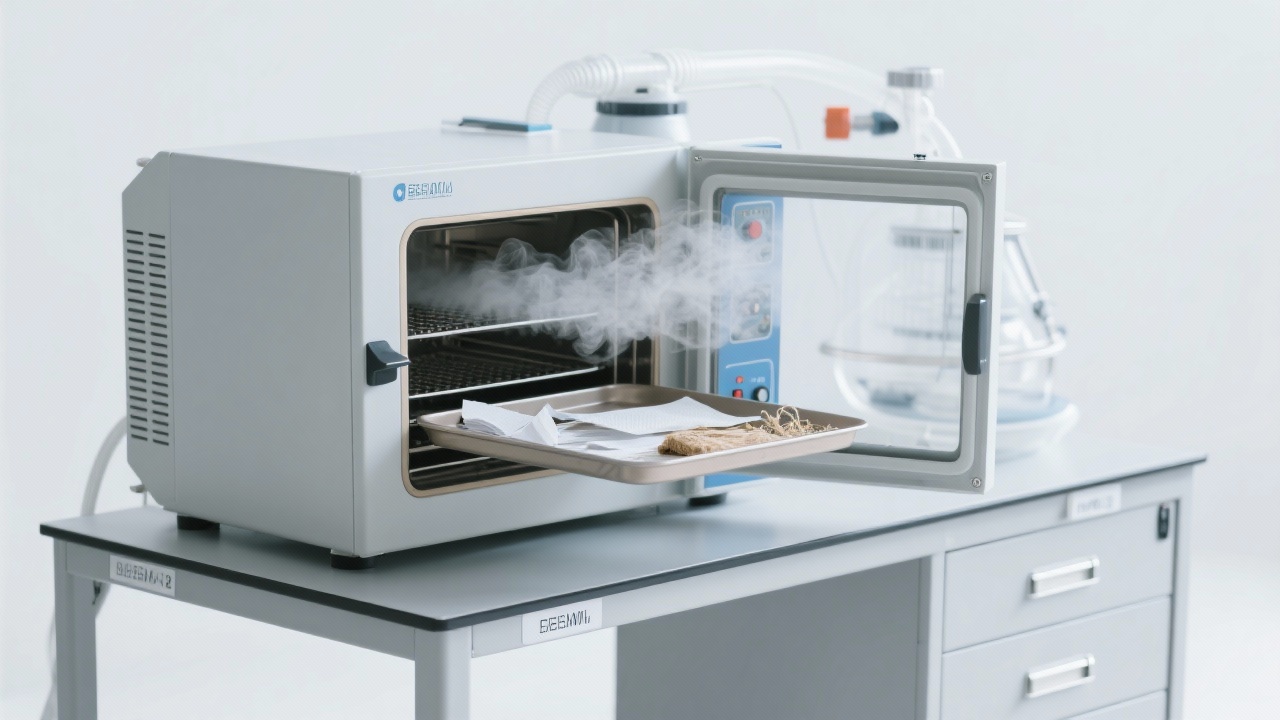
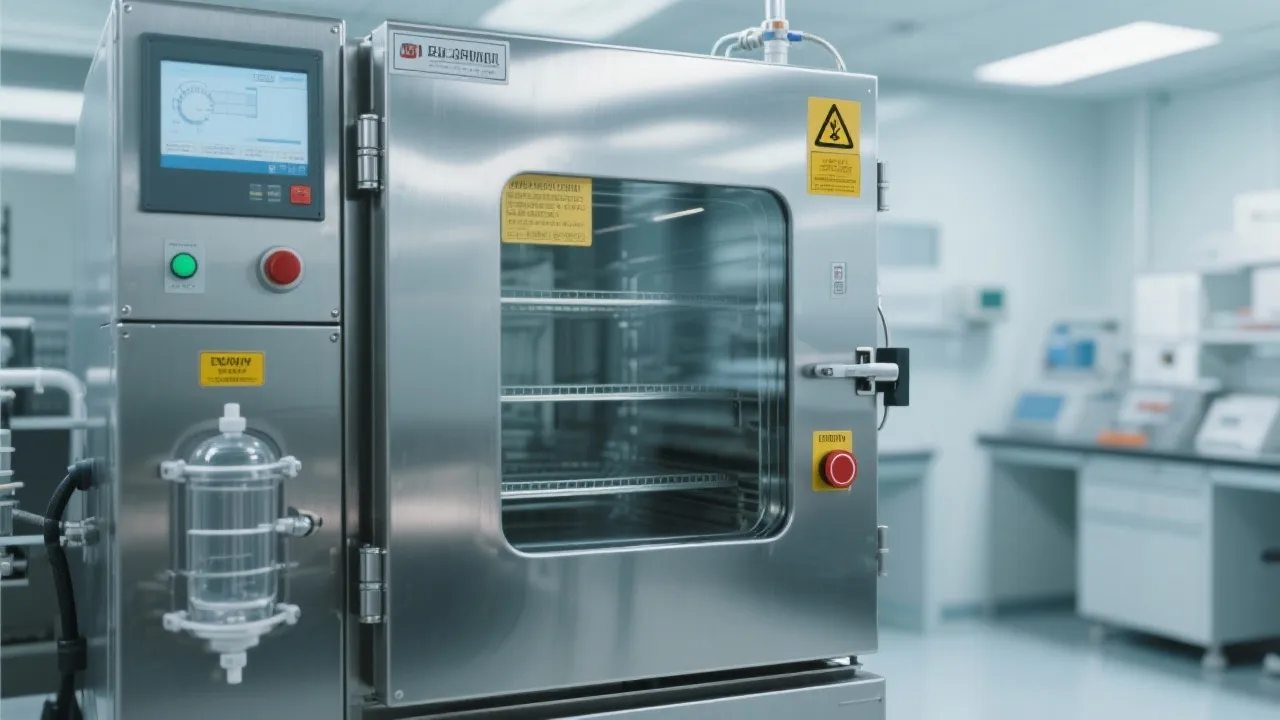
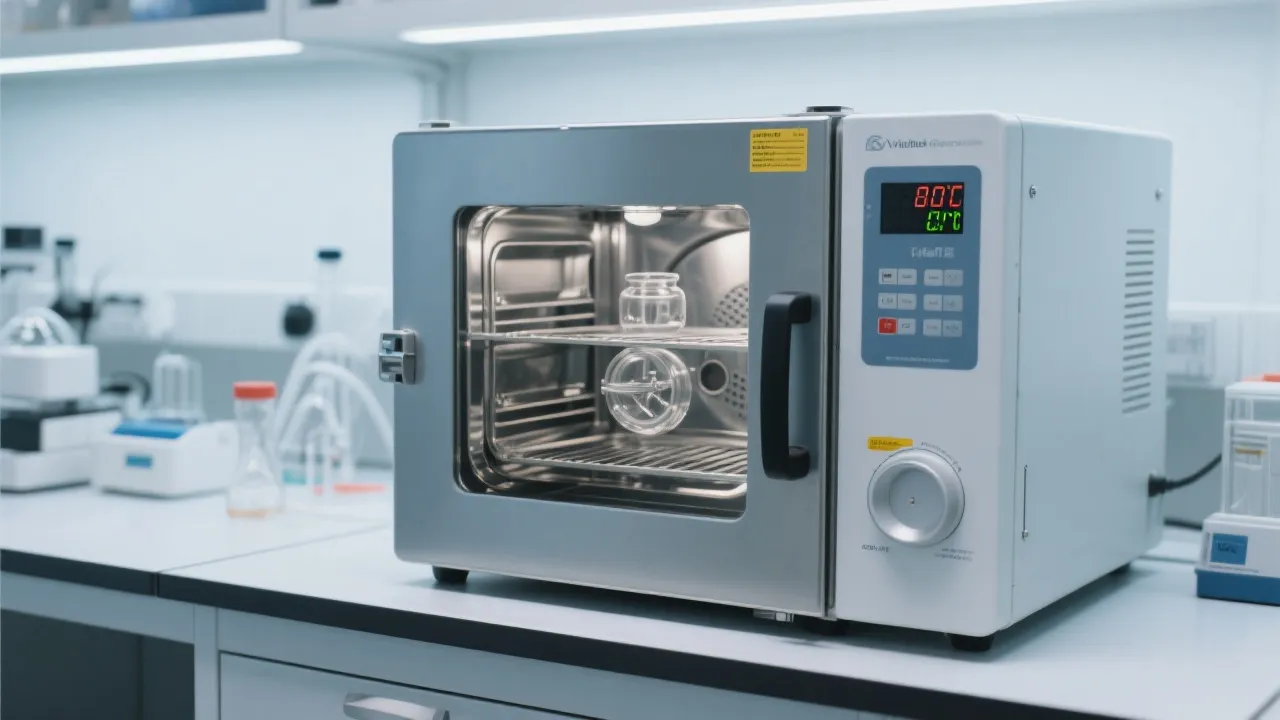
Selecting the right vacuum drying equipment can be challenging due to the wide variety of options available. This guide explains how material properties—such as thermal sensitivity, oxidation risk, and moisture content—affect drying process selection. It covers key parameters like temperature control range, vacuum level, and heating methods, while highlighting real-world applications and performance benchmarks from Zhengzhou Keda’s DZ-4BCII industrial digital vacuum dryer (214.5L capacity, <133Pa ultra-high vacuum, dual PID temperature control). Learn how to avoid common pitfalls and make data-driven decisions for optimal efficiency and product quality.
How to Choose the Right Vacuum Drying Equipment for Your Material
When you're selecting a vacuum drying system—whether for lab research or industrial production—it's easy to get overwhelmed by options. But here’s what most buyers miss: the material itself dictates the process. Not all dryers are created equal.
Know Your Material First
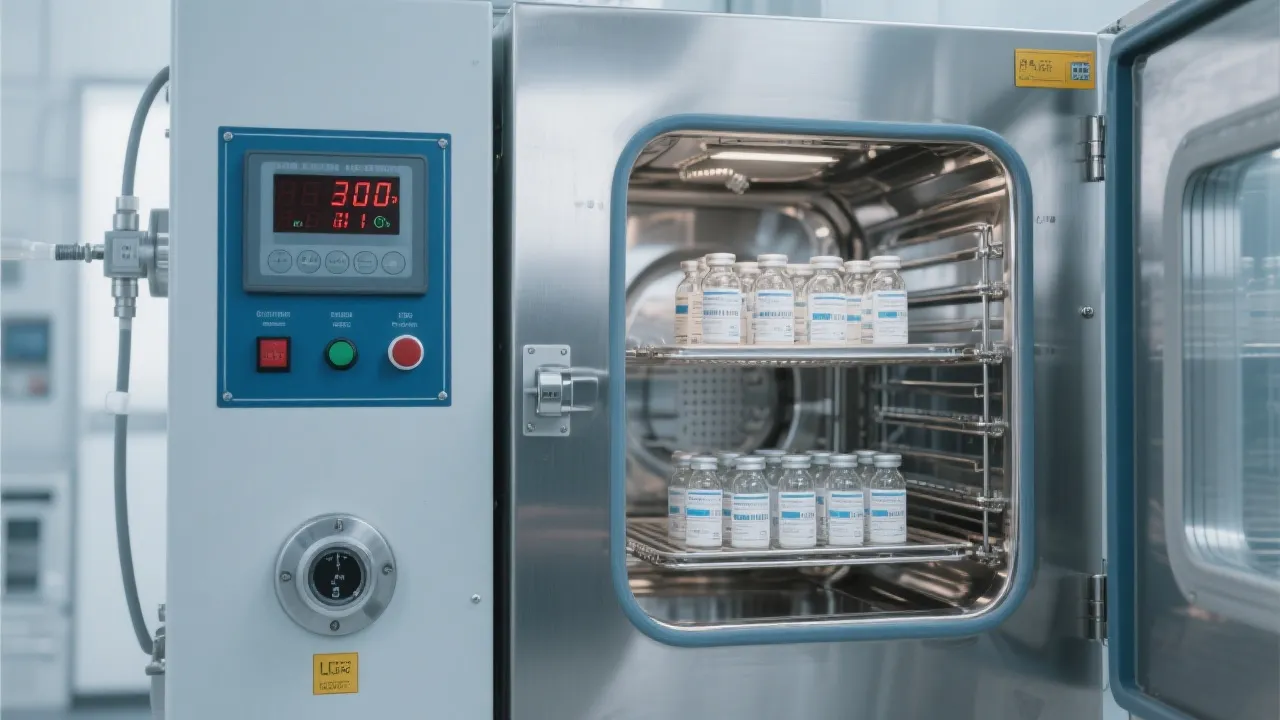
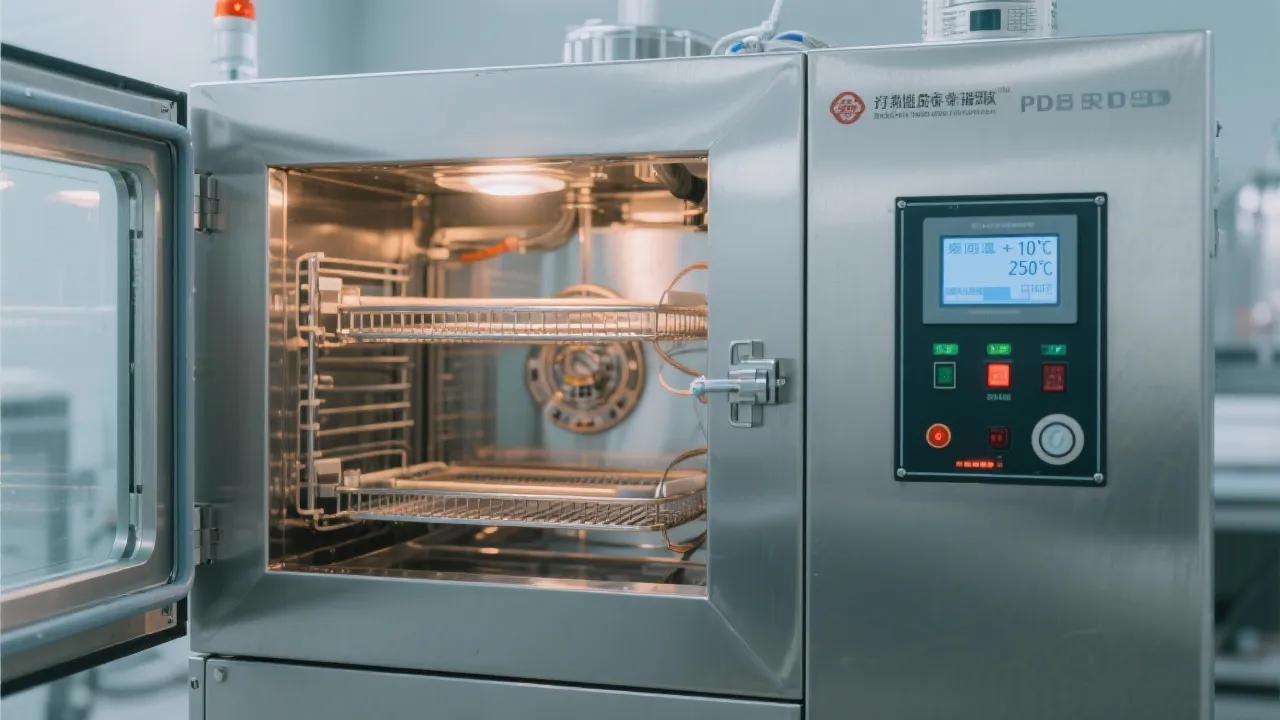
If your sample is heat-sensitive (like pharmaceuticals or food extracts), even a 1°C deviation can degrade quality. For such materials, a precision-controlled chamber with dual PID temperature regulation isn’t just nice to have—it’s essential. According to ISO 11135 standards, microbial reduction in sterilization processes requires consistent temperature control within ±1°C across the chamber.
Key Parameters That Make or Break Performance
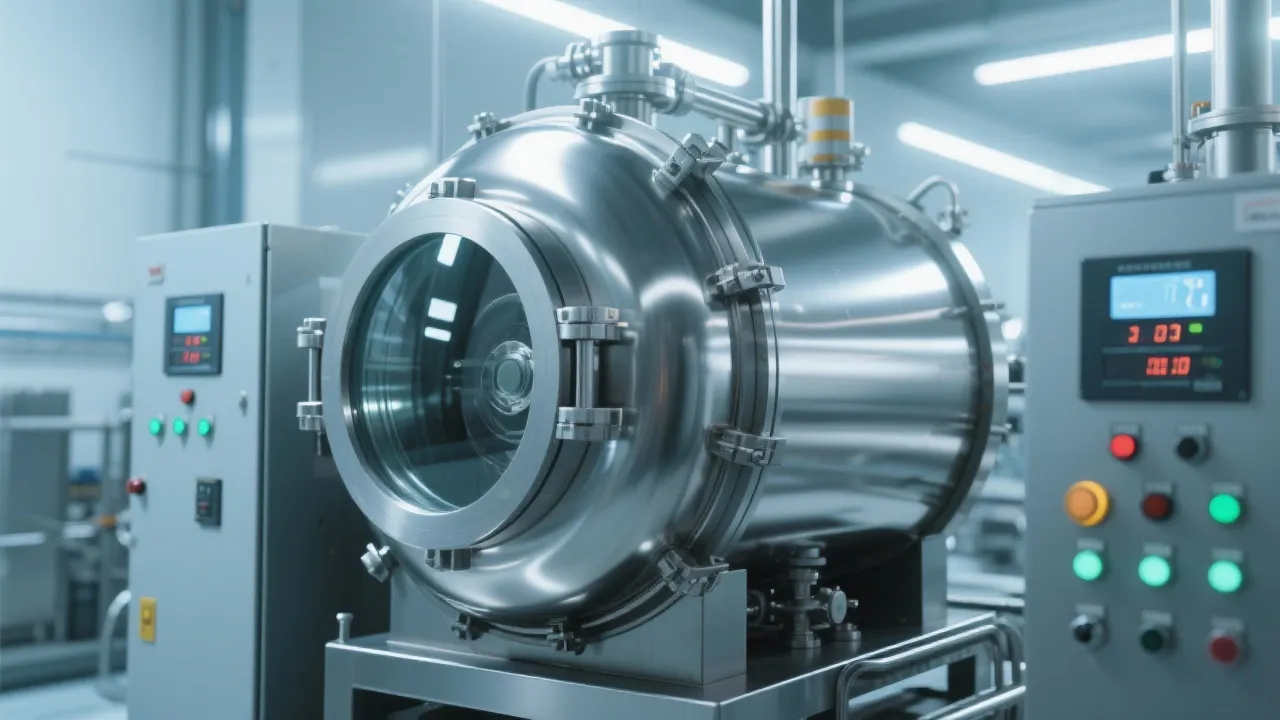
Vacuum Degree: High vacuum (<133 Pa) prevents oxidation and speeds up evaporation—critical for sensitive compounds like herbal extracts or lithium-ion battery components.
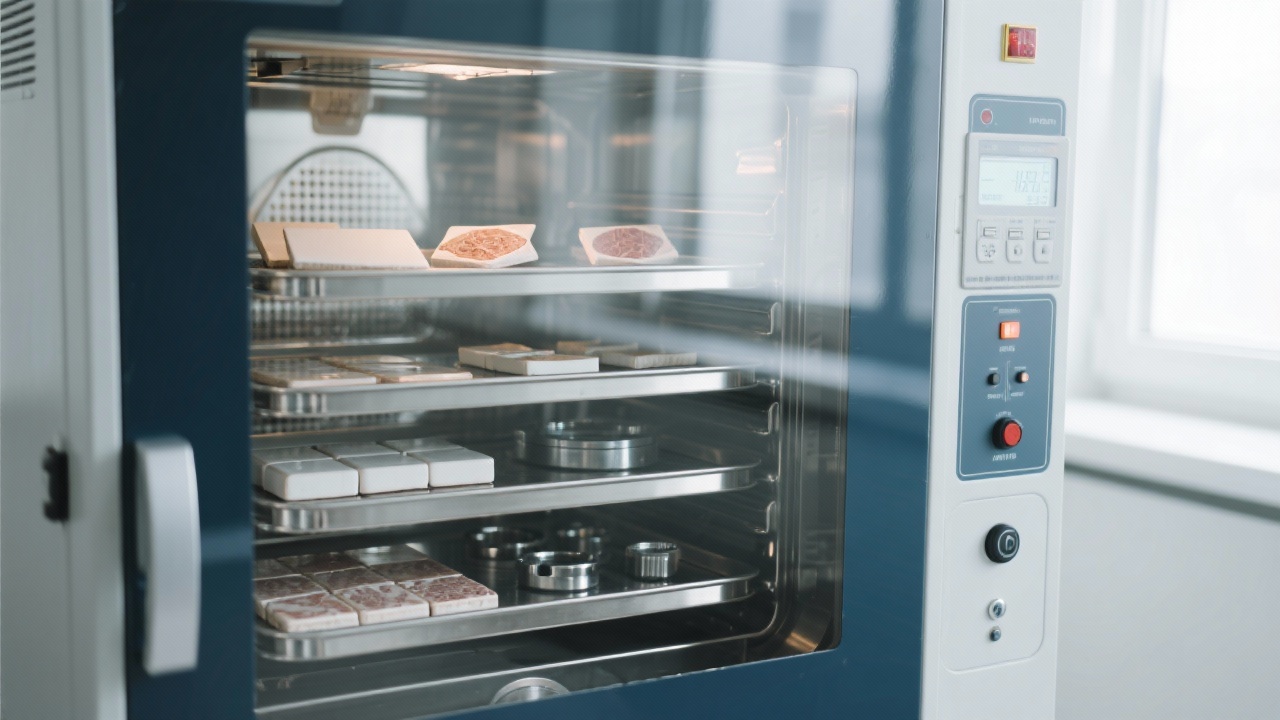
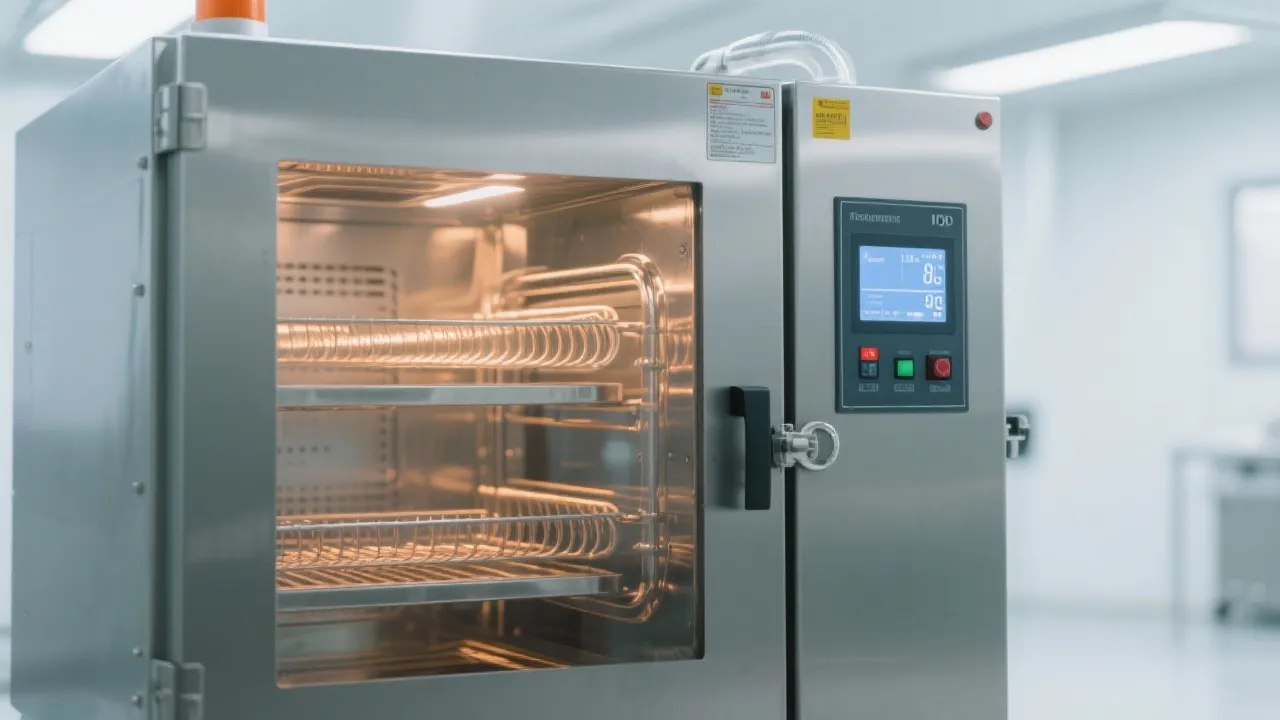
Heating Method: Uniform heating via four-wall stainless steel tubes (as seen in the DZ-4BCII) ensures no hot spots, reducing degradation risk by up to 40% compared to conventional top-heated models.
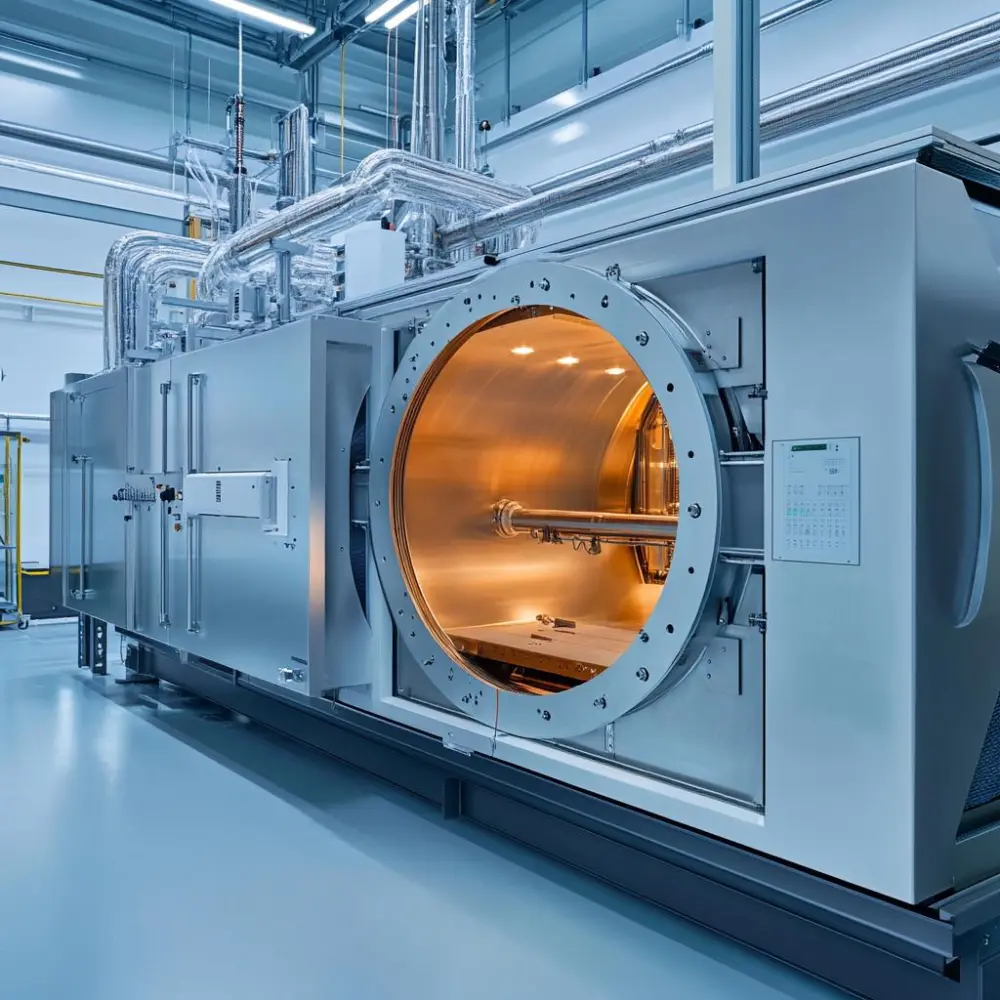
Capacity & Scalability: A 214.5L chamber (like the DZ-4BCII) supports both pilot-scale testing and small batch runs without compromising consistency.
“We switched from a basic vacuum oven to the DZ-4BCII after seeing inconsistent results in our active pharmaceutical ingredient (API) batches. The new unit cut drying time by 30% while improving product uniformity.” — Dr. Li, R&D Manager at a Chinese pharma exporter
Avoid These Common Mistakes
Many users choose based on price alone—then face costly delays due to poor performance. Here’s what to watch out for:
Ignoring material-specific drying curves—what works for ceramics won’t work for algae-based biofuels.
Choosing machines without real-time vacuum monitoring—a common cause of failed batches in high-value industries.
Overlooking maintenance access—downtime costs more than equipment price over 3 years.
You’re not alone if you’ve felt stuck between technical specs and practical needs. The good news? With the right framework—and a machine built for accuracy, repeatability, and user-friendliness—you’ll make smarter choices faster.
Ready to Upgrade Your Drying Process?
Explore how the 郑州科达 DZ-4BCII Industrial Digital Vacuum Dryer delivers precision, speed, and reliability—backed by 13+ years of global export experience.