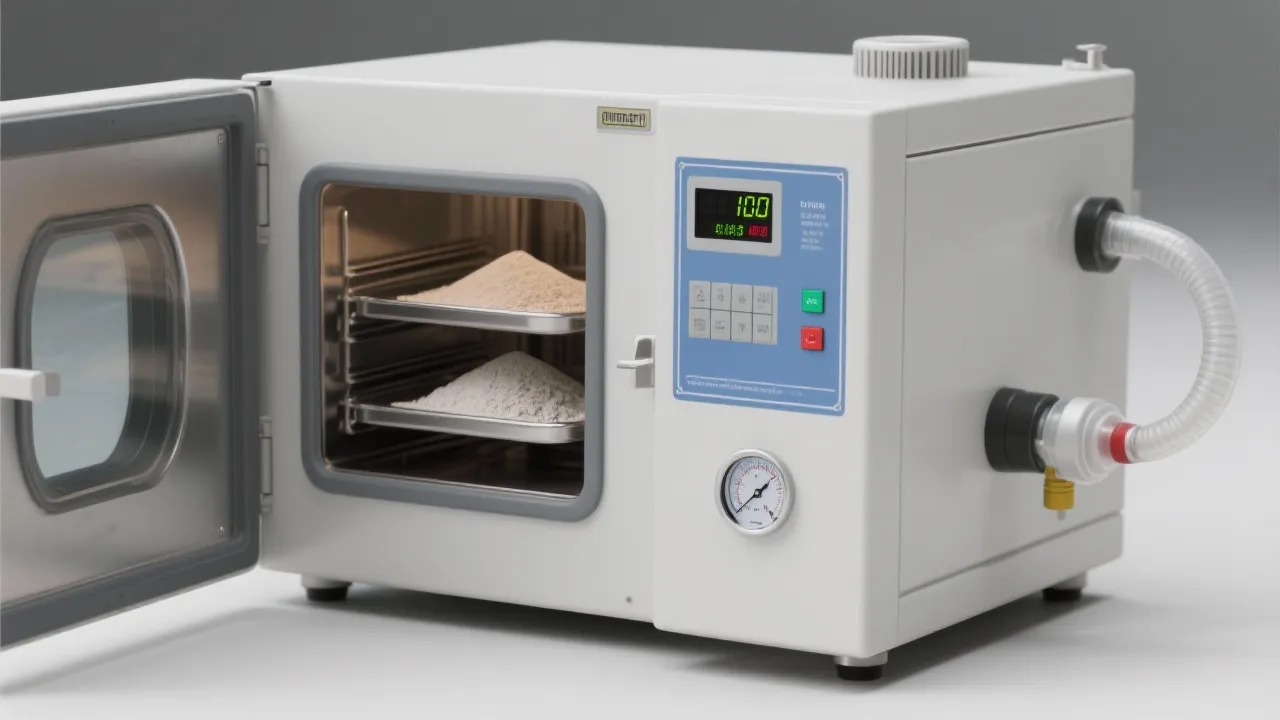
Vacuum Drying Equipment Selection Guide: Matching the Right Solution to Your Application

23 12,2025
Zhengzhou Keda Mechanical Instrument Equipment Co., Ltd.
Product related content
How does vacuum drying technology enhance industrial production? This guide explores the fundamental principles of moisture evaporation under vacuum conditions and the core logic of temperature control. By examining real-world applications in electronic component curing, chemical sample processing, and material degassing, we help users make informed equipment selections. From temperature accuracy to safety mechanisms, key performance factors are thoroughly explained to boost drying efficiency and product quality. Whether you're an engineer or procurement decision-maker, this article delivers actionable insights tailored to your specific needs.
营销主题配图_1763950824415.jpg

Understanding Vacuum Drying Technology: A Practical Guide for Industrial Applications

Have you ever faced inconsistent drying results in your production process—especially when handling sensitive materials like electronic components or chemical samples? You're not alone. In industries where precision matters, choosing the right vacuum drying equipment isn’t just a technical decision—it’s a strategic one.

Why Choose Vacuum Drying Over Conventional Methods?

In standard atmospheric drying, water boils at 100°C (212°F), often causing thermal stress or degradation in heat-sensitive materials. Vacuum drying lowers the boiling point by reducing pressure—typically to 0.1–10 mbar—which allows moisture removal at temperatures as low as 30–80°C. This means:

  • ✅ Up to 40% faster drying time for certain polymers and ceramics (based on real-world data from semiconductor manufacturers).
  • ✅ Reduced oxidation risk—critical for reactive metals like titanium or lithium compounds.
  • ✅ Improved product integrity—no surface cracking or warping due to controlled heating.

But here's the catch: not all vacuum dryers are created equal. The performance hinges on three core parameters: temperature accuracy, vacuum control logic, and safety mechanisms.

Key Performance Metrics That Matter

When evaluating a vacuum dryer, ask yourself:

“Is this machine capable of maintaining ±1°C stability across a 30–150°C range?”

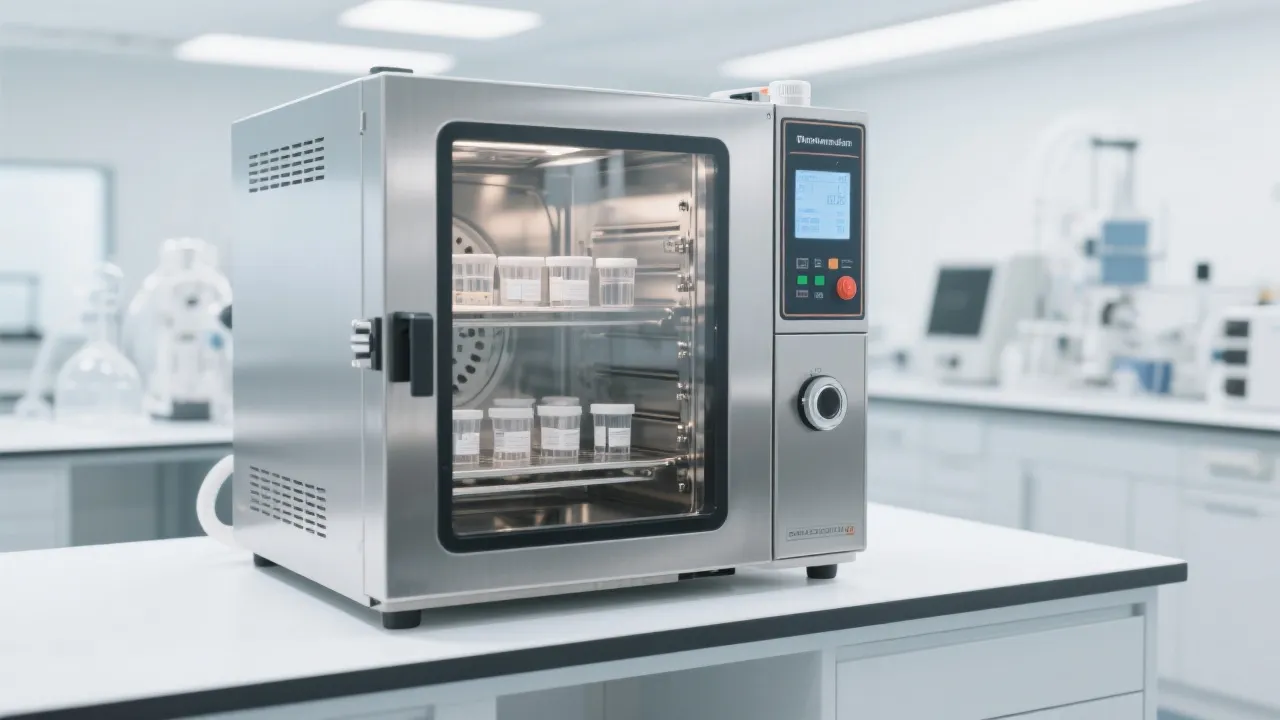
Industry benchmarks show that high-end models like the DZ-2BCII Vacuum Drying Oven achieve an average temperature deviation of only 0.8°C over 8 hours—a critical factor for pharmaceuticals and aerospace-grade composites. Meanwhile, advanced vacuum controllers can adjust chamber pressure in real-time using PID algorithms, ensuring consistent drying profiles without manual intervention.

Real-World Use Cases Across Industries

Let’s break it down by application:

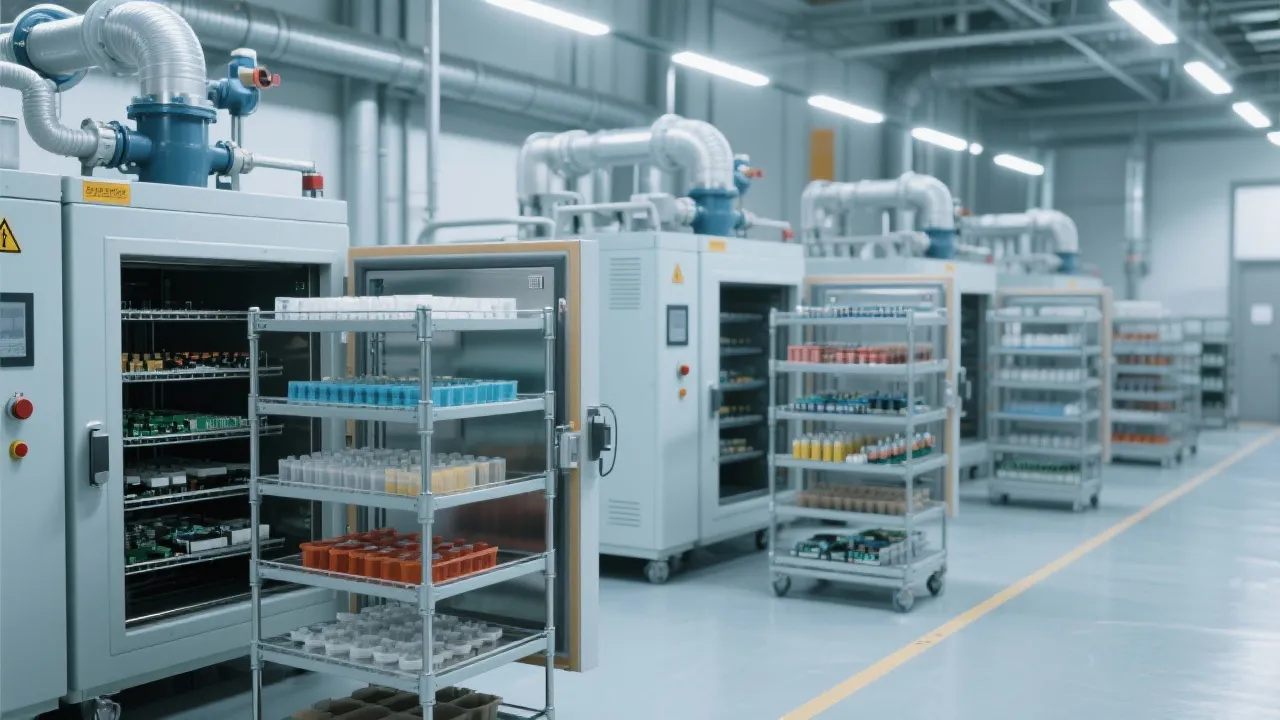
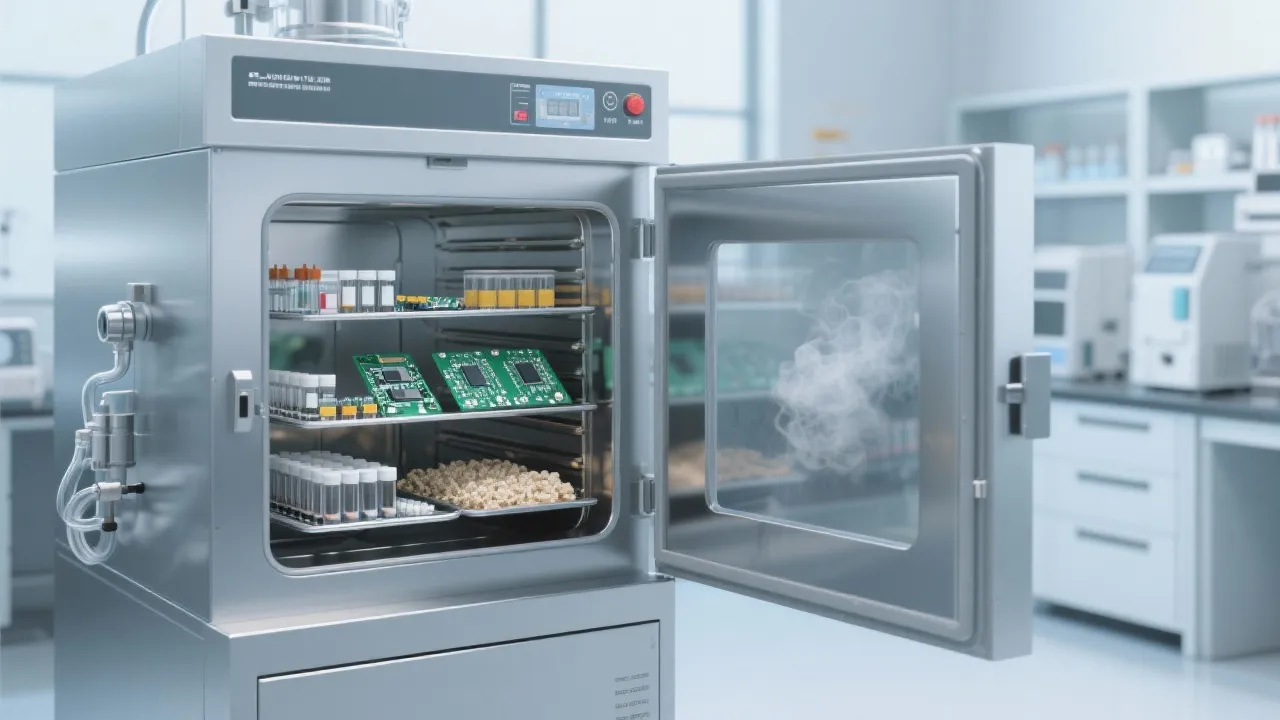
  1. Electronics Manufacturing: Solder paste curing and PCB potting require precise dehydration below 80°C to prevent delamination. One client in Germany reported a 25% reduction in rework after switching to a vacuum-dry-based process.
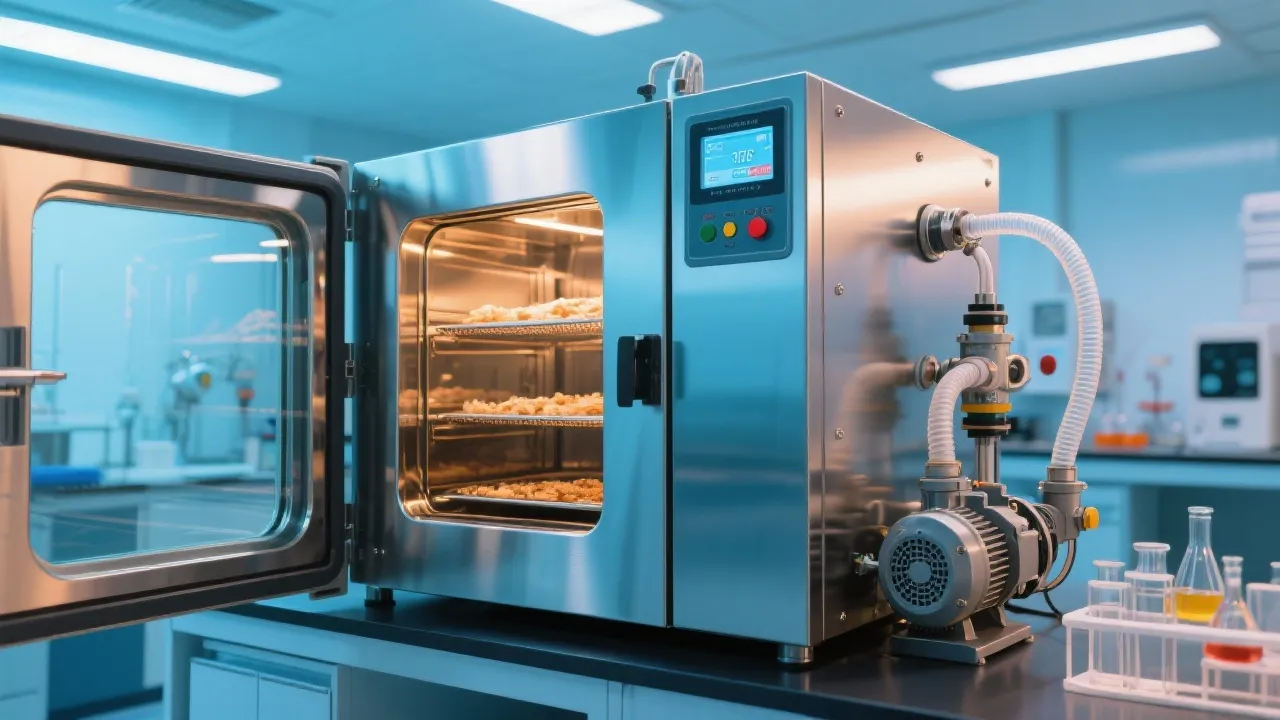
  2. Chemical R&D Labs: Solvent recovery during synthesis is more efficient under vacuum, with up to 95% yield improvement compared to open-air evaporation.
  3. New Materials Development: For graphene oxide or MOFs (metal-organic frameworks), uniform drying prevents agglomeration—key for achieving desired porosity and conductivity.

Each scenario demands different material compatibility, insulation quality, and automation features. For example, stainless steel chambers (304/316L) outperform aluminum in corrosive environments like battery electrolyte processing.
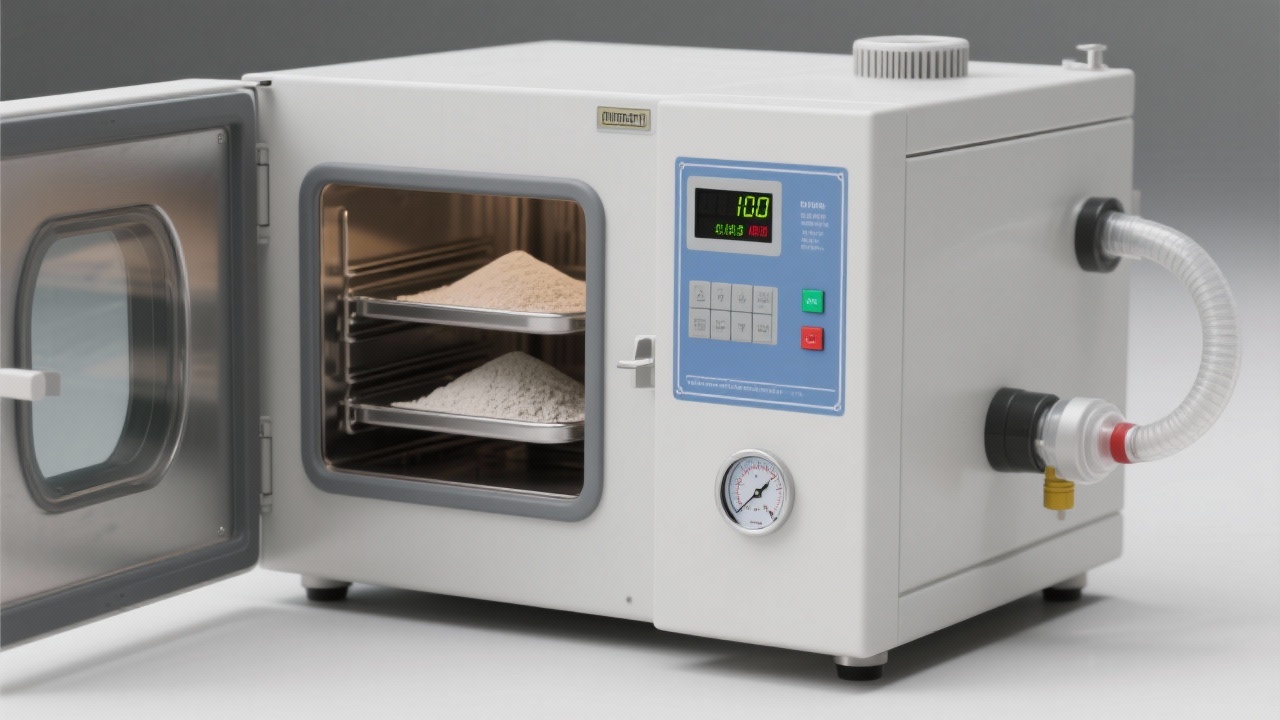
Comparison chart showing temperature profiles of conventional vs vacuum drying methods for polymer films

The Hidden Value: Customization & Support

Many buyers focus solely on specs—but long-term ROI depends heavily on customization and post-sale support. A recent survey of 120 industrial users found that 78% preferred vendors offering tailored chamber sizes, programmable cycles, and remote diagnostics.

That’s why we don’t just sell machines—we build partnerships. Whether you’re scaling from lab-scale to pilot production or optimizing existing processes, our engineers work closely with your team to ensure seamless integration.

Ready to Optimize Your Drying Process?

The DZ-2BCII Vacuum Drying Box has been widely adopted across electronics, chemicals, and advanced materials sectors for its reliability, precision, and adaptability. Let us help you match your unique process needs with the ideal solution.

Explore Custom Solutions Now →
Name *
Email *
Message*

Recommended Products

Popular articles
Recommended Reading
<#if (articleDetails.articleDetailsRelatedArticles.articleList?has_content)?? && (articleDetails.articleDetailsRelatedArticles.articleList?size>0)> <#if (articleDetails.articleDetailsRelatedArticles.isShow)?? && articleDetails.articleDetailsRelatedArticles.isShow> <#if (articleDetails.articleDetailsRelatedArticles.title)?? && articleDetails.articleDetailsRelatedArticles.title!="">

${articleDetails.articleDetailsRelatedArticles.title}

<#list articleDetails.articleDetailsRelatedArticles.articleList as list>
<#if (list.imgUrl?has_content)?? && (list.imgUrl?has_content)> ${list.imgAlt} <#else> img

${list.title}

${(list.updateTime)?number_to_datetime?string('dd MM ,yyyy')}
Contact us
Contact us
https://shmuker.oss-cn-hangzhou.aliyuncs.com/tmp/temporary/60ec5bd7f8d5a86c84ef79f2/60ec5bdcf8d5a86c84ef7a9a/thumb-prev.png