
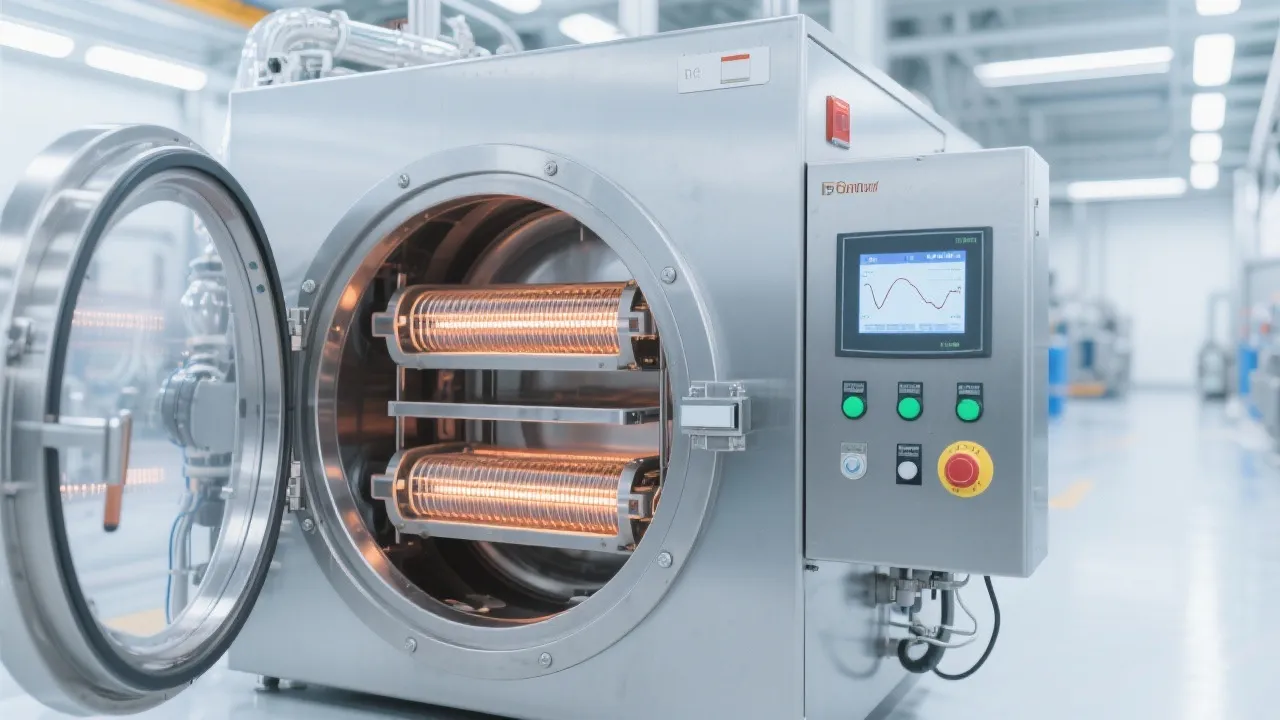
In the contemporary scientific research and industrial production scenarios, the demand for high - precision temperature control in vacuum drying equipment is increasing. In many fields, such as electronic component manufacturing and materials research, the stability and accuracy of drying temperature can directly affect product quality and research results. For example, in electronic component curing, a slight temperature deviation may lead to component performance degradation. Therefore, achieving high - precision temperature control has become an urgent need in the industry.
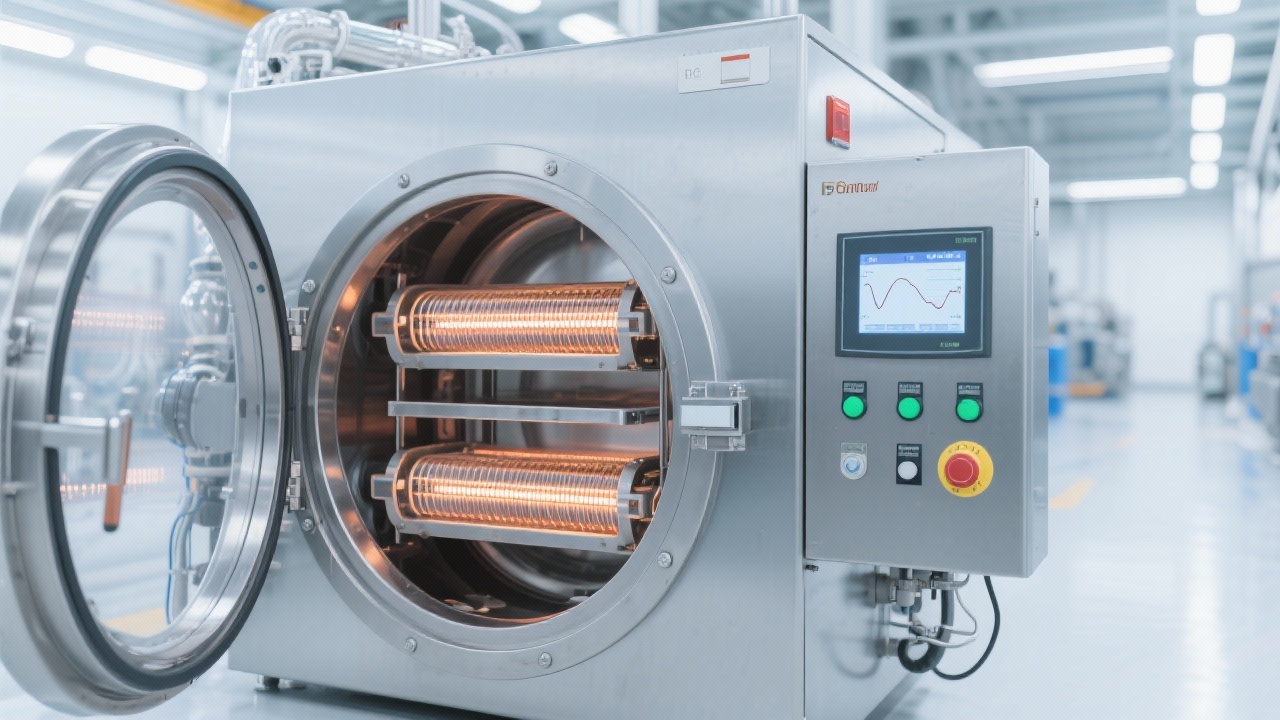
The PID (Proportional - Integral - Derivative) control system is a key technology in high - precision temperature control of vacuum drying equipment. The proportional term in the PID algorithm can quickly respond to temperature deviations, the integral term can eliminate cumulative errors, and the derivative term can predict the change trend of temperature and adjust in advance. Through this dynamic adjustment mechanism, the PID control system can achieve a precise temperature control accuracy of ±0.1℃ in the DZ - 2BCII vacuum drying oven. This high - precision control is crucial for ensuring the consistency of drying processes and product quality.
Dual - zone temperature control and programmable temperature curves further enhance the flexibility and adaptability of vacuum drying equipment. The dual - zone temperature control can independently adjust the temperature in different areas of the drying chamber to meet the needs of complex drying processes. Programmable temperature curves allow users to set different temperature changes according to specific drying requirements, such as slow heating, constant temperature holding, and rapid cooling. These features are particularly useful in scenarios such as material degassing and special material drying.

In industrial production, power outages are inevitable emergencies. The power - off memory function of the vacuum drying equipment ensures that the equipment can resume the drying process from the previous state after power restoration, effectively avoiding the loss caused by process interruption. This function is especially important for long - cycle and high - precision drying processes, which can significantly improve production efficiency and reliability.
The over - temperature alarm system of the vacuum drying equipment is an important safety guarantee mechanism. Once the temperature exceeds the set threshold, the system will immediately trigger an alarm and perform operations such as automatically cutting off the power supply to prevent further over - temperature. In addition, the equipment is also equipped with safety designs such as self - locking sealed doors and explosion - proof glass observation windows to fully protect the safety of operators and samples. The over - temperature alarm response process is shown in the following temperature control response flowchart:
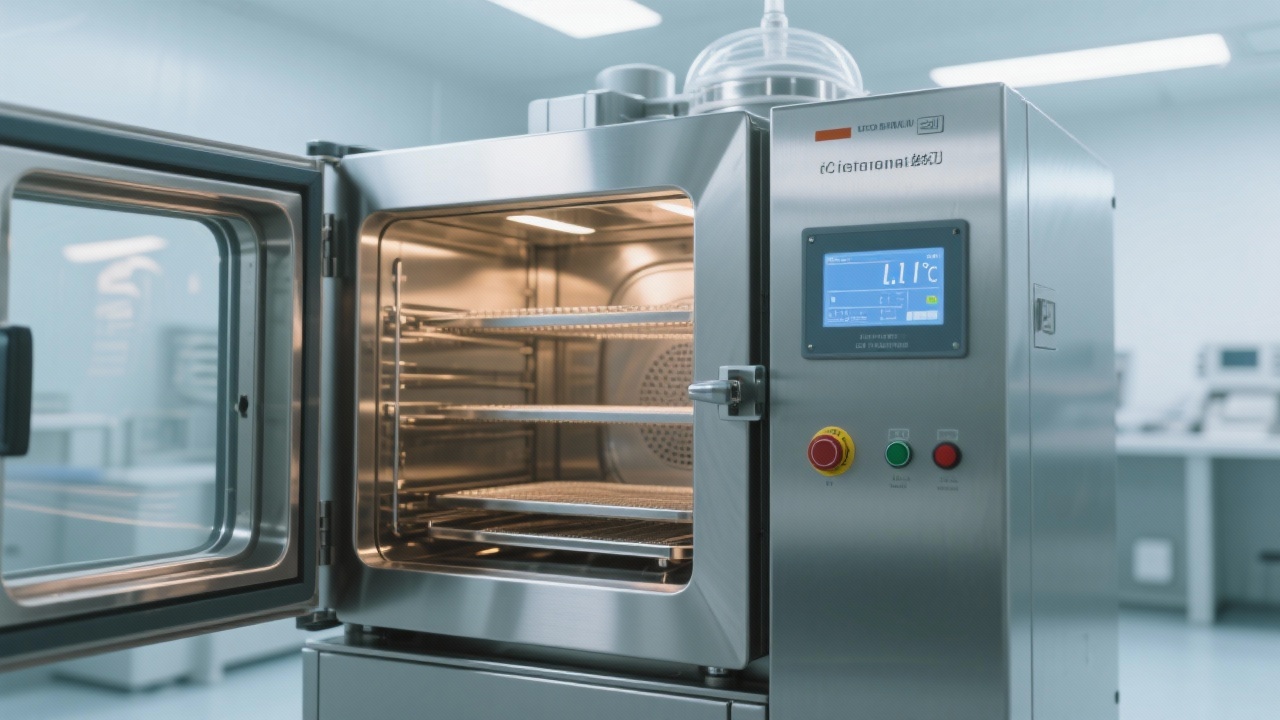
Combined with cases such as electronic component curing and material degassing, we provide practical parameter setting guidance. For example, in the electronic component curing process, the temperature accuracy should be strictly controlled, and the heating rate should also be optimized according to the characteristics of the components. By referring to these case - based parameter settings, users can better utilize the functions of vacuum drying equipment and improve drying efficiency and product consistency.
When selecting vacuum drying equipment, users should focus on safety and stability indicators. Safety certifications such as CE and UL can ensure that the equipment meets international safety standards. In addition, indicators such as temperature control accuracy, over - temperature protection performance, and power - off recovery ability are also important factors in evaluating the stability of equipment.
The vacuum drying equipment should comply with relevant international and national standards, such as CE certification in Europe, which ensures that the equipment meets safety, health, and environmental protection requirements. UL certification in the United States is also a high - level safety certification for electrical equipment, indicating that the equipment has passed strict safety tests.
Q: What is the main function of the PID control system in vacuum drying equipment?
A: The PID control system can achieve high - precision temperature control by dynamically adjusting the proportional, integral, and derivative terms, with an accuracy of up to ±0.1℃, ensuring the consistency of the drying process and product quality.
Q: How does the dual - zone temperature control work?
A: The dual - zone temperature control can independently adjust the temperature in different areas of the drying chamber to meet the needs of complex drying processes, especially suitable for scenarios where different temperature requirements are needed in different parts of the samples.
If you want to learn more about the vacuum drying equipment and get a customized selection plan or book a technical consultation, please click here.




 <#else>