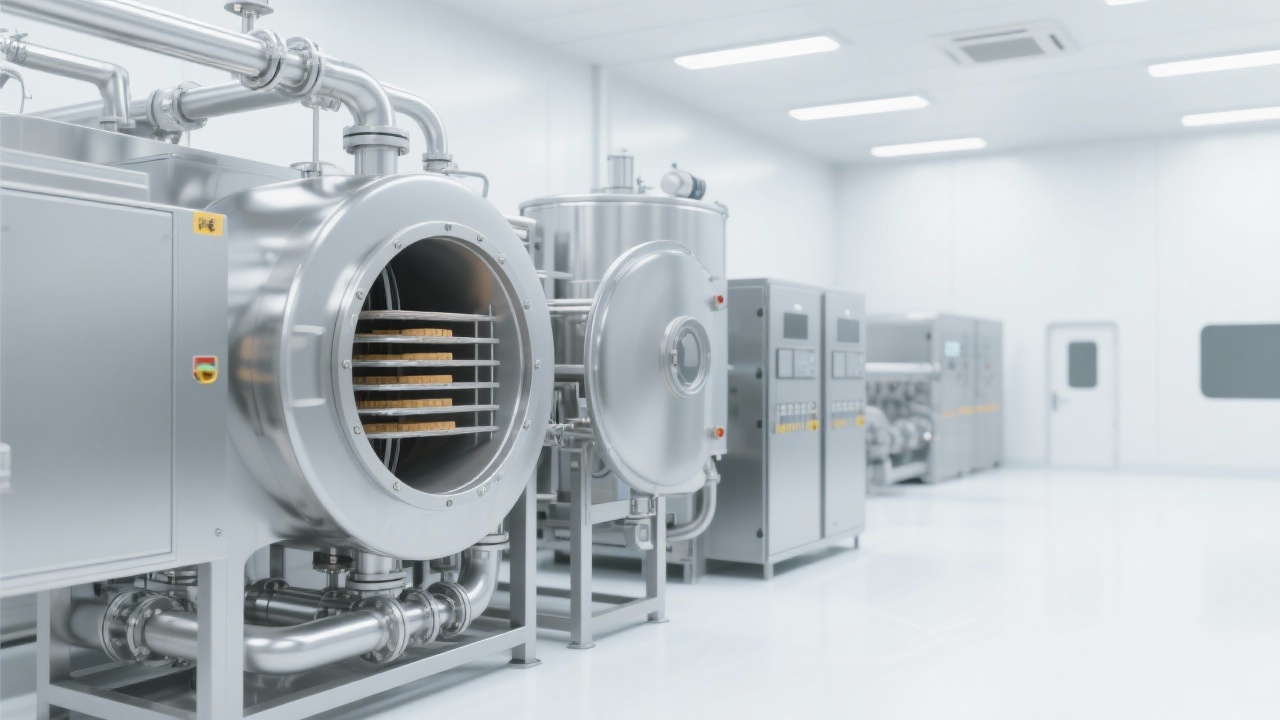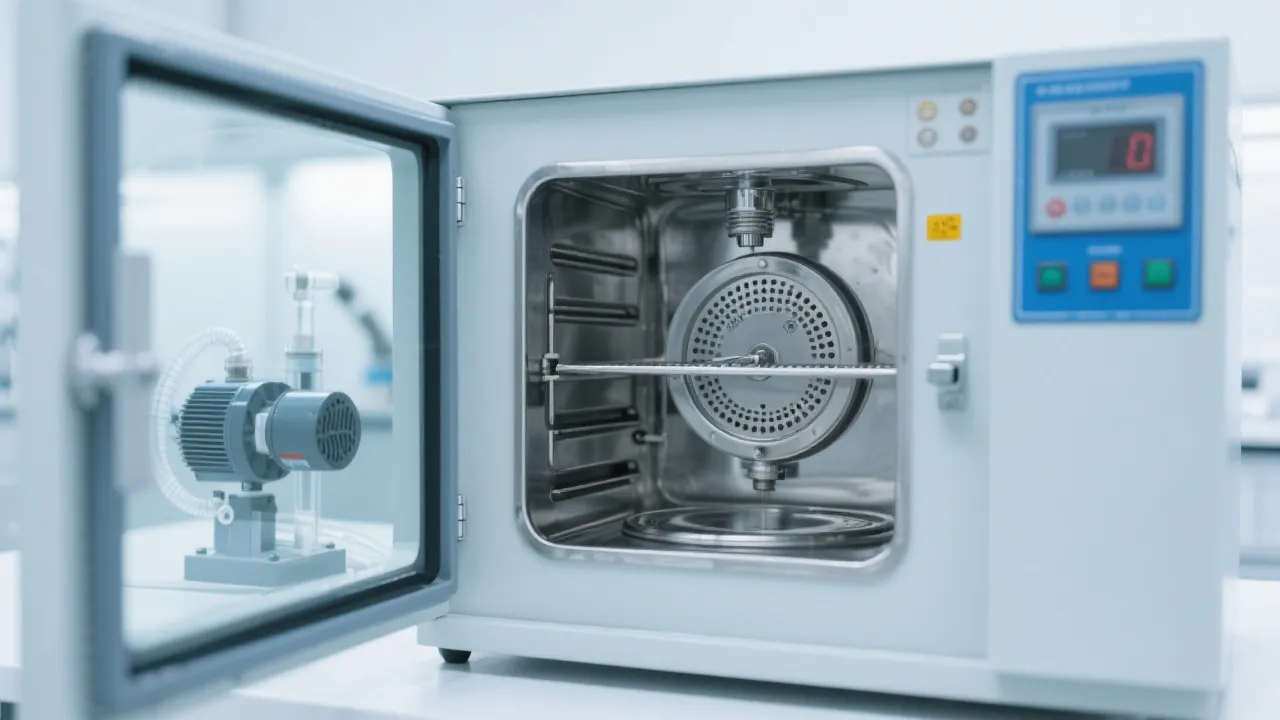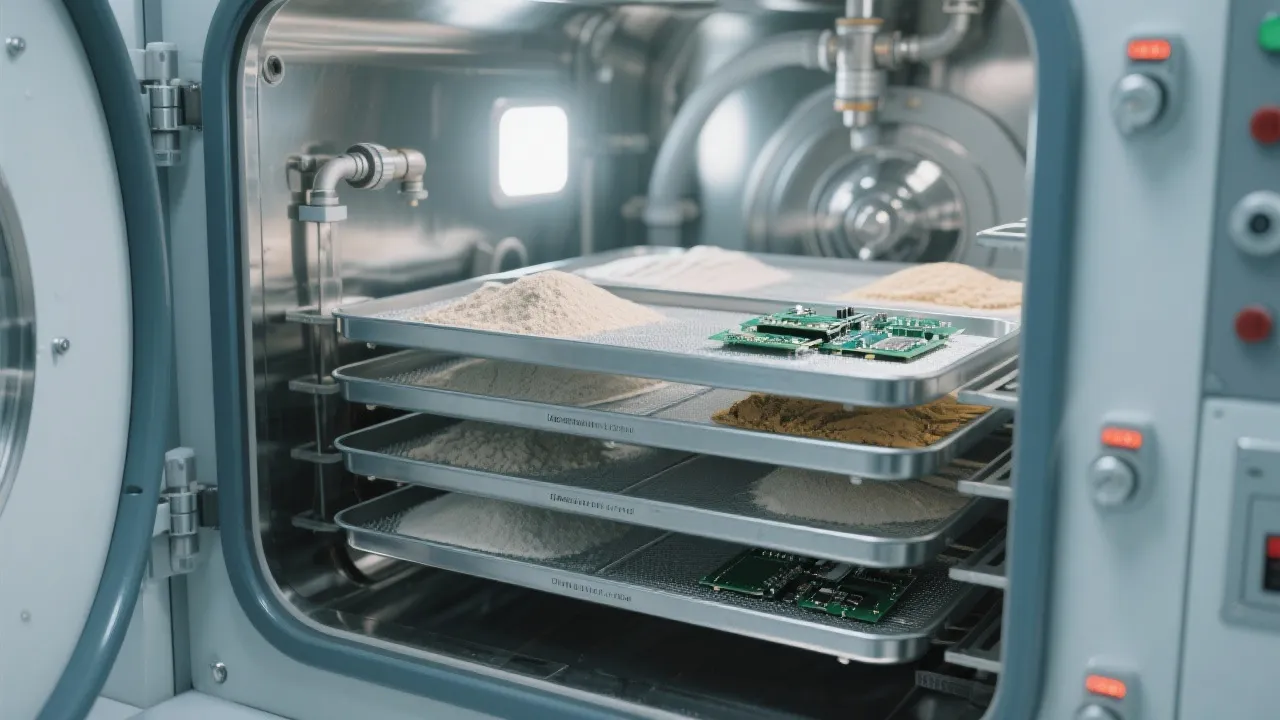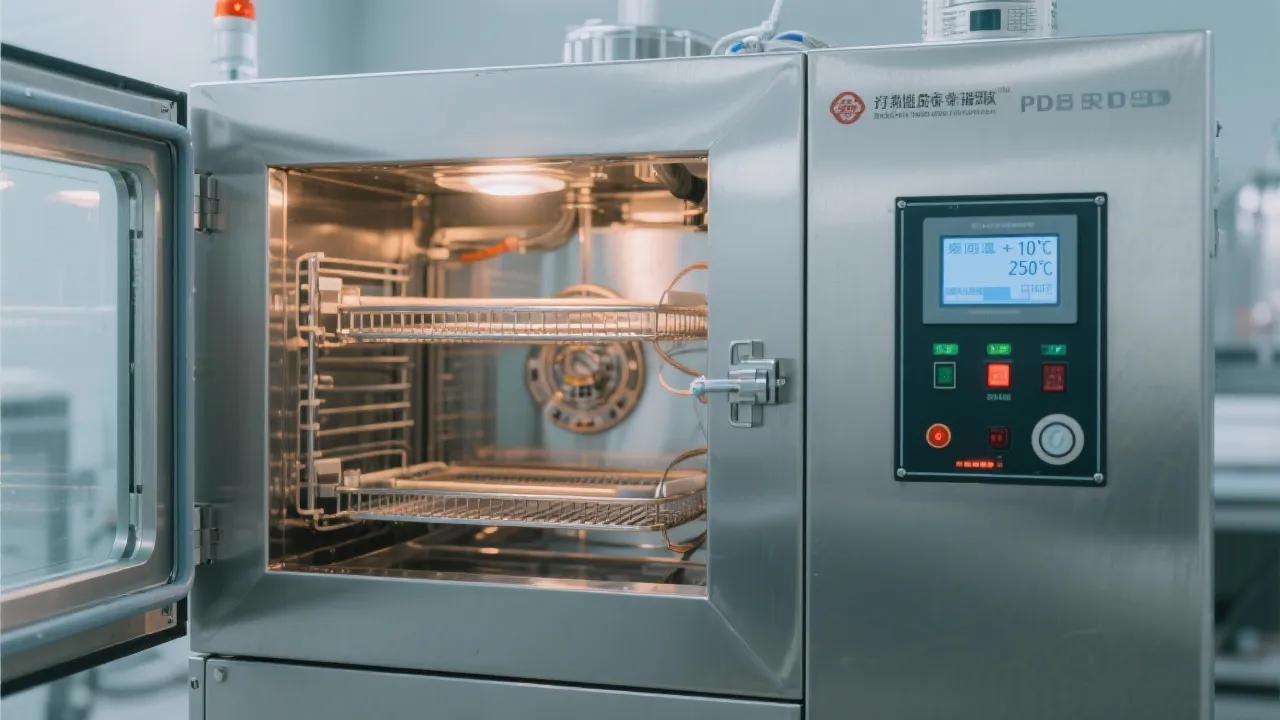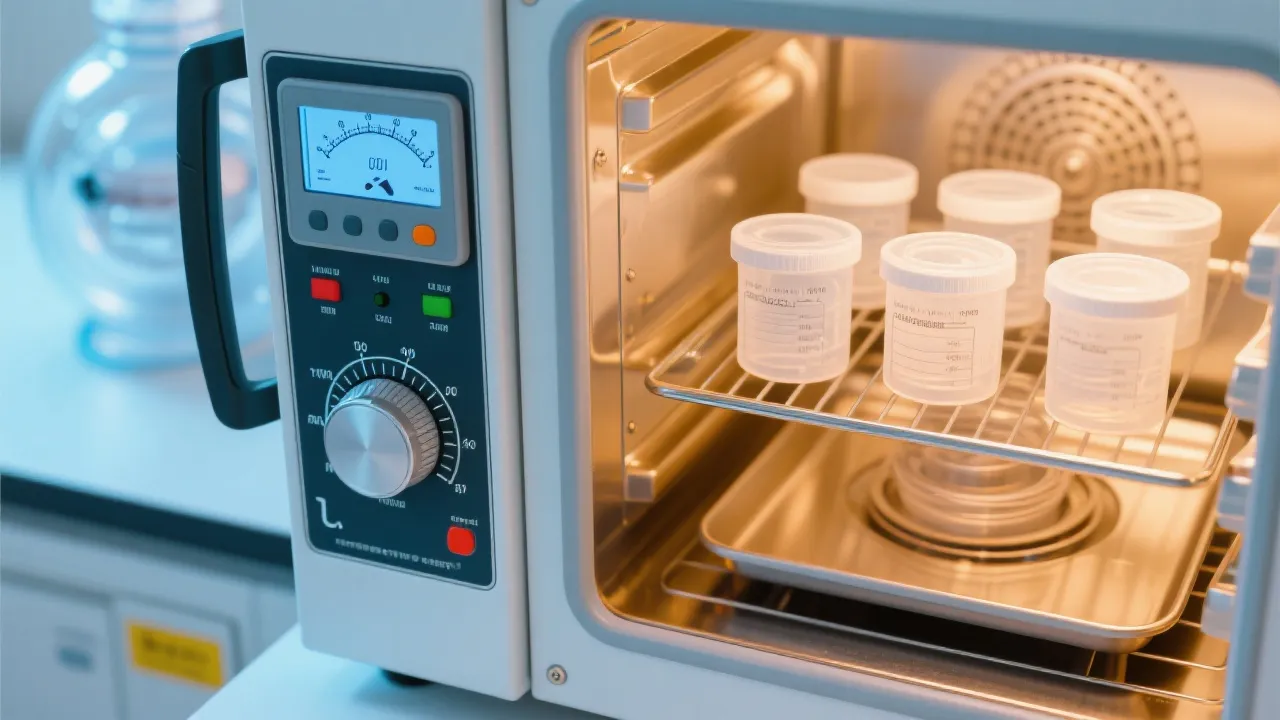
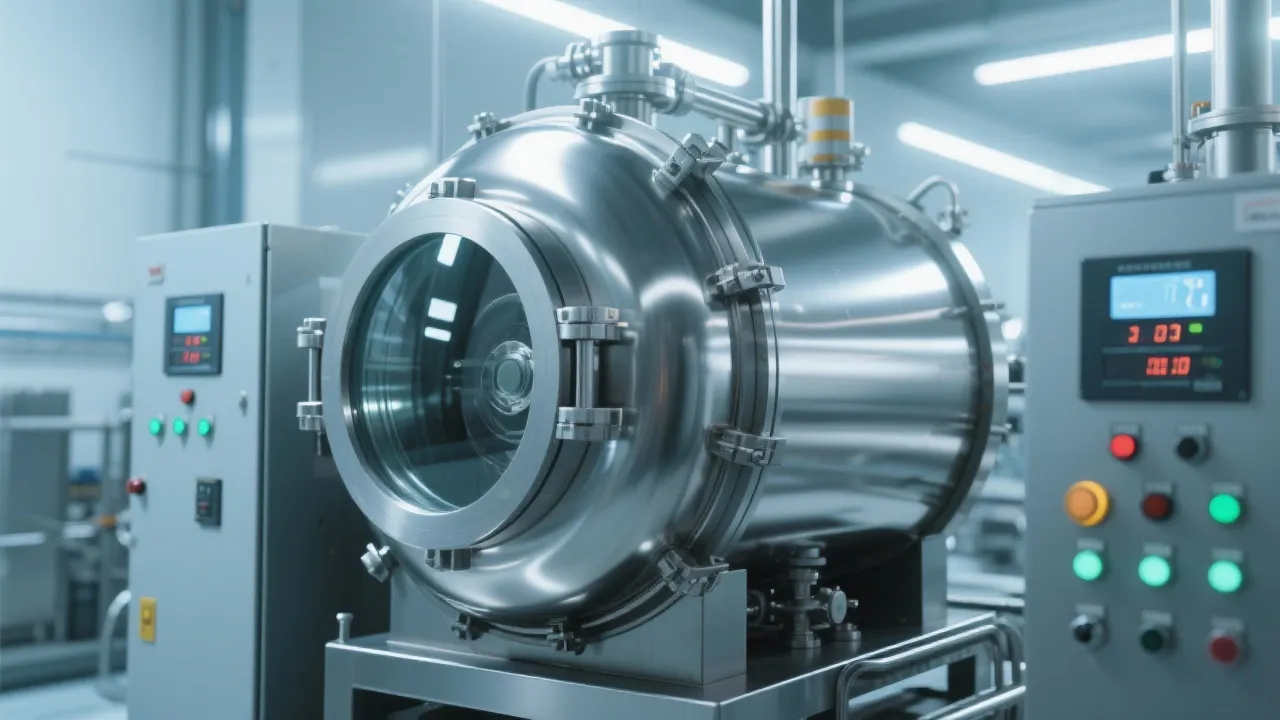
This article delves into the core principles and applications of laboratory vacuum drying technology, with a focus on the technical advantages and parameter optimization of the DZ - 3BCII Digital Vacuum Drying Oven by Zhengzhou Keda Machinery & Instrument Equipment Co., Ltd. In the process of material research or production, the quality and efficiency of drying samples are crucial. Vacuum drying technology has emerged as a powerful tool to meet these needs.
Let's first understand the basic principle of vacuum drying. As we know, when the air pressure decreases, the boiling point of water also decreases. In a vacuum environment, water can evaporate more rapidly at lower temperatures. For instance, under normal atmospheric pressure, water boils at 100°C, but in a vacuum environment with a pressure of about 0.1 atm, water can boil and evaporate at around 40°C. This not only speeds up the evaporation of moisture in the sample but also effectively prevents sample oxidation, which is particularly important for heat - sensitive samples. The stability of vacuum degree and temperature has a significant impact on the drying quality. A stable vacuum degree ensures a consistent evaporation rate, while stable temperature control helps to maintain the integrity of the sample structure.
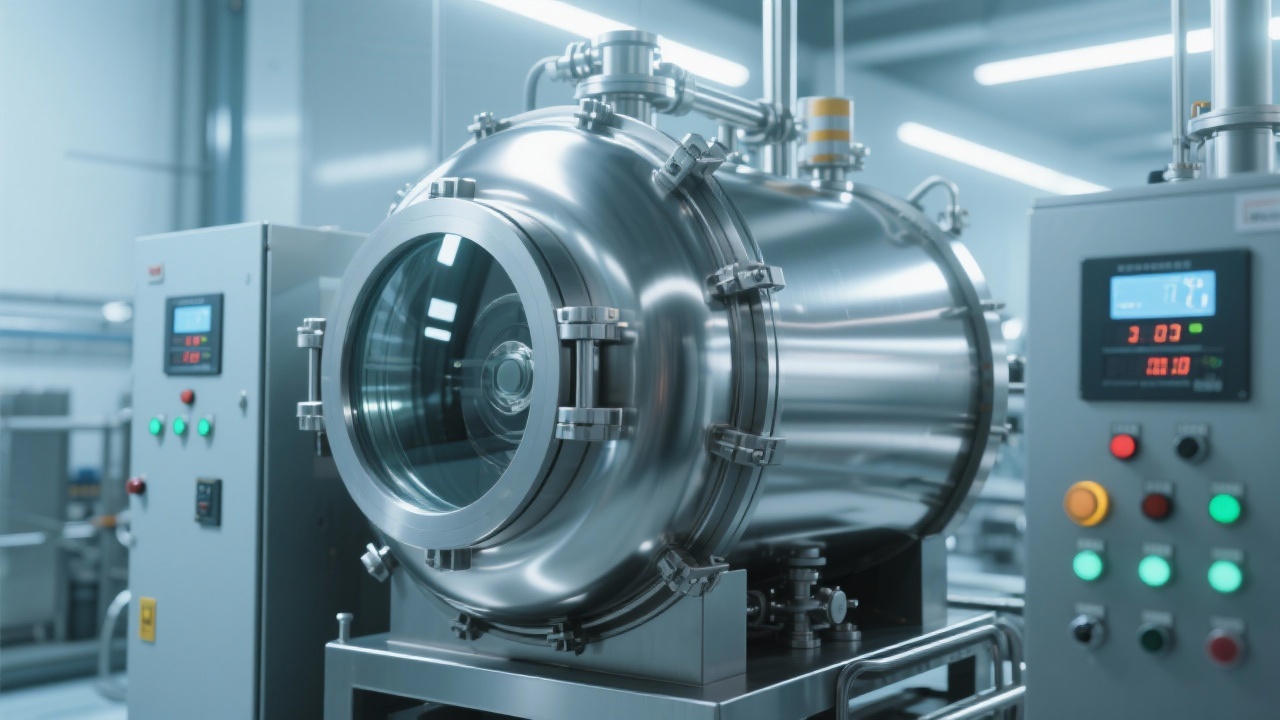
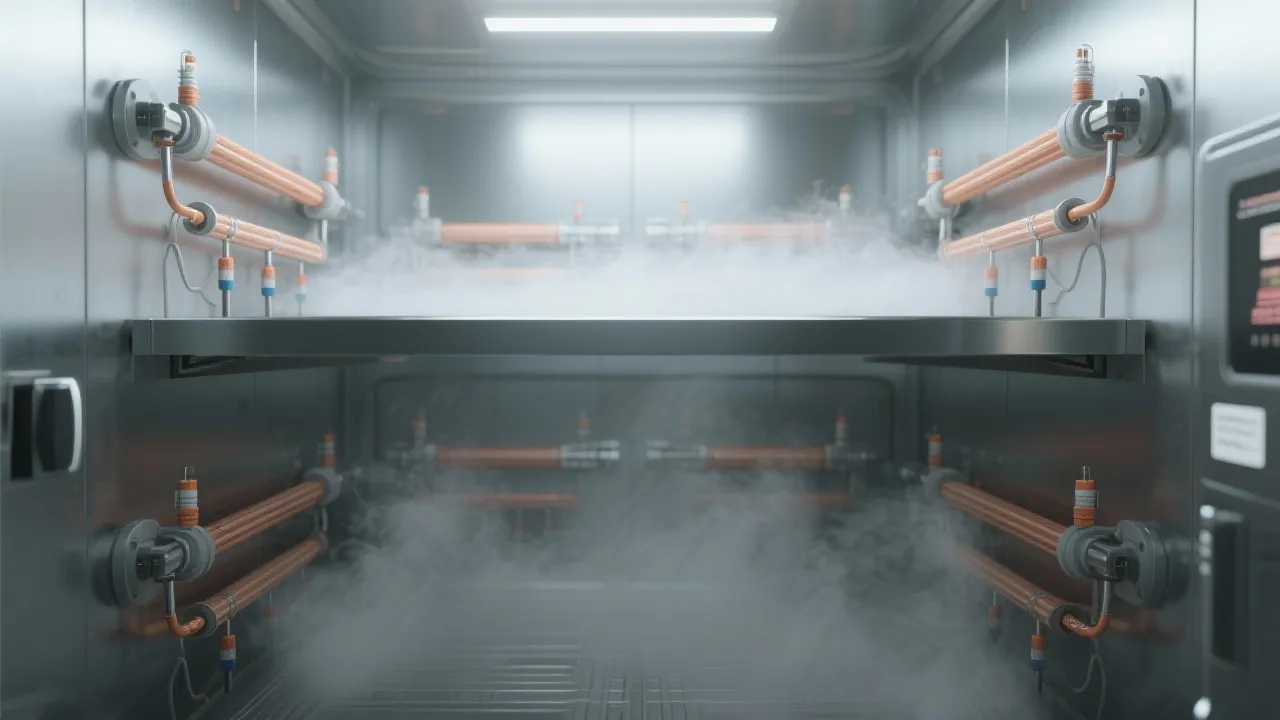
The DZ - 3BCII Digital Vacuum Drying Oven is equipped with state - of - the - art technologies. One of its key features is the PID intelligent temperature control system. This system can precisely adjust the temperature according to the set parameters, with a temperature control accuracy of up to ±0.1°C. In addition, it adopts four - wall uniform heating technology. The inner walls of the oven use high - quality heating materials, which can evenly distribute heat in the oven cavity. Tests show that the temperature uniformity in the oven can reach within ±1°C, ensuring that each sample can receive the same amount of heat and improving the drying consistency.
Let's look at some typical application cases in different fields. In materials science, when drying ceramic powders, if using traditional drying methods, the powders may suffer from agglomeration and structural damage. However, with the DZ - 3BCII drying oven, by setting the vacuum degree to 0.05 atm and the temperature to 80°C, the moisture in the ceramic powders can be quickly removed while maintaining the particle dispersion and crystal structure. In the field of biological products, when drying enzymes, traditional high - temperature drying may cause enzyme inactivation. The vacuum drying technology of DZ - 3BCII can dry at a low temperature of 30°C under a vacuum degree of 0.02 atm, effectively preserving the biological activity of enzymes.
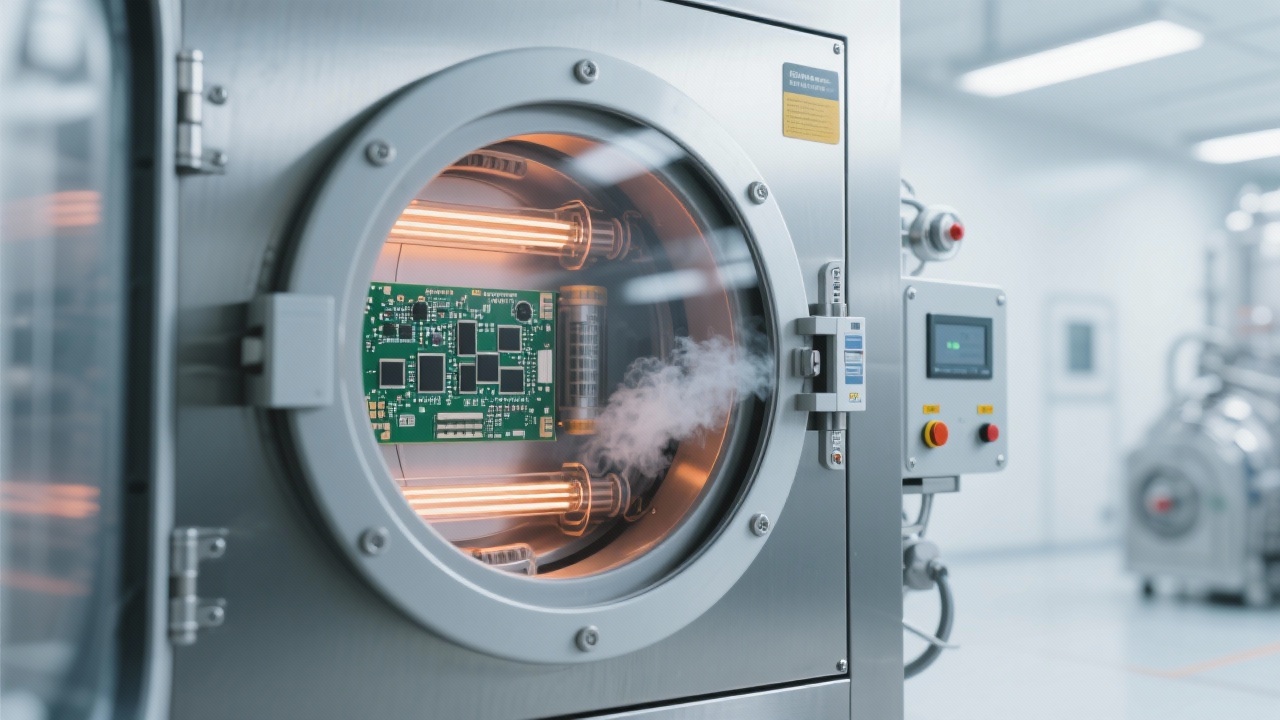
Compared with traditional drying methods such as hot - air drying and oven drying, vacuum drying technology has obvious advantages. Traditional methods often require high temperatures, which can easily damage heat - sensitive samples. Moreover, the uneven heating in traditional methods may lead to inconsistent drying results. In contrast, the DZ - 3BCII Digital Vacuum Drying Oven can protect samples from high - temperature damage and ensure high - quality and repeatable drying results.
In conclusion, the DZ - 3BCII Digital Vacuum Drying Oven by Zhengzhou Keda Machinery & Instrument Equipment Co., Ltd. is a powerful laboratory tool. With its advanced technologies such as PID intelligent temperature control and four - wall uniform heating, it can provide efficient and accurate drying solutions for various fields, including materials science, biological products, and chemistry. Are you looking for a reliable vacuum drying solution for your research or production? Don't miss out on the DZ - 3BCII Digital Vacuum Drying Oven! Click here to learn more and take your drying process to the next level!