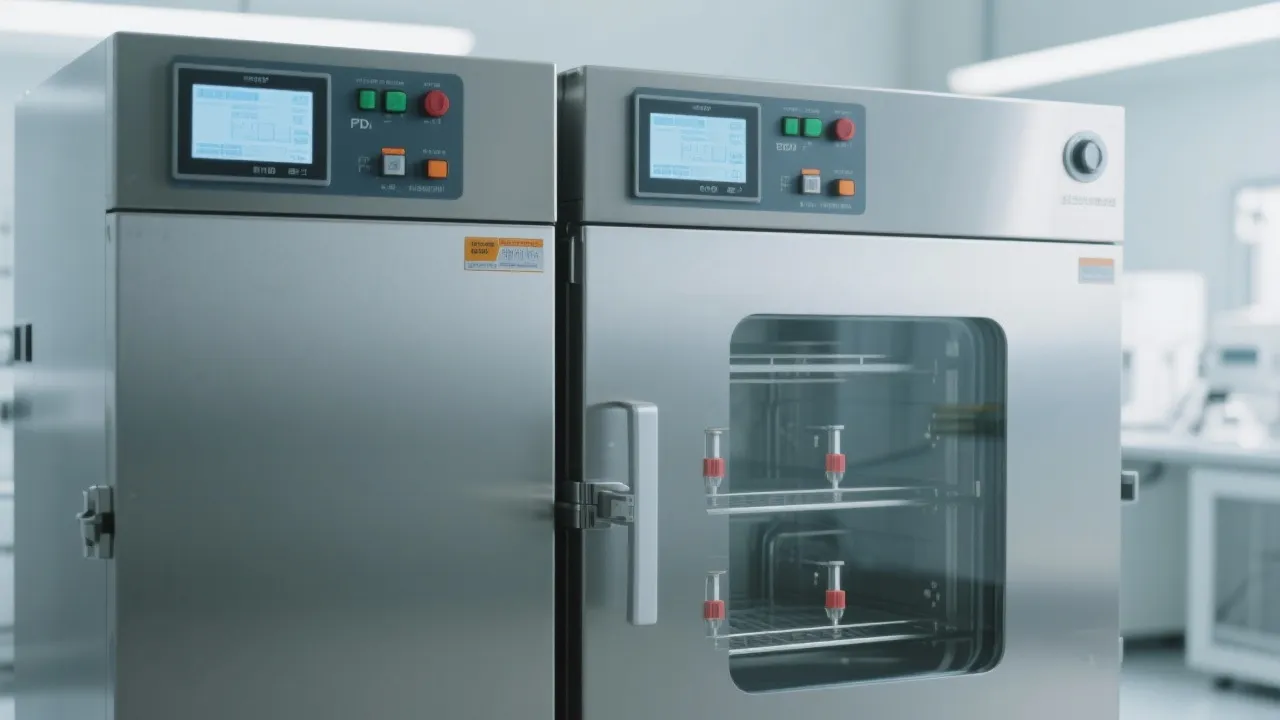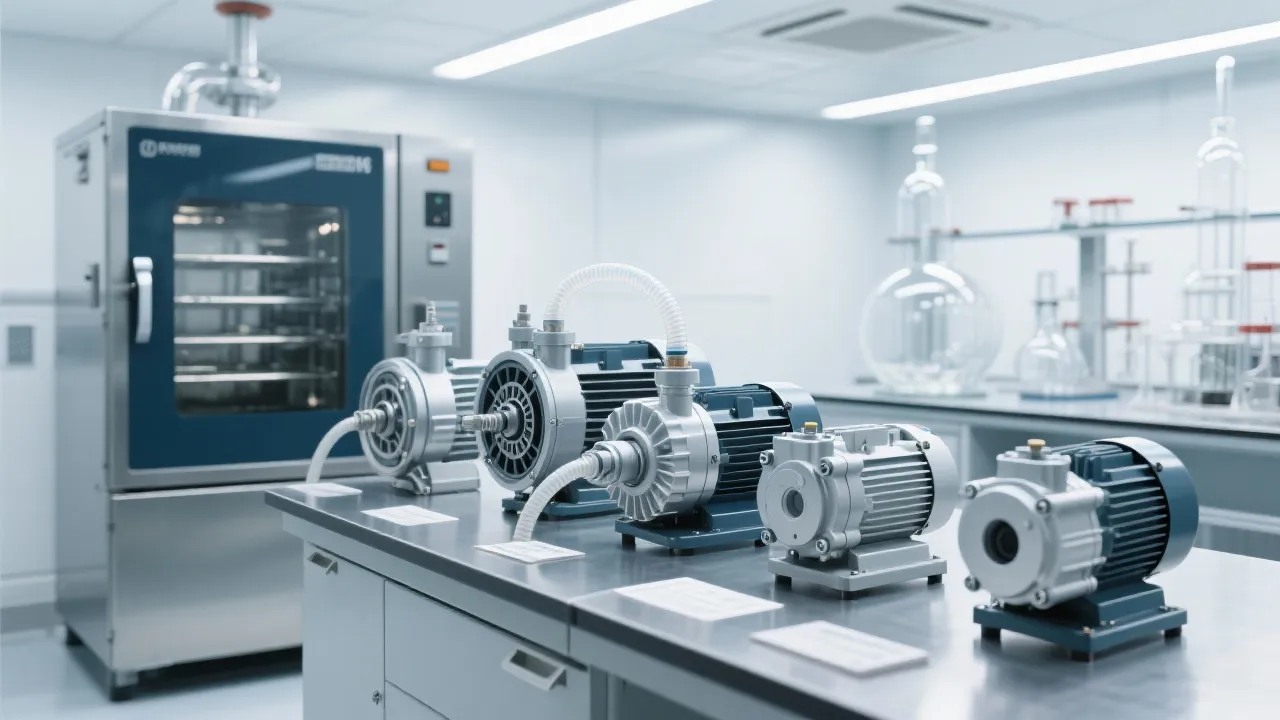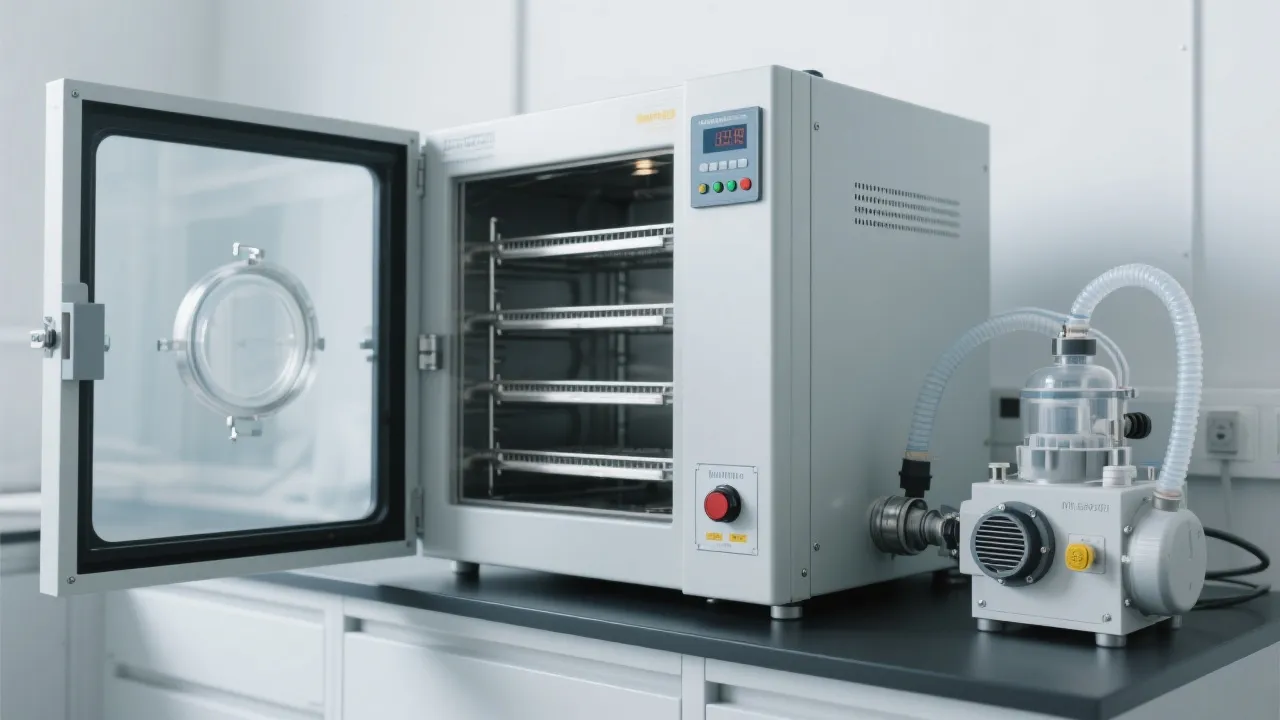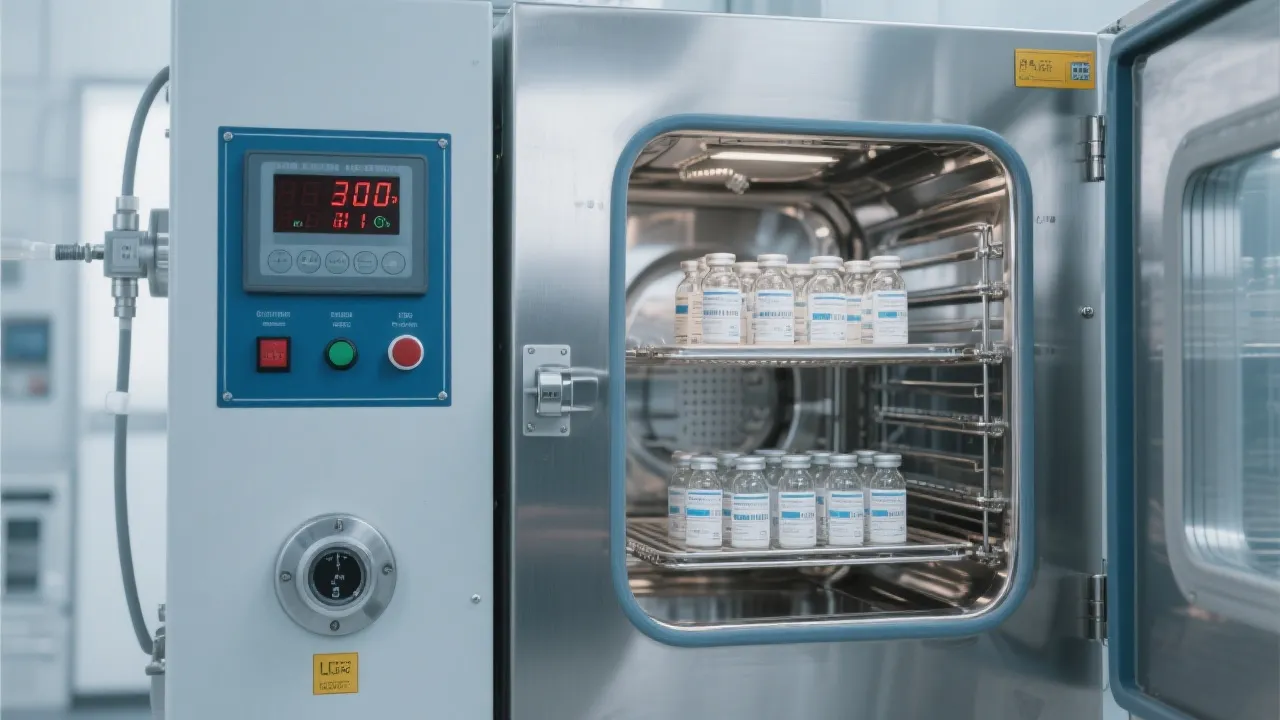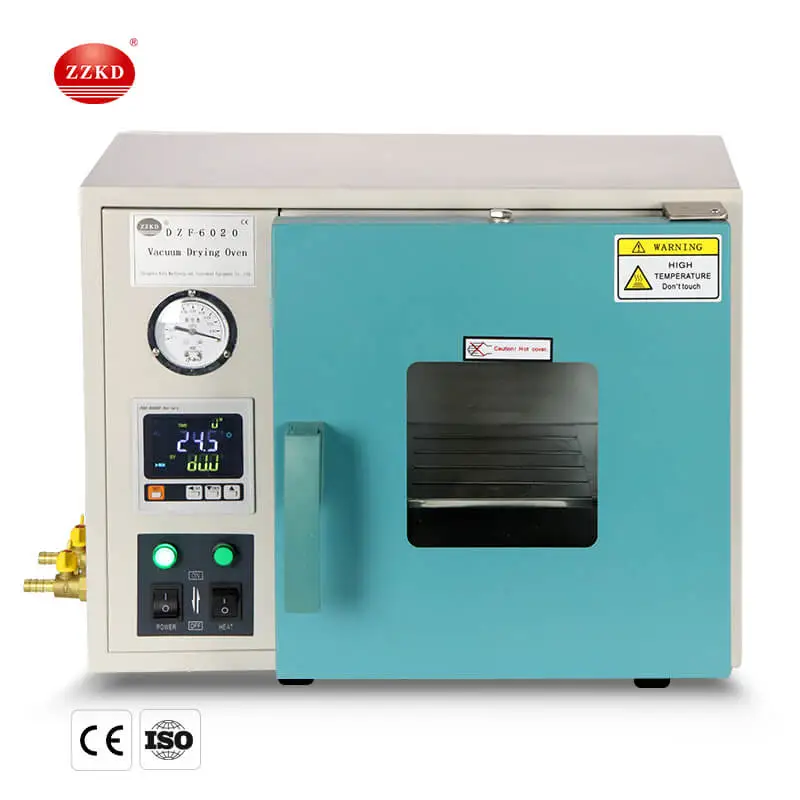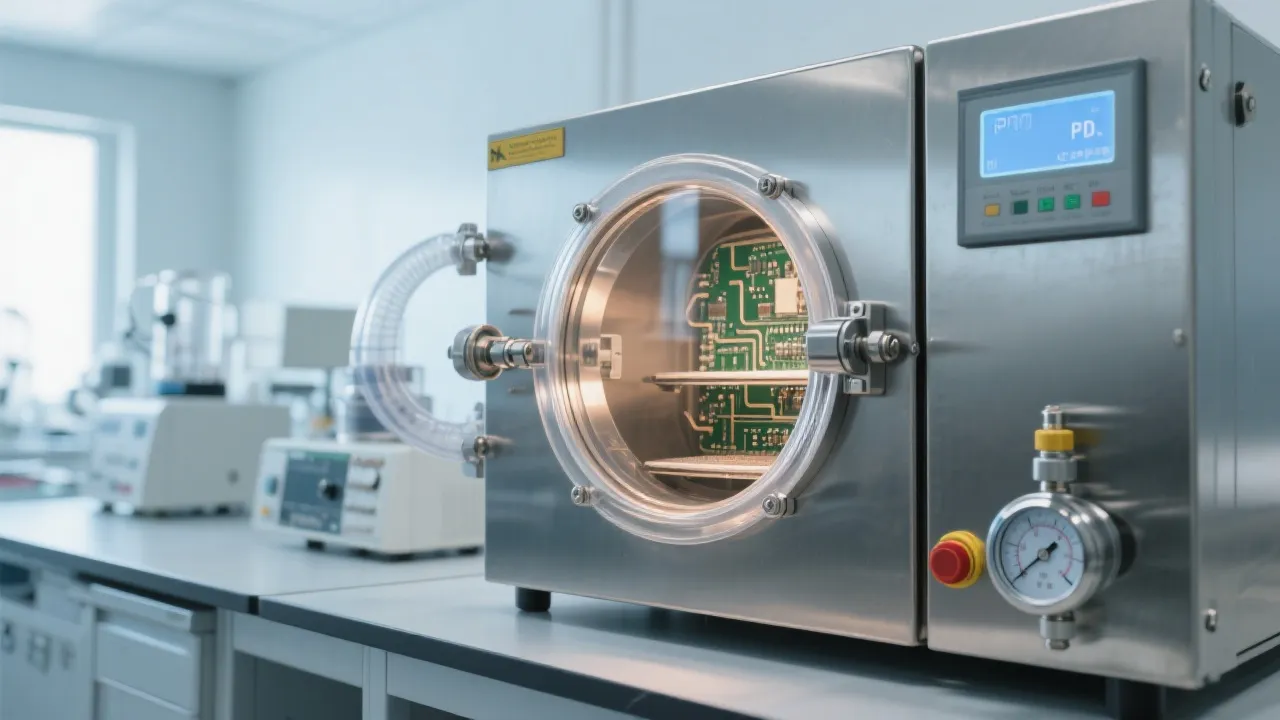
In material science laboratories around the world, achieving consistent and contamination-free drying is critical for reproducible results—especially when working with sensitive organic compounds or reactive inorganic powders. Traditional air-drying methods often lead to uneven moisture removal, surface oxidation, or even chemical degradation. That’s where the DZ-3BCII Digital Vacuum Dryer from Zhengzhou Keda Machinery Instrument Equipment Co., Ltd. steps in—not just as a tool, but as a precision solution engineered for scientific rigor.
Studies show that up to 40% of experimental inconsistencies in nanomaterial synthesis can be traced back to improper drying conditions. In vacuum environments (typically 0.1–10 mbar), water and volatile solvents evaporate at lower temperatures—often below 60°C—minimizing thermal stress on delicate samples. This makes it ideal for polymers, catalysts, pharmaceutical intermediates, and metal oxides that degrade under conventional heating.
For instance, a research team at the University of Manchester reported a 30% improvement in catalytic activity after switching from oven drying to vacuum drying for their TiO₂ nanoparticles—an outcome directly linked to reduced surface oxidation and better crystallinity preservation.
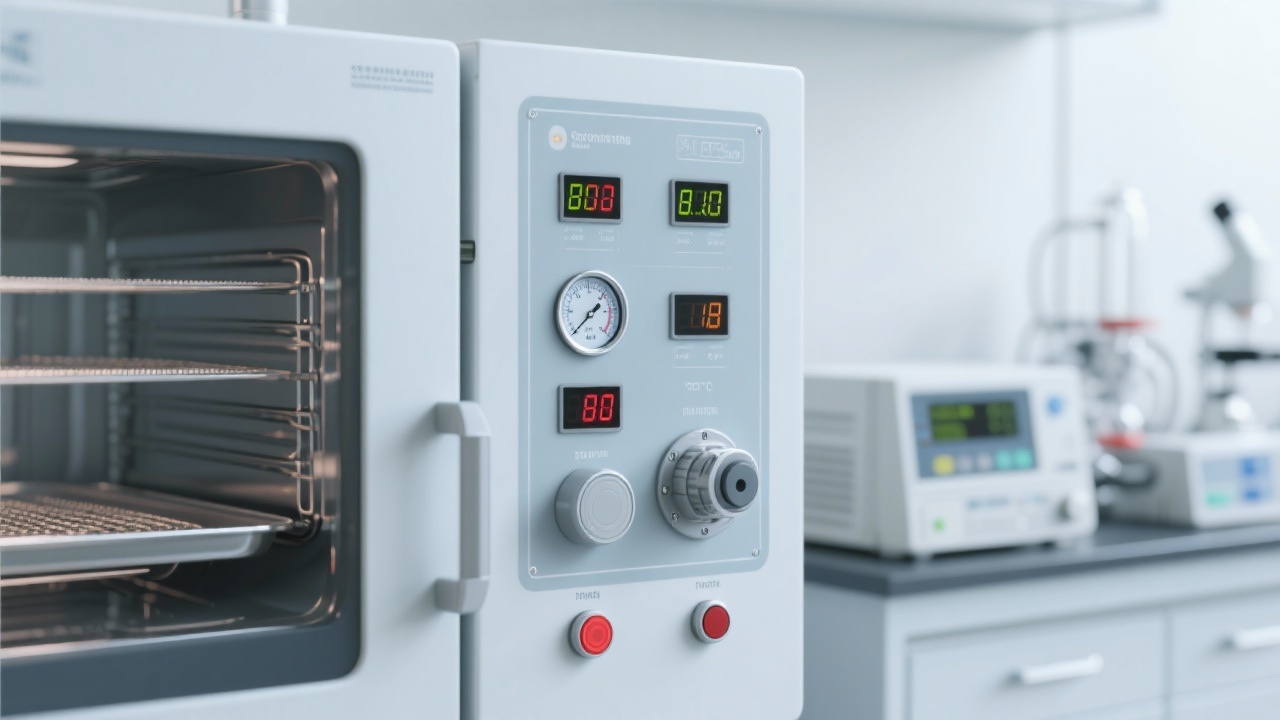
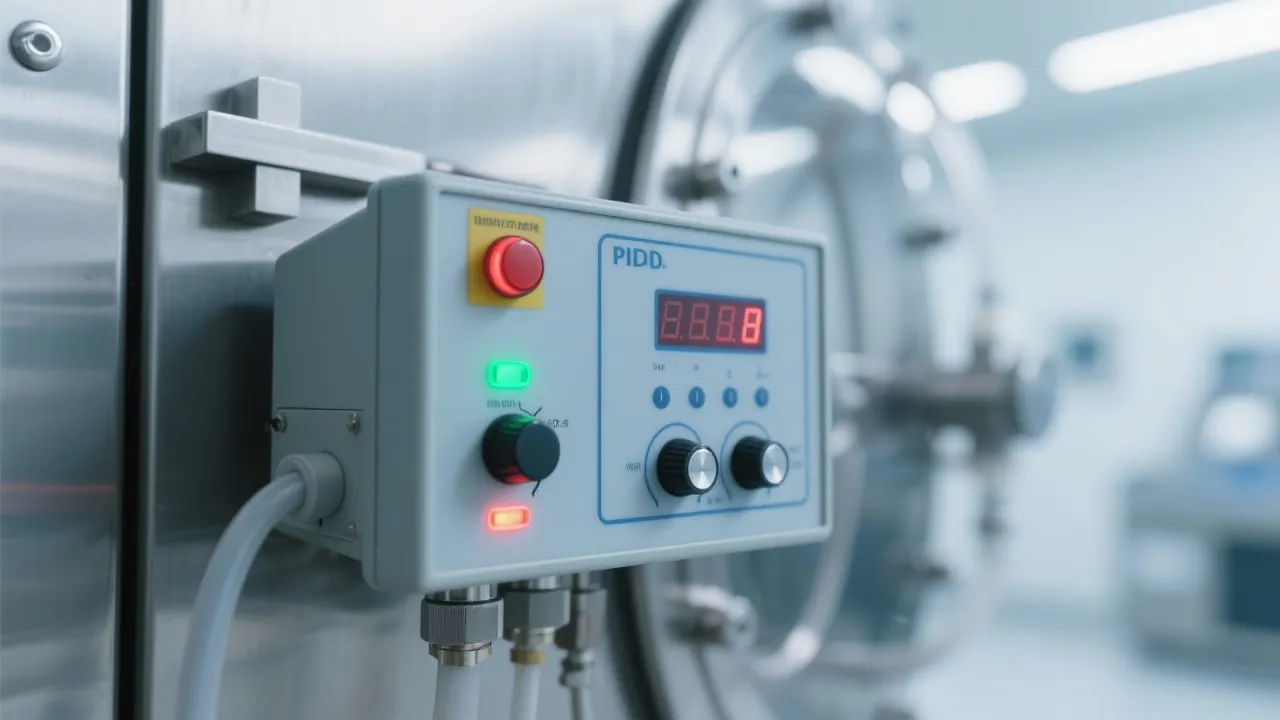
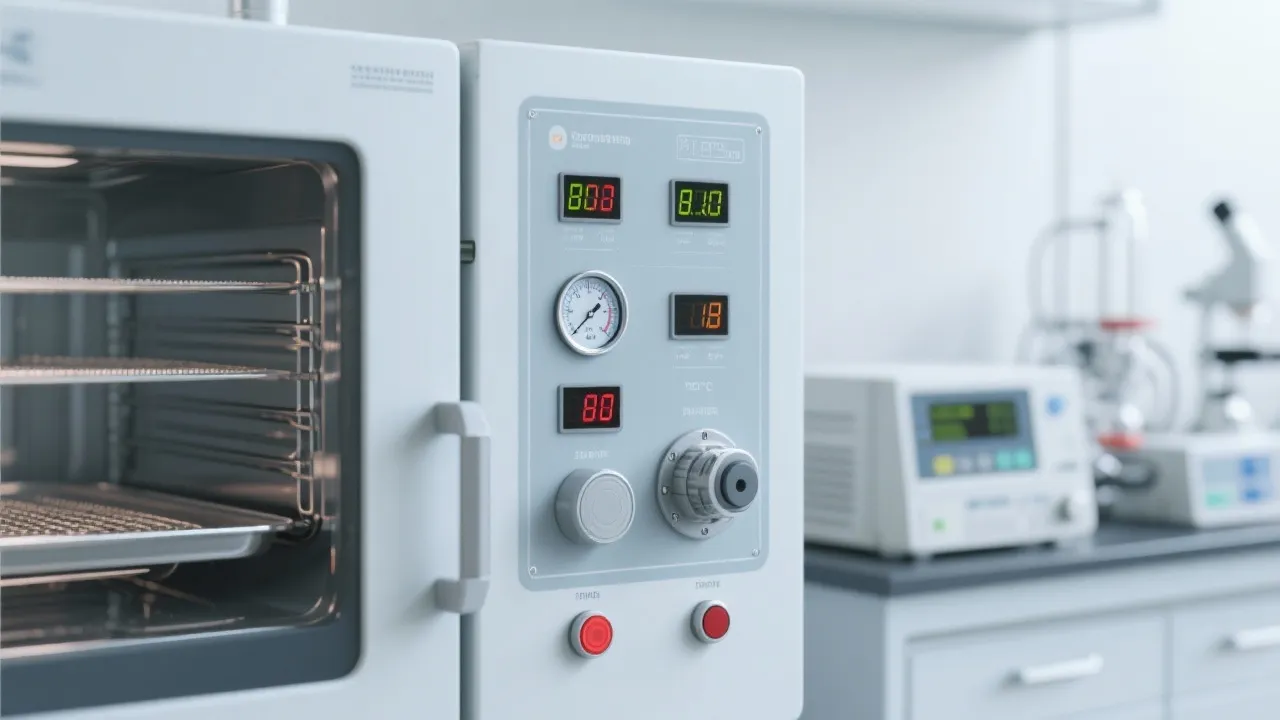
The DZ-3BCII features a patented four-wall heating system combined with an intelligent PID temperature control algorithm, ensuring a maximum deviation of ±1°C across the entire chamber volume—even at 80°C. This level of consistency is crucial for long-duration experiments (e.g., 24-hour drying cycles) where minor fluctuations can compromise sample integrity.
Moreover, its advanced vacuum pump system achieves full evacuation within 8 minutes, significantly faster than many competitors’ models (which average 15–20 min). This means researchers spend less time waiting—and more time analyzing data.
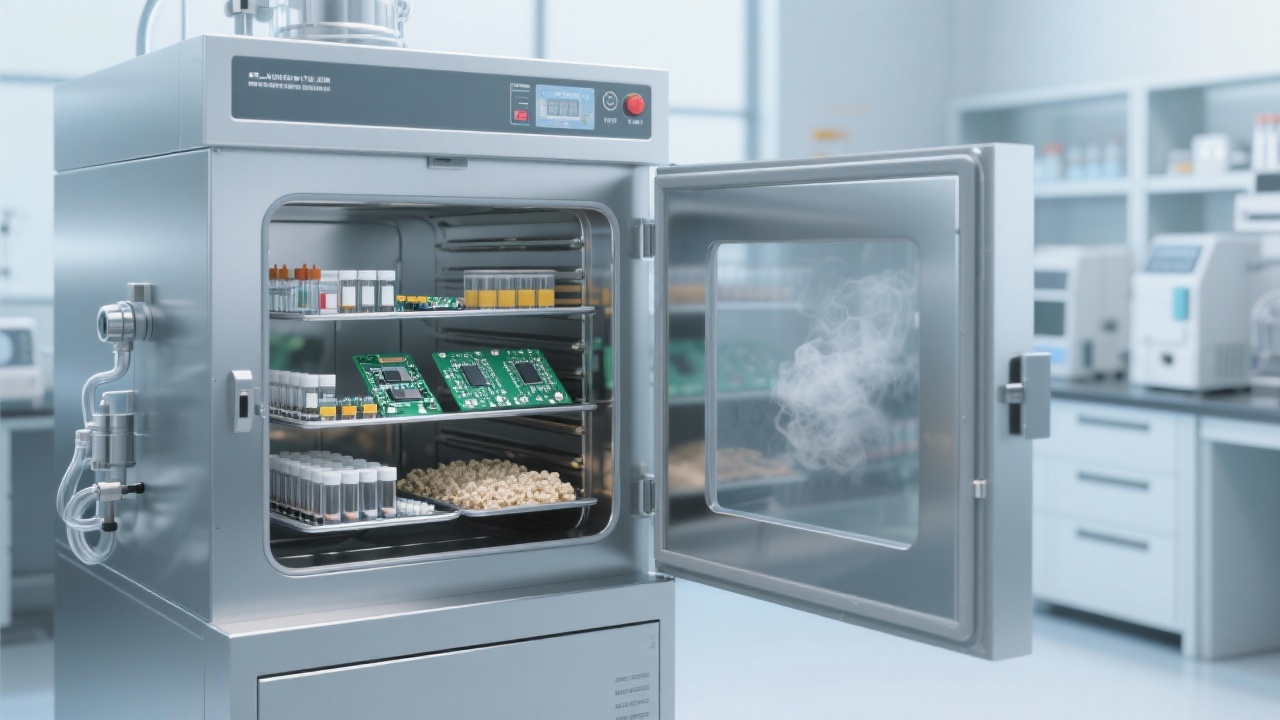
Whether you're drying polymer films or ceramic powders, proper pre-treatment matters:
Common issues like slow drying rates or inconsistent weight loss are usually due to poor sealing or incorrect chamber load distribution—not equipment failure. A simple check of the O-ring seal and even loading of samples can resolve 90% of such problems.
Scientists and process engineers who prioritize accuracy, repeatability, and safety will find the DZ-3BCII not only meets but exceeds expectations in demanding laboratory environments worldwide.
Discover how the DZ-3BCII digital vacuum dryer transforms your material science workflows—from sample prep to final analysis.
Explore DZ-3BCII Technical Specifications