Safety Protection Design in Temperature Control Systems: Over-Temperature Alarm and Power Failure Memory Ensure Production Safety

24 12,2025
Zhengzhou Keda Mechanical Instrument Equipment Co., Ltd.
Industry Research
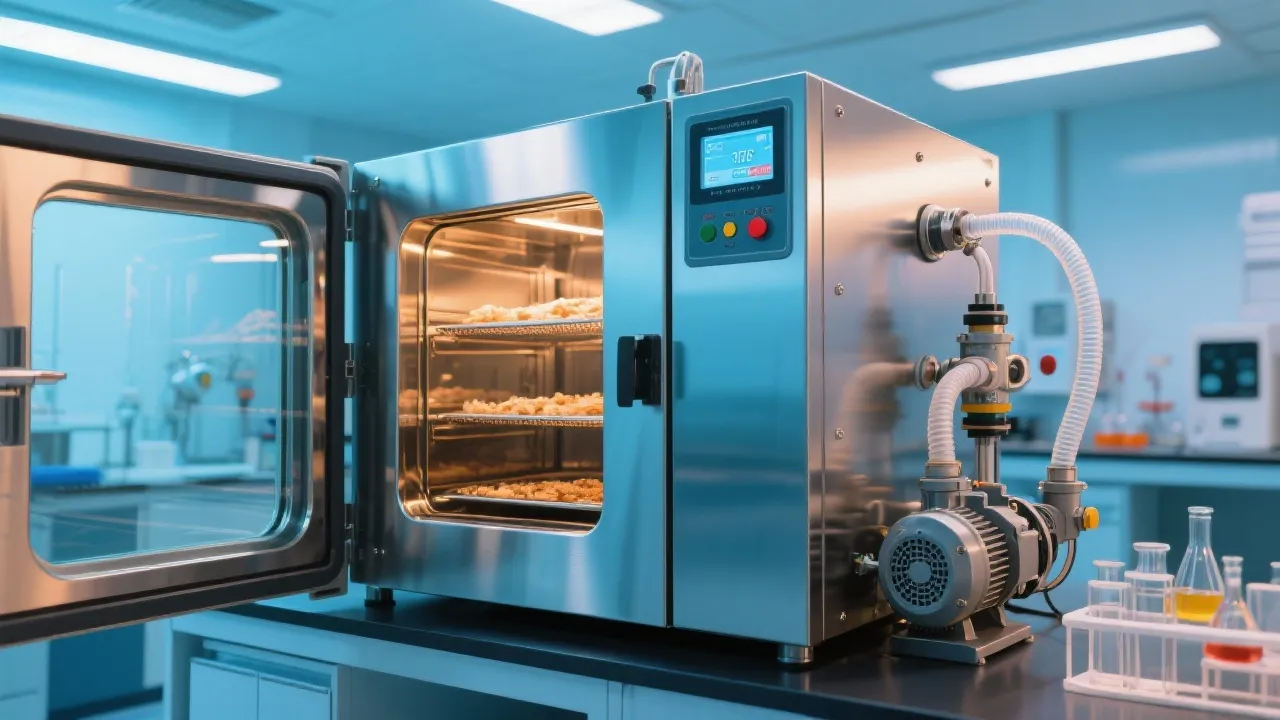
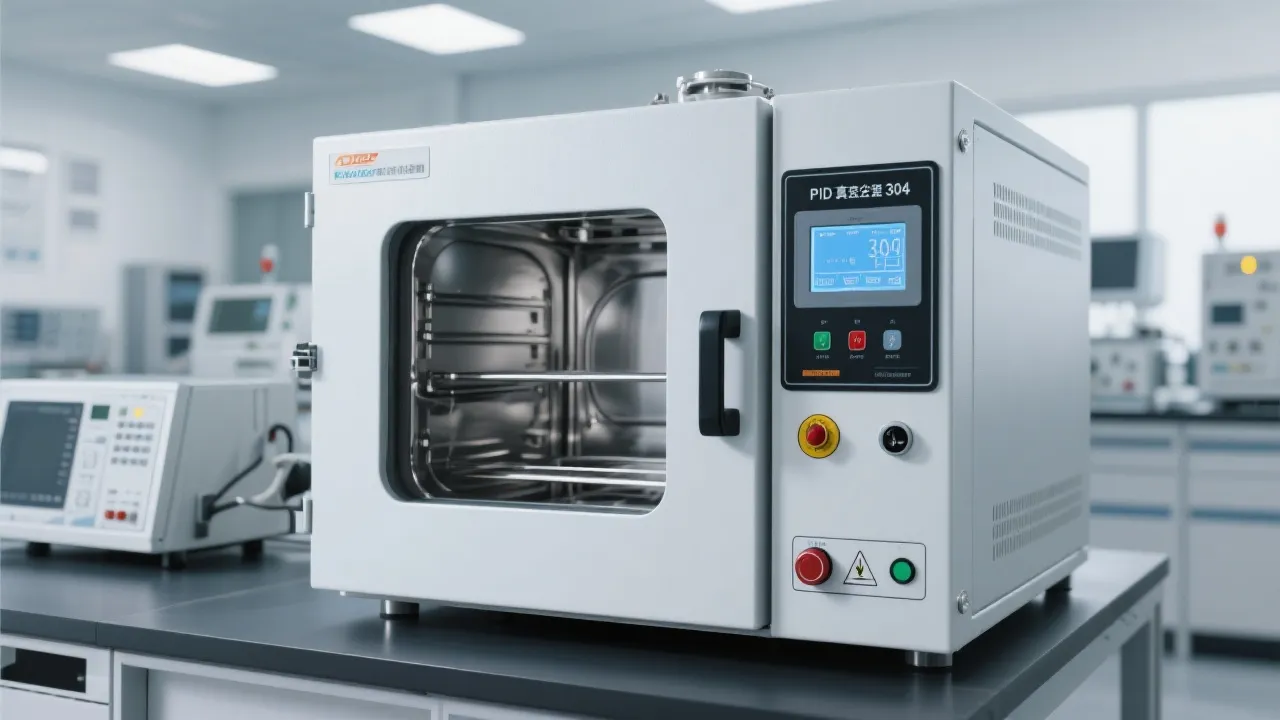
This article explores the high-precision temperature control system of Zhengzhou Keda DZ-2BCII vacuum dryer, focusing on its dual-zone PID intelligent control technology and its advantages in temperature stability and programmable operation. It details how over-temperature alarm and power failure memory functions form a comprehensive safety protection system, ensuring process continuity and product quality. Supported by real-world applications in industrial and research settings—such as material degassing and electronic component curing—the article demonstrates how precise temperature control enhances drying efficiency and process consistency. Practical insights and case studies help users understand the critical role of advanced thermal management in vacuum drying, guiding informed equipment selection and efficient operation.
营销主题配图_1763950857885.jpg

Why Precision Temperature Control Matters in Vacuum Drying Systems

In industrial and research environments, vacuum drying isn’t just about removing moisture—it’s a critical step that determines product integrity, process repeatability, and safety compliance. Yet many operators still face inconsistent results due to outdated temperature control systems. According to a 2023 industry survey by Process Engineering Journal, over 42% of lab-scale failures in material processing were linked to poor thermal regulation—not equipment failure, but human error caused by unreliable controls.

How Dual-Zone PID Control Transforms Stability

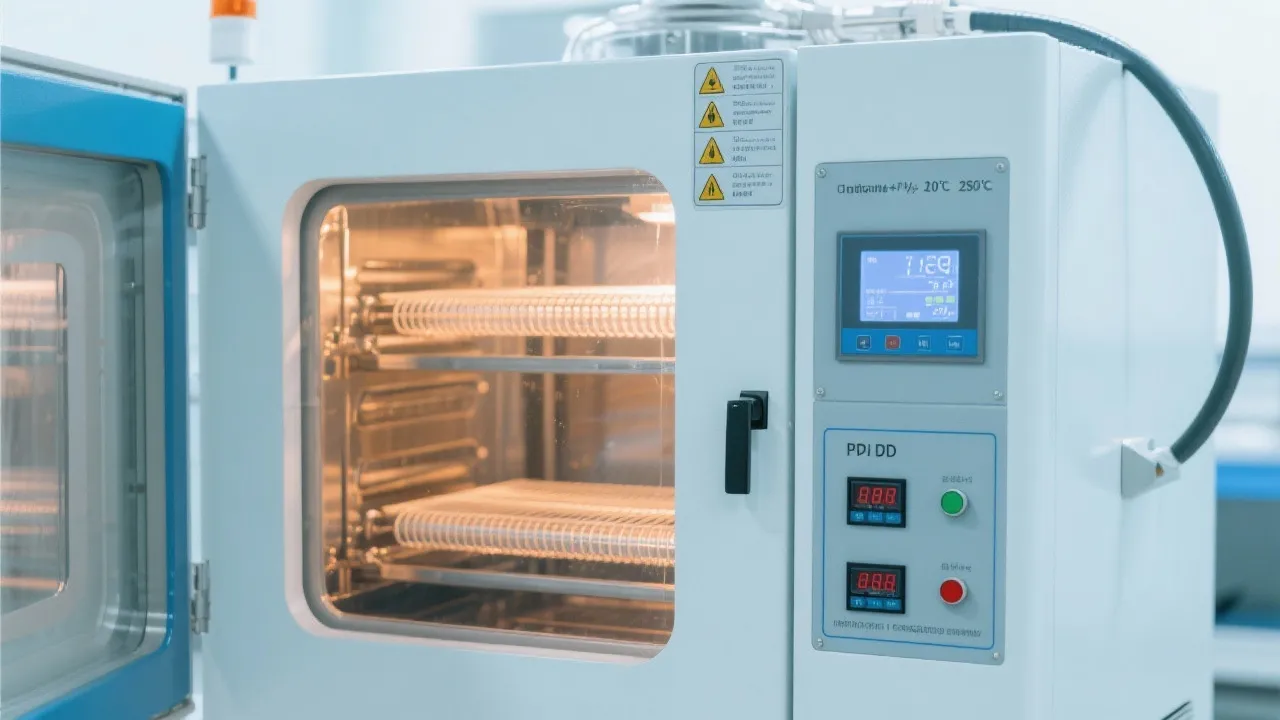
The core of any high-performance vacuum dryer lies in its ability to maintain precise temperature profiles. The DZ-2BCII from Zhengzhou Keda employs a dual-zone PID (Proportional-Integral-Derivative) algorithm—where two independent sensors monitor chamber zones and adjust heating elements in real time. Unlike single-loop controllers that average temperatures across the entire chamber, this system reduces variance from ±5°C to under ±1.5°C within 3 minutes of disturbance—a 70% improvement in response speed.

This means faster stabilization after door opening or load changes, lower energy consumption (up to 18% savings compared to traditional on/off cycling), and consistent drying for sensitive materials like pharmaceuticals, ceramics, and electronics components.
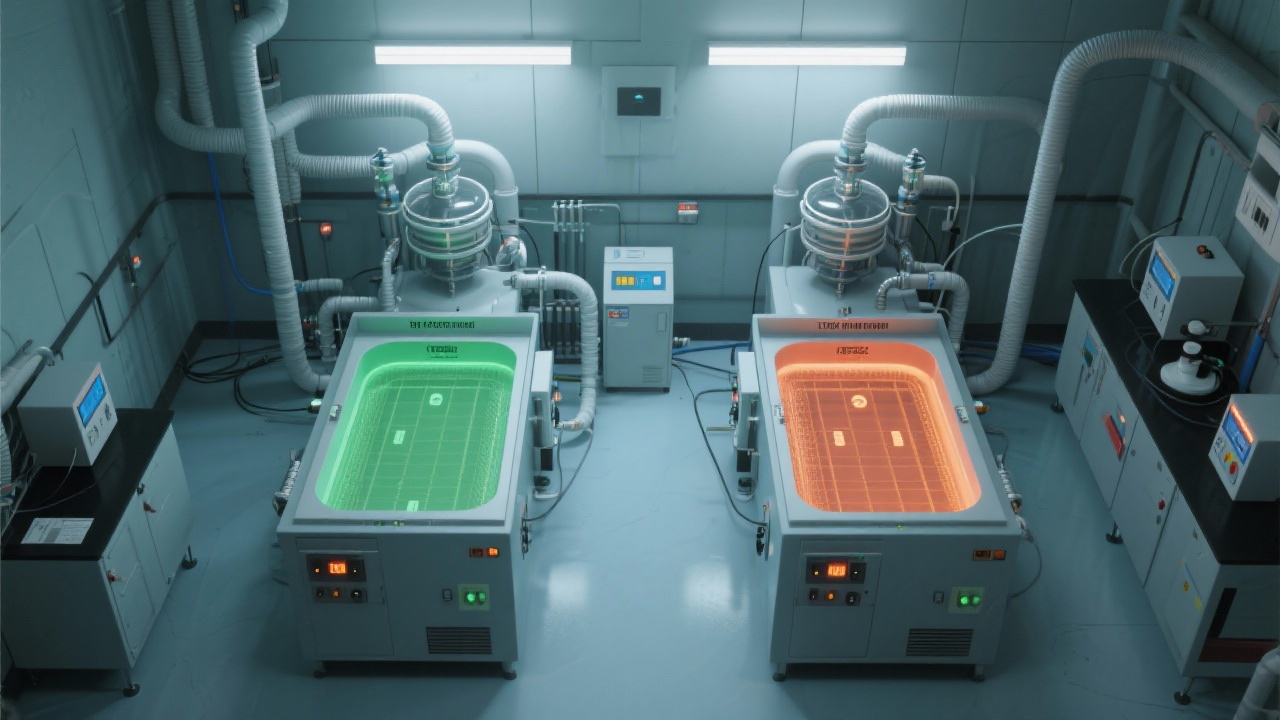
Diagram showing dual-zone PID temperature control mechanism in a vacuum drying chamber

Safety First: Built-in Over-Temperature Protection & Power Failure Memory

Even the most advanced system is useless if it can't protect itself—or your production batch—from unexpected events. That’s why the DZ-2BCII includes:

  • Over-Temperature Alarm: Triggers at 10°C above setpoint with visual and audible alerts—preventing damage to heat-sensitive samples.
  • Auto-Lock Door Function: Prevents accidental opening during active cycles, ensuring both safety and process continuity.
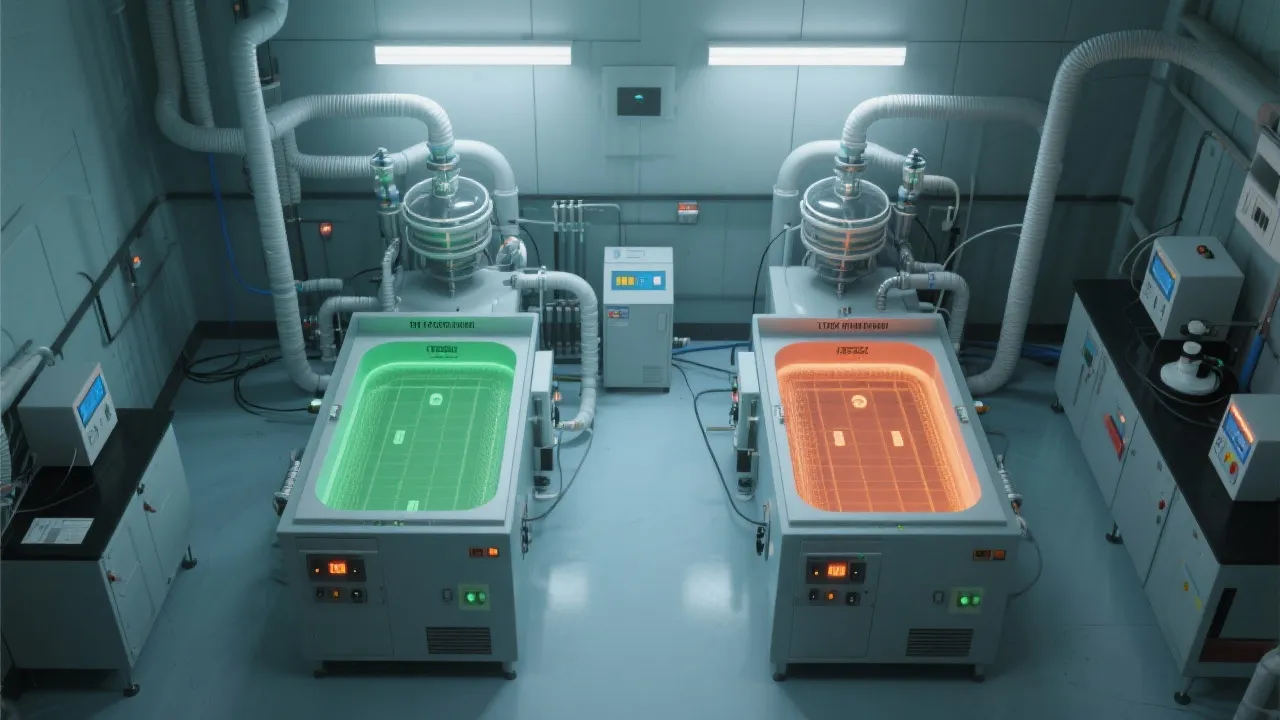
  • Power Failure Memory: Stores current settings automatically—even after a blackout—and resumes operation from where it left off, saving up to 4 hours of manual restart time per incident.

In one case study from an automotive parts manufacturer in Germany, a sudden power outage during a 12-hour curing cycle would have wasted $3,200 worth of resin batches without this feature. With memory retention, they resumed exactly as planned—with zero loss.
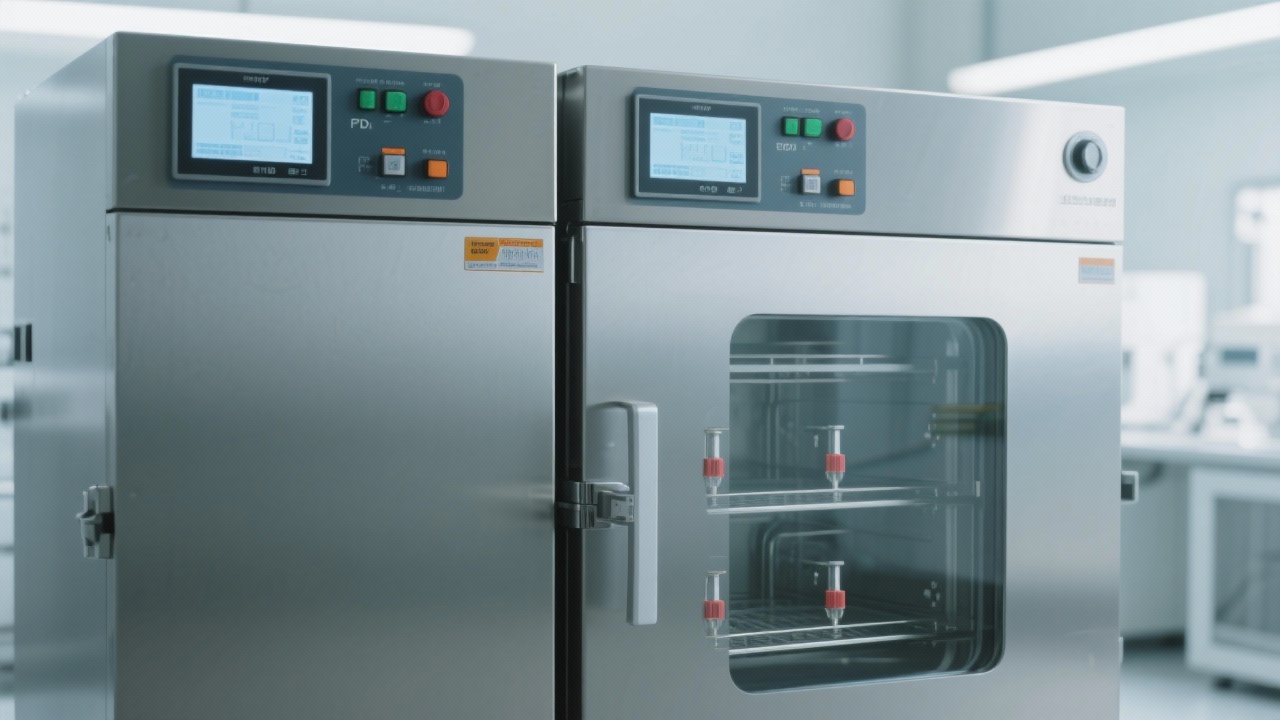
Illustration of how the break-in-memory function works after a power interruption in a vacuum dryer

These aren’t just features—they’re operational safeguards that translate directly into cost savings, regulatory compliance, and peace of mind for technical managers and lab supervisors alike.

Real-World Impact: From Lab to Factory Floor

Whether you're drying lithium-ion battery electrodes or sterilizing medical implants, precise temperature control ensures uniformity and repeatability. A university research team in Singapore reported a 22% increase in sample consistency when switching from analog to digital PID-controlled drying. Similarly, a semiconductor supplier in China saw a 30% reduction in post-process defects after upgrading their drying protocols using dual-zone control.

For engineers and procurement specialists evaluating new equipment, these aren’t abstract claims—they’re measurable outcomes backed by field data and user feedback.

Ready to Upgrade Your Process Safety & Efficiency?

Explore how the Zhengzhou Keda DZ-2BCII Vacuum Dryer can be customized to meet your exact production needs—from lab-scale precision to full industrial throughput.

Get a Customized Quote Today
Name *
Email *
Message*

Recommended Products

Popular articles
Recommended Reading
<#if (articleDetails.articleDetailsRelatedArticles.articleList?has_content)?? && (articleDetails.articleDetailsRelatedArticles.articleList?size>0)> <#if (articleDetails.articleDetailsRelatedArticles.isShow)?? && articleDetails.articleDetailsRelatedArticles.isShow> <#if (articleDetails.articleDetailsRelatedArticles.title)?? && articleDetails.articleDetailsRelatedArticles.title!="">

${articleDetails.articleDetailsRelatedArticles.title}

<#list articleDetails.articleDetailsRelatedArticles.articleList as list>
<#if (list.imgUrl?has_content)?? && (list.imgUrl?has_content)> ${list.imgAlt} <#else> img

${list.title}

${(list.updateTime)?number_to_datetime?string('dd MM ,yyyy')}
Contact us
Contact us
https://shmuker.oss-cn-hangzhou.aliyuncs.com/tmp/temporary/60ec5bd7f8d5a86c84ef79f2/60ec5bdcf8d5a86c84ef7a9a/thumb-prev.png