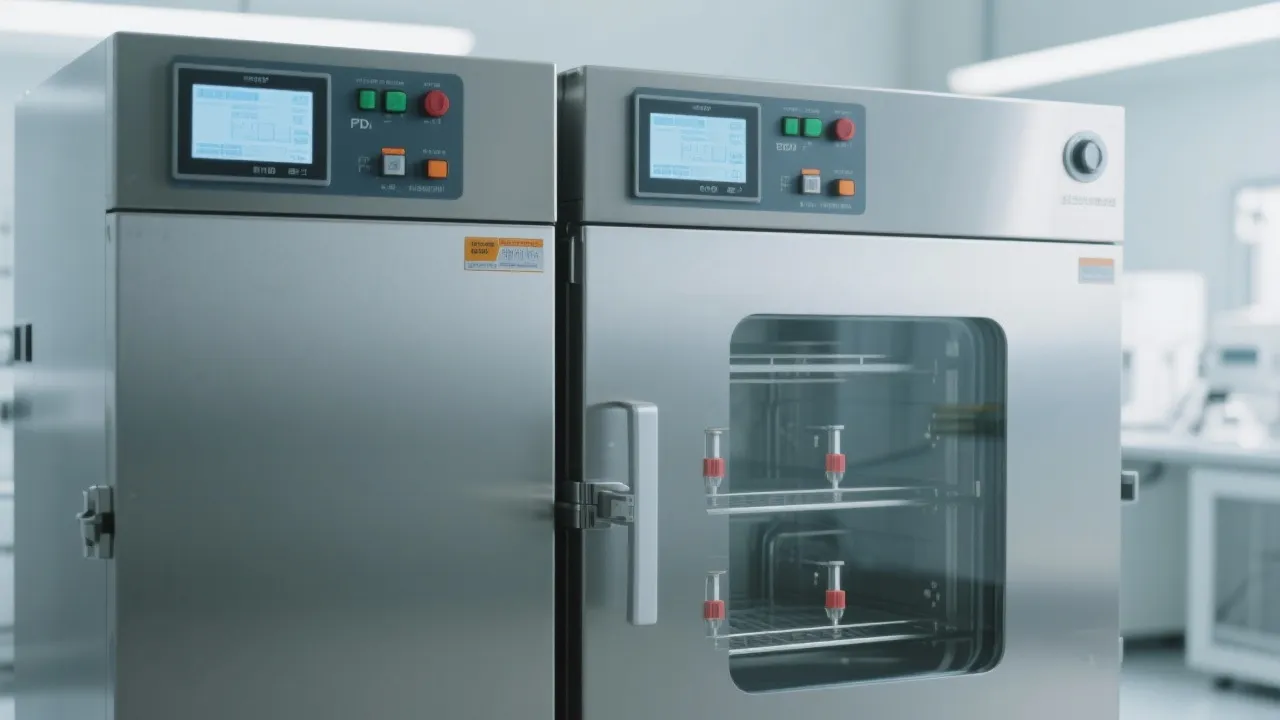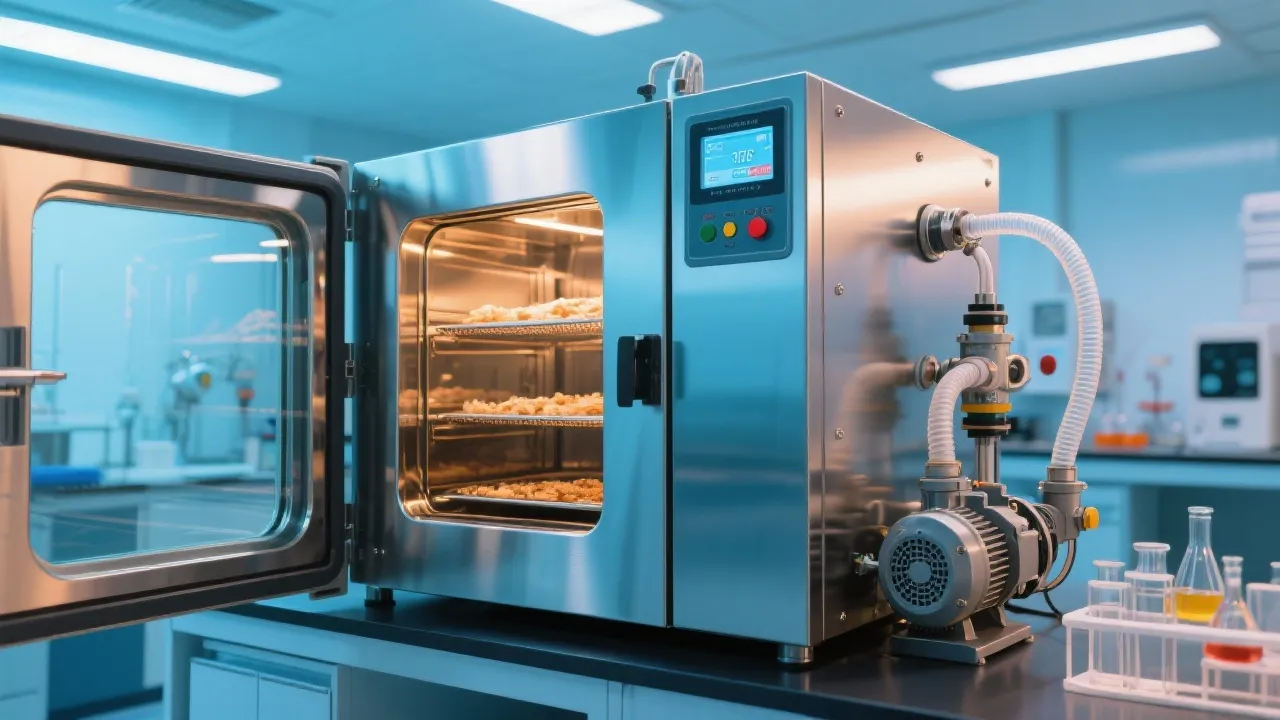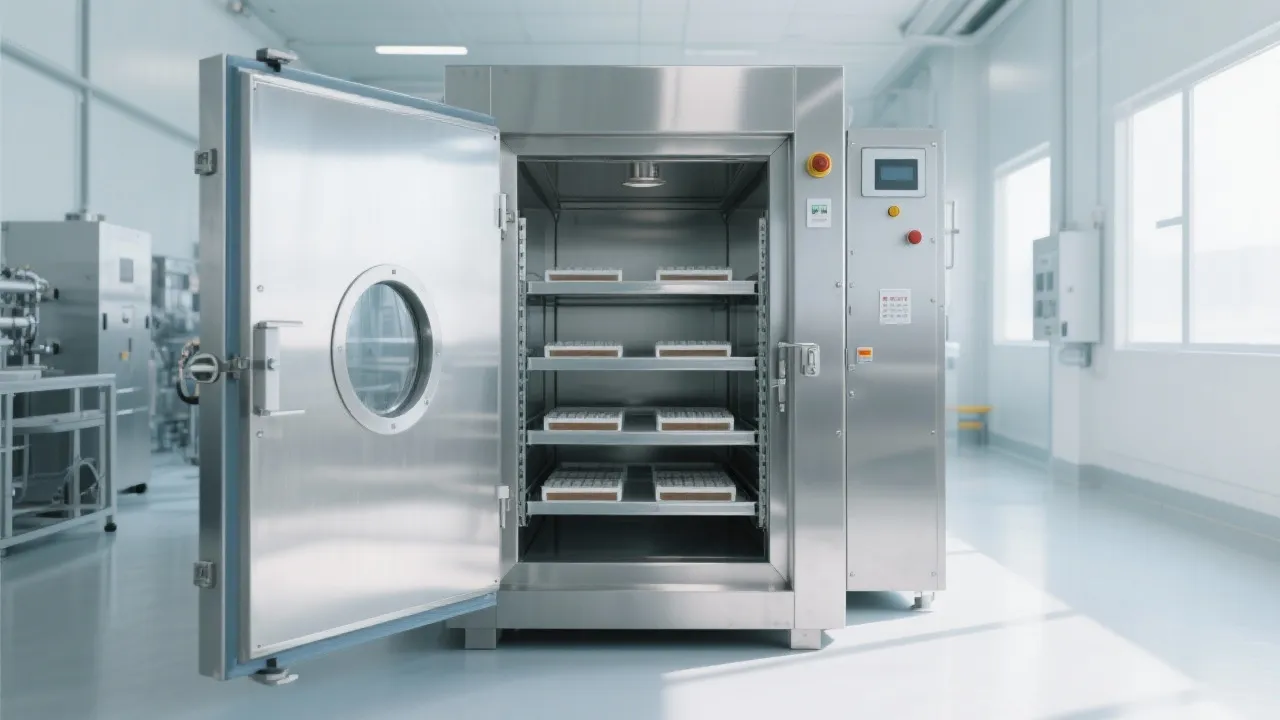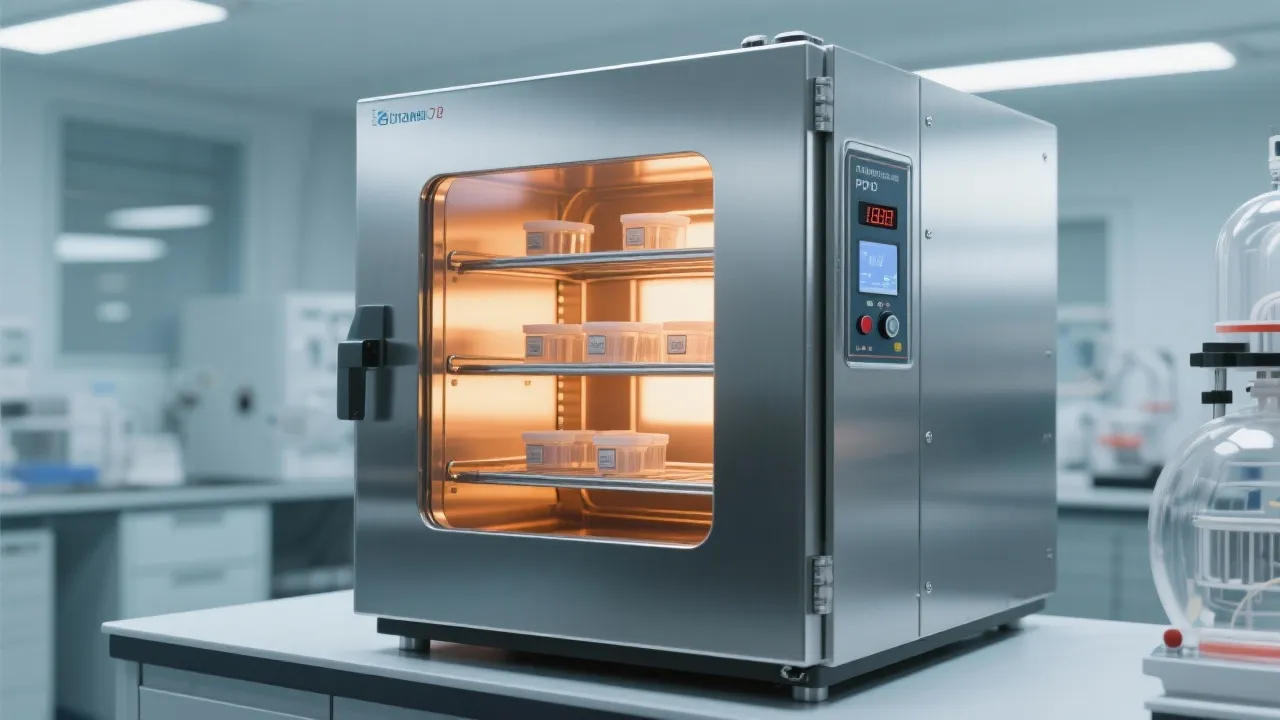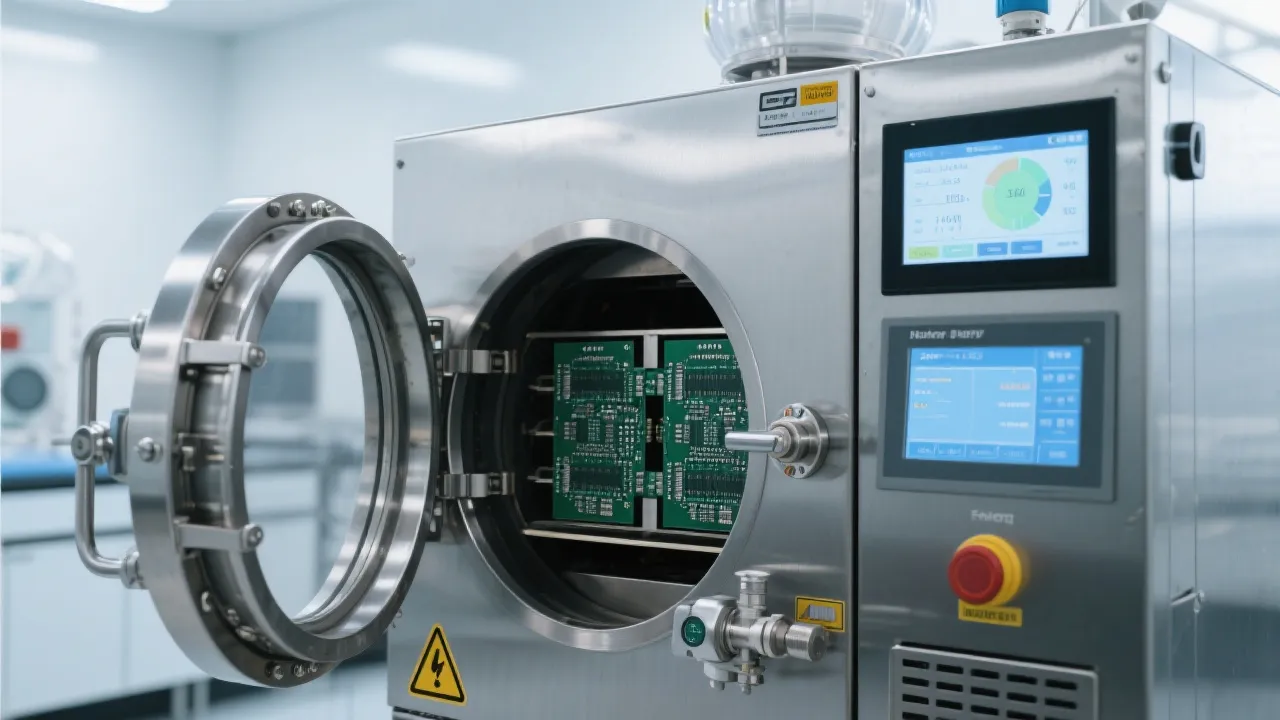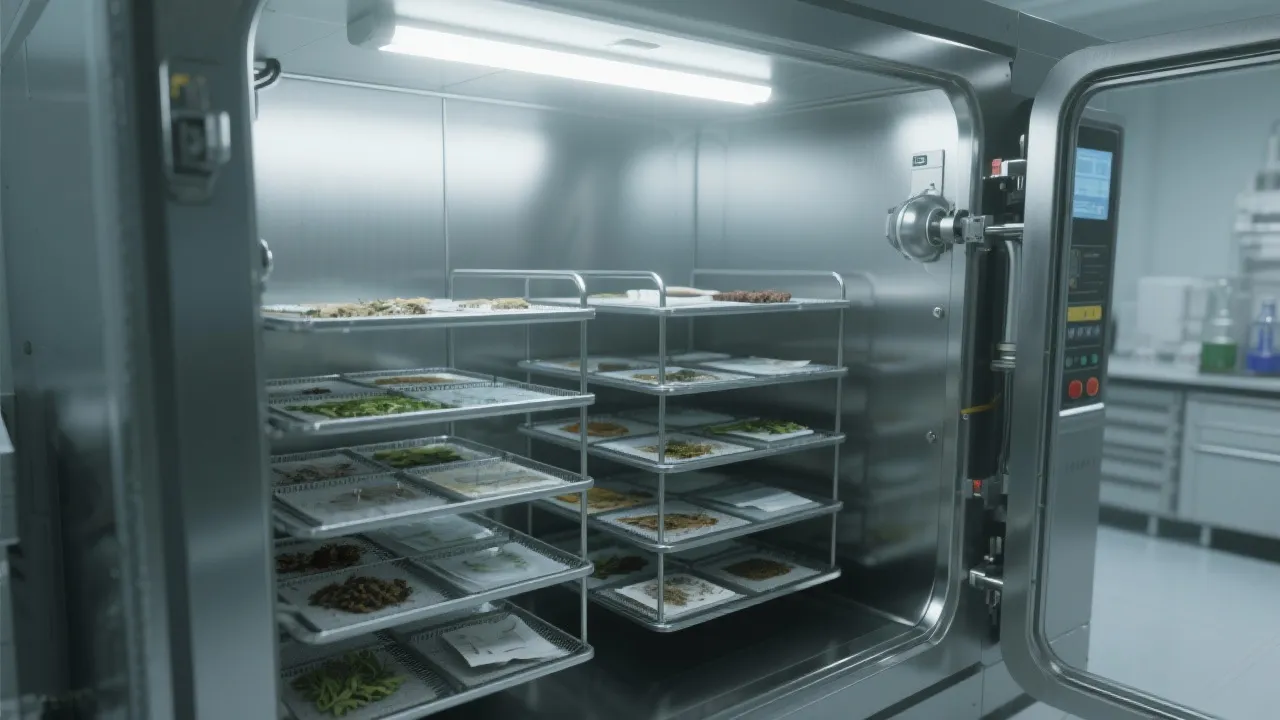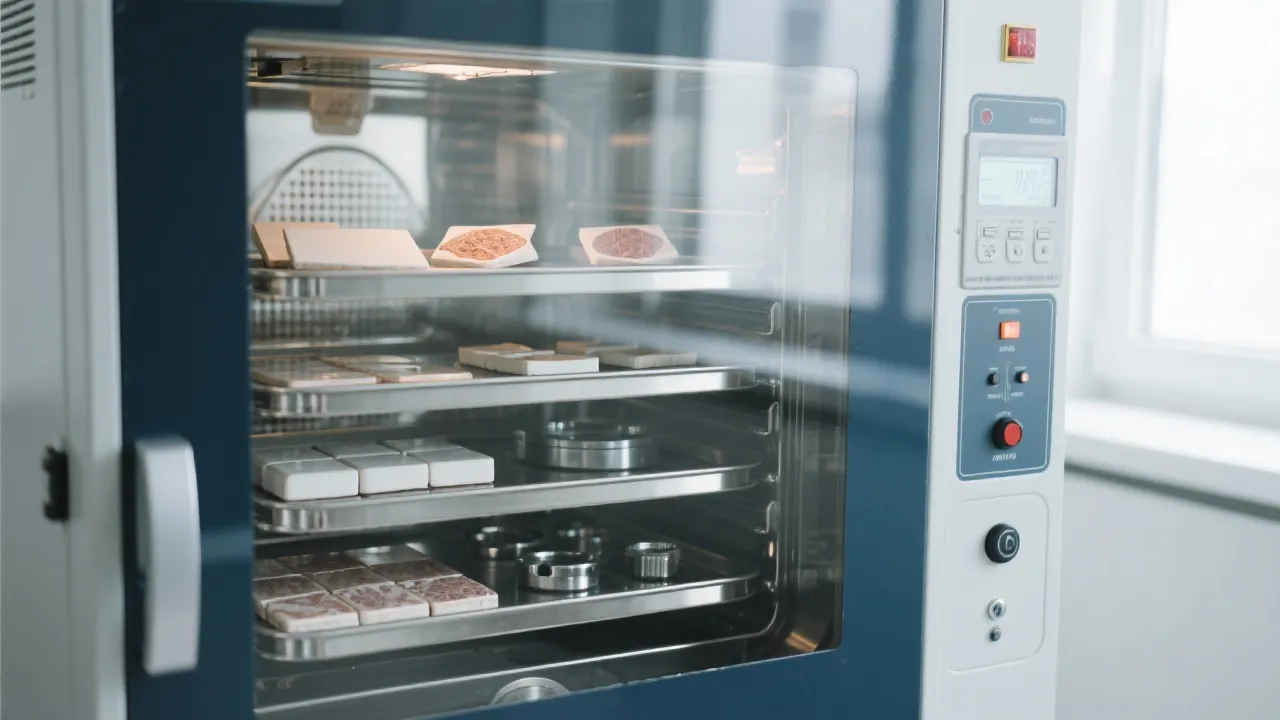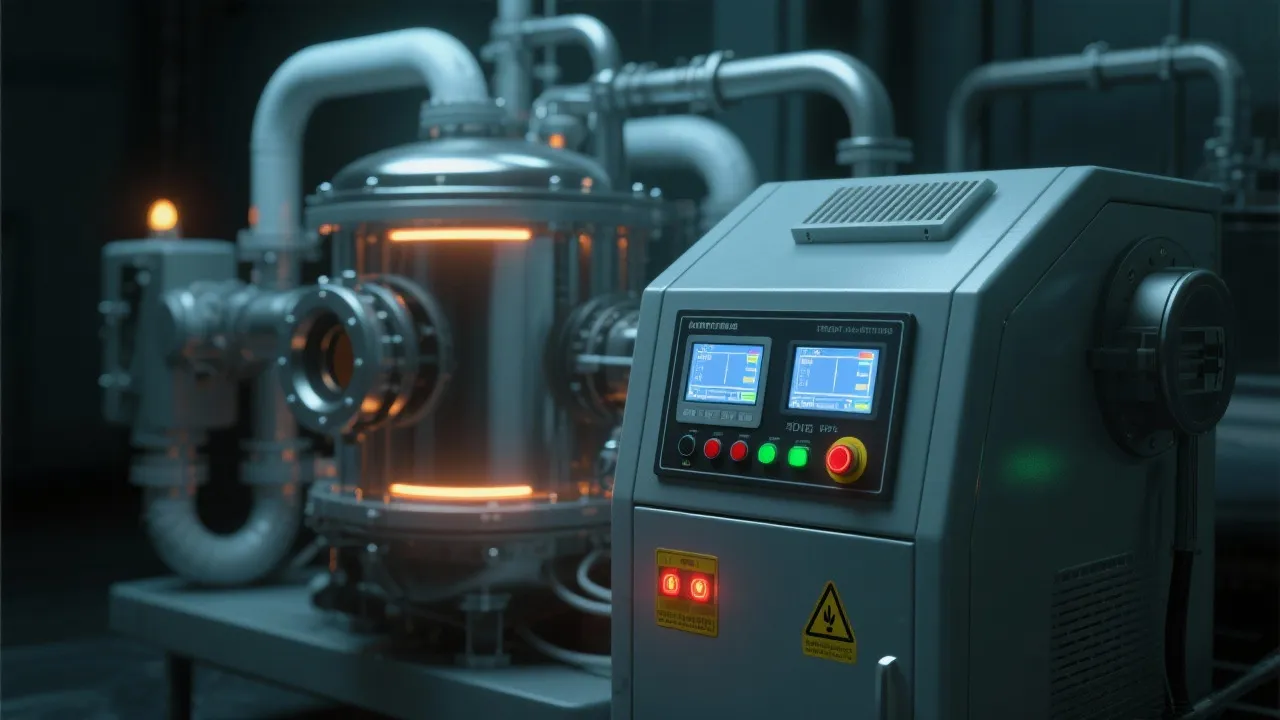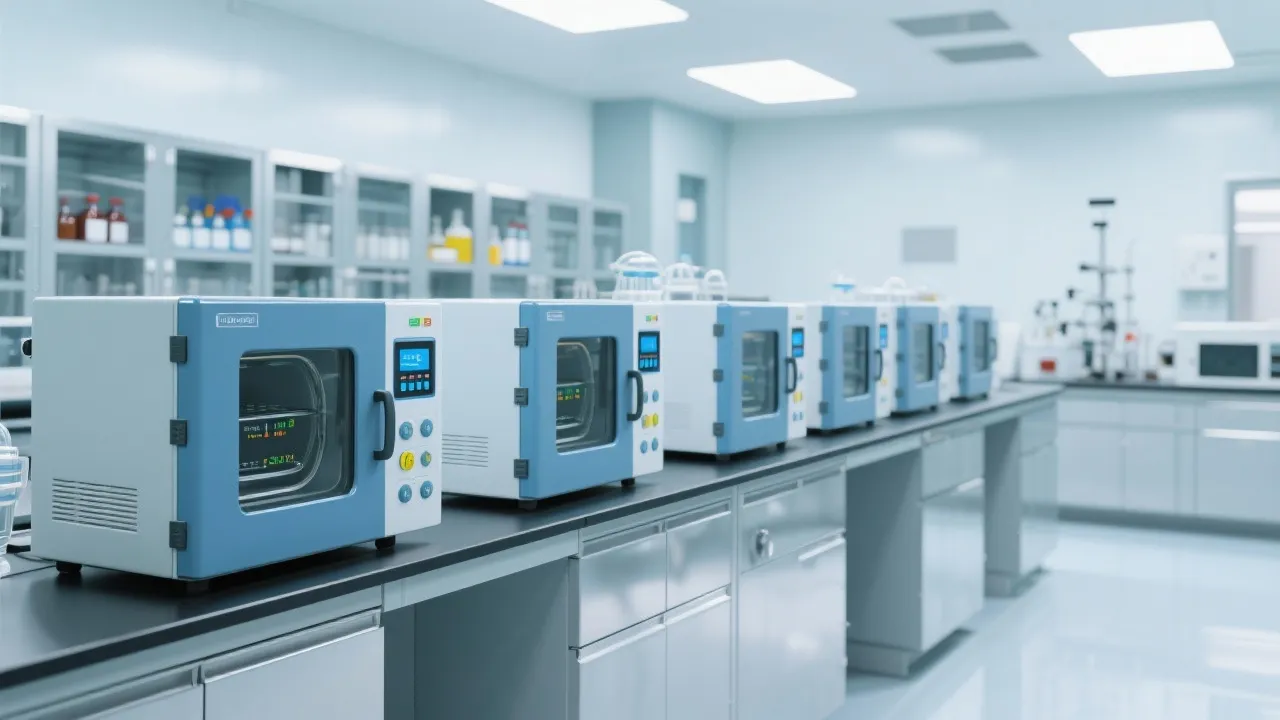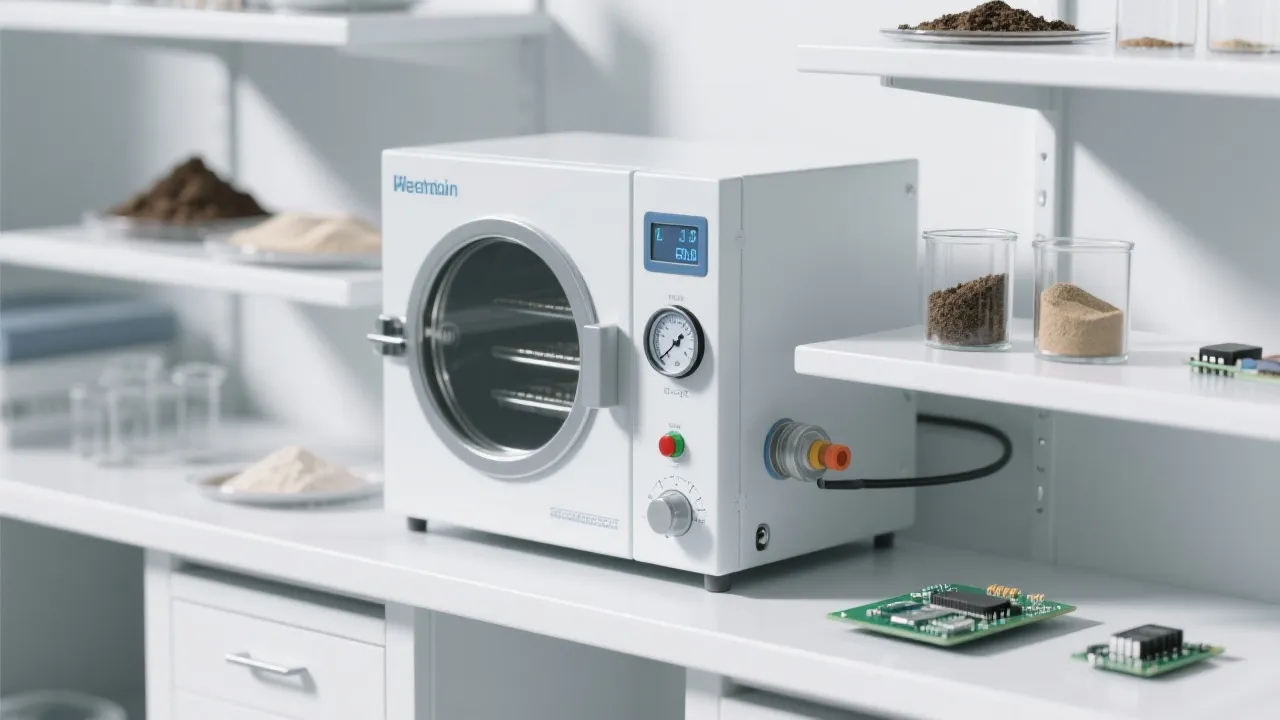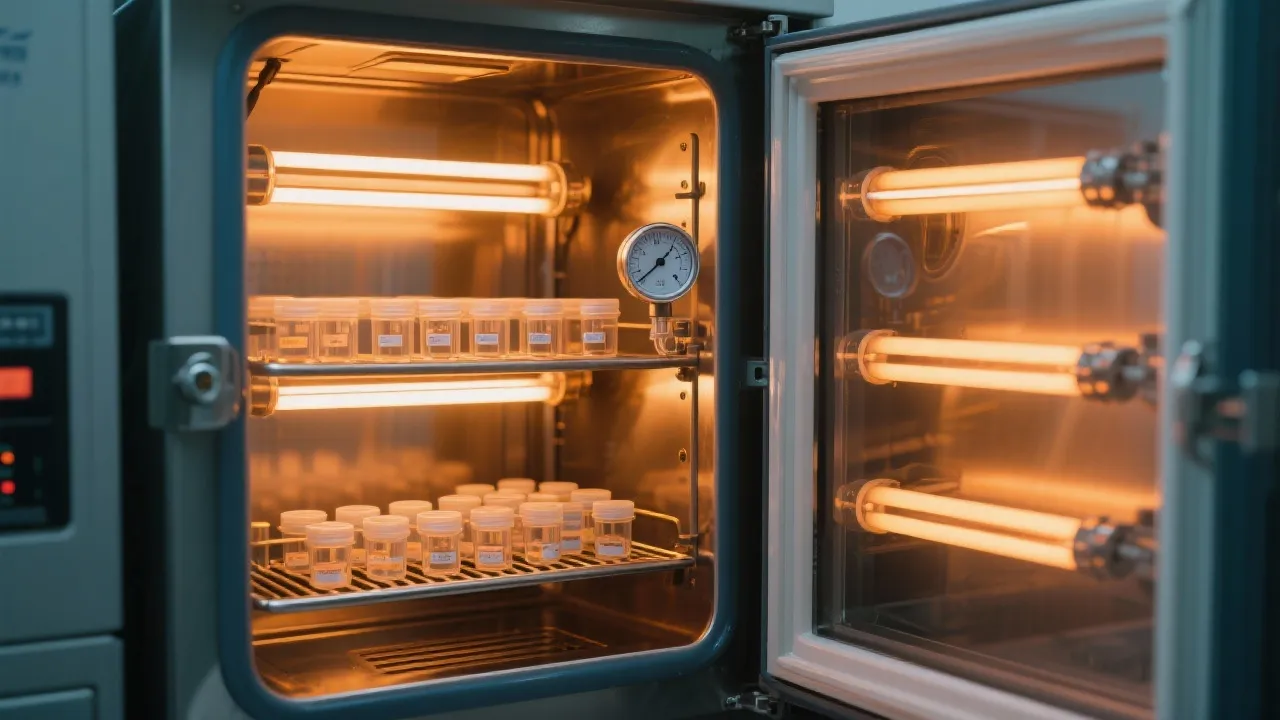
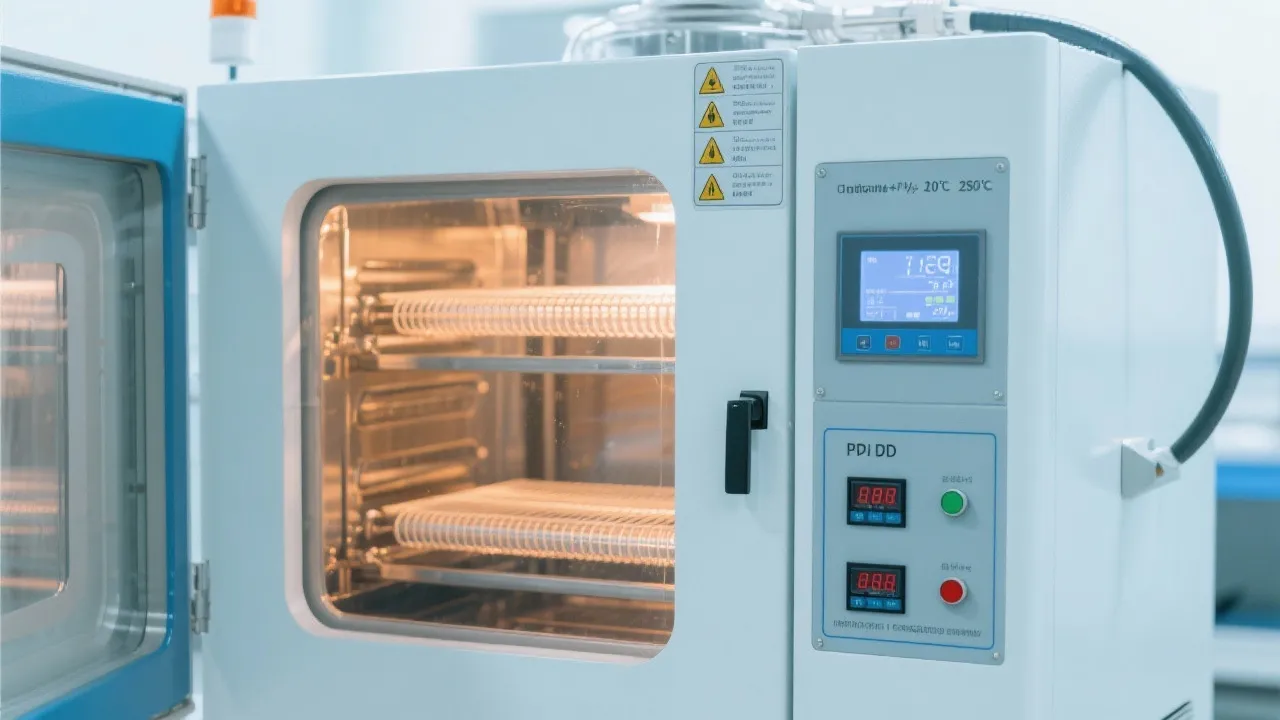
In industrial drying processes—from pharmaceuticals to electronics—consistent temperature control isn’t just a feature; it’s the foundation of product integrity. A fluctuation as small as ±1°C can mean the difference between a successful batch and wasted raw materials. That’s why modern vacuum dryers now rely on advanced double-zone PID control technology, which ensures stability within 0.1°C. Let’s break down how this works—and why it matters.
Many users report inconsistent drying results or degraded sample quality after repeated runs—even when using the same material and settings. The culprit? Traditional on/off or simple proportional control systems. These methods cause overshoots and lag times, leading to uneven moisture removal and potential thermal degradation. For example, in polymer curing or sensitive electronic component drying, even minor variations can lead to defects that fail quality audits or customer acceptance tests.
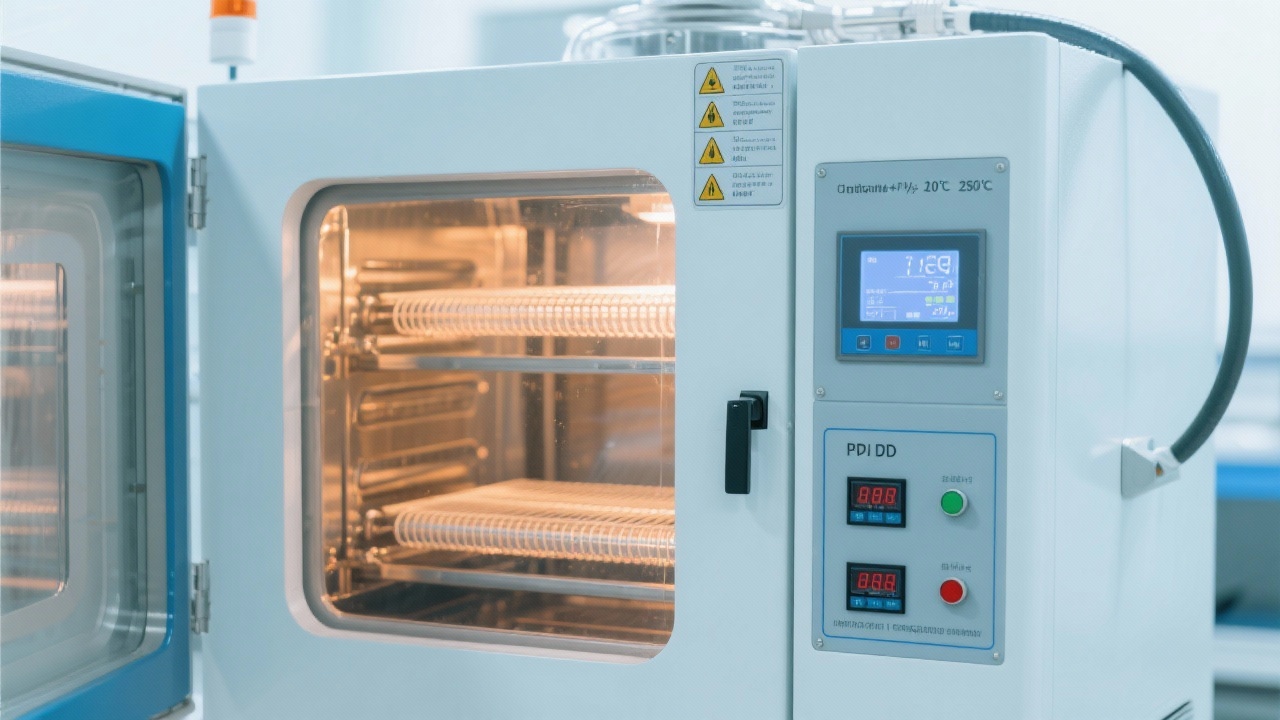
Unlike single-point controllers, double-zone PID uses two independent sensors—one near the heating element and one inside the chamber—to monitor and adjust temperature in real-time. This creates a feedback loop where adjustments are made before deviations occur, not after. Studies show this reduces temperature variance by up to 75% compared to basic controllers, especially during rapid ramp-up phases.
Think of it like driving a car with cruise control vs. manual throttle: one maintains speed smoothly; the other jerks forward and backward. With double-zone PID, your process stays steady—not just stable, but predictable across batches.
A high-precision system isn't complete without intelligent safety features. Our auto-lock door mechanism prevents accidental opening during operation, while over-temperature alarms trigger immediate shutdown if thresholds exceed safe limits. Combined with power failure memory, these functions ensure continuity—even if the lights go out mid-cycle. In labs and production lines, this means no lost time or rework due to unexpected interruptions.
For instance, in battery electrode drying, maintaining consistent temperatures is critical for adhesion and performance. One manufacturer reported a 30% reduction in reject rates after switching to a double-zone PID-controlled vacuum dryer—proof that precision pays off.
With built-in programming capabilities, operators can save multiple profiles tailored to different materials. Whether you're drying ceramic powders or medical devices, you can replicate exact conditions across machines and shifts—minimizing human error and boosting efficiency. This is especially powerful for companies scaling operations globally, where consistency across locations is key.
Pro tip: Always calibrate your sensors quarterly and log data logs monthly. Consistent maintenance keeps your PID algorithm sharp—and your samples pristine.
If you’re serious about improving yield, reducing waste, and ensuring repeatable results—especially in high-stakes applications like R&D or regulated manufacturing—then precise temperature control isn’t optional. It’s essential.